REVIEW · COLOMBO
3 Hour Private Colombo Street Food Tour
Book on Viator →Operated by BLAZE TUK TUK SAFARI · Bookable on Viator
Street food in Colombo is a contact sport.
This private tuk-tuk tour turns it into a guided route, pairing a driver-guide with well-timed stops and real street snacks. I especially like the Pettah Market piece, because it’s where the city’s flavors and noise hit at once. You also get a side of classic Colombo sights, so the day feels more like a story than a grab-and-go meal run. One consideration: like many street-food tours, you’ll want to confirm what’s covered for food if you’re solo, since one solo rider reported being asked for extra money (2,000 rupees) for food.
The other thing I like is the mix of food and quick culture breaks. You pause at places like the Jami Ul-Alfar Mosque (the Red Mosque) and the Dutch Hospital Shopping Precinct, then you’re back on the route before you get food-worn out. The pacing is built for appetite, photos, and explanations—just don’t expect a slow, sit-down meal every stop.
In This Review
- Key highlights you’ll actually feel in your day
- Your tuk-tuk street-food safari starts with Colombo orientation
- The ride setup: what’s included for comfort and sanity
- Dutch Hospital to the Red Mosque: history you can feel before food
- The Fort Clock Tower and Zylen Tea: quick stops with food logic
- Pettah Market: where you learn the rhythm of eating in public
- Galle Face Beach: a breather with sea air and easy photos
- Hotel De Pilawoos and the kothu moment
- Port City Colombo and Colombo’s changing skyline
- Oldest Sivan Kovil in Colombo: Temple of Sri Kaileswaram
- Independence Square, Colombo Lighthouse, and Lotus Tower
- A second Pilawoos stop: rotti and sambol payoff
- Price and value: $39 that mostly makes sense
- The one thing to confirm: solo food extras
- Timing, pacing, and what to expect between bites
- Who should book this Colombo street-food tuk-tuk day
- Should you book Blaze’s Colombo Street Food Tour?
- FAQ
- Is this a private tour?
- How long is the tour, and where does it start?
- What food and drinks are included?
- Are entrance tickets included?
- Do you get WiFi or comfort items on the tuk-tuk?
- What if the weather is poor or I need to cancel?
Key highlights you’ll actually feel in your day
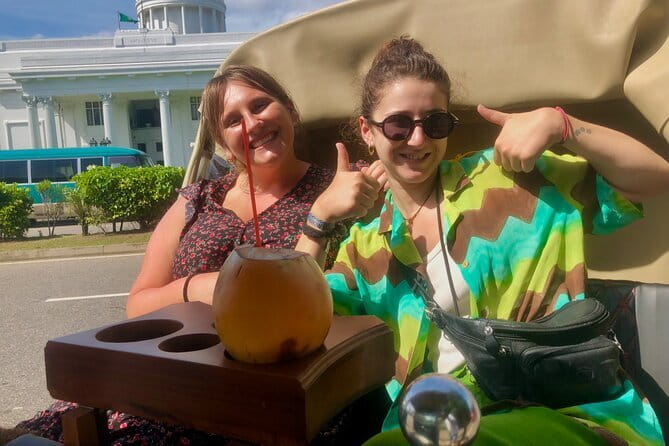
- Convertible tuk-tuk comfort: WiFi on board, bottled water, and a Bluetooth speaker so the ride doesn’t feel like dead time
- Pettah Market initiation: a guided walk through the hustle where street food is the main event
- Real Colombo food targets: kothu at Hotel De Pilawoos, rotti with sambol, plus classic snacks named like cassava chips and samosas
- Big landmarks, short stops: clock tower, lighthouse, Lotus Tower, Independence Square—good for orientation in limited time
- Tea-and-spice stop: Zylen Tea gives you a taste of the ingredients behind the dishes, not just the dishes
Your tuk-tuk street-food safari starts with Colombo orientation
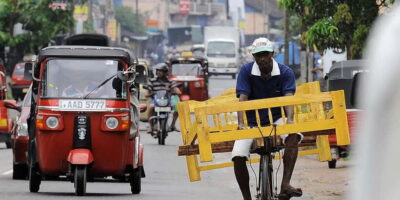
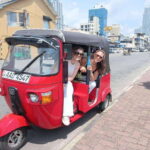
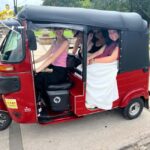
This is a private, driver-guide tour in a convertible tuk-tuk. That matters more than it sounds. In Colombo, the food scene is spread out, and the streets can move fast—having a local host steering you from stop to stop keeps you focused on eating instead of figuring out directions.
The route is also built to help you understand where you are in the city. You start in the Fort area, then work your way toward Pettah (the busy market zone), and finish with major waterfront and city landmarks. If you’ve only got a day to make sense of Colombo, this kind of structure pays off.
Plan on around 4 hours in real life. The experience is marketed as a 3-hour private tour, but the day runs longer based on the stop timing. That usually means you’ll get enough time at each place to actually notice what you’re eating, not just pass by it.
You can also read our reviews of more food & drink experiences in Colombo
The ride setup: what’s included for comfort and sanity
You get pickup offered, and the tour’s meeting point is at Dutch Hospital – Shopping Precinct on Hospital St. You’ll also get a mobile ticket, which is handy when you’re moving between busy streets.
On board, you’ll have WiFi, bottled water, and coffee and/or tea. There’s also a Bluetooth speaker so you can play your own music. These aren’t luxuries for show; they make the waiting time between food stops feel lighter, especially if the traffic slows the plan.
One practical note: the experience requires good weather. Colombo can be unpredictable, and a tuk-tuk day depends on you staying mobile without getting soaked.
Dutch Hospital to the Red Mosque: history you can feel before food
Stop 1 is the Dutch Hospital Shopping Precinct, an old Dutch colonial-era building in the Colombo Fort area. Even if you’re not shopping, it’s a good “set the scene” stop: it tells you this part of the city has long been a crossroads, with styles and influences layered over time.
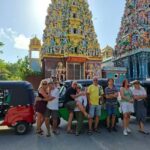
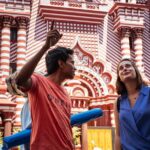
Then comes the Jami Ul-Alfar Mosque, often called the Red Mosque, located in Pettah near Second Cross Street. This isn’t just a quick photo stop. You get a short visit that helps you understand Pettah as more than a market maze—it’s also a real neighborhood with religious life at the center.
These short culture stops do something smart for a street-food day. They give your brain a reset between flavors, so you don’t just eat and walk in a blur.
The Fort Clock Tower and Zylen Tea: quick stops with food logic
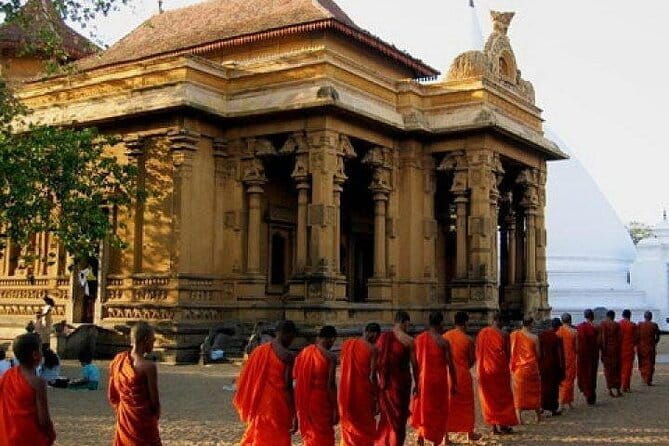
At the Colombo Fort Clock Tower, you’re looking at a structure that also once served as a lighthouse. The lighthouse isn’t operational, but the tower remains a landmark—an easy waypoint for your day.
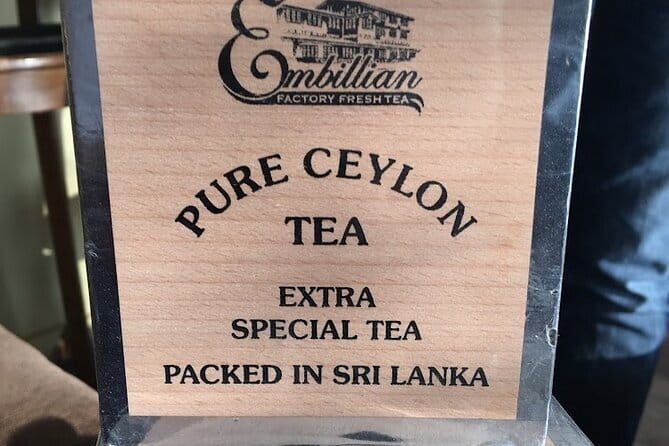
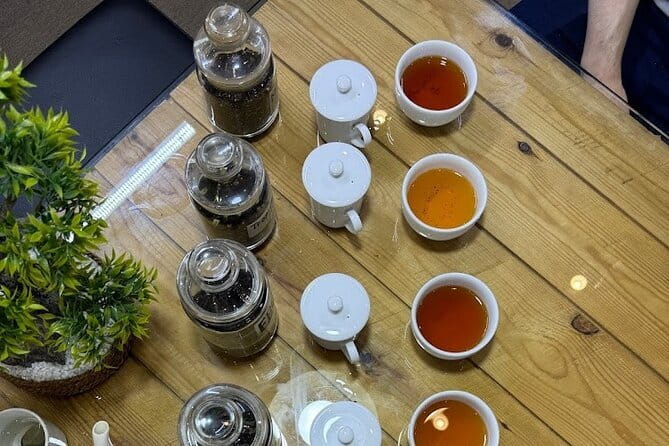
Right after that, the tour includes Zylen Tea, a shop centered on tea, spices, and coffee. This is one of those stops that can be either useful or annoying, depending on how it’s handled. Here, it works because it ties into the main theme: Sri Lankan roadside flavors aren’t random. Spices and tea are part of the daily rhythm, and seeing what’s sold (and how) helps you connect ingredient to taste.
Also, Zylen Tea is listed as having admission ticket included, so it’s built into the schedule instead of being a surprise extra.
Pettah Market: where you learn the rhythm of eating in public
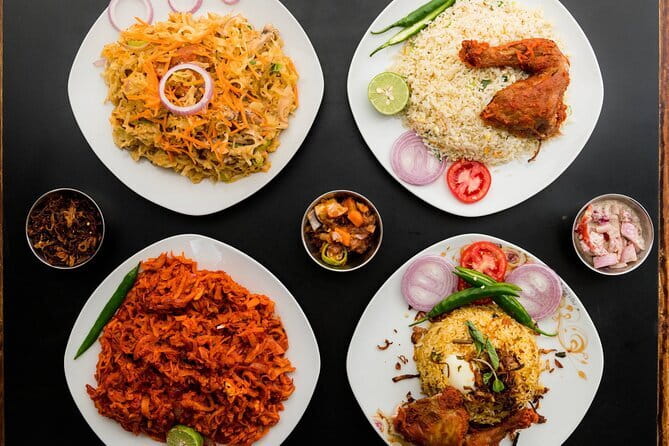
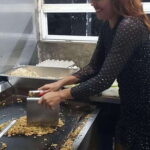
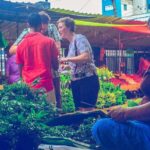
Pettah is the star for many people because it’s the closest thing you’ll get to a guided crash course in Colombo street life. You’re there for about 15 minutes, but the point isn’t “complete the market.” The point is to learn what to look for and how street snacks are put together.
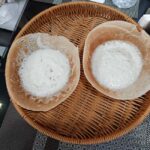
In the tour description, you’ll see specific food examples like cassava chips and samosas. You’re also told the guide will explain what the dishes consist of, not just what to buy. That guidance is the real value here. Without it, you can spend time decoding menus while other people quietly know what’s worth ordering.
If you like eating where locals eat, Pettah is where that becomes practical.
You can also read our reviews of more tours and experiences in Colombo
Galle Face Beach: a breather with sea air and easy photos
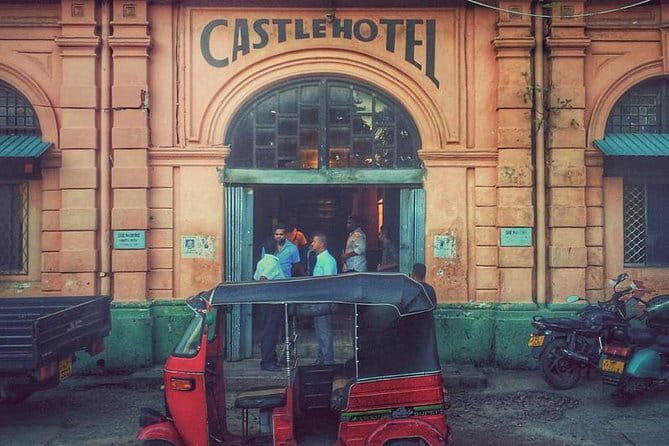
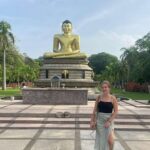
After the market chaos, you get a calmer interlude at Galle Face Beach, an ocean-side urban park with a promenade stretching along the coast. This stop is listed as free and about 35 minutes, which is a good size break if you’re full but still want to keep the day moving.
This portion of the route helps you digest and resets your senses. You’ll go from indoor/outdoor food hustle to open air, and that shift makes the later landmark stops feel easier.
Hotel De Pilawoos and the kothu moment
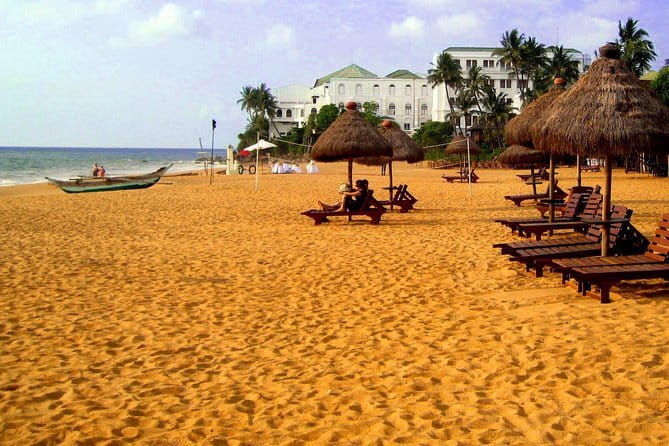
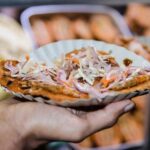
The tour includes a stop at Hotel De Pilawoos, with special emphasis on the authentic Sri Lankan kothu. Kothu is one of those dishes that people talk about because it’s both comforting and unmistakably Sri Lankan. Having it placed in the route means you’re not chasing it at random later.
This stop is listed as about 30 minutes and admission ticket is marked free. That suggests you’re using the time to eat and absorb the atmosphere, not just stand around in a museum-like setting.
As with any street-food style tour, kothu can vary by day and vendor. The bigger win here is timing: you hit it after Pettah so you’re primed for savory, spiced comfort.
Port City Colombo and Colombo’s changing skyline
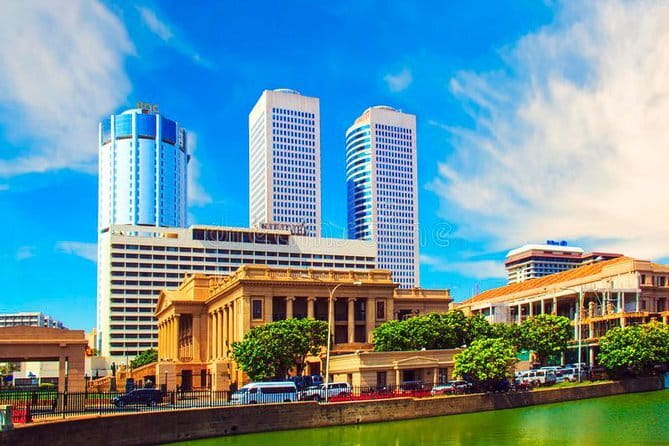
Next up is Port City Colombo, a multi-services special economic zone that’s currently under construction. You’re there for roughly 30 minutes.
This stop is a nice counterpoint to the older Fort and Pettah areas. It shows you how Colombo is growing and shifting, with modern development rising beside older neighborhoods. You might not need it for the food theme, but for first-time visitors it’s a useful reality check: Colombo isn’t stuck in the past, even if the old streets still dominate your senses.
Oldest Sivan Kovil in Colombo: Temple of Sri Kaileswaram
You also stop at Temple Of Sri Kailawasanathan Swami Devasthanam Kovil in Maradana, at the Captain’s Garden. The info notes it’s considered the oldest Sivan Kovil in Colombo, and admission is listed as not included.
This is a short visit (about 10 minutes), so it won’t replace a longer temple day. Still, it adds depth to the “food and culture” idea. Sri Lankan food habits aren’t separate from daily life and religious rhythms, and a quick stop like this helps keep the day from feeling like only a shopping and snacking circuit.
Independence Square, Colombo Lighthouse, and Lotus Tower
You’ll continue with major landmarks that help you orient yourself fast:
- Independence Square (including Independence Memorial Hall)
- Colombo Lighthouse at the waterfront near Galbokka Point
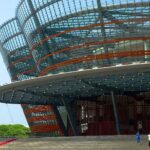
- Colombo Lotus Tower, listed at 351.5 meters tall
These stops are short, but they serve a purpose: you get the recognizable Colombo skyline pieces without burning a full day on viewpoints. If you’re thinking ahead to your future plans—where to go next, what direction things are in—these landmarks act like anchors.
There’s also a nice flow here. You’re moving from historic memory (Independence) to maritime identity (Lighthouse) to a modern skyline symbol (Lotus Tower). It makes the day feel like Colombo, not just a list of eateries.
A second Pilawoos stop: rotti and sambol payoff
Toward the end, you get another food-focused stop: Pilawoos – Kollupitiya for rotti and sambol. It’s about 15 minutes, and admission is listed as not included.
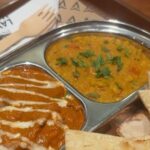
This is the kind of closing move I like in a street-food tour. Rotti with sambol feels like a clean, sharp last flavor punch—spiced, fresh, and very Sri Lankan in character. It’s also a good chance to compare tastes from earlier snacks and dishes. You end the day with a clearer idea of the flavors that keep showing up.
Price and value: $39 that mostly makes sense
The price is $39 per person. That’s not a bargain-basement street snack crawl. But it’s also not overpriced for what you get.
What’s included:
- Guide in-person (English)
- Convertible tuk-tuk transport
- WiFi, bottled water, coffee and/or tea
- Snacks
- City map
- Admission tickets are included for several stops (Dutch Hospital precinct, Red Mosque, Fort Clock Tower, Zylen Tea, and Pettah)
When admission fees are included for multiple stops, the cost usually feels fair—especially in a city where paid entry points and guided movement can add up quickly.
The one thing to confirm: solo food extras
There is a clear caution from an account of a solo rider: the guide asked for an extra 2,000 rupees to cover food costs for the solo traveler. That’s the only “watch out” detail that pops up here.
So if you’re going solo, I’d ask one simple question before you start: what portion of food is covered versus what’s optional or paid separately on the spot. It keeps the day fun instead of awkward.
Timing, pacing, and what to expect between bites
Even with food as the main focus, the route includes plenty of sightseeing segments. That can be a good thing. It turns your eating into context and gives you a map of the city in your head by the end.
But if you’re the type who wants pure food time, know the structure. You’ll spend short windows at many landmarks—often 10 to 20 minutes. The tour’s strength is that the stops stay meaningful and connected, not that you linger in every restaurant.
Also, the tour length and the number of stops means you’ll walk and stand. Wear comfortable shoes. You’ll get the best day if you treat this as both a food tour and a Colombo orientation tour.
Who should book this Colombo street-food tuk-tuk day
I think this tour fits best if you:
- Have limited time in Colombo and want a fast orientation
- Want local-guided street food instead of guessing what to order
- Like mixing food with quick culture breaks, not one long meal
- Prefer a private format so you can ask questions and move at your pace
It may not be ideal if you’re chasing a food tour that’s 100% eating with minimal sightseeing. This day gives you food, but it also gives you landmarks.
And if you’re sensitive to extra charges on the spot, double-check what’s covered—especially if you’re alone.
Should you book Blaze’s Colombo Street Food Tour?
If your goal is to eat well while also getting your bearings fast, I’d say yes. The combination of a private convertible tuk-tuk, multiple included-entry stops, and named Sri Lankan bites like kothu, rotti with sambol, and snacks such as cassava chips makes the day feel purpose-built.
Just go in with two smart habits: wear comfy shoes for short walking stops, and ask ahead about any solo food add-ons. If you do that, you’ll come away with both a full stomach and a clearer sense of Colombo.
FAQ
Is this a private tour?
Yes. It’s listed as a private tour/activity, so only your group participates.
How long is the tour, and where does it start?
The duration is listed as about 4 hours, and it starts at the Dutch Hospital – Shopping Precinct on Hospital St, Colombo 00100.
What food and drinks are included?
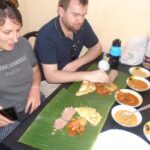
The tour includes bottled water, coffee and/or tea, and snacks. The tour description also calls out food you should expect as part of the street-food experience, such as cassava chips and samosas, plus kothu at Hotel De Pilawoos and rotti with sambol.
Are entrance tickets included?
Some admission tickets are included at multiple stops (like the Dutch Hospital Shopping Precinct, the Red Mosque, the Fort Clock Tower, Zylen Tea, and Pettah). Other stops are listed as free, and one temple stop is listed as not included.
Do you get WiFi or comfort items on the tuk-tuk?
Yes. WiFi is available on board, along with a Bluetooth speaker, bottled water, and included coffee and/or tea.
What if the weather is poor or I need to cancel?
The experience requires good weather. If it’s canceled due to poor weather, you’ll be offered a different date or a full refund. You can cancel for a full refund up to 24 hours in advance.