REVIEW · COLOMBO
Colombo City Tour By Tuk Tuk (Include Lunch)Morning & Evening
Book on Viator →Operated by Orwell Ceylon Tours By Tuk Tuk · Bookable on Viator
Colombo in 4 hours is doable, and fun. This tuk tuk city loop strings together Buddhist, Hindu, and Muslim landmarks, then drops you into the everyday Colombo streets where history and commerce sit side by side.
I especially like the way this tour mixes big-name stops with real local neighborhoods like Pettah, so you’re not just checking boxes. I also like that it’s guided end-to-end and includes a proper meal plus bottled water, so you’re not scrambling for food after sightseeing.
The main consideration: not all entrances are included, so you may need extra cash for Gangaramaya Temple and Lotus Tower if you want to go inside or pay entry.
In This Review
- Key Things to Know Before You Go
- Why This Colombo Tuk Tuk Tour Works in 4 Hours
- Pickup at Galle Face Hotel: Getting Started Smoothly
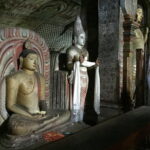
- Gangaramaya Temple: A Big Buddhist Stop with Real Atmosphere
- Kailawasanathan Kovil, Jami Ul-Alfar Mosque, and Colombo’s Multi-Faith Thread
- Pettah Market Streets: Where Colombo Actually Runs
- Old Town Hall, Independence Memorial Hall, and the Colonial-Postcolonial Timeline
- Old Town Hall
- Independence Memorial Hall
- Galle Face Green, Colombo Galbokka Lighthouse, and Fort-Gate History
- The former Victoria Park green space
- Galle Face Green
- Colombo Galbokka Lighthouse
- Kayman’s Gate Belltower and the Wolvendaal Church Photo Stop
- Kayman’s Gate Belltower
- Christian Reformed Church of Sri Lanka (Wolvendaal Church)
- Lotus Tower: See It, but Budget for Admission
- Fort Railway Station and Sambodhi Chaithya’s Rocket-Shaped Stupa
- Colombo Fort Railway Station
- Sambodhi Chaithya
- Colombo Port City: New Development in the Same Frame
- Lunch, Tea/Coffee, and What the End of the Tour Feels Like
- Price and Value: What $34.90 Buys You
- Who This Tuk Tuk Tour Suits Best
- Should You Book This Colombo City Tour by Tuk Tuk?
- FAQ
- How long is the Colombo City Tour by Tuk Tuk?
- What does the tour cost per person?
- Where does the tour start?
- Do I get a mobile ticket?
- Is lunch or dinner included?
- Is tea or coffee included?
- Which entries are included in the price?
- Which admissions are not included?
- Is this tour private?
- Can I cancel for a full refund?
Key Things to Know Before You Go
- Temple hopping across faiths: Gangaramaya (Buddhist), Kailawasanathan Kovil (Hindu), and Jami Ul-Alfar (Islam) in one route
- Pettah Market streets: shop-lined blocks stretching from Olcott Mawatha to Main Street
- Colonial-era photo stops: Old Town Hall, Kayman’s Gate Belltower, Wolvendaal Church, and Fort Railway Station
- Galle Face Green and lighthouse views: classic sea-breeze Colombo, plus Colombo Galbokka Lighthouse
- Lunch and tea/coffee included: a full stop to recharge before you head back
- Good guide energy: the tour is known for safe, friendly guiding (Romesh is specifically mentioned in feedback)
Why This Colombo Tuk Tuk Tour Works in 4 Hours
Colombo can feel big and a little confusing if you’re only here for a short time. This tour is built for exactly that problem. You get a focused route that hits major religious sites, then shifts into the city’s shopping-and-history core, then lands you near major landmarks again.
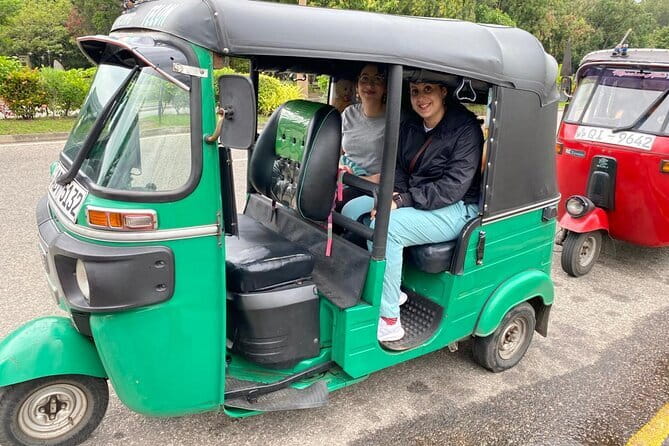
The tuk tuk format matters. It keeps the day flexible for quick stops and short photo moments, and you’re not stuck waiting in long transit lines. You also get pickup from a central landmark area, so the start is simple.
This is also the kind of tour where pacing helps. You’re not spending hours in one place. Instead, you’re getting a well-rounded snapshot that makes your future self-planning in Colombo easier.
You can also read our reviews of more city tours in Colombo

Pickup at Galle Face Hotel: Getting Started Smoothly
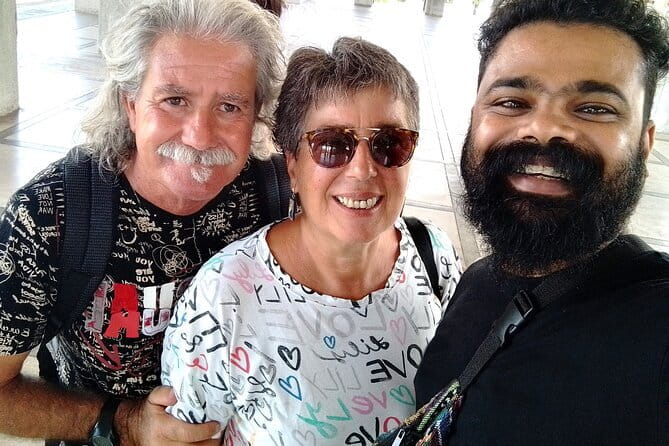
You start at Galle Face Hotel, 2 Galle Rd, Colombo 00300. The tour ends back at the same meeting point, which is a small detail that makes a big difference when you’re carrying bags, figuring out transport later, or trying to keep your day from turning into a logistics puzzle.
You’ll also get a mobile ticket, so you’re not hunting for printed paper. The tour includes pickup, and it’s described as operating as a private tour/activity for only your group, which usually means less waiting around and more control over the timing of stops.
The day is planned for about 4 hours, and the route is packed with stops that each get enough time to see what matters. That matters in Colombo, where streets can change quickly from quiet lanes to busy market blocks.
Gangaramaya Temple: A Big Buddhist Stop with Real Atmosphere
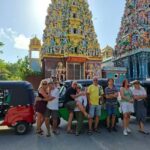
One of the first major landmarks is Gangaramaya (Vihara) Buddhist Temple. It’s noted as one of Colombo’s important temples and has a mix of more modern architectural elements. Practically, that means you’ll see a blend of styles rather than one single “period” look.
Time on this stop is around 35 minutes. That’s enough to get inside the main areas, look around, and understand why this place is significant to people who live in Colombo—not just tourists taking pictures.
Important for planning: Gangaramaya Temple entry is not included. So if you want to go beyond the outer views, plan on paying the onsite admission. I treat this as a normal part of temple travel, but it’s still something you should not ignore if you’re budgeting tightly.
Kailawasanathan Kovil, Jami Ul-Alfar Mosque, and Colombo’s Multi-Faith Thread
After Gangaramaya, you shift to two other faith landmarks that show Colombo as a working city of mixed communities.
- Temple of Sri Kailawasanathan Swami Devasthanam Kovil (a Hindu kovil)
This is described as being tucked behind the Fort Railway Station area, surrounded by greenery. It’s also linked to Portuguese-era history and is described as a family kovil. You’ll get about 15 minutes.
Good news: entry for this stop is included.
- Jami Ul-Alfar Mosque, often called the Red Mosque
It’s in the Pettah district, and you can spot the tall minarets from a distance. You’ll typically have around 10 minutes here, which is ideal for quick orientation and exterior understanding.
Entry is listed as free.
What I like about this sequence is the contrast. In one stretch, you’re seeing how different communities design sacred spaces in the same city. Even if you’re not a religious traveler, this makes Colombo feel more honest and less like a theme park.
Pettah Market Streets: Where Colombo Actually Runs
Then comes Pettah—Colombo’s famous market area, where shopfronts extend across blocks from Olcott Mawatha to Main Street and beyond. This is one of the best parts of the tour for people who want to feel daily Colombo rather than just see monuments.
You get about 15 minutes in Pettah as part of the schedule, which means you should use this time like a scout mission:
- Look for the main lanes and street rhythm first.
- If you want souvenirs or small purchases, do it quickly.
- If you want photos, pick one clear angle and stay mindful of foot traffic.
This stop is one of the most valuable for first-time visitors because Pettah gives you context for everything else. The colonial buildings and sea-front landmarks start making more sense once you’ve seen where commerce happens.
Also worth noting: the tour lists Pettah entry as included, which can matter depending on where you go inside the market area.
You can also read our reviews of more tours and experiences in Colombo

Old Town Hall, Independence Memorial Hall, and the Colonial-Postcolonial Timeline
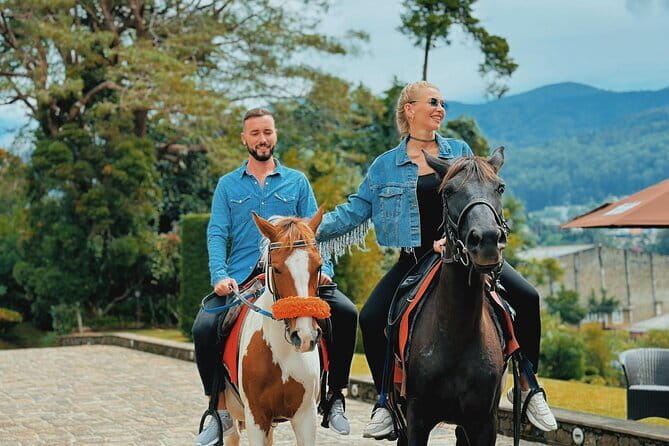
After temples and market streets, the route turns to architecture and civic landmarks.
Old Town Hall
You’ll visit the Old Town Hall, described as the first municipality building of Colombo. It’s tucked among the shopping streets of Pettah, so it’s easy to miss if you’re moving fast on your own. Here you’re given about 15 minutes, and you can focus on the building style and how it fits into a busy modern area.
The tour lists admission as included for this stop.
Independence Memorial Hall
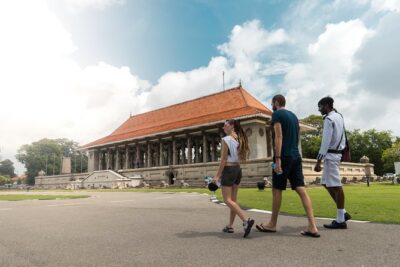
Next is the Independence Memorial Hall. The foundation stone is described as laid by D.S. Senanayake on 4 February 1949, for the first anniversary of independence. You’ll also get about 15 minutes. Entry is listed as free.
This pairing is smart. Old Town Hall shows the colonial civic footprint. Independence Memorial Hall shows the postcolonial statement. Together, they help you read Colombo as an evolving city, not just a museum of old structures.
Galle Face Green, Colombo Galbokka Lighthouse, and Fort-Gate History
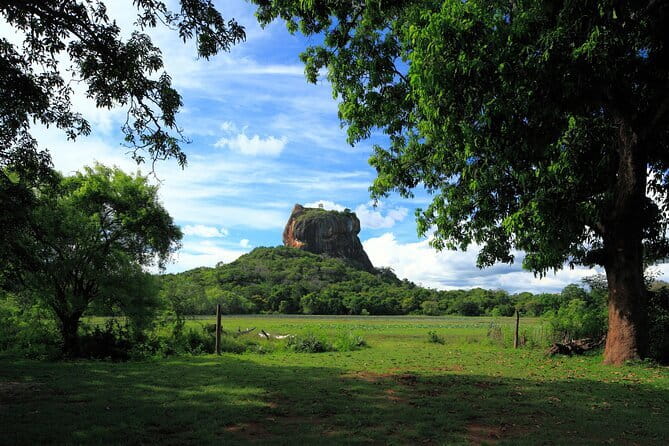
The tour then shifts toward the sea-front energy and the Fort area landmarks.
The former Victoria Park green space
There’s a stop described as a historic city green area, formerly called Victoria Park, stretching from the town hall region toward Alfred Crescent. You’ll see why it’s referenced in showgrounds and city life in earlier times, even though Colombo now moves around it.
Galle Face Green
You also get time at Galle Face Green, described as central to Colombo-dwellers’ lives and historically shaped by the British as a social interaction place. It remains a major gathering spot.
Colombo Galbokka Lighthouse
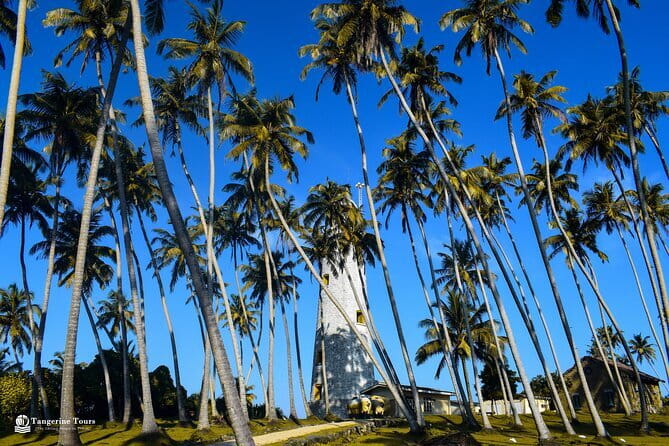
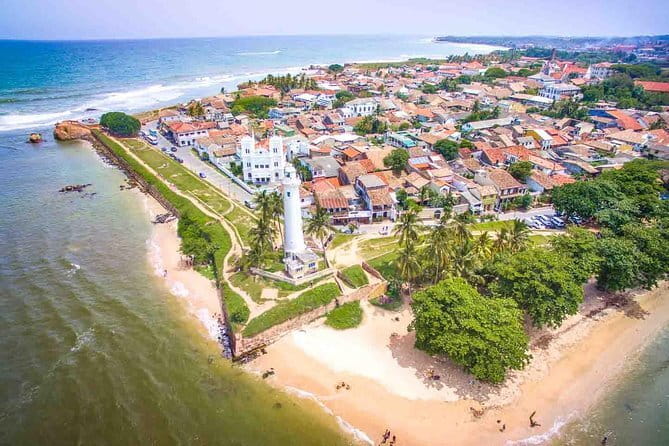
Then it’s Colombo Galbokka Lighthouse, where the current lighthouse height is listed at about 29 metres and built in 1952, after an older lighthouse issue related to harbor expansion. You get about 10 minutes and entry is free.
Why I like this block of stops: it gives you variety. After religious sites and market lanes, you suddenly get open-air space, sea breeze, and the sense that Colombo’s identity is also about its shoreline.
Kayman’s Gate Belltower and the Wolvendaal Church Photo Stop
Next you hit two historic-looking landmarks tied to the Fort and Protestant colonial architecture.
Kayman’s Gate Belltower
Kayman’s Gate is described as an entrance to the former Colombo Fort, located at the foot of Wolvendaal Hill in Pettah. The tour notes that a historic bell tower still stands at the site. Entry is listed as free, and you get around 10 minutes.
Christian Reformed Church of Sri Lanka (Wolvendaal Church)
You’ll also visit Wolvendaal Church, described as one of the most important Dutch colonial-era buildings in Sri Lanka and among the oldest Protestant churches still in use. Entry is listed as included, and the stop runs about 15 minutes.
This is another good “pause” point in the day. After lots of streets and crowds, these buildings help your brain reset into slow looking.
Lotus Tower: See It, but Budget for Admission
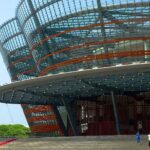
The tour includes Colombo Lotus Tower. The height is described as 350 m, and it’s presented as a major Colombo landmark.
Here’s the practical part: Lotus Tower entry is not included. The tour gives around 20 minutes, which is usually enough for exterior views and orientation, but not for assuming you’ll go up inside without paying extra.
If you care more about the view than the landmark itself, plan your money accordingly. If you just want the photo and a sense of where it sits, you’re probably fine with the scheduled stop.
Fort Railway Station and Sambodhi Chaithya’s Rocket-Shaped Stupa
Two stops are especially memorable because they feel like Colombo’s “today” and “above you” moments.
Colombo Fort Railway Station
Fort Railway Station is described as a major rail hub in Colombo and the main rail gateway to the center. Entry is listed as included, and you’ll get about 15 minutes. This stop can be surprisingly absorbing because rail stations always show a city’s pulse—people moving with purpose, vendors nearby, and constant motion.
Sambodhi Chaithya
Then there’s Sambodhi Chaithya, described as an iconic Buddhist stupa built in the shape of a space rocket. You’ll get around 15 minutes, and entry is listed as free.
This is one of those stops that helps Colombo feel playful and modern at the same time. You’re not just seeing old temples. You’re seeing how new construction can still carry spiritual meaning.
Colombo Port City: New Development in the Same Frame
The last major stop is Colombo Port City, described as a brand-new development built as an international service-oriented special economic zone, with heavy investment figures listed. You’ll get about 20 minutes, and entry is free.
This is not a stop for deep wandering. It’s more of a “get the shape of the place” moment. For me, it’s useful because it reminds you that Colombo isn’t only past-facing. It’s also planning and expanding, and that direction affects everything from traffic to the economy.
Lunch, Tea/Coffee, and What the End of the Tour Feels Like
One of the best value perks here is that the tour doesn’t end on an empty stomach.
You get Sri Lankan lunch or dinner to finish the tour, and feedback highlights a delicious curry as part of the ending. You also get a stop for tea or coffee, and the tour is explicit about making sure you enjoy every sip.
Practical tip: treat the meal as a reset for your energy. You’ll likely have spent much of the day outside and walking short distances, even if most of it is by tuk tuk. When you’re done, you want to be ready for your next plan, not just collapsing.
Bottled water is also included, which is a small comfort that helps you stay focused during the busy parts of Pettah.
Price and Value: What $34.90 Buys You
At $34.90 per person for about 4 hours, this tour aims at value through two things:
- Lots of stops in a short time (temples, markets, landmarks).
- Meal + tea/coffee + bottled water included, plus several entries handled.
You do still have two notable exclusions: Gangaramaya Temple admission and Lotus Tower admission. If you plan to pay for both, your total out-of-pocket will rise. But if you’re okay viewing Lotus Tower from outside and paying Gangaramaya only if you really want full access, you can keep costs controlled.
For first-timers, I think the best value is not the individual sites. It’s the way the tour helps you connect them. After seeing Pettah and the Fort area together, you’ll understand where to go on your own next day.
Who This Tuk Tuk Tour Suits Best
This tour is a great fit if:
- You want a first orientation to Colombo and don’t have days to spare.
- You like seeing multiple cultures in one city block (Buddhist, Hindu, and Muslim sites are all included).
- You prefer safe, guided transport over self-navigating through busy streets.
- You want a tour that ends with a real meal, not just a stop-and-go snack.
If you’re the type who wants to spend a long time inside a single place, you might feel the schedule is fast. But for most visitors—especially those on tight timelines—this pacing is the point.
Should You Book This Colombo City Tour by Tuk Tuk?
I’d book it if your goal is simple: get your bearings fast and learn how Colombo fits together. The combination of Pettah streets, major religious landmarks, and colonial-era buildings gives you a strong mental map of the city.
Hold off or budget extra if:
- You know you want to enter Gangaramaya and go up Lotus Tower.
- You dislike tours with many quick stops and would rather linger.
Also, if you care about guide quality and driver safety, this one has good signals. The name Romesh comes up specifically in feedback tied to safe driving and clear English.
FAQ
How long is the Colombo City Tour by Tuk Tuk?
The tour lasts about 4 hours.
What does the tour cost per person?
The price is $34.90 per person.
Where does the tour start?
Pickup starts at Galle Face Hotel, 2 Galle Rd, Colombo 00300, Sri Lanka.
Do I get a mobile ticket?
Yes, the tour includes a mobile ticket.
Is lunch or dinner included?
Yes. A Sri Lankan lunch/dinner is included to end your tour.
Is tea or coffee included?
Yes. The tour includes a tea/coffee stop so you can enjoy your sip.
Which entries are included in the price?
Included entry covers Temple of Sri Kailawasanathan Swami Devasthanam Kovil, Pettah, Old Town Hall, Kayman’s Gate Belltower, Colombo Fort Railway Station, Wolfendhal Church, and Colombo-related entry as listed.
Which admissions are not included?
Gangaramaya Temple entry and Lotus Tower entry are not included.
Is this tour private?
Yes. It is listed as a private tour/activity, and only your group participates.
Can I cancel for a full refund?
Free cancellation is allowed up to 24 hours in advance for a full refund.