REVIEW · JAFFNA
Delft and Nainativu Island Tour with Local Guide ( Jaffna )
Book on GetYourGuide →Operated by Explore Yarl Pvt Ltd · Bookable on GetYourGuide
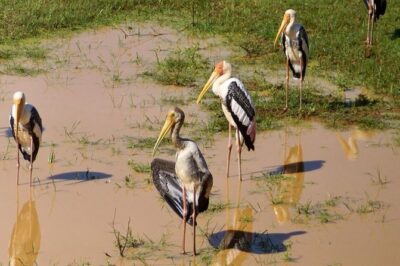
Wild horses and temples, all in one boat day. This Delft and Nainativu outing mixes Dutch-era leftovers, coral walls, and multi-faith pilgrimage sites with the kind of calm sea air that slows your brain down.
I especially love the wild horses of Delft, roaming freely on the island’s open plains—said to be descendants of colonial-era horses. I also really like the Nainativu pilgrimage visit, including Nagapooshani Amman Kovil, known as the snake goddess site tied to Naga heritage.
One catch: the day runs on ferry timing. If weather delays the Delft crossing and there’s no time for the last Nainativu ferry, you may skip Nainativu and instead visit an ancient Kannaki Goddess Temple at Punguditivu.
In This Review
- Key Things I’d Watch For on This Tour
- Why Delft and Nainativu Feel Different From Usual Sri Lanka Day Trips
- Starting in Jaffna: Pickup, Morning Timing, and the Ride to the Port
- Abra Palomani Stop and Village Lunch: Where the Day’s Tone Changes
- Delft Island by Foot and Tuk-Tuk: Dutch Towers, Coral Walls, and Ruins
- Wild Horses on Delft: What You’ll See and How to Handle the Moment
- Nainativu Island: From Boat Ride to Snake-Goddess Pilgrimage Calm
- The Weather Factor: How the Punguditivu Backup Works
- Price and Value: Does $118 for 8.5 Hours Make Sense?
- Comfort, Heat, and Boat Realities (Including One Small Risk)
- Who This Tour Fits Best (and Who Should Skip It)
- Should You Book the Delft and Nainativu Tour?
- FAQ
- How long is the Delft and Nainativu Island tour?
- How much does the tour cost?
- Which islands will I visit?
- Is pickup included, and where does it start?
- What languages is the guide available in?
- What should I bring for the day?
Key Things I’d Watch For on This Tour
- Delft’s Dutch-era ruins you can see up close, including a colonial pigeon tower and the queen tower
- Coral walls built centuries ago, giving Delft a truly old-world feel
- Wild horses in their natural range, perfect for photos and quiet watching
- A pilgrimage-focused stop on Nainativu, including Nagapooshani Amman Kovil (snake goddess)
- Weather-based flexibility, with a Punguditivu temple option if ferries get squeezed
- Local seafood lunch in a village, plus tea/coffee and traditional refreshments
Why Delft and Nainativu Feel Different From Usual Sri Lanka Day Trips
Off Jaffna, these islands don’t feel like a theme park version of the country. They feel like a working place—part nature reserve, part living cultural map. Delft brings you face-to-face with colonial-era traces (Dutch rule leftovers) and the natural drama of windswept plains, while Nainativu shifts the mood toward worship and pilgrimage.
What makes this combination work is that you get two “languages” of the region in one day. On Delft, it’s stones, ruins, and animals roaming free. On Nainativu, it’s shrines, quiet attention, and the island’s role in Sri Lanka’s multi-faith heritage.
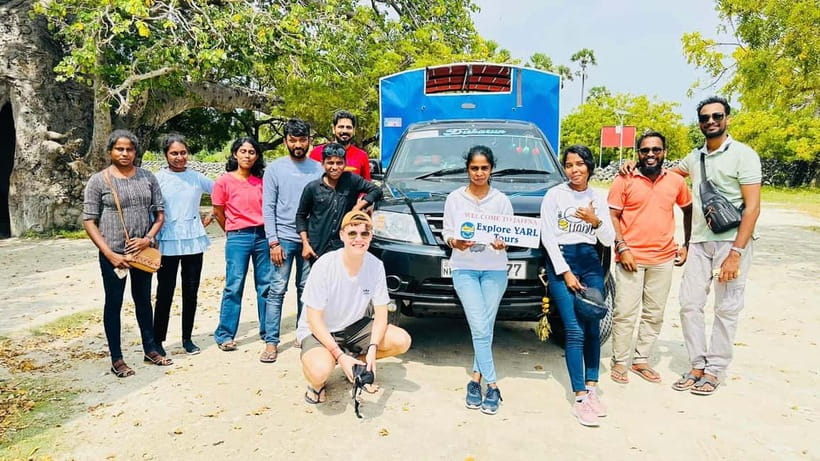
It’s also the kind of tour where your guide matters a lot. On this route, guides like Mr. Arun of Explore Yarl (and Gina, in other runs) are the ones turning a boat and a schedule into real context—explaining local Tamil culture, the ecosystem, and what life around Jaffna looks like.
You can also read our reviews of more tours and experiences in Jaffna.
Starting in Jaffna: Pickup, Morning Timing, and the Ride to the Port
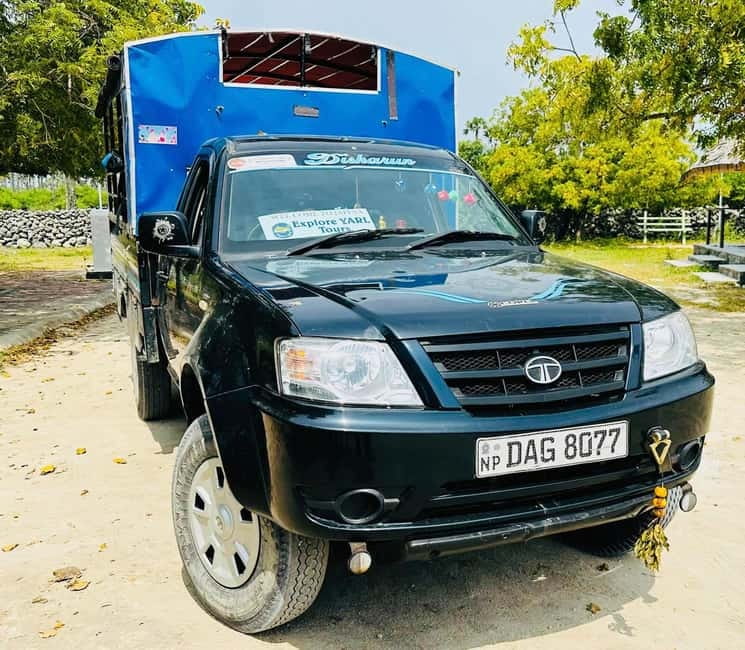
The tour starts with pickup in Jaffna, with the driver arriving around 6:30 AM. Plan to be ready about 10 minutes early, because the day depends on boats running on time.
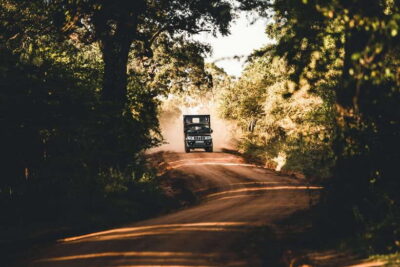
From there, you’ll get a scenic drive with chances for marine life viewing as you head toward the water. Transport can be a mix—motorcycle, tuk-tuk, car, or van depending on group size—so you’ll want to dress for sun and road dust. Think light layers, not heavy clothing that traps heat.
This morning start is a big part of the value. You’re not just sightseeing in the afternoon glare. You’re there early enough to feel the island pace—when the sea is calmer and the day still has breathing room.
Abra Palomani Stop and Village Lunch: Where the Day’s Tone Changes
Before Delft exploration, the schedule includes a stop around Abra Palomani. Here you’ll typically have a guided visit and time to walk and look around, with more wildlife viewing and a chance to take in the coastal rhythm.
Lunch is a highlight. You’ll enjoy traditional seafood lunch in a village, served in a relaxed, local setting. This is the kind of meal you remember because it’s not staged—your taste buds get the point, and you get a better feel for daily life on the island-side community.
You’ll also get traditional refreshments (tea or coffee is included), and in similar runs there’s been an aloe vera juice stop mentioned as a refreshing break. The practical win: you’ll need the energy. This is not a sit-and-smile day.
Delft Island by Foot and Tuk-Tuk: Dutch Towers, Coral Walls, and Ruins
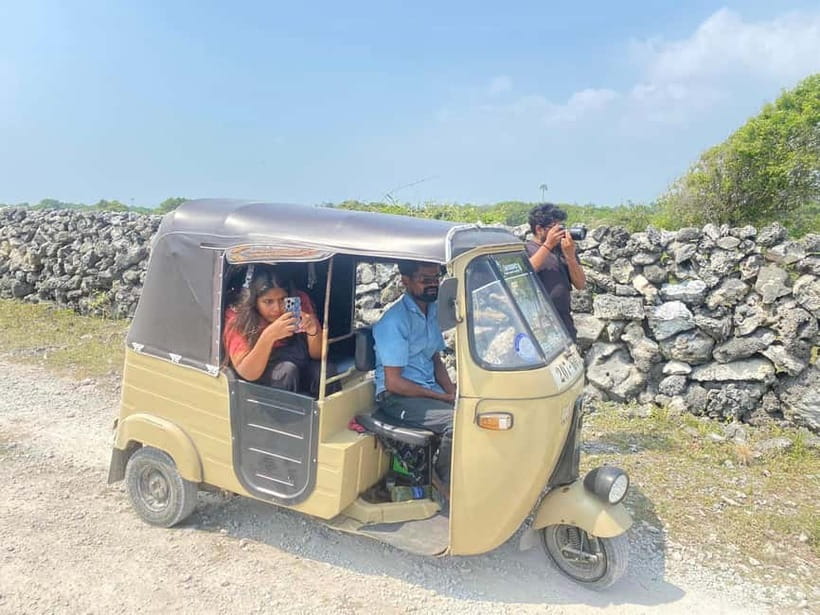
Once you reach Delft, the day becomes slow-paced exploring with purposeful stops. The tour includes private transport on Delft, often by safari jeep or tuk-tuk, so you’re not stuck walking every stretch in the heat. Still, you should expect walking—comfortable shoes are a must.
Delft’s biggest draw is how visible the colonial chapter is. You’ll see remnants from Dutch rule, including a colonial pigeon tower and the queen tower. These aren’t just background sights. With a local guide, they help you understand how this island was organized and used, long before today’s visitors arrive by boat.
Then there are the coral walls. The tour highlights the coral walls built centuries ago, which gives Delft a unique texture. You’re looking at human work built from the island’s natural materials—time layered into stone and shell.
And yes, you’ll likely get a feel for Delft’s quieter side too: wind, sea light, and that hushed feeling that makes people pause and think rather than rush for photos.
Wild Horses on Delft: What You’ll See and How to Handle the Moment
The wild horses are a star of the show. They roam the open plains of Delft freely, and they’re believed to be descendants of horses left during colonial times. That detail matters because it frames the horses as part of the island’s living history, not just an animal attraction.
Here’s what to do while you’re there:
- Move slowly and keep some distance. You’ll get better viewing if you don’t herd the moment.
- Scan the plains first, then zoom in with your camera. Horses often show up when you stop looking for them.
- If the day’s light is strong, protect your eyes. Hat and sunscreen help a lot.
In a couple of experiences, guides even kept looking until they spotted a horse—one guide took time with the group to find an individual horse for better viewing. That tells you something: the guides on this route treat horse-spotting as part of the experience, not a checklist item.
Photo tip: shoot from slightly lower than eye level if you can. The open plains look more dramatic that way, and you’ll fit more sky without overexposing.
Nainativu Island: From Boat Ride to Snake-Goddess Pilgrimage Calm
After Delft, the tour continues by boat to the jetty, then a ferry to Nainativu Island. Your time on Nainativu is described as a quick visit, and it depends on ferry availability—especially with weather.
Nainativu is known for pilgrimage energy. The island is described as home to two major religious pilgrimage sites, and one major stop is Nagapooshani Amman Kovil, the snake goddess shrine. The guide explains its historic role: the site was historically worshipped by the Naga people, described as ancestors of Sri Lanka’s people.
What I like about this part is how it shifts your brain. Delft is open and sunlit; Nainativu is more about attention—walking through spiritual landmarks, watching how people move through the place, and learning the meaning behind it.
Your guide also frames Nainativu as part of Sri Lanka’s multi-faith heritage, which gives the visit a bigger purpose than sightseeing. Even if you’re not religious, you’ll still come away with a deeper sense of why this island matters to local identity.
The Weather Factor: How the Punguditivu Backup Works
This is one of the most important practical points. The day can be affected by weather and ferry timing.
If the Delft ferry is delayed and there isn’t enough time to catch the last ferry from Nainativu, the tour may skip Nainativu. Instead, you’ll visit another ancient Kannaki Goddess Temple at Punguditivu Island to keep your experience strong.
So don’t treat Nainativu as guaranteed. Treat it as the goal, with a fair plan B if conditions tighten. From a traveler’s perspective, this is a decent approach: you still leave with a temple visit and cultural context, even if the sea won’t cooperate.
Price and Value: Does $118 for 8.5 Hours Make Sense?
At $118 per person for about 8.5 hours, you’re paying for more than transport. You’re paying for:
- Boat and ferry rides to two islands
- Hotel pickup and drop-off in Jaffna
- Local transport on the islands (jeep/tuk-tuk arrangements)
- A guided tour with explanations in English and Tamil
- A traditional seafood lunch plus tea/coffee and refreshments
- The time and effort your guide spends coordinating around island conditions
For this part of Sri Lanka, the cost feels reasonable because the schedule is the product. Getting to Delft and Nainativu isn’t a simple hop like a city museum. You’re also getting a local guide who’s likely to talk through history, ecosystem, and Tamil culture—especially evident in guide feedback about detailed explanations and how guides act as helpful ambassadors for Jaffna.
If you’re the type who likes to see animals, ruins, and real religious sites in one day—this price can feel like good value. If you want slow travel with lots of spare time, you might find the boat timing stressful.
Comfort, Heat, and Boat Realities (Including One Small Risk)
This tour includes full-day walking and exploration, so wear light clothing and comfortable shoes. Bring a hat, sunscreen, and water. Camera time is easy here, but sun can be punishing—protect yourself first.
Boat comfort is also mixed. One experience notes that the first part of a boat ride can be hot and packed, with people moving inside before you get deck time with fresh air. Another notes that one ferry ride can be a bit of a challenge due to the open sea. Translation: if you’re sensitive to crowding or motion, this day needs a little preparation.
Practical move: if you get seasick easily, consider packing your usual remedy and take it before you feel off. And during the ride, plan to stand or sit where you can get airflow once you’re on deck.
Who This Tour Fits Best (and Who Should Skip It)
This day trip makes the most sense for travelers who want a real off-the-beaten-track feel around Jaffna. You’ll enjoy it if you like:
- Island scenery with ruins and animals
- Local food in village settings
- Spiritual sites and cultural explanations
- A guide who can adapt timing when needed
It’s also said to not be suitable for pregnant women, people with mobility impairments, or wheelchair users. If you fall into any of those categories, this one may be difficult due to walking and ferry/transport steps.
Should You Book the Delft and Nainativu Tour?
I’d book this tour if you want a day that actually teaches you something. Delft’s Dutch-era towers and coral walls add history you can see with your own eyes, and the wild horses give you a rare “just look at that” nature moment. Then Nainativu brings you to a meaningful pilgrimage setting—especially with Nagapooshani Amman Kovil.
I’d think twice if you’re easily stressed by ferry timing or motion, because weather can reshape the plan. The tour’s Punguditivu backup is helpful, but you should still go in knowing Nainativu is schedule-dependent.
If your travel style is curious, respectful, and ready for sun and walking, this is a strong choice for experiencing the islands off Jaffna in a single, well-organized day.
FAQ
How long is the Delft and Nainativu Island tour?
The tour duration is about 8.5 hours.
How much does the tour cost?
The price is $118 per person.
Which islands will I visit?
You’ll visit Delft Island and Nainativu Island. If ferry timing doesn’t work for Nainativu due to weather, the tour may instead take you to Punguditivu Island for a Kannaki Goddess Temple visit.
Is pickup included, and where does it start?
Yes. The tour includes hotel pickup and drop-off in Jaffna, and pickup is scheduled around 6.30 AM.
What languages is the guide available in?
The live tour guide speaks English and Tamil.
What should I bring for the day?
Bring comfortable shoes, a hat, a camera, sunscreen, and water. Light clothing is also recommended due to sun and walking.