REVIEW · COLOMBO
Private Half-Day Colombo City Tour
Book on Viator →Operated by #srilankabycar · Bookable on Viator
Colombo in half a day can still feel big. This private half-day tour strings together major landmarks and everyday life, from old political buildings to mosques, temples, and a grand cathedral. A good guide turns each stop into a quick story, not just a photo stop.
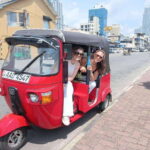
I love the air-conditioned private vehicle—Colombo can feel warm and loud, so having a cool car keeps the day pleasant. I also like how the route hits Pettah markets without wasting your time, then mixes in a couple of calmer stops like the Dutch Hospital area.
One thing to plan for: extra fees can show up on some days, especially a port entrance fee if you’re arriving by cruise ship.
In This Review
- Key Highlights Worth Paying Attention To
- Colombo in 4 to 5 Hours: The Real Value of a Half-Day
- Price and Logistics: What $60 Really Buys You
- Old Parliament and Central Lake: Starting With Colombo’s Big-City Feel
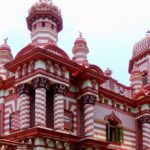
- Jami Ul-Alfar Mosque: One of Colombo’s Oldest Anchors
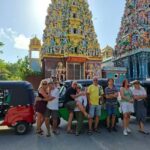
- Gangaramaya (Vihara) Buddhist Temple: Where Colombo’s Temple Energy Shows
- Pettah Markets: Chaos With a Purpose (and a Time Limit)
- Dutch Hospital Shopping Precinct: A Colonial Set Piece You Can Actually Enjoy
- Floating Market Stop: When Colombo Turns Odd in the Best Way
- Hindu Kovil Visits: New Kathiresan Kovil and Old Kathiresan Temple
- St Lucia’s Cathedral: The 1887 Stop You’ll Remember
- Premadasa & Co. Jewellers and the Souvenir Reality Check
- Customization: How Guides Keep the Route From Feeling Stiff
- Who Should Book This Private Colombo City Tour?
- Should You Book This Tour?
- FAQ
- How long is the Private Half-Day Colombo City Tour?
- Is hotel pickup and drop-off included?
- Are entrance fees included?
- What extra fees might apply?
- Does the tour run in bad weather?
- Can I customize the route?
- Can I cancel and get a full refund?
Key Highlights Worth Paying Attention To
- A private guide + private vehicle so you can set the pace and ask questions
- Multi-faith sights in one circuit: mosque, Buddhist temple, Hindu kovils, and St Lucia’s Cathedral
- Pettah in a time-boxed way—enough chaos to see how locals shop, not enough to exhaust you
- Colonial-era shopping at Dutch Hospital for an easy wander and photos
- Entrance fees handled for several key stops so you’re not scrambling for tickets
- Guides like Shimaz or Tharaka bring extra context and keep the tour moving smoothly
Colombo in 4 to 5 Hours: The Real Value of a Half-Day
A half-day tour in Colombo works because it’s not trying to cover everything. It’s built around contrasts—old power and modern city life, temples and markets, quiet buildings and crowded streets. That mix is what makes Colombo feel like Colombo fast.
The private part matters, too. You’re not stuck waiting for a coach tour timeline, and you don’t have to “keep up” with strangers who are also trying to win a photo contest. With a private guide and vehicle, you can slow down where you care and speed up when you don’t.
Your time window is roughly 4 to 5 hours, which is long enough to visit several standout places, yet short enough to still feel fresh for the rest of your day. From the names that come up again and again—guides like Shimaz and Tharaka—it’s clear the operator aims for strong English and confident handling of the route. The result is a tour that feels organized, not rushed.
The biggest value isn’t just the list of stops. It’s the guidance: you’ll get context for why a mosque or cathedral is where it is, and how each religious community fits into daily life. That’s especially helpful in Colombo, where streets can look chaotic but the city has a clear pattern if someone explains it.
You can also read our reviews of more city tours in Colombo

Price and Logistics: What $60 Really Buys You
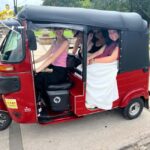
At $60 per person for a private half-day, you’re mostly paying for three things: a guide, a dedicated air-conditioned vehicle, and the time-saving of having someone plan the route for you. When the car is involved—cool air, parking handled, and a comfortable way to hop between neighborhoods—that price can feel reasonable, even for a short outing.
The tour includes hotel pickup and drop-off, transport by a private air-conditioned vehicle, parking fees, and all entrance fees listed for the stops that have admissions. That “entrance fees included” detail is not trivial. In a half-day, you don’t want ticket delays eating your best light.
Now the catch: food and drinks are not included, and tips aren’t included either. Also, there are extra charges that may apply depending on your situation. If you’re coming by cruise, there’s a port entrance fee of $20 USD per tour payable directly to the guide. If you need airport pickup, there’s an airport pickup fee (and after-tour drop-off fees) listed separately.
So the money question is really this: if you want a cool, private, multi-stop orientation to Colombo with less hassle than figuring it out yourself, $60 is a solid entry point. If you’re the type who hates shopping stops or wants long temple stays, you’ll get more value if you customize early.
Old Parliament and Central Lake: Starting With Colombo’s Big-City Feel
The tour typically begins with the Old Parliament building, a landmark that helps you understand how Colombo’s story includes shifts in power and governance. Even if you’re not a political-history person, starting here gives the day a frame: this city has layers, and today’s Colombo grew out of yesterday’s decisions.
From there, you head to a lake in the heart of Colombo. This is a smart move, because it breaks the day’s momentum. Lakeside stops give you breathing room—shade, views, and a chance to notice how the city sits around daily water and green pockets. In this route, people often connect this with Berla Lake, which shows how Colombo’s “calm” moments exist inside the urban core.
These first stops also do something practical for your day: they help you orient. You learn which directions matter, where traffic bottlenecks can be, and what kind of distances you’re looking at. That makes the later neighborhoods—especially markets—feel less like you’re wandering blindly.
If you’re the kind of visitor who likes your tours to feel like a guided walk through a theme, this start works well. It sets up the religious stops next, because you’ll better understand why these places are woven into the city center rather than tucked away on the outskirts.
Jami Ul-Alfar Mosque: One of Colombo’s Oldest Anchors
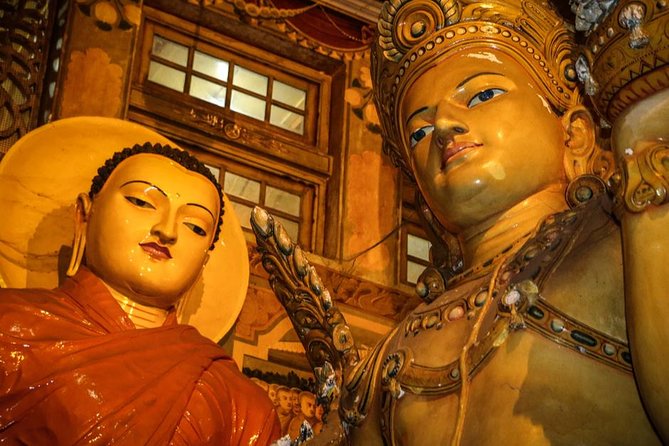
Next up is Jami Ul-Alfar Mosque, described as one of the oldest mosques in Colombo and a popular tourist site. Your time here is short (about 15 minutes), but it’s the kind of stop where you benefit from a guide who can explain what you’re looking at—architecture, the role of the mosque, and how visitors are expected to behave.
This is one of those “small time, big impact” moments. You don’t need a long stay to see why it matters. In fact, the tight timing is helpful because later you’ll cover Buddhist and Hindu sites too, and the tour stays balanced instead of turning into one long temple marathon.
Admission for this stop is listed as free. That means you can spend your effort on seeing and asking questions, not on managing ticket logistics.
A practical tip: dress appropriately and plan for modesty. The tour operator notes that it runs in all weather, so you’ll want breathable layers that still fit the expectations of religious sites. If your guide recommends specific rules on the day, follow them—doing so keeps the visit smooth and respectful.
Gangaramaya (Vihara) Buddhist Temple: Where Colombo’s Temple Energy Shows
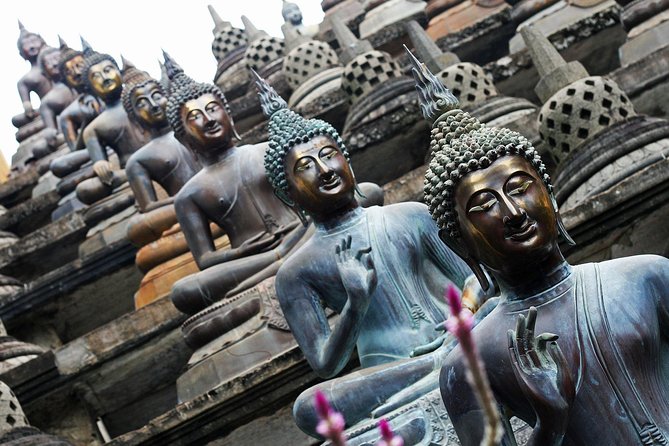
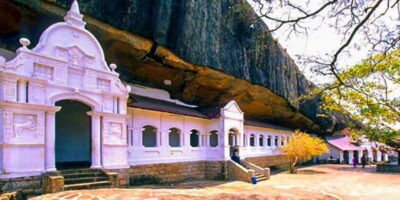
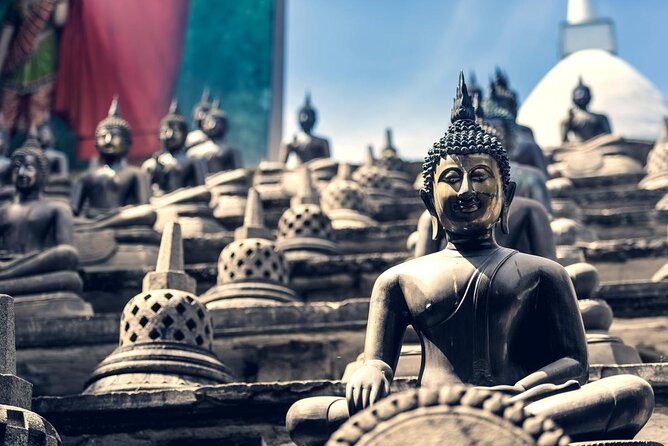
Gangaramaya Buddhist Temple is a centerpiece stop with about 30 minutes, and the entrance is included. This is where the tour starts feeling more than “sightseeing.” Buddhist temples in Colombo often function as living religious spaces, not just monuments, so you’ll get a more grounded sense of how people practice.
What I like about building the day around a stop like Gangaramaya is the contrast it creates. You start with an Islamic site, then move into a Buddhist one, and you quickly see how the city’s religious communities each have their own visible style—gates, icons, spaces for worship, and different ways visitors and locals move through the site.
The Gangaramaya stop also tends to be where a strong guide shines. Guides such as Shimaz and others highlighted in the tour’s feedback have been praised for explaining what you’re seeing in plain English. That’s a big deal on a multi-faith route, because you don’t want to guess at meanings.
If you care about photography, ask your guide where to stand for the best views without blocking worshippers. Short, respectful adjustments make a big difference here.
You can also read our reviews of more private tours in Colombo


Pettah Markets: Chaos With a Purpose (and a Time Limit)
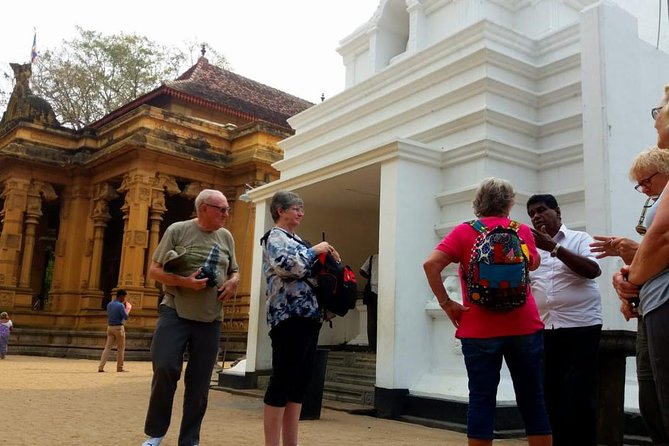
Then you hit Pettah, and yes, it’s described as chaotic. That chaos is the point. Pettah is the kind of place where you see ordinary daily life—vendors, shoppers, snack smells, and the sheer motion of commerce.
Your time here is about 45 minutes, and admission is free. That’s a realistic amount of time: long enough to feel the market rhythm, not long enough to turn the experience into sensory overload.
Here’s why I think Pettah is valuable on this tour: it grounds you. Temples and cathedrals are important, but markets show you what people actually do. You’ll likely notice different goods flowing through the neighborhood, from practical household items to small gifts and everyday supplies. And because it’s guided, you’ll usually get quick context on what’s common and what to look for.
If you’re thinking about buying something, keep one rule in mind: decide your budget before you enter. Market shopping is fun, but it’s also easy to lose track of costs when you’re surrounded by options.
Dutch Hospital Shopping Precinct: A Colonial Set Piece You Can Actually Enjoy
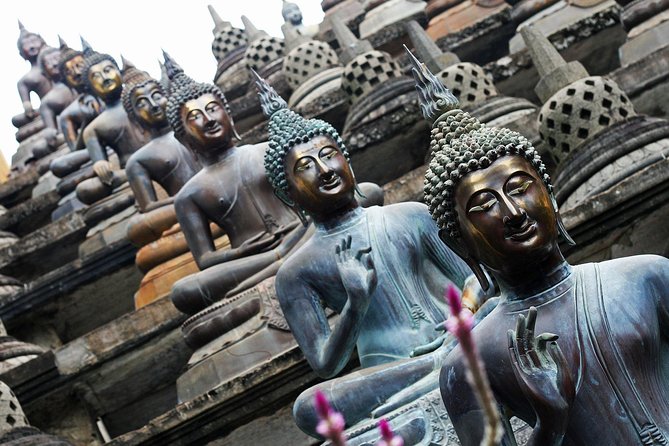
After the energy of Pettah, you get a brief reset at the Dutch Hospital Shopping Precinct, with about 10 minutes. This area is now a shopping precinct, but it’s built around a historic setting that feels different from the surrounding streets.
This stop works as a palate cleanser. The walk is shorter, and you can focus on atmosphere—architecture, photo angles, and the contrast between colonial-era bones and modern storefronts.
It’s also a convenient place to use bathroom breaks if you need them. That may sound basic, but on short tours it can save your whole afternoon.
Admission is free here, so you’re paying with time only—about the right amount for a quick stroll. If you’re not shopping, you can still enjoy it for the building style and the fact that it’s one of Colombo’s more “composed” areas.
Floating Market Stop: When Colombo Turns Odd in the Best Way
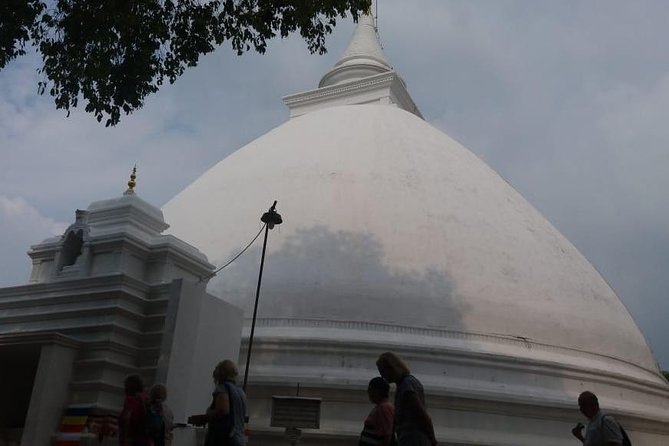
The route includes a floating market stop, though details and exact timing aren’t specified. Still, it’s an interesting inclusion because it adds a different visual world to the day.
Floating markets connect to the idea that Colombo’s economy isn’t only street-based. Water-side commerce and nearby activity create a different rhythm—more motion, different boats or vendor setups (depending on the day), and often a stronger sense of regional character than you get in fixed market stalls.
Because it’s not given as a long stop, treat it like a “see it, understand it, move on” moment. A guide can help you interpret what you’re seeing so it doesn’t feel like you’re watching something random from a distance.
If you get a chance to ask questions here, do it. Even basic context—how often it runs, what people buy, why it exists—can turn a quick stop into a memorable one.
Hindu Kovil Visits: New Kathiresan Kovil and Old Kathiresan Temple
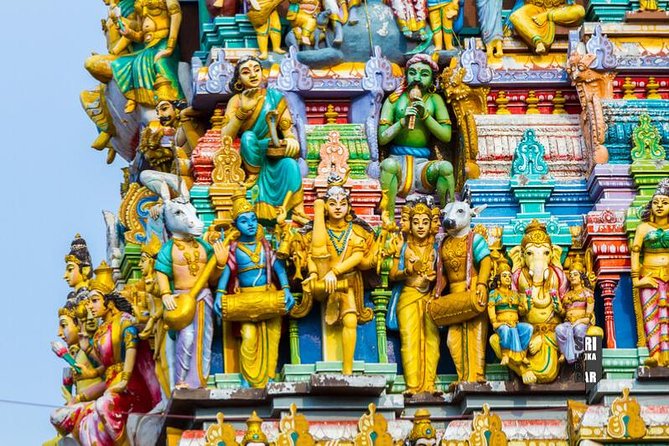
You’ll visit two Hindu kovil stops: New Kathiresan Kovil (about 10 minutes, entrance included) and Old Kathiresan Temple (about 15 minutes, entrance included). These are shorter visits, but they’re important because they widen the religious map of the day.
Why two? Because Colombo’s Hindu temple culture isn’t one single style. Two sites let you compare how each one presents itself, where worship happens, and how visitors are expected to behave.
This is also the part of the tour where a good guide can make the sights click. The tour’s feedback highlights that some guides really explain rituals and what visitors are meant to notice. If you’re someone who likes to understand the meaning behind symbols and practices, this is where the tour can pay off.
Practical note: Hindu temples can have specific rules about footwear and movement. Follow your guide’s lead. Short and respectful is the winning strategy.
St Lucia’s Cathedral: The 1887 Stop You’ll Remember
The day’s “wow” landmark is St Lucia’s Cathedral, built in 1887 and described as Sri Lanka’s biggest church. It’s also noted for its outer look, inspired by St Peter’s in Rome. Your visit is around 20 minutes, and entrance is included.
Even if church architecture isn’t your obsession, St Lucia’s Cathedral tends to hold attention because it’s so much bigger and more structured than many smaller religious spaces in the region. It also gives you a visual reference point for how European religious styles influenced major colonial-era buildings.
This stop balances the day nicely. You’ve covered mosques, Buddhist temples, and Hindu temples already. Now you get a Catholic-style monument with a different design language, scale, and flow of visitors.
Keep your time here for looking, stepping back for photos, and letting your guide connect the design back to Sri Lanka’s broader city story. Twenty minutes sounds short, but it’s enough to appreciate the exterior inspiration and the cathedral’s presence.
Premadasa & Co. Jewellers and the Souvenir Reality Check
The tour includes Premadasa & Co. (Jewellers) Ltd, with about 30 minutes and a free admission listing. The description frames it as a gem and souvenir shop, but practically you should think of it as a jewelry and souvenir stop you’ll either enjoy or want to get through efficiently.
In a half-day tour, these shops can be either a highlight or a waste. The difference is how you treat them. If you like browsing and you’re curious about local craftsmanship, this can be fun. If you don’t want to shop, use the time to look around briefly, ask one or two questions, and then keep moving.
I like that this stop is time-limited. It keeps the day from turning into a commercial detour. And with a private guide, you can often tell them you prefer to spend the time elsewhere—so the schedule stays flexible.
Customization: How Guides Keep the Route From Feeling Stiff
The tour explicitly allows customizing the itinerary, and the feedback patterns point to this being real. Names that come up include guides like Ushan, Nelson, Diilan, and Rajeewa, with repeated mentions of flexibility and adapting the route to what the group wanted to see.
That’s a big deal in Colombo because traffic and energy can change block by block. A guide can shift where you spend your time, add a pass-by view of major landmarks (some routes mention places like Independence Square, the Lotus Tower, Khan Clock Tower, and the World Trade Centre), or extend a temple stop when it’s rewarding.
If you want this tour to be worth it, don’t just treat it like a checklist. Bring two or three priorities. For example:
- temples over markets, or markets over shops
- more photo time vs. more walking inside sites
- a calm lunch plan vs. staying outdoors
You’ll get more out of the day if you communicate your preferences early, especially since the itinerary already includes a mix of religious sites and shopping stops.
Who Should Book This Private Colombo City Tour?
This tour is a great fit if you want a fast orientation to Colombo without losing half your day to navigation. It also suits you if you like cultural variety: you’ll see mosque, Buddhist temple, Hindu kovil sites, and St Lucia’s Cathedral all in one guided day.
It’s also ideal if you’re on a tight schedule—like a layover or cruise day—because the pacing stays manageable. The tour feedback includes multiple cases where timing worked well even when plans shifted, which is exactly what you want from a private guide.
If you hate shopping stops, make your preferences clear. The route does include a jewellers/souvenir stop and a Dutch Hospital area, so you’ll either want to browse a bit or ask for alternatives where possible.
And if you want a deeper, slower temple experience, you’ll likely get the best outcome by customizing. The tour is structured, but the private format is what lets you stretch the moments that matter to you.
Should You Book This Tour?
I think you should book if you want a guided, private, air-conditioned half-day that covers Colombo’s highlights in a sensible sequence. The multi-faith mix is a strong selling point, and the guide quality is a clear theme—people consistently name guides like Shimaz, Tharaka, and Perera for English skills, smooth handling, and adapting the route.
I wouldn’t book if you want a totally shop-free day, or if you need long stays at just one site. This tour is designed for variety and time control, not for extended wandering.
If your plan includes a cruise port day, factor in the $20 port entrance fee. Otherwise, the included entrance fees for key stops and hotel pickup make it feel like a straightforward way to get Colombo into your head quickly.
FAQ
How long is the Private Half-Day Colombo City Tour?
It runs about 4 to 5 hours.
Is hotel pickup and drop-off included?
Yes. Hotel pick-up and drop-off are included.
Are entrance fees included?
Yes. The tour includes all entrance fees listed for the stops. Some stops are listed as free, and others have entrance fees included.
What extra fees might apply?
Some extra costs may include a port entrance fee of $20 USD per tour payable directly to the guide, and airport pickup fees if you need airport transfers.
Does the tour run in bad weather?
Yes. It operates in all weather conditions, so you should dress appropriately.
Can I customize the route?
Yes. The itinerary is described as customizable to your preferences.
Can I cancel and get a full refund?
Yes. You can cancel up to 24 hours in advance for a full refund.