REVIEW · COLOMBO
Sri Lanka Culture Tour
Book on Viator →Operated by Navin Lanka Tours · Bookable on Viator
Six days, one calm plan. I like how this route strings together Sri Lanka’s big cultural moments with local expertise and private pacing that feels built around you. You get a tour guide plus an air-conditioned vehicle, so you’re not stuck figuring out logistics while your eyes are busy with ancient sites.
What makes it especially appealing is the hands-on guidance from Navin Lanka Tours, the same team behind Navin’s reputation for finding practical solutions when plans change. I also like that the itinerary balances major must-sees with photo-worthy viewpoints and hill-country breaks, rather than just racing through.
One consideration: entrance fees are not included, so your final spend depends on how many ticketed sites you visit and how you budget day by day.
In This Review
- Quick hits: what you’ll notice right away
- Why this Colombo-based route makes sense in 6 days
- Navin Lanka Tours and your guide/driver: the real value
- Day 1: Anuradhapura Ancient City and Mihintale’s Buddhist origins
- Day 2: Sigiriya Lion Rock plus Pidurangala for the second perspective
- Day 3: Polonnaruwa’s UNESCO ruins with a more grounded feel
- Day 4: Kandy culture, Temple of the Tooth area, and a city for questions
- Day 5: Nuwara Eliya tea-country breaks and colonial-style charm
- Day 6: Colombo’s mix of history, markets, and modern pace
- Price and value: $450 for 6 days and what that really means
- Getting around: pickup, air-conditioning, and mobile tickets
- Weather and comfort: climbing days need a sensible plan
- Who this tour fits best
- Should you book this Sri Lanka Culture Tour?
- FAQ
- Is the tour private or shared?
- What’s included in the price?
- Are entrance fees included?
- Do they offer pickup?
- Will I receive mobile tickets?
- How long is the tour?
- What time does the tour start?
- Is the tour good in any weather?
Quick hits: what you’ll notice right away
- Private touring for just your group, not a crowded shuffle
- Navin Lanka Tours guidance with local connections that can make hard things easier (like transport bookings and extra activities)
- Air-conditioned comfort between stops, which matters on longer drive days
- UNESCO anchors plus viewpoint detours, including Pidurangala for an alternate Sigiriya perspective
- Mobile ticket support for a smoother check-in experience
Why this Colombo-based route makes sense in 6 days
Starting in Colombo and moving outward works well if you want a culture-focused trip without constantly repainting your map. You’ll spend your time on big heritage sites in the Cultural Triangle (Anuradhapura, Sigiriya, Polonnaruwa) and then shift toward Kandy, tea-country Nuwara Eliya, and back to Colombo.
The order also helps you see Sri Lanka’s personality in chunks. You begin with ancient religious history, then hit dramatic rock geography, then settle into ruined-city wonder, and end with hill-country and a final urban day. That pacing is handy if you like your sights to build in intensity instead of repeating the same vibe for six straight days.
This is a private tour/activity, so you’re not bound to a fixed crowd rhythm. It’s easier to get your timing right for sunrise climbs, late tickets, or simply more time at a sacred site that pulls you in.
You can also read our reviews of more tours and experiences in Colombo.

Navin Lanka Tours and your guide/driver: the real value
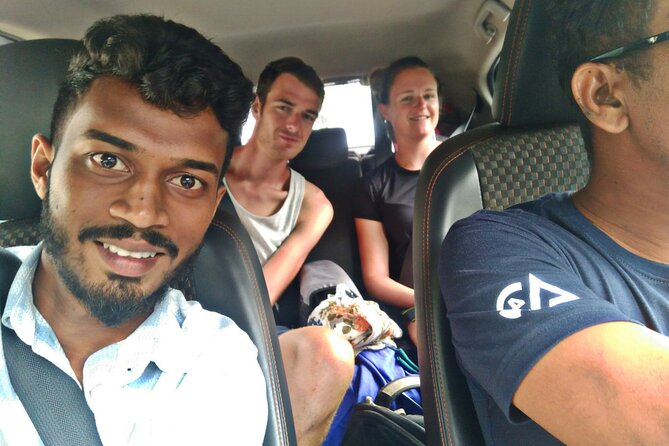
Most tours list sites. This one makes the guide part feel like the main event. With Navin Lanka Tours you’re working with a local who can explain what you’re seeing in plain language, not just point and move on. In practice, that means you’re more likely to notice small details you’d otherwise miss—inscriptions, layout choices, and why certain places matter to Sri Lanka’s story.
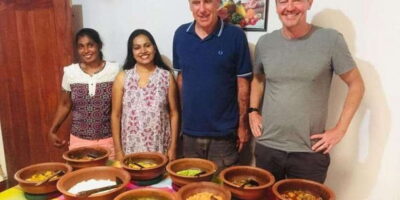
In the feedback, Navin comes up again and again as more than a driver who shows up on time. The standout theme is flexibility. People describe situations where he helped with last-minute changes and used his local knowledge to arrange extra experiences like a village cooking class, safari-style add-ons, and reliable spots for local meals. Even if you don’t plan to add extras, that ability to think on your feet is peace of mind.
Language also matters. The reviews emphasize English comfort and politeness, which makes temple visits and heritage explanations smoother, especially when you want to ask questions rather than just listen.
Day 1: Anuradhapura Ancient City and Mihintale’s Buddhist origins
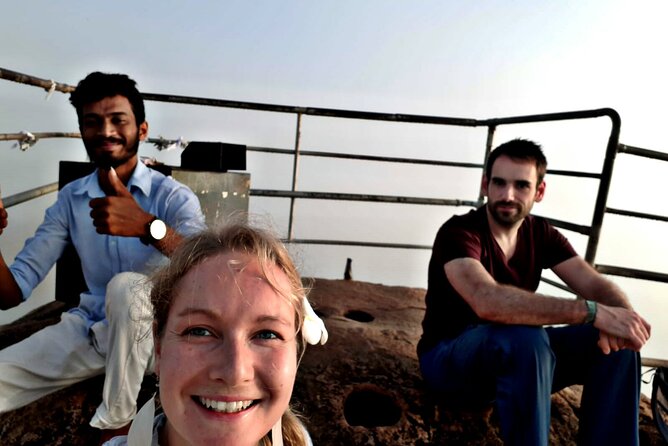
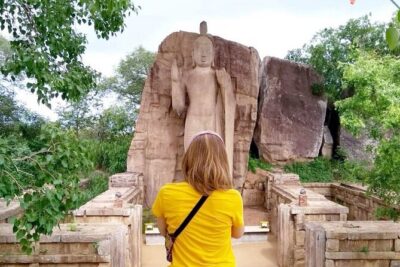
Day 1 is where the trip starts to feel like time travel. Anuradhapura was Sri Lanka’s first capital, so you’re not just looking at old stones—you’re seeing the framework of early state and religious life. Plan for a slower pace here. A place like this can swallow an afternoon if you let it, so it helps that your day includes real guiding time rather than a fast photo stop.
What I like about pairing Anuradhapura with Mihintale is the theme continuity. You go from the ancient city’s long historical footprint to Mihintale, known as the birthplace of Buddhism in Sri Lanka. Mihintale’s main action is the rock-temple experience: you explore sacred grounds and then climb up to the rock itself. It’s only listed as about an hour, but it’s the kind of hour that feels active and memorable.
Practical note: Anuradhapura is a big site. Wear comfortable shoes and expect some walking. Also, since admission tickets are not included, you may want to keep a bit of cash or card-ready budget for entry costs depending on what you’re charged.
Day 2: Sigiriya Lion Rock plus Pidurangala for the second perspective
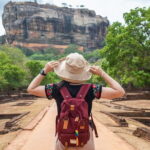
If Day 1 is about origins, Day 2 is about impact. Sigiriya Lion Rock is a fortress on a massive rock, famous for its historic remains and the views that come with climbing inside its story. Even if you’re not a ruins expert, you’ll get the drama: rock, height, and the sense that builders worked with serious ambition.
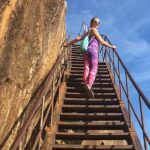
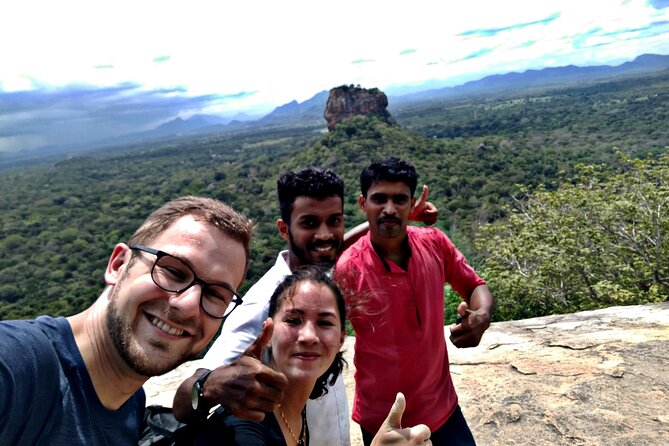
You’ve also got a smart built-in choice: Pidurangala Rock. This is not just another stop—it’s a different angle on Sigiriya. Climbing Pidurangala gives you panoramic views of Sigiriya’s silhouette against surrounding greenery. It’s a great way to see the site as more than a single postcard. You’ll likely spot how Sigiriya sits in relation to its surrounding terrain.
Both stops list admission tickets as not included, so again, budget for entries. And for pacing: Sigiriya and Pidurangala both involve effort. If you’re prone to rushing when you’re tired, remind yourself that the payoff is the views. Take breaks, hydrate, and treat the climb as part of the experience rather than a hurdle.
Day 3: Polonnaruwa’s UNESCO ruins with a more grounded feel
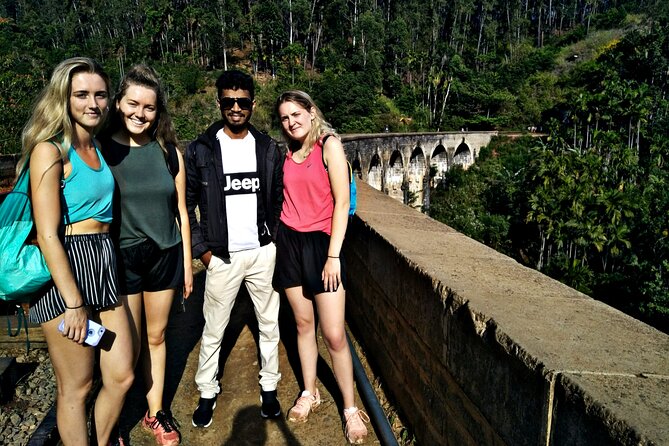
Day 3 lands on Polonnaruwa, another UNESCO World Heritage Site, and a strong change of texture after Sigiriya. Polonnaruwa’s ruins are the kind that make you pause: you start to see city planning, ceremonial spaces, and the artistic and architectural choices left behind.
What I like here is the feel. Sigiriya is dramatic and vertical; Polonnaruwa is more about layout and interpretation. You get to spend around five hours here, which is long enough to actually understand what you’re looking at, not just scan and move.
Admission is marked as free for this day in the provided outline, which can help your budget balance out. Still, bring water and expect real walking on uneven ground. If you want photos, take them—but also look up and slow down. Ruins reward attention to placement and symmetry.

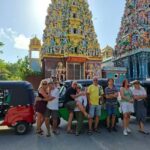
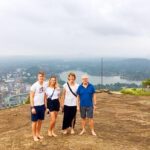

Day 4: Kandy culture, Temple of the Tooth area, and a city for questions
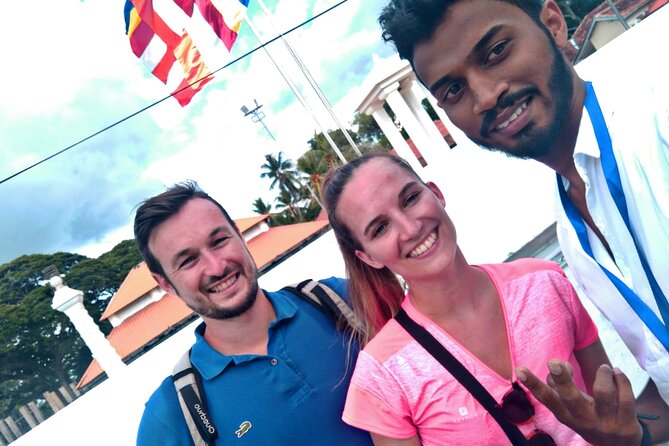
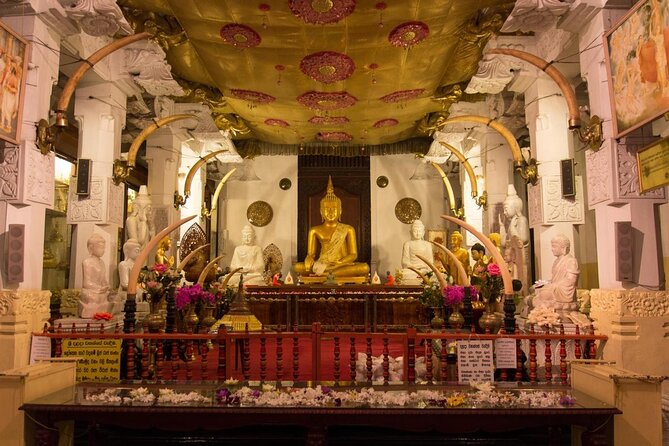
Kandy is a different Sri Lanka mood: culture, spirituality, and daily life in the same frame. The tour description points to Kandy’s Temple of the Tooth and the surrounding cultural energy, plus time to explore the area’s local life.
This day matters because it anchors your trip in a living religious center rather than only historical sites. Even if you’re not attending a ceremony, the energy of a major sacred place changes how you look at the earlier days. You start to connect why Buddhism and heritage aren’t museum pieces—they’re still part of how people live.
The outline suggests the Kandy portion includes about five hours. That’s a comfortable amount of time for asking questions, looking around, and not feeling like you’re stuck on a schedule treadmill. Admission is listed as free for this day, but temple-related costs can sometimes vary depending on what specific spaces you access—so it’s smart to plan with a small buffer.
Day 5: Nuwara Eliya tea-country breaks and colonial-style charm
Day 5 moves into hill-country territory with Nuwara Eliya, known for tea plantations, cooler air, and a more colonial-era look. The key appeal here is contrast: you get a day that feels less like ruins and more like scenery plus cultural rhythms around tea.
This is an eight-hour day, so it’s the kind of block where you’ll benefit from a guide who can pace stops so you don’t feel cranky by mid-afternoon. Since admission is listed as free for Nuwara Eliya, your main costs will likely come from what you choose to do beyond basic sightseeing—like additional experiences around tea and local life.
What I suggest: treat this as your reset day. Eat something local, enjoy the cooler pace, and take your time on views. If you try to “win” the itinerary by seeing everything fast, you’ll miss the point of hill-country travel, which is slowing down and letting the day breathe.
Day 6: Colombo’s mix of history, markets, and modern pace
Ending in Colombo is a smart finishing move because it gives you one day where the city feels active and practical. Colombo is described as a blend of history, culture, and modern elegance, with historic sites and vibrant markets.
Think of this as your real-world wrap-up day. After days of ancient capitals and rock temples, you’ll get to see a living city: more everyday motion, more variety in sights, and more chances to snack your way through local life.
The day is listed at about eight hours, which is enough time to explore without feeling rushed, but you’ll still want to plan for traffic and walking. Also, since admission is listed as free for Colombo, it can be a good day to focus on free outdoor wandering and market browsing rather than ticketed attractions.
Price and value: $450 for 6 days and what that really means
At $450 per person for roughly six days, this is priced like a private guiding and transport package rather than a budget group tour. The value comes from two big factors: a guide included and an air-conditioned vehicle to connect multiple regions.
Where the price can shift for you: entrance fees are not included. That’s common, but it changes the math. If you’re planning to visit multiple paid attractions or want extra experiences on top, you’ll want to budget additional money for tickets and optional add-ons.
Still, if you care about accurate context at temples and heritage sites, the guide value usually pays off. When you also factor in that your tour is private (just your group), the cost feels more reasonable because you’re paying for time and expertise rather than dividing that cost across a busload.
If you’re someone who likes asking questions and adjusting timing, this kind of private structure can make the trip feel higher quality than a cheaper per-day option that keeps you on a rigid schedule.
Getting around: pickup, air-conditioning, and mobile tickets
You get pickup offered and an air-conditioned vehicle. That’s not a small detail in Sri Lanka, especially when you’re doing long drive days between cultural zones.
Mobile ticket support is listed too, which helps reduce last-minute friction. It doesn’t replace the need to confirm exact timing, but it can make check-ins easier once you’re in motion.
Start time is shown as 12:00 am in the provided information. That’s unusual, so I strongly suggest you confirm your actual pickup time after booking. Getting the first day timing right sets the tone for everything that follows.
Weather and comfort: climbing days need a sensible plan
This experience requires good weather. That’s important because rock sites and outdoor heritage areas depend on safe, clear conditions. If weather shifts, you may need to adjust expectations for climbs and long walks.
Your best friend on this tour is simple readiness:
- Wear shoes you can trust on uneven ground
- Carry water and something light to eat during active periods
- Plan for sun and heat on exposed sites, then use shaded breaks when you can
Also, the itinerary includes multiple climbing elements (Mihintale and Pidurangala, plus the Sigiriya area). If you’re sensitive to steep paths, pace carefully and don’t treat any climb like a race. The views reward patience.
Who this tour fits best
This tour suits you if you want:
- A private Sri Lanka culture-focused trip with real guidance
- UNESCO-heavy days plus viewpoint options
- A guide who can help with practical decisions and local bookings
It also works well for most travelers who can participate, and service animals are allowed. If you have mobility limits, the rock-temple and rock-fortress days might need extra attention—so ask questions before you commit to the climbing expectations.
Should you book this Sri Lanka Culture Tour?
If your priority is getting context at major heritage sites and you like the idea of a private guide who can also help with real-life logistics, I’d say yes. The combination of Anuradhapura, Sigiriya, Polonnaruwa, Kandy, and Nuwara Eliya is a strong cultural arc, and the Colombo finale gives you a satisfying last look at modern Sri Lanka.
Just go in with two smart expectations: entrance fees are extra, and some days involve real walking and climbs. If you’re okay planning for that, this tour is a solid way to see Sri Lanka with fewer headaches and more meaning per stop.
FAQ
Is the tour private or shared?
This is a private tour/activity, so only your group will participate.
What’s included in the price?
The tour includes a tour guide and an air-conditioned vehicle.
Are entrance fees included?
No. Tourist attraction entrance fees are not included.
Do they offer pickup?
Pickup is offered.
Will I receive mobile tickets?
Yes, mobile ticketing is part of the experience.
How long is the tour?
It’s listed as 6 days (approximately).
What time does the tour start?
The start time is shown as 12:00 am, so you should confirm your exact pickup time.
Is the tour good in any weather?
The experience requires good weather.