REVIEW · TANGALLE
Tangalle: Safari Day Trip to Yala & Udawalawe w/ Picnic
Book on GetYourGuide →Operated by Shehan Safari Jeep Tours · Bookable on GetYourGuide
Sunrise in Yala changes your whole mood. This private Tangalle safari strings together two national parks in one day with a picnic break and air-conditioned comfort. Only catch: the elephant transit home stop can be upsetting if you’re sensitive to how animals are handled.
If you want a wildlife-packed day without the hassle of arranging transport, this is a strong pick. Guides such as Ishan, Dylan, Tikiri, and Yashara have been highlighted for spotting animals and driving well, and you’ll get English commentary. Do budget for entrance fees: park entrance and service fees are not included (Yala is listed around 13,000 LKR, about $40).
In This Review
- Key highlights worth planning for
- Tangalle Safari Day Trip: What the 14 hours really feels like
- Price and what’s included (and what isn’t)
- Getting picked up in Tangalle, Hiriketiya, or Hambantota
- Yala National Park at sunrise: why the morning drive matters
- The jeep safari rhythm: how to make the most of your time
- Picnic lunch break: eating well between parks
- Udawalawe National Park from 3 PM to sunset: elephants and steady action
- Elephant Transit Home visit: what you’ll see and how to prepare yourself
- Comfort and logistics: air-conditioned rides and a packed day
- Best odds for spotting leopards, elephants, and everything else
- Price and entrance fees: the real value math
- Who this safari day trip is best for
- Should you book this Tangalle safari to Yala and Udawalawe?
- FAQ
- How long is the safari day trip?
- Where do you get picked up?
- Do I get to visit both Yala and Udawalawe in one day?
- What time window do you have in Udawalawe?
- Is lunch included, and what’s it like?
- Are park entrance fees included?
- Is transportation comfortable?
- What language is the guide?
Key highlights worth planning for
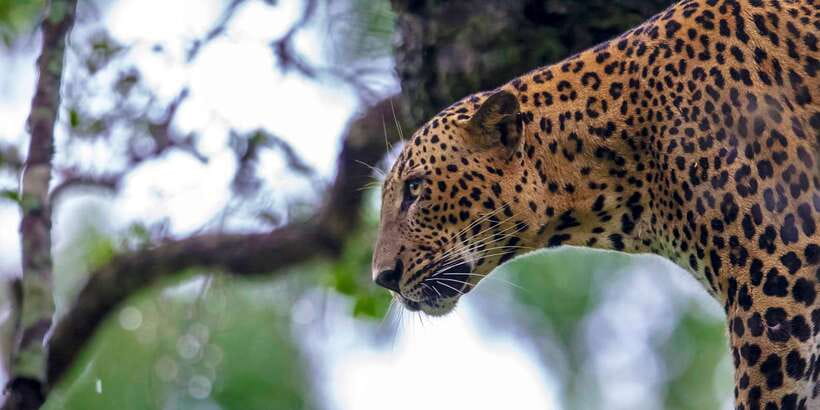
- Yala at golden hour: Sunrise drives in Yala National Park set you up for prime spotting when animals are most active.
- Two parks, one long loop: Yala in the morning, Udawalawe in the afternoon through sunset (the park closes at 6 PM).
- Elephant-focused timing: A stop at Udawalawe’s Elephant Transit Home during feeding hours puts you in front of baby elephant activity.
- Picnic lunch that actually fills you up: Lunch is described as huge and tasty, so you can keep energy for the second safari.
- Animal variety, especially in Yala: Yala’s range includes different habitats like grasslands, scrub, lagoons, and more wildlife than you’ll likely see on one park alone.
- Comfort where it counts: The vehicle is air-conditioned and built for comfort during travel between sites.
Tangalle Safari Day Trip: What the 14 hours really feels like
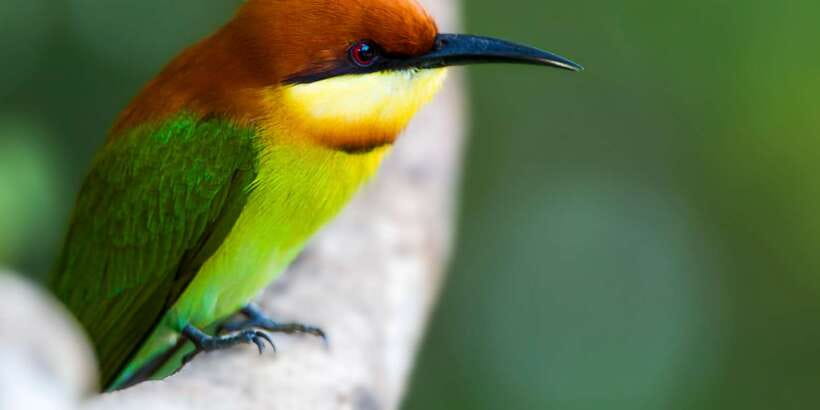
This is one of those Sri Lanka days that sounds simple on paper: pickup, jeep safari, picnic lunch, second safari, drop-off. In reality, it’s a full wildlife rhythm. You’ll start with early safari timing in Yala, then shift to Udawalawe after lunch, finishing at sunset. Expect a lot of “eyes up, watch the horizon” moments.
If you’re staying in Tangalle, Hiriketiya, or Hambantota, the big win is that you don’t have to arrange separate drivers or puzzle out how to connect two parks. The trip is built around a private guide/driver and an air-conditioned vehicle for the road legs.
Also, your best results come from being flexible. Wildlife timing isn’t a schedule. Your guide’s job is to put you in the right place as conditions change, and that’s exactly what the better guide moments have been about—finding animals, taking requests for closer looks, and keeping the jeep positioned well on the roads.
You can also read our reviews of more tours and experiences in Tangalle

Price and what’s included (and what isn’t)
You’re paying about $93 per person for a full-day package that includes:
- hotel pickup/drop-off in the Tangalle, Hiriketiya, and Hambantota areas
- air-conditioned vehicle transport
- jeep safaris in both parks
- Elephant Transit Home visit
- a picnic lunch
- bottled water and soft drinks
- professional driver/guide (English)
Not included: entrance fees. Yala’s entrance/service fees are listed at 13,000 LKR (about $40), and Udawalawe’s fees are also separate. That means your all-in cost will be higher than the sticker price once you add park entry.
Getting picked up in Tangalle, Hiriketiya, or Hambantota
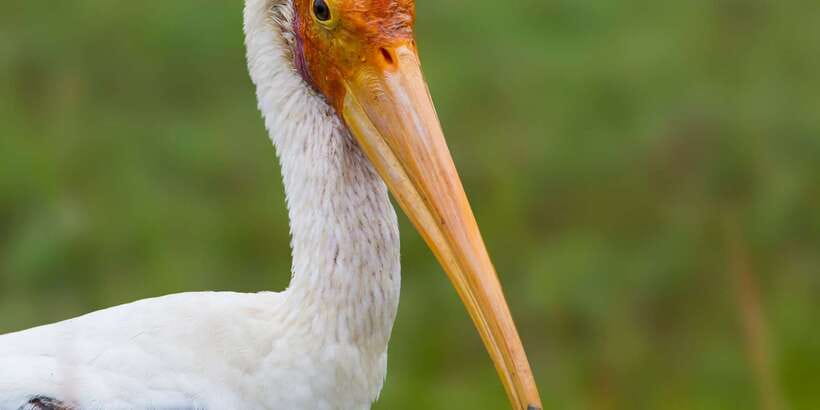
Your day starts with pickup from your accommodation area—either Tangalle, Hiriketiya, or Hambantota. This matters more than it sounds, because safari days often fall apart when you’re late or stuck transferring between areas.
The vehicle ride is part of the experience, too. It’s air-conditioned, which helps a lot in Sri Lanka heat—especially once the morning safari ends and you’re driving between the parks. You’ll also have a dedicated driver/guide rather than hopping between strangers, which usually makes the timing smoother.
If you’re the type who likes to know who you’re riding with, this setup helps. In past outings, guides like Ishan, Dylan, Tikiri, and Yashara have been mentioned for being friendly, knowledgeable, and good at adjusting stops for what you want to see.
Yala National Park at sunrise: why the morning drive matters
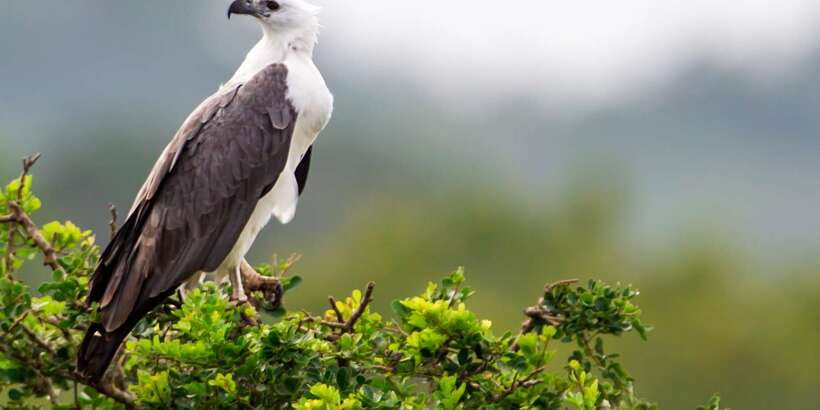
Yala is the first big chapter of your day. You’ll head into the park, meet your guide, then start with a sunrise safari—often called the golden hours for a reason. Animals tend to be more active earlier, and the light can make spotting easier.
This park is known for variety in both mammals and birds. Yala’s figures are impressive on paper: 44 mammal varieties and 215 bird species. The habitats you’ll move through—light forests, scrubs, grasslands, and lagoons—are part of the reason the park can feel like multiple mini-worlds in one place.
What you’re hoping for on a Yala morning:
- elephants and water buffalo
- jackals and other small-to-mid predators
- possible leopard sightings (Yala is famous for this, even if it’s never guaranteed)
A practical note: leopard luck can be tricky. One guide-day highlight can turn into a traffic-clogged wait at the start, because when a sighting happens, other safari jeeps converge quickly. If you’re hunting the big cat specifically, keep your expectations flexible. A good guide doesn’t just chase hype; they also scan for everything else that’s moving.
The jeep safari rhythm: how to make the most of your time
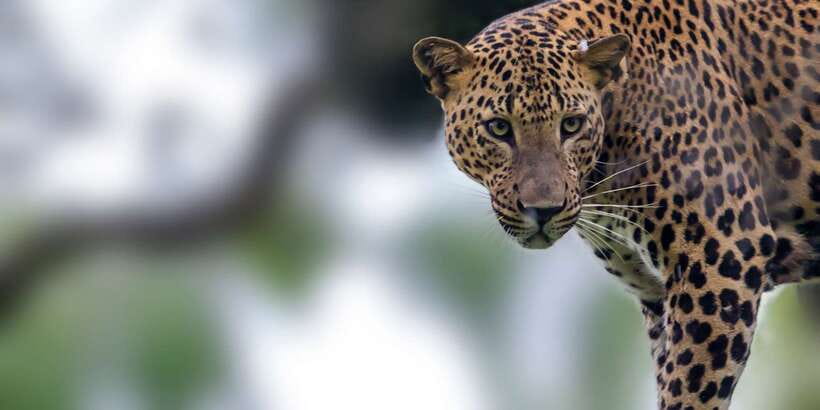
Yala and Udawalawe both depend on how your guide reads the terrain and manages time on the roads. A strong safari driver doesn’t just find animals; they also keep you in a position where you can actually see what’s happening.
From what’s been shared, you’ll get close viewing from the jeep—sometimes even with people describing better animal sightlines from higher vantage positions. The key is to be ready to shift: when the guide stops, you’ll want to lean in, scan fast, and be quiet enough to not scare smaller wildlife.
Here are a few habits that consistently pay off in safari jeeps:
- keep your camera strap short so you can lift quickly
- listen when your guide calls direction—don’t only look where you last saw motion
- give the guide a clear request early (for example, “more elephants” or “more birds”), because the day is long and you’ll want a plan
The private format helps here. You’re not stuck following someone else’s preferences.

Picnic lunch break: eating well between parks
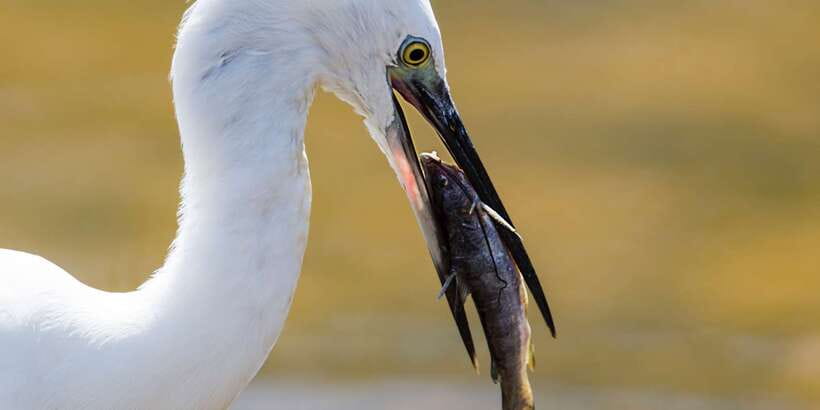
Between Yala and Udawalawe, you stop for a picnic lunch before heading to the Elephant Transit Home.
This lunch is a standout detail. Descriptions call it huge and delicious, which matters because a long safari day can wreck you if you only have a light snack. You’ll want real energy for the afternoon drive and the final stretch through sunset.
After eating, you continue on toward Udawalawe’s elephant area. Think of this as a mental reset: your first jeep safari is often more intense with early morning spotting, then lunch and a scheduled feeding-time stop give the day structure.
Udawalawe National Park from 3 PM to sunset: elephants and steady action
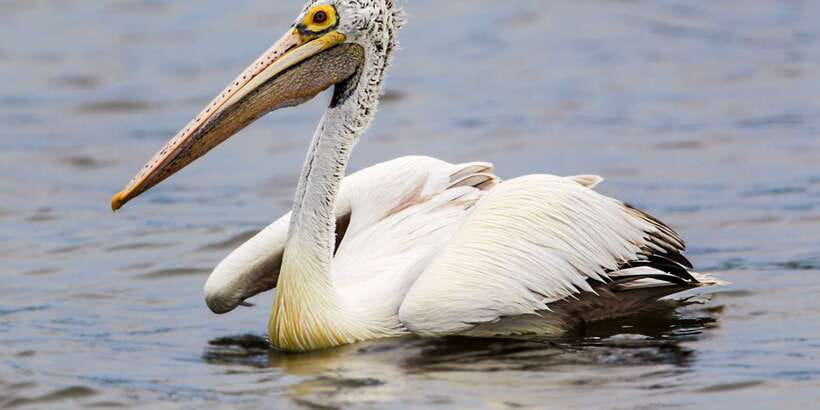
Afternoon timing is a little different here. You’ll arrive at Udawalawe and have time to explore from about 3 PM until sunset, with the park closing at 6 PM. That closing time is helpful to know, because it means you’ll likely get a focused run rather than an open-ended wander.
Udawalawe is famous for elephant concentration. The description for this area is bold: the park offers the most concentrated number of elephants. Even if elephants aren’t guaranteed on any specific road, you are positioning yourself in the right place for them.
Besides elephants, your guide is also scanning for other common sightings such as:
- spotted deer
- jackals
- wild boar
- wild buffalo
- crocodiles
Udawalawe also has a reputation for feeling more relaxed than Yala for some people, which can be a relief when you’ve already had a full morning drive. One travel highlight that helps you plan: Yala tends to offer wider variety, while Udawalawe can be better for elephant herds.
Elephant Transit Home visit: what you’ll see and how to prepare yourself
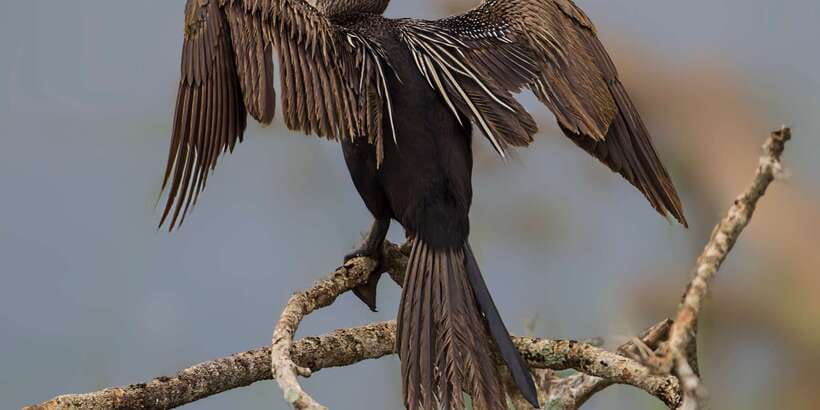
The Elephant Transit Home stop is designed to show baby elephants during feeding hours. You’ll get closer exposure to hundreds of wild elephant babies as caretakers handle the feeding routine.
This moment can be joyful and memorable if you’re hoping for playful behavior and the sheer scale of the nursery setup. It can also be hard. One booking experience described staff member behavior involving a large stick and yelling, with baby elephants appearing afraid. That’s not something you should ignore if you’re sensitive to animal handling.
So how should you think about it?
- If you come expecting a nature documentary feel, you might be shocked by the human intensity of feeding-time operations.
- If you come prepared to see a conservation-focused intervention site, it may feel more understandable—still emotional, but framed by the bigger purpose.
If this stop feels like a dealbreaker for your personal comfort, your best workaround is to consider doing only one park on a different day so you’re not forced into every scheduled segment. This trip is built as a full package; you can’t pick and choose once you’re on the road.
Comfort and logistics: air-conditioned rides and a packed day
The trip includes an air-conditioned vehicle, and that’s a big deal for the travel stretches between Yala and Udawalawe. Safari roads take time, and heat can drain you faster than you expect.
You’ll spend hours in the jeep for safaris, and then hours in the car between parks. That mix is why the air-conditioning matters. It can turn “long day misery” into “long day, but manageable.”
Also, the day length matters for pacing. One helpful tip from an actual experience: doing both parks in a single day can feel long. If you want more breathing room and less rushing, splitting Yala and Udawalawe into separate days can make the wildlife feel more relaxed and less like a checklist.
Best odds for spotting leopards, elephants, and everything else
Nobody can promise specific animals, but this tour is designed for good odds by timing and location.
- Leopards: Yala is where you have the best chance, and your morning light helps. Still, if a leopard sighting triggers lots of safari jeep traffic, you may spend time watching other jeeps watch a single spot. Patience becomes part of the deal.
- Elephants: Udawalawe is your elephant-heavy section. The combination of afternoon timing and the park’s reputation for elephant concentration often brings more consistent sightings.
- Birdlife and smaller mammals: Yala’s habitat mix gives you more chances, and your guide can often shift roads when something small pops up.
Your best strategy is to avoid “only one species matters.” When you stay open to elephants, buffalo, deer, birds, and predators all together, you usually end the day feeling like you got your money’s worth.
Price and entrance fees: the real value math
At $93 per person, the package price covers a lot of day-trip value:
- private pickup/drop-off in your area
- transport in an air-conditioned vehicle
- two jeep safaris
- guide and driving support
- picnic lunch plus water/soft drinks
- Elephant Transit Home visit
Then comes the add-on you can’t ignore: entrance fees. Yala’s listed fee is around 13,000 LKR (about $40), and Udawalawe also has separate fees.
So the value question becomes:
- If you want both parks in one day with a guided jeep and lunch included, you’re getting convenience built in.
- If you only care about one park, you may get better value splitting into a different plan where you’re not paying for a full second park and the transit home segment.
One more practical tip: bring cash or confirm what’s easiest for entrance fees at the parks. Since entrance fees aren’t included, you don’t want to get stuck while everyone waits.
Who this safari day trip is best for
This tour is a great match for:
- wildlife lovers who want to see Yala and Udawalawe without complicated logistics
- people who like a guided day with focused spotting rather than self-driving
- travelers who appreciate a comfortable road transfer thanks to the air-conditioned vehicle
It might be a tough fit if:
- you strongly dislike animal handling situations you might find distressing at the Elephant Transit Home
- you hate long days and would rather split Yala and Udawalawe into separate trips
If you’re traveling as a couple or small group and want flexibility during the safari stops, the private guide format is a real advantage.
Should you book this Tangalle safari to Yala and Udawalawe?
If you’re aiming for one intense wildlife day, I’d say this is worth booking—mainly because it efficiently combines two national parks, sunrise and sunset timing, and a proper lunch without you doing the planning. The best parts are the guide-driven spotting and the fact that you’re not just doing a single park and rushing back.
But decide based on your tolerance for the Elephant Transit Home stop. If that segment worries you, read it as your biggest “yes/no” factor, not just a side stop.
If you’re okay with a full-day schedule, and you budget for entrance fees on top, this is a strong way to experience the Tangalle area’s safari highlights in one shot.
FAQ
How long is the safari day trip?
The total duration is listed as 14 hours.
Where do you get picked up?
Pickup is available from the Tangalle, Hiriketiya, and Hambantota areas.
Do I get to visit both Yala and Udawalawe in one day?
Yes. The tour includes a jeep safari at Yala National Park and a jeep safari at Udawalawe National Park, plus the Elephant Transit Home visit.
What time window do you have in Udawalawe?
You’ll have time from around 3 PM until sunset, and the park closes at 6 PM.
Is lunch included, and what’s it like?
Yes. You’ll have a picnic lunch included, and it’s described as very large and tasty. Bottled water and soft drinks are included too.
Are park entrance fees included?
No. Entrance and service fees for Yala and Udawalawe are not included in the package. Yala’s entrance/service fee is listed as 13,000 LKR (about $40).
Is transportation comfortable?
Yes. The tour uses an air-conditioned vehicle for the travel between stops, and safaris are done in jeep form.
What language is the guide?
The live tour guide is in English.