REVIEW · SOUTHERN PROVINCE SRI LANKA
Yala National Park: All Inclusive Full-Day Safari with Lunch
Book on GetYourGuide →Operated by Beyond Escapes · Bookable on GetYourGuide
Leopard odds in Yala move fast. What makes this day special is the extended time in the park with a modified game-viewing Jeep, plus a lunch stop that’s actually part of the experience, not a rushed snack. I especially like the focus on spotting big cats in Yala’s dry-zone habitats, and I like that the lunch comes to your picnic spot instead of pulling you back out of the action. One possible drawback: if you want deep, story-style explanations about the park, you might find the guiding style more about animals-on-the-safari than lots of extra facts.
You’re covering a lot of ground in one long day (around 12 hours total). That matters because Yala concentrates wildlife where the water and cover are, especially in the dry zone—so more driving time usually means more chances to see movement and unusual behavior. This isn’t the right fit if you’re dealing with back problems or are pregnant, since you’ll be in a Jeep for a long stretch.
In This Review
- Key things to know before you go
- Yala’s dry-zone wildlife: why the extra Jeep time pays off
- Pickup and timing: what a 12-hour day really means
- Morning game drive: scrub, lagoons, and the search rhythm
- Lunch at the picnic spot: beach-side break without losing the day
- Afternoon drive: where leopard odds can spike
- Guide style: when you’ll want more facts, ask for it
- Driver teamwork: when communication can turn into a close sighting
- Price and value: what you’re paying for at $145 per person
- What to bring, what’s not allowed, and who should skip this safari
- The real experience: balancing leopard dreams with animal reality
- Should you book this Yala safari with lunch?
- FAQ
- How long is the Yala National Park safari with lunch?
- Where does the tour pick you up?
- Is hotel pickup and drop-off included?
- How long do you spend on game drives inside Yala?
- What kind of lunch is included?
- Are park entry tickets included?
- Is bottled water and snacks included?
- Is the guide provided in English?
- What should I bring, and what’s not allowed?
- Is this safari suitable for everyone?
Key things to know before you go
- 10 hours of game drive inside Yala means you’re not just doing a quick loop
- Picnic lunch delivered to your spot, with fresh fruit by the beach area
- Yala’s dry-zone mix of scrub jungle, lagoons, and reservoirs helps explain why animals show up near water
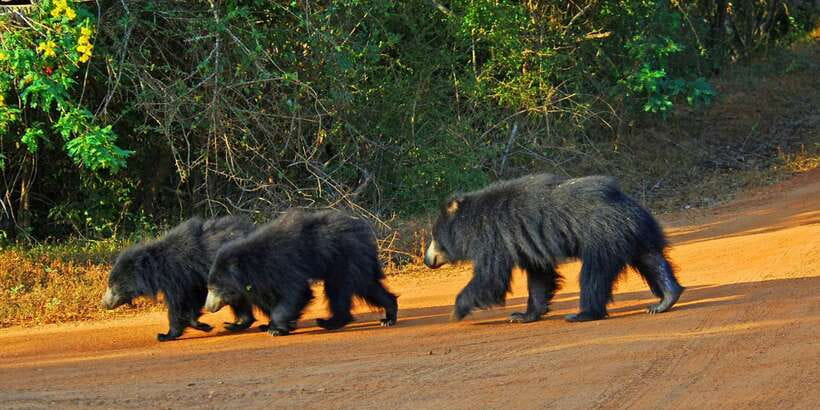
- You’re looking for the headliners—leopards and elephants—but you can also spot sloth bears and many smaller mammals
- If you’re lucky and the crew communicates well, you can get very close to action when sightings happen nearby
Yala’s dry-zone wildlife: why the extra Jeep time pays off
Yala National Park sits in Sri Lanka’s Dry Zone, and that’s not just geography trivia—it shapes the whole safari. In dry months, water sources and food become concentrated, so animals often funnel into similar areas. The upshot for you: longer time in the park tends to beat shorter tours, because you get multiple chances at the same key zones rather than one quick pass.
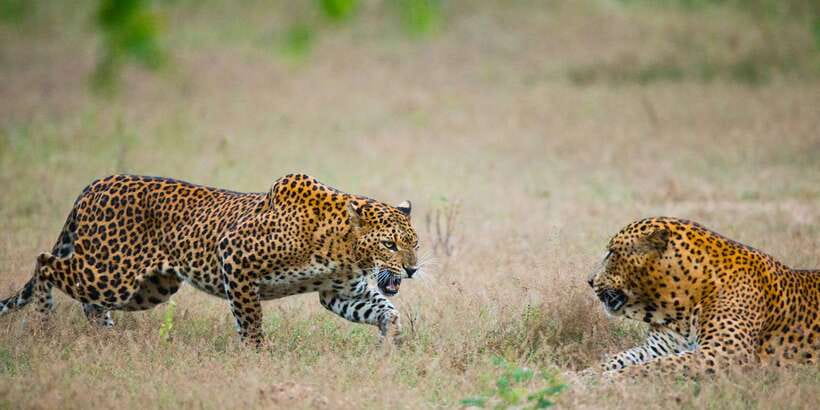
Yala is also famous for leopard density, and the park’s leopard reputation changes how you should think during your drive. You’re not waiting for a miracle; you’re scanning constantly—watching shadows, movement near scrub, and the edges of tracks where cats like to wait. When the driver spots signs and then other vehicles report sightings, your chances jump fast.
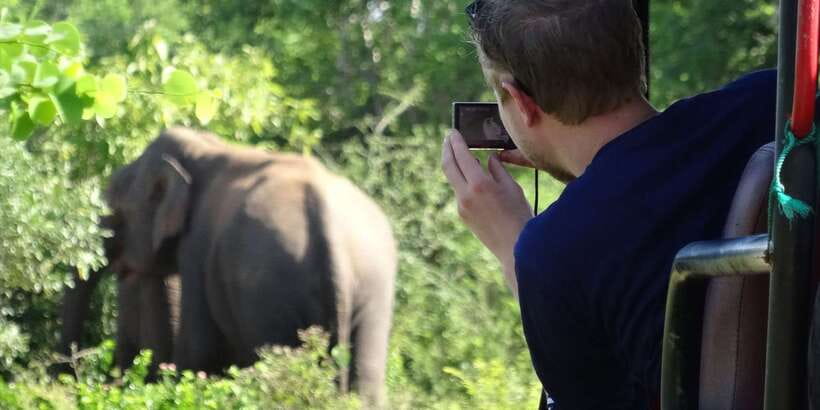
Another detail that helps you set expectations: Yala has an elephant herd estimated at about 300–350. That size matters because elephants can draw attention to the wider ecosystem—things that feed near them, animals that react to them, and the general “activity level” of a zone. You’ll often feel like the park is alive, even when the biggest moments take time.
You can also read our reviews of more tours and experiences in Southern Province Sri Lanka.
Pickup and timing: what a 12-hour day really means
This is a full-day format with hotel pickup and drop-off, plus park entry tickets included. The schedule is built around two game drives with a lunch break in between, and you’re out for about 12 hours total.
Pickup options can include areas like Hambantota, Tissamaharama, Kataragama, and even Hambantota Port (including pickup from the port for some options). That’s convenient if your base is along the coast, but it also means your day might start earlier or later depending on where you’re staying.
You’ll travel in a modified game viewing safari Jeep. That’s a big deal for comfort and visibility, especially during stops where you’ll want to keep your eyes on the treeline and ground-level movement. If you’re someone who gets uncomfortable in vehicles for long stretches, take that seriously—this isn’t ideal if you have back issues.
Morning game drive: scrub, lagoons, and the search rhythm
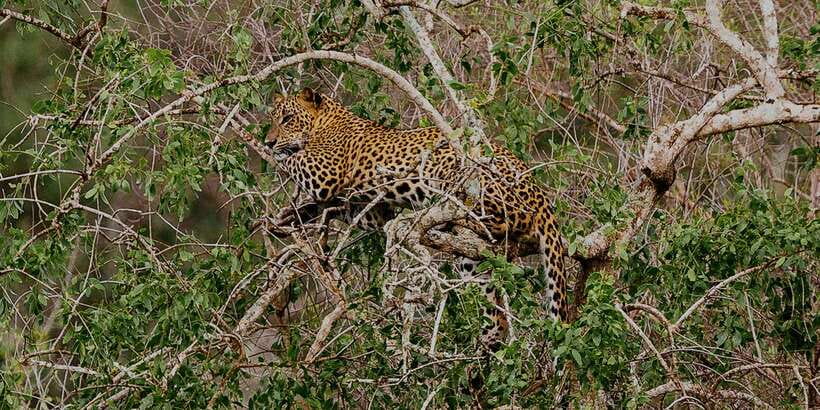
Your day begins with the drive into Yala and then a primary game drive in the park. The park’s habitat mix is part of the thrill: scrub jungle, water reservoirs, brackish lagoons, and riverine areas all show up during the day. That variety gives you multiple “micro-moments,” because animals don’t use every habitat the same way.
During the morning, you’ll likely do a steady pattern of scanning and repositioning. The goal is simple: get into areas where animals are likely to be active and observable, then stay flexible when tracks or sightings change the plan.
What you’re hoping for is the big-cat moment. In Yala, leopards can be hard to spot because they often blend into shade and scrub. You’ll want to keep your posture ready—camera up, eyes wide, and patience on. When you see something that looks like the start of a track, the driver’s job becomes deciding whether it’s worth moving quickly.
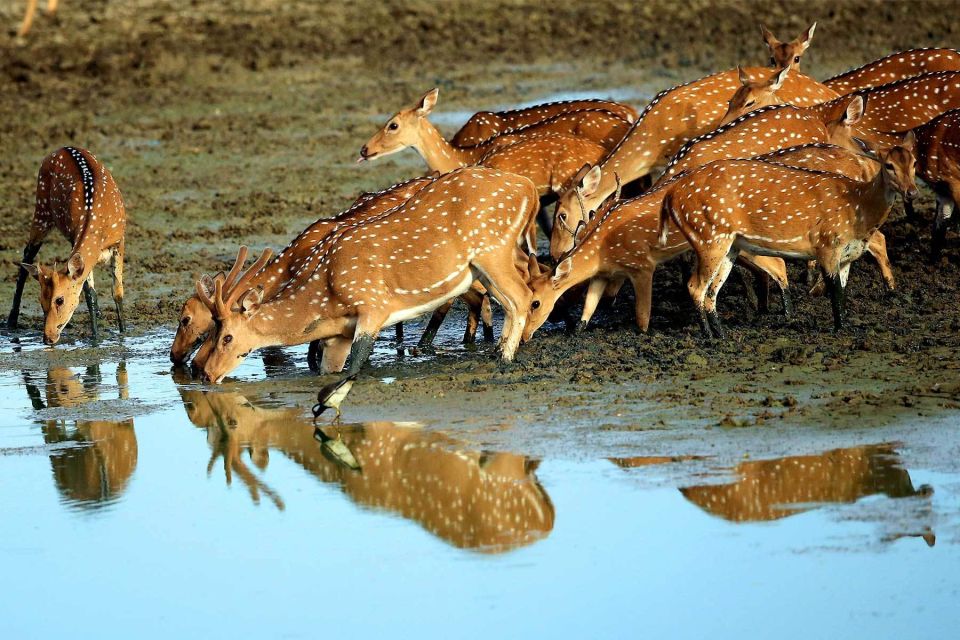
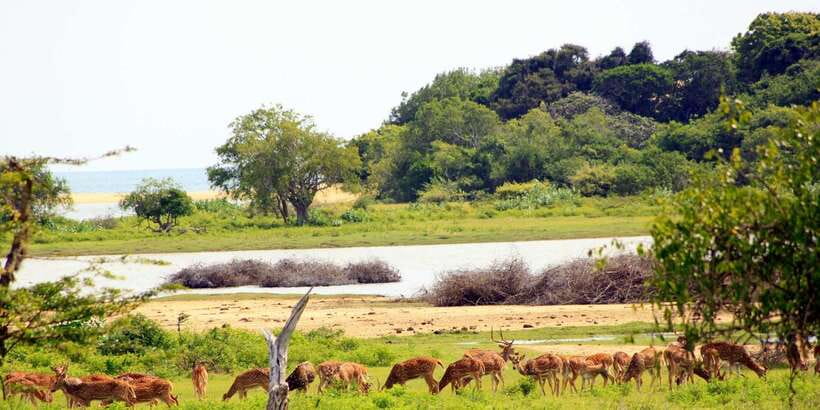
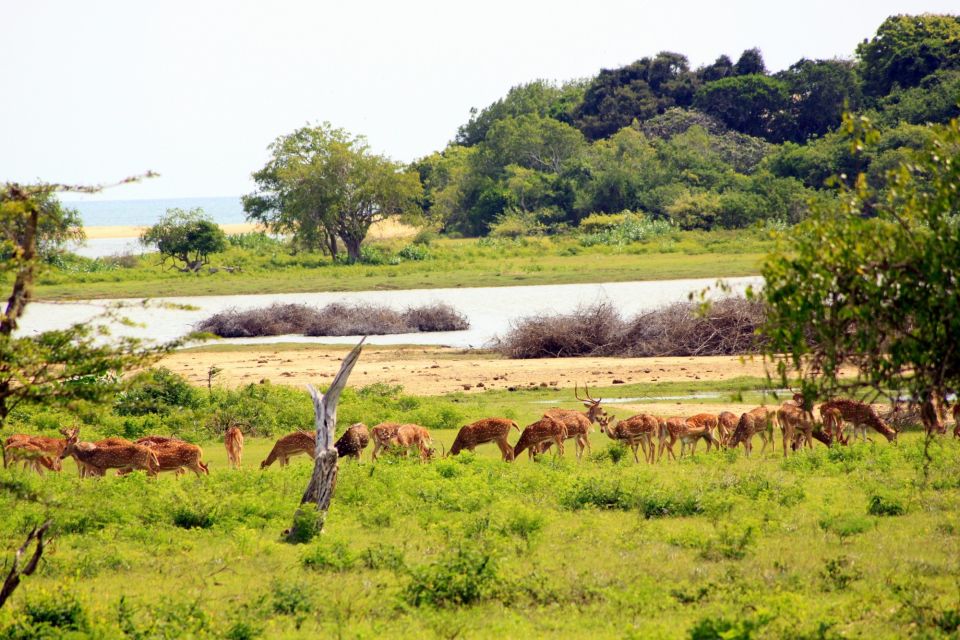
Beyond the leopard search, this park offers a solid chance at other mammals. You may see sloth bears and mammals such as black-naped hare, spotted deer, sambar, Hanuman langur, and toque monkeys. If the light and timing line up, you can also pick up smaller action—like mongooses—which can be surprisingly entertaining once you start noticing their behavior.
And yes, reptiles are part of the potential sightings too. Your day may include chances to spot water monitor lizards and even marsh crocodiles, depending on where you end up along the water edges.
Lunch at the picnic spot: beach-side break without losing the day
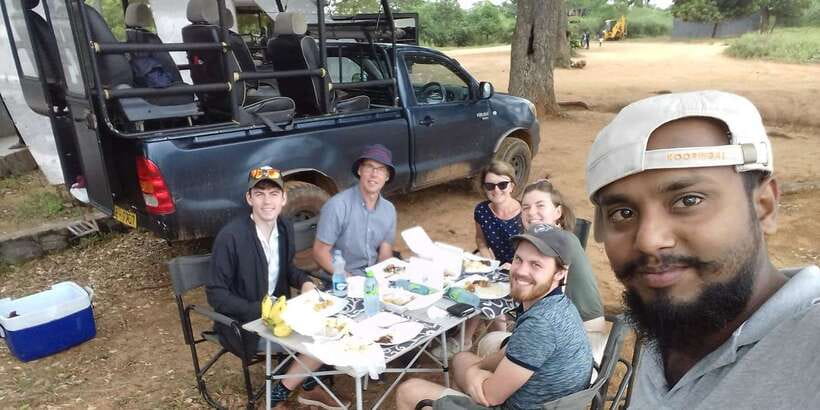
Lunch is built into the safari rather than tacked on as an unrelated stop. The picnic lunch is delivered to your location, so you’re not losing prime wildlife time by driving away and back again.
You’re told to expect a picnic lunch with fresh fruit by the beach. That detail matters. In a park day, food quality and timing can make or break your mood. A beach-side break gives you a reset—cooler air when possible, space to stretch a bit, and a moment to look around without scanning through brush.
One review specifically praised the lunch, calling out a vegetarian lunch as excellent. So if you’re vegetarian, this is one of the few safaris where the lunch isn’t treated like an afterthought. That said, don’t assume every meal detail will match your diet automatically—if food preferences matter to you, mention them when confirming the tour.
After lunch, you’ll unwind briefly and then head back into the second game drive. Practically, this keeps the day from turning into a total grind. Mentally, it helps too: leopards sometimes show up later, and you’ll be in better shape to spot them if you didn’t spend lunch racing back into the Jeep.
Afternoon drive: where leopard odds can spike
The afternoon game drive is the second big hunting window for sightings. This is where you’re searching again for leopards—and if you’re really lucky, you may spot more than one.
The best part of the afternoon format is how it matches how wildlife works. Animal activity isn’t static. Some species move more later when conditions shift, and big cats may become easier to observe when the day’s light and temperature change. A second drive lets you chase different micro-areas and reposition based on what the day is producing.
Elephants are also in play during this stretch. Along with the main elephant herd, you may spot related behavior—like other animals reacting to elephant movement or gathering around similar water points. That matters because animals often show up in relation to each other, not in isolation.
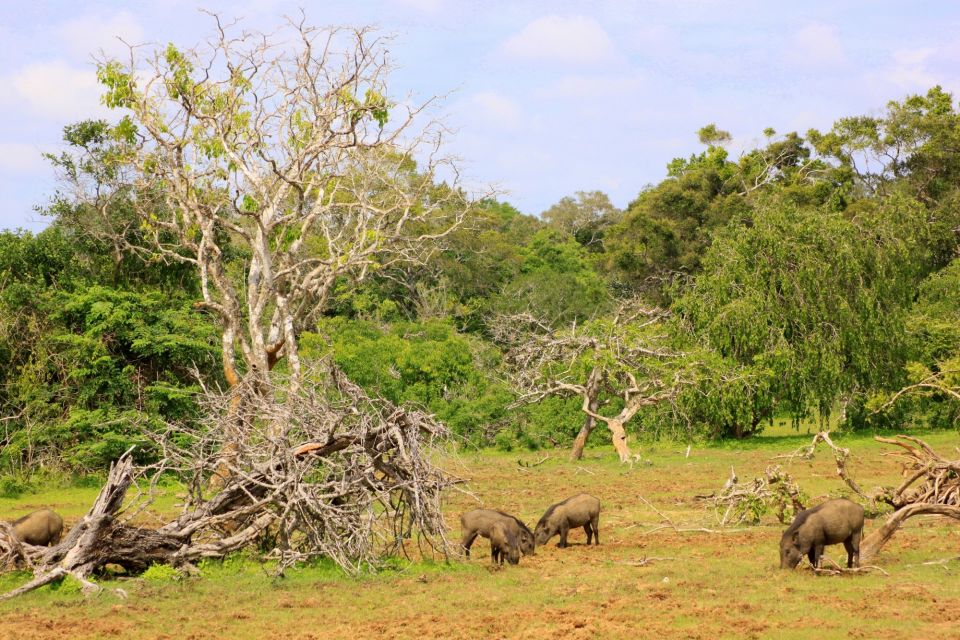
If leopards don’t cooperate, you still have plenty of other targets. The park lists mammals including wild boar and golden jackal, and you may spot different primates depending on where the Jeep turns up. The sheer variety is one reason Yala days feel like more than just a leopard checklist.
A grounded reminder: sightings can be uneven. Even with excellent tracking, wildlife might be quiet for stretches. That’s normal in any safari. The difference between a frustrating day and a memorable day often comes down to driver skill, patience, and when (not if) the vehicle hears about something happening nearby.
Guide style: when you’ll want more facts, ask for it
This tour includes the service of an English-speaking trekker, and the idea is that you can talk with them and learn about wildlife and history. That’s a good sign for you if you like context, not just spotting.
But here’s the honest balancing point: one review noted that the guide mostly described which animals they were seeing rather than offering deeper facts about them or about the park. Another review highlighted that a guide was helpful and supportive, and the overall approach felt like a real effort to find leopards.
So I’d plan to do two things:
1) Ask direct questions early: Why are they stopping here? What signs should I watch for?
2) If you care about leopard behavior or habitat explanations, set that expectation on the spot.
The upside is that even if your guide’s style is lighter on narration, your chance of seeing animals doesn’t rely solely on speech. It relies on where you drive, how well you scan, and how quickly the Jeep responds when something is spotted.
Driver teamwork: when communication can turn into a close sighting
One review stood out for how hard the team worked to locate leopard sightings. In that case, the driver kept calling other drivers to learn whether leopards had been spotted. That kind of real-time communication can be a huge advantage in a park where animals can be out of view for long stretches.
That same review also described a leopard sighting very close to the car—about five meters—which is the kind of moment you remember for years. It’s not guaranteed, of course, but it shows what can happen when a team is active, informed, and willing to reposition fast when news comes in.
In another case, the safari felt smooth at the start and then ran into a car issue: a suspension problem broke down, and the repair time took long enough to cut into the day. Eventually the traveler was back in their original car, but there was downtime.
So what should you take from this? Safari days are real-world logistics. The tour structure gives you two drives and a lunch stop, but you should still be okay with the idea that there may be occasional mechanical hiccups. When everything goes well, it’s a dream day. When it doesn’t, you’ll want patience and flexibility.
Price and value: what you’re paying for at $145 per person
At $145 per person, this is not a bargain safari, but it can be a strong value depending on what’s already included in your lodging. One review noted it was more expensive than organizing directly through a lodge, so it’s worth comparing what your hotel can arrange.
Here’s what you’re getting for your money in the package:
- Hotel pickup and drop-off
- Yala National Park entry tickets
- An English-speaking guide/trekker
- Picnic lunch
- Bottled water and snacks
- Government taxes
That mix matters because it reduces the hassle factor. You’re not coordinating entry, transport, timing, and lunch all on your own at the last minute. And on a day like Yala, fewer moving parts typically means fewer stress points.
If you’re traveling solo, private arrangements can also matter. One review described booking for one person and getting the whole safari car, with very personal service. That’s the kind of value you feel right away, because you get fewer crowds and more attention on your spotting needs.
My practical take: if you want an organized, timed day with the key inclusions handled, this price can feel fair. If you already have a lodge safari plan that includes similar meals and entry, then you should compare carefully before pulling the trigger.
What to bring, what’s not allowed, and who should skip this safari
You’ll have a much better time if you show up prepared. Bring:
- Passport or ID card
- Sunglasses
- Sun hat
- Camera
Also, think like a safari photographer even if you’re not. A camera matters, but so does protecting your eyes and skin from sun glare and heat.
Rules are simple: pets aren’t allowed and smoking isn’t allowed. These are typical park-safari rules, but they matter for comfort.
Who should reconsider booking? This experience is listed as not suitable for pregnant women and for people with back problems. Given the long time in a Jeep, that restriction is worth respecting.
The real experience: balancing leopard dreams with animal reality
A Yala day is exciting because it’s built on a high leopard expectation—but it’s still a wildlife day. What you can control is your readiness. What you can’t control is when animals choose to show themselves.
That’s why the structure matters:
- Two game drives spread across the day
- A picnic lunch delivered to your spot so you don’t lose key time
- Plenty of included water and snacks so you’re not rationing energy
If you love wildlife for more than just one species, you’ll enjoy the wide animal list—sloth bears, elephants, deer, primates, mongooses, jackals, plus possible crocodile and water monitor sightings. Even when leopards are quiet, the park keeps offering different kinds of life.
If you’re hoping for leopard close-ups, the best odds come from trusting the driver’s scanning and being mentally ready to stop, look, and wait when the Jeep pauses.
Should you book this Yala safari with lunch?
Book it if you want a full-day, organized Yala experience with a strong structure: long Jeep time, a real picnic lunch, and all the key logistics handled. It’s a good choice if you like the idea of a private group setup and you’re okay with a long day in the Jeep.
Skip or adjust expectations if:
- You strongly need deep, narrated park education during the drive, since guide styles can vary.
- You’re not comfortable with the small chance of mechanical delays, like the car suspension issue that one reviewer experienced.
- You’re traveling with back limitations or you’re pregnant, since this tour isn’t suitable.
If you go in with flexibility and keep your eyes up, this is the kind of Yala day that can turn into a true wildlife story—whether the leopard shows early or decides to save the best moment for the afternoon.
FAQ
How long is the Yala National Park safari with lunch?
The tour lasts about 12 hours total.
Where does the tour pick you up?
Pickup options include Hambantota, Kirinda, Hambantota Port, Tissamaharama, Hambanthota Harbour, Kataragama, and Yala National Park.
Is hotel pickup and drop-off included?
Yes, hotel pickup and drop-off are included.
How long do you spend on game drives inside Yala?
The schedule includes 10 hours of game drive.
What kind of lunch is included?
A picnic lunch is included, and it includes fresh fruit by the beach.
Are park entry tickets included?
Yes, entry tickets to the park are included.
Is bottled water and snacks included?
Yes, bottled water and snacks are included.
Is the guide provided in English?
Yes, the guide/trekker provides service in English.
What should I bring, and what’s not allowed?
Bring your passport or ID card, sunglasses, a sun hat, and a camera. Pets and smoking are not allowed.
Is this safari suitable for everyone?
It is not suitable for pregnant women or people with back problems.