REVIEW · BENTOTA
4-Day Essence of Sri Lanka Tour
Book on Viator →Operated by Beyond Escapes · Bookable on Viator
UNESCO plus village treks, all in four days. I love how this trip stitches together UNESCO World Heritage favorites—Dambulla Cave Temple, Polonnaruwa, Sigiriya, and the Sacred Tooth Temple—without making you plan each stop. I also like the hands-on mix: bicycle time, a Hiriwadunna village walk with lunch, plus local transport like tuk-tuks and an ox-cart. The trade-off is a busy schedule; you should be ready for moderate physical effort and long driving days.
You’ll get pickup from Colombo/Negombo/Mount Lavinia and use an air-conditioned minivan for the transfers, which keeps the route practical. The group stays small (up to 15), and you travel with an English-speaking chauffeur guide—on some departures, guides like Madushanka have earned real praise for clear, grounded explanations and friendly travel company.
In This Review
- Key highlights worth circling
- Sri Lanka’s key sites, packed into one smooth (but full) circuit
- Day 1: Dambulla Cave Temple and an overnight reset near Sigiriya
- Day 2: Polonnaruwa by bike, then Sigiriya Lion Rock
- Day 3: Hiriwadunna trek with lunch, Matale spices, and Kandy’s Sacred Tooth Relic
- Day 4: Return transfer to your coastal base or the airport
- What makes the $1,250 value feel fair
- Hotels, meals, and transport: comfortable enough, but read the fine print
- Getting the most out of cycling, tuk-tuks, and the ox-cart ride
- Who should book this tour (and who should skip it)
- Should you book the Essence of Sri Lanka Tour?
- FAQ
- FAQ
- What UNESCO sites are included?
- Where do you get picked up?
- Where do you get dropped off at the end?
- How long is the tour?
- What meals are included?
- Are the activity entrance tickets included?
- What transport do you use during the tour?
- How many people are in a group?
- Is the tour suitable for kids?
- Is vegetarian food available?
- What fitness level do I need?
- What’s the cancellation window for a full refund?
Key highlights worth circling
- Four UNESCO hits in four days: Dambulla, Polonnaruwa, Sigiriya, and Kandy’s Sacred Tooth Temple
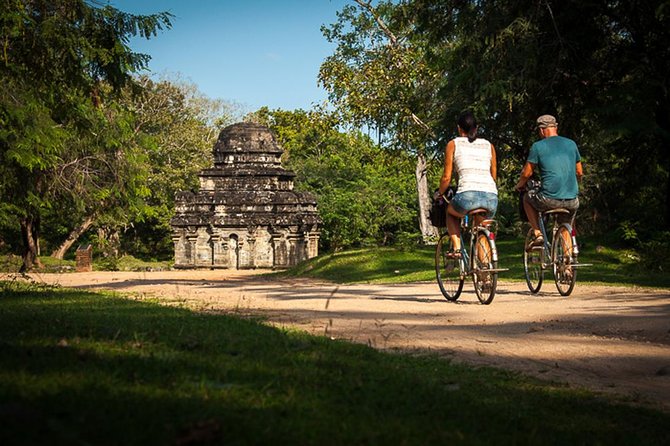
- Active mornings, not just bus windows: cycling at Polonnaruwa and a 3-hour Hiriwadunna trek
- Local transport included: you’ll ride a tuk-tuk and also take an ox-cart ride
- Lunch handled for you during the Hiriwadunna trek day
- Tickets included for major sites (Dambulla, Polonnaruwa, Sigiriya, Sacred Tooth Temple) so your budget stays steadier
Sri Lanka’s key sites, packed into one smooth (but full) circuit
This tour is built for first-timers who want the big names of Sri Lanka—fast. In four days, you move through the Cultural Triangle basics: cave temples, ancient ruins, a climb-your-way-to-the-view fortress, and Kandy’s most famous shrine. It’s not the kind of trip where you linger all day in one place. Instead, it’s about stacking experiences while everything is organized for you.
What I like most is the balance between “look at it” sightseeing and “do something” time. Cycling around Polonnaruwa and trekking near Hiriwadunna are a good reminder that these places aren’t just photo backdrops. They’re living regions with village routines, reservoirs, and working landscapes that feel close-up when you’re walking instead of waiting at a viewpoint.
The main consideration is pace. You’re trading freedom for convenience, and your schedule stays tight. If you get cranky after multiple driving hours in one day, plan for that now—and pack patience with your sunscreen.
You can also read our reviews of more tours and experiences in Bentota.
Day 1: Dambulla Cave Temple and an overnight reset near Sigiriya
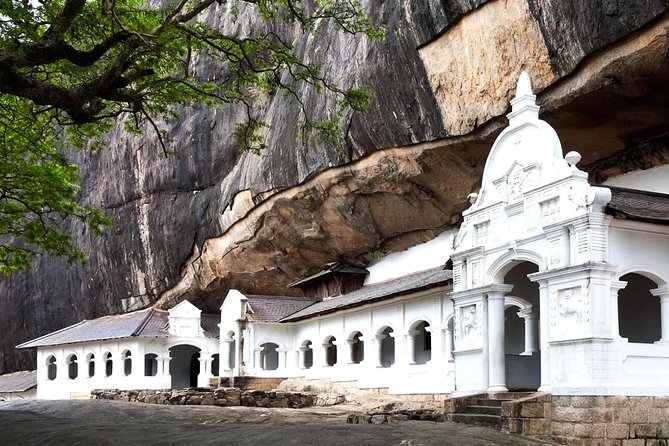
Your day starts with hotel pickup from Colombo, Negombo, or Mount Lavinia. Then you head to Dambulla for the Cave Temple, one of Sri Lanka’s signature sacred sites and a UNESCO World Heritage stop.
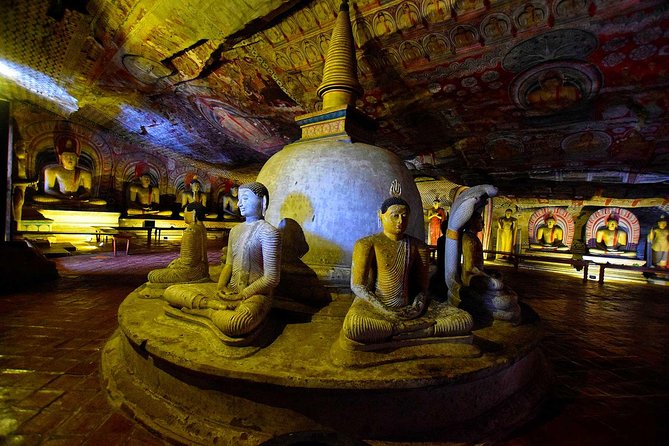
Even if you’ve seen photos, walking through the caves changes the feel. The ceiling, the painted surfaces, and the sense of space in a rock shelter make it feel more like a crafted place of worship than a quick roadside stop. You also get a structured visit time—about two hours—so you’re not spending the whole day stuck on one activity.
After Dambulla, you’ll overnight in Sigiriya. That matters more than it sounds. Staying there cuts down the “back and forth” time tomorrow, when Sigiriya Lion Rock is the afternoon focus. It’s a practical setup: you’ll wake up close enough to move efficiently.
If you’re sensitive to early starts, note this day begins with pickup and travel time. Still, the day is well-paced for a first look at the cultural core.
Day 2: Polonnaruwa by bike, then Sigiriya Lion Rock
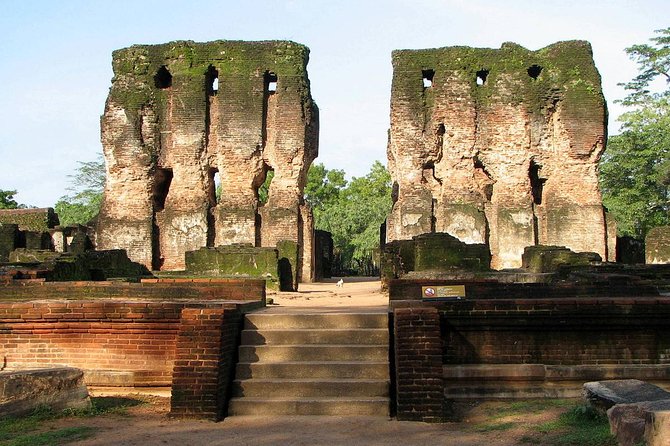
Day two is where the tour gets more hands-on. In the morning, you cycle through Polonnaruwa, described as one of the best maintained ancient cities of old Ceylon. It’s another UNESCO World Heritage site, and this is the kind of place where cycling helps you cover ground without feeling like you’re racing.
You’ll spend about three hours on the cycling portion. That’s long enough to move between key ruins, but not so long that you feel cooked by the time you stop. Plus, biking here gives you a different angle than walking. You glide past structures, layouts, and stone details that can blend together when you’re rushing on foot.
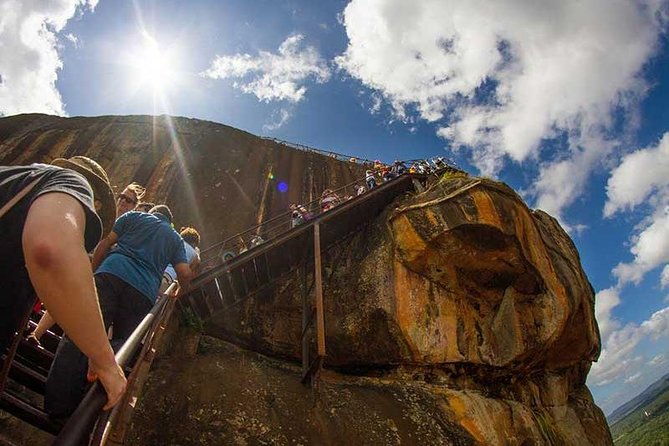
In the afternoon, you drive to Sigiriya and climb Sigiriya Rock Fortress. Plan on about three hours for the visit, including time to see the rocky fortress areas and the water gardens. This is the “Wonders of the World” moment many people remember from Sri Lanka, and it’s a climb that makes you earn the views.
A quick reality check: Sigiriya involves stairs and effort. The tour is rated as moderate fitness, but Sigiriya is still the one day most likely to feel physically demanding. If you’re not used to climbing, bring steady energy, hydrate, and take breaks when you need them.
By the end of the day, you’ll have that classic combination: ancient city order in the morning, then a fortress that feels like it was designed for power and spectacle.
Day 3: Hiriwadunna trek with lunch, Matale spices, and Kandy’s Sacred Tooth Relic
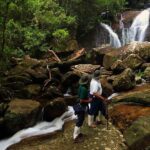
This is the most “Sri Lankan daily life” day on the schedule. In the morning, you trek through Hiriwadunna, starting with a walk along a man-made reservoir (a wewa). The route moves through scrub jungle, marshland, and village areas. The best part of this setup is that it’s not just a nature walk. You’re walking through the places that support village life—water, edges of fields, and paths people use.
You’ll spend about three hours trekking, and lunch is included. The day’s structure keeps it practical: walk first, eat, then shift to the next activity.
After lunch, you head toward Kandy with a stop in Matale for a spice garden visit. This is a short, focused experience—about one hour—built around how spices have been a major Sri Lankan export for centuries. You’ll see how spices are used not just in cooking but also in medicine and cosmetics, which helps connect today’s tour souvenir culture to older local trade.
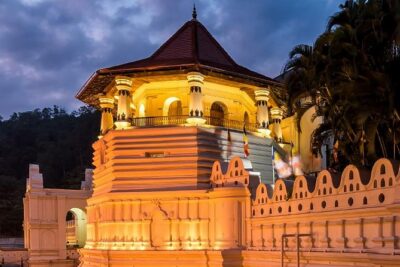
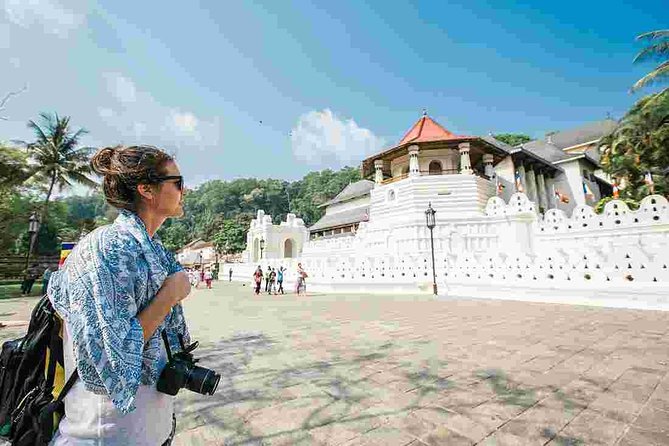
Then you arrive in Kandy and do the city tour highlights. The anchor is the Temple of the Sacred Tooth Relic (Sri Dalada Maligawa), and the tour also includes stops such as the upper lake drive and the market square, plus a gem lapidary visit. Expect the city tour to be a mix of religious site time and cultural “see how the town works” time.
You’ll overnight in Kandy, which is a smart move because it lets you finish the day’s emotional peak and not immediately pack up for another long drive.
One small heads-up from experience-style feedback: the Kandy accommodation is described as 3-star bed-and-breakfast. That’s totally fine for most people, but at least one stay was reported as a bit basic, with inconsistent hot water and thin walls. It’s not a reason to avoid the tour—just a reminder to set your expectations for simple comfort rather than boutique calm.
Day 4: Return transfer to your coastal base or the airport
After breakfast, you head back to your hotel in Colombo, Negombo, or Mount Lavinia—or onward to Bandaranaike International Airport in Colombo. This is the clean ending to a route that spends the whole trip moving.
Day four isn’t another “big ticket” day. It’s a transport and wrap-up day, which is a kindness after three days of entrances, climbs, and walking. If you’re planning onward travel, this return window is helpful because you don’t need to squeeze in one more high-energy activity.

What makes the $1,250 value feel fair
At $1,250 for a 4-day experience, the real question isn’t whether it’s cheap. It’s whether you’re getting enough organized value to justify a package.
Here’s what you do get that’s hard to replicate easily on your own:
- 3 nights accommodation on a bed-and-breakfast basis
- Breakfast included for three mornings
- Lunch included (and trekking day includes lunch)
- English-speaking chauffeur guide throughout
- Transport by air-conditioned minivan plus hotel pickup/drop-off
- Many key entrance tickets included, including Dambulla, Polonnaruwa, Sigiriya, and the Sacred Tooth Relic
- All current taxes handled
That matters because the Cultural Triangle can turn expensive quickly when you add entrance fees, separate guides, and logistics. Bundling the major tickets and transport into one price keeps the trip feeling more predictable.
Also, the group size stays capped at 15 travelers, with a minimum of 4 per booking. Small groups usually make it easier for the guide to manage timing and keep people together, especially when you have both trekking time and climbing time in the mix.
Hotels, meals, and transport: comfortable enough, but read the fine print
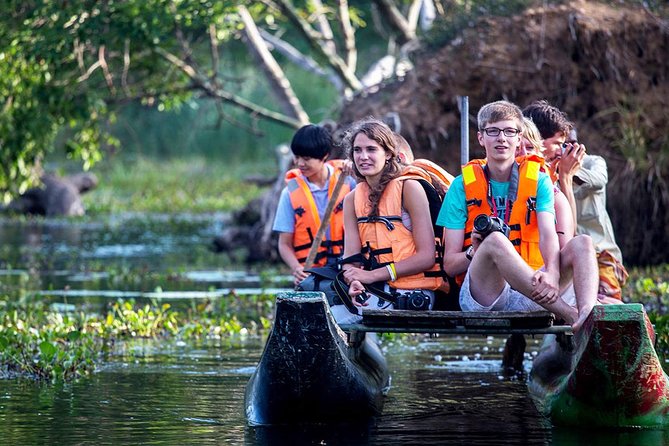
The tour uses 3-star bed-and-breakfast hotels. That generally means solid basics: a private place to sleep, breakfast in the morning, and fewer comforts than you’d expect from a higher-end resort. The upside is simplicity. You know what you’ll get—clean rooms, breakfast, and a bed after active days.
Meals are also partly covered:
- Breakfast is included each morning.
- Lunch is included during the trek day, and it’s listed in the inclusions.
- Dinner isn’t mentioned as included, so you’ll want to budget for evening meals as a normal “on the trip” expense.
Transport is practical and air-conditioned in a minivan. That’s a major plus on Sri Lanka’s roads and helps avoid the stress of self-driving during busy sightseeing windows.
One more detail: the tour notes that transfer times are approximate and depend on traffic. That’s standard, but it does affect how strictly you should plan your own private add-ons. Treat the itinerary as a guide, not a stopwatch.
Getting the most out of cycling, tuk-tuks, and the ox-cart ride
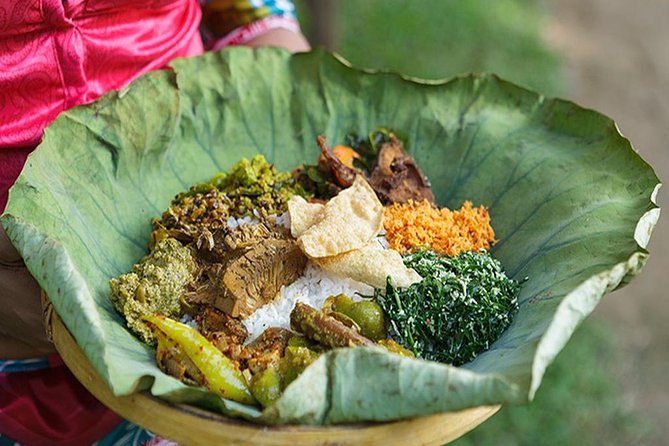
This tour doesn’t only rely on viewpoints. It gives you movement that changes how you experience the country.
- Cycling in Polonnaruwa is ideal because the ruins are spread out. Riding helps you see more without feeling trapped behind a vehicle window.
- Tuk-tuk rides are a quick taste of local transport style, and they can be a fun way to break up travel monotony.
- Ox-cart riding adds a rural, slower-paced contrast. It’s the kind of activity that helps the cultural sites feel connected to village life rather than separated from it.
If you want photos, bring breathable layers and sun protection. If you want comfort, choose simple, closed-toe shoes for the days that involve walking and climbing. The tour expects moderate fitness, so your footwear choices will matter.
Who should book this tour (and who should skip it)
This tour is a great match for you if:
- you want UNESCO World Heritage highlights without building your own route
- you like a blend of active time and cultural stops
- you’re okay with a packed schedule and a bit of climbing effort
- you want a chauffeured setup with an English-speaking guide
You might want to skip or pick a slower itinerary if:
- you hate busy days and long drives
- you’re not comfortable with moderate physical effort (especially Sigiriya)
- you need consistently high hotel comfort details, since stays are 3-star bed-and-breakfast
Should you book the Essence of Sri Lanka Tour?
If you’re craving the Sri Lanka “greatest hits” and you’d rather spend your time looking up instead of planning, I think this is a strong booking. The value comes from what’s bundled: transport, key entrance tickets, meals like lunch and breakfasts, and a guided route that hits the cultural anchors in a sensible order.
The main reason to hesitate is the pace. This is not a slow, contemplative trip. It’s a structured whirlwind with real physical moments—cycling, trekking, and climbing—so choose it if you can handle a full day from start to finish.
FAQ
FAQ
What UNESCO sites are included?
The tour includes visits to Dambulla Cave Temple, the Ancient City of Polonnaruwa, Sigiriya Rock Fortress, and the Temple of the Sacred Tooth Relic (Sri Dalada Maligawa).
Where do you get picked up?
You’ll be picked up from Colombo, Negombo, or Mount Lavinia.
Where do you get dropped off at the end?
You’ll be taken back to your hotel in Colombo, Negombo, or Mount Lavinia, or to Bandaranaike International Airport in Colombo.
How long is the tour?
It’s a 4-day tour (approximately).
What meals are included?
Breakfast is included for three mornings, and lunch is included.
Are the activity entrance tickets included?
Admission tickets are included for Dambulla Cave Temple, Polonnaruwa, Sigiriya Rock Fortress, and the Temple of the Sacred Tooth Relic. The Hiriwadunna trekking stop is listed as free for admission.
What transport do you use during the tour?
You travel in an air-conditioned minivan, with hotel pickup and drop-off.
How many people are in a group?
The tour requires a minimum of 4 people per booking and has a maximum of 15 travelers.
Is the tour suitable for kids?
A child rate applies when sharing with two paying adults, and children must be accompanied by an adult.
Is vegetarian food available?
Yes. A vegetarian option is available if you advise in advance.
What fitness level do I need?
The tour is described as suitable for a moderate physical fitness level.
What’s the cancellation window for a full refund?
You can cancel up to 6 days in advance for a full refund, meaning at least 6 full days before the experience start time.