REVIEW · BENTOTA
Bentota River Safari with Mangrove and Wildlife Encounter
Book on GetYourGuide →Operated by Bentota Travel Mart · Bookable on GetYourGuide
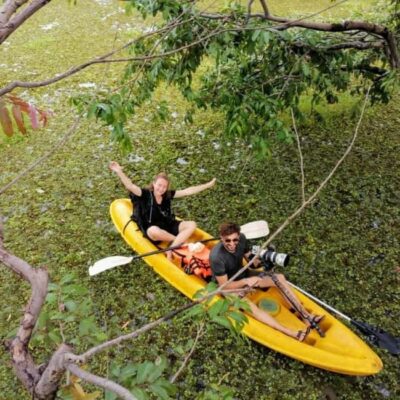
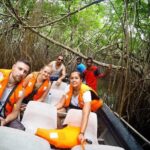
Mangroves hide real-life reptile drama. On this Bentota River safari near the Bentota Bridge, you cruise through mangroves and scan for crocodiles, water monitors, monkeys, and birds—plus those classic Bentota Moya Kata delta views.
I love that the trip is timed for wildlife spotting, not just sightseeing, so the boat ride feels like a living nature tour.
The other thing I like a lot is the human factor: an English guide who actually knows what to look for. In feedback for guides like Nihal, Harindra, and Sumal, you’ll hear the same theme—quick animal spotting, helpful photo moments, and even fresh coconut water and pineapple as the tour winds down.
One consideration: it’s often hot on the river and the ride can feel shorter than the stated 2 hours on some departures, so I’d plan with some flexibility in your schedule.
In This Review
- Key Points You’ll Care About
- Why Bentota River and the Mangroves Feel Like the Real Sri Lanka
- The Two-Hour Route: From Bentota Bridge to the Wildlife Zones
- Wildlife You Can Actually Aim For: Crocodiles, Monitors, Birds, and More
- Crocodiles and the reptile highlights
- Monkeys and the “watch-the-shore” moments
- Birds that reward a slower pace
- Why a guide’s eye matters here
- How Guides Turn a Boat Ride Into a Wildlife Session (Names You May Hear)
- Pickup, Private-Group Feel, and What the Ride Really Costs You
- Wheelchair note
- How hot weather affects the experience
- Price and Value: Is $20 Per Person Actually a Good Deal?
- Practical Tips to Improve Your Chances and Photos
- Who Should Book This Bentota River Safari?
- Should You Book This Safari?
- FAQ
- How long is the Bentota River Safari?
- Where does the boat safari start?
- What wildlife can I expect to see?
- Is hotel pickup and drop-off included?
- Which areas have pickup and drop-off?
- Is this tour private or shared?
- What language is the tour guide?
- Is food and drinks included?
- Is the tour wheelchair accessible?
- Can I get a refund if I cancel?
Key Points You’ll Care About
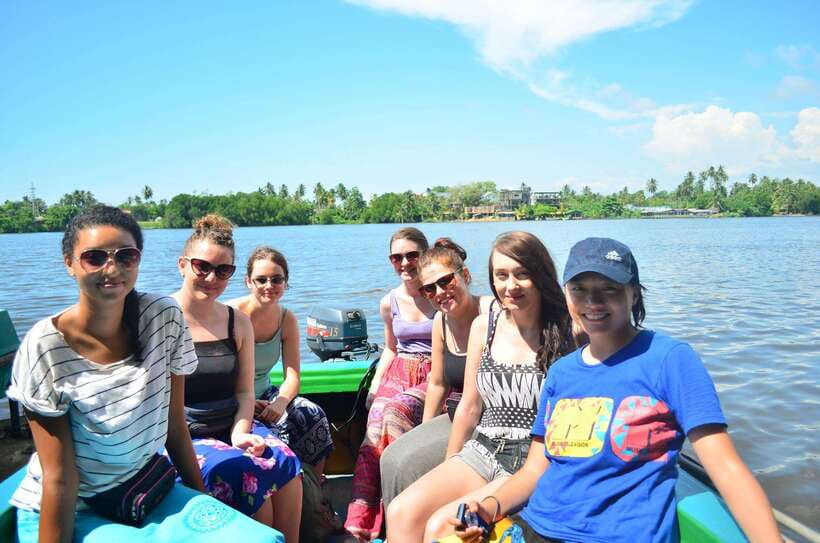
- Mangrove cruising on the Bentota River with chances to spot reptiles and birds
- Bentota Moya Kata (delta) views that make the scenery part worth it, even if wildlife stays quiet
- Crocodiles and water monitors are the big-ticket targets, with occasional sightings of baby crocs
- English-speaking guides who spot wildlife early and help with photos and close viewing
- Fruit stops like coconut water and pineapple show up in many trips (even when food isn’t listed)
- Private-group feel with hotel pickup in a wide Bentota-area range
Why Bentota River and the Mangroves Feel Like the Real Sri Lanka
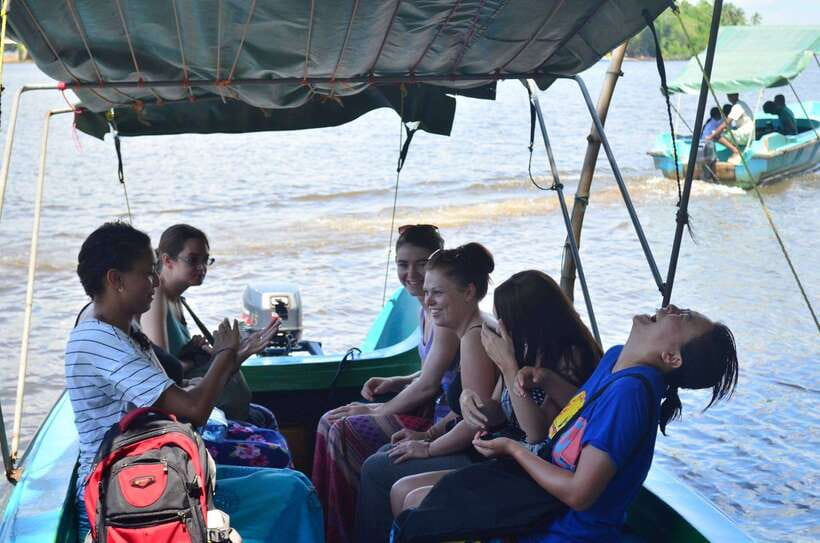
Bentota’s river system is famous for one thing: it brings you close to wildlife without forcing you into long jungle treks. The Bentota River is described as the third largest in Sri Lanka, and that scale matters. You get long stretches of mangrove channels where birds move, reptiles bask, and monkeys show up along the banks.
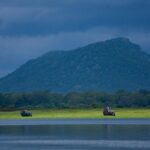
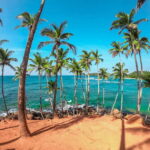
What makes this safari interesting is that it’s not just a straight “look-and-leave” cruise. You’re traveling through mangrove roots and shallow backwater edges, which changes where animals can hide—and where they can accidentally reveal themselves. The river also connects into the Bentota Moya Kata (delta) area, so you get a mix of dense greenery and open-water views.
I also like that the tour’s focus is practical wildlife observation. You’re not expected to be an expert. You just need a camera, patience, and a willingness to pause when your guide says stop.
You can also read our reviews of more tours and experiences in Bentota
The Two-Hour Route: From Bentota Bridge to the Wildlife Zones
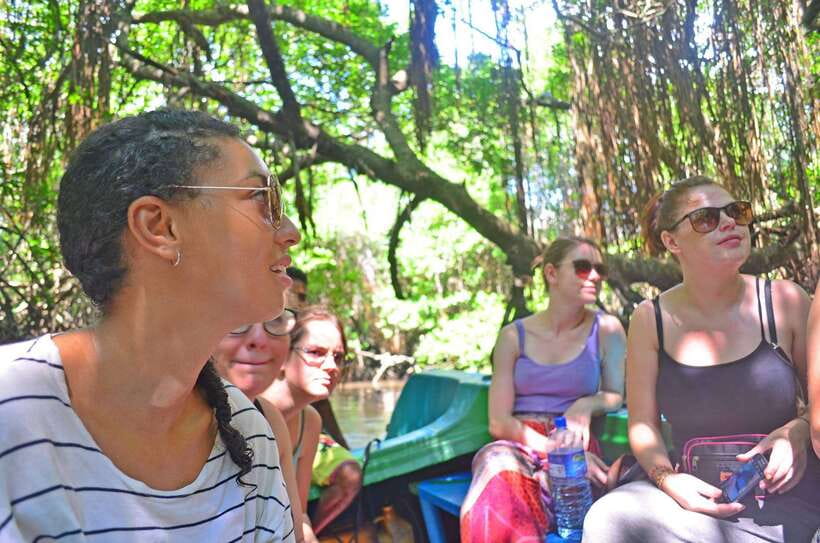
The safari starts from the Bentota River, near the Bentota Bridge. From there, you’ll spend about 2 hours cruising through mangroves and nearby waterways, with scenic stops along the way and wildlife viewing as the main event.
Here’s what that means in real terms:
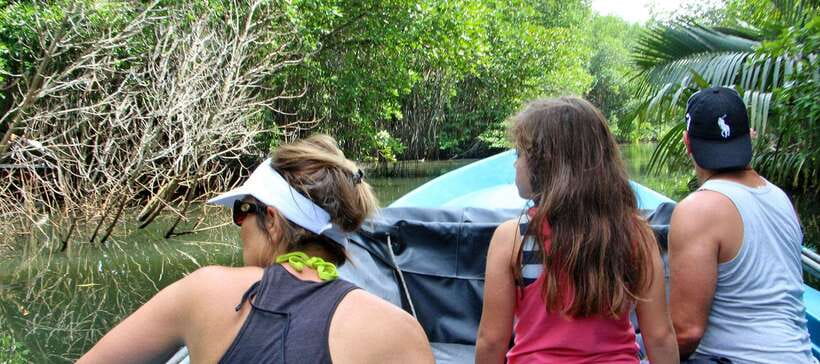
- On the way through mangroves, you’ll usually slow down or change pace when something moves near the shoreline. Mangrove edges are ideal for sightings because reptiles and birds use the roots and overhanging branches like natural observation posts.
- As you move through the delta-view stretch, you tend to get more open lines of sight—useful for birds (kingfishers, eagles, kites, herons/cormorants) and for scanning for crocodiles resting on rocks or banks.
Because the tour is designed for spotting, don’t expect every minute to look the same. Some stretches feel calm and green; other minutes turn into quick scans and pointing. That rhythm is part of what makes the time go by fast.
Wildlife You Can Actually Aim For: Crocodiles, Monitors, Birds, and More
Let’s talk targets. The tour is built around a simple idea: mangroves concentrate animals along the edges. When your boat passes those edges, your odds improve.
Crocodiles and the reptile highlights
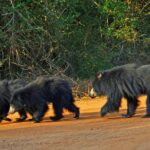
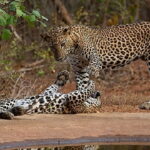
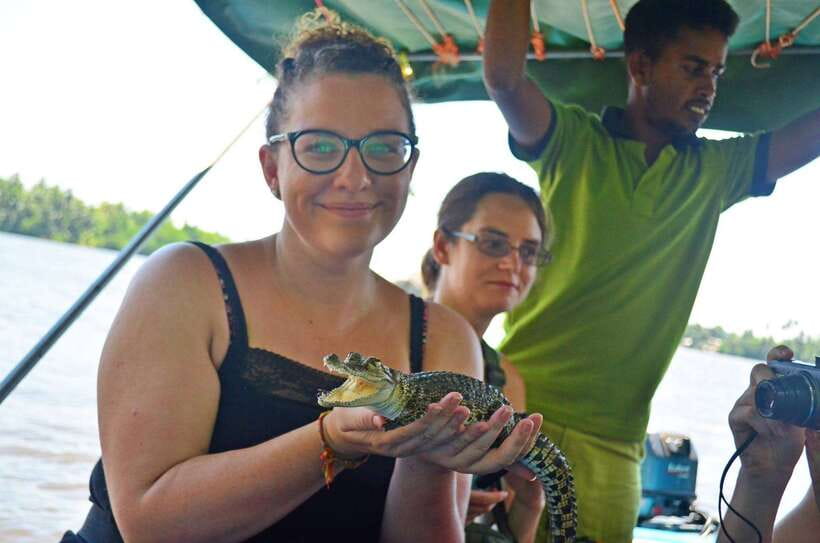
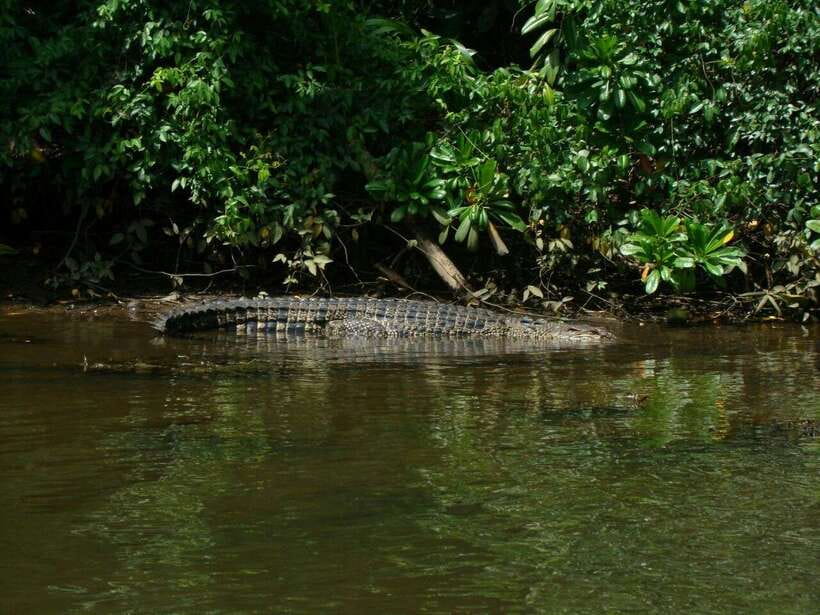
Crocodiles are the headline. Many sightings in the experience revolve around crocodiles on rocks or along the waterline, and there are even mentions of baby crocodiles. You’ll also hear about water monitors (often called monitor lizards or varans) since they’re common around river habitats.
Monkeys and the “watch-the-shore” moments
Monkeys are another frequent sighting. In several accounts, guides helped passengers notice monkeys in the trees and along the banks, including baby/juvenile sightings. Some trips also describe feeding moments where monkeys come closer—if your guide offers it—so you get more than a distant silhouette.
You can also read our reviews of more tours and experiences in Bentota
Birds that reward a slower pace
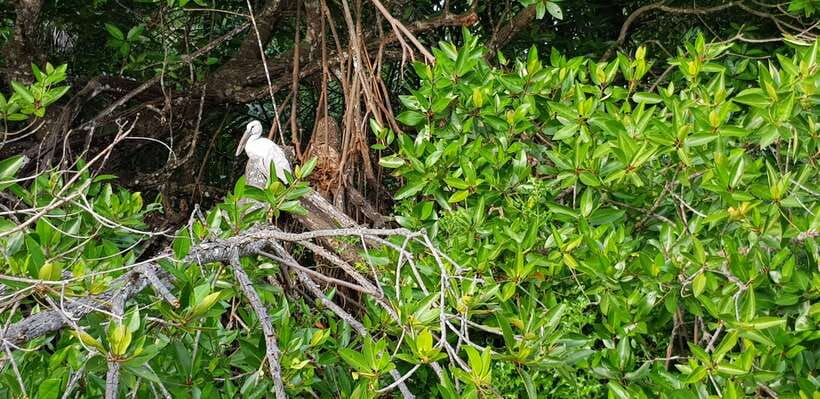
Birdlife is a major part of why this works as a morning or afternoon activity. Names that show up in sightings include kingfishers and cormorants, plus raptors like Brahminy Kite and Crested Serpent Eagle. People also mention fruit bats and chameleons, which is a nice reminder: not every “wildlife win” is a big animal.
Why a guide’s eye matters here
Mangrove wildlife isn’t obvious. A reptile can look like a log for a second too long. Birds can freeze into a branch pattern. This is where guides like Nihal, Harindra, and Sumal earn their keep—pausing at the right spot and calling out what you’re seeing (and what you might miss).
My practical advice: don’t rush to “the next sighting.” If the guide stops, that’s when the animals are usually most visible.
How Guides Turn a Boat Ride Into a Wildlife Session (Names You May Hear)
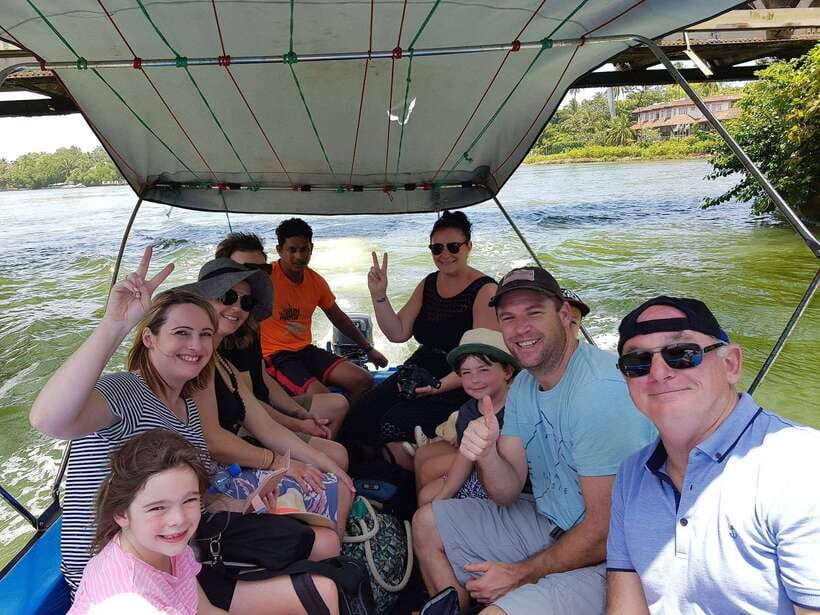
The experience is run as a live, English-guided activity, and the guide isn’t just a driver’s assistant. They’re your interpreter, spotter, and photo helper. That’s why many people give extremely high ratings.
In feedback, the same guide names come up again and again: Nihal, Harindra, Sumal/Samal, and Sam. Some captains are also mentioned directly (for example Nehan). Different people, same pattern: an active search and a knack for noticing small movement along roots, branches, and the water’s edge.
You’ll also see personal touches mentioned across trips:
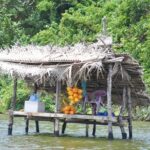
- Fruit breaks like coconut water and pineapple at a stop
- Photo help, including guidance on when to move the camera
- Extra effort to track monkeys closer to the boat, when conditions allow
If you care about photos, this matters. A good guide doesn’t just locate wildlife—they time the moment so you can actually capture it.
Pickup, Private-Group Feel, and What the Ride Really Costs You
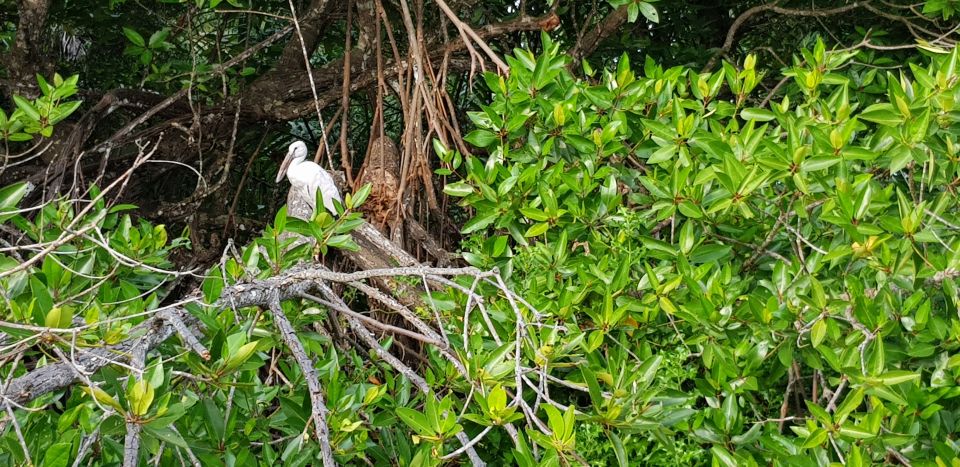
This safari is private group, with pickup and drop-off. That’s a big part of the value in a place like Bentota, where “getting to the start point” can eat up time and attention.
Pickup and drop-off areas include Bentota itself and many nearby towns and neighborhoods such as Induruwa, Beruwala, Aluthgama, Kosgoda, Ahungalla, Balapitiya, Maggona, Kalutara, and Wadduwa.
A detail I’d call out: some people mention being taken from hotels by tuk-tuk to the river area. That’s not just cute—it’s practical. It keeps the logistics simple and reduces the chance you’ll arrive stressed or late.
Wheelchair note
This tour is not suitable for wheelchair users, so plan an alternative if mobility support is needed.
How hot weather affects the experience
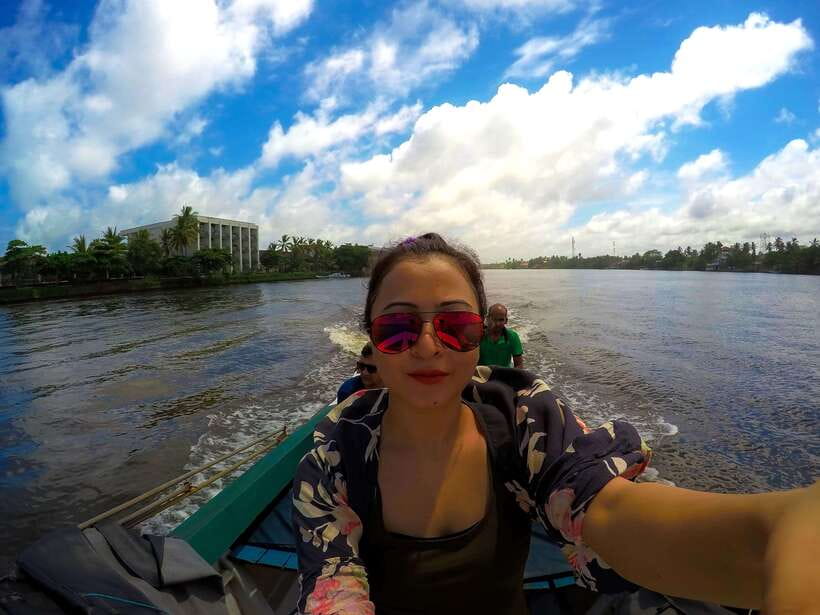
One real-world factor shows up in feedback: it can get hot on the river. Bring fluids, consider a hat, and try to dress light. You’ll enjoy the wildlife search more if you’re not fighting the weather.
Price and Value: Is $20 Per Person Actually a Good Deal?
At about $20 per person for a 2-hour river safari, this can be excellent value—especially because pickup/drop-off and taxes are included. You’re paying for more than a boat ride. You’re paying for:
- A guided wildlife search in mangroves (where spotting is hard)
- Hotel-area convenience
- A private-group setup, depending on how you book
One fairness note from the way people describe pricing: if you go solo and end up paying a higher effective rate compared to sharing, the “value” can feel different. But if you’re traveling as a pair (or your pickup zone makes timing easy), $20 can look like a bargain compared with paying for a longer half-day outing.
Also, many guides add fruit like coconut water and pineapple. Food isn’t listed as included, so don’t assume it’s guaranteed—but it’s common enough that you should treat it as part of the way the day often feels.
Practical Tips to Improve Your Chances and Photos
You don’t need special gear, but you do need a smart approach.
- Bring a hat and water. The river session can be sunny and hot.
- Wear shoes you’re comfortable standing in. You’ll want stable footing around the boat area.
- Use a camera with decent zoom. Wildlife often sits just far enough away that you’ll want reach.
- Ask for slow scanning. If you want crocodiles or monitors, tell your guide you’re happy to pause for spotting.
- Watch for “small movement.” Many bird sightings and chameleon/monitor moments come from noticing tiny motion near roots or branches.
And if your guide calls out something specific—like a bird near a branch—don’t wait for the moment to become obvious. Follow their instruction, then take your shot.
Who Should Book This Bentota River Safari?
Book it if you fit one of these profiles:
- You want wildlife without a full-day trek.
- You like birds and reptiles, not just scenery.
- You want a guided experience that improves your odds—especially in mangroves where animals hide well.
- You’re staying around Bentota, Induruwa, Aluthgama, Wadduwa, Beruwala, Kosgoda, Balapitiya, or Kalutara and want an easy pickup-based activity.
Skip it (or adjust expectations) if:
- You need wheelchair accessibility.
- You want an experience that’s mostly about walking/land viewing. This is very much about boat time and shoreline scanning.
- You’re expecting a guaranteed crocodile at every departure. The tour maximizes chances, but wildlife is still wildlife.
Should You Book This Safari?
In my view, you should book this Bentota River safari if you want a short, focused outing that mixes mangrove scenery with a real hunt for crocodiles, monitors, monkeys, and birds. The strongest reason to choose it is the guide-led spotting—names like Nihal, Harindra, and Sumal show up for a reason: they help you see more than the average pass-by.
If you go, do it with a simple mindset: bring light comfort for the heat, be ready to pause, and let the guide run the search. You’ll come away with both the calming mangrove cruise feeling and the kind of wildlife moments that are hard to recreate on your own.
FAQ
How long is the Bentota River Safari?
The safari runs for 2 hours.
Where does the boat safari start?
It starts from the Bentota River near the Bentota Bridge.
What wildlife can I expect to see?
You may see crocodiles, water monitors, monkeys, and birds. The experience also references other reptiles and animals such as snakes, bats, and lizards.
Is hotel pickup and drop-off included?
Yes. Pickup and drop-off are included from select areas in the Bentota region.
Which areas have pickup and drop-off?
Pickup/drop-off is available from places including Bentota, Induruwa, Beruwala, Aluthgama, Kosgoda, Ahungalla, Balapitiya, Maggona, Kalutara, and Wadduwa.
Is this tour private or shared?
It is listed as a private group.
What language is the tour guide?
The live tour guide is available in English.
Is food and drinks included?
Food and drinks are listed as not included, though some fresh fruit items may be provided during the tour by the guide.
Is the tour wheelchair accessible?
No, it is not suitable for wheelchair users.
Can I get a refund if I cancel?
Yes. Free cancellation is available up to 24 hours in advance for a full refund.