REVIEW · MIRISSA
Ahangama/Weligama/Mirissa: Whales & Dolphins Watching Tour
Book on GetYourGuide →Operated by Whale Watching Chaminda · Bookable on GetYourGuide
The morning at sea starts early. This Mirissa whale-and-dolphin cruise is built for real sightings, with pickup from Ahangama and Weligama and a crew that works under international rules.
I especially like the complimentary breakfast setup, with fruit and options for vegetarian or non-vegetarian appetites. The one real drawback to consider is motion: this isn’t recommended for people prone to seasickness, and the sea can get rough.
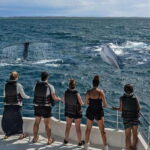
Check in at 6.30AM at Whale Watching Chaminda Boat Park, then you’ll be guided on what you’re looking for with a whale-watching presentation and onboard leaflets. The comfort side is taken seriously, with washrooms on the boat, life jackets, and sea-sickness tablets plus emergency equipment.
In This Review
- Key things to know before you go
- Where This Cruise Runs: Mirissa, Ahangama, Weligama Pickups
- Boat Setup and Safety: Lifeguards, Life Jackets, Emergency Gear
- Breakfast at 6.30AM: What You Get Onboard (Vegetarian and More)
- What You’re Hunting: Blue Whales, Sperm Whales, and Dolphin Species
- The Viewing Experience: How Long You’ll Be Searching
- Whale-Watching Rules and Onboard Briefing (No Touching)
- Getting There Early: Timing, Waiting, and What the Schedule Means
- Price and Value: Is $40 Worth It Here?
- Who This Tour Suits Best (And Who Should Skip)
- Should You Book Whale Watching Chaminda?
- FAQ
- Where is the meeting point?
- What time do I need to check in and when does the tour start?
- How long is the whale watching cruise?
- What pickup locations are available?
- Is breakfast included?
- Are life jackets and safety equipment provided?
- Can I cancel for a refund?
Key things to know before you go
- A focused wildlife search: Mirissa-area waters, with trips typically running 2 to 4 hours depending on where sightings happen
- Safety first: life jackets, an emergency unit, and onboard washrooms on a passenger cruiser designed for whale watching
- Free breakfast that actually helps: fruit, water, and snacks for the round trip, before you’re out on the swell
- International whale-watching approach: a presentation and guidelines, plus a clear rule against touching marine life
- Chance to see big whales plus dolphins: blue whale and sperm whale are specifically mentioned, with multiple dolphin species
- Good value when you factor in pickup and extras: it includes sea-sickness tablets, medicines, and free pickup in key areas
Where This Cruise Runs: Mirissa, Ahangama, Weligama Pickups
This tour is based along the south coast, out of Mirissa waters, with the meeting point listed as Whale Watching Chaminda Boat Park. You get to start your day without wrestling local buses, because pickup is available from Mirissa, Ahangama, and Weligama.
Check-in is 6.30AM, and the tour starts at 7.00AM. That early start matters. In whale watching, timing and sea conditions can make a noticeable difference, and departing before the day gets loud usually helps you get clearer viewing windows for dolphins and any whales that surface.
If you’re staying inside Mirissa Area, you get free pickup. If you’re coming from outside Ahangama/Weligama/Mirissa, pickup is listed as paid—so if you’re farther down the coast, make sure you confirm the pickup cost before you show up.
You can also read our reviews of more whale watching tours in Mirissa
Boat Setup and Safety: Lifeguards, Life Jackets, Emergency Gear
The boat is described as a brand-new passenger cruiser built for whale watching, with practical comforts like comfortable seats and onboard washrooms. That sounds like a small thing until you’re on the water for a couple of hours and the timing stretches a bit.
On the safety side, you’re not just handed a vague promise. The tour includes life jackets and a fully equipped emergency unit. There’s also mention of experienced captains and lifeguards in the experience overview. Add the fact that sea sickness tablets and essential medicines are included, and the overall feel is more structured than a bare-bones fishing-style trip.
One thing you should still do: if you know you get cold or tense in the wind, bring a light layer. Even on warm days, morning ocean air can make you feel it.
Breakfast at 6.30AM: What You Get Onboard (Vegetarian and More)
I love a whale-watching day where breakfast isn’t a sad afterthought. Here, breakfast is complimentary and you also get a plate of fruits. Non-vegetarian and vegetarian options are specifically mentioned, which is important because whale boats don’t always stop for extra meals once you’re out.
You’ll also have snacks and drinks onboard, plus a way-back food/snack. There’s even a water bottle included. This is more than convenience. Food and hydration help you handle the day when your focus is on spotting spray, fins, and quick movements in the distance.
And yes, eat before you board if you can. It won’t stop the sea from moving, but it can make nausea less likely for many people.
What You’re Hunting: Blue Whales, Sperm Whales, and Dolphin Species
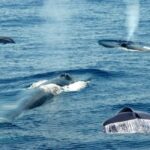
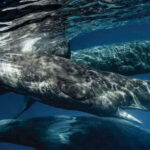
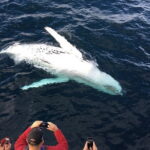
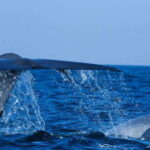
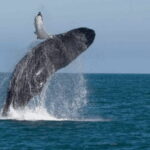
The target species are clearly spelled out: the tour is aimed at spotting Blue Whale and Sperm Whale, along with various dolphin species. Mirissa is often billed as one of the world’s top whale-watching destinations, and this cruise is designed around the reality that whales don’t stay in one place.
So what should you expect during the cruise? A journey described as 2 to 4 hours on a comfortable cruiser. The time on the water can stretch or tighten based on where whales are spotted and how far the boat needs to travel. That’s also why this experience is framed as a viewing trip, not a fixed “you will see X at Y time” promise.
Even when whales are elusive, dolphins can still make the day feel like a success. Dolphins are specifically part of the plan—dolphin watching is listed as a highlight—so you’re not gambling your whole morning on just one kind of sighting.
The Viewing Experience: How Long You’ll Be Searching
Your day is structured, but it isn’t rigid. You can think of it like this: there’s a break and breakfast component early, then you head out for guided viewing, plus the chance to spot dolphins and whales while you travel in search of them.
The itinerary includes sightseeing and marine life viewing, with a whale-watching-focused presentation and informative leaflets. That matters because it changes how you look. Instead of scanning blindly for random shapes, you learn what to watch for—surfacing behavior, spouts, and the timing between appearances.
If you’re the type who gets impatient when you don’t see anything right away, take a breath. When whales show up, they may do it briefly. Your job is to stay alert, follow the crew’s guidance, and keep your eyes working even when it feels quiet.
You can also read our reviews of more dolphin watching tours in Mirissa
Whale-Watching Rules and Onboard Briefing (No Touching)
This tour emphasizes an international whale-watching approach. You’ll get a whale watching presentation, plus leaflets with guidelines. International rules usually focus on how close boats should operate, how you should behave around wildlife, and how to reduce disturbance—so it’s worth paying attention during the briefing.
There’s also a clear non-negotiable rule: touching marine life is not allowed. That protects the animals, and it also keeps you safer. If something swims near the boat, resist the urge to reach out. Let the wildlife do the wildlife stuff.
As for guidance, you’ll have a live tour guide in English, which is useful because the viewing portion isn’t just for show. You’ll get context while you’re actually looking.
Getting There Early: Timing, Waiting, and What the Schedule Means
The schedule is straightforward on paper: check in at 6.30AM, start at 7.00AM, and plan on about 3 to 4 hours on the water. But here’s how you should interpret that as a practical traveler: you should build your whole morning around being ready early, not around a casual breakfast plan.
Pickup options matter too. You can be collected in Mirissa, Ahangama, or Weligama, then routed to the meeting point at Whale Watching Chaminda Boat Park. If you show up late, you might lose a key window for seating or boarding, and whale boats move on their own timetable once they’re ready.
I also suggest you treat motion sickness seriously even if you’ve been fine on other boats. People who usually handle ferries can still feel it on a whale-watching cruiser when the sea gets choppy.
Price and Value: Is $40 Worth It Here?
At $40 per person, this is positioned as a straightforward, mid-range whale-watching outing. The value comes from what’s bundled in, not just the boat ride.
You get:
- complimentary breakfast (with fruit, plus vegetarian and non-vegetarian options)
- water and snacks, plus a way-back food/snack
- sea sickness tablets and essential medicines
- whale-watching presentation, guidelines, and informative leaflets
- life jackets and a fully equipped emergency unit
- clean and comfortable onboard washrooms
- free pickup within Mirissa Area (and free pickup within the main pickup areas; paid pickup if you’re outside them)
If you’re comparing this to options that charge extra for breakfast, safety gear, or pickup, the math can look better quickly. Still, keep your expectations realistic: whale sightings are not guaranteed. That said, dolphins are part of the plan, and even without a whale, a well-run morning on the water with a guided crew can feel like time well spent.
Who This Tour Suits Best (And Who Should Skip)
This tour is a good fit if you want a structured whale-and-dolphin morning with safety equipment, breakfast, and guidance, and you’re okay with the early departure. It’s also listed as wheelchair accessible, and the guide works in English.
It’s specifically noted as not suitable for:
- pregnant women
- people prone to seasickness
So if you’re on the fence because of nausea history, I’d lean toward skipping or asking your doctor first. The inclusion of sea sickness tablets helps, but the tour still operates in open water where conditions can change fast.
If you love wildlife and you enjoy learning how to watch—rather than just relying on luck—this style of cruise tends to land well.
Should You Book Whale Watching Chaminda?
Book it if you want a practical morning with breakfast included, solid safety gear, and a crew that follows whale-watching rules. I also like that the experience explicitly focuses on both whales and dolphins, so your odds aren’t tied to a single species.
Skip it (or choose a gentler option) if you know you get seasick easily, or if you’re in a group where pregnancy makes open-water travel a bad idea. And do yourself a favor: confirm your pickup details and payment expectations ahead of time. There have been complaints about payment confusion in the past, and that’s exactly the kind of stress you don’t want while you’re waiting to board.
If your plan is flexible and you’re ready for a watch-focused sea morning, this tour can be a good use of time on the south coast—especially since the schedule, onboard comforts, and briefing are built to make the viewing portion smoother.
FAQ
Where is the meeting point?
The meeting point is Whale Watching Chaminda Boat Park.
What time do I need to check in and when does the tour start?
Check in time is 6.30AM and the tour starts at 7.00AM.
How long is the whale watching cruise?
The tour duration is around 3 to 4 hours (often described as about 3 hours, with variation depending on where whales are spotted).
What pickup locations are available?
Pickup options are available from Mirissa, Ahangama, and Weligama.
Is breakfast included?
Yes. Complimentary breakfast is included, along with a plate of fruits, snacks, and drinks.
Are life jackets and safety equipment provided?
Yes. The tour includes life jackets and a fully equipped emergency unit, along with onboard washroom facilities.
Can I cancel for a refund?
Yes. You can cancel up to 24 hours in advance for a full refund.