REVIEW · COLOMBO
Colombo Foods Tour by Tuk Tuk ( Food chargers included )
Book on GetYourGuide →Operated by Travel with Lenin · Bookable on GetYourGuide
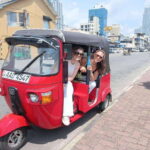
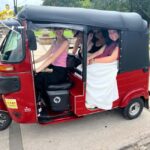
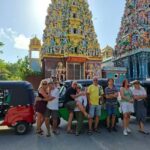
Food in Colombo is best seen from a tuk-tuk. This tour strings together market snacks, hoppers in multiple styles, and a real street-food finish in one smooth morning route. You get a hands-on look at how locals build flavor: market staples first, then tea and spices, then the classics.
I especially love the hopper tastings: you don’t just get one version. You sample different kinds of crispy and soft hoppers, so you can actually taste what changes when the batter and toppings do.
One thing to consider: the menu includes chicken and crab curry with sambols, so if you avoid shellfish or very spicy flavors, tell your guide ahead of time. Also, this tour runs on a street-food pace, so it may not feel comfortable for people over 95.
In This Review
- Key highlights that actually matter
- Colombo street food in a tuk-tuk: fast, fun, and local
- Market time: fruits, vegetables, and the potato-onion-chili lesson
- Pettah quick bites: samosa and cheese ball on the move
- Ceylon tea and spice tasting: how flavors get explained
- Three types of hoppers: crispy vs soft, and why it changes the bite
- Pittu with crab curry and sambols: comfort food with bite
- Chicken kottu roti finale: the street-griddle payoff
- Price and what you actually get for $25
- Practical details that keep the day smooth
- Who should book (and who might prefer something else)
- Should you book this Colombo food tour?
- FAQ
- What is included in the Colombo Foods Tour by Tuk Tuk?
- How much does the tour cost?
- Are alcohol or drugs allowed on the tour?
- Can I record audio during the tour?
- What should I bring?
- Does the tour include tea and spices?
- What dishes are served during the morning food tour menu?
- Is crab curry included?
- Is chicken included?
- Are additional drinks included besides water?
- Who can participate in this tour?
Key highlights that actually matter
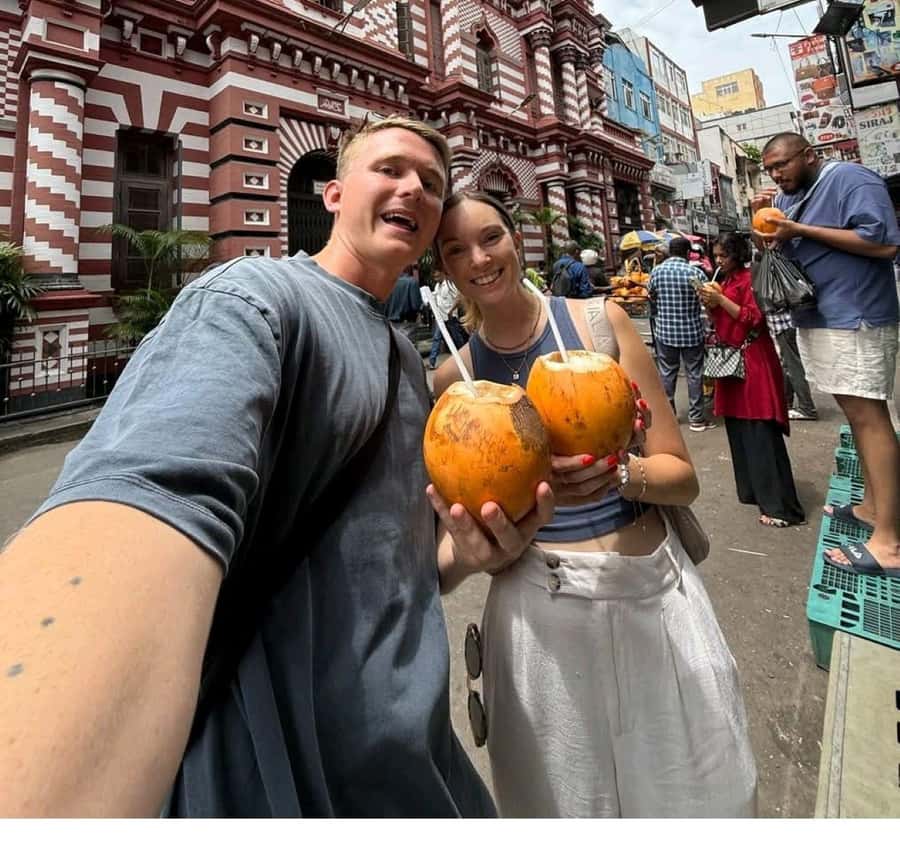
- Tuk-tuk transport that gets you from food stop to food stop without turning the day into logistics math
- Three types of hoppers so you learn the differences, not just fill up
- Pittu with crab curry and sambols, with the spicy, tangy Sri Lankan balance built in
- Potato, onion, and chili market time, where everyday ingredients look like a whole production
- Ceylon tea and spice tasting, which helps you understand why local food tastes the way it does
- An end-of-tour chicken kottu roti moment with that sizzling street-griddle vibe
Colombo street food in a tuk-tuk: fast, fun, and local
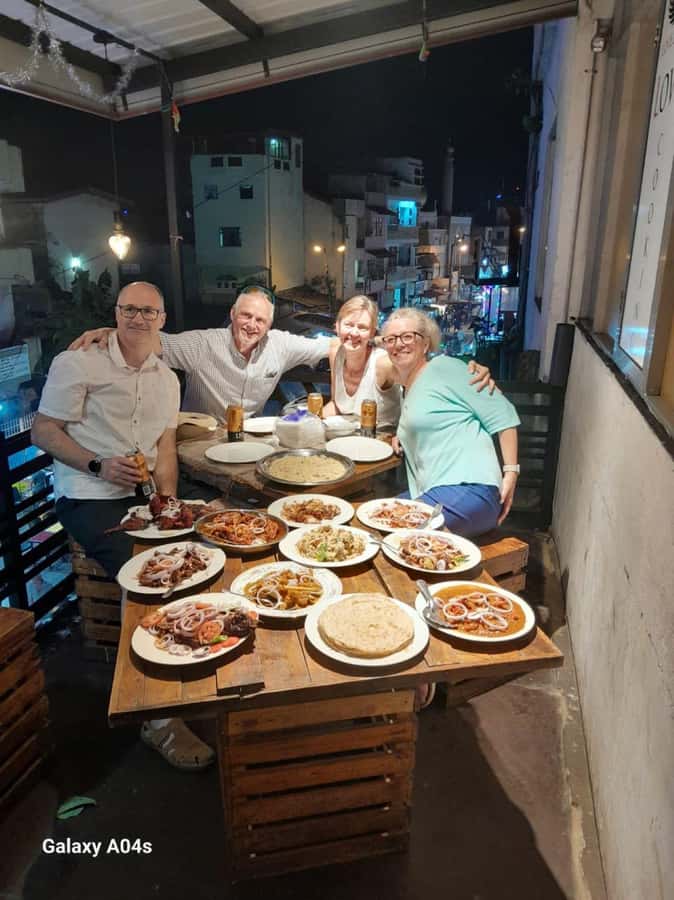
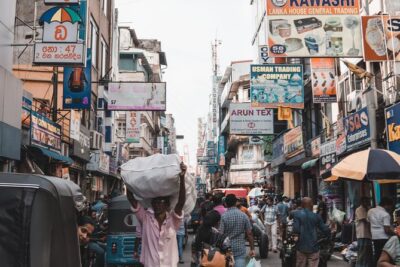
Colombo can feel like a lot at once. Traffic, crowds, and heat all stack up fast. This tour fixes that by bundling the experience into a simple format: you ride from one bite to the next, while a local guide keeps the route sensible and the food timing right. It’s not a slow sit-down plan. It’s a tasting tour, built for momentum.
You’re also not stuck guessing what to order. Sri Lanka’s street food can look similar from a distance, but each dish is its own technique. Hoppers behave differently from roti; sambols change the whole flavor profile; even the way something is served matters. The format makes those details easy to notice.
You can also read our reviews of more food & drink experiences in Colombo

Market time: fruits, vegetables, and the potato-onion-chili lesson
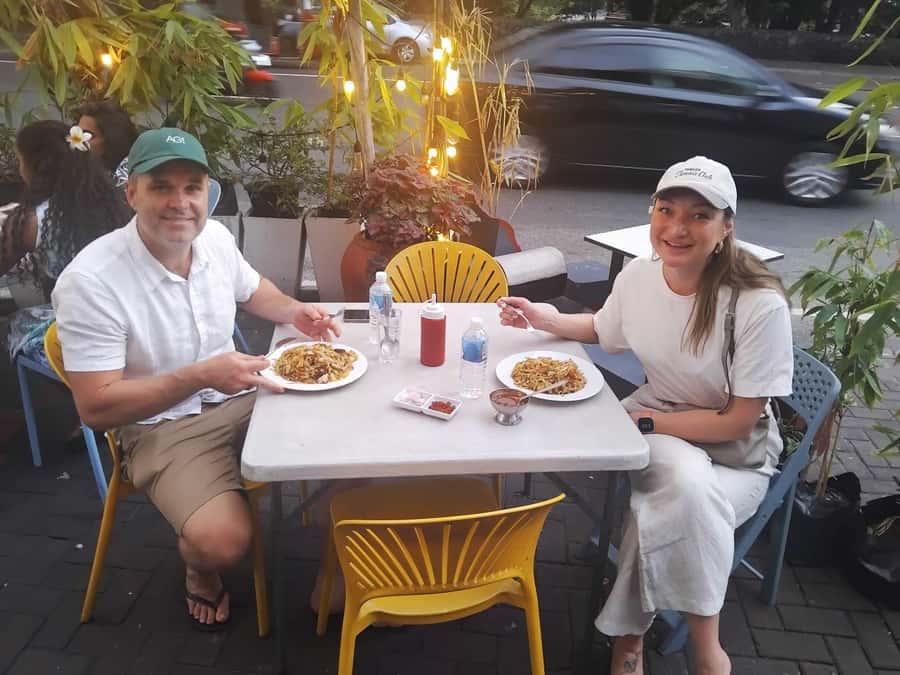
The tour starts where Sri Lankan cooking really begins: with produce and the ingredients people use every day. You’ll visit a local vegetable & fruit market, where you can see the range of local staples up close and in season. This is useful for more than photos. You get a feel for what’s common in markets, which helps the rest of the dishes make sense once you taste them.
Then there’s the potato, onion, and chili market angle. These ingredients are more than background actors in Sri Lankan cooking. Onion and chili show up repeatedly, and potato often adds comfort and texture. When you see them piled high and handled by the people who buy and sell them, you stop treating them like generic seasoning and start tasting them as structure.
One practical tip: bring a camera as the tour suggests. You’ll want it. Markets are fast-moving and full of small details, and you won’t want to keep saying I’ll take it later.
Pettah quick bites: samosa and cheese ball on the move
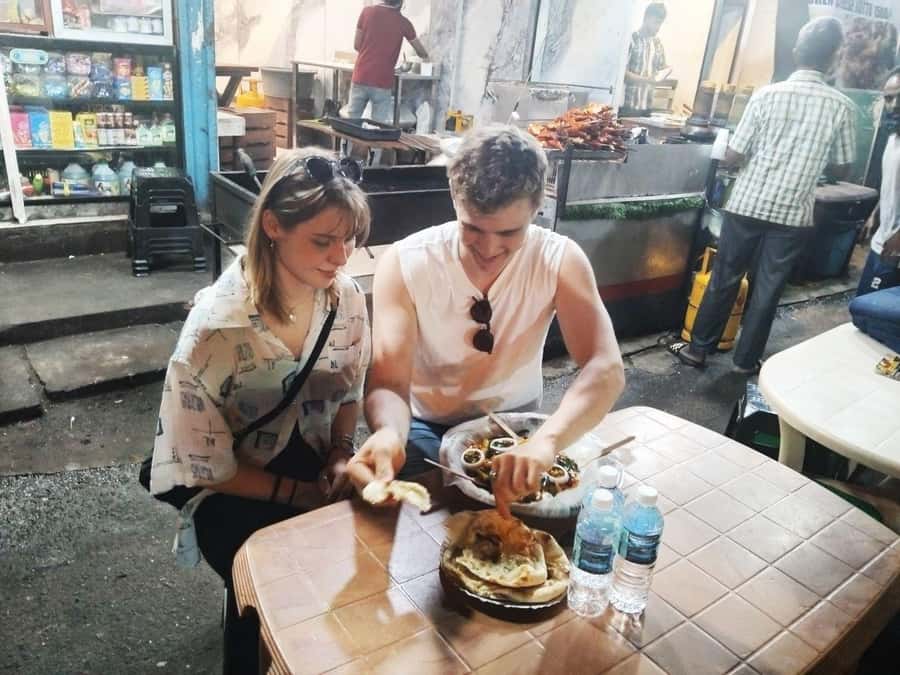
Passing through Pettah, you stop for a quick snack rather than a full restaurant meal. You’ll get a cheese ball / samosa-type bite while you’re on the way. It’s short, simple, and smart: it keeps your stomach ready for what comes next without turning the morning into a long detour.
This kind of stop is underrated on food tours. A sit-down snack can start slow and end rushed. A grab-and-go style bite gives you a baseline: you taste something familiar, then you build upward into the signature dishes.
If you’re the type who likes to pace yourself, this stop works well. You won’t feel stuffed before the hopper tasting starts, which means you can actually compare versions instead of just ordering whatever is easiest.
Ceylon tea and spice tasting: how flavors get explained
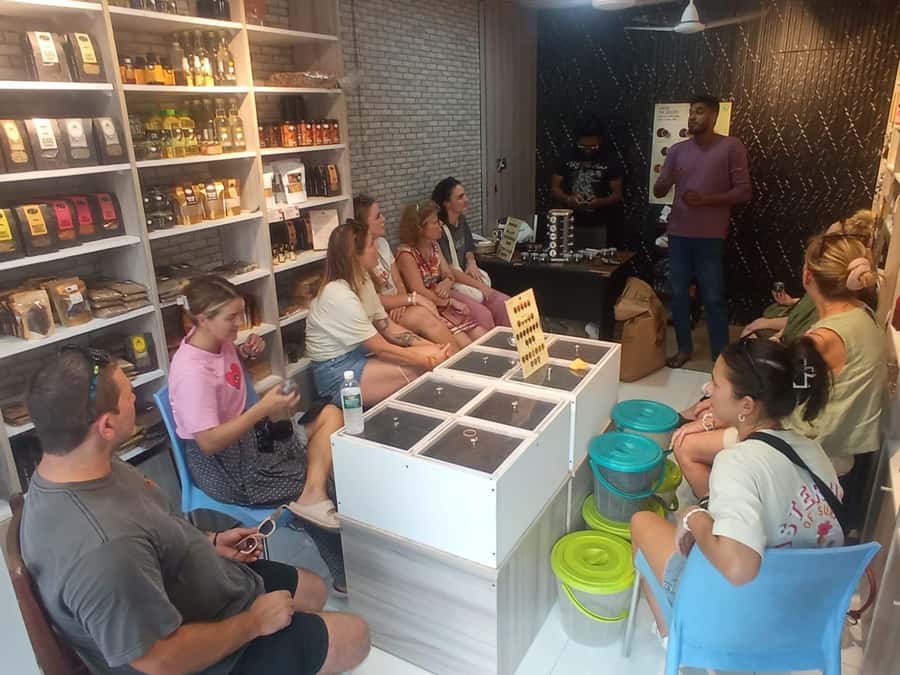
After you’ve seen ingredients, you start learning how Sri Lankan flavor is assembled. The tour includes a Ceylon tea & spice tasting, which is a great bridge between market life and the food on your plate.
Tea matters here because Sri Lankan cuisine doesn’t separate tea from the rest of the day the way some places do. It’s part of daily rhythm. Spices matter because many of the flavors you’ll taste later come from spice blends and how they’re toasted, ground, or mixed with aromatics.
I like this stop because it turns taste into understanding. When you hit the hoppers, sambols, and curry later, you’ll have a better sense of why something smells the way it does and why the aftertaste lingers.
Three types of hoppers: crispy vs soft, and why it changes the bite
Hoppers are one of those dishes that can look simple but taste complex. The tour includes three types of hoppers, so you can experience the range instead of walking away with one opinion.
Here’s what makes this part valuable: hoppers aren’t only about ingredients. They’re about texture. Crispy edges, soft centers, and different ways of serving change the whole eating experience. That means you can go from a lighter, crisper mouthfeel to something more tender and filling, all in the same morning.
You’ll also see classic combinations show up, including rotti with spicy sambal as part of the morning menu. That spicy sambal isn’t random heat. It’s a flavor engine. It cuts through richness, brightens fried or batter-based foods, and makes even a simple bite feel complete.
If you like food science, this is your moment. Compare bites. Notice how the sambal changes the hopper taste. Notice how your palate resets between types. You’ll leave with an actual memory of what differences feel like.
You can also read our reviews of more tours and experiences in Colombo

Pittu with crab curry and sambols: comfort food with bite
Next comes pittu, steamed and served with crab curry and a mix of traditional sambols. This is a bigger, more satisfying stop than the earlier snacks, and it’s also one of the most Sri Lankan combinations you can try.
Pittu is often described as soft and comforting, but don’t expect it to be bland. Once crab curry and sambols hit the plate, you get salty-sweet depth from seafood, heat and tang from chili-based sambols, and a sense of balance that keeps you going back for more.
The main consideration is right in the menu: crab curry means shellfish. If that’s not for you, you should flag it early. The tour itself is built around these specific tastings, so your options may be limited compared with a fully customizable restaurant dinner.
Also, the sambols are part of the package. Even if you manage spice well, it helps to know that sambol flavor often includes sharpness and heat, not only chili intensity.
Chicken kottu roti finale: the street-griddle payoff
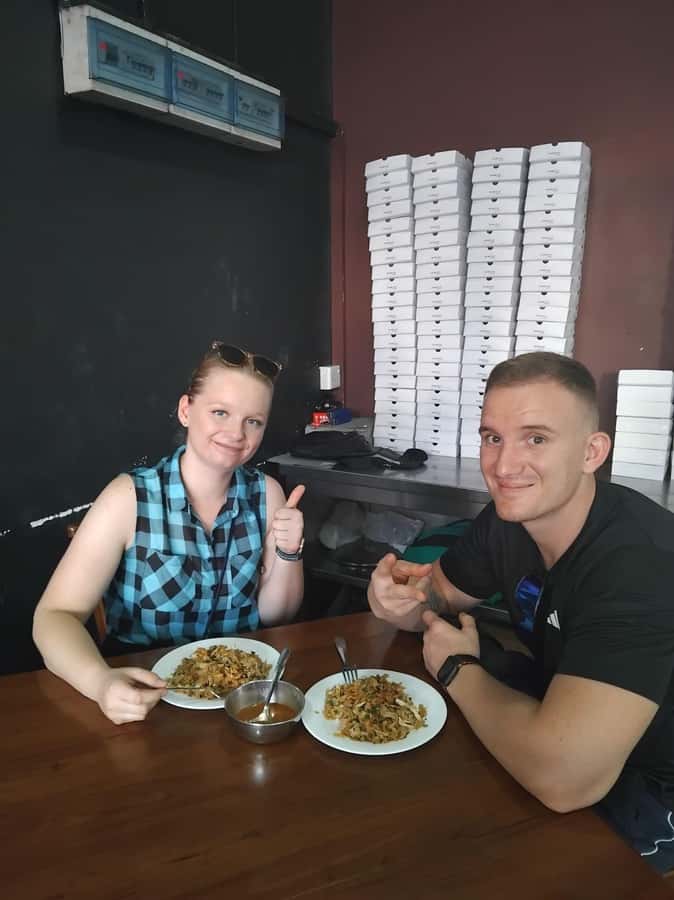
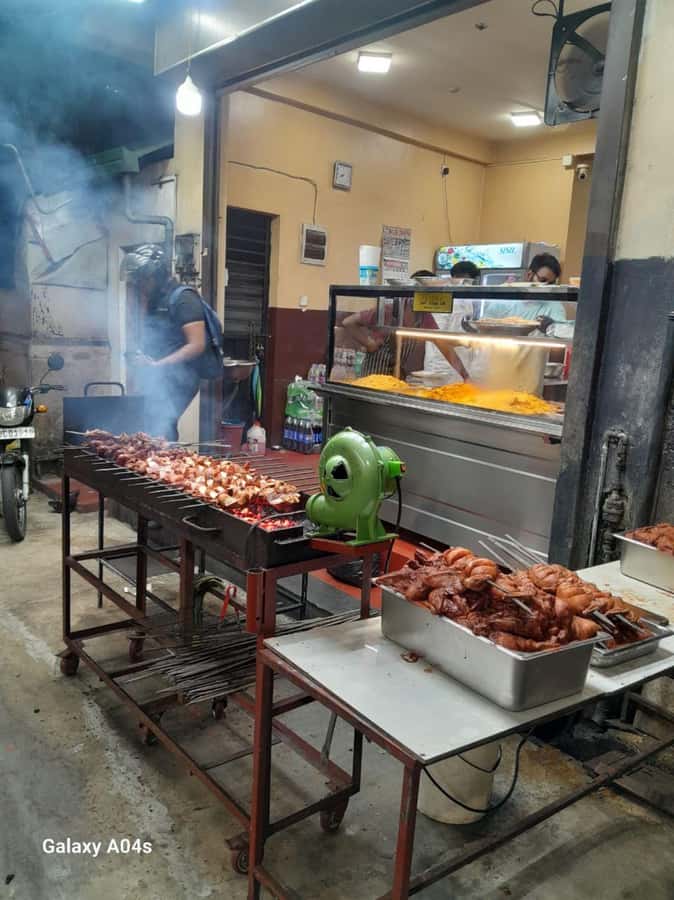
The tour ends with Sri Lankan chicken kottu roti, described as the most popular street dish. Kottu roti is a great finale because it brings action. You’re eating something that’s cooked and assembled on a busy street griddle style, and it shows.
Kottu roti works because it combines texture and seasoning. Small pieces of roti get stir-fried with chicken, aromatics, and spices until everything feels coated and hot. Then sambol flavor often becomes the final layer that makes it feel like more than just fried bread.
I like that this stop is a clear wrap-up: you’ve already tasted the seafood-and-stew side with crab curry, learned the hopper texture range, and you understand how sambols act as a flavor connector. By the time kottu arrives, it feels like the last page of a story instead of a random final bite.
If you’re hungry by the end, good. Street food tours are supposed to land you at satisfied, not stuffed. Kottu is usually the meal-style ending that makes you feel like you didn’t just nibble.
Price and what you actually get for $25
At $25 per person, this tour is built for value. You’re paying for more than food. You’re paying for:
- Tuk-tuk transport between stops
- Multiple tastings that cover both vegetarian-friendly staples and key Sri Lankan proteins
- Bottled water, plus an umbrella for sun or rain
- A first aid kit on hand and all fees and taxes covered
That last part matters. In many places, the cost looks low until you add transport, tickets, or little extras. Here, the tour lists the basics clearly, and it helps you plan a day with fewer surprises.
What’s not included is also important for budgeting. Additional beverages and foods are generally not included, though soft drinks and fresh juices are specifically mentioned as exceptions to what’s not covered. Alcoholic drinks are not part of the tour.
My advice: treat the $25 as the core package cost, and then keep some extra money for any drinks or snacks you decide you want beyond the tastings. If you’re a strict water-only person, you’ll likely spend very little more.
Practical details that keep the day smooth
This tour is designed for an easy morning flow. A few facts that help you prepare:
- Bring: a camera (explicitly suggested)
- Language: English
- No audio recording: you can take photos, but you can’t record audio
- No alcohol and drugs: straightforward rules
- Umbrella: provided if weather turns
- Meet-up coverage: it notes guest stay places from Colombo 01 to 15, which affects where the tour can pick you up
- Not suitable for: people over 95 years
Also, because the food is part of a set tastings menu, you’ll get the full experience fastest if you’re open to the dishes listed. If you have allergies or specific dietary needs, it’s smart to ask early. The menu includes items like chicken, crab curry, and chili-based sambols, so you want clarity before you arrive.
Who should book (and who might prefer something else)
This is a strong choice if:
- You want a street-food-focused morning with multiple dishes, not one big meal
- You like learning how texture and spice work together
- You’re comfortable with Sri Lankan staples like hoppers, pittu, sambols, and kottu roti
- You want a guide to handle the route and timing while you focus on tasting
You might think twice if:
- You avoid shellfish (crab curry is part of the set)
- You avoid chicken
- You don’t handle spicy sambols well
- You need a slower pace or a fully restaurant-based meal plan
Should you book this Colombo food tour?
If you want to eat your way through Colombo like a local, yes, I’d book it. The best reason is simple: the tour builds a logical flavor path, from market ingredients to tea and spices, then to iconic dishes like hoppers, pittu with crab curry, and chicken kottu roti. At $25, you’re getting a lot more than a snack stop, and the included extras like water and an umbrella cut down everyday friction.
If you’re picky about spice, seafood, or meat, message your preferences before you go. But if you’re game for classic Sri Lankan flavors, this is the kind of experience that turns a short trip into a real memory.
FAQ
What is included in the Colombo Foods Tour by Tuk Tuk?
It includes bottled water, tasty local snacks, an umbrella for sun or rain, a first aid kit, and all fees and taxes covered.
How much does the tour cost?
The price is $25 per person.
Are alcohol or drugs allowed on the tour?
No. Alcohol and drugs are not allowed.
Can I record audio during the tour?
No. Audio recording is not allowed.
What should I bring?
The tour asks you to bring a camera.
Does the tour include tea and spices?
Yes. It includes a Ceylon tea and spice tasting.
What dishes are served during the morning food tour menu?
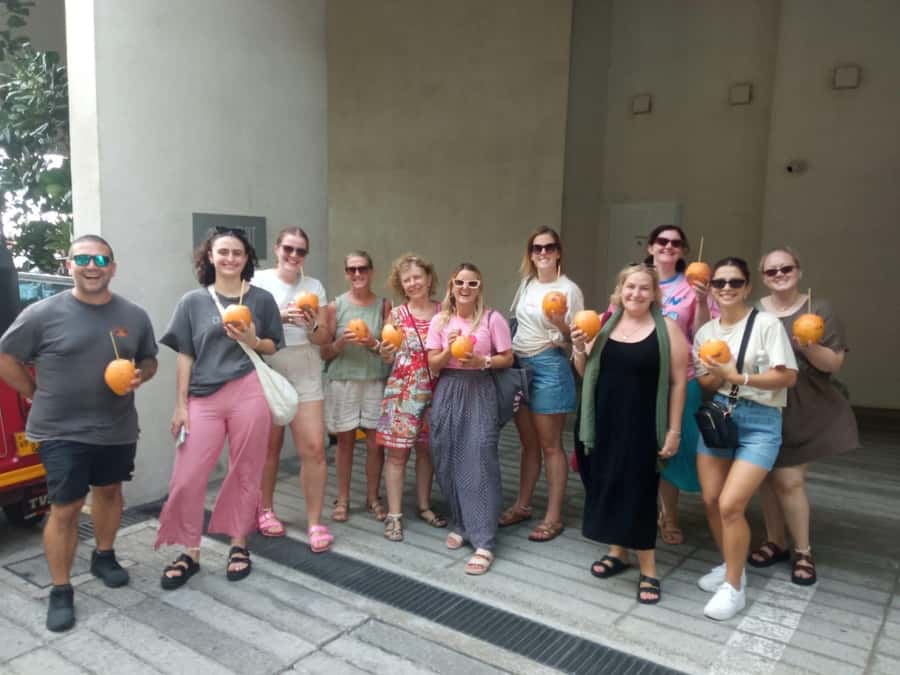
The morning menu includes King Coconut, String Hoppers, Rotti with Spicy Sambal, Cassava & Potatoes with Coconut Sambol, Milk Rice, and Cheese Ball with Samosa.
Is crab curry included?
Yes. Pittu is served with crab curry and traditional sambols.
Is chicken included?
Yes. The tour ends with Sri Lankan chicken kottu roti.
Are additional drinks included besides water?
Additional beverages and foods are not included, except that refreshing soft drinks and fresh juices are mentioned as exceptions. Alcoholic drinks are not included.
Who can participate in this tour?
It is not suitable for people over 95 years. The tour also notes coverage for guest stay places in Colombo 01 to 15.