REVIEW · COLOMBO
Colombo to Trincomalee Shuttle & Safari Drive
Book on Viator →Operated by Tuktukdude Leisure · Bookable on Viator
Elephants, plus a one-way ride to Trincomalee. This Colombo-to-Trinco day trades long travel stress for real wildlife time, with a jeep safari drive guided by a tracker and practical hotel pickup. I also like the pacing: you get a proper Sri Lankan lunch and a calm village paddle boat ride before the park, so you don’t feel like you’re just rushing through.
My only real caution is the budget math. The national park entrance fee isn’t included, and it’s still a long day (about 11.5 hours), so plan snacks and comfy clothes for the whole stretch.
In This Review
- Key Points to Know Before You Go
- Colombo to Trincomalee, But With a Safari Turn
- Your Day Timeline: Pickup, Village Lunch, Then the Park
- Pelvehera Village: The Lunch Stop That Makes the Transfer Worth It
- Minneriya National Park: Why the Dry Season Matters
- Kaudulla or Hurulu Too: The Logic Behind “Where the Animals Are”
- The Jeep Safari Experience: How to Get More From It
- Comfort and Timing: What the 11.5 Hours Really Means
- Price and Value: Is $140 a Good Deal for This Route?
- Who This Tour Suits Best (and Who Should Rethink It)
- Weather, Wildlife, and Real-World Risk
- Should You Book This Colombo to Trincomalee Safari Drive?
- FAQ
- What is the duration of the Colombo to Trincomalee shuttle and safari drive?
- What time does the tour start?
- Do you get hotel pickup and drop-off?
- Is lunch included?
- Is the national park entrance fee included?
- Which national parks might we visit for the safari?
- Is there a boat ride included?
- What happens if the tour is canceled due to bad weather?
- Is the booking refundable if I cancel?
Key Points to Know Before You Go
- Small-group feel (max 10 people): easier conversation and more room to ask questions.
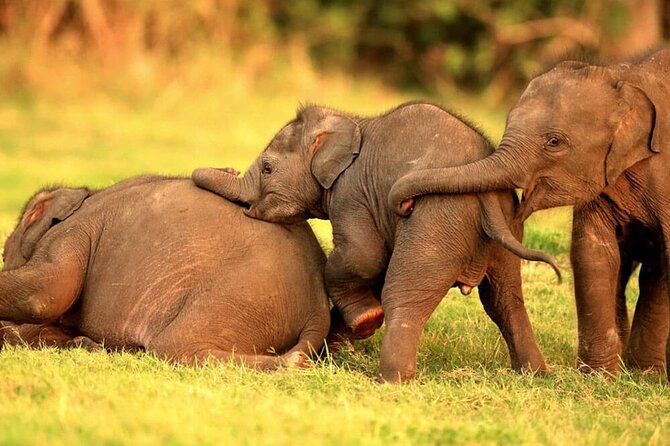
- Tracker-led jeep safari: better odds for spotting wildlife and understanding what you’re seeing.
- Pelvehera village lunch + paddle boat: a more local start before the bumpy park drive.
- Park choice depends on where the animals are: you may go to Minneriya, Kaudulla, or Hurulu.
- Drop-off in Trincomalee or Niaveli: handy if your next stop is the east coast.
Colombo to Trincomalee, But With a Safari Turn
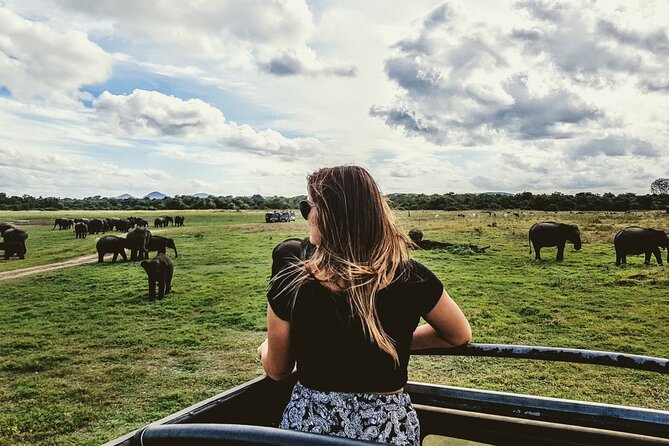
This is a smart way to connect Colombo (or Negombo) to Trincomalee without swallowing a whole day of sitting in traffic. At 8:00am pickup, you’ll head out early enough to use daylight well, then spend the middle chunk of the day focused on wildlife.
What makes this combo tour work for most people is that it’s not just transport with a token stop. You get a real safari drive in a major dry-season area for elephants, plus a village-style lunch and a paddle boat ride on a lake. It’s the kind of day where the scenery changes a lot—and your brain stays engaged.
The overall vibe: part road trip, part wildlife tour, part local food moment. If you like seeing Sri Lanka in “route order,” this is a good fit.
You can also read our reviews of more tours and experiences in Colombo
Your Day Timeline: Pickup, Village Lunch, Then the Park
The day runs about 11 hours 30 minutes, with hotel pickup and then a one-way drop in Trincomalee or Niaveli. Expect a car or MPV transfer (not a cramped bus), and since this is small group (up to 10), the ride tends to feel controlled.
A typical flow looks like this:
1) Morning pickup from your Colombo or Negombo hotel
You’ll start at 8:00am. That early start matters because it gives you more time for the safari window.
2) Pelvehera village stop for lunch + paddle boat
This is where you slow down. You’ll have an authentic Sri Lankan lunch, plus evening snacks later in the day and bottled water during the tour. The paddle ride is described as carbon neutral, and it’s on the village lake—more scenic than safari-focused.
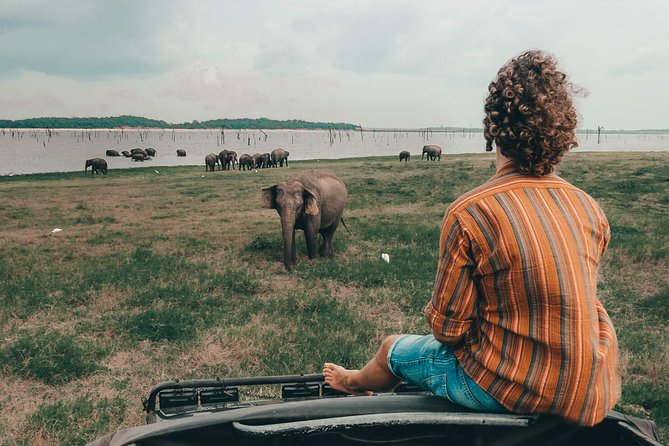
3) Jeep safari in a national park
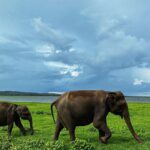
Depending on conditions and where animals are active, you’ll drive in Kaudulla, Minneriya, or Hurulu. In the specific itinerary example, the safari stop is Minneriya National Park. Either way, the driver/tracker is meant to improve your odds of spotting wildlife.
4) Drop-off in Trincomalee or Niaveli
You end the day after the safari drive, with transport delivered where you need to be on the east coast.
Practical note: park entrance fees aren’t included, so keep that in your head. Also, with a day this long, you’ll be happier if you bring a light layer, sunscreen, and something to protect your phone/camera from dust on the jeep.
Pelvehera Village: The Lunch Stop That Makes the Transfer Worth It
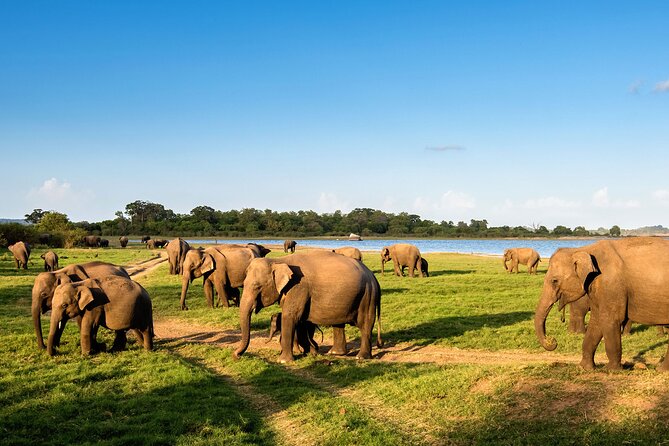
Most “transfer” tours treat food like fuel. This one builds in a proper lunch break and a boat ride before the safari drive, which changes the whole feel of the day.
At Pelvehera, you get:
- Authentic Sri Lankan lunch
- Evening snacks later
- A paddle boat ride on the village lake
You also get the sense that this is meant to be local, not just a tourist lunch in the parking lot. One of the nicest aspects here is the pacing. After hours of getting from west to east, your body needs a breather. The lake ride does that job.
And honestly, it’s a smart contrast to the jeep safari. Wildlife days can be intense—constant scanning, dust, sun, and waiting for animals to appear. A village lake stop gives you a reset.
If you’re the type who enjoys small places and ordinary village life, this section will feel like the “human” part of the day, not just the travel part.
Minneriya National Park: Why the Dry Season Matters
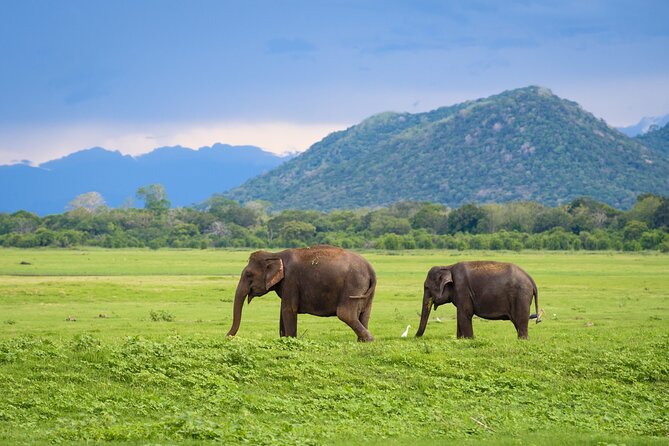
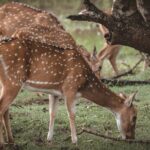
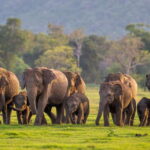
The safari part of the day (in the itinerary example) focuses on Minneriya National Park. This area has a reputation for dry-season elephant sightings because it’s tied to the Minneriya tank and surrounding feeding grounds.
A few details that help you understand what you’re seeing:
- The area was designated as a national park in 1997, after being a wildlife sanctuary starting in 1938.
- The Minneriya tank is historically important and was built by King Mahasen in the third century AD.
- The park is described as a dry season feeding ground for elephants that live in forests around Polonnaruwa and also stretch toward Trincomalee districts.
- Minneriya, along with Kaudulla and Girithale, is part of one of Sri Lanka’s Important bird areas (not just mammals here).
So when you’re out in the jeep, you’re not only hunting for elephants—you’re in a landscape shaped by water and seasonal movement. That’s why a good tracker matters. Even in a good sighting area, timing and animal behavior decide what you’ll actually see.
One consideration: safari sightings are never guaranteed. Even with the best route planning, wildlife moves. The tour’s promise is to improve your odds by going where animals are likely active, not to promise a specific number of animals.
Kaudulla or Hurulu Too: The Logic Behind “Where the Animals Are”
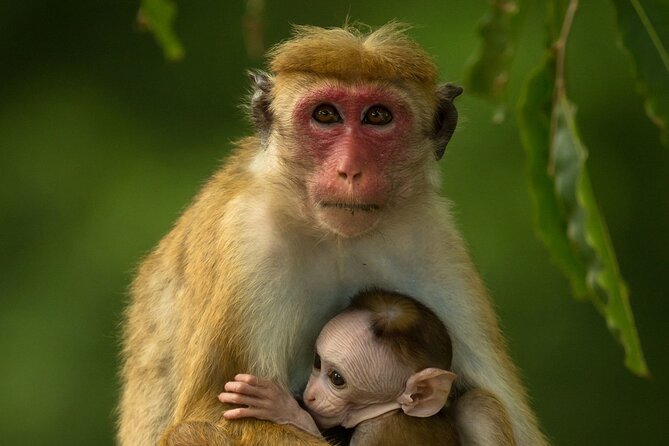
Even though Minneriya is the named park in the sample itinerary, the tour description also says the safari drive can shift depending on where wildlife is showing up. That usually means the operator is adjusting to animal movement and day-of conditions.
For you, that’s a practical benefit. If the route locked you into one park no matter what, you could waste your safari time if animals weren’t concentrated that day.
This is also where the small-group setup helps. You’re not competing with a giant crowd for the same roadside angle, and your tracker can keep the group moving with purpose.
If you’re planning this as part of a bigger east-coast trip, think of this as a flexible wildlife strategy wrapped inside a fixed transport plan to Trincomalee.
The Jeep Safari Experience: How to Get More From It
A jeep safari can be hit-or-miss if you don’t know what to do once you’re in the park. Here’s how you can set yourself up for better wildlife viewing.
First: trust the tracker’s guidance. The tour highlights an experienced tracker, which matters because they’re looking for animal signs, not just waiting for a lucky moment. A good guide will also help you interpret what you’re seeing—tracks, calls, movement in grass, and behavior patterns.
Second: be ready for the “slow moments.” Wildlife spotting often looks boring before it looks amazing. That’s normal. Bring patience and expect waiting as part of the deal.
Third: plan for dust and sun. You’ll be in open jeeps in a dry season safari setting. Even if you don’t get sweaty, you’ll feel the heat and wind. Light layers and sun protection go a long way.
A small note from experience style: in one trip report, the driver named Gayan was praised for pointing out animals and interesting plants on the way and keeping the ride smooth and comfortable. That’s the kind of added value you want—someone who treats the whole journey as part of the safari story.
Comfort and Timing: What the 11.5 Hours Really Means
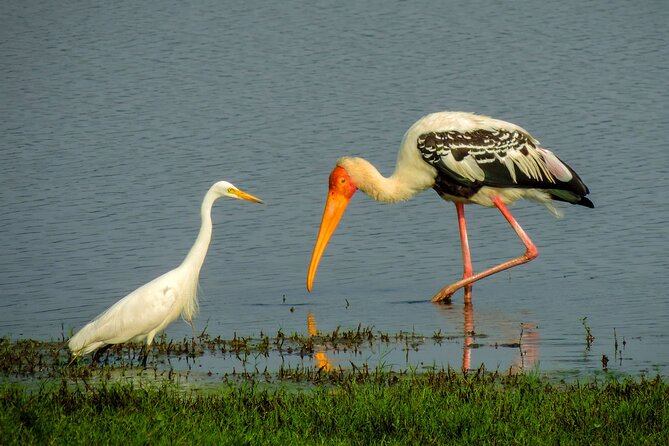
On paper, 11 hours 30 minutes looks like a lot. In real life, it depends on what you hate most: early starts, long drives, or waiting.
This tour leans hard on early start. Pickup is 8:00am, so you’ll want to start your day rested, not rushed. Once you’re on the road, you’ll be glad it’s a car/MPV rather than something cramped.
The route length also explains why the food and snacks matter. The tour includes bottled water and evening snacks. That’s not a “nice-to-have.” It helps you stay comfortable through the full travel-and-safari rhythm without scrambling for food at the worst time.
Still, if you’re extremely sensitive to long travel days, consider pairing this with a slower rest day in Trincomalee afterward. Don’t schedule a heavy activity immediately on arrival.
Price and Value: Is $140 a Good Deal for This Route?
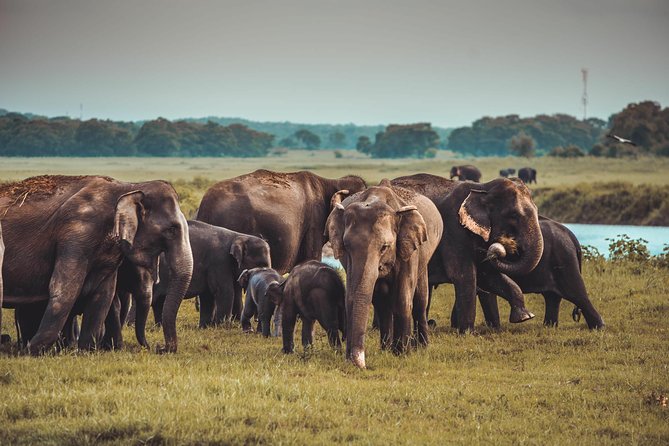
At $140 per person, this is not a budget transfer. But it also isn’t “just transport.” You’re paying for:
- a one-way route from Colombo (or Negombo) toward Trincomalee
- a jeep safari drive with a tracker
- a local authentic lunch
- a paddle boat ride
- bottled water and evening snacks
- hotel pickup and drop by car/MPV
The biggest thing missing for your total cost is the national park entrance fee. So you should treat $140 as the tour price, then add park fees on top.
Where the value really shows: if you’re already trying to solve two problems at once—getting to Trincomalee and seeing elephants/wildlife—the safari component is the part that would cost you extra in most separate-book plans.
Also, the small group size (max 10) and group discounts can help if you’re traveling with someone else. It can make the day feel more personal than the big-coach version of the same idea.
If your top goal is wildlife and you want a smoother handoff from west to east, this price can feel fair.
Who This Tour Suits Best (and Who Should Rethink It)
This tour fits best if you:
- want a wildlife safari day without separately planning transport and the safari
- like seeing animals in the dry-season elephant areas (Minneriya/Kaudulla/Hurulu)
- enjoy a local lunch stop and the calmer pace of a village lake boat ride
- prefer a small group, not a crowd
You might rethink it if:
- you hate long days (it’s about 11.5 hours)
- you want total budget control (park entrance fees are not included)
- you need strict schedule certainty for later in the evening (the ending drop is set, but the safari is wildlife-dependent)
It can also work well for solo travelers, with one caveat: the tour requires a minimum of 2 participants. If you’re booking alone, you may need help checking workable dates.
Weather, Wildlife, and Real-World Risk
This experience requires good weather. If it’s canceled due to poor weather, you should expect an alternative date or a full refund.
But there’s another reality check: if you’re chasing wildlife sightings, you’re always dealing with movement and timing. The tour’s approach—going to the park where animals are active—helps a lot, but it doesn’t eliminate uncertainty.
Now for the “paperwork reality.” The experience is described as non-refundable and cannot be changed for any reason. That’s pretty strict. If you might need to adjust plans, read that carefully before booking. It can be painful if your itinerary shifts due to flights, health, or sudden plans.
Also, one trip report includes a complaint about lack of responses during a situation involving another transfer date. I can’t treat that as a pattern, but I do take the lesson: keep your communication organized. Save confirmations, screenshots, and contact details so you’re not relying on memory if anything changes.
Should You Book This Colombo to Trincomalee Safari Drive?
I’d book it if your priority is a meaningful east-coast arrival day. It solves transport and wildlife in one go, and the Pelvehera lunch + boat ride makes it feel more like a journey than a chore.
Don’t book it if:
- you only want the cheapest transfer option
- you’re very sensitive to long days
- you’re not comfortable with extra entrance fees at the park
If you do book, go in with the right mindset:
- expect a safari rhythm with waiting
- bring comfort items for sun and dust
- budget for park entrance fees
- don’t count on wildlife being perfectly timed
In the end, this is a practical, experience-focused way to move from Colombo toward Trincomalee while still getting your Sri Lanka wildlife fix.
FAQ
What is the duration of the Colombo to Trincomalee shuttle and safari drive?
The total duration is approximately 11 hours 30 minutes.
What time does the tour start?
The start time is 8:00am.
Do you get hotel pickup and drop-off?
Yes. Hotel pickup and drop-off are included, and the pickup is from your Colombo or Negombo hotel. You’ll be dropped off in Trincomalee or Niaveli.
Is lunch included?
Yes. You get authentic Sri Lankan lunch, plus evening snacks. Bottled water is also included.
Is the national park entrance fee included?
No. The national park entrance fee is not included.
Which national parks might we visit for the safari?
Depending on where animals are active, the safari drive can take you to Kaudulla, Minneriya, or Hurulu.
Is there a boat ride included?
Yes. The tour includes a carbon neutral paddle boat ride on the village lake at Pelvehera.
What happens if the tour is canceled due to bad weather?
The experience requires good weather. If it’s canceled because of poor weather, you’ll be offered a different date or a full refund.
Is the booking refundable if I cancel?
No. This experience is non-refundable and cannot be changed for any reason.