REVIEW · DAMBULLA
Dambulla: All Inclusive Sigiriya Rock & Dambulla Cave Temple
Book on GetYourGuide →Operated by Sign of Lanka (Pvt) Ltd · Bookable on GetYourGuide
One rock, two UNESCO hits, and a full day of wonder. This tour strings together Sigiriya Rock Fortress and Dambulla Cave Temple, with a guided pace that helps you actually understand what you’re looking at. I like the clear organization (pickup, transport, entrances handled) and the big, specific attractions: 1200 steps up Lion Rock and murals covering 2,100 square meters at Dambulla. The main drawback to consider is the climb at Sigiriya, plus the note that it is not suitable for people over 70 or with pre-existing medical conditions.
You’ll start with pickup from Kandalama, Dambulla, Habarana, or Sigiriya, then move straight into the sights. I also like that the temples come with practical rules you’ll get ahead of time, including shoulders-and-knees coverage and no flash photography. If you’re sensitive to stairs or long walking, plan on taking it slower than you might on a flat city day.
In This Review
- Key Things to Know Before You Go
- A 5.5-Hour Circuit: How This Sigiriya and Dambulla Day Works
- Picking Up Around Dambulla, Habarana, Kandalama, or Sigiriya
- Sigiriya Rock Fortress: What You’ll See on the 1200-Step Climb
- The Lion Entrance, Moats, and Water Gardens You Might Notice
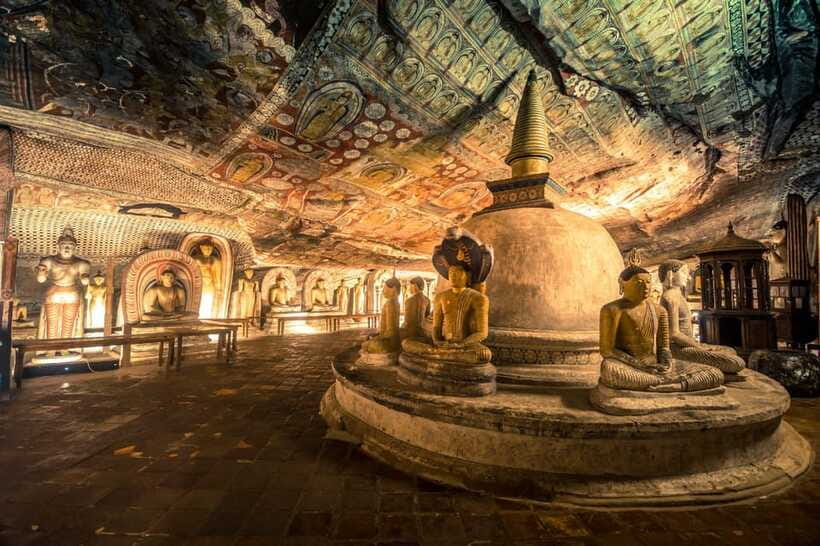
- Dambulla Cave Temple: 153 Statues and Murals That Cover 2,100 Square Meters
- Dress Code, Photography Rules, and What to Bring
- Transport and Guide Style: Why the Day Feels Well Run
- Price and Value: Is $135 a Good Deal for UNESCO Sites?
- Who This Tour Fits Best (and Who Should Rethink It)
- Should You Book This Sigiriya and Dambulla Tour?
- FAQ
- How long is the Sigiriya and Dambulla tour?
- Where are the pickup locations?
- What kind of transport is used?
- Are entrance fees included?
- What language is the guide?
- What are the dress code and clothing rules?
- Is flash photography allowed at the temples?
- Is this tour suitable for older travelers or people with medical conditions?
Key Things to Know Before You Go
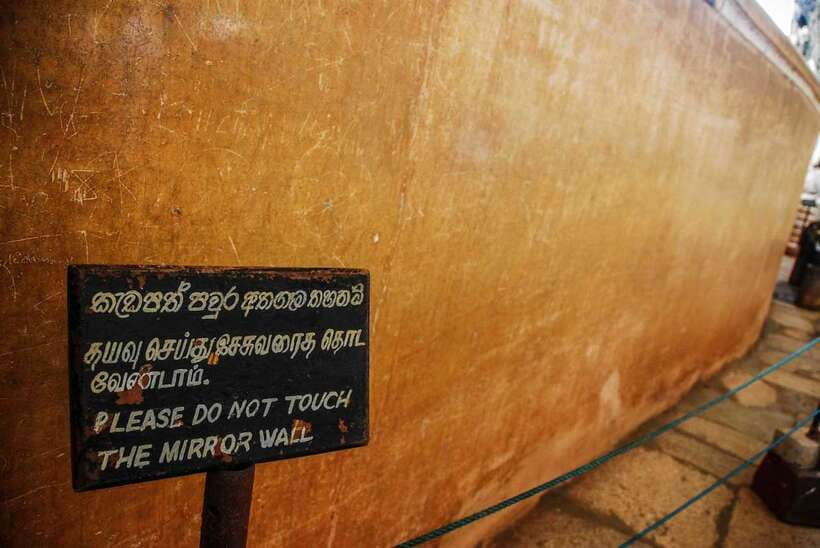
- 1200 steps to Sigiriya’s top: expect a real uphill climb, not a casual walk.
- UNESCO-listed Sigiriya Rock Fortress: you’ll see the rock-fortress setting, including the lion entrance carving and defensive layout.
- Dambulla’s cave complex is huge: the rock rises 160 meters and the site contains over 80 caves.
- Dambulla’s standout is the art: 153 Buddha statues and murals covering 2,100 square meters.
- Private-group feel with a guide: English (and German) speaking guidance helps you follow the story on-site.
- Convenience built in: entrance fees, parking fees, fuel/driver charges, and refreshments are included.
A 5.5-Hour Circuit: How This Sigiriya and Dambulla Day Works
This is a focused day built around two major sights that are about as famous as Sri Lanka gets. Your total time is listed as 5.5 hours, so the schedule is efficient by design: pickup, climb and exploration at Sigiriya, then the cave temples at Dambulla, and back to your hotel afterward.
The big value here is that you’re not doing the math. Entrance fees to Sigiriya Rock Fortress and Dambulla Cave Temple are included, and you get hotel transfers in either a tuk-tuk or a private air-conditioned vehicle depending on distance. You also get a guide in English (and possibly German), which matters because both sites are full of details—signs and stairs and symbols—that go way faster when someone points them out.
The one reality check: transfer time can shift with traffic, so don’t plan anything tight right before or after. Also, the tour isn’t built for lingering at the back of the group all day; it’s built for seeing the key parts, with time for photos and guided stops.
You can also read our reviews of more tours and experiences in Dambulla.

Picking Up Around Dambulla, Habarana, Kandalama, or Sigiriya
Pickup is offered from four hotel areas: Kandalama, Dambulla, Habarana, and Sigiriya. That’s helpful because it keeps travel time reasonable and avoids extra cross-island driving just to start your day.
On the road, you’ll travel by tuk-tuk or a private vehicle, depending on distance. If you’re hoping for comfort after a long travel day, the air-conditioned option can be a welcome perk, but the tuk-tuk option can also be part of the fun—just remember you’ll be in the middle of a day of walking soon after.
One practical point: since your day is short and structured, it’s worth arriving at pickup on time and wearing comfortable shoes right from the start. You don’t want to spend your one big window of the day changing outfits or digging around for the right shirt length.
Sigiriya Rock Fortress: What You’ll See on the 1200-Step Climb
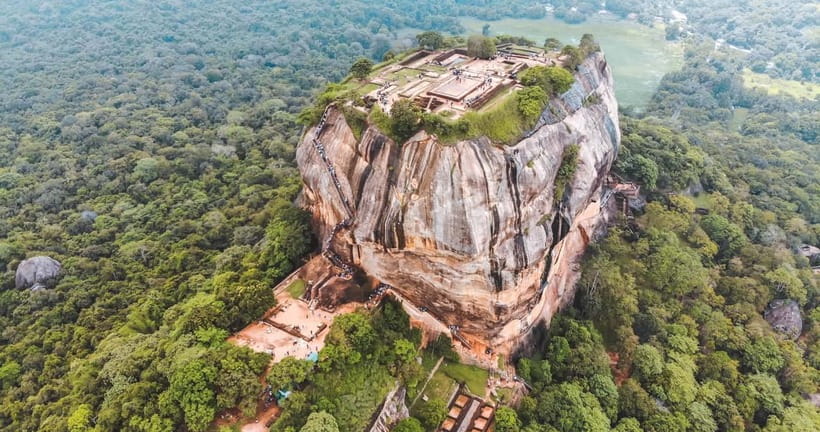
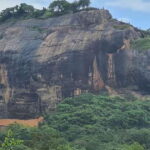
Sigiriya is the kind of place where your brain keeps saying wow before your legs agree. This fortress was built by King Kashyapa in the 5th century, and the rock rises about 660 feet high. The famous name people use is Lion Rock (also called Sinhagiri), and the climb is part of the drama—because the fortress design makes you feel like you’re approaching a stronghold, not just a viewpoint.
Your visit includes a guided tour and sightseeing at the top and around the key areas. The route is famously steep: you’ll ascend roughly 1200 steps to reach the summit areas. That number is your biggest planning factor. If you’re not used to stair climbs, bring a steady pace, plan short pauses, and don’t treat it like a race.
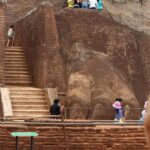
Once you’re up there, the fortress layout is one of the most interesting parts. You’ll see remnants of ramparts and moats that were designed for defense, and you’ll notice the lion entrance carving at the start of the main approach. Even if you’ve seen photos online, being there in person changes the scale—the rock feels taller, the walls feel more deliberate, and the engineering feels more than decorative.
You’ll also hear about the water garden system and irrigation ideas that helped support life and gardens around the fortress. These details matter because they show Sigiriya wasn’t just a dramatic palace setting—it was a functioning system built into the landscape.
The Lion Entrance, Moats, and Water Gardens You Might Notice
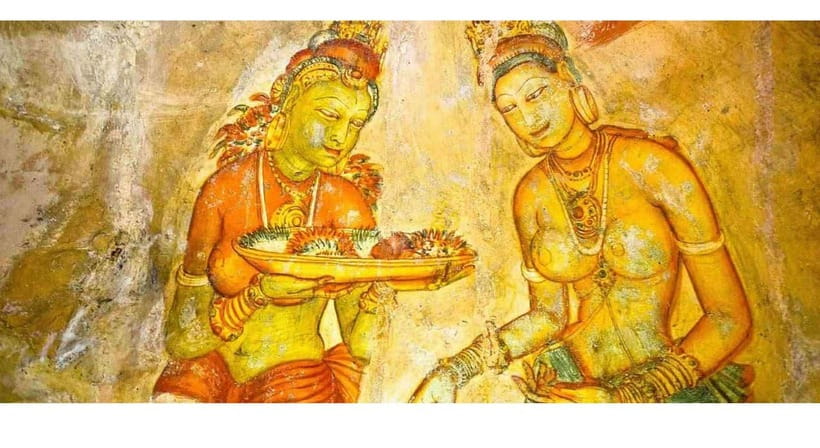
At Sigiriya, the guide’s job is to help you see patterns instead of random ruins. The lion entrance carving is one of the recognizable anchors, but don’t stop there. Watch for how the fortress is organized around defense: the concept of moats and ramparts isn’t just a story—on-site, you can read the defensive intent in the way areas are separated and protected.
Then there’s the water garden and irrigation theme. The idea isn’t abstract here. When you’re on the rock, the layout makes more sense: water management was essential to keep gardens and living areas alive, especially in a fortress setting. If you like architecture and practical engineering, this part can be a real highlight.
Keep your expectations grounded, too. This is an ancient site, so some sections may be uneven or require careful footing. Wear grippy shoes, and if you’re prone to knee pain, plan for a slower descent as well. Coming down can feel tougher than going up because your legs are already tired.
Dambulla Cave Temple: 153 Statues and Murals That Cover 2,100 Square Meters
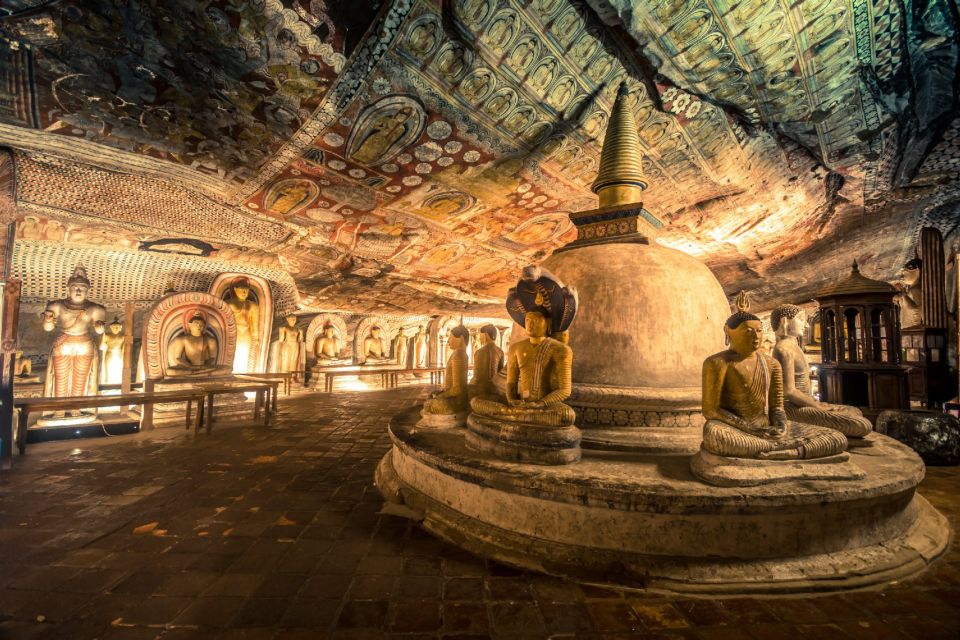
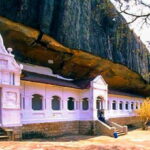
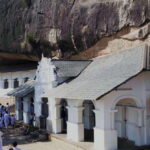
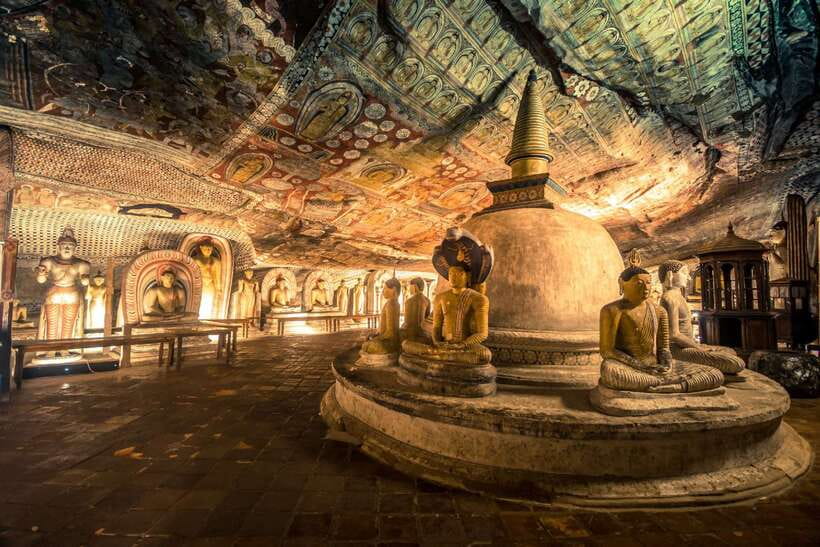
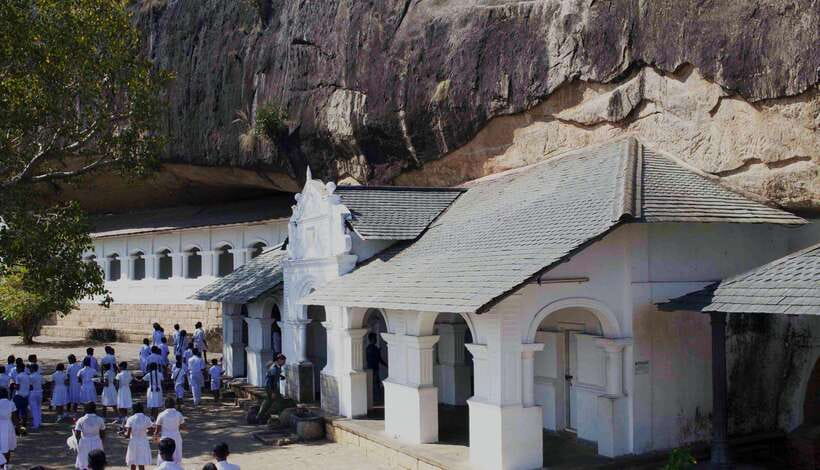
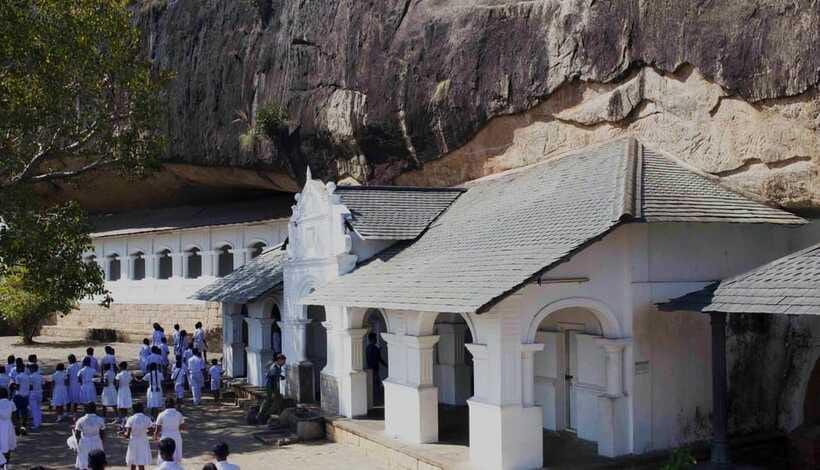
After Sigiriya, you’ll head to Dambulla Cave Temple, described as the largest and best-preserved cave temple complex in Sri Lanka. The rock rises about 160 meters above the surrounding area, and the full complex includes over 80 caves. What makes it special is that only a portion of those caves are used for the main religious and artistic areas you’ll see on the visit.
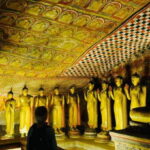
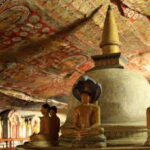
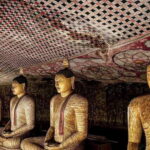
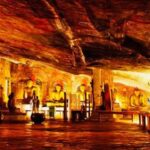
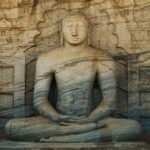
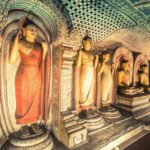
You’ll visit the Royal Cave Temple and the Golden Temple areas (with a photo stop as part of the flow), then explore with a guide. Five caves are especially important because they hold statues and murals that depict moments from the life of Gautama Buddha. The scale is the first surprise: 153 Buddha statues fill these spaces, alongside three Sri Lankan king statues and other figures, including gods and goddesses such as Vishnu and Ganesha.
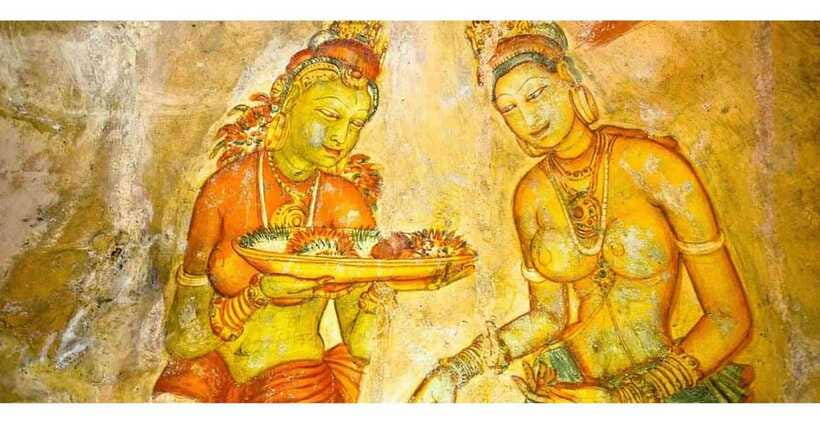
The murals are the second big wow. You’re looking at artwork that covers about 2,100 square meters. That’s the kind of number that sounds big until you’re inside the caves and realizing you’re surrounded by painted surfaces, not just looking at one or two focal points.
One tip for getting more out of Dambulla: slow down your attention as you move from cave to cave. The art is arranged to tell a sequence, so if you rush, you miss the logic. A guide helps here by pointing out what to look for and how the different images connect.
Dress Code, Photography Rules, and What to Bring
This day involves sacred spaces, and Sri Lanka’s temple rules are straightforward but strict. You’ll need to cover your shoulders and knees when visiting holy places. That means sleeveless tops won’t work, and shorts often need to be swapped for something longer.
You also won’t be allowed to use flash photography inside the temples. It’s a common rule at religious sites, and it’s worth respecting because flash can be distracting and disrespectful in dark cave interiors.
For what to bring, the basics are simple:
- Comfortable shoes for stairs and uneven stone
- Passport or ID card (just have it on you)
Packing light is also smart. You’ll be walking in and out of cave areas and moving up and down areas around Sigiriya. If you bring a heavy bag, you’ll feel it more than you expect.
Transport and Guide Style: Why the Day Feels Well Run
A huge part of why this tour works is that the logistics are handled for you. Transportation is included from your hotel and back, and the package includes fuel surcharge and driver charges, so you’re not dealing with surprise add-ons for the ride. Parking fees are also covered, which removes a small but annoying hurdle when sites are busy.
You also get refreshments and water included. That matters because Sigiriya’s steps can make you feel ready for a rest sooner than you expect, and cave temple visits can feel cooler and darker, so hydration helps you keep your energy steady.
The guide is English speaking (and the listing notes English/German language options), and that’s a practical advantage. Both sites are famous, but they’re also visual in a way that rewards guidance. When someone explains what a symbol refers to or what architectural feature you’re standing near, you spend your attention on understanding, not guessing.
Group type is private. That usually means you’re not stuck waiting for strangers to find the right photo angle or shuffle up at the last second. It also makes it easier to move at a pace that fits your comfort level.
Price and Value: Is $135 a Good Deal for UNESCO Sites?
At $135 per person for a 5.5-hour program, the price is really about what’s included versus what you’d otherwise have to arrange. Here, entrance fees to Sigiriya Rock Fortress and Dambulla Cave Temple are included. That’s a big chunk of the cost on any day tour, and it saves you time and hassle.
Transportation is handled from multiple hotel areas, with a tuk-tuk or air-conditioned private vehicle based on distance. Parking fees, fuel/driver charges, and government taxes are also included. And you still get a live guide in English (and noted German language support).
Where this price becomes a smart value is in the efficiency. If you attempted to do both sites on your own, you’d spend extra time coordinating entry timing and transportation, especially if you’re staying around Dambulla, Habarana, or Sigiriya. This tour removes that friction and keeps your day in motion.
The one thing to watch is the physical demand. Because Sigiriya includes the 1200-step climb, this isn’t a low-effort sightseeing day. If stairs are a challenge for you, no bargain price will fix the experience. In that case, you might value a different format—or at minimum, plan breaks and wear the right shoes.
Who This Tour Fits Best (and Who Should Rethink It)
This tour is a good match if you want a guided, organized day focused on two top Sri Lanka attractions without the stress of planning every piece. It’s also ideal if you like having context while you walk through historical and religious sites—because the guide’s job is to help you interpret what you’re seeing at both Sigiriya and Dambulla.
It may not fit you if you have mobility limits or health concerns, since it’s not suitable for people over 70 or those with pre-existing medical conditions. Also, the Sigiriya climb is the central physical challenge. Even people who feel generally okay can find steep stone steps tiring, especially with warm weather.
If you’re traveling with someone who loves photography, you’ll likely appreciate the photo stop included for the Dambulla leg. Just remember the temple rule about no flash, so plan to use available light and keep your phone settings in mind.
Best scenarios:
- You’re staying around Dambulla/Habarana/Kandalama/Sigiriya
- You want a guided UNESCO day without ticket and transfer stress
- You’re comfortable with serious stairs
Should You Book This Sigiriya and Dambulla Tour?
If you want one high-impact day—UNESCO fortress views plus cave temple art—this tour is a strong option. The inclusion of entrance fees, hotel pickup and drop-off, parking, a guide, and refreshments makes it feel like the day is meant to run smoothly. I especially like the focus on what matters: the climb at Sigiriya and the statues and murals at Dambulla, not endless detours.
Book it if you’re ready for the physical part of Sigiriya and you can follow temple dress rules. Skip or rethink it if stairs are a hard stop for you, or if your health situation makes the climb risky.
If you’re comparing options, treat this one as a straightforward UNESCO pair with a guided hand and practical comfort basics. For many people in the region, that’s the most efficient way to get both of these famous sites into a single memorable day.
FAQ
How long is the Sigiriya and Dambulla tour?
The duration is listed as 5.5 hours.
Where are the pickup locations?
Pickup is available from Kandalama, Dambulla, Habarana, and Sigiriya.
What kind of transport is used?
You’ll travel by tuk-tuk or by an air-conditioned private vehicle depending on the distance.
Are entrance fees included?
Yes. Entrance fees to Sigiriya Rock Fortress and Dambulla Cave Temple are included.
What language is the guide?
The guide is listed as English/ German language speaking, and English is specifically mentioned as the live guide language.
What are the dress code and clothing rules?
When visiting sacred places, you should cover your shoulders and knees. Sleeveless shirts are not allowed.
Is flash photography allowed at the temples?
No. Flash photography is not allowed.
Is this tour suitable for older travelers or people with medical conditions?
The tour is not suitable for people over 70 or for people with pre-existing medical conditions.