REVIEW · COLOMBO
Day Trip to the Ancient Capital of Polonnaruwa From Colombo
Book on GetYourGuide →Operated by Apple Vacations Sri Lanka · Bookable on GetYourGuide
Polonnaruwa ruins have a way of grabbing you. This 14-hour day trip from Colombo is built for seeing major Buddhist and Hindu sites with a real guided circuit, not just a bus drop. I especially like how the route focuses on iconic monuments like Gal Vihara and Lankatilaka Gedige, and I like that you get an English-speaking driver who keeps the day moving smoothly. The one thing to plan around is the long, shared day—moderate walking plus traffic means your pace will be steady, not relaxed.
You’re going to a place that mattered, fast. Polonnaruwa was the “silver capital” after Anuradhapura, and even though its peak political era was relatively short, the architecture and stone art it left behind are huge. I love that the sites connect clearly to Buddhism and Hinduism, so the shrines and carved figures feel less random and more meaningful.
If you’re sensitive to effort or crowding, this tour may feel like a lot. It’s not suitable for wheelchair users, it’s not recommended for people with heart complaints, and it involves walking and temple etiquette like covering shoulders and knees and removing your footwear.
In This Review
- Key highlights you’ll care about
- Polonnaruwa: why this ancient capital still hits
- From Colombo to Polonnaruwa: the 14-hour logistics that shape your day
- The guided circuit inside Polonnaruwa’s ancient city
- Lankatilaka Gedige: temple structure you can feel
- Gal Vihara: the stone Buddha imagery that makes the day worth it
- Demala Maha Seya and the wider shrine mix
- Thuparama: a heritage site that adds meaning
- Topa Wewa (Sea of Parakrama): when the tour becomes about water
- Break time, breakfast, and the lunch stop you’ll actually use
- Price and value: what $111 buys you (and what it doesn’t)
- What to pack and the temple rules you must follow
- Who this tour is best for (and who should skip it)
- The choice that makes or breaks your experience: pace and attention
- Should you book this Polonnaruwa day trip from Colombo?
Key highlights you’ll care about
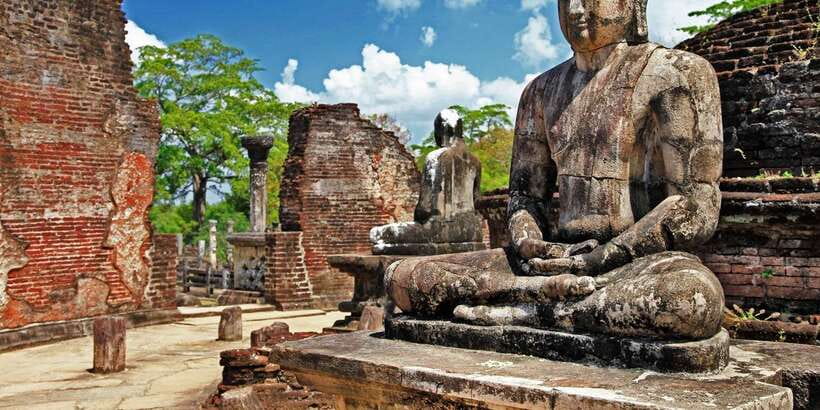
- A guided 3.5-hour walk through the core Polonnaruwa monuments, timed so you actually see the big names
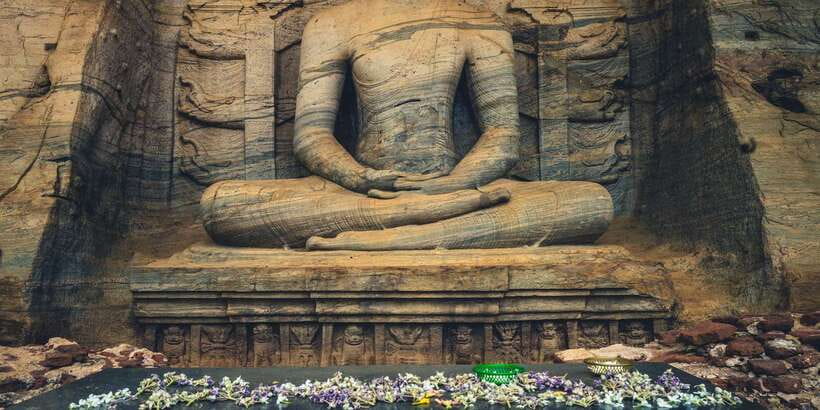
- Gal Vihara’s Buddha statues and other image shrines—stone that looks startlingly lifelike
- Lankatilaka Gedige, Demala Maha Seya, and Demala Maha Seya-area remains for a strong spread of temple styles
- Thuparama and Topa Wewa (the Sea of Parakrama) for the story of water engineering tied to kings
- Comfort focus: bottled water and an English-speaking driver, plus a practical breakfast and lunch break
- Guide support: an English-speaking guide/driver setup that can be attentive and patient with your questions
Polonnaruwa: why this ancient capital still hits
Polonnaruwa is one of Sri Lanka’s most important archaeological sites, and it isn’t just “old rocks in a field.” You’re looking at an ancient kingdom where major monuments were built for religion—mostly Buddhism, plus Hindu influences in the mix. As you move from shrine to shrine, the shapes and symbols help you understand what people were doing here: building spaces for worship, memorializing rulers, and creating stone art that lasted.
I also like the pacing of the tour because it doesn’t treat Polonnaruwa like a single stop. It treats it like a circuit. You’re guided through a cluster of major works, then given a break before you return—so you’re not burning out before you reach the best parts.
You can also read our reviews of more tours and experiences in Colombo

From Colombo to Polonnaruwa: the 14-hour logistics that shape your day
This is a full-day outing—listed at 14 hours, with hotel pickup from Colombo included. You’ll typically start with pickup, then go straight into the day. Because it’s a shared transfer, expect the schedule to stay fixed: early or late pickup isn’t available beyond the set option, and you’ll want to be ready when the operator confirms your pickup time.
Transfers can stretch depending on time of day and traffic, and that matters because Polonnaruwa itself isn’t “just 20 minutes and done.” The route is designed to give you a guided visit inside the ancient city, but you still need to budget energy for getting there, walking between monuments, and handling temple rules.
Practical note: you’ll want to travel light. The tour notes that luggage or large bags aren’t allowed, and the focus is on comfortable movement with minimal hassle.
The guided circuit inside Polonnaruwa’s ancient city
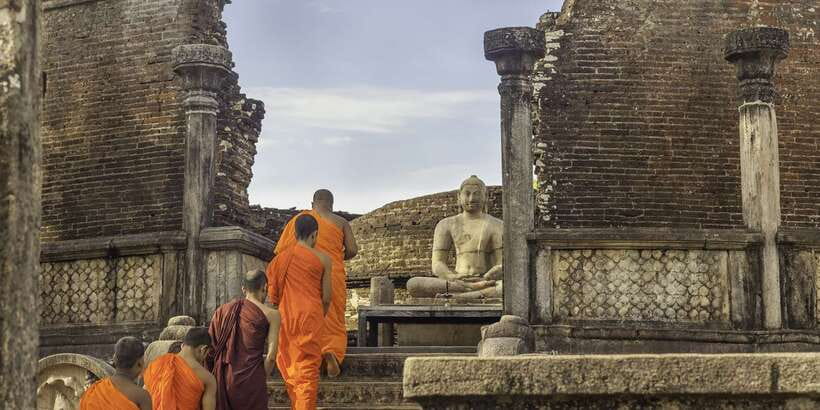
Your main block inside Polonnaruwa is built around a guided tour and sightseeing walk of about 3.5 hours. That timing is important: it gives you enough minutes to see the standout monuments without feeling like you’re being rushed through everything.
The route is centered on Buddhist and Hindu-related sites, so you can expect a combination of:
- Buddhist temples and image shrines, where the stone carving is the star
- Remains of palaces and older structures, where you can read the kingdom in layout rather than in a single building
- A structure to your walking, which helps because Polonnaruwa can feel sprawling once you’re on your own
The main drawback here is straightforward: moderate walking is part of the experience. You’ll enjoy it more if you accept that you’re touring on foot and dress accordingly (comfortable shoes are not a suggestion here).
Lankatilaka Gedige: temple structure you can feel
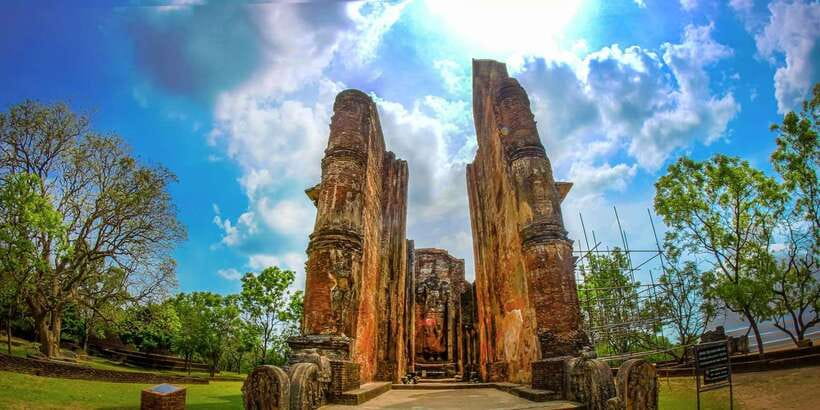
One of the first big-ticket monuments you’ll aim for is Lankatilaka Gedige. Gedige-style structures tend to impress because you don’t only see “a temple”—you see a temple designed with intention: the stonework, the setting, and the way the structure frames the sacred purpose.
From a visitor’s perspective, this matters because Lankatilaka Gedige sets your visual language for the rest of the city. After you’ve seen it, you start noticing how Polonnaruwa’s builders used scale and symmetry to create spiritual gravity.
Gal Vihara: the stone Buddha imagery that makes the day worth it
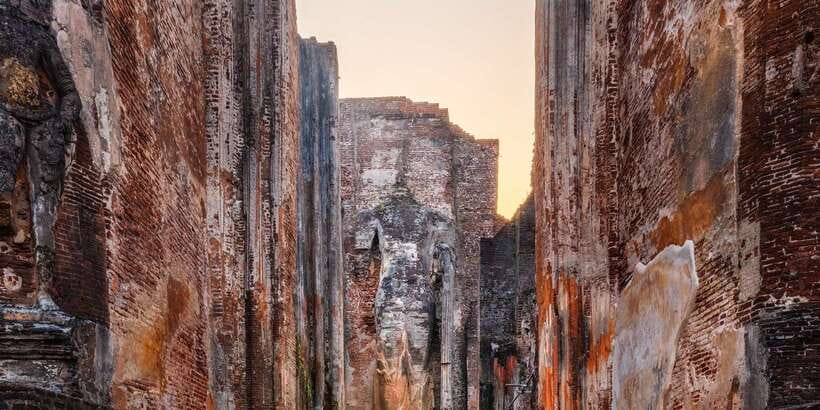
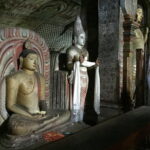
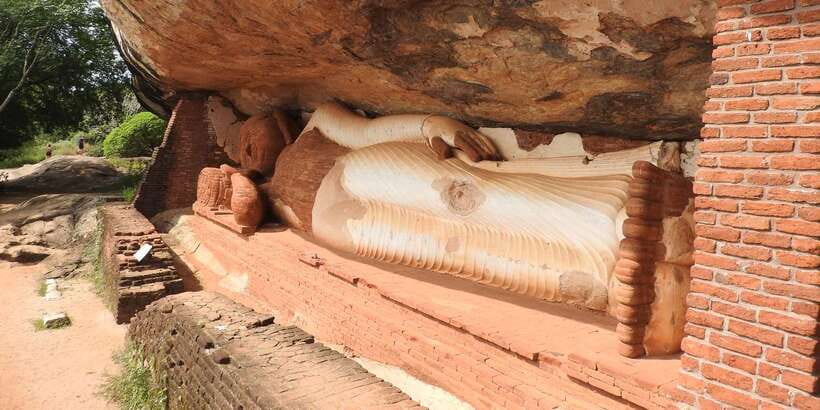
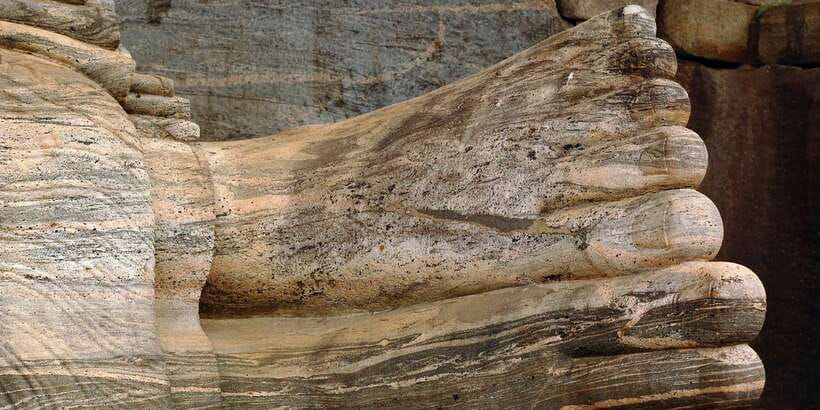
If I had to pick one reason people remember this tour, it’s Gal Vihara. The name is associated with some of Polonnaruwa’s most striking Buddha statues, and this is the moment where the ancient capital stops being abstract.
Stone Buddha icons here are carved for presence. Even when you’re walking and moving on a schedule, you can pause and really look—because the craftsmanship is what the site is about. You’ll probably find you slow down without meaning to, because it’s one thing to read about Buddhist art and another to stand in front of it.
This is also a good stop for asking questions. If your guide is attentive (one guide named Anush has been praised for helping guests throughout the day), use that chance to understand what you’re looking at—how the images relate to the surrounding sacred spaces.

Demala Maha Seya and the wider shrine mix
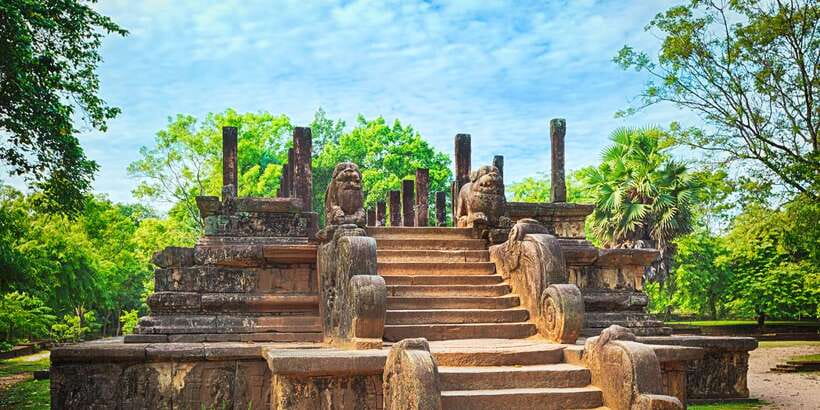
Another highlight on the itinerary is Demala Maha Seya. This gives you variety beyond the big Buddha-image focus. Instead of only looking at a single type of sacred artwork, you see remnants of shrines and religious structures that show how layered Polonnaruwa was.
I like this kind of stop because it keeps the day from turning into one long “look at statue, move on, look at statue.” A place like Polonnaruwa rewards attention to how religious life was expressed through different monument styles.
Thuparama: a heritage site that adds meaning
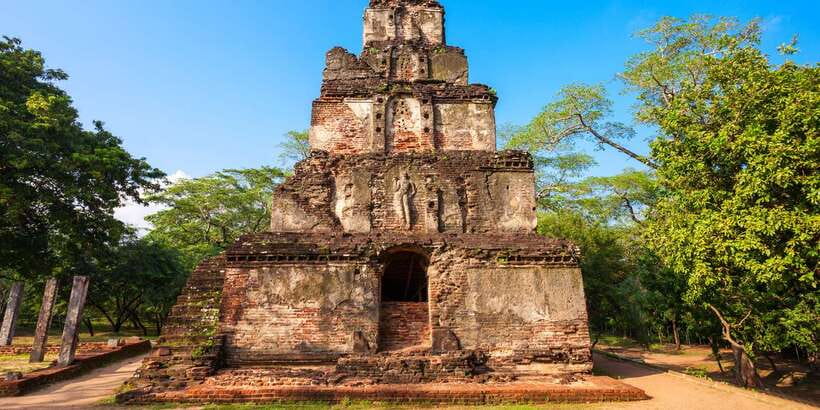
Your tour also includes Thuparama. This matters because it adds another piece to the story of why Polonnaruwa is considered such a key archaeological site. Instead of only chasing the most dramatic statues, you also get monuments that help you connect the spiritual purpose across the city.
If you enjoy historical sites where you can compare structures, Thuparama is a solid anchor. You start to see how sacred places weren’t one-off creations—they were part of a kingdom-wide religious landscape.
Topa Wewa (Sea of Parakrama): when the tour becomes about water
Here’s the stop that often surprises people: Topa Wewa, also called the Sea of Parakrama. It’s a heritage site tied to ancient engineering—water management on a scale that still makes you think, how did they do this?
Even if you’re not a “history of irrigation” person, you’ll likely appreciate this because it shows that ancient power wasn’t only about monuments and statues. It was also about building systems that supported society—food, living, and long-term stability.
It’s a helpful contrast after the stone shrines: you shift from carving and worship to infrastructure and rule. That contrast is one reason the itinerary works.
Break time, breakfast, and the lunch stop you’ll actually use
This tour doesn’t just throw you into ruins with no fuel. You’ll start with breakfast at a local restaurant and later have a break at another local restaurant with time for lunch and drinks.
A key practical detail: the break includes time that can include beer, coffee, and tea, plus lunch and time to walk around. That sounds casual, but it’s useful—because you’ll be more comfortable during the afternoon portion after you reset.
In a long day trip, meals become part of the experience. The tour is designed so you don’t have to hunt for food while you’re dealing with traffic and temple timing.
Price and value: what $111 buys you (and what it doesn’t)
The listed price is $111 per person for a 14-hour outing. What you’re paying for isn’t just access to a single site—it’s the full logistical package: pickup and drop-off at your accommodation in Colombo, an English-speaking driver, and bottled water, plus the structure of a guided visit inside the ancient city.
What’s not included is equally important. You’ll need to budget for entrance fees, and a local Sri Lankan guide isn’t included as a separate item (depending on how the day is arranged). Food and drink are only partly covered through the planned meal stops, so outside items may cost extra.
So is it good value? For most people, yes—because you’re covering major monuments that would be harder to coordinate smoothly on your own during a single day, especially with temple etiquette and walking. The price also makes sense if you want someone to keep the schedule moving while you focus on the sites.
If you’re the type who loves going fully independent and you already know exactly how to plan temple visits, you might spend less by DIY. But for a one-day timeline from Colombo, this kind of guided-and-driven setup usually saves stress.
What to pack and the temple rules you must follow
This tour is straightforward about what to bring:
- Comfortable shoes (you’ll use them)
- Sunglasses and a sun hat
- Keep space for the day’s walking
Temple rules are not optional. You’ll need to:
- Remove your footwear
- Cover your shoulders and knees
- Bring yourself in line with Buddhist and Hindu temple etiquette
Also: no smoking, and you shouldn’t bring luggage or large bags. It’s a day built for movement, and the rules help keep the flow smooth.
One more important item: you must bring a current valid passport.
Who this tour is best for (and who should skip it)
This experience is a strong fit if you want:
- A single-day way to see Polonnaruwa’s top religious monuments
- A guided walkthrough (so you understand what you’re looking at while you walk)
- Practical meal breaks that keep the day manageable
It’s not a good match if you have:
- Heart complaints or serious medical conditions (the trip is not recommended)
- Pregnancy
- Wheelchair use
Also consider your comfort with moderate walking. If your knees or ankles have issues with uneven stone and temple steps, you’ll want to plan carefully before committing.
The choice that makes or breaks your experience: pace and attention
Polonnaruwa is the kind of place where your enjoyment depends on how you manage your pace. The itinerary gives you a guided chunk of time in the ancient city, which helps. Still, you’ll get more out of it if you treat each monument like a stop with a mini goal: find the main Buddha image, understand what the structure was meant for, then move on with a clearer sense of the city.
This isn’t a “take a quick selfie and go” kind of day. It’s better as a slower, observant visit—even with the schedule.
Should you book this Polonnaruwa day trip from Colombo?
Book it if you want a well-structured one-day visit that hits Lankatilaka Gedige, Gal Vihara, Demala Maha Seya, plus the heritage stops like Thuparama and Topa Wewa (Sea of Parakrama). The English-speaking driver, included pickup/drop-off in Colombo, and clear guided time in the ancient city are exactly what you want when you have limited time.
Skip it if you can’t handle moderate walking, or if you fall into the tour’s medical and mobility limitations. Also be honest about the long-day rhythm: it’s not a short hop.
If you’re traveling with the right mindset—comfortable shoes, temple-ready clothing, and a willingness to learn as you walk—this is one of the more sensible ways to see Polonnaruwa without turning your day into a logistics puzzle.