REVIEW · WELIGAMA
From Weligama : Udawalawa National Park Safari Tour
Book on GetYourGuide →Operated by Tiger Safaris · Bookable on GetYourGuide
Elephants make this safari day. A ride from Weligama into Udawalawe National Park is where you come for wild elephants, and the visit to the Elephant Transit Home gives the story behind the sightings, not just the photo ops.
I love how the day is set up for easy pickup and drop-off, so you spend less time organizing and more time watching. I also like the combo of an air-conditioned ride outside the park and a 44 safari jeep inside it, with an English guide who can actually point things out. One thing to keep in mind: when elephants show up, multiple vehicles can pile into the same area, so you may hit a traffic jam moment.
In This Review
- Key highlights to know before you go
- From Weligama to Udawalawe: how the 8 hours really feel
- The Udawalawe safari drive: what you’re likely to spot in real time
- Elephant Transit Home: the conservation piece that makes the day click
- Why the guide matters: Batu-level spotting and explanations
- Wildlife beyond elephants: making your 3 hours count
- Getting good value: $72 plus the park entrance ticket
- Who this safari suits best
- Practical call: should you book this from Weligama?
- FAQ
- FAQ
- How long is the Udawalawe safari tour from Weligama?
- Do I get pickup and drop-off from Weligama?
- How long do we spend in Udawalawe National Park?
- Is the national park entrance ticket included in the price?
- What vehicle is used for the safari?
- Do we visit Elephant Transit Home?
- What animals and birds can I expect to see?
- What language is the guide?
- What is the meeting time for pickup?
Key highlights to know before you go
- Elephants are the main event in Udawalawe, including chances to spot them in the wild
- Elephant Transit Home visit adds conservation context (orphaned and injured elephants are cared for and released back into the wild)
- English live guide who helps you read the park and not just stare at the savanna
- Comfort matters: air-conditioned transport plus a spacious 44 safari jeep
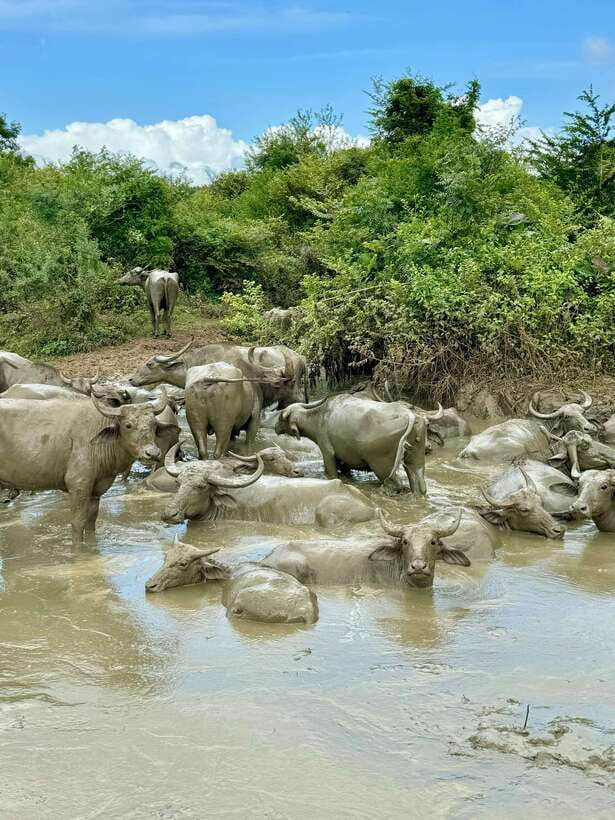
- Wildlife variety beyond elephants: deer, wild boars, water buffaloes, crocodiles
- Bird-watching bonus with eagles, herons, and peacocks on the radar
From Weligama to Udawalawe: how the 8 hours really feel
This is a full-day outing built around one priority: getting you to Udawalawe in time for meaningful safari viewing, then getting you back to the coast area without stress. The total duration is 8 hours, and that’s long enough to feel like a real excursion, but not so long that you’re fried by hour four.
Your day starts with a complimentary pickup from Weligama (and in the broader tour area, pickups can also include Mirissa, Matara, Tangalle, Hiriketiya, and Dickwella). You’ll want to be ready in the lobby about 10 minutes before your scheduled pickup time, because the timing stays tight once everyone is moving. Then you ride in an air-conditioned vehicle toward the park region.
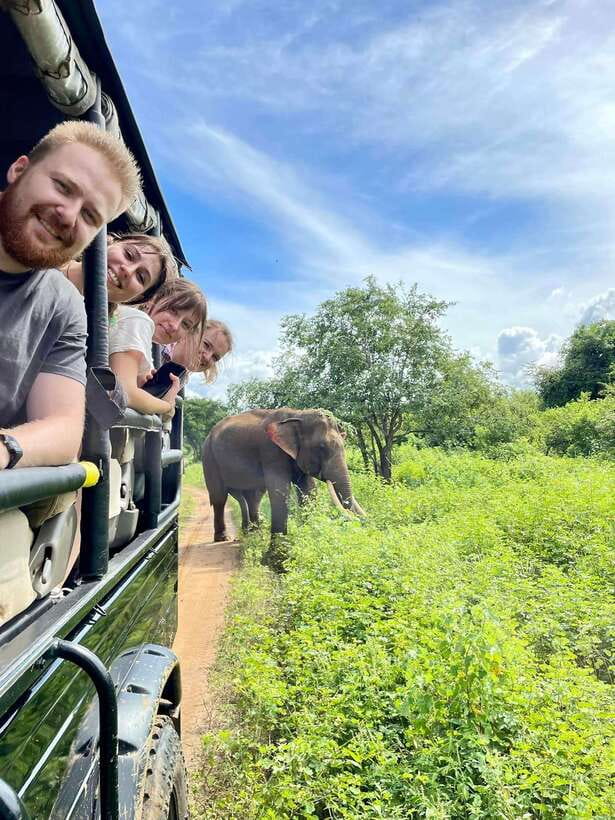
Inside the park, you switch to a luxury and comfortable 44 safari jeep. That change is important: a safari jeep is built for uneven ground and stopping quickly when animals appear. You’ll still be sitting in a vehicle for hours, but at least the inside-the-park portion is the right tool for the job.
One practical note: the tour includes a photo stop and guided viewing/sightseeing inside the park (about 3 hours in Udawalawe). That means you’re not doing a rushed “drive-by and hope” safari. You get time to actually look, and to re-position when the action shifts.
You can also read our reviews of more tours and experiences in Weligama

The Udawalawe safari drive: what you’re likely to spot in real time
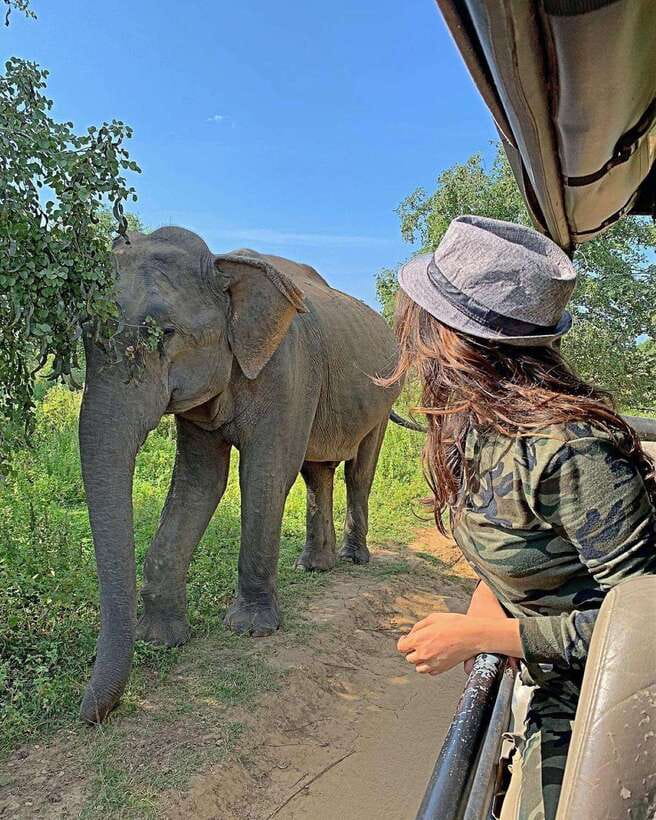
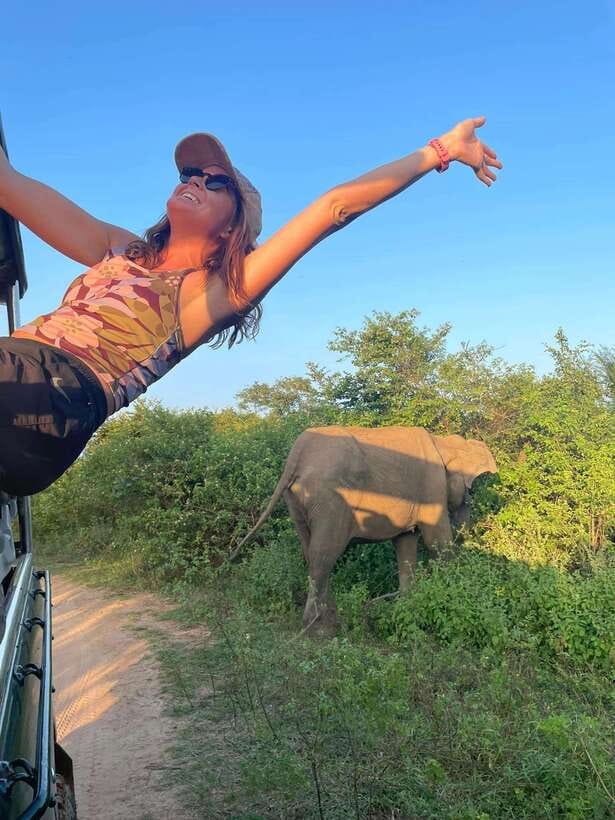
Udawalawe National Park is famous because it holds one of the largest populations of wild elephants in Sri Lanka. Translation: you’re not just chasing one lucky moment. With the right timing and patience, elephants often turn up where you can see them at a distance first, then closer as the jeep stops.
During your safari time, you’re in a loop of guided tour, sightseeing, and a photo stop—so you get more than just wandering. The guide’s job is to help you track movement: where the animals are likely to be feeding, how they move between open areas, and what body language means the elephant is calm, curious, or just passing through.
Here’s what you can realistically look for beyond elephants:
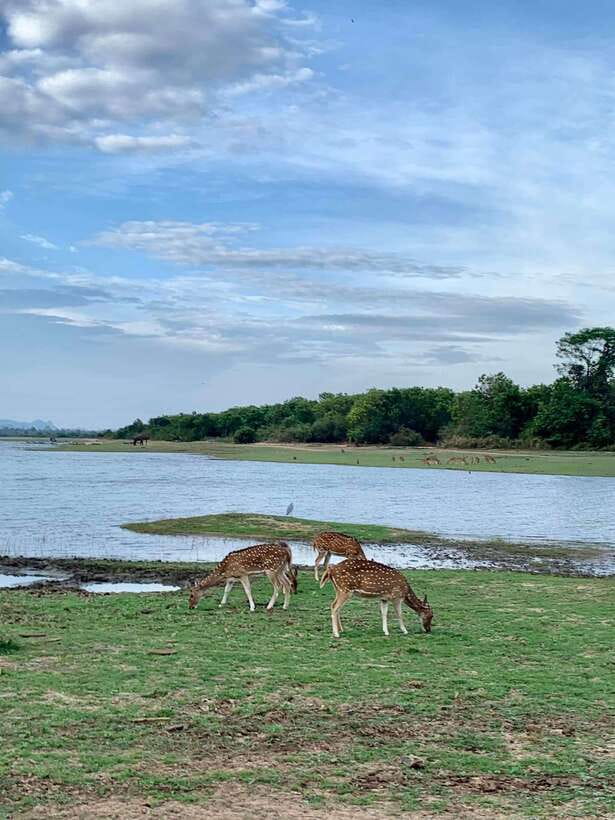
- Deer
- Wild boars
- Water buffaloes
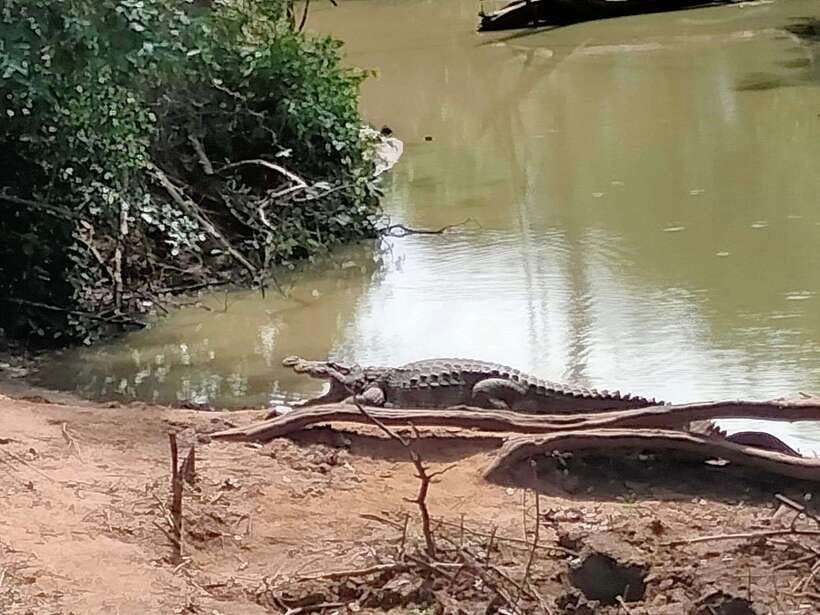
- Crocodiles (often spotted near water, if you get the right viewing angle)
And yes, the park is also a bird-watching playground. Expect species such as eagles, herons, and peacocks if the conditions line up and the guide clocks the right spots.
One drawback to flag, based on how safari viewing works in busy parks: elephants can bring a crowd. If several jeeps reach an animal at once, you may experience a short traffic jam effect inside the park. It’s not the end of the world, but it’s worth mentally preparing for the idea that you might spend a few minutes parked while everyone watches the same scene.
Elephant Transit Home: the conservation piece that makes the day click
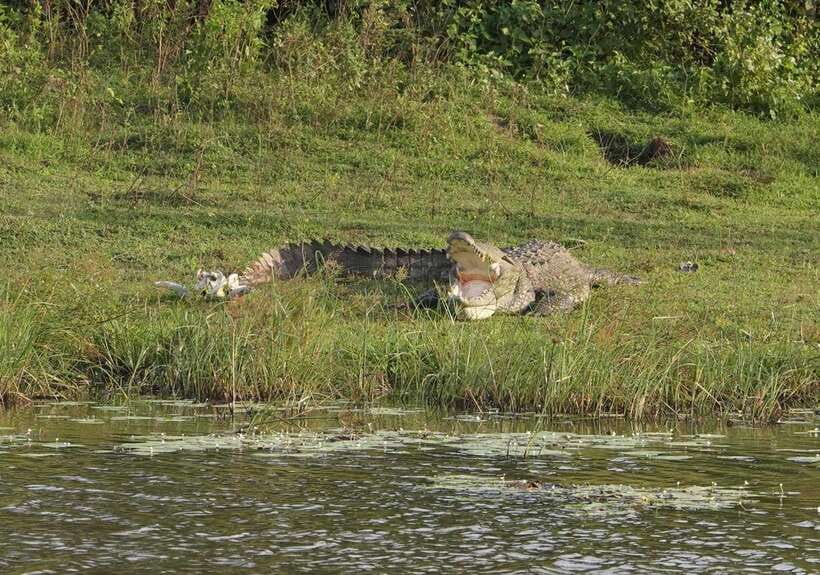
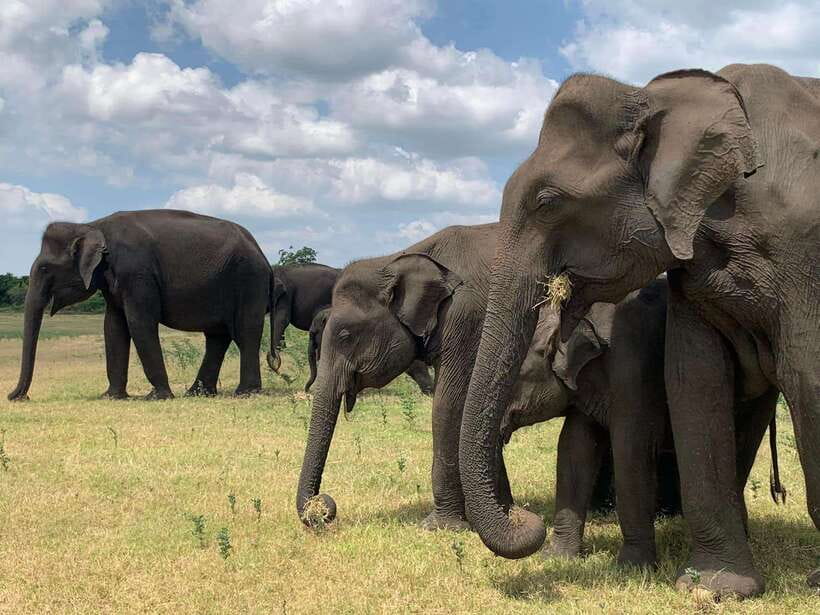
The Elephant Transit Home is one of the stops that turns this from a pure sightseeing outing into something with meaning. The tour includes a visit where orphaned and injured elephants are cared for, and then they are released back into the wild.
You’ll also see elephants being fed. Even if you’ve seen elephants before on other trips, this part tends to land differently because it’s tied to care and rehabilitation rather than just observing wild animals.
What I like about adding the Transit Home is that it answers the question you’ll naturally have during the safari drive: how do elephants end up in trouble in the first place, and what happens after? You don’t need a long lecture to get it. You just need to watch the process and listen to the basics from your guide.
It also gives you emotional balance for the day. You’re looking at wild elephants outside, then you’re seeing the human side of conservation inside the Transit Home. That mix makes the safari feel less like a one-note highlight reel and more like a story with a beginning and a next step.
Why the guide matters: Batu-level spotting and explanations
The safari experience depends heavily on the guide, and this tour is designed around that. You’ll have a live tour guide in English, and the guide is there to help you notice the smaller details—because wildlife viewing is often about what you miss.
One guide name that comes up is Batu, and what stands out is his ability to explain what’s going on in the park. That matters because Udawalawe is full of plant life, animal tracks, and movement patterns you won’t automatically interpret on your own. When the guide points out how flora and fauna connect—what certain areas suggest, what bird calls mean, why certain animals show up where they do—you start seeing the park like a system, not random sightings.
A good guide also helps manage your expectations. Elephants are the star, sure, but the real win is when you also catch:
- a deer moving through brush,
- a bird doing something interesting overhead,
- a water-area moment that turns out to be crocodiles.
The guide’s clarity is especially helpful for bird-watching, since those sightings often come as quick flashes—unless someone helps you know what to watch for.
Wildlife beyond elephants: making your 3 hours count
That 3 hours in Udawalawe is both a blessing and a reality check. It’s enough time to see more than one type of animal, but it’s still a limited window—so you should be ready for the day to feel like it’s moving.
Here’s how to make it count:
- Watch the open areas first, because large animals often use them as corridors.
- Then shift your attention to water edges for the crocodile and water buffalo chances.
- Keep an eye up for birds like eagles and herons—they don’t always announce themselves with obvious movement.
Also, don’t ignore the “in-between” sightings. Wild boars, deer, and smaller birds can be easy to overlook when elephants are the headline. But those other animals often appear when the elephant sighting ends and the jeep resets position. That rhythm is normal, and it’s part of why a guided safari works: you don’t sit there waiting for one species forever.
If you’re coming as a nature lover, you’ll probably appreciate the mix. If you’re coming mainly for elephants, don’t worry: the park is built around those encounters. You just get the bonus if you let your attention widen.


Getting good value: $72 plus the park entrance ticket
At $72 per person, this tour can be good value—especially if you’re starting from Weligama and don’t want to coordinate your own transport.
Why it’s worth looking at:
- You get complimentary pickup and drop-off from the Weligama area (and related coastal areas).
- You ride in an air-conditioned vehicle, which makes the travel portion less draining.
- You get the correct vehicle for the safari itself: a spacious 44 jeep.
- You have an English live guide who helps you spot and understand wildlife.
- You also get the Elephant Transit Home visit, which adds more than just driving around.
The main extra cost: National Park entrance tickets are not included and are about $37. So if you’re budgeting, do it as a package: $72 plus the park ticket. Still, even with that add-on, the structure tends to be convenient. You’re paying for someone to organize the route, provide guiding, and handle the transport so you can focus on the animal time.
One thing to watch: because elephants can draw multiple jeeps, your experience can be affected by the flow of vehicles in the park. That’s not a reason to skip the tour, but it’s a reason to approach your expectations with a little patience.
Who this safari suits best
This works well for:
- First-time safari visitors in Sri Lanka who want elephants without the hassle of planning transport.
- Nature lovers who like when a guide actually explains what you’re seeing, not just narrates from a distance.
- Bird-watchers, since the tour includes a bird-friendly component (eagles, herons, peacocks are all in the mix).
- Couples and small groups who want a full day but still prefer a guided structure and comfort.
If you’re traveling with limited time in the area, it’s also a strong pick because it’s designed as a single 8-hour outing, with pickup and return handled.
Practical call: should you book this from Weligama?
I’d book this if you want an organized, guide-led Udawalawe day that includes both wild-elephant viewing and a meaningful conservation stop at the Elephant Transit Home. The value is strongest when you appreciate convenience—pickup, comfortable transport, and the right safari vehicle—plus a guide who helps you actually see more than you would on your own.
I would hesitate only if you hate the idea of shared safari conditions. When elephants appear, the park can get crowded with vehicles, and you may deal with a short traffic-jam moment. If that sounds like your personal nightmare, you might find the overall experience less satisfying.
If you can handle a little waiting for wildlife, you’re in for a good day: elephants in the wild, other animals in the mix, and a conservation stop that makes the sightings feel grounded.
FAQ
FAQ
How long is the Udawalawe safari tour from Weligama?
The tour duration is 8 hours.
Do I get pickup and drop-off from Weligama?
Yes. Complimentary pickup and drop-off are included from Weligama, and pickup/drop-off coverage also includes Mirissa, Matara, Tangalle, Hiriketiya, and Dickwella.
How long do we spend in Udawalawe National Park?
The park portion includes about 3 hours for photo stop, visit, guided tour, and sightseeing.
Is the national park entrance ticket included in the price?
No. National Park entrance tickets are not included and are about $37.
What vehicle is used for the safari?
You’ll use an air-conditioned vehicle for the transfer, then ride in a comfortable 4*4 safari jeep inside the park.
Do we visit Elephant Transit Home?
Yes. The tour includes a visit to the Elephant Transit Home, where orphaned and injured elephants are cared for and released back into the wild, and you can see elephants being fed.
What animals and birds can I expect to see?
You have chances to see wild elephants plus deer, wild boars, water buffaloes, crocodiles, and birds such as eagles, herons, and peacocks.
What language is the guide?
The live tour guide is available in English.
What is the meeting time for pickup?
Please wait in the hotel lobby 10 minutes before your scheduled pickup time.