REVIEW · ELLA
Ella to Mirissa Shuttle & Udawalawe Safari Drive with Breakfast
Book on Viator →Operated by Tuktukdude Leisure · Bookable on Viator
Elephants with breakfast first? That’s the trick here. This Ella-to-south transfer adds a real Udawalawe safari detour, led by a wildlife tracker, with a homemade breakfast break before you hit the road. You’re moving between the cool highlands and the warmer southern plains, and the day is built around one of Sri Lanka’s best elephant regions.
What I like most is the combo: you get a serious wildlife safari (3.5 to 4 hours in a 4×4, off-road) plus hotel pickup and drop all in one day. Second, you’re not stuck in a rushed bus lineup—Udawalawe’s open terrain helps keep sightings feeling natural, and the tracker’s local instincts matter. On top of that, I really appreciate the small comforts like bottled water and a proper breakfast or evening snack.
One caution: the safari part seems to go smoothly most of the time, but there have been a few issues raised about the driving/routing and timing in some cases. If you’re sensitive to road stress or tight schedules, it’s worth mentally buffering for delays and being clear about luggage needs (the vehicle may vary).
In This Review
- Key points to know before you go
- Ella to Mirissa With a Wildlife Detour in Udawalawe
- The 4×4 Udawalawe Safari: Elephants, Birds, and a Real Tracker
- Breakfast Before the Wild: A Small Touch That Actually Helps
- Getting to the South Coast: Drop-Offs and Day Length
- Price and Park Fees: Is $40 Really Worth It?
- Who Should Book This (and Who Might Want Alternatives)?
- Should You Book This Ella-to-Mirissa Safari Transfer?
- FAQ
- How long is the Udawalawe safari portion?
- What time will I end up on the south coast?
- Are national park entrance fees included in the price?
- What’s included besides pickup and the safari?
- How big is the group?
- Can I get a refund if my plans change?
Key points to know before you go
- Udawalawe safari time is the main event: plan for about 3.5–4 hours in the park, not a quick stop
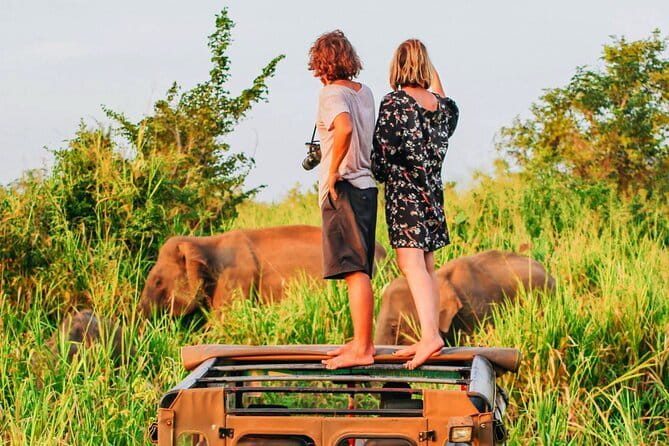
- Elephants are the headline and you’re likely to see them along with birds, deer, buffalo, and even crocodiles
- Breakfast is part of the experience, not just a snack packet
- Max group size is 12, which usually means less chaos during pickup and the safari handoff
- You pay park admission separately (roughly 9,000–11,000 LKR per person, depending on group size)
- Your day ends on the south coast with drop-offs around Mirissa, Weligama, Hiriketiya, Tangalle, and suburbs
Ella to Mirissa With a Wildlife Detour in Udawalawe
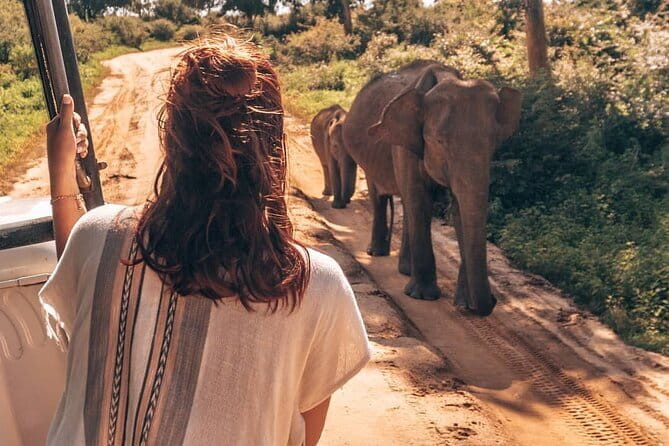
This is a smart day plan if you’re traveling between Sri Lanka’s east-meets-center hills and the south-coast beach towns. Instead of treating the transfer as dead time, you’re using that long drive to stage a classic Udawalawe wildlife outing. The result feels like two experiences packed into one workday: a long-distance journey, plus a safari that actually gets time in the park.
Udawalawe is especially photogenic and practical for wildlife because of its dry-zone mix of open grasslands, scrub forest, and big skies. In real terms, that means animals are easier to spot at distance, and the safari can slow down when the tracker sees something worth stopping for. If you’ve been hoping for elephants without turning it into a theme-park spectacle, this is the direction you want to lean.
I also like that the company frames this as a transfer built for value, with the safari treated as the purpose. That matters because a lot of “transfer with a stop” tours turn the stop into a checkbox. Here, you’re spending enough time in the 4×4 that it doesn’t feel like you’re rushing through the best part.
You can also read our reviews of more tours and experiences in Ella
The 4×4 Udawalawe Safari: Elephants, Birds, and a Real Tracker
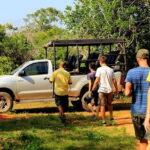
The safari portion runs about 3.5 to 4 hours in a 4×4, led by an experienced wildlife tracker. In Udawalawe, the tracker’s job is less about pointing at animals and more about reading signs—where elephants are likely to cross, where birds are active, and how to position the vehicle for good sightings. It’s the difference between seeing animals by luck and seeing them because someone knows the park.
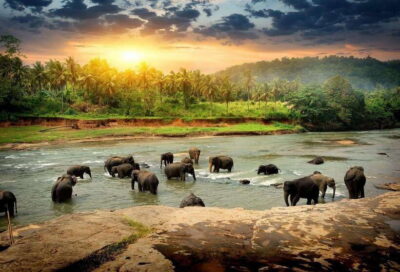
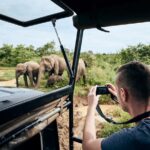
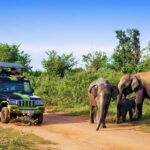
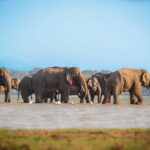
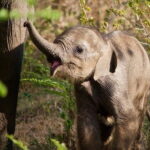
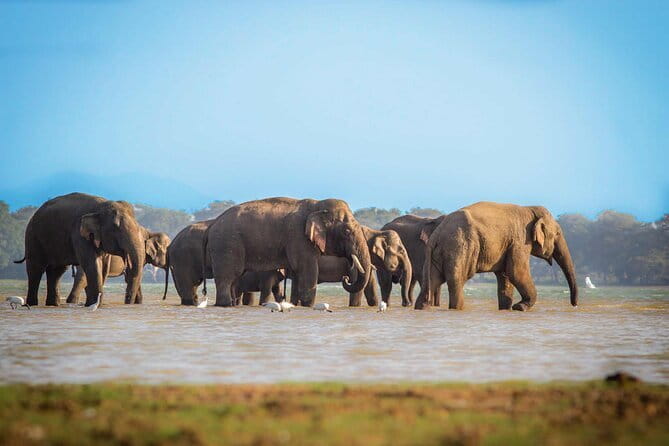
Elephants are the main draw. Some safaris have produced sightings around a dozen elephants, including smaller ones close enough to feel personal from the vehicle. You may also spot other dry-zone wildlife like buffalo and deer, plus the occasional crocodile depending on where you pass and what the day is doing. Birds show up constantly too, including peacocks and eagles in the kind of numbers that make frequent stops feel normal.
One detail I’d file away: the drive is off-road and guided, so the safari doesn’t feel like you’re stuck in a straight-line tour. Several accounts mention that the guide/tracker made the outing better by spotting wildlife and birds along the way, not just inside one single area. If you’re the sort of traveler who gets restless in “one location, done,” this tends to work better.
Possible drawback: there’s at least one serious negative note connected to the driving style and safety. Most people describe the drivers as prompt and friendly, but it’s a reminder to choose your comfort level carefully. If you’re worried about road handling, I’d plan to arrive early with a calm mindset, and don’t hesitate to request the most suitable vehicle for your group and luggage.
Breakfast Before the Wild: A Small Touch That Actually Helps
Breakfast isn’t just a line item here. You’ll get freshly made breakfast or evening snacks, plus bottled water. That’s important because safari timing can mean you start the day hungry and end it tired. A basic but real meal keeps you from turning the rest of the day into a grumpy energy drain.
In the feedback, the breakfast has been described as homemade and lovely, and in at least one case it included pancakes and banana along with water. Another account described it as small but perfect—meaning it’s not a full restaurant feast, but it does the job before the park gets busy. I also saw a mention where one group received fewer breakfast items than expected, so if you’re traveling with multiple people, I’d double-check counts when you’re handed food.
Practical tip: pack light for the safari portion even though you won’t be hiking. Bring sunglasses and sun protection, and keep anything you’ll want on the drive (phone, charger, small water reserve if you like) accessible. The breakfast helps, but you’re still in bright open scenery for long stretches.
Getting to the South Coast: Drop-Offs and Day Length
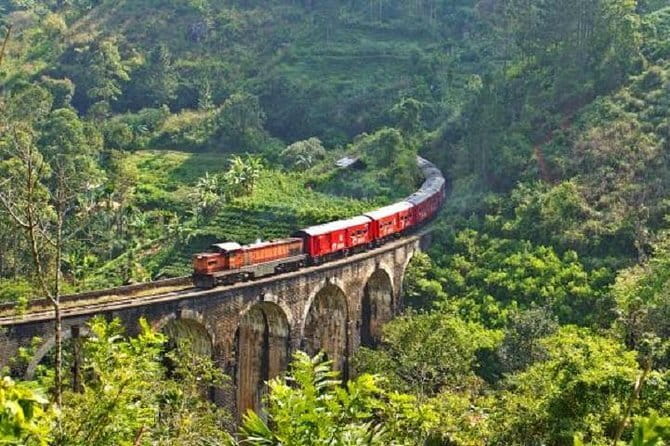
This is a transfer route, and the transfer part matters. You’re picked up in Ella and then dropped on the south coast around Mirissa, Weligama, Hiriketiya, or Tangalle, plus suburbs. That means you’re not finishing your day with a long extra taxi ride after the safari, which is where value often disappears on day tours.
The whole schedule runs about 8 hours (approx.), with the safari being the big chunk inside that time. The driving to and from Udawalawe can stretch depending on conditions. Most accounts mention smooth pickup and on-time service, including praise for drivers like Ashan and others who were described as super friendly and helpful. Still, one complaint flagged that what should have been a faster journey took much longer due to navigation issues.
What I’d do as a practical traveler: build in buffer time for the final beach portion. If you’re aiming to catch dinner reservations or a specific event, don’t schedule the most delicate thing right after arrival. Instead, treat it like an active-safari day that ends with a relaxed coast check-in.
One nice plus: there are also notes about a forgotten jacket being returned to a hotel later at no charge. That’s not the kind of thing you count on, but it signals the company takes care of lost items when they can.
Price and Park Fees: Is $40 Really Worth It?
The listed price is $40 per person, and that’s the starting point. What you’re paying for is the vehicle transfer (by car or van), the 4×4 safari time (3.5–4 hours), a tracker, bottled water, and the homemade breakfast or snacks. In other words, you’re not just buying a seat in a van—you’re paying for guided time inside the park and a day plan that strings everything together.
Then comes the important part: national park entrance fees are not included. The tour info lists roughly 9,000 to 11,000 LKR per person, depending on group size. So your true per-person cost is the $40 plus that entrance fee. It’s still a reasonable deal if you compare it to booking a safari on its own and then paying for an extra transfer separately.
This is also where the max group size of 12 matters. Smaller groups usually mean easier coordination for pickup/drop timing and less crowding during the safari handoff. Group discounts are available, too, which can make it even better if you’re traveling with friends.
My honest take: you should book this if you want an efficient day that turns travel time into wildlife time. You might skip it if you already plan to do a full Udawalawe safari on a different day and your south-coast schedule is extremely tight.
Who Should Book This (and Who Might Want Alternatives)?
This works best if you’re:
- Moving from Ella toward Mirissa or other south-coast bases and want to break up the journey with a real safari
- Hoping for elephants as the main target, with birds and other animals as welcome extras
- Comfortable with a full day that blends long driving with extended wildlife spotting
It might be less ideal if:
- You’re very schedule-sensitive and can’t tolerate timing variability
- Your luggage is unusual in size, and you need confirmation that the vehicle can handle it comfortably. One account raised concerns after repeatedly discussing large suitcases and carry-ons before the day.
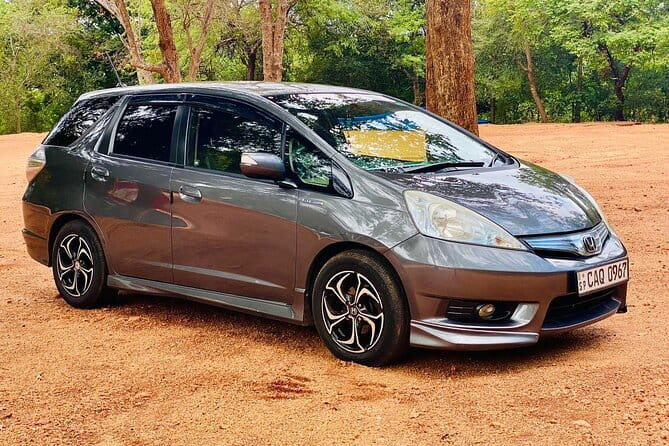
That said, most reports describe prompt pickup, a spacious car, and smooth transfer service. If you’re the kind of traveler who likes straightforward logistics (one provider, one day plan), this setup is a good fit.
Also, consider the style of safari options offered: the experience notes choices like shared, private, sunrise, or signature safari options. If you see availability for a setup that matches your comfort and photo timing goals, that can make your day feel even more tailored.
Should You Book This Ella-to-Mirissa Safari Transfer?
If your priority is an Udawalawe safari without wasting a whole separate day, I’d say yes, book it. The value is solid once you factor in the 4×4 safari time, tracker service, breakfast/snacks, and the fact that you’re already traveling to the south coast afterward. It’s a practical way to see elephants and still land in a beach area the same day.
My final advice is simple: plan for the entrance fee on arrival, keep a little timing buffer for the drive, and communicate clearly about luggage needs before the day starts. If you do those things, you’ll likely get the best version of this experience: a tracker-led safari with frequent stops, then a comfortable finish on the coast.
FAQ
How long is the Udawalawe safari portion?
It’s about 3.5 to 4 hours inside Udawalawe National Park, using a 4×4 off-road vehicle.
What time will I end up on the south coast?
The total experience is listed as about 8 hours (approx.), and you’ll be dropped in areas like Mirissa, Weligama, Hiriketiya, Tangalle, and nearby suburbs.
Are national park entrance fees included in the price?
No. National park admission is not included. The info provided lists roughly 9,000 to 11,000 LKR per person, depending on group size.
What’s included besides pickup and the safari?
Hotel pickup and drop, the 4×4 safari with an experienced tracker, freshly made breakfast or evening snacks, and bottled water are included.
How big is the group?
The experience has a maximum of 12 travelers.
Can I get a refund if my plans change?
No. The experience is non-refundable and cannot be changed for any reason.