REVIEW · POLONNARUWA DISTRICT
From Dambulla/ Sigiriya: Ancient City of Polonnaruwa by Bike
Book on GetYourGuide →Operated by Sign of Lanka (Pvt) Ltd · Bookable on GetYourGuide
Polonnaruwa feels more real on two wheels. This bike tour is built around a guided run through the key monuments, and I especially like how the guide connects what you see with the 12th-century story behind it; the main thing to watch is bike condition and basic safety, since at least one past booking reported brake/gear problems.
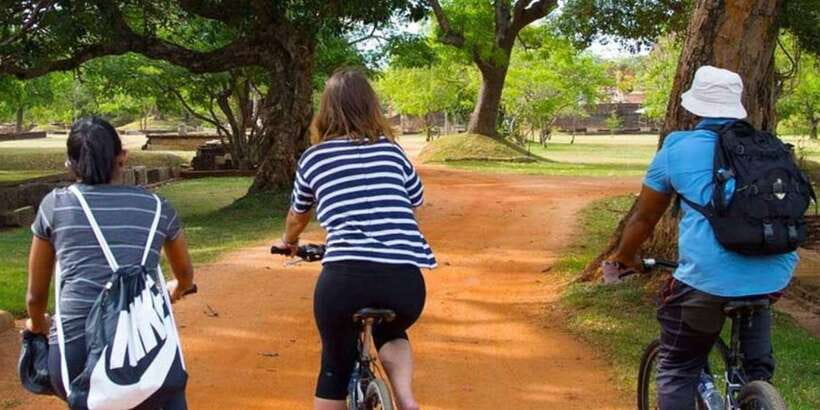
You’ll start with an air-conditioned pickup, then roll toward Polonnaruwa via a tuk-tuk-style transfer, aiming to be at the ancient city in time for a steady morning circuit. The day is paced as a roughly 3.5-hour guided ride and walking mix, covering the Royal Palace, Nissankamulla Palace, Gal Viharaya, Thuparama stupa, and more, before a return back to your hotel around 13:00.
In This Review
- Key things I’d focus on before you go
- Tuk-tuk style pickup and the ride into Polonnaruwa
- Royal Palace and Nissankamulla Palace: seeing royal power up close
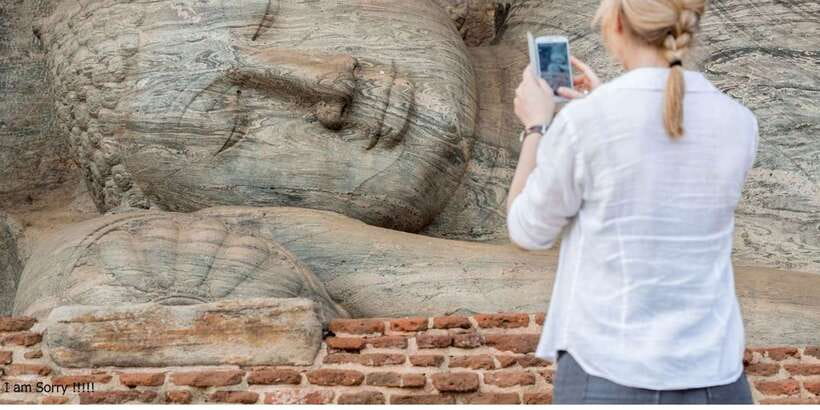
- Gal Viharaya’s rock-cut temple: where the statues do the talking
- Thuparama stupa and the Lankathilaka stupa: different ways to express faith
- Vatadage and Rankoth Vehera: architecture you can feel in your eyes
- Parakramabahu statue: closing the story with a name you can remember
- How the 3.5-hour bike loop and free time actually feels
- Bikes and safety: the one detail that can make or break the day
- Price, entrance fees, and what you’re really paying for
- Who should book this Polonnaruwa bike tour
- Practical tips for a smoother day on a mountain bike
- Should you book this tour?
- FAQ
- What time is pickup from my hotel?
- How long is the tour?
- Is the Polonnaruwa Ancient City entrance fee included?
- What monuments will we visit inside Polonnaruwa?
- Will I have a guide and what language do they speak?
- Where can I be dropped off after the tour?
Key things I’d focus on before you go
- AC vehicle + hotel pickup: Morning start from Dambulla, Kandalama, Habarana, or Sigiriya, with return to one of those areas
- Bike time with guidance: About 3.5 hours spent exploring Polonnaruwa’s main monuments on a mountain bike
- Big landmark hit list: Royal Palace, Nissankamulla Palace, Gal Viharaya, Thuparama stupa, Lankathilaka stupa, Vatadage, Rankoth Vehera, and a Parakramabahu statue
- Entrance fees are extra: Polonnaruwa Ancient City entry is not included (approx. US$ 30 per person)
- Bring a backup mindset for water and bikes: The package says refreshments and water are provided, but it’s still smart to carry your own and check bike safety at the start
Tuk-tuk style pickup and the ride into Polonnaruwa
This tour is designed for an easy, low-stress start day. You’re picked up from your hotel area at 08:00 by an air-conditioned private vehicle, then you head toward Polonnaruwa for the main experience at the site. The total time on the clock is 5 hours, and the plan targets an end back at your hotel around 13:00.
That structure matters because Polonnaruwa is a big archaeological park. If you’re relying on your own transport, you’ll spend time figuring out routes, parking, and ticketing. Here, your job is simple: show up, bike safely, and follow your guide to the places that actually anchor the history.
One practical note from real-world experience: this tour’s success depends on how the bikes are set up that day. The attraction is the monuments, but if gears don’t shift and brakes don’t bite, the day quickly goes from fun to frustrating. So treat the first few minutes on the bike like a safety check, not a formality.
You can also read our reviews of more tours and experiences in Polonnaruwa District.
Royal Palace and Nissankamulla Palace: seeing royal power up close
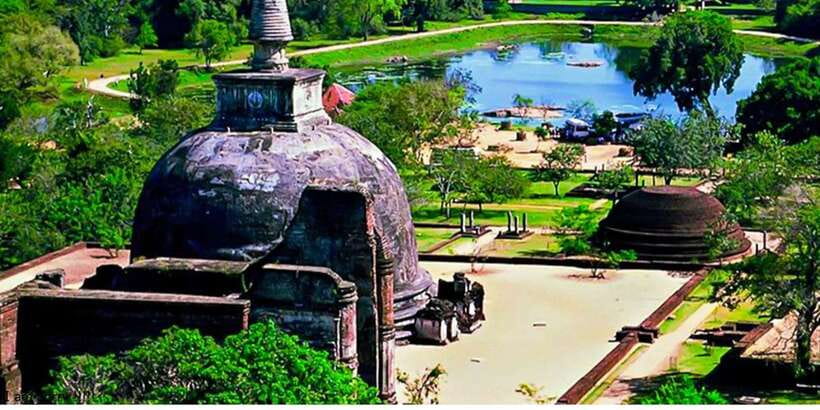
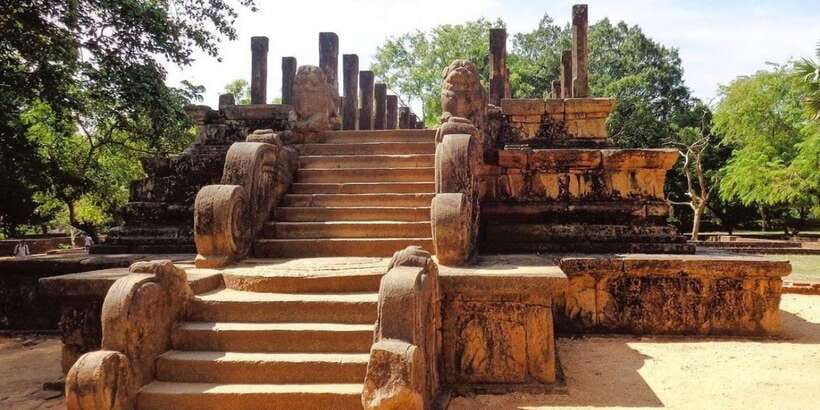
Once you’re in Polonnaruwa, you get the main monuments in a logical order. The Royal Palace stop is your first big taste of how the city functioned at its height. The point isn’t just to look at stones—it’s to understand how monarchy expressed itself through architecture. You’re guided through what you’re seeing and why it mattered in a 12th-century capital.
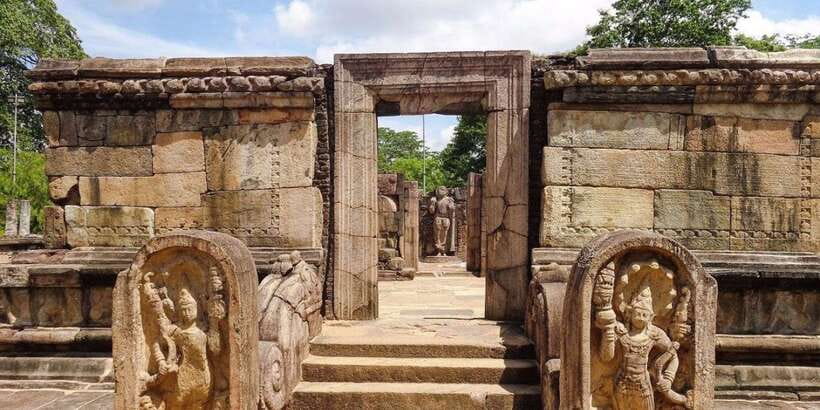
Then comes Nissankamulla Palace. This is one of the stops where a bike tour helps. When you’re cycling between ruins, the site stops feeling like a checklist and starts feeling like a connected city layout. The focus here is on the craftsmanship, including intricate carving details that reward slower looking, not just quick photos.
What I like about including both of these stops in one run is that they balance scale with detail. The Royal Palace gives you the big-picture authority of the rulers. Nissankamulla Palace pushes you to slow down and pay attention to the kind of work that couldn’t exist without skilled labor and money behind it.
Gal Viharaya’s rock-cut temple: where the statues do the talking
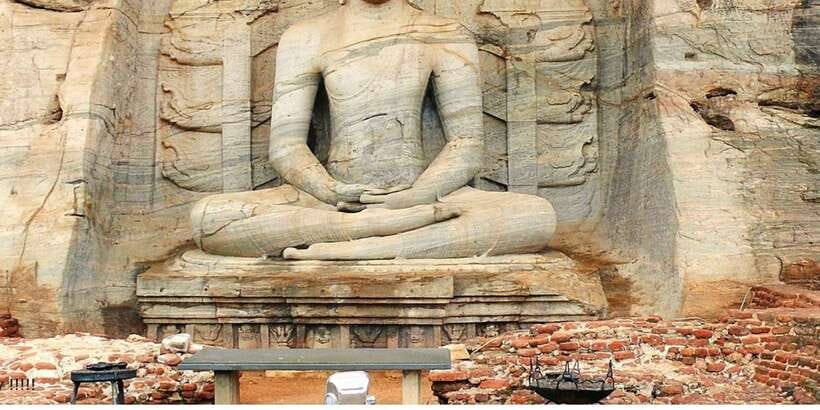
After palace zones, the tour shifts gears—literally through the route and mentally through the focus. Gal Viharaya is the marquee spiritual stop on the day: a rock-cut temple with four Buddha statues carved into the face of the rock. This is one of those places where the setting is part of the message. The stone isn’t blank; it’s shaped, framed, and positioned to pull your eyes along a religious theme.
If you care about history, take your time here. Rock-cut temples aren’t just art objects; they’re evidence of planning, artistry, and devotion. A good guide helps you see the structure as more than an old wall with figures.
Cycling also affects your experience here. You’re not just parking and walking in. You arrive having already moved through the site’s layout, so when you hit Gal Viharaya it feels like a destination, not just the next photo stop. Still, keep an eye on comfort and pacing. The tour includes time for walking and photos, but you’ll likely want your legs ready for a bit of uneven ground.
Thuparama stupa and the Lankathilaka stupa: different ways to express faith
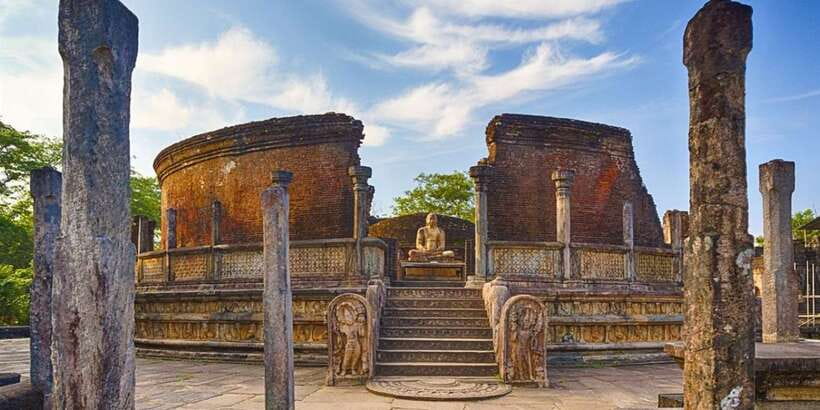
Next up is Thuparama stupa, a stop tied to spiritual significance. Stupas at historical sites can look similar from far away, but they usually tell different stories through form, proportions, and how the space is organized around them. With a guide, you’re not just ticking off another landmark—you’re learning how these structures fit into a religious landscape of the era.
Then the itinerary adds the Lankathilaka stupa, noted for a unique architectural design. This is where a bike tour earns its keep. Rather than getting stuck in one corner, you keep moving across the park in a way that matches how ruins sit relative to each other. You can connect the visual dots: palace zones, spiritual hubs, and the broader city rhythm.
One caution: stupa areas often mean slower looking and more standing. If you’re prone to tiring out, use the tour’s built-in break time and photo pauses strategically. Don’t save all your rest for the end, because the final stretch includes additional landmarks too.
Vatadage and Rankoth Vehera: architecture you can feel in your eyes
The tour doesn’t treat the smaller landmarks as filler. It includes Vatadage and Rankoth Vehera, both highlighted for their allure as part of Polonnaruwa’s famed architecture. Even if you’re not a specialist, you can usually tell when a ruin was meant to impress from every angle—curves, walls, and spatial layout that guide how you move around the space.
I like that these stops are included in the ride. If you try to do Polonnaruwa alone, it’s easy to miss the “why this matters” details. Here, you’re moving at a pace that lets the monuments build on one another: you learn palace power, then religious imagery, then structural design choices that reflect the era’s priorities.
Parakramabahu statue: closing the story with a name you can remember
Every major historical circuit needs a human anchor, and this one includes a Parakramabahu Statue. You end your landmark sweep with a clear reminder that these ruins were built under real leadership, not just random generations of construction. It’s a useful way to convert stones into a story with a name attached.
By the time you reach the statue area, you’ve usually seen enough to feel the city as a place with functions: governance, worship, craftsmanship, and public statements of identity. That final stop helps tie the route together so it doesn’t fade into a blur of monuments.
How the 3.5-hour bike loop and free time actually feels
The schedule is straightforward. You get picked up at 08:00, then spend about 3.5 hours exploring the World Heritage site area. The day blends guided touring, free time, photo stops, and walking, then you’re back at your hotel by 13:00.
Here’s what that means for your experience. You won’t have hours and hours to wander off on your own. This is a “see the big story, move between highlights, then finish” format. If you love slow museum-style pacing, you might feel a little rushed at the busiest monuments. If you like guided context and a defined route, it’s a strong match.
Also, plan your expectations around heat and sun. Polonnaruwa can be warm. The tour includes complimentary refreshments and water according to the package details, but one past booking still reported a lack of water being offered. So don’t assume you’ll always get a refill at every pause. Bring a small personal water bottle when you can.
Bikes and safety: the one detail that can make or break the day
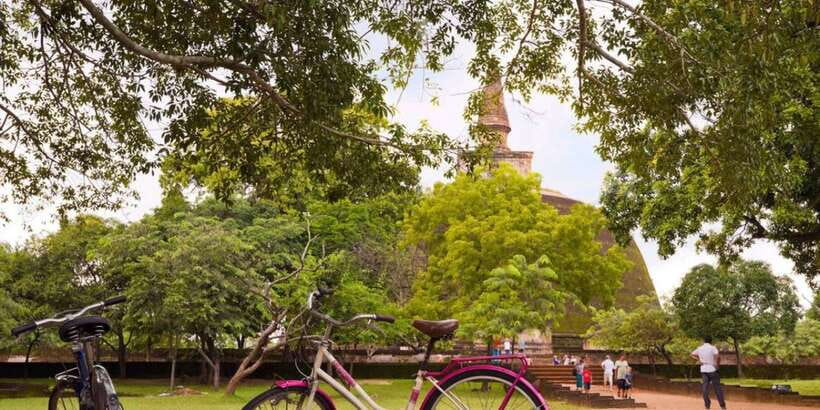
The tour includes mountain bike charges and a cycling guide, and it’s framed as a route that’s not difficult or long for many visitors. That said, the quality of your ride matters a lot more than most people expect, because you’re stopping and starting near uneven ground and historical steps.
Here’s the smart move: before you roll out, do a quick check that the bike is genuinely rideable. Test the brakes, run through the gears, and look at the tyres for normal wear. One earlier booking described poorly maintained bikes with brake and gear issues, including a tyre burst on the return that forced walking until a rescue taxi arrived. That’s the kind of problem you want to prevent, not ride through.
If anything feels off, say something immediately. The tour is private-group style, so there’s more flexibility to adjust on the spot than in a crowded group format.
Price, entrance fees, and what you’re really paying for
The listed price is US$ 95 per person for the full 5-hour experience. What you’re getting at that rate is not just a bicycle and a map. The package includes:
- Hotel-to-site transportation and return in an air-conditioned luxury private vehicle
- Mountain bike charges
- A cycling guide in English
- Parking fees and covered driver/fuel costs
- Complimentary refreshments and water (as stated in the package)
- Government taxes included
Then comes the big “watch the math” item: entrance fees to the Ancient City of Polonnaruwa are not included, estimated at about US$ 30 per person. If you’re budgeting, add that into your total so you’re not surprised at the gate.
Is it good value? For me, it’s value-positive if you want the guided context and smoother logistics of getting from your hotel to the right monuments without coordinating transport yourself. It can feel overpriced if the bikes are in rough shape or if water and basic care aren’t consistent day to day. The tour’s overall rating is 4.1 based on 3 reviews, which hints at generally strong experiences with a real need for day-of equipment checks.
Who should book this Polonnaruwa bike tour
This is a great fit if you want a structured, monument-focused Polonnaruwa visit with guidance in English and you enjoy cycling between stops rather than doing everything on foot. It’s also ideal if you’re staying around Dambulla, Kandalama, Habarana, or Sigiriya and want pickup handled for you.
It’s less ideal if you’re highly bike-sensitive—meaning you get stressed by mechanical issues, or you can’t comfortably manage a day that depends on the ride equipment working well. If you fall into that category, do the safety check I described, and carry your own water just in case.
Practical tips for a smoother day on a mountain bike
A few small things will help you enjoy the day rather than fight the details. The tour asks you to bring a charged smartphone and passport or ID card. Polonnaruwa visits often mean lots of photo stops and lots of time outdoors, so a reliable phone battery is genuinely useful.
I’d also suggest you dress for warm sun and expect some walking. This tour mixes bike time with walking breaks and photo stops, and the ground around ruins can be uneven. Wear shoes you trust, and consider taking a moment during the break time to reset—water, sunscreen, and a quick gear/brake re-check if your bike needs attention.
Finally, because you’re cycling through a major archaeological site, keep your pace steady. The most enjoyable part of Polonnaruwa isn’t speed. It’s noticing the carvings at Nissankamulla Palace, the carved figures at Gal Viharaya, and the way stupas like Thuparama and Lankathilaka guide your attention.
Should you book this tour?
Book it if you want a guided, efficient Polonnaruwa highlight circuit that combines palace architecture and spiritual monuments in a single morning. The strongest selling points are the guide-led understanding and the convenience of pickup + private transport with about 3.5 hours to explore the World Heritage site on a bike.
Don’t book blindly if bike condition is a deal-breaker for you. Use the first few minutes to check brakes, gears, and tyres. Also, because water service wasn’t consistent in at least one prior experience, bring your own bottle.
If you get a well-maintained bike and a good day with your guide, this is a solid way to see Polonnaruwa without feeling stuck in traffic, parking hassles, or a too-long self-guided search.
FAQ
What time is pickup from my hotel?
Pickup starts at 08:00 from hotels in Dambulla, Sigiriya, Habarana, and Kandalama.
How long is the tour?
The duration is 5 hours total, with about 3.5 hours spent exploring Polonnaruwa (by bike plus guided walking/photo stops).
Is the Polonnaruwa Ancient City entrance fee included?
No. Entrance fees are not included and are estimated at around US$ 30 per person.
What monuments will we visit inside Polonnaruwa?
The tour includes Royal Palace, Nissankamulla Palace, Gal Viharaya, Thuparama stupa, Lankathilaka stupa, Vatadage, Rankoth Vehera, and a Parakramabahu Statue.
Will I have a guide and what language do they speak?
Yes. You get a live cycling guide in English.
Where can I be dropped off after the tour?
Drop-off is available in Habarana, Dambulla, Kandalama, and Sigiriya.