REVIEW · COLOMBO
Galle Day Tour From Colombo
Book on Viator →Operated by Brave Lanka Tours · Bookable on Viator
Sri Lanka’s southwest coast can feel like a highlight reel, and this private Galle day tour is built to match that pace. You leave Colombo early with pickup, then you spend the day moving between wildlife, culture, craft stops, and coastal towns.
Two things I really like: the Madu River safari gives you a real wildlife-and-nature outing (not just a scenic drive), and the walk around Galle Dutch Fort connects the day to centuries of European trade history. It’s also packed in a way that still feels like separate chapters, not one long checklist.
One possible drawback to think about: it’s a 12-hour day, and lunch is not included. If you need a proper sit-down meal planned into your schedule, you’ll want to bring snacks or plan where you’ll eat on your own.
In This Review
- Key things to know before you go
- A 7:00 am private coast run from Colombo
- Kalutara Bodhiya and Kande Viharaya: start with sacred shade
- Bentota beach break and Hikkaduwa surf town: short stops that still matter
- Ahungalla Sea Turtles: conservation center with real nesting context
- Madu River mangrove safari: wildlife-spotting on the water
- Ariyapala masks and moonstone mines: crafts with a working connection
- Tsunami memory and Galle Fort walls: history you can walk
- Why the guide experience matters on this kind of day
- Who this tour fits best
- Should you book the Galle Day Tour From Colombo?
- FAQ
- What time does the Galle day tour from Colombo start?
- How long is the tour?
- Is pickup included?
- Is lunch included in the price?
- What ticket types do I get?
- Are admissions and taxes included?
- Which major stops are on the route?
- Do I need to pay for entry to Galle Fort?
- Is this tour private?
Key things to know before you go
- Private day trip from Colombo with pickup and a focused route along the southwest coast
- Mangroves on the Madu River with chances to spot crocodiles, monitor lizards, tree snakes, cormorants, and other birds
- Ahungalla Sea Turtles Conservation & Research Center for real conservation learning and turtle viewing
- Galle Dutch Fort with Portuguese-era beginnings in 1588 and later Dutch fortification from 1649
- Community Tsunami Museum to understand the 2004 tsunami’s local impact and memory-keeping
- Hands-on cultural stops like Amblangoda’s mask and puppet tradition plus moonstone mining sites
A 7:00 am private coast run from Colombo
This tour starts at 7:00 am, and it’s designed as a full-day loop along Sri Lanka’s southwest. With an approximate 12-hour duration and private format, you’re not waiting around for a bus full of strangers. It’s also specifically set up for you to be picked up (pickup is offered), which is a big deal in Colombo where “meeting at a random landmark” can quietly eat your morning.
The price is $113 per person, and that’s what makes the math interesting. You’re not just paying for transport. All fees and taxes are included, and several admissions are built into the route (temples, the turtle center, and the tsunami museum). That means you’re less likely to hit surprise entry charges later in the day.
The one thing you should plan around is lunch. It’s not included, so if you tend to get grumpy when meals get skipped, budget time and money for a stop of your own during the beach segments or on the way between towns.
Finally, you get a mobile ticket, which keeps things simple. If you’re the type who likes showing up with everything ready, you’ll appreciate that.
You can also read our reviews of more tours and experiences in Colombo.
Kalutara Bodhiya and Kande Viharaya: start with sacred shade
The day begins with two religious heritage stops that are short on paper but meaningful in feel.
Kalutara Bodhiya is a Bodhi tree site in Kaluthara. It’s said to be one of the 32 saplings from the famous Jaya Sri Maha Bodhi in Anuradhapura. Even if you’re not a Buddhism-history nerd, this connection matters. It’s the kind of detail that turns a quick photo stop into a moment of understanding how Sri Lanka’s sacred traditions travel and multiply across the island.
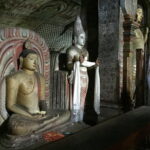
Next is Kande Viharaya Temple, described as a major Buddhist temple in Kalutara. It’s formally recognized by the government as an archaeological site. That recognition changes the vibe: you’re not just looking at a temple. You’re visiting a protected heritage place.
Time-wise, you’ll spend about 45 minutes at the Bodhi tree and 1 hour at Kande Viharaya. Dress modestly for temples, and consider wearing something comfortable enough for walking on uneven ground. This is the part of the day where you’ll want your energy.
Bentota beach break and Hikkaduwa surf town: short stops that still matter
The tour uses the coast in a smart way: it gives you brief windows in Bentota and Hikkaduwa rather than trying to turn the day into a “lie on the beach” vacation.
You’ll stop in Bentota for about 1 hour. Bentota is a resort town on the southwest coast, with a long beach stretching north and becoming a sandy strip near what’s called Paradise Island. The practical value here is perspective. After morning temples, a beach town reset helps you breathe and re-focus before the wildlife and museums.
Later, you’ll get another 1 hour in Hikkaduwa, a seaside resort town known for strong surf and beaches. You’ll likely find the town is lined with places to eat and drink, which can help solve your lunch problem since lunch isn’t included.
Because both stops are free-admission and short, don’t expect a deep dive into either town. Think of them as getting your bearings on the coast, grabbing a snack, stretching your legs, and enjoying the atmosphere for a bit.
Ahungalla Sea Turtles: conservation center with real nesting context
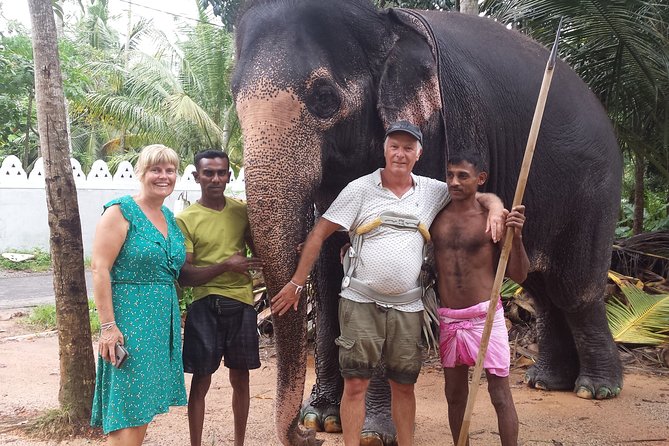
Stop 4 is Ahungalla Sea Turtles Conservation & Research Center, and this is one of the more purposeful elements of the day.
The key detail is that five out of the seven species of sea turtle nest in Sri Lanka. That makes Sri Lanka a meaningful place for turtle watching, and this center ties that fact to what you can actually learn and observe.
You’ll have about 1 hour here, with admission included. In a day packed with multiple kinds of stops, this one feels different because it’s not just sightseeing. It’s about conservation and research, which usually means you’ll come away with context—what the animals need, why protection matters, and how nesting activity works.
If you care about wildlife beyond the “cool photo,” you’ll appreciate this timing mid-day. It’s not at the very start when you’re still collecting yourself, and it’s not late enough that you’re running on fumes.
Madu River mangrove safari: wildlife-spotting on the water
When the itinerary reaches Madu River Safari by Buddhi, it shifts from towns and buildings to a living ecosystem.
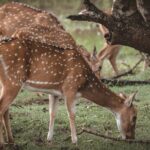
This portion runs about 2 hours and is focused on a boat trip through mangrove marshes on the Madu River. The chance of seeing wildlife is explicitly part of the experience: crocodiles, water monitor lizards, tree snakes, cormorants, and other birds.
A mangrove safari like this is valuable because it’s not “out in nature” in a vague way. You’re moving through the actual habitat, and the route depends on the river environment. Even if you don’t see every animal on the list, you’re still getting an up-close view of how coastal Sri Lanka functions as a system.
Practical tip: for any long boat segment, you’ll want to keep sunscreen and water in mind. The sun can be strong, and you’ll be out longer than you think.
Also, because this is one of the heavier “nature” stretches, it helps to treat it as your anchor moment of the day. If the schedule feels busy afterward, just remember: you already got the standout wildlife time.

Ariyapala masks and moonstone mines: crafts with a working connection
After the river, the tour heads into two culture-and-craft stops that are short but memorable.
First is Ariyapala Mask Museum in Amblangoda. Amblangoda is famous for masks and puppets, and this stop is a chance to see the creative side of Sri Lanka’s coastal culture. You’ll have about 45 minutes here, with admission free.
Then comes Moonstone Mines and Gem Palace in Meetoyagoda. This is where the day gets a little hands-on in theme. Moonstones are described as having a blue shine, and the stop points to why Sri Lanka is known for moonstone mining. You’ll spend about 1 hour at this stop, also with admission free.
What I like about pairing these two stops is contrast. Masks and puppets connect to performance, festivals, and storytelling. Moonstone connects to trade, craftsmanship, and the geology-and-mining side of the country. Together, they make the day feel less touristy and more like you’re seeing how people create meaning and value locally.
Tsunami memory and Galle Fort walls: history you can walk
The late part of the day packs two major “place-based meaning” stops: the tsunami museum and the fort.
The Community Tsunami Museum is stop 8, with about 1 hour and admission included. Its purpose is educational: it’s aimed at teaching communities about the 2004 tsunami and preserving memories. This is the kind of stop that changes the tone of the entire day, because it asks you to remember what happened, not just what’s scenic now.
Right after that emotional pivot, you’ll visit Galle Dutch Fort in the Bay of Galle. You’ll have about 2 hours, with admission free. The fort’s timeline is part of what makes it fascinating: it was built first by the Portuguese in 1588, and it was extensively fortified by the Dutch from 1649 onward.
Walking in a fort like this gives you something the rest of the day can’t: a long view across time. You see walls, gates, and the shape of the settlement, and it helps connect Sri Lanka’s southwest coast to centuries of maritime routes and cultural exchange.
If you’re tired at this point, that’s normal. But this is also where you’ll likely feel rewarded, because the fort walk gives you space to slow down and absorb.
Why the guide experience matters on this kind of day
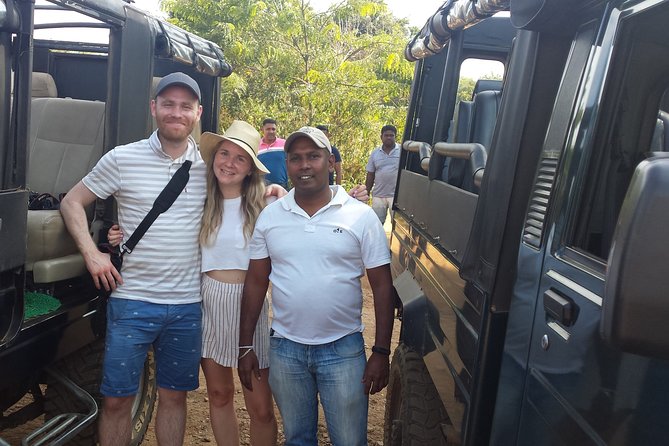
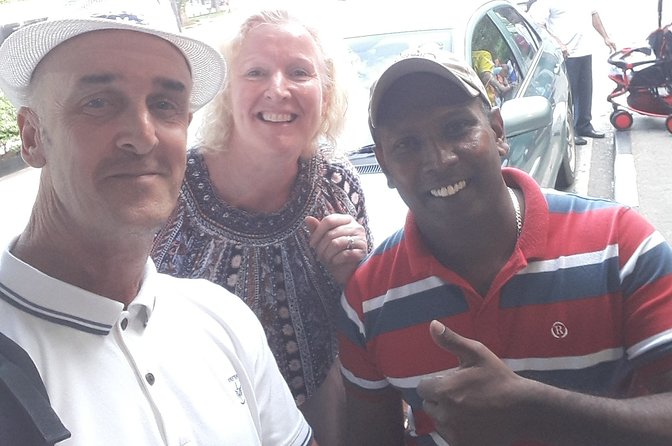
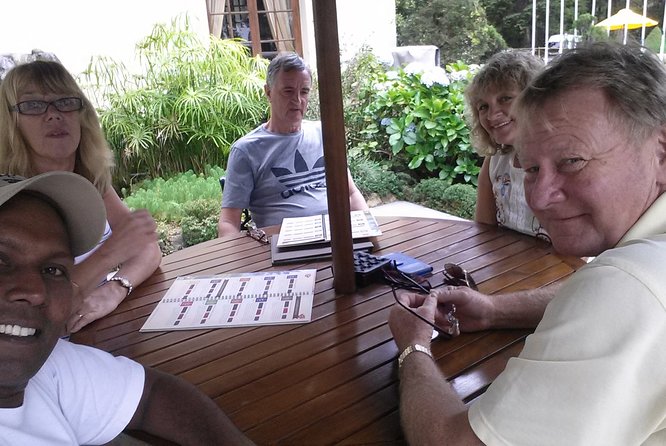
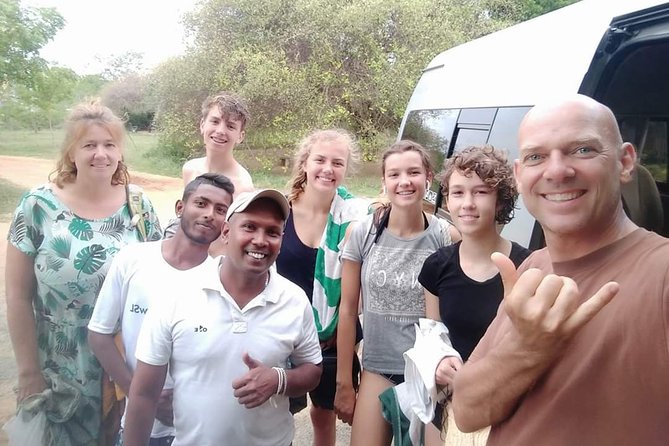
A day trip like this only works if someone is managing the flow. The service reputation tied to Brave Lanka Tours often highlights guides who are helpful, keep things safe and calm, and answer questions without rushing you.
Names that show up in the service stories include Sajith, Sachin (DJ), Dinesh, and Krishan. The common theme across these mentions is support: drivers and guides who make you feel comfortable, who explain what you’re seeing, and who are flexible when plans need adjusting due to unexpected conditions.
You’ll still do the same stops, but a good guide makes the difference between staring at a sign and understanding what matters. It’s also a practical benefit in a long day: when timing changes, you want someone who can keep your route workable.
Who this tour fits best
This is a good match if you want a single day that combines:
- Wildlife time (the Madu River safari)
- A conservation stop (Ahungalla turtles)
- Coastal culture and learning (mask museum, moonstone stop)
- Significant historic context (Community Tsunami Museum, Galle Fort)
It’s also worth considering if you like private travel. Private format means the pace can be adjusted to your comfort level, and you’re less likely to feel rushed through temples, museums, and fort walls.
If you’re the type who hates long, car-based days, you might find the 7:00 am start and 12-hour duration demanding. In that case, you could look at shorter Colombo-area options. But if you want the southwest coast highlights in one shot, this route does the job.
Should you book the Galle Day Tour From Colombo?
I’d book it if you want a well-rounded southwest-coast day that mixes wildlife, conservation, history, and crafts without making you guess what’s included. The value is strongest because many admissions are included, and the route includes a true nature boat segment plus a major historic walk at Galle Fort.
I wouldn’t book it if you need a slow itinerary, and I’d skip it if lunch planning is a deal-breaker for you. Since lunch isn’t included, you’ll need to handle food on your own during the free-time beach stops or by bringing snacks.
If you do book, go into it with the right mindset: this is a day of chapters. One hour here. Two hours there. When you treat it like a curated route through Sri Lanka’s southwest rather than a relaxing beach day, you’ll get the most out of it.
FAQ
What time does the Galle day tour from Colombo start?
The start time is 7:00 am.
How long is the tour?
The duration is about 12 hours.
Is pickup included?
Yes, pickup is offered.
Is lunch included in the price?
No, lunch is not included.
What ticket types do I get?
You receive a mobile ticket.
Are admissions and taxes included?
Yes, all fees and taxes are included, and several stops specifically list admission tickets as included.
Which major stops are on the route?
You’ll visit Kalutara Bodhiya, Kande Viharaya Temple, Bentota, Ahungalla Sea Turtles Conservation & Research Center, Madu River Safari, Ariyapala Mask Museum, Moonstone Mines and Gem Palace, Community Tsunami Museum, Hikkaduwa, and Galle Dutch Fort.
Do I need to pay for entry to Galle Fort?
Entry to Galle Dutch Fort is listed as free within the tour.
Is this tour private?
Yes. It’s a private tour/activity, meaning only your group participates.