REVIEW · KANDY
Kandy to Sigiriya Private Tour by Tuk Tuk with All Fees
Book on GetYourGuide →Operated by Lanka Happy Tour · Bookable on GetYourGuide
Tuk-tuk pace makes Sri Lanka feel close. This 10-hour ride links Kandy with UNESCO Dambulla and the Sigiriya Rock Fortress, plus cultural stops like the Matale Hindu Temple and a spice garden. I like that you get multiple big-name sites without spending your whole day stuck on a bus, and I also like how the day mixes culture with nature via Minneriya and a village safari. One thing to consider: entrance fees for the cave temple and the rock climbs are extra, so you should budget cash.
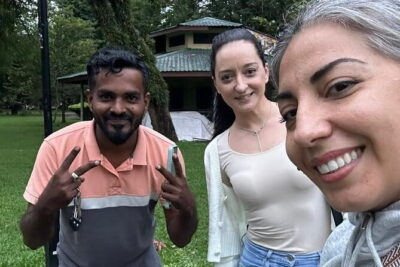
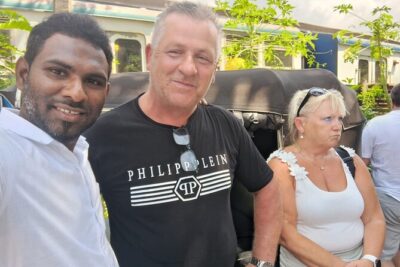
What really makes it work is the small group feel and the driver doing double duty as your guide. You’re traveling with an English-speaking driver, limited to just 2 participants, which means you can ask questions and tweak the rhythm. A guide like Nanditha comes up in feedback for being kind and helpful, and another driver is praised for staying calm and safe even when moving fast.
In This Review
- Key things you’ll care about most
- A 10-hour Kandy to Sigiriya plan that starts early
- Matale Hindu Temple: Mariamman details you’ll actually notice
- Herbal cinnamon and spice garden: a sensory stop that pays off
- Dambulla Cave Temple: Buddhist art from 2,000 years back
- Minneriya National Park wildlife safari: elephants are the headline
- Village safari near Hiriwadunna: cart, catamaran, and a meal
- Sigiriya Rock Fortress vs Pidurangala Rock: pick your climb style
- Sigiriya Rock Fortress (Lion Rock)
- Pidurangala Rock
- Which should you choose?
- Price and value: what’s really included for $105
- Tips that make the day smoother (and cheaper)
- Who this tuk-tuk tour fits best
- Should you book this Kandy to Sigiriya tuk-tuk day?
- FAQ
- How long is the Kandy to Sigiriya private tuk-tuk tour?
- What’s included, and what entrance fees cost extra?
- Do I have to choose between Sigiriya Rock and Pidurangala Rock?
- Is the wildlife safari included for Minneriya National Park?
- What does the village safari include?
- What should I wear for temples and caves?
- Can I bring luggage or large bags?
- Is there free cancellation?
Key things you’ll care about most
- UNESCO, in a practical order: Matale Hindu Temple, Dambulla Cave Temple, then Sigiriya-area views
- Choice of climbs: Sigiriya Rock Fortress or Pidurangala Rock for a quieter but still epic panorama
- Wildlife option with Minneriya elephants: especially good for elephant sightings in the dry season
- Village safari you can feel in your legs and senses: bullock cart, catamaran boat ride, cooking and crafts, village meal
- Spice garden stop that’s more than shopping: cinnamon and other herbs with real smells you’ll remember
A 10-hour Kandy to Sigiriya plan that starts early
This tour is built as a full-day circuit: Kandy pickup, then onward toward Sigiriya with a steady sequence of stops. It runs about 10 hours, and you’ll want to start with a solid breakfast because there’s no food included. The timing matters. When you miss the early momentum, the day can feel rushed—when you nail it, you get good light for photos and less stress at each ticket line.
Travel is by tuk-tuk, which is a nice match for this route. You’re in smaller, more flexible transport than you’d get on a big van, and that can make cultural stops feel less like checklists. The flip side is the same thing: it’s a busy day, so you’ll be glad you packed light and kept your plans simple.
This also isn’t a “carry everything” tour. You’re not allowed luggage or large bags, so plan for daypack only. And if you’re dealing with mobility or stamina limits, note there’s climbing involved for both rock options.
You can also read our reviews of more private tours in Kandy
Matale Hindu Temple: Mariamman details you’ll actually notice
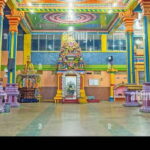
The day begins with the Matale Hindu Temple, a colorful, intricately designed place tied to Sri Lanka’s Tamil heritage. You’ll see the kind of Hindu temple architecture that can look like “just decorations” if you skim, but this stop is worth slowing down for.
A couple things to look for:
- Mariamman focus: the temple is dedicated to this goddess, which shapes the stories and symbolism you’ll see around you
- Ornate entrance towers (gopurams): these towering elements are a big part of the feel of the building
- Vibrant sculptures and artwork: you’ll notice figures and scenes that depict Hindu deities and stories
Your guide’s job is to keep it understandable, not just scenic. Even if you don’t read every detail, you’ll come away with a better sense of how Sri Lanka’s cultures fit together.
Practical note: temples mean shoe rules and clothing rules. You should remove shoes and hats, and keep shoulders and knees covered.
Herbal cinnamon and spice garden: a sensory stop that pays off
Between major monuments, you’ll stop at a Herbal Cinnamon and Spice Garden. This is one of those moments that can become a quick photo break, or it can become one of the most memorable parts of the day—depending on how you approach it.
I like spice gardens on tours like this because they connect geography to taste. Sri Lanka is known for spices, but a garden visit gives you the smells and the plants you can point to. You’ll likely have the chance to learn how these aromas relate to cooking and everyday life, not just packaged products.
Bring a little pocket money if you want to take something home. In feedback, people specifically mention wanting extra cash for things like tea, natural creams, and even gems, so plan for small buys.
Dambulla Cave Temple: Buddhist art from 2,000 years back
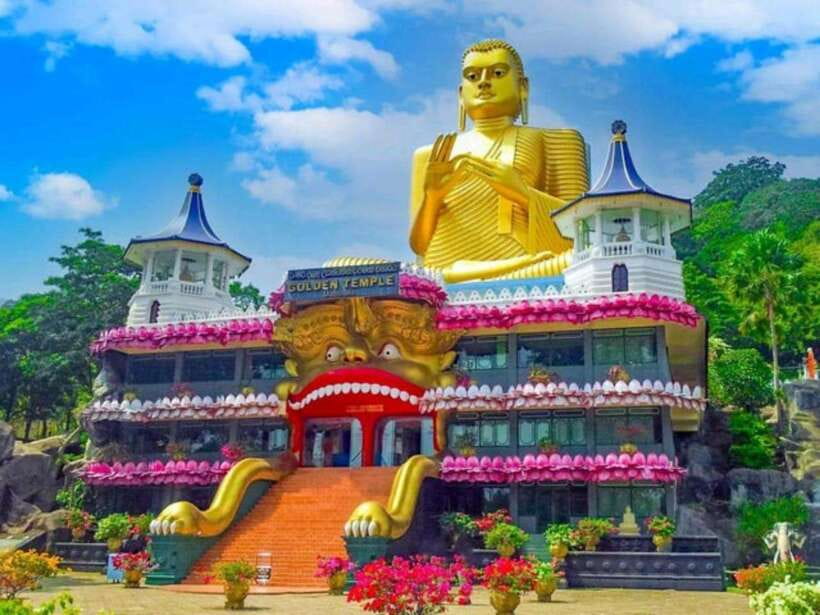
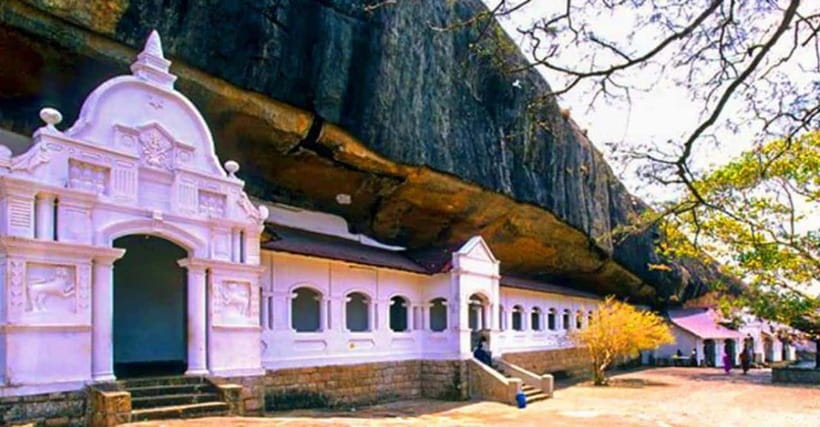
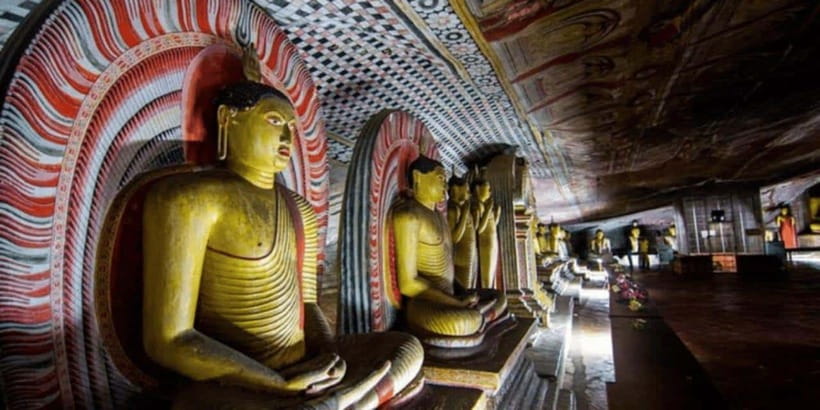
Next up is the Dambulla Cave Temple, one of Sri Lanka’s UNESCO World Heritage Sites and a major Buddhist pilgrimage destination. The temple complex sits on a hilltop and includes five caves decorated with more than 150 Buddha statues plus wall and ceiling frescoes.
What makes Dambulla special isn’t just that it’s old. It’s that the caves create a layered experience:
- You move from cave to cave and the visuals shift
- You see statue after statue, which makes the scale feel real
- The frescoes give you scenes that stretch across generations
Also, expect open views from higher points on the site. Even if you’re not a “views person,” it helps you understand how the caves sit in the wider terrain.
Ticket cost is extra, so don’t get surprised. The entry to Dambulla Cave Temple is listed as $6 outside the included items.
Minneriya National Park wildlife safari: elephants are the headline
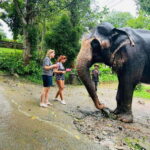
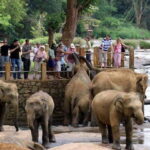
If you choose the wildlife stop on the way, it’s a visit to Minneriya National Park. This area is famous for large elephant gatherings, especially during the dry season. So if your trip overlaps the drier months, your odds improve for seeing those famous groups.
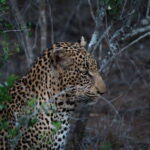
And elephants aren’t the only possibility. The wildlife safari can also include sightings of deer, peacocks, and even leopards, plus a variety of birds. Real talk: you’re in a park, not a zoo. Wildlife depends on timing and conditions, but this is one of the best-known places in Sri Lanka for the “big group” elephant experience.
A good strategy: keep your expectations flexible. If you don’t get every animal you hoped for, you’ll still likely get rewarding moments—track sightings, birds, and the overall park atmosphere.
Village safari near Hiriwadunna: cart, catamaran, and a meal
The village safari is where this tour feels most like local life instead of sightseeing. You’ll head to Hiriwadunna or nearby villages and join a format that mixes movement with hands-on cultural stops.
Here’s what’s included:
- Bullock cart ride
- Catamaran boat ride on a serene lake
- Visits to local homes to learn about traditional cooking and crafts
- A freshly prepared village-style meal
- Time to interact with friendly locals and ask questions
Why I like this part: it’s not only about watching. The cooking and crafts component gives you a way to connect the culture to daily routine. The catamaran ride also breaks up the day physically, which matters because you’ll already have temples and rock steps in your legs.
If you’re someone who enjoys learning how things are made—food, tools, everyday practices—this safari is a strong anchor for the day. It’s also a nice counterbalance to the wildlife portion: fewer animals, more people and routines.
Sigiriya Rock Fortress vs Pidurangala Rock: pick your climb style
Your big finish is the Sigiriya-area rock experience. You get a choice: climb the Sigiriya Rock Fortress or go for Pidurangala Rock.
Sigiriya Rock Fortress (Lion Rock)
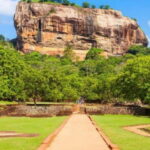
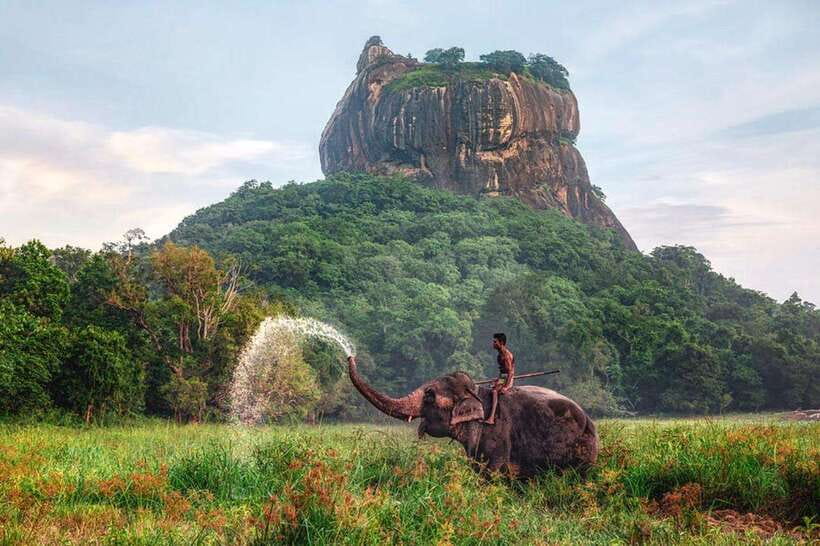
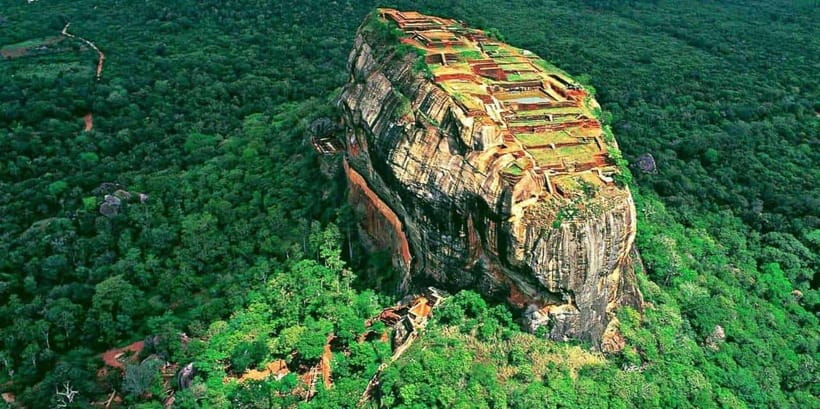
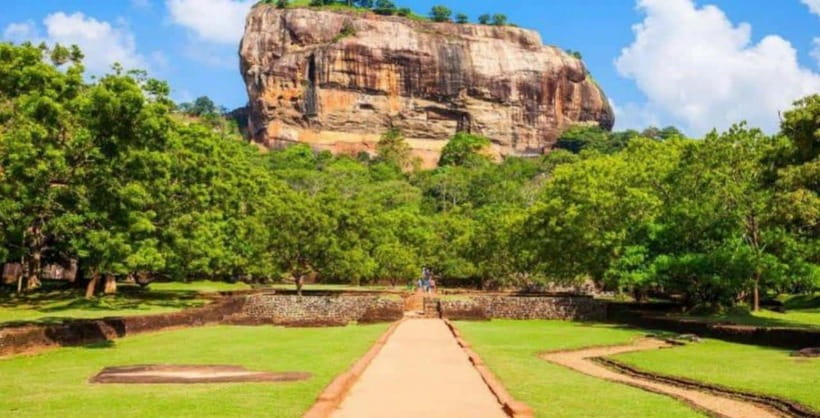
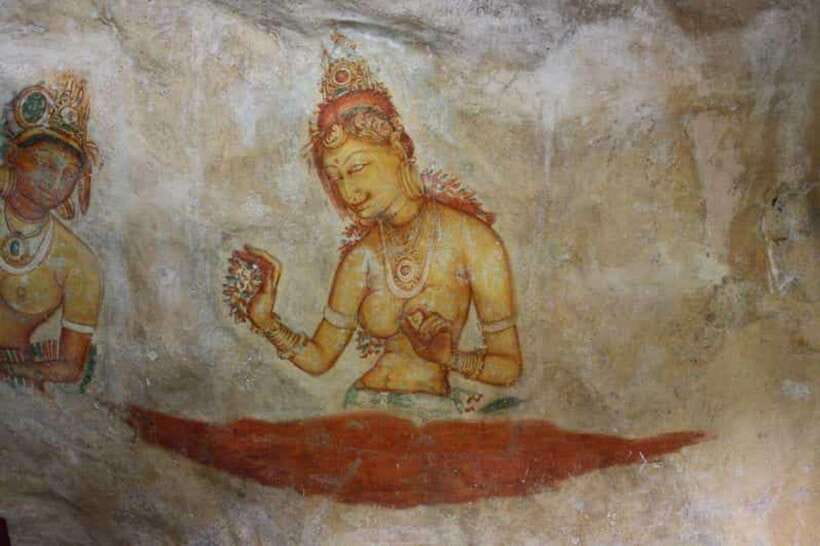
Sigiriya is a UNESCO World Heritage Site, and the rock rises nearly 200 meters above the surrounding plains. The climb to the top is where the story lives.
Along the way you’ll pass:
- Frescoes
- The Mirror Wall
- Lion’s Gate
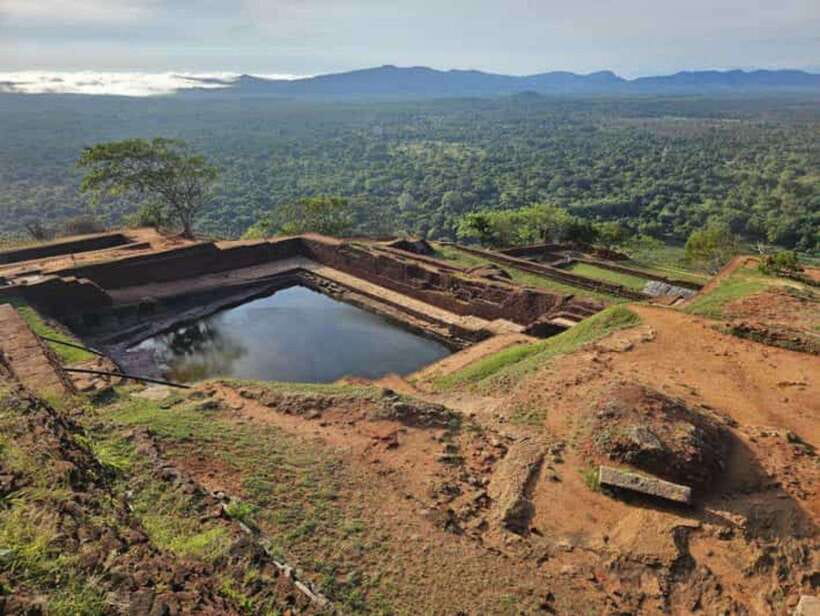
At the summit, you reach the ruins of King Kashyapa’s palace and then get 360-degree views over the greenery below. This is the kind of view you don’t just photograph—you pause and take it in, because it puts the size of the place into perspective.
Ticket and entrance notes: Sigiriya Lion Rock is listed as $37, and it says it’s not guided (not allowed). Translation: you may have to do the Lion Rock climb more independently once you’re on-site, so plan to follow the rules and pace yourself.
Pidurangala Rock
Pidurangala is often described as a quieter alternative, and that matches the setup here. The climb is slightly more challenging, but the summit rewards you with panoramic views and a great vantage point for seeing Sigiriya Rock itself from another angle.
On Pidurangala you also find:
- A reclining Buddha statue
- Remnants of an ancient monastery
If you like the idea of fewer crowds and more climbing effort for a great payoff, Pidurangala can be the smarter choice. If you want the most famous name and the classic route, go with Sigiriya.
Which should you choose?
If this is your first time in the area and you want the headline monument, choose Sigiriya Rock Fortress. If you value a more rugged workout and a strong angle on the main rock from a different perspective, choose Pidurangala.
Either way, note you’ll be dealing with stairs and uneven surfaces. Wear shoes you trust.
Price and value: what’s really included for $105
The listed price is $105 per person for a day that includes pickup/drop-off, a driver as guide, tuk-tuk transportation, and visits to:
- Matale Hindu Temple
- Dambulla Cave Temple exploration
- Herbal Cinnamon and Spice Garden tour
- Sigiriya Village Safari
- Wildlife Safari
- Choice of climbing Sigiriya or Pidurangala Rock
But a few key costs are not included as packaged tickets:
- Sigiriya Lion Rock: $37 (not guided/not allowed)
- Pidurangala Rock: $3
- Dambulla Cave Temple: $6
- Matale Hindu Temple: $2
- Food and drinks
So is it good value? For me, it’s solid because you’re paying for a full guided circuit with transport and the village and wildlife components—both of which are harder to stitch together on your own without local contacts.
What could affect value for you: if you end up spending money on extra purchases (tea, natural creams, gems) and meals, your total day cost rises. Also, if you choose Sigiriya Lion Rock, that $37 entrance becomes the major add-on. Still, compared to hiring separate drivers or piecing together multiple tours, the bundle is practical.
Tips that make the day smoother (and cheaper)
- Eat breakfast before you start. You’ll be glad you did.
- Pack light and plan for no large bags. If you need something, keep it in a small daypack.
- Bring a passport or ID card. It’s required.
- Use temple rules as your default: shoes off, hat off, shoulders and knees covered.
- Bring some cash (or at least a plan). Entrance fees and small extras can pop up, especially for drinks and snacks you’ll want during a 10-hour day.
Also, if you care about animal welfare or you prefer not to visit certain places that involve harm, use your voice. One guide experience describes skipping an orphanage because of concerns about animal harm, showing that flexibility can matter.
Who this tuk-tuk tour fits best
This is a great fit if you:
- Want a small group day with an English-speaking driver who can explain what you’re seeing
- Like mixing culture stops with a village experience and the option of wildlife
- Want choices at the end between Sigiriya and Pidurangala
It may not be the best fit if:
- You’re pregnant (the tour isn’t suitable)
- You want a slow-paced day with long breaks
- You need lots of luggage or a very storage-friendly setup
If you’re traveling as a couple or solo and you like the idea of getting the ride and guide attention more personally, the limited group size helps.
Should you book this Kandy to Sigiriya tuk-tuk day?
If you’re aiming for a single-day hit list—Matale Hindu Temple, Dambulla Cave Temple, and Sigiriya-area viewpoints—this tour is a strong choice. The village safari plus the wildlife option makes the day more than monument time, and the small group setup makes it feel more human than a cattle-car itinerary.
I’d book it when:
- You can handle a long day and some climbing
- You’re comfortable paying a few add-on entrance fees on top of the $105
- You want a driver-guide who can answer questions and keep things moving safely
Skip it if you want a lighter schedule, or if you can’t manage the temple and rock rules physically and comfortably.
FAQ
How long is the Kandy to Sigiriya private tuk-tuk tour?
The tour lasts about 10 hours.
What’s included, and what entrance fees cost extra?
Included items cover pickup/drop-off, tuk-tuk transport, an English-speaking driver as guide, visits to Matale Hindu Temple and the Dambulla Cave Temple exploration, a spice garden tour, Sigiriya village safari, and a wildlife safari, plus the rock-climb choice. Extra entrance fees listed are Sigiriya Lion Rock ($37), Pidurangala Rock ($3), Dambulla Cave Temple ($6), and Matale Hindu Temple ($2). Food and drinks are not included.
Do I have to choose between Sigiriya Rock and Pidurangala Rock?
Yes. The tour includes a choice of climbing Sigiriya Rock Fortress or climbing Pidurangala Rock.
Is the wildlife safari included for Minneriya National Park?
Yes, the wildlife safari is part of the experience.
What does the village safari include?
The village safari includes a bullock cart ride, a catamaran boat ride on a lake, visits to local homes to learn about traditional cooking and crafts, a freshly prepared village-style meal, and time to interact with locals.
What should I wear for temples and caves?
Plan to remove shoes and hats, and keep shoulders and knees covered at Buddhist and Hindu temples.
Can I bring luggage or large bags?
No. Luggage or large bags are not allowed.
Is there free cancellation?
Yes. You can cancel up to 24 hours in advance for a full refund.