REVIEW · COLOMBO
Muthurajawela Bird Watching Tour From Colombo & Negombo
Book on Viator →Operated by Sigiritrip Tours · Bookable on Viator
Muthurajawela wetlands are a bird magnet. From Colombo or Negombo, you’ll glide out over marshes and mangroves by private boat, guided by a naturalist-style expert who helps you spot the good stuff fast. I like that you get door-to-door pickup plus an easy departure-time choice, so you can fit it into a real travel day. One thing to consider: this experience can swing a bit depending on how seriously the guide leans into birding and how the boat ride is handled.
What I like most is the practical focus on seeing birds, not just riding a boat. A guide named Braneta has been praised for enthusiastically pointing out birds while navigating, and another guide named Shanaka was singled out as helpful and informative. I also appreciate that you’re going into a protected wetland setup, including a sanctuary area designed to reduce harm.
The main drawback is that a small number of people felt it didn’t deliver on the birdwatching promise, citing an older, noisy boat and a less expert-feeling approach. If your goal is serious bird photography, treat this as a wildlife trip first and confirm the birding emphasis before you lock in your time.
In This Review
- Quick Takeaways for Muthurajawela Bird Watching
- Why Muthurajawela Makes Birding Feel Easy
- The Private Boat + Expert Guide Setup
- Getting There From Colombo or Negombo Without Losing the Morning
- Stop 1: Muthurajawela Marsh and the Sanctuary Logic
- What you might notice along the way
- Bird Targets: Kingfishers, Egrets, Herons, and Waders
- A quick realism check on birding results
- Best Time to Go: Timing Matters More Than You Think
- Price and Value: Does $85 Buy Real Birding?
- A Small Reality Check: What Can Go Wrong
- Who This Tour Fits Best (And Who Might Want Something Else)
- Should You Book This Muthurajawela Bird Watching Tour?
- FAQ
- How long is the Muthurajawela bird watching tour?
- Do I get pickup from Colombo or Negombo?
- Is admission to Muthurajawela Marsh included?
- Is this a private tour?
- What birds can I expect to see?
- Can I cancel for a refund?
Quick Takeaways for Muthurajawela Bird Watching
- Private boat, coastal wetlands: You’re not stuck in a crowded viewpoint line; you’re moving through mangrove channels.
- A real sanctuary setting: The northern marsh section is tied to a formal sanctuary declaration (1996), with staff guidance to avoid damage.
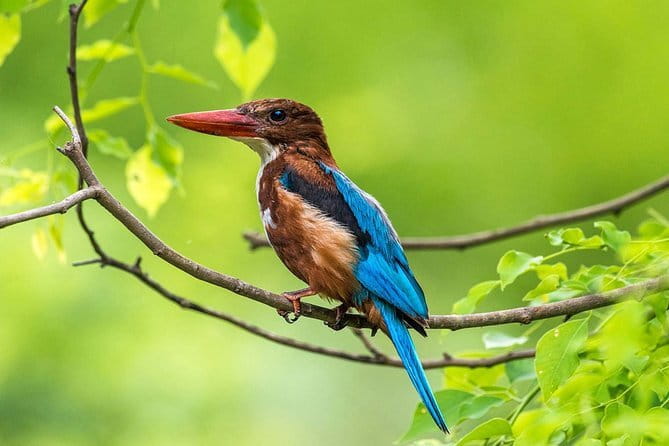
- Bird targets are specific: Expect chances for kingfishers, egrets, herons, and waders.
- Sunrise tends to pay off: One strong piece of advice is to choose an early departure for more active birds.
- Value depends on match: The experience is great when the guide actively calls out birds; it can feel off when the focus slips.
Why Muthurajawela Makes Birding Feel Easy
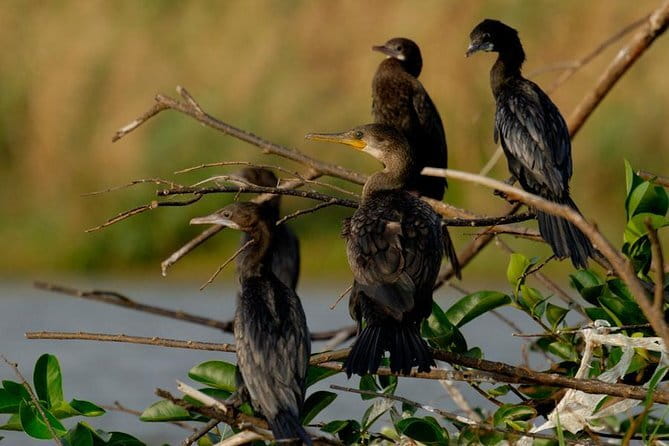
If you’ve ever tried to bird-watch on your own, you already know the problem: spotting the bird is one thing, identifying it quickly is the hard part. Muthurajawela solves that in a simple way. You’re not searching random spots—you’re working a productive wetland system that supports lots of waterbirds.
This is also a coastal peat-bog environment. That matters because the habitat stays wet and productive, and that’s exactly what birds use for feeding and movement. The site is described as the largest saline coastal peat bog in Sri Lanka, and it connects with the Negombo Lagoon as an integrated coastal wetland ecosystem. In other words, you’re not just looking at a pond—you’re in a living system.
On top of the ecology, the logistics are the quiet win. Colombo and Negombo are close enough that a shorter wildlife morning or afternoon doesn’t have to eat your whole day. With pickup offered from either area, you can trade traffic time for bird time.
You can also read our reviews of more tours and experiences in Colombo.


The Private Boat + Expert Guide Setup
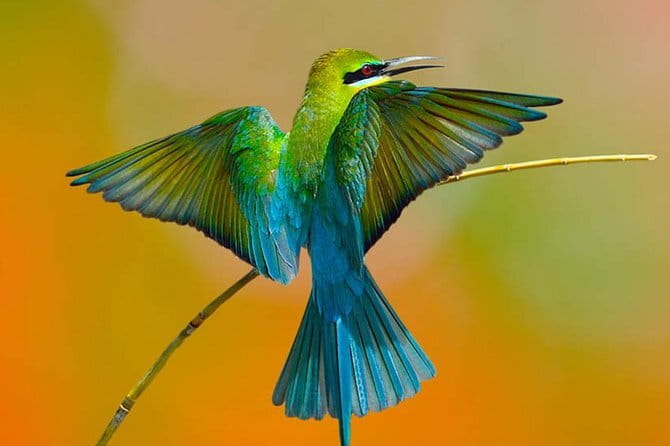
This tour is built around a simple rhythm: you get picked up, you head to the wetlands area, then you ride by boat through channels and mangroves with an expert guide to help you spot birds and understand what you’re seeing.
The best part of a guided boat format is that birds don’t sit still for photos. They hop, they call, they change direction. A moving vantage point helps. The tour is described as using a private boat, so you’re not sharing your sighting time with a parade of other groups. That generally makes it easier to pause when a kingfisher flashes by or when a heron shifts position along the edge.
Now, the “expert naturalist” piece is where your success will rise or fall. There’s strong praise for guides like Braneta, who reportedly helped people see birds while navigating, and Shanaka, who was described as really helpful and informative. But there’s also at least one complaint that the trip didn’t feel like real birdwatching and that the guide approach wasn’t strong. So your bird outcome will track with how bird-focused your guide is in that moment.
Practical take: if you care about species ID and photography angles, choose an earlier departure and go into it expecting guidance and quick bird-callouts, not just scenery.
Getting There From Colombo or Negombo Without Losing the Morning
You get pickup offered and door-to-door transfers, which is exactly what you want for a short 2 to 5 hour nature outing. This matters because birding is timing-sensitive. If your transport is clunky, you lose the best light and the most active birds.
From the available details, one 5-star experience included a private driver meeting the group promptly at the gates of the port terminal in Colombo. That’s a good sign for how the operator handles real-world logistics, not just “theoretically included” transfers.
Also, you’ll want to plan around the fact that this is near public transportation. That’s helpful as a backup, but the main point is that the tour is designed to be easy from your base city.
One more small but useful point: it’s a mobile ticket experience, so you’re not hunting for paper confirmations at the last second.
Stop 1: Muthurajawela Marsh and the Sanctuary Logic
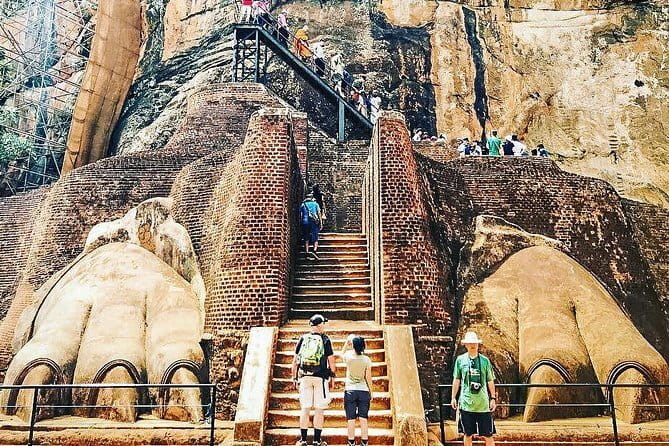
The heart of the outing is Muthurajawela Marsh. This place is described with a lot of specific ecological context, and that’s not just trivia—it explains why your guide can be so useful here.
Here’s what you’re looking at in plain terms:
- Muthurajawela is a largest saline coastal peat bog in Sri Lanka.
- The marsh and the Negombo Lagoon work as an integrated coastal wetland ecosystem.
- The northern marsh section, covering 1,777 hectares, was declared a sanctuary in July 1996 under the Fauna & Flora Protection Ordinance.
- Visitors are guided through sanctuary areas by staff from the Muthurajawela Marsh Centre to help avoid serious harm to the ecosystem.
That “avoid harm” piece is more important than it sounds. Wetlands recover slowly. If boats or people roam too freely, it can disturb feeding and nesting zones, and it can also damage fragile marsh edges. So the guided approach is part of why you’re likely to get a smoother experience and why the wildlife viewing tends to be more consistent.
The stop is listed as about 2 hours, and admission is included. In real day terms, that often means your total trip time lands somewhere inside the tour’s stated 2 to 5 hours, depending on your pickup and departure time.
What you might notice along the way
Mangrove channels and marsh edges aren’t just pretty. They create sheltered lanes where birds move between feeding spots. Expect the guide to “read” the water and shoreline: where the birds are likely to be, how they feed, and what behaviors to watch for.



Bird Targets: Kingfishers, Egrets, Herons, and Waders

The tour’s bird list isn’t generic. It specifically calls out species groups you can realistically spot around marshes and shallow coastal areas:
- Kingfishers
- Egrets
- Herons
- Waders
If you’re going for bird photos, focus on behavior as much as appearance. Kingfishers tend to be quick and sudden—one moment they’re a dot, the next they’re diving or shifting along a branch line. Egrets and herons often give you longer “freeze” moments near edges or in shallow water where they can hunt. Waders are the ones you’ll track along the more exposed shore zones.
Also, the tour mentions chances to glimpse monkeys, which fits the mangrove-coastal ecosystem. That’s not a guarantee, but it’s a reminder that you’re watching a whole food web, not just birds.
The guide’s job is to speed up your learning curve. With Braneta’s reported style, people could get bird spotting and navigation at the same time. With Shanaka’s reported approach, the emphasis was on being informative while still keeping the trip moving.
A quick realism check on birding results
Birding is still birding. Wind, time of day, and where the birds are feeding matter. That’s why timing and guide attention are so tied together in this tour. When the guide is fully engaged, sightings often feel “more complete,” even if the total number of birds varies.
Best Time to Go: Timing Matters More Than You Think
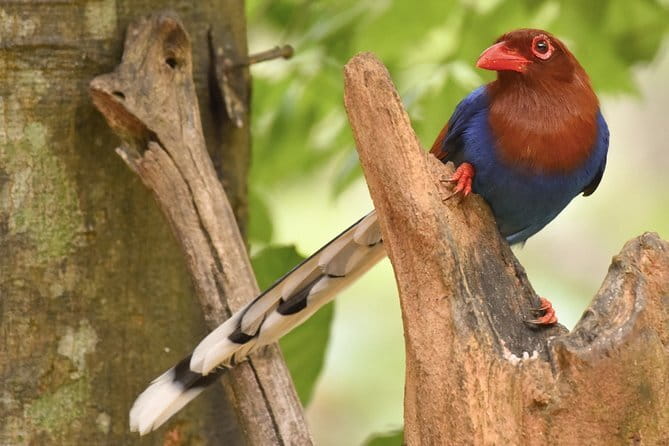
Your departure times are described as flexible, and that flexibility is valuable for one simple reason: bird activity shifts through the day. One strong piece of advice from feedback about this tour is to go for sunrise, because birds tend to get up earlier and you’ll see more.
So if you’re choosing between a late morning start and an early one, I’d lean toward early unless your schedule forces you otherwise. Yes, jet lag happens—one experience noted being super jet lagged—but even with that, they still saw amazing birds and travelled through mangroves.
Given the overall ride plus marsh time, you’re not looking at a full-day expedition. You’re looking at a focused window. That makes the “when” choice more important here than on a longer safari-style day.
Price and Value: Does $85 Buy Real Birding?
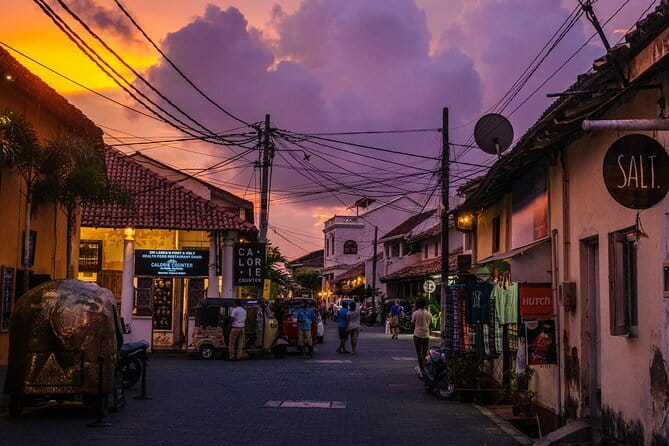
At $85.00 per person, this is not a bargain-basement outing, but it can also be good value because you’re getting:
- Private boat time through marsh and mangrove channels
- Pickup and door-to-door transfers from Colombo or Negombo
- A guided bird-focused nature experience with an expert naturalist concept
- Admission for the marsh area listed for the main stop
- A mobile ticket for smooth handling
You’re paying for access and for reducing guesswork. Trying to replicate this on your own means you’d have to solve transport, boat arrangements, local wetland rules, and bird identification. Even if you manage logistics independently, most people underestimate how hard it is to find the right marshy viewing lanes at the right time.
That said, the value depends on matching your expectation to what happens on the water. If your experience centers more on a general marsh ride with limited bird ID support, the price will feel heavy. If the guide is actively helping you identify birds and guiding your attention, it starts to feel like a solid deal.
My practical takeaway: treat this as a short guided birding session first, not a casual boat cruise. If you go in expecting photo-friendly bird spotting with active guidance, the pricing tends to make sense.
A Small Reality Check: What Can Go Wrong

The most serious complaint tied to this experience was that it didn’t deliver on birdwatching as advertised. The issues described included:
- No expert naturalist feel
- An older, noisy boat
- A driver asking for help identifying birds
- An expensive shorter-feeling ride focused more on boating up the marsh than birding
That’s exactly the kind of red flag you should respect. Even in great wildlife tours, the guide quality and the boat conditions can change the mood fast. Birding is quiet, focused work; noise and a weak birding approach can make everything harder.
So here’s how you protect yourself without overthinking it:
- Choose an earlier departure when you’re likely to get more bird action.
- Go with a birding mindset and prioritize the guide’s role in your expectations.
- If bird ID is your main goal, make sure the guide you’re expecting is actually positioned as a bird/nature guide rather than just a boat operator.
When everything clicks, the tour is described as a terrific birding morning. When it doesn’t, people feel misled. That’s the key tension.
Who This Tour Fits Best (And Who Might Want Something Else)
This is a great fit if you:
- Want a quick, practical birding outing from Colombo or Negombo
- Prefer a private boat format over a crowded group walk
- Value guidance that speeds up spotting and identification
- Like mangrove-channel scenery but don’t want it to be purely visual
It may be less ideal if you:
- Want a long, safari-style itinerary with lots of stops
- Need a guaranteed level of bird ID instruction at every moment
- Are sensitive to boat comfort and noise
If you’re a photographer, it’s worth noting that the tour’s focus on bird spotting and photo opportunities is part of the pitch. Still, keep your expectations flexible. Birds are the boss here.
Should You Book This Muthurajawela Bird Watching Tour?
I’d book it if you want a short, structured way to bird-watch in one of Sri Lanka’s most relevant wetland areas without the hassle of planning transport and finding access. The combination of pickup, private boat movement, and a bird-focused guide makes this feel like the efficient way to do it.
I’d pause before booking if you’re the type who needs serious instruction and very consistent bird ID from start to finish, because one experience reported the guide felt more like a driver than a naturalist and the boat ride felt like it shifted away from birding. If that would frustrate you, look for alternatives that promise deeper, more structured bird education.
Best call: go for sunrise if you can, bring patience for wildlife timing, and lean into the guide’s strengths when you’re on the water. When it works well, you’re spending your time where birds actually live and moving through the habitat that makes sightings possible.
FAQ
How long is the Muthurajawela bird watching tour?
The duration is listed as approximately 2 to 5 hours overall, with the main marsh stop described as about 2 hours.
Do I get pickup from Colombo or Negombo?
Yes. Pickup is offered and the tour includes door-to-door transfers from Colombo or Negombo.
Is admission to Muthurajawela Marsh included?
Yes. The admission ticket is included for the main marsh stop.
Is this a private tour?
Yes. It’s described as private, and only your group participates.
What birds can I expect to see?
The tour highlights sightings of kingfishers, egrets, herons, and waders, and it also mentions the possibility of seeing monkeys.
Can I cancel for a refund?
Yes. You can cancel up to 24 hours in advance for a full refund. If you cancel less than 24 hours before the start time, the amount paid is not refunded.