REVIEW · MAWANELLA
Sri Lanka: Ceylon Cinnamon Experience & Spice Garden Tour
Book on GetYourGuide →Operated by Warala Watta Farm Spice Garden and Organic Farm · Bookable on GetYourGuide
Cinnamon starts as bark, not powder. On this 3-hour Warala Watta Farm tour, you get a real look at how Ceylon cinnamon is harvested and turned into quills, plus a hands-on tasting of fresh garden spices with fruit and tea. It’s the kind of experience that makes you understand what you’re buying—and how to use it.
One catch to plan for: the tour needs some walking time, and you arrange your own transport to and from the farm. If you have mobility limits, are pregnant, or expect wheelchair access, this one may not fit.
In This Review
- Quick take: the best parts
- Warala Watta Farm: the practical way to understand Sri Lankan spices
- The 3-hour schedule: from spice garden walk to cinnamon quills
- Ceylon Cinnamon Experience: what you learn from peeling bark
- Spice garden walk: black pepper, cloves, cardamom, and more
- Farm-to-Table spice tastings, fruit, and tea pairings
- Spice processing factory: seeing quality assurance in action
- Organic farming and seasonal harvesting (when available)
- Who this fits best (and who should skip)
- Price and value: is $20 per person worth it?
- Tips before you go: what to pack and how to enjoy it more
- The guide experience: friendly, hands-on, and clear in English
- Should you book the Warala Watta Cinnamon and Spice Garden Tour?
- FAQ
- FAQ
- How long is the Warala Watta Spice Garden and Cinnamon Experience?
- What is included in the ticket price?
- Are meals included?
- Do I need to arrange my own transport?
- Is the tour guide language English?
- How big is the group?
- What should I bring?
- Can I cancel for a full refund?
- Is the tour accessible for wheelchair users?
Quick take: the best parts
- Step-by-step cinnamon making from peeling bark to processing into quills
- Small-group spice garden walk with an English-speaking guide (max 10 people)
- Taste while you learn through spice and tea pairings plus fruit with Sri Lankan spice blends
- Fruit and spice sensory fun including a challenge that matches smell, taste, and touch
- Factory visit to see spice processing and quality-focused steps
- Organic and seasonal moments like organic farming lessons and seasonal harvesting (when in season)
Warala Watta Farm: the practical way to understand Sri Lankan spices
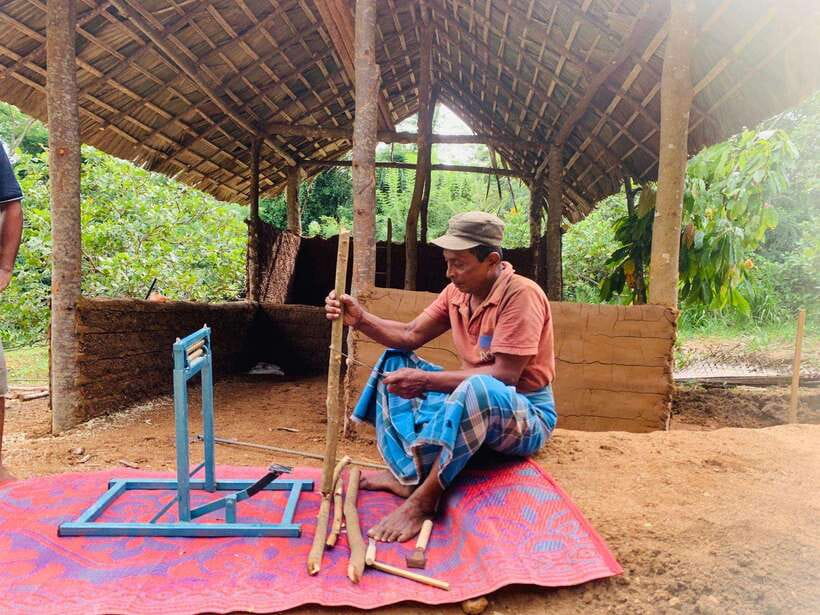
Sri Lanka’s spices are famous, but most people only meet them in tiny packets. Here, you meet them as living plants first. The Warala Watta Farm Spice Garden is in Central Province, and the tour is built around how spices grow, how they’re handled after harvest, and how they end up in food, tea, and traditional uses.
I like that the experience is not just talk. You’ll walk through spice plantations, learn cultivation and history in plain language, and then see processing with your own eyes. The guide-led flow matters because spices can feel mysterious until you see the steps that turn plant material into something you actually cook with.
Also, the small group size (limited to 10 people) keeps the guide-to-person ratio friendly. You’re more likely to ask questions, and you’re less likely to feel rushed when it’s time to smell, taste, and compare.
The 3-hour schedule: from spice garden walk to cinnamon quills
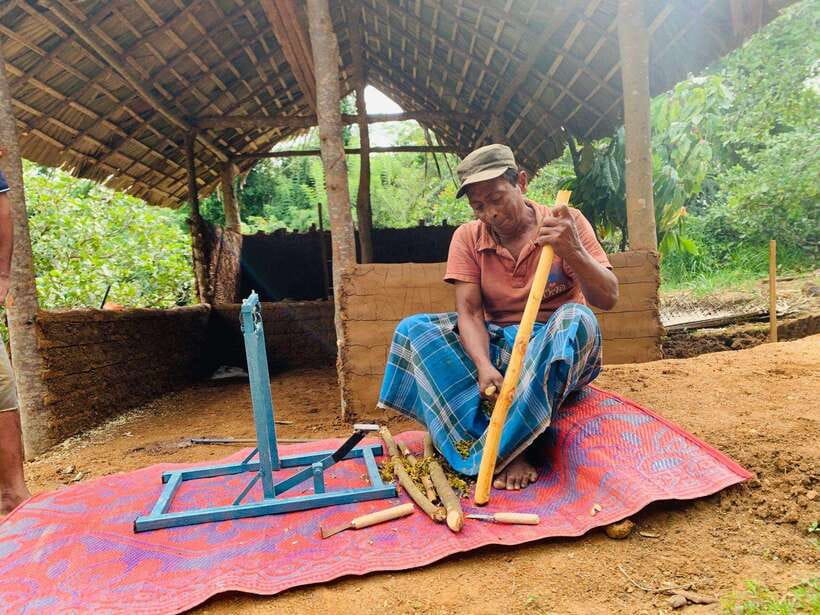
This is a short, focused tour, designed to pack learning and tasting into about 3 hours. You’ll start outdoors with a guided spice garden walk, then shift into hands-on cinnamon processing, and finish with tastings and a visit to the spice processing factory.
Here’s the rhythm you can expect:
1) Spice garden walk and guided explanations
You’ll explore plantations with a guide, learning what spices look like on the plant and how farmers manage cultivation. The guide covers common Sri Lankan spices such as cinnamon, black pepper, cloves, and cardamom, plus others.
2) Ceylon Cinnamon Experience (hands-on)
This is the centerpiece. You’ll watch the cinnamon harvesting and preparation steps, and you’ll also try your own hand at making a cinnamon roll/quill preparation.
3) Tastings that connect to what you just saw
After the processing part, you move into tasting: spices, spice tea pairings, and tropical fruit boosted with Sri Lankan spice blends. You’ll also do a sensory activity that asks you to identify spices using smell, taste, and touch.
4) Factory visit
You finish with a look at how spices move through processing and quality assurance steps. It’s one of the best parts for people who want to understand what separates good spice from average spice.
Because it’s only 3 hours, the tour works well if you’re short on time but still want something more real than a quick souvenir stop.
Ceylon Cinnamon Experience: what you learn from peeling bark
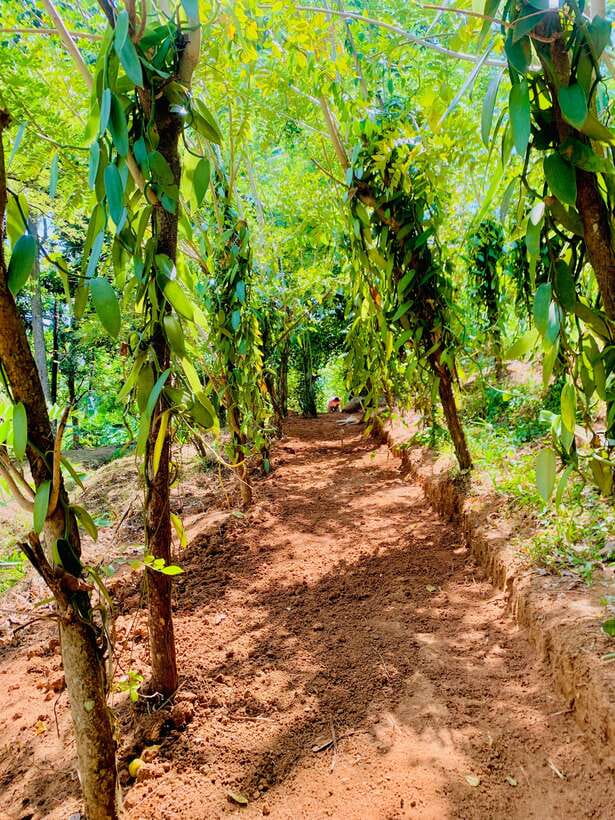
If you think cinnamon is just a brown stick from a supermarket, this will reset your expectations. The Ceylon Cinnamon Experience shows the full sequence: cinnamon harvesting and the preparation process, including peeling bark and working through processing until you get cinnamon quills.
The value here is the connection between plant and product. Cinnamon quills come from how the bark is handled and processed, not from magic. Once you understand the steps, you’ll be more confident when you’re buying cinnamon later—especially if you’ve ever wondered why some cinnamon looks better or tastes stronger.
This is also where you’ll likely appreciate the small-group size. Hands-on steps don’t work well when a crowd is hovering. Here, you can actually participate without feeling like you’re in the way.
Spice garden walk: black pepper, cloves, cardamom, and more
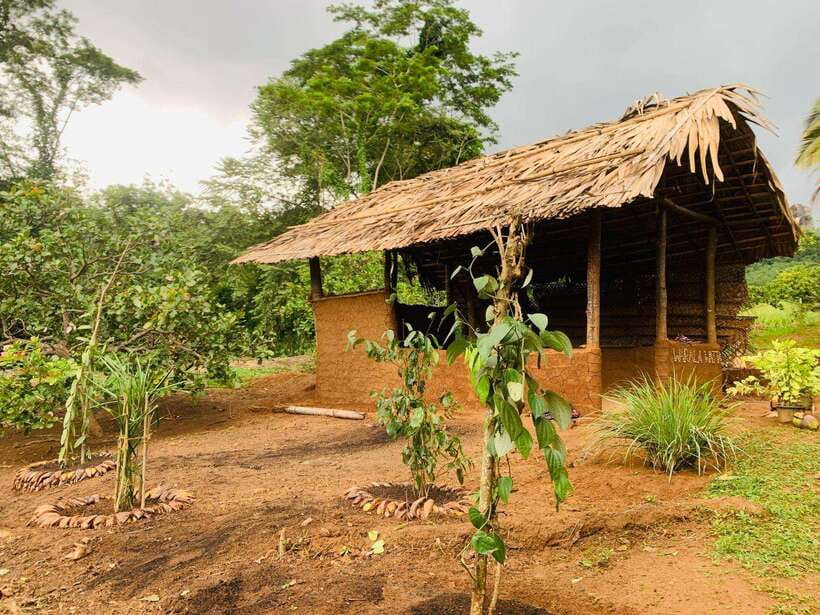
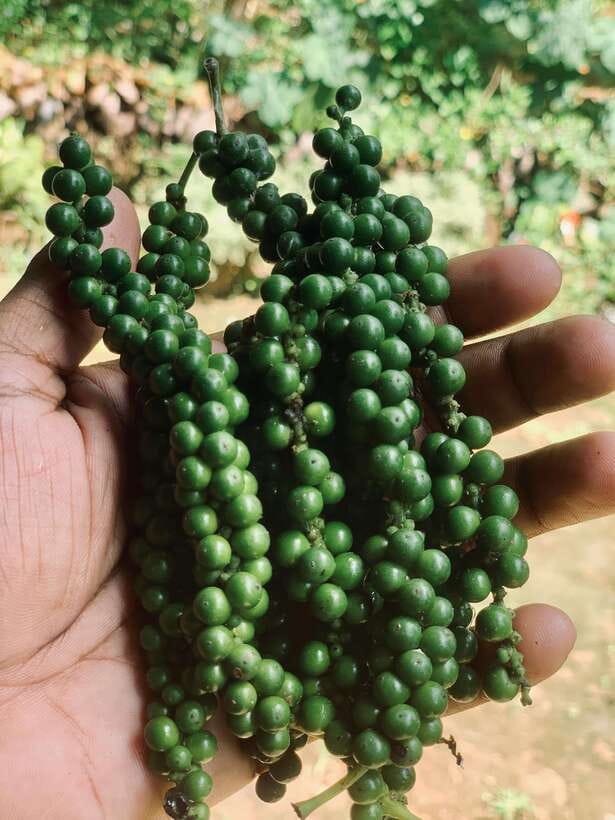
The guided spice garden walk is where you build your mental map of Sri Lanka’s spice plants. You’ll explore multiple spice varieties and get practical explanations about cultivation and uses—food applications, and traditional medicinal practices.
What makes this walk useful is the way it connects senses to identification. When you learn what black pepper looks like on the vine, or how cardamom shows up on its plant, you’re training your eyes to recognize ingredients. That makes later shopping less confusing.
The guide’s English support also helps a lot. The tour is listed as English with a live guide, so you’re not left guessing through worksheets and silence.
If you’re the type who likes to know what you’re eating before the first bite, this garden walk is the best part to start with.
Farm-to-Table spice tastings, fruit, and tea pairings
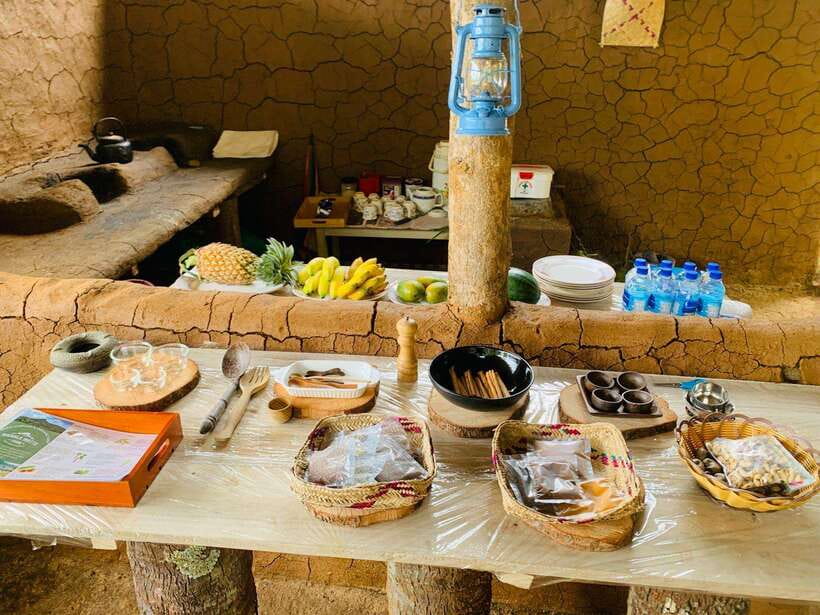
After you’ve learned how spices are made, you get to taste them. The experience includes a farm-to-table spice tasting where spices are paired with discussion, and you’ll try tropical fruits enhanced with Sri Lankan spice blends.
This section is not only about flavor. It’s about learning how different spices behave in combination. Taste sessions are where you start noticing things like:
- how warm spices feel different from sharp ones
- how spice aromas shift when paired with fruit or tea
- how much stronger whole or freshly prepared spices can taste than what you’re used to
There’s also a spice sensory challenge. You identify spices using smell, taste, and touch. It’s simple, but it’s surprisingly effective for remembering what you learned later. And yes, it can turn into a fun little guessing game—especially with a small group.
Spice processing factory: seeing quality assurance in action

Many spice tours stop at the farm. This one goes further to show the processing side. You’ll visit a spice processing factory and see the journey of spices after harvest.
The key point: you’ll learn about quality assurance—how they handle spices so they keep their character rather than turning stale, dull, or uneven. The tour doesn’t promise lab-level science, but it gives you a clear practical view of why processing matters.
If you like buying kitchen ingredients for real cooking (not just collecting), factory access is a big plus. You’ll understand what to look for when you shop.
Organic farming and seasonal harvesting (when available)
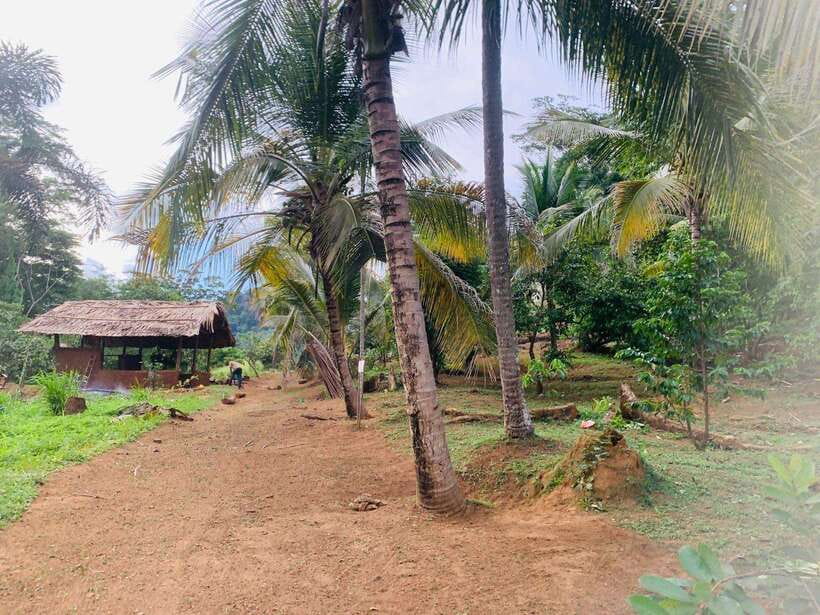
The tour also highlights organic farming, plus spice harvesting that happens seasonally. That’s useful because spice farms are living systems. A tour in one month may feel different than a tour in another, depending on what’s ready.
Don’t worry if you hear that some harvesting depends on timing. The important part is that the farm explains how cultivation and picking are tied to growing cycles, not random schedules.
Who this fits best (and who should skip)
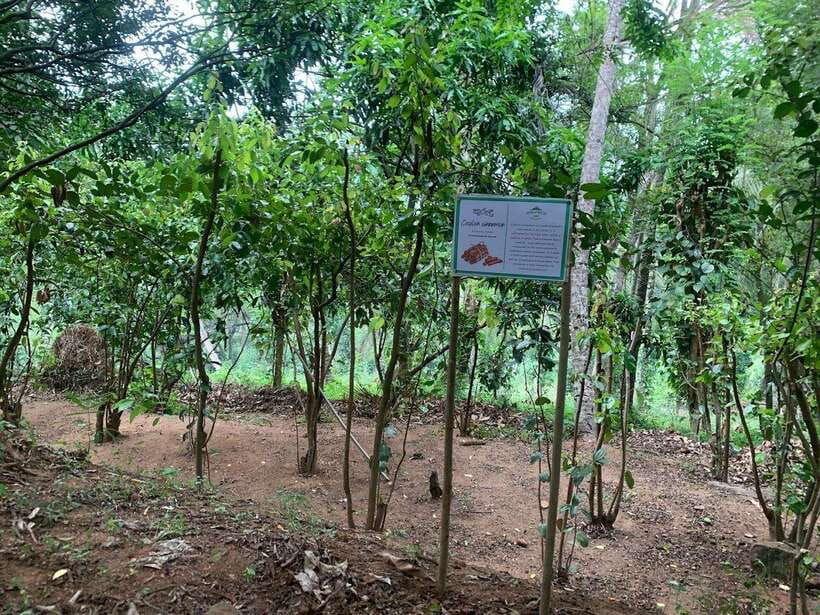
This tour is best for people who want a hands-on, English-guided introduction to Sri Lankan spices in a small group.
You’ll likely enjoy it if you:
- like cooking and want to learn how spices are actually processed
- enjoy sensory activities (smell, taste, identification)
- prefer short, focused experiences over long day trips
- want a guided tour in English with a limit of 10 people
It’s listed as not suitable for:
- pregnant women
- people with mobility impairments
- wheelchair users
Even if you’re mobile, bring sensible expectations: it’s a garden setting with walking on farm paths.
Price and value: is $20 per person worth it?
At $20 per person for about 3 hours, this tour can be excellent value—mainly because you get more than one “type” of experience in the same visit.
You’re paying for:
- a guided walk through spice plantations
- the Ceylon cinnamon hands-on experience
- multiple tasting sessions (spices, fruit, and spice tea pairings)
- a factory visit
And you’re doing it with a small group (max 10). If you’ve ever done tours that feel like you paid for transportation and a quick look, this is different. The structure here is learning + senses + processing, in one package.
One thing to factor in: transport to and from the farm is not included and meals are not included. So your true cost depends on where you’re staying. Still, if you’re already in Central Province and can get there easily, $20 is a fair deal for what you get.
Tips before you go: what to pack and how to enjoy it more
Bring what the farm asks for, because it’s a working garden, not a museum:
- comfortable shoes (no flip-flops)
- hat and sunscreen
- water
- camera if you want personal photos
- insect repellent
Two practical notes will make the day smoother:
- Don’t touch plants. The tour asks you to be mindful of the ecosystem.
- Smoking isn’t allowed on the premises.
If you’re thinking about souvenirs, plan a little extra budget. The tour includes a shop where you can buy cinnamon and other spices. One person even noted cinnamon, cloves, black pepper, and chili powder were available at fair prices after the tour. If you’re sensitive to buying at inflated prices in tourist areas, this is a good sign.
The guide experience: friendly, hands-on, and clear in English
The tour is led by a live guide in English, and that matters for a tasting and processing experience. You’re not just watching steps; you’re getting explanations that make the steps stick.
From past experiences on this farm, guides like Roha and Dilan are mentioned as welcoming and teaching-focused. That lines up with the format: you want someone who can explain what you’re seeing, not just move the group along.
Small group + English guide + hands-on steps is a strong combination. You’ll usually feel more comfortable asking questions, and you’ll get more from the tastings.
Should you book the Warala Watta Cinnamon and Spice Garden Tour?
Book this tour if you want a clear, practical introduction to Sri Lankan spices—especially Ceylon cinnamon—with real processing steps and multiple tasting moments. The small group size makes it feel personal without being overwhelming.
Skip or reconsider if you:
- need wheelchair access or have significant mobility limitations
- are pregnant
- hate the idea of walking in a hot garden setting
One last decision-helper: if you’re the type who buys spices and then wonders how to use them, this tour gives you the “why” and the “how,” not just the smell of cinnamon in the air.
FAQ
FAQ
How long is the Warala Watta Spice Garden and Cinnamon Experience?
The tour lasts about 3 hours.
What is included in the ticket price?
You get a guided spice garden walk/tour, the Ceylon Cinnamon Experience, farm-to-table spice tasting, tropical fruit tasting with Sri Lankan spices, and a factory visit.
Are meals included?
Meals are not included.
Do I need to arrange my own transport?
Yes. Transportation to and from the garden is not included, so you’ll need to arrange your own way there and back.
Is the tour guide language English?
Yes, the live tour guide speaks English.
How big is the group?
It’s a small group, limited to 10 participants.
What should I bring?
Wear comfortable shoes. Bring a hat, sunscreen, water, camera (allowed for personal use), and insect repellent.
Can I cancel for a full refund?
You can cancel up to 24 hours in advance for a full refund.
Is the tour accessible for wheelchair users?
No. The experience is not suitable for wheelchair users, and it also isn’t suitable for people with mobility impairments or pregnant women.