REVIEW · ELLA SRI LANKA
Ella: Sri Lankan Authentic Cooking expirience
Book on GetYourGuide →Operated by Honey Bee Garden Cooking Class · Bookable on GetYourGuide
Your curry lesson starts with cracking coconuts. In Sri Lanka’s Eastern Province (an Ella-branded experience), you cook in a traditional home with an English-speaking host, Ruwini, and learn the spice logic behind classic rice and curries. You’ll finish by eating the meal you helped make.
I love that it’s truly hands-on, not a sit-and-watch demo. You’ll practice the whole workflow, from spices and coconut prep to cooking a set of dishes like aubergine modju, dhal curry, pumpkin curry, beans curry, coconut sambal, coconut roti, and papadam.
One consideration: at 2 hours, the pace can feel busy, since you’re expected to help throughout. If you want more practice time, private sessions are available on request, and you should also plan for transportation because it’s not included.
In This Review
- Key Highlights You’ll Actually Notice
- Cooking in a Traditional Home With Ruwini, in Eastern Province
- The 2-Hour Class Flow: Spices, Coconut Work, and Cooking Roles
- What You’ll Cook: Rice, Aubergine Modju, Dhal, Pumpkin, and Beans
- Coconut Sambal and Coconut Roti: The Part That Gets Your Hands Moving
- The Meal at the End: Eat What You Cook, Then Take Recipes Home
- Price and Value: Why $22 for 2 Hours Makes Sense
- Who This Class Fits Best (And Who Might Want a Different Option)
- Practical Stuff Before You Go: Timing, Transport, and Dietary Notes
- Should You Book This Sri Lankan Cooking Class?
- FAQ
- What dishes will I cook and eat?
- How long is the cooking class?
- Is transportation included?
- Does the class provide vegetarian-friendly options?
- Are recipes included after the class?
- Can I request something like upcountry black tea or a private session?
Key Highlights You’ll Actually Notice
- Cracking and using fresh coconut: You’ll get involved early, including coconut scraping and making fresh coconut milk.
- A full rice-and-curry plate: You cook multiple curries plus coconut sambal, roti, and papadam, then sit down to the meal together.
- Spice basics you can reuse: The class starts with a brief introduction to Sri Lankan spices so you understand what you’re adding and why.
- English instruction with real roles: Ruwini guides in fluent English and keeps the group actively working.
- Vegetarian-friendly options: You can request dietary accommodations, and the class has shown strong support for vegetarian diners.
- Recipes sent by email: You don’t leave empty-handed; you’ll get the dishes’ recipes after the class.
Cooking in a Traditional Home With Ruwini, in Eastern Province
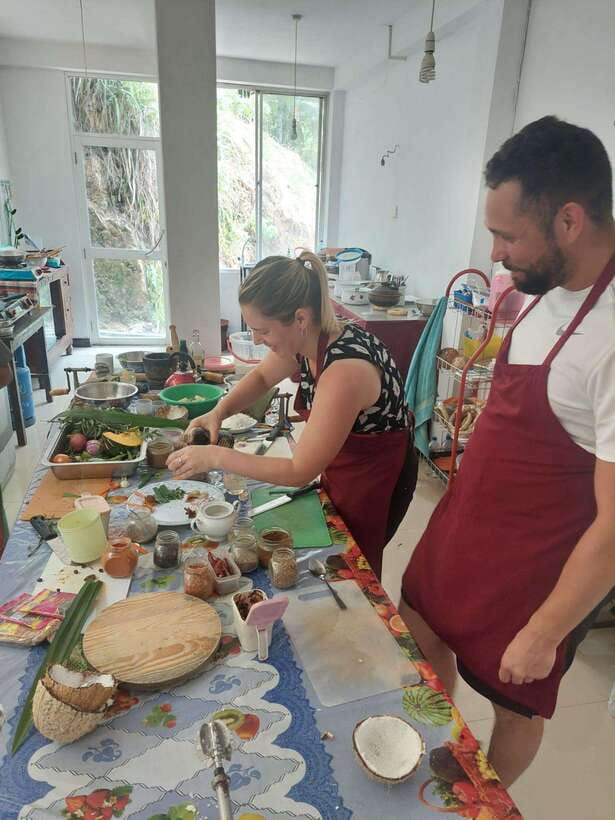
This isn’t the kind of cooking class where you hover at the edge of the kitchen. You’re invited into a real Sri Lankan home setup, and that matters because the cooking is part of everyday life, not a performance.
Ruwini is the host and instructor, and she teaches in English. Based on how the class is described and how she runs the session, the vibe is warm and focused: she’s there to keep you moving, but also to make sure you understand what each ingredient is doing.
The location in Sri Lanka’s Eastern Province also keeps the experience grounded. You’re not just learning recipes in theory—you’re learning them in the environment where those flavors make sense.
You can also read our reviews of more cooking classes in Ella Sri Lanka
The 2-Hour Class Flow: Spices, Coconut Work, and Cooking Roles
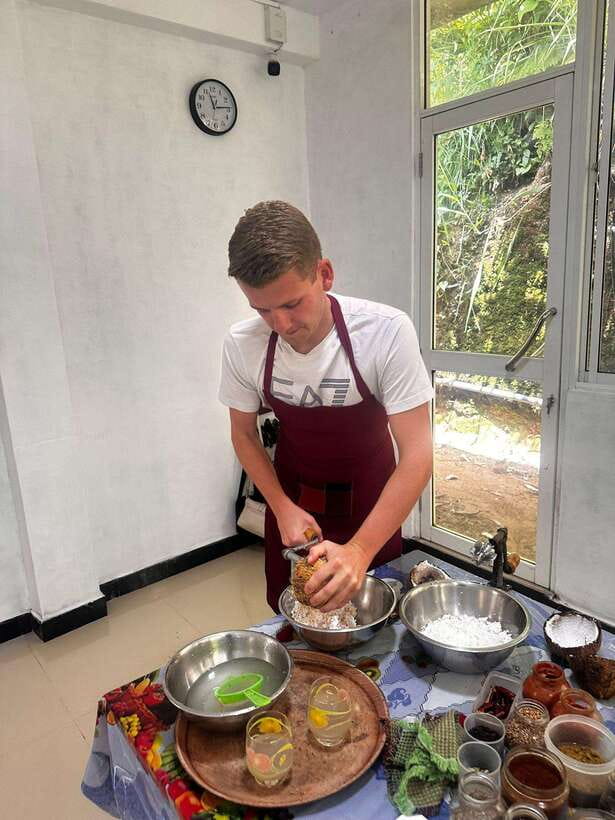
The session runs for 2 hours, and it follows a simple rhythm: introduction, hands-on prep, cooking multiple dishes, and then eating everything at the end.
You start with a brief intro to Sri Lankan spices. This isn’t meant to be chemistry class. It’s more practical: you learn the flavor direction of the cuisine so when you’re later adding spices to curries, you can make sense of the blend instead of memorizing a list.
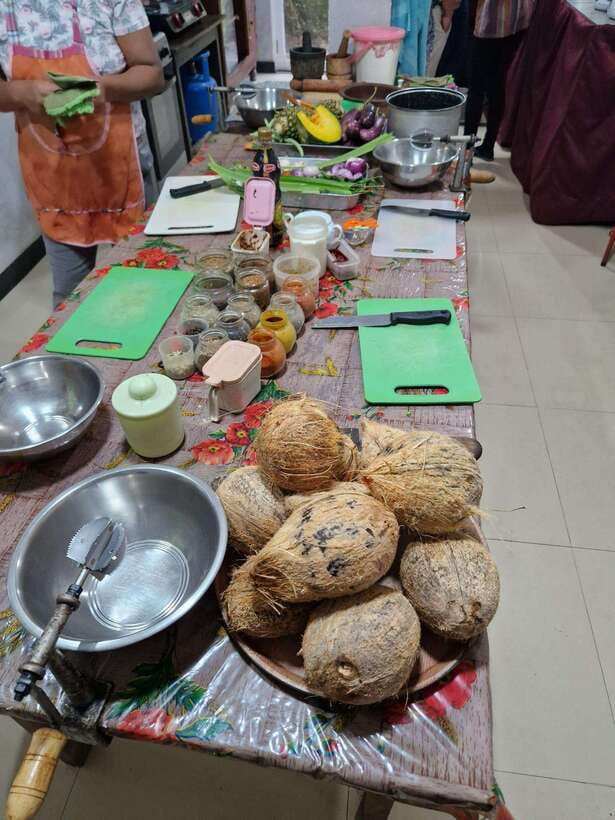
Then the work begins. You’ll get hands-on involvement throughout, including tasks like cracking coconuts, scraping coconut, and preparing fresh coconut milk. That coconut prep isn’t a small side quest. In this cuisine, coconut milk and coconut-based elements shape the texture and richness of curries and sambal, so getting your hands on it early helps everything click later.
At the same time, you’ll be guided through cooking steps for the dishes on the menu. The class is set up for a small group (limited to 10), so you’re more likely to get real jobs instead of standing around.
And yes, you can request Upcountry Black tea at the start. It’s one of those small touches that makes the morning or afternoon feel properly local.
What You’ll Cook: Rice, Aubergine Modju, Dhal, Pumpkin, and Beans
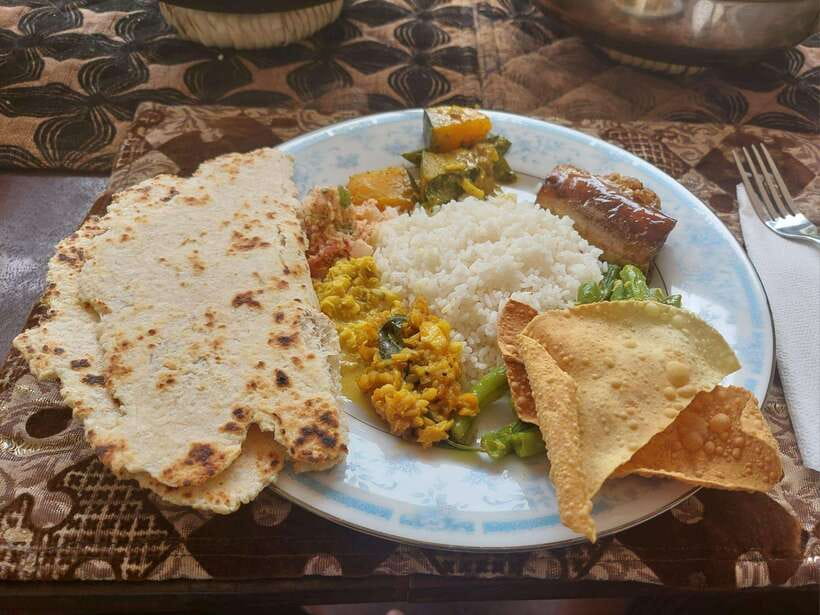
By the time you sit down to eat, you’ll have built a proper spread. The dish list is designed to cover different parts of the Sri Lankan plate: rice, multiple curries with different bases and flavors, and two coconut-forward elements (sambal and roti).
Here’s what’s typically included in the cooking portion and/or the meal:
- Rice: The anchor. It’s not glamorous, but it’s the whole point—you need a simple base so you can taste how each curry changes the flavor in your bite.
- Aubergine modju (eggplant curry): You’ll learn a curry technique that leans on soft, absorbent vegetables. Eggplant changes shape as it cooks, so the lesson is partly about timing and texture.
- Dhal curry: This is where the “spice logic” matters. Dhal absorbs flavor and thickens as it cooks, so you learn how spice blends become a sauce, not just a seasoning.
- Pumpkin curry: A fruit-and-veg type of curry that helps you understand how sweetness and spice can sit together in a balanced way.
- Beans curry: A vegetable curry that keeps things lively. Beans also hold their identity more than fully soft veg, so you get a sense for how curry thickness and heat interact.
On top of the curries, you’ll make or prepare coconut sambal and coconut roti, which change the whole meal from the first mouthful. This is one reason people come away feeling like they learned something they can reproduce, not just something they can taste once.
Coconut Sambal and Coconut Roti: The Part That Gets Your Hands Moving
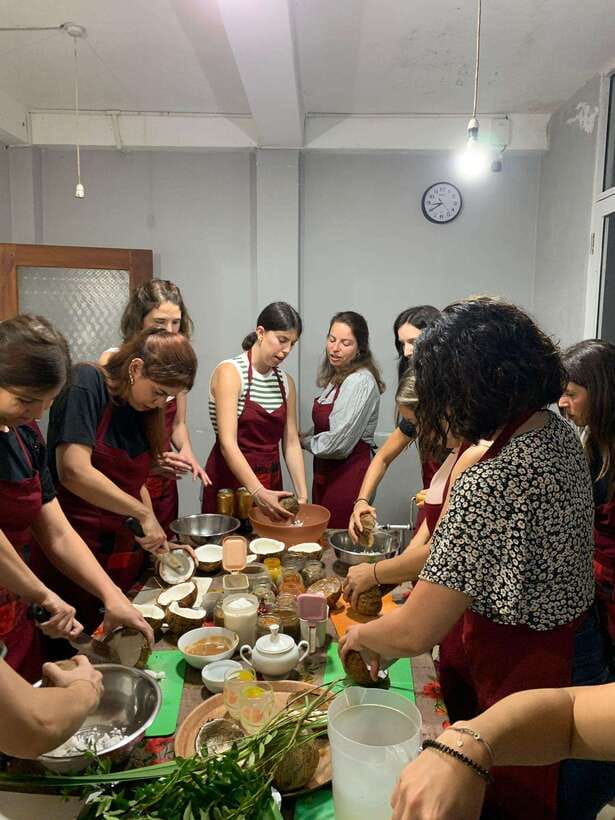
If you want one highlight to anchor the class, it’s the coconut sambal and coconut roti. Coconut sambal brings a punchy, creamy-spicy contrast, and coconut roti gives you that satisfying “break-your-fork” element.
For sambal, you’re learning to connect coconut with spice and flavor balance. For roti, coconut matters again—this isn’t just about rolling dough. It’s about working with a dough that behaves differently than wheat-only options, and it takes a bit of practice to get the right texture and handling.
This section is hands-on by design. Since the class also includes coconut prep like scraping and making coconut milk, you’re not just cooking with a pantry ingredient. You’re participating in the transformation from coconut to ingredient to finished dish.
And the takeaway is practical: once you understand the coconut-to-sauce logic, you can start adjusting future meals based on what vegetables you find at your local market.
The Meal at the End: Eat What You Cook, Then Take Recipes Home
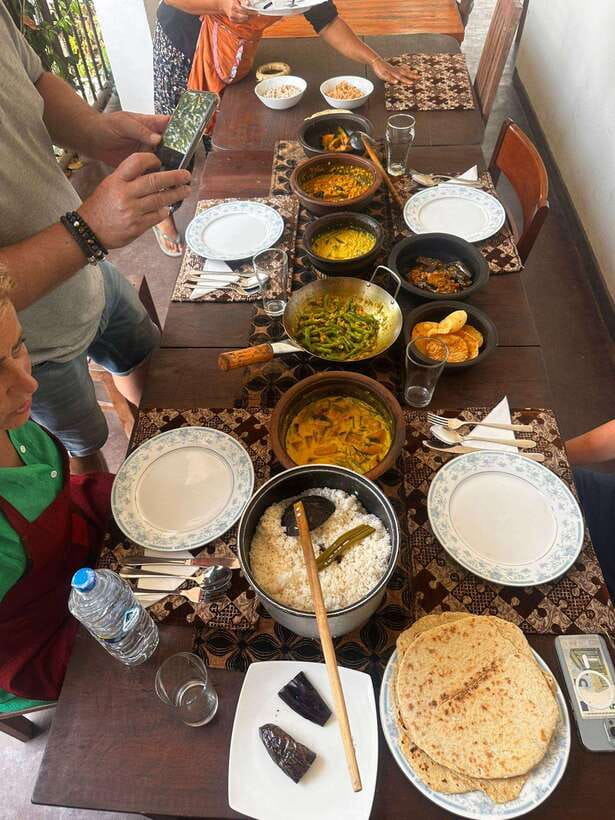
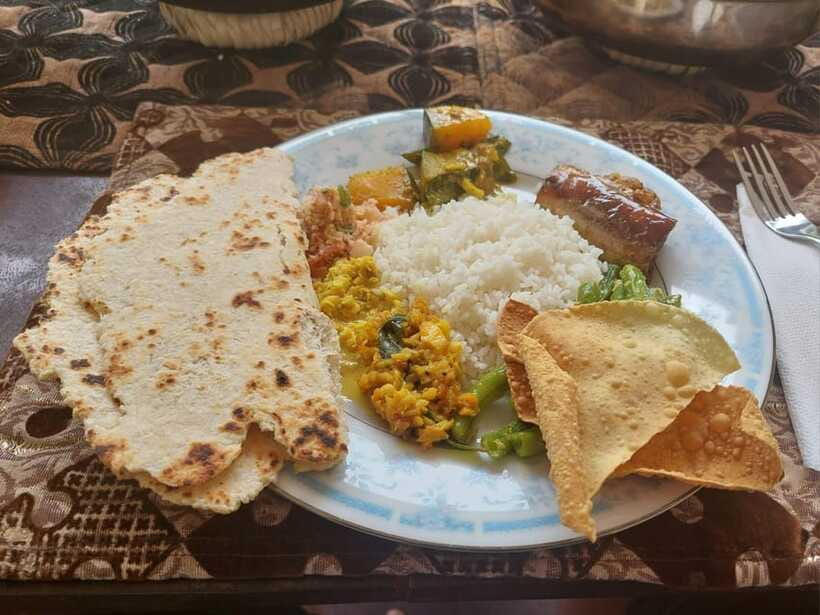
After cooking, you sit down and eat the dishes you made. The meal includes rice, aubergine modju, beans curry, dhal curry, pumpkin curry, coconut sambal, coconut roti, and papadam.
Papadam is included as part of the meal. It’s a quick crunch element that also rounds out the texture of the plate—one bite adds contrast to curry and roti, which can otherwise feel uniform if you only taste soft textures.
Then comes the best part for home cooks: you receive recipes by email after the class. That means you can re-create the dishes later without guessing from memory.
You’ll also get help with substitutions. One helpful detail from real experiences is that the host can suggest alternatives for Sri Lankan ingredients that may be hard to find back home. That’s huge for value—recipes are only useful if they work with what you can realistically buy.


Price and Value: Why $22 for 2 Hours Makes Sense
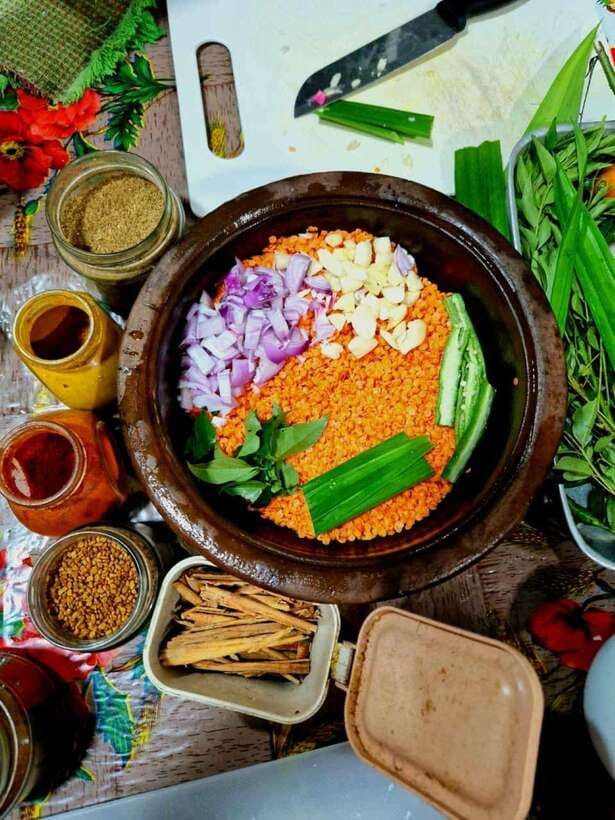
At $22 per person for a 2-hour class, this feels fair because you’re not paying just for instruction—you’re paying for ingredients, equipment, coaching, and the full meal.
Here’s what you’re getting inside that price:
- Hands-on cooking rather than passive watching
- Ingredients and equipment provided
- Multiple dishes made as a group
- The meal you cooked
- Recipe delivery by email
- Upcountry Black tea on request
Two hours can sound short, but the class is built to cover a lot of ground with a clear dish list. You’re learning core curries (dhal, pumpkin, beans), a vegetable curry (aubergine modju), and coconut-forward items (sambal and roti). That combo is the difference between a one-note cooking class and a “now I can cook Sri Lankan food” class.
Also, because the group is limited to 10, you’re less likely to feel like a spectator. You’re more likely to leave with usable technique, not just a full belly.
Who This Class Fits Best (And Who Might Want a Different Option)
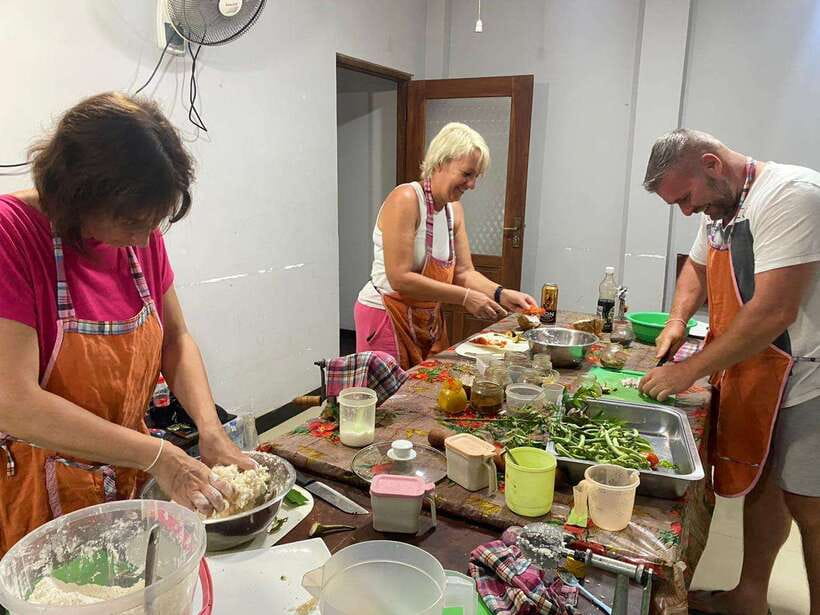
This is a strong fit if you:
- Want to cook Sri Lankan food in a home setting, not a demo kitchen
- Enjoy hands-on sessions and like learning by doing
- Want to return home with recipes you can actually follow
- Prefer learning the spice approach so you can adjust flavors later
It may be less ideal if you:
- Want a slow, leisurely experience with no pace pressure. With a 2-hour format, you help the whole time.
- Need heavy, specialized accommodations beyond what you can discuss with the host in advance. The class does ask you to inform them of allergies or dietary restrictions, but you’ll want to communicate clearly early.
It’s also a good option for vegetarians, with strong evidence that the host can handle vegetarian-friendly versions or adaptations. If that matters to you, send your request when booking.
Practical Stuff Before You Go: Timing, Transport, and Dietary Notes
A few practical points make the day smoother.
Transportation: it’s not included. That means you’ll want to arrange a taxi, car, or driver to get to the traditional home and back. If you’re staying outside the immediate area, this is the one expense that can tip the day’s total cost.
Dietary restrictions: you should inform the host in advance about allergies or dietary needs. The class is designed to cook with intention, and communication helps them guide you to the right version of dishes.
Timing: you’ll want to arrive a bit early so you can get oriented before the spice intro and coconut work start.
Accessibility: the activity is wheelchair accessible, which is a major plus if you need step-free access and workable space in a home kitchen.
Should You Book This Sri Lankan Cooking Class?
If you want one experience in Sri Lanka that teaches you how the food works—not just how it tastes—this cooking class is a solid pick. You’ll cook a full meal with multiple curries plus coconut sambal and coconut roti, and you’ll take recipes home by email. The hands-on pace, guided by Ruwini in English, is the point.
Book it if you like practical learning, want to build confidence with spices and coconut-based cooking, and you’re okay with a 2-hour format that moves.
If you hate being in the kitchen for most of the time, or you need slow instruction with minimal chopping and stirring, then you might prefer a different kind of food experience. But for most people who want to leave with skills you can repeat, this one checks the boxes.
FAQ
What dishes will I cook and eat?
You’ll prepare and/or cook a set of Sri Lankan dishes including rice, aubergine modju, dhal curry, pumpkin curry, beans curry, coconut sambal, coconut rotti, and the meal also includes papadam.
How long is the cooking class?
The class lasts 2 hours.
Is transportation included?
No. Transportation to and from the cooking class location is not included.
Does the class provide vegetarian-friendly options?
You can share dietary restrictions and allergies in advance, and the class has been described as well catered for vegetarians.
Are recipes included after the class?
Yes. You’ll receive the recipes via email after the session.
Can I request something like upcountry black tea or a private session?
You can request Upcountry Black tea at the start of the class. Private sessions are also available on request with time adjustments.