REVIEW · MATARA
Tangalle/Hiriketiya: Udawalawa Safari & Elephant Orphanage
Book on GetYourGuide →Operated by Ceylon Nature Tours · Bookable on GetYourGuide
Udawalawe delivers that Sri Lanka wildlife feeling fast: elephants first, then a whole cast of characters. This half-day outing pairs a guided jeep safari in the park with a stop at the Elephant Transit Home during feeding time, with pickup and drop-off from Tangalle or Hiriketiya.
I love how the day is built around real animal moments, not just driving past things. The safari route is timed around the park’s water-rich areas, and you get close views of the elephants plus chances for crocodiles and other wildlife.
One thing to keep in mind: your overall flow depends on the transfer timing. In one case, the return transfer ran over an hour late, so I’d plan your evening buffer accordingly.
In This Review
- Key points to know before you go
- Tangalle/Hiriketiya to Udawalawe: the ride that shapes your day
- Elephant Transit Home feeding: how that 30 minutes plays out
- Udawalawe National Park jeep safari: elephants, crocodiles, and the rest of the cast
- What you can realistically expect to see (and how to enjoy it)
- Price and what $67 per person really buys you
- Logistics that matter: timing, comfort, and a small watch-out
- Who this tour fits best (and who may want a different plan)
- Should you book Udawalawe Safari & Elephant Transit Home from Tangalle/Hiriketiya?
- FAQ
- What’s the duration of the Tangalle/Hiriketiya Udawalawe safari and elephant transit home visit?
- Where does the tour pick up from?
- Is the jeep safari included?
- Is the Elephant Transit Home visit included?
- Do I need to pay park entrance fees?
- What animal sightings can I expect?
- Is there an English guide?
- What vehicle will I travel in?
- How much does the tour cost?
- Is there a cancellation option?
Key points to know before you go
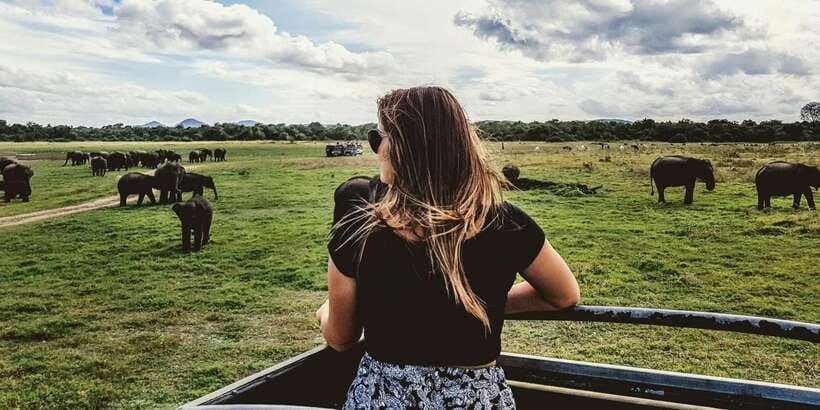
- Elephant feeding at the transit home: You get about 30 minutes to watch the baby-elephant feeding.
- Udawalawe jeep safari: A guided ride inside Udawalawe National Park to look for elephants and other animals.
- Wildlife variety: Expect possible sightings like wild buffalos, spotted and barking deers, wild boars, sambars, mongoose, hares, and crocodiles.
- Snakes and butterflies: The park is known for around 30 species of snakes and about 50 species of butterflies.
- English live guide: Your guide helps you spot animals and explains what you’re seeing.
- Convenient transfers: Round-trip hotel pickup/drop-off from Tangalle/Hiriketiya is included, using an air-conditioned vehicle.
Tangalle/Hiriketiya to Udawalawe: the ride that shapes your day
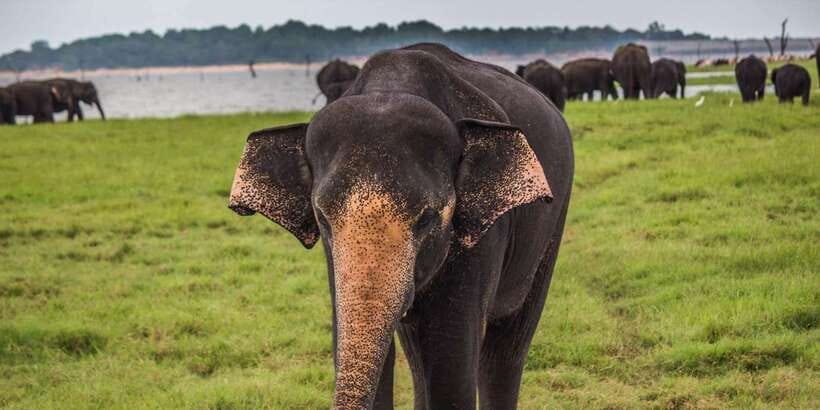
This tour starts with hotel pickup in the Tangalle or Hiriketiya area. Then you’ll head to the Elephant Transit Home by air-conditioned vehicle, with roughly a 2-hour drive built into the schedule before you even reach the elephants.
I like this approach because it keeps your plan simple. You’re not trying to figure out transport, parking, or timing on your own. You just get in, relax a bit, and focus on the day ahead.
Two practical tips help make the drive easier. First, bring something for sun and heat—Sri Lanka light can be intense, even when you’re in the vehicle. Second, if you’re prone to motion sickness, consider packing a remedy; long drives are part of the deal here.
You can also read our reviews of more tours and experiences in Matara

Elephant Transit Home feeding: how that 30 minutes plays out
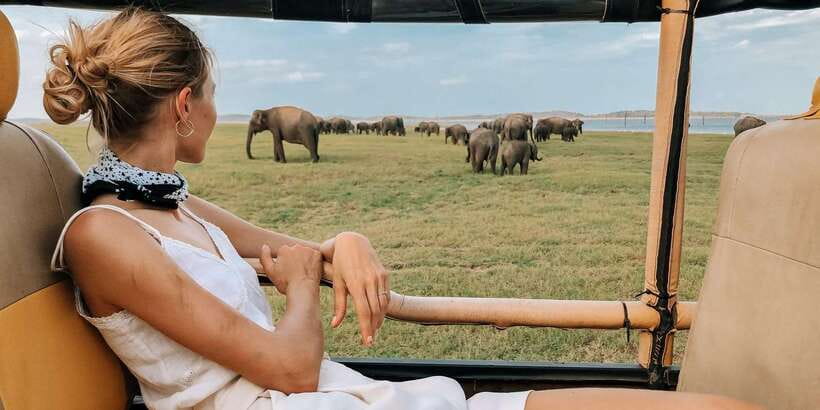
The highlight stop is the Elephant Transit Home, where you’ll have around 30 minutes to feed baby elephants. This is a rare kind of encounter because you’re watching animals in a care-and-recovery setting, not just guessing where wildlife might be hiding.
One detail I’d file away: feeding happens only three times a day. That matters because it’s why your timing is so important—your visit is scheduled so you can experience the feeding window instead of just touring empty grounds.
When feeding time starts, things move with staff guidance. You’ll be close enough to feel like you’re really in the middle of the action, and you can expect a calm-but-busy atmosphere where the babies are the main event. In one highlighted experience, the feeding moment was described as amazing and felt very well organized, with a welcoming team.
If you want the best viewing angle, arrive ready to stand and watch without blocking others. Also, expect it to be warm and a little dusty depending on weather, since you’re outside and focused on animals that move around.
Udawalawe National Park jeep safari: elephants, crocodiles, and the rest of the cast
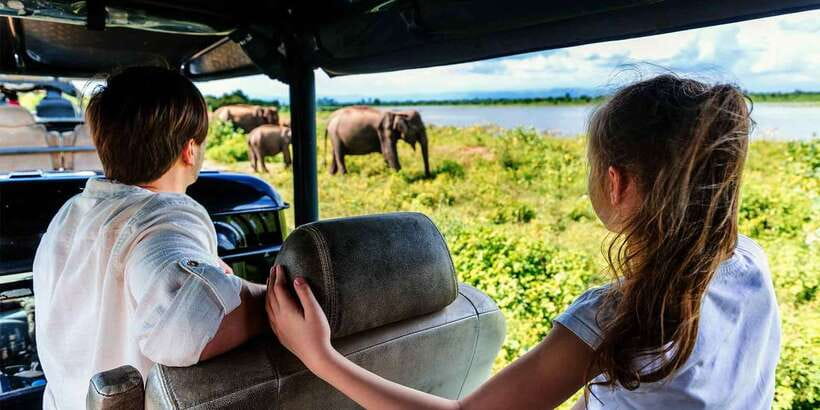
After the transit home, you continue on to Udawalawe National Park for the jeep safari. This is where the trip earns its reputation. The park supports large numbers of elephants thanks to abundant water sources, so the chances of seeing elephants aren’t just luck—they’re part of how the ecosystem works.
During the safari, you’ll search for a range of animals that share the park’s habitats. Your guide helps with spotting, and you’ll likely spend most of your attention on elephant behavior—because where there’s elephant activity, other species often show up too.
You can also have chances to see wild buffalos, spotted deer, barking deer, wild boars, sambars, hares, mongoose, and crocodiles. The tour information even lists possible snake sightings, with around 30 species of snakes in the park. That means if you’re the type who likes “small surprises,” you’re not limited to the big mammals.
Crocodiles deserve a special mention. They’re not always easy to spot, but Udawalawe has the right conditions for them to be part of the day. If you’re patient and let your guide point things out, you’ll have a better shot than if you spend the ride scanning randomly.
What you can realistically expect to see (and how to enjoy it)
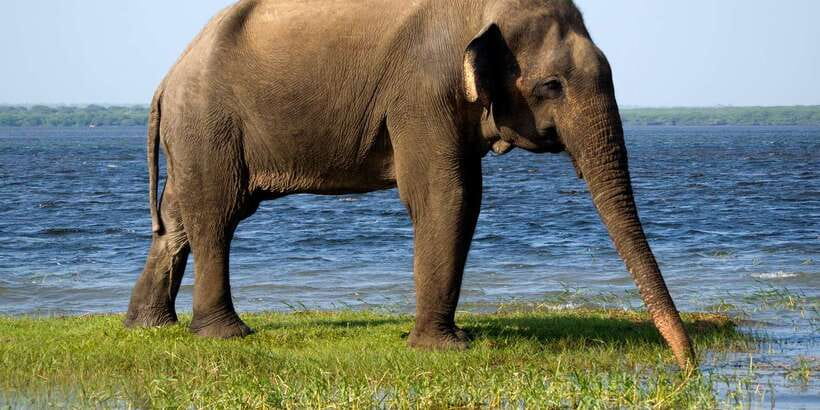
Udawalawe is famous for elephants, but the fun is that the day isn’t only about one animal. You’re set up for multiple categories: large mammals, reptiles, and smaller creatures you might miss on your own.
Here’s what’s on your potential sighting list:
- Elephants (the main draw)
- Wild buffalos and sambars
- Spotted deer and barking deer
- Wild boars
- Mongoose and hares
- Crocodiles
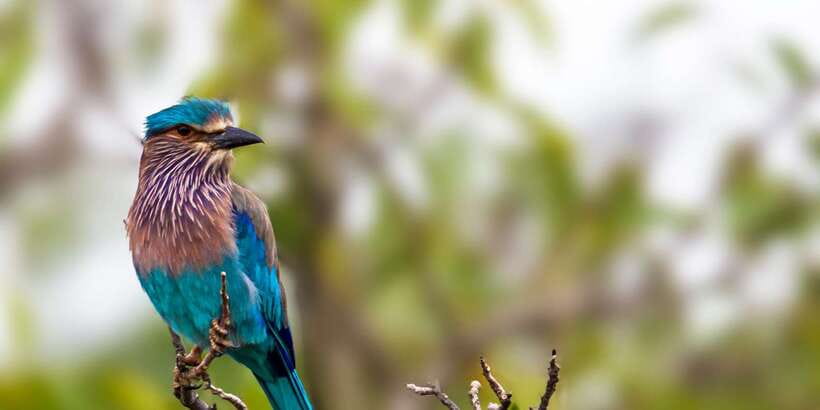
- Birds, plus about 50 species of butterflies
- Snakes, with roughly 30 species noted for the park
Now, here’s how to make that list feel real once you’re out there. Don’t focus only on the horizon. Animals can show up near water, along paths, or where the vegetation opens up. I find the best strategy is to let your eyes rest, then react when your guide points or when movement appears.
Also, expect the safari to be an exercise in “watching and waiting.” That can sound slow on paper, but it’s what turns random sightings into good memories. When your guide is good at finding animals and explaining what they are, the time passes quickly because you’re learning while you look.
If you’re an English-only traveler, you’ll appreciate that the tour includes a live guide in English. In one example, a guide named Shira (spelling may be a little different) was praised for explaining species and helping people spot animals. Another standout driver, Pathum, was mentioned for making the drive and transit parts feel smooth and informative.
Price and what $67 per person really buys you
At $67 per person, this tour looks like a straightforward value play—especially if you’re already staying in Tangalle or Hiriketiya. The price covers the parts that are hardest to DIY: round-trip hotel transfer, a guided jeep safari, and the Elephant Transit Home visit with feeding time.
Here’s what’s included:
- Air-conditioned transport
- Hotel pickup and drop-off in the Tangalle/Hiriketiya area
- Jeep safari at Udawalawe National Park
- Elephant Transit Home visit
- Professional driver/guide
What’s not included: entrance fees for Udawalawe National Park.
That’s the one line item you should plan for. Since entrance fees aren’t included, budget a little extra so you’re not surprised at payment time. If entrance fees are a deal-breaker for your budget, you can still benefit by asking in advance what you should expect to pay onsite.
Why I think $67 works here: you’re buying convenience plus guided wildlife time. A lot of people underestimate how much effort a safari day can take—timing, transport, and getting to the right places. This tour handles the logistics so you can spend your attention where it matters: animals.
Logistics that matter: timing, comfort, and a small watch-out
The tour is listed as 7 hours. It also depends on starting times, which means your day can feel early or late depending on when the pickup is scheduled.
Comfort-wise, you’re in an air-conditioned vehicle for the driving parts. That helps, because Sri Lanka heat can wear you down fast—especially before the safari even starts. The biggest fatigue factor is the time on the road, not the animal watching.
The “watch-out” is transfer timing. In one experience, the return transfer was delayed by more than an hour. That doesn’t automatically mean it will happen to you, but it’s worth taking seriously. If you have a dinner reservation or a strict evening plan, give yourself buffer time.
One more useful detail: in at least one instance, the driver added a stop for café snacks and hoppers during the ride. That kind of flexibility can make the day feel more like a road trip than a rushed checklist. Since it isn’t guaranteed, just don’t build your day around it—use it as a bonus if it happens.
Who this tour fits best (and who may want a different plan)
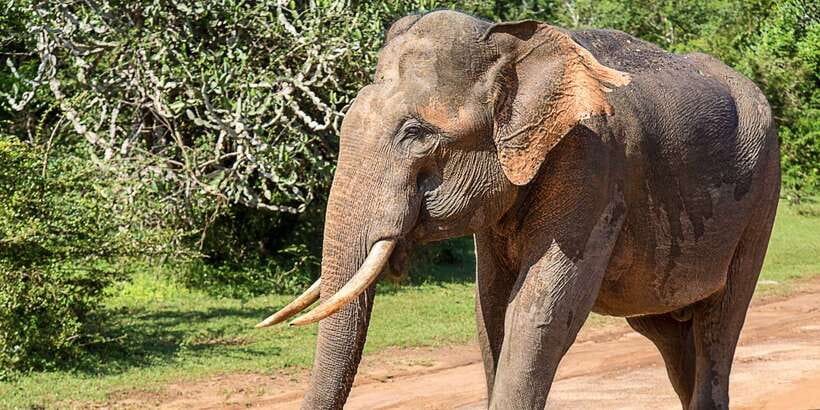
This is a good fit if you want elephants and other wildlife without the hassle of arranging transport and timing yourself. It also suits you if you like guided spotting—because Udawalawe’s animals aren’t always obvious when you’re scanning alone.
You’ll probably enjoy it most if you’re okay with a schedule that mixes two different settings: a care-and-feeding stop at the Elephant Transit Home and then a safari ride in the national park. You get variety, which keeps the day from feeling repetitive.
Consider a different option if:
- You dislike long drives before you see anything.
- You’re very sensitive to schedule slips and don’t have any evening buffer.
- You want a tour where entrance fees are bundled into the upfront price.
Should you book Udawalawe Safari & Elephant Transit Home from Tangalle/Hiriketiya?
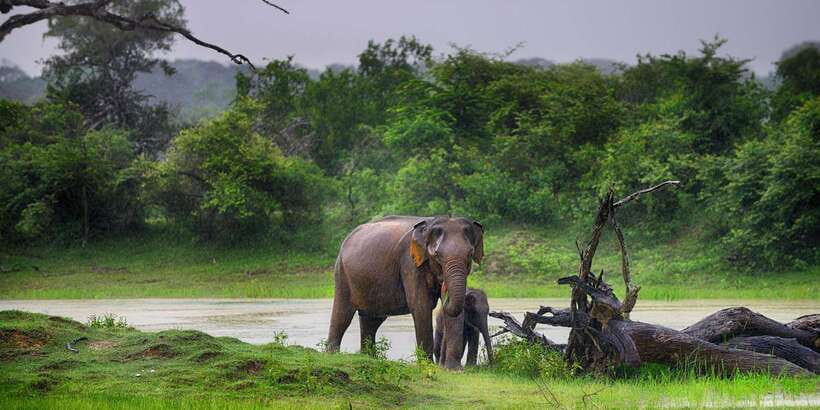
I’d book it if your priority is a guided Udawalawe jeep safari plus elephant feeding time, with hotel transfers handled for you. The $67 price makes sense because it includes the transport and the key experiences; you just need to account for entrance fees separately.
If you love animals, the range helps too. You’re not only chasing elephants—you have real chances for crocodiles, deer, buffalos, boar, mongoose, butterflies, birds, and even snakes depending on conditions and what your guide spots.
If your schedule is tight, build in extra time for the return transfer. Otherwise, this is one of the more efficient ways to get big Sri Lanka wildlife energy from the Tangalle/Hiriketiya area without turning your day into a transportation project.
FAQ
What’s the duration of the Tangalle/Hiriketiya Udawalawe safari and elephant transit home visit?
The tour lasts about 7 hours.
Where does the tour pick up from?
Pickup and drop-off are included from hotels in the Tangalle/Hiriketiya area.
Is the jeep safari included?
Yes. The package includes a jeep safari at Udawalawe National Park.
Is the Elephant Transit Home visit included?
Yes. You’ll visit the Elephant Transit Home and spend around 30 minutes during the feeding time.
Do I need to pay park entrance fees?
Yes. Entrance fees for Udawalawe National Park are not included in the package.
What animal sightings can I expect?
The tour information lists possible sightings such as wild buffalos, spotted deer, barking deer, wild boars, sambars, hares, mongoose, crocodiles, snakes, and many birds. It also notes butterflies in the park.
Is there an English guide?
Yes. The tour includes a live tour guide in English.
What vehicle will I travel in?
You’ll use an air-conditioned vehicle for the transport.
How much does the tour cost?
The price is listed as $67 per person.
Is there a cancellation option?
Yes. Free cancellation is available up to 24 hours in advance for a full refund.