REVIEW · ARUGAM BAY
Arugam Bay Surf Lessons : Beginner Surf Experience
Book on GetYourGuide →Operated by Arugambay Agenda · Bookable on GetYourGuide
Surfing Arugam Bay starts with one good lesson. In this beginner setup, you get ISA-certified surf instruction plus board rental, and you’ll train on classic local spots like Baby Point and Peanut Farm. The vibe is simple and practical, but do note it’s not a fit for everyone—pregnancy and mobility limitations are listed as not suitable.
What I like most is how focused the time is: a structured 90-minute in-and-out lesson plan built around paddling, balance, and catching waves. You also get a refreshing break with complimentary king coconut, which matters in Sri Lanka’s heat when you’re working hard. The main consideration: if you’re already an experienced surfer, a beginner program may feel too basic.
In This Review
- Key highlights you’ll actually feel
- Where this beginner lesson fits in Arugam Bay surfing culture
- The 1.5-hour plan: how the time is used
- Step 1: Pickup and getting set up
- Step 2: Paddling and balance, taught like a skill—not luck
- Step 3: Riding waves at beginner-friendly spots
- Step 4: Wrap-up and refreshment
- Spot-by-spot: what those names mean for your learning
- Baby Point: where you build the basics
- Peanut Farm: more wave time, still beginner-focused
- Elephant Rock: added variety when conditions fit
- Instructor quality: ISA certification and real personalities
- What’s included, and why it’s good value at around $30
- Practical tips so you don’t waste your session
- Who this surf lesson is best for
- Money and timing: choosing the right day in Arugam Bay
- Should you book this Arugam Bay beginner surf lesson?
- FAQ
- How long is the surf lesson?
- What’s included in the price?
- Where do you practice in Arugam Bay?
- Are the instructors English-speaking?
- What should I bring?
- Is the experience suitable for everyone?
- Is there a cancellation policy?
Key highlights you’ll actually feel
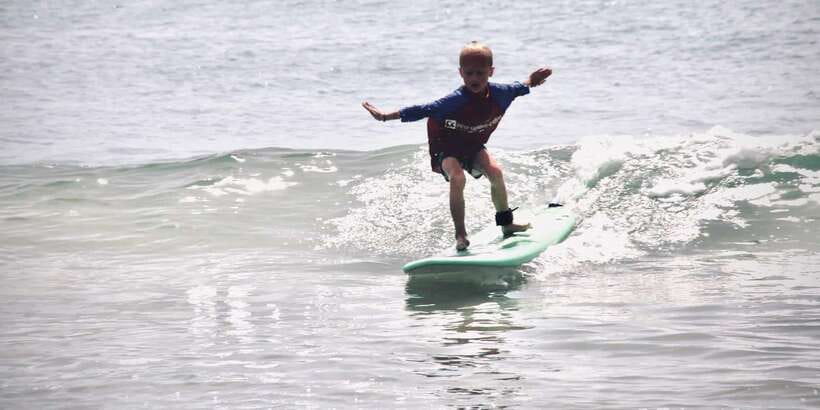
- ISA-certified instructors teaching paddling, balance, and wave timing for total beginners
- Baby Point and Peanut Farm practice plus time at Elephant Rock as conditions allow
- Board rental included, so you can travel light and avoid last-minute hassles
- Hotel pickup and drop-off by tuktuk, which keeps the day easy
- King coconut refreshment, a welcome reset after being out on the water
- English instruction, making it straightforward even if your surf vocabulary is brand new
Where this beginner lesson fits in Arugam Bay surfing culture

Arugam Bay is one of Sri Lanka’s best-known surf areas, but that doesn’t mean the local scene has to feel intimidating. This lesson is built for your first real attempts—learning how to move through the water, how to handle your board, and how to read what the wave is doing.
You’re not just shown a few pointers and tossed onto the water. You get step-by-step instruction with a surfboard and structured practice. That difference matters because beginners usually struggle in the same places: paddling speed, how to pop up without fighting the board, and timing your catch so you don’t get slammed by a whitewater wave.
If you’re coming during a quieter period, the lesson can feel even more productive since you can focus on your instruction without constant crowd pressure. One booking specifically called out that going out of peak season helped everything feel calmer and more manageable.
You can also read our reviews of more tours and experiences in Arugam Bay.

The 1.5-hour plan: how the time is used

This experience runs about 1.5 hours total, with a 90-minute surf session (the rest is transit and setup). You’ll also get a tuktuk pickup that arrives roughly 10 minutes before the scheduled start, which is a nice “no guessing” buffer.
Because exact timing on each surf spot isn’t spelled out, think of the lesson as a guided progression through Arugam Bay’s beginner-friendly areas. You’ll work on fundamentals at or near places like Baby Point, then get more wave exposure at Peanut Farm, and possibly add Elephant Rock depending on conditions.
Here’s what that usually looks like in real terms:
Step 1: Pickup and getting set up
You’ll be collected by tuktuk and brought to the surf area with the lesson team. This saves you energy and time. Instead of figuring out transport and parking, you can focus on the part that matters: getting comfortable with the board and learning how the sea plays with your momentum.
You should expect practical setup first—board handling, safety reminders, and getting your stance and paddling technique aligned before you go for waves.
Step 2: Paddling and balance, taught like a skill—not luck
Beginner surfing becomes a lot easier when someone breaks it down into steps you can repeat. The lesson is designed around:
- Paddling basics (how to position yourself and move efficiently)
- Balance (keeping your body stable as the board moves)
- Catching waves (timing and positioning so you’re not just chasing water)
This is where ISA-qualified surf instructors really help. You get feedback that’s meant to be acted on immediately, not generic advice that sounds good but doesn’t change what you do next.
Step 3: Riding waves at beginner-friendly spots
You’ll practice in and around some of Arugam Bay’s best-known surf points, including Baby Point, Peanut Farm, and Elephant Rock. Each area has its own feel, but for you the big takeaway is consistency: you’ll get repeated attempts so your brain starts learning the wave rhythm.
Baby Point and Peanut Farm are often a go-to for learning because they’re known for being practical places to build confidence. Elephant Rock can be part of your session depending on conditions, meaning you may get additional variety rather than repeating the exact same wave.
Step 4: Wrap-up and refreshment
After the water time, you’ll get a complementary drink. The listing specifically notes king coconut, which is a smart match for this kind of outing. You’ll likely feel sun, salt, and fatigue—having something cooling and refreshing included is real value, not an afterthought.
Spot-by-spot: what those names mean for your learning
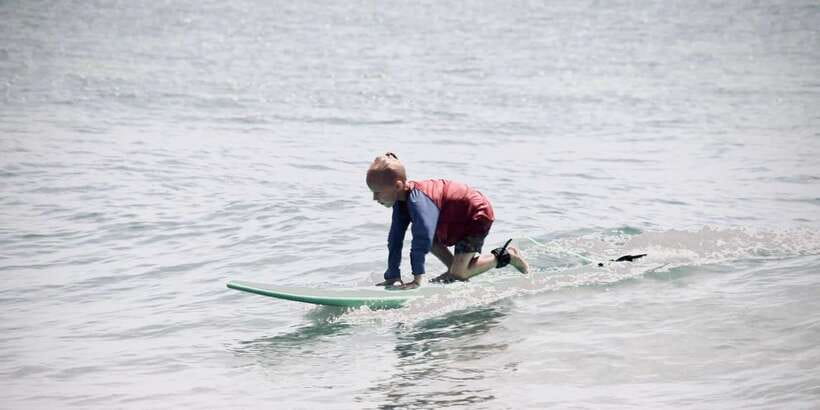
You’re going to see a few surf spot names and wonder if they’re just marketing. In this case, they’re useful because they shape how you practice.
Baby Point: where you build the basics
Baby Point is referenced as one of the places you’ll learn. For beginners, that usually translates to a session structure focused on getting comfortable with the rhythm of paddling and timing your first standing attempts.
If your biggest problem right now is simply getting up without panic, Baby Point-style practice is exactly what you want: lots of chances to try, fail, adjust, and try again.
Peanut Farm: more wave time, still beginner-focused
Peanut Farm is another learning stop in this lesson. The advantage here is that it gives you more wave exposure so you can connect technique to real, moving water.
You don’t want one long stretch of instruction where nothing changes. Peanut Farm-style variety tends to help your timing click because you feel the wave carry the board more clearly.
Elephant Rock: added variety when conditions fit
Elephant Rock is included as an option. The key word here is option: you should think of it as “if conditions allow, you’ll get a slightly different feel.”
For you as a beginner, that’s helpful because it breaks monotony and can give your confidence a boost. The drawback is that it might not be used every time—conditions control what’s most practical for safety and learning.
Instructor quality: ISA certification and real personalities

This lesson is taught by ISA-qualified surf instructors. That’s not just a credential on paper. For beginners, quality instruction shows up in small things:
- how they correct paddling or stance without overwhelming you
- how they coach timing so you’re not constantly catching the wrong part of a wave
- how they keep the session moving while still letting you practice
One of the standout notes from a recent booking mentioned instructors named Hanas and Quill. The feedback emphasized professionalism from the tuktuk drive to the actual surf instruction. Even if you don’t get the same instructors, that points to the overall style you can expect: organized, friendly, and focused on getting you comfortable fast.
What’s included, and why it’s good value at around $30

At about $30 per person, this lesson includes a lot of what beginners typically end up paying for separately:
- hotel pickup and drop-off
- surfboards
- ISA-qualified instructors
- 90 minutes of surf lesson time
- a complementary refreshing drink (king coconut)
That combo matters because surf lessons can get expensive when you add transport, rentals, and basic guidance. Here, you’re paying for the full package built for first-timers.
Also, the duration is practical. Ninety minutes in the water is enough to learn something real without turning the day into a half-day ordeal. And because the full experience is only about 1.5 hours, it fits nicely with the rest of your Arugam Bay schedule—beach time, local food stops, and just watching surfers between your attempts.
Practical tips so you don’t waste your session

You don’t need special gear beyond a few basics, and the activity lists simple things you should bring:
- Hat
- Sunscreen
I’d treat sunscreen as non-negotiable. Even short surf sessions can fry your skin because you’re exposed from multiple angles—sun on the water reflects, and you’re out longer than you think once you start paddling.
Also, keep the day clean and focused. The rules mention no weapons/sharp objects and no intoxication or drugs. It also notes no alcohol. Those rules are there for safety, and you’ll be happier if you show up clear-headed and ready to learn.
Finally, expect the session to be instruction-heavy. That means you’ll want to listen, then try. If you keep switching between “watching” and “guessing,” you’ll slow your progress.
Who this surf lesson is best for
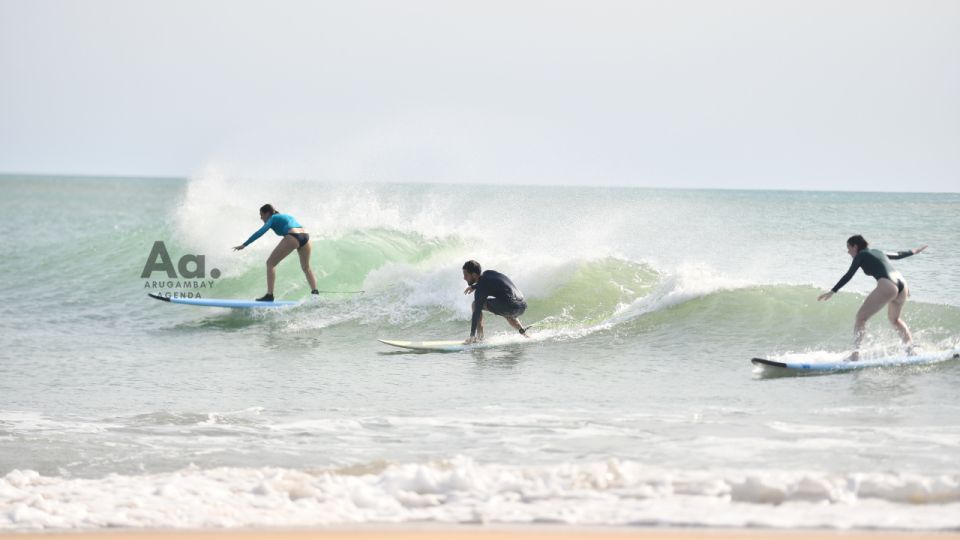
This beginner experience is ideal if:
- you’re trying surfing in Arugam Bay for the first time
- you want structured help with paddling, balance, and catching waves
- you’d rather have a guide than figure out surf logistics on your own
- you want English instruction and a friendly, organized coaching approach
It’s probably not the best choice if:
- you’re already surfing regularly and want advanced technique training
- you need a format designed for mobility impairments or pregnancy (both are listed as not suitable)
Money and timing: choosing the right day in Arugam Bay

Because Arugam Bay can be busier in peak times, one reviewed experience specifically mentioned that going when it was not the season helped keep things peaceful and uncrowded. Even if you’re going during different months, the takeaway is the same: calmer conditions often make a lesson feel easier to learn from, especially for first-timers.
If your goal is confidence over competition, aim for the time window when it’s less crowded. You’ll likely get more mental space to focus on what your instructor is telling you.
Should you book this Arugam Bay beginner surf lesson?

Yes—if you’re new to surfing or you want a guided beginner path with real coaching, this is a strong buy for the price. The combination of ISA-qualified instruction, included board rental, pickup/drop-off, and a refreshing included drink makes it beginner-friendly in the way that actually matters: less hassle, more practice, clearer feedback.
I’d especially recommend it if you want to learn at recognizable Arugam Bay spots like Baby Point and Peanut Farm without trying to figure out transport and local surf access yourself.
Skip it only if you already have solid surfing skills and want something advanced, or if you need an option that fits mobility or pregnancy considerations.
FAQ
How long is the surf lesson?
The total experience is about 1.5 hours, with 90 minutes of surf lesson time in and out.
What’s included in the price?
You get hotel pickup and drop-off, a surfboard, ISA-qualified surf instructors, the 90-minute surf lesson, and a complementary refreshing drink.
Where do you practice in Arugam Bay?
You’ll learn at and around popular beginner practice spots including Baby Point, Peanut Farm, and possibly Elephant Rock depending on the session conditions.
Are the instructors English-speaking?
Yes. The instructor language is English.
What should I bring?
Bring a hat and sunscreen.
Is the experience suitable for everyone?
It’s not suitable for pregnant women or people with mobility impairments.
Is there a cancellation policy?
There is free cancellation up to 24 hours in advance for a full refund.