REVIEW · COLOMBO
Market Tour and Cooking Class from Colombo
Book on Viator →Operated by Lakpura LLC · Bookable on Viator
Pettah Market makes your cooking lesson real. This market-to-table experience pairs shopping at Colombo’s historic Pettah area with a chef-led studio class, so you learn Sri Lankan flavors in the same order you’d use them at home. I like that it’s private, meaning the pace and attention feel tuned to your group, not a conveyor belt.
Two things stand out right away. I love how you start at the fresh produce and spice stalls, where ingredients explain themselves. And I love that you cook something specific like breadfruit curry, plus a meat or fish main, not just a generic cooking demo you forget by the next day.
One consideration: the tour depends on good weather, since you’ll travel by tuk tuk or car between Pettah and the cooking studio. If rain hits hard, your schedule may shift, and Pettah itself can feel intense if you dislike crowds and strong aromas.
In This Review
- Key highlights to look for
- Pettah Market first: the logic that makes the cooking click
- Pettah produce stalls and spice stops: how to shop without guessing
- Studio time: turning what you bought into breadfruit curry and a main
- Eating what you made: why the meal is the point
- Morning vs late-afternoon: timing that shapes the experience
- Private and chef-led: what you should look for in your host
- Price and value: is $120 per person fair for Colombo?
- What’s included, what’s not, and how to plan your day
- Who this tour fits best (and who might want to skip it)
- Should you book the Market Tour and Cooking Class from Colombo?
- FAQ
- What time does the cooking class start?
- Where does the tour begin and end?
- How long is the tour?
- What dishes will I learn to cook?
- Is lunch or dinner included?
- What happens if the weather is poor?
Key highlights to look for
- Pettah Market shopping first, so you learn what to buy before you cook
- Breadfruit curry + a meat or fish main, taught with step-by-step guidance
- Morning or late-afternoon slots, built in time to sit down and eat
- Chef-led rice and curry style meal, so you understand the whole plate, not just one dish
- Private group format, with only your group participating
- Tuk tuk or car transfer, depending on weather conditions
Pettah Market first: the logic that makes the cooking click
A lot of cooking classes start with a kitchen and only later talk about ingredients. This one flips that. You begin at the Pettah Market area, then head to the studio to cook what you chose. For you, that means the lesson sticks. When you taste a sauce later, you’ll remember where the spice came from and what it looked like on the stall.
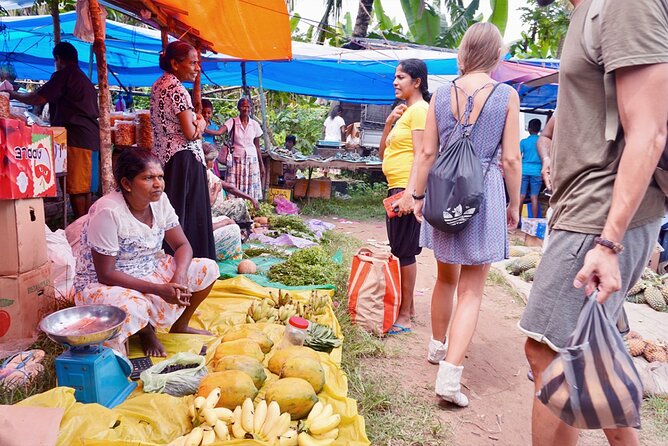
Pettah itself is part classroom, part sensory crash course. The market area has centuries of history, including disused warehouses and old cobblestone alleyways that show up in the texture of your walk. You’ll also notice that the market space is organized by what’s sold—produce in one section, spices in another—often separated by older stretches and then blending into the next area. That structure is useful because it mirrors how you’ll think about your shopping list at home.
This format is also a value play. You’re paying for more than a meal lesson—you’re paying for instruction on ingredient selection in a real local setting. And since the class is private, the chef can answer your questions in the moment, instead of saving them for the end.
You can also read our reviews of more shopping tours in Colombo


Pettah produce stalls and spice stops: how to shop without guessing
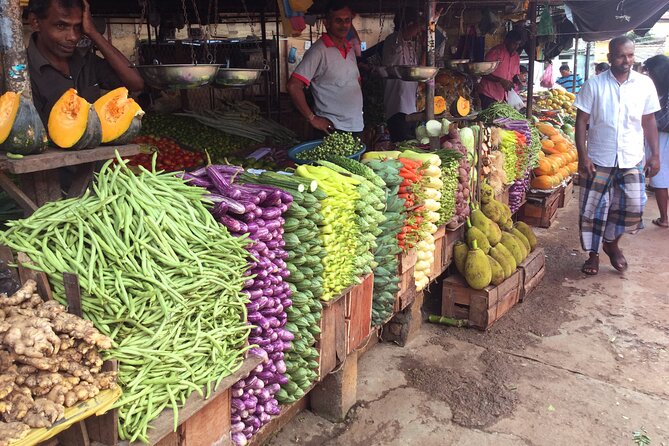
Your first stop is the Pettah fresh produce market and spice stalls, and that’s where you get the most practical “I can do this later” knowledge.
Here’s what makes this section especially helpful. In many markets, spices look similar until someone points out differences that matter for cooking. In Pettah, you’ll see colorful rows of fruit and vegetables and you’ll also move through stalls where spices are a main focus. Even if you’re not trying to copy every exact brand at home, you’ll learn the logic: what’s available, how it’s used, and how to think about flavor balance.
A simple way to get more out of this part is to treat it like ingredient matching:
- Ask what to pick for a curry base.
- Ask how the meat or fish changes the spice approach.
- Pay attention to what looks fresh and what’s being sold for immediate use.
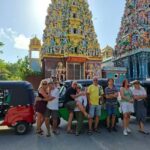
The transfer between Pettah and the studio is also part of the learning day. You’ll ride in a tuk tuk or car depending on the weather, which matters in Colombo because it keeps your schedule realistic and avoids turning the lesson into a long, sweaty wait.
Studio time: turning what you bought into breadfruit curry and a main
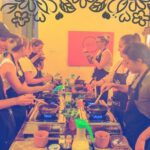
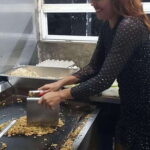
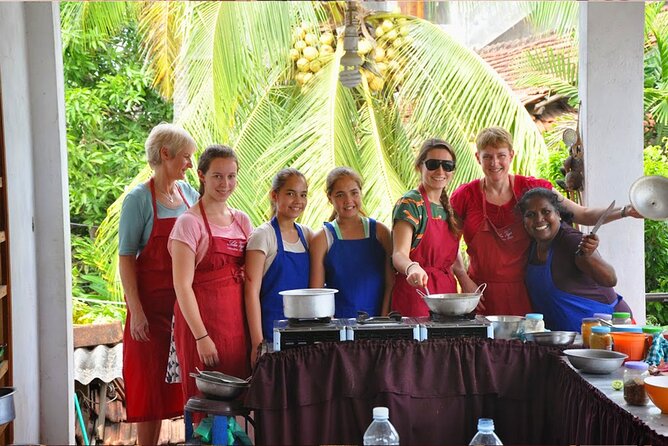
Once you return to the cooking studio, the real work begins. The workshop is built around a classic Sri Lankan-style rice and curry meal, with guidance from your chef from start to finish.
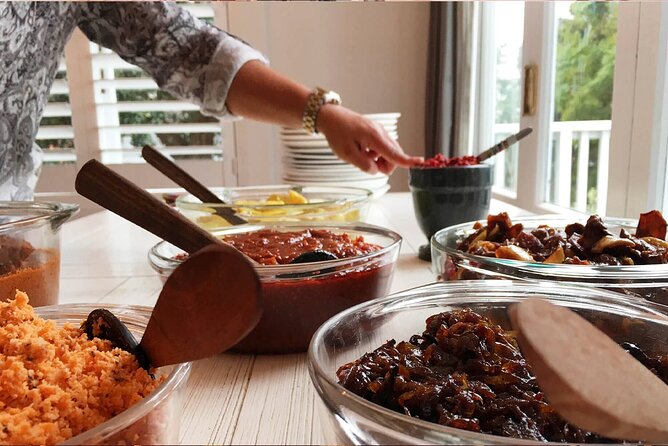
The dishes you’ll prepare are clearly set: you’ll make a breadfruit curry and a meat or fish dish. That pairing is smart because it teaches you two different ways curry flavors show up on the plate—one anchored by the starchy vegetable, the other shaped by the protein. It’s also easier to remember after the class, because you can picture the plate: curry-style sauce, rice, and a main that completes the meal.
A good cooking lesson is never just recipes on paper. What you’re getting here is instruction that’s meant to be repeatable. The class is taught using instructions from the chef, and the goal is that you can cook these dishes again at home—not just take a photo and hope for the best.
If you’re nervous in kitchens, this is still doable. The format has a clear beginning (shop), a clear middle (prep and cook), and a clear end (eat). And since it’s private, you can ask for clarification without feeling rushed.
Also, you’ll likely notice that the chef’s approach is more about method than memorizing steps. That’s valuable for you because ingredients vary by country. Even if you can’t find the exact same breadfruit or spice mix, you’ll understand what the sauce should taste like and what textures you’re aiming for.
Eating what you made: why the meal is the point
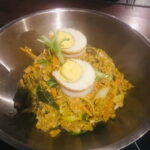
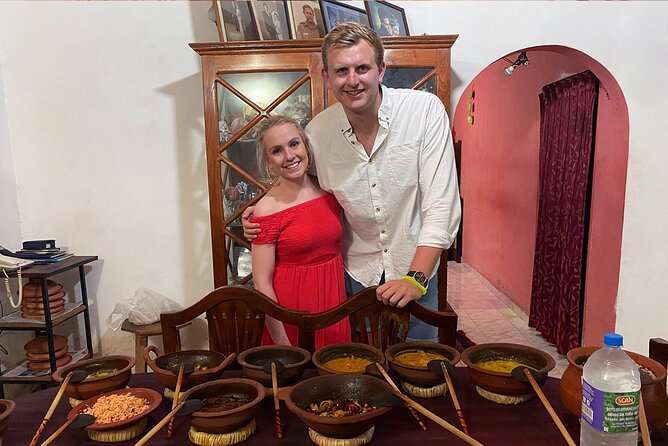
You don’t finish with your hands still covered in curry. This experience builds in time to sit down and enjoy your meal after the cooking. That matters more than it sounds, because you’ll taste the results while the process is still fresh in your mind.
Depending on your start time, you’ll have:
- A morning session that finishes around 2:00 pm
- A late-afternoon session that finishes around 8:00 pm
Eating together is also when the chef can explain what you might have missed earlier, like balance and seasoning. It’s one thing to follow a recipe. It’s another to taste and learn what changes make a dish more Sri Lankan in feel. Since the class is centered on rice and curry style eating, you’ll get a fuller sense of the meal structure, not just a single dish.
And yes, there’s a practical bonus: you walk away fed. In a city where timing can get unpredictable, having lunch or dinner built into the experience keeps the day from turning into “food hunting” after a busy market morning.
Morning vs late-afternoon: timing that shapes the experience
This class runs on two main schedules: 9:45 am or 3:45 pm, on any day except Sundays. Both are about four hours in length (approx.), with the meal time baked into the ending.
Morning sessions are great if you like to start early, enjoy cooler temperatures, and get your market shopping done before Colombo crowds build up. It also tends to feel efficient: market first, then cooking, then you’re basically done with food plans for the day.
Late-afternoon sessions can be ideal if you want a slower start and you’re pairing this with other daytime exploring. You’ll still finish around 8:00 pm, so it works nicely for travelers who don’t want to rush lunch or who want dinner handled in a focused way.
One note for planning: Pettah and the transfer depend on weather. If it’s rainy or messy, you might have a different experience flow, because you’re traveling by tuk tuk or car based on conditions.
You can also read our reviews of more tours and experiences in Colombo
Private and chef-led: what you should look for in your host
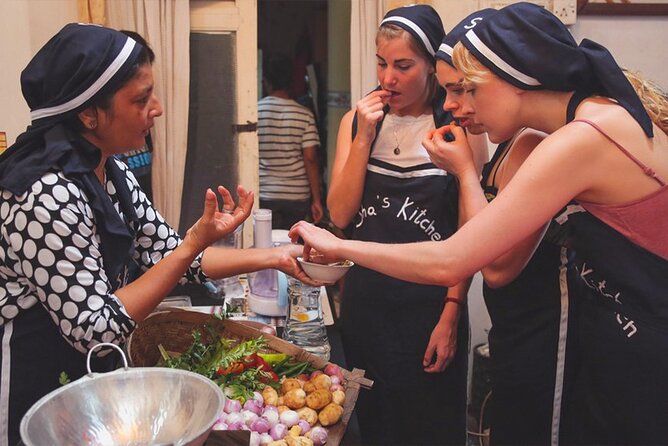
This is a private tour/activity, so it’s only your group. That’s not just a comfort feature. It changes the quality of the teaching. Instead of waiting your turn, you can ask direct questions, tweak technique, and get help where you actually need it.
In past sessions, chefs have been described as informative, engaging, and fun—including one host named Piumi, who was praised for an engaging style in a private cooking class setup. If you end up with a chef like that, the class feels less like instruction and more like learning a family method with someone who genuinely enjoys sharing it.
When you book, your best move is to go in with small questions ready. Examples that work well here:
- What’s the most important step in breadfruit curry?
- How does the spice balance shift when you choose fish vs meat?
- What should the sauce look and taste like before serving?
You don’t need to be a serious cook. You just need curiosity. A good chef will guide you.
Price and value: is $120 per person fair for Colombo?
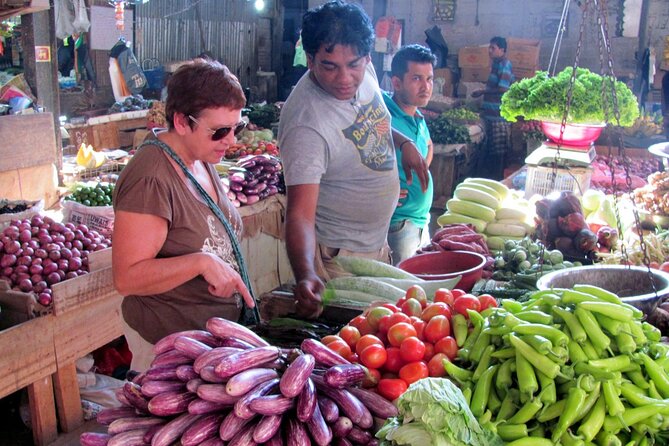
At $120 per person for about four hours, you’re paying for a bundle: Pettah market shopping time, spice and produce context, chef-led cooking instruction, and a sit-down meal (lunch or dinner). You’re not just buying ingredients, and you’re not just buying a plate of food—you’re buying learning plus the experience of doing it in a local setting.
Where the value really shows is that your $120 covers two parts that are hard to recreate:
- Market selection with an expert guiding you. This saves you guesswork.
- Hands-on cooking of Sri Lankan rice and curry dishes. This is where skill transfers.
Also, the experience notes group discounts. If you’re traveling with friends or family and can book together, the per-person cost can feel easier to justify. And since it’s private, you get the benefit of smaller-group attention rather than sharing teaching time with unrelated travelers.
Spending isn’t just about cost, either. If you’re the kind of traveler who likes to take home a usable skill, this is one of the better formats. It doesn’t rely on taste alone. It builds a method.
What’s included, what’s not, and how to plan your day
Included in your experience:
- A Sri Lankan cooking workshop
- Lunch or dinner (depending on whether you start in the morning or late afternoon)
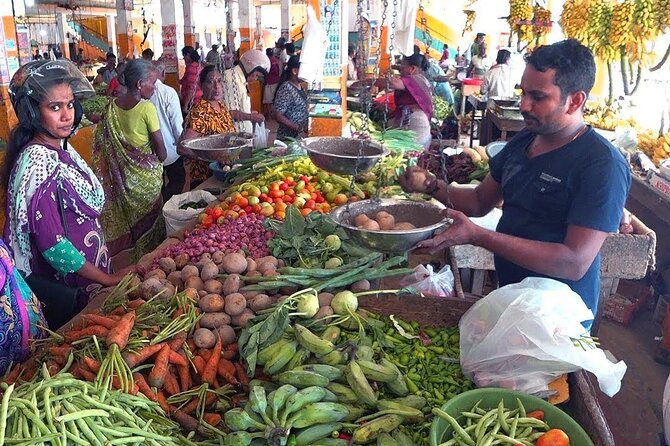
- Tour of Pettah fresh produce market and spice stalls
Not included:
- Optional gratuities
- Personal expenses
Because lunch/dinner is part of the class, you can plan your day more simply. If you’re doing other Colombo sightseeing, put this near your main meal window. That way, you’re not trying to squeeze snacks and timing around a market walk.
Also, keep in mind the class requires good weather. If conditions are poor, you’ll be offered a different date or a full refund. The key takeaway for you is to avoid booking this as your only food plan during a “must-do” weather-sensitive day.
Who this tour fits best (and who might want to skip it)
This experience is a great fit if you:
- Want a hands-on Sri Lankan cooking lesson, not just a demonstration
- Like authentic shopping experiences and want to learn what to buy at a market like Pettah
- Prefer a private class where you can move at your group’s pace
- Want something you can repeat at home, especially since the cooking is meant to be followable
You might want a different style of tour if you:
- Strongly dislike market environments or the sensory intensity that comes with open-air stalls
- Prefer classes that focus on desserts or baking styles (this one is centered on rice and curry cooking)
- Are trying to fit it into a tight schedule on a day where weather might be unreliable
Should you book the Market Tour and Cooking Class from Colombo?
I’d book it if your goal is to learn Sri Lankan food in a way that doesn’t evaporate the next day. The combination of Pettah market shopping and then cooking breadfruit curry plus a meat or fish main is the right structure for building real understanding. You also get to eat what you make, which keeps the whole experience grounded.
Choose the morning or late-afternoon slot based on your energy and your other plans in Colombo. If you can, plan around the weather and treat the market walk as part of the fun, not a hurdle.
If private, chef-led learning is your travel style—and you want a skill you can bring home—this is a solid, fair-priced way to spend a few hours in Colombo.
FAQ
What time does the cooking class start?
You’ll start either at 9:45 am or at 3:45 pm, on any day of the week except Sundays.
Where does the tour begin and end?
The experience starts at the Cooking Studio area in Colombo (near public transportation) and ends back at the meeting point.
How long is the tour?
It runs about 4 hours (approx.).
What dishes will I learn to cook?
You’ll prepare a breadfruit curry and a meat or fish dish as part of the Sri Lankan rice and curry style workshop.
Is lunch or dinner included?
Yes. You’ll have lunch or dinner depending on whether you take the morning or late-afternoon session.
What happens if the weather is poor?
If the experience can’t run due to poor weather, you’ll be offered a different date or a full refund.