REVIEW · COLOMBO
City Tour in Colombo
Book on Viator →Operated by Tangerine Tours · Bookable on Viator
One neighborhood can teach you a lot. This Colombo tour strings together major landmarks, from the old Dutch-era precinct to temples, mosques, and oceanfront air in Galle Face Green.
I like two things right away: the stops are spread out just enough to feel like a day of sightseeing, not a rushed checklist, and the English-speaking guide (when they’re chatty) helps you connect what you see to why it matters.
One thing to consider: it’s a car-and-walk mix, so if the guide role is thin, it can feel more like a drive than a guided tour, and timing matters a lot in a city with traffic.
In This Review
- Key Highlights to Look For
- How a 4–6 Hour Colombo Highlights Tour Gets You Oriented Fast
- Dutch Hospital Shopping Precinct: Colonial Bones, Modern Life Around Them
- Colombo Fort: Government Buildings, Market Energy, and a District That Explains the City
- St Anthony’s Shrine and Gangaramaya Temple: Two Faiths, Two Styles of Meaning
- St Anthony’s Shrine (quick stop, strong atmosphere)
- Gangaramaya (Vihara) Buddhist Temple (longer time, more to see)
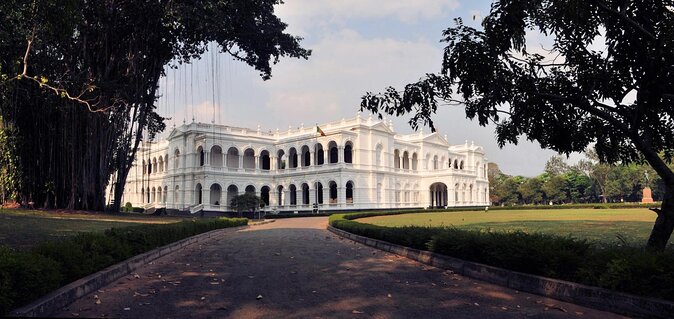
- Colombo National Museum: When You Want Context for Everything You Just Saw
- A Side Route Through Pettah and City Life: Where the Senses Turn On
- Jami Ul-Alfar Mosque and Old Town Hall: Civic Beauty and Religious Harmony
- Jami Ul-Alfar Mosque
- Old Town Hall
- Colombo Lotus Tower, Independence Square, and the 1857 Lighthouse Story
- Colombo Lotus Tower
- Independence Square
- Colombo Lighthouse: 1857, decommissioned, and the Dent clock link to Big Ben
- Galle Face Green: The Easy Ending That Feels Like Colombo
- What You’re Really Paying for With $65
- Should You Book This Colombo City Tour?
- FAQ
- How long is the City Tour in Colombo?
- What time does the tour start, and where does it begin?
- Does the tour include pickup and drop-off?
- Is this tour private?
- Are entrance tickets included?
- Which stops require paid admission?
- What’s included in the price besides the tour itself?
- What is the cancellation policy?
Key Highlights to Look For
- Free-entry landmarks are plenty: several big sights on the route are listed as free, so you’re not paying nonstop for tickets.
- A real city mix in one loop: colonial buildings, religious sites, a museum, and the coast, all in one afternoon.
- Temple + museum time is built in: you get longer blocks at Gangaramaya and the Colombo National Museum.
- Architecture stories you’ll remember: from colonial-era civic buildings to the lighthouse clock history tied to Big Ben’s maker.
- Galle Face Green is the easy payoff: the final stretch gives you sea breeze and a natural place to reset your brain.
- Private group means your pace should be smoother: only your group participates, so the guide can adjust a bit.
How a 4–6 Hour Colombo Highlights Tour Gets You Oriented Fast
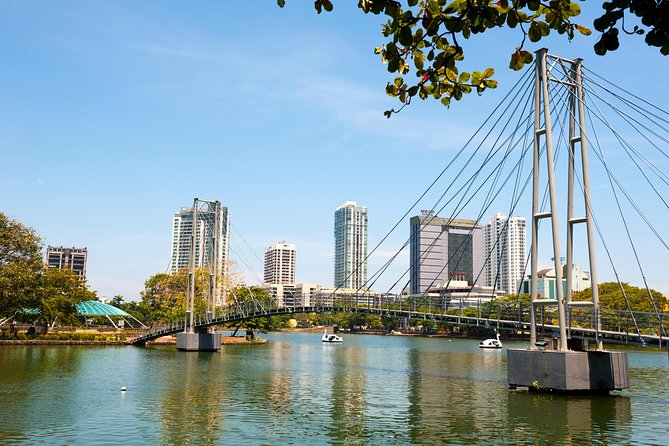
If Colombo is your first stop in Sri Lanka, you need two things: a sense of scale and a sense of what the city values. This tour does both by hopping between major districts without making you plan routes or fight the map. You’re in an air-conditioned car or van with pickup and drop-off at selected hotels, and you start at Galle Face at 10:00 am, then end back at the same meeting point.
The timing works like this: you’ll do short photo-and-stroll stops for several landmarks, then spend meaningful time at the big-ticket cultural stops (the temple and the museum). In practice, that balance is what makes a highlights tour feel useful instead of exhausting. When you leave with better context, Colombo’s streets later feel less random.
The price is $65 per person, and here’s why it can feel like value rather than just a bus ride. Many of the listed stops are free admission, so you’re mostly paying for transport, a guide, and access to a guided flow through several key areas. The places marked as not included (like Gangaramaya, the national museum, and the Lotus Tower) are the ones you should mentally budget for.
One practical note from real-world experience: this kind of tour lives and dies by punctuality and guide commentary. If a vehicle arrives late, or if the guide is more silent than informative, you can end up mostly watching names of places go by rather than learning what you’re looking at.
You can also read our reviews of more city tours in Colombo


Dutch Hospital Shopping Precinct: Colonial Bones, Modern Life Around Them
Your route begins at the Dutch Hospital Shopping Precinct, a former colonial-era landmark that now functions as a social space with shops and places to eat. Even if you’re not shopping, it’s a smart first stop because it sets the tone: Colombo’s past isn’t trapped behind glass. It’s reused.
You’ll also hear a couple of historical stories tied to the surrounding area. One notable detail is about a building that housed the island’s legislature for 53 years until a new parliamentary complex opened. That kind of fact matters because it explains why so many civic structures in Colombo feel both official and slightly transitional, like they’re halfway between eras.
Another historical thread you might notice (and later connect with) is how old structures often contain imported engineering and design. You’ll see clock-and-tower references again at the lighthouse later, so it helps to start with the mindset that Colombo’s landmarks weren’t built randomly. They were designed with global standards in mind for their time.
How to enjoy this stop: keep your phone handy for quick exterior photos, but don’t spend the whole time indoors. The value is in spotting the colonial details and then using your guide’s explanation to “read” the architecture.
Watch-outs: this stop is short (around 15 minutes). If you want deep shopping time, you’ll need to come back later on your own.
Colombo Fort: Government Buildings, Market Energy, and a District That Explains the City
From Dutch Hospital, the tour rolls into Colombo Fort, one of the city’s historical cornerstone areas where colonial remnants meet modern commerce. You won’t be doing a long walking tour here; instead, you’ll get a drive-by plus a quick look so you can understand the district as an organized hub.
Fort works well on a first-day tour because it shows Colombo’s layers. You’ll see busy market activity and government buildings in the same general frame, which helps you understand how the city functions day to day. This is one of those areas where you can later return and explore with confidence, because the landmarks you saw on the tour become anchors.
Also, this is the part of the route where you’ll likely feel the traffic rhythm of Colombo. That’s not a problem; it’s just the price of being in a living city. The guide’s job is to keep you moving and focused during the transitions.
If you’re trying to maximize value: pay attention to what the guide points out as you approach the Fort sites. You’re getting orientation, not a museum wall label.
St Anthony’s Shrine and Gangaramaya Temple: Two Faiths, Two Styles of Meaning
After Fort, the route shifts into religious sights with real cultural weight.
St Anthony’s Shrine (quick stop, strong atmosphere)
St Anthony’s Shrine is next, and it’s listed as free admission. The key detail to keep in mind is its age: the church’s religious significance traces back to the early 19th century. Even in a short visit (about 15 minutes), you can see why these places attract both worshippers and visitors. The architecture and atmosphere tend to do the talking when you pause and look.
Tip: if you walk slowly and give yourself a moment to observe, even a quick shrine visit can feel more like a reset than a chore.

Gangaramaya (Vihara) Buddhist Temple (longer time, more to see)
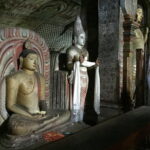
Then comes Gangaramaya Buddhist Temple, where you’ll spend about 45 minutes. Admission isn’t included for this stop, so make room in your budget. What you get for your time is a combination of ornate design and calmer setting. The temple is described as having an intricate architectural style, a serene lakeside setting, and a diverse collection of artifacts.
This stop is valuable because it gives you Colombo’s spiritual side in a way you can actually process. A temple visit done right isn’t about checking a box. It’s about noticing the details that create mood: patterns, materials, and how the space invites slower attention.
The drawback here is simple math: 45 minutes is enough to see a lot, but not enough for full wandering. If you fall in love with the place (it happens), you’ll want to schedule more time on a separate visit after your tour.
Colombo National Museum: When You Want Context for Everything You Just Saw
The tour allocates about 1 hour 30 minutes at the Colombo National Museum, and admission isn’t included. If you’ve just been seeing architecture, civic districts, and colonial-era buildings, the museum is where you start connecting dots.
The museum is described as showcasing artifacts, art, and historical treasures that explain Sri Lanka’s history, culture, and heritage. Translation: it helps you move from seeing individual buildings to understanding the bigger story behind them.
Why this matters for your trip: museums can be hit-or-miss if you go in cold. But on a highlights route like this, you arrive with a set of visual references. Even a couple of interpretive exhibits can change how you read the city outdoors afterward.
Practical move: bring your curiosity to the museum and don’t try to sprint through everything. If your brain is already full from earlier stops, it’s better to focus on a few areas and let the rest wait for later.
Potential drawback: because admission isn’t included, your final cost can creep up depending on ticket prices on the day.
A Side Route Through Pettah and City Life: Where the Senses Turn On
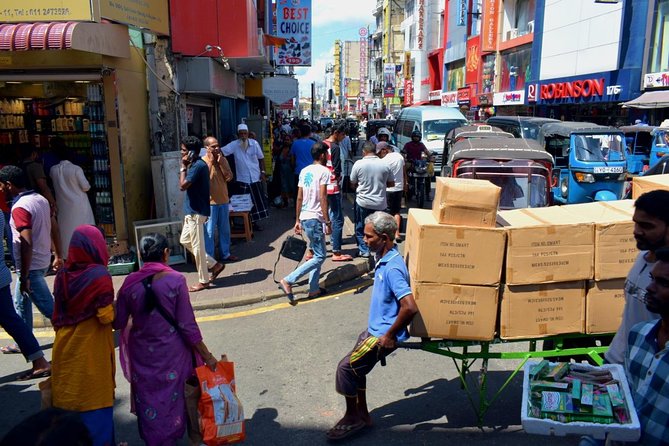
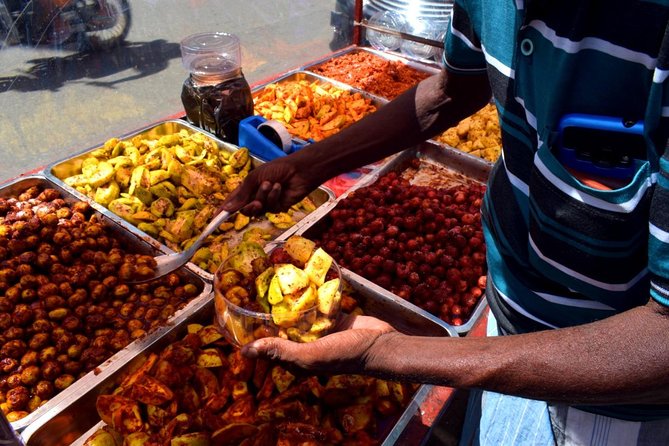
Between major landmarks, the tour includes time that points you toward Pettah, Colombo’s commercial heart. The description emphasizes the sense of motion: streets full of spices, textiles, electronics, and everyday city energy.
On a tour like this, Pettah is less about being inside a building and more about giving you a feel for how Colombo buys and sells. If you plan to return later for shopping, this is where you learn which direction to start walking.
How to make Pettah work for you: don’t go in hungry or tired. It can be stimulating in a good way, but it’s not the best place to make rushed decisions.
Jami Ul-Alfar Mosque and Old Town Hall: Civic Beauty and Religious Harmony
Colombo doesn’t separate faith, architecture, and public life as neatly as some other cities do. You see that in two next stops.
Jami Ul-Alfar Mosque
Next is Jami Ul-Alfar Mosque, listed as free admission. It’s known for its crimson hue and intricate design, and it’s presented as a symbol of religious harmony within Colombo’s cultural mix. You’ll spend about 30 minutes, which is long enough to appreciate design details and step back from the crowd.
What I’d look for: focus on the patterns and structural lines rather than only the colors. The color is striking, but the design details tend to stay with you longer.
Old Town Hall
After that, the tour includes a colonial-era civic edifice, the Old Town Hall. It’s described as a living heritage landmark, preserving the essence of Colombo’s past while still functioning as an identifiable civic presence.
This stop works well after the mosque because it shows another form of meaning-making: one is spiritual, and the other is civic. Both are built to draw you in and give order to public space.
Colombo Lotus Tower, Independence Square, and the 1857 Lighthouse Story
This stretch is where Colombo’s skyline and seaside identity start to click.
Colombo Lotus Tower
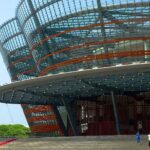
The Colombo Lotus Tower is next, with about 30 minutes on the schedule. Admission isn’t included. The tower is described as modern and majestic, symbolizing growth and unity, with observation decks and cultural significance.
Even if you skip going up (depending on cost and what the tower ticket adds), you’ll still get the value of a major skyline landmark. If you do go up, plan your timing so the view time doesn’t get squeezed.
Independence Square
After the tower, you’ll stop at Independence Square, about 30 minutes. It was built to commemorate Sri Lanka’s independence from British rule. This is one of the more straightforward historical meanings in the route: you can stand in the place, look around, and connect the physical landmark to the national story.
Colombo Lighthouse: 1857, decommissioned, and the Dent clock link to Big Ben
Then you reach Colombo Lighthouse, a maritime sentinel on the coast. The stop is about 15 minutes and listed as free admission. It has guided mariners for over a century and serves as a historical landmark connected to Colombo’s relationship with the sea.
Here’s the detail I’d actually remember: the lighthouse was completed during 1857 and was once the tallest structure in its time. The clock mechanism was constructed by the firm Dent, which later constructed the mechanism for the famous Big Ben. That’s the kind of cross-reference that makes a city tour feel like a story rather than a set of photos.
Practical note: keep an eye on light and wind here. You’ll likely want quick photos, but the coastal air can change how comfortable you feel in a hurry.
Galle Face Green: The Easy Ending That Feels Like Colombo
The final stop is Galle Face Green, an oceanfront space where people come to unwind. Families, joggers, and sunset-focused visitors gather here, and you get a view over the Indian Ocean.
This is a strong finish for a reason: earlier stops are often about buildings and meaning. Here, you get time to breathe and reset. It’s also an easy place to spot the city’s tempo without being trapped inside crowds or traffic.
How to time it: if your group is more photo-focused, you may want to linger at the edges where sea views open up. If you’re tired, pick one good spot and just watch the movement.
What You’re Really Paying for With $65
Let’s talk value without pretending entry fees are irrelevant.
Included in the price are transportation by air-conditioned car or van, an English-speaking guide, pickup and drop-off at selected hotels, and bottled water. You also get a mobile ticket. The route is about 4 to 6 hours, so you’re paying for a guided, timed circuit that saves you from figuring out logistics while also hitting key landmarks in a single day.
Not included are lunch and snacks, and entrance tickets. Some stops are listed as free admission, which helps keep costs down. The ones marked as not included—Gangaramaya, Colombo National Museum, and Colombo Lotus Tower—are where you should expect extra charges. Budgeting for those up front makes the math feel clearer.
Also consider this: this tour is private to your group. That can be a real advantage if you want less crowd pressure, but it also means your experience depends heavily on the quality of the guide and the punctuality of the pickup.
One practical tip: because the average booking is made well ahead (on the order of months), it’s smart to reserve early if you have fixed dates.
Should You Book This Colombo City Tour?
Book it if:
- you want a guided first look at Colombo’s major landmarks without planning.
- you like having a structured day with time for a temple and a museum.
- you prefer using an English-speaking guide to connect the dots between architecture and culture.
Skip or reconsider if:
- you don’t want to pay additional entry fees at Gangaramaya, the museum, or the Lotus Tower.
- punctuality and active guiding are non-negotiable for you. If the guide is quiet or late pickup eats time, you can end up with a “drive-by” feeling rather than real storytelling.
If you do book, do one small thing that improves your odds: at the start of the day, confirm your guide’s plan and make sure you understand where the priority stops are for your group. That way, even if the route runs tight, you’ll still leave with the sights you cared about most.
FAQ
How long is the City Tour in Colombo?
It runs about 4 to 6 hours.
What time does the tour start, and where does it begin?
The tour starts at 10:00 am, and it begins at Galle Face, Colombo, Sri Lanka.
Does the tour include pickup and drop-off?
Yes, pickup and drop-off are available for selected hotels within Colombo city limits, and the tour ends back at the meeting point.
Is this tour private?
Yes. It’s private, meaning only your group participates.
Are entrance tickets included?
Entrance tickets are not included. Some stops are listed as free admission, but others (like the temple, museum, and Lotus Tower) are not included.
Which stops require paid admission?
Gangaramaya (Vihara) Buddhist Temple, Colombo National Museum, and Colombo Lotus Tower are listed as admission not included.
What’s included in the price besides the tour itself?
Included are transportation in an air-conditioned car or van, an English-speaking guide, pickup and drop-off (selected hotels), and bottled water.
What is the cancellation policy?
You can cancel for free up to 24 hours in advance for a full refund. If it’s canceled due to poor weather, you’ll be offered a different date or a full refund.