REVIEW · GALLE
Galle: Cooking Class at a Local Home and Market Tour
Book on GetYourGuide →Operated by Gallecookingclass · Bookable on GetYourGuide
Curries start with the market, not the stove. In Galle, this 3-hour class pairs ingredient shopping with cooking in a local home with Madhu and her family.
I particularly love the way you pick your own produce at the market, then cook it right away. I also love the family-style meal at the end, served from what you helped make.
One thing to consider: the main food focus includes fish or chicken curries, so if you have dietary rules or want milder spice, tell the host clearly ahead of time.
In This Review
- Key things I’d focus on
- Why this Galle cooking class starts in Kotapola’s market zone
- Market tour to stove: how the ingredient hunt shapes your curries
- Madhu’s home kitchen: hands-on cooking, not a performance
- What you’ll likely cook: curries, coconut sambol, and dessert
- The meal at the end: a feast that’s part food, part lesson
- Time, pace, and group size: why the class lasts 3 hours
- Price and value: is $40 worth it?
- Who should book this Galle cooking class in Kotapola
- Should you book it?
- FAQ
- How long is the cooking class in Galle?
- How much does the activity cost?
- What’s included besides the cooking?
- Is the class taught in English?
- What will we eat during the class?
- Can it work for dietary needs like vegetarian?
Key things I’d focus on
- Market shopping first: you choose ingredients on the spot, not from a printed menu
- Madhu’s kitchen teaching style: hands-on help, clear explanations, and patience
- You cook multiple dishes: more than one curry and sides, so you learn the patterns, not just one recipe
- Spices and coconut show up everywhere: the flavor base feels traditional, not watered down
- Small group size (up to 10): easier to ask questions and actually handle ingredients
Why this Galle cooking class starts in Kotapola’s market zone
This experience in Kotapola is built around one idea: if you understand ingredients, you can cook Sri Lanka back home. The day begins with you getting picked up and heading to a local market area in Galle where the chef-guide helps you navigate what’s fresh and what each ingredient is used for.
The market portion isn’t a quick photo stop. You get time to walk the stalls, ask questions in English, and choose the vegetables you want to turn into curry. That choice matters because Sri Lankan curries often change with the ingredient base (vegetable type, texture, moisture), and you feel that difference while cooking.
If you’ve only had Sri Lankan food in restaurants, this is where things click. You see how coconut, spices, and aromatics get assembled from real produce, not pre-mixed jar shortcuts. And you also get a small cultural bonus: you may be taught a few Sri Lankan phrases to use while you’re out and about.
You can also read our reviews of more tours and experiences in Galle.



Market tour to stove: how the ingredient hunt shapes your curries
After you shop, you move from browsing mode into cooking mode. The guide keeps the connection tight between what you buy and what you’ll cook, including explaining ingredients and their purposes. In practice, that means you’re less likely to remember the recipe as a list, and more likely to remember the technique and flavor logic.
One useful detail: the class includes ingredients and equipment, so you’re not stuck figuring out what you need mid-session. You can focus on learning the steps—like how spice mixes are built, how coconut milk fits into the curry style, and how sambol-type sides work with the rest of the meal.
Some sessions may also include a stop at a spice shop. If that’s part of your run, treat it as a mini upgrade: you’ll see how spices are commonly purchased and what the host thinks is worth bringing home for repeat cooking.
Madhu’s home kitchen: hands-on cooking, not a performance
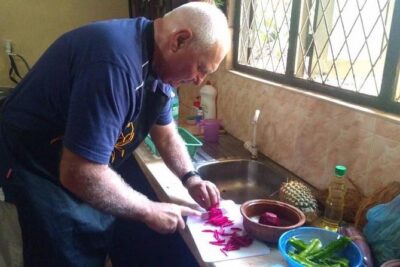
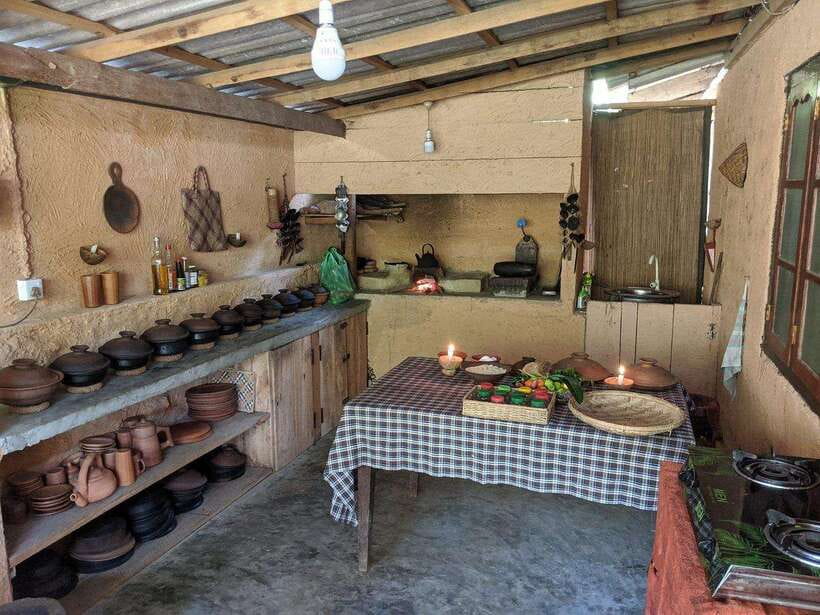
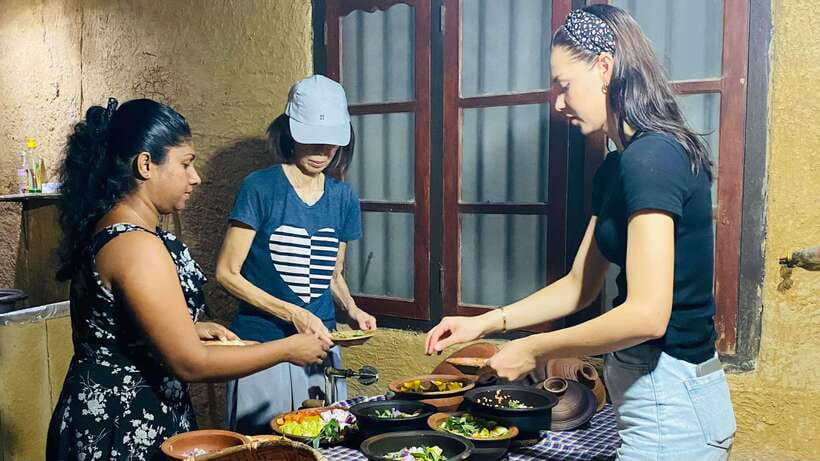
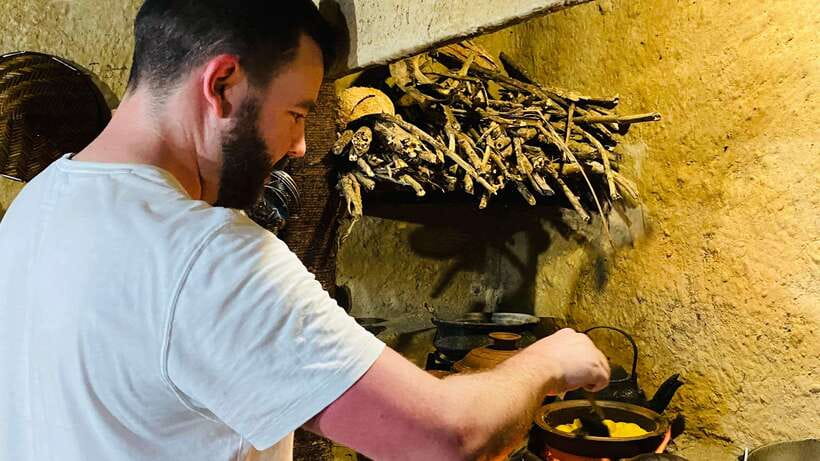
The cooking happens in Madhu’s home with her family, using a traditional kitchen setup. That matters more than it sounds. Restaurant classes can feel like a demo with a few stirring motions. Here, you get real roles: chopping, mixing, portioning, and contributing to different dishes.
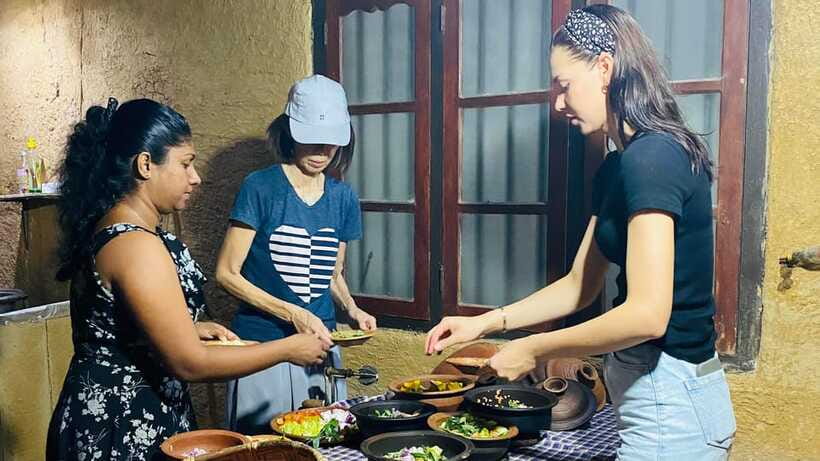
People in the group aren’t just watching. You end up working together so the cooking moves along, especially since the menu covers multiple items. One reason the reviews score this so high is that it doesn’t feel scripted. Madhu and her family make it feel personal—welcoming, patient, and focused on helping you understand what you’re doing, not just copying steps.
You’ll also notice the teaching is practical. When you ask why something is added, or what a specific spice does, you don’t get vague answers. You get explanations that help you keep cooking at home later.
What you’ll likely cook: curries, coconut sambol, and dessert
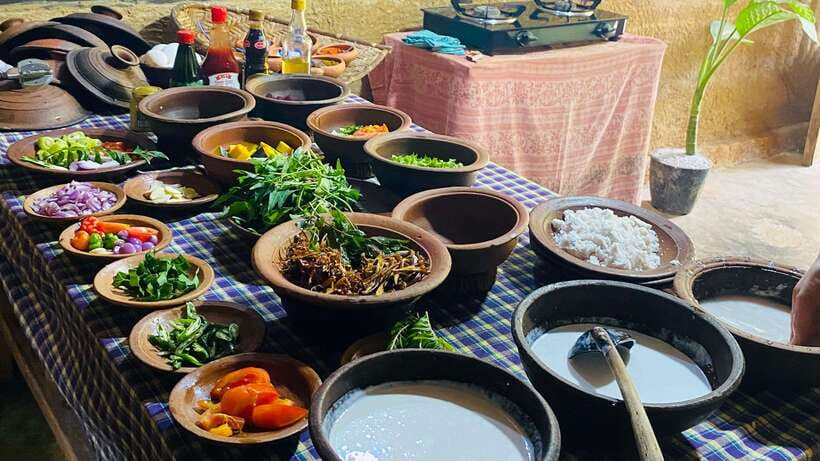
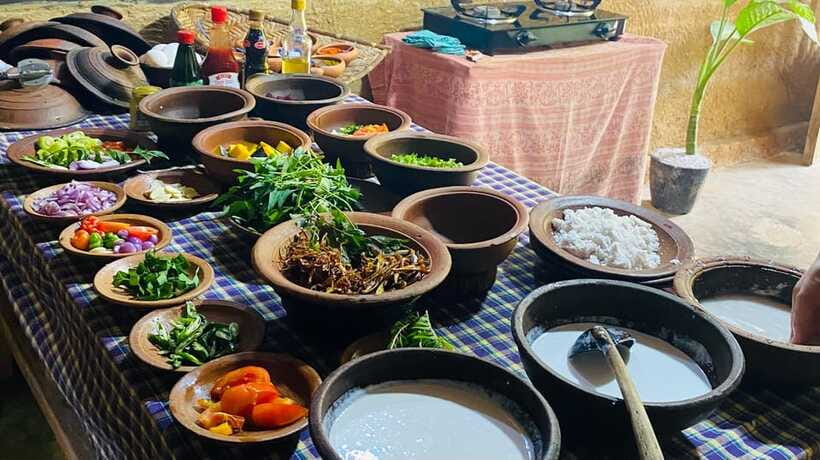
You should expect a range of traditional Sri Lankan dishes, not just one curry. The highlights point to a meal built around 7 items that include vegetable curry plus either fish curry or chicken curry, along with coconut sambol and dessert.
Even if the exact vegetable mix changes depending on what’s seasonal and what you choose, the structure stays similar:
- You’ll build flavor for curries using spices and aromatics
- You’ll work with coconut (often coconut milk) as a core ingredient
- You’ll make a side like coconut sambol that balances the meal
- You’ll sit down for dessert after the main dishes
This kind of set menu is great for learning because it shows you how different dishes share the same flavor building blocks. You don’t have to memorize everything from scratch—you learn patterns you can reuse.
If you’re worried about spice levels: one reviewer noted careful consideration for a vegetarian participant, but the broader menu still includes fish or chicken curry. So if your diet is a strict no-fish/no-chicken situation—or if you need low spice—ask ahead so the host can plan.
The meal at the end: a feast that’s part food, part lesson
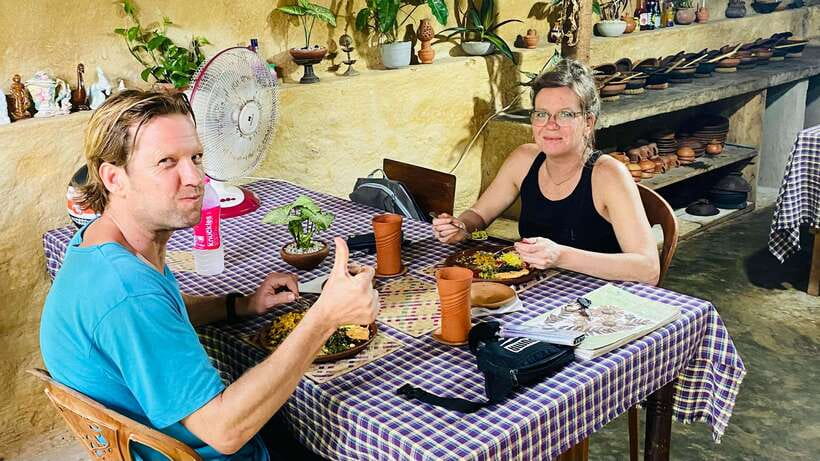
After cooking, you eat what you made. This is served as a traditional course-style meal with side dishes, and it’s a big deal because it turns the class into a full food experience, not just a cooking workshop.
That matters for two reasons:
- You can taste while the dish is fresh and understand the final balance of curry, coconut, and sides.
- You can notice what your own choices at the market affected.
There’s also a welcome drink, plus water during the session. Photo and video service is included, which is handy if you want proof you did something that wasn’t just a bus stop and a snack.



Time, pace, and group size: why the class lasts 3 hours
The class runs for 3 hours, and it feels built for momentum. You start with pickup and head to the market, then you cook, and you finish with the meal. Because you’re working in a shared home kitchen, the time is tight enough to keep things fun, but not so tight that you feel rushed through steps.
The group is limited to 10 participants, which is a sweet spot. It usually means you get attention from the chef-guide and that everyone can take part without waiting around too long. The reviews also mention that everyone contributes a little bit to different dishes, which is a big reason you end up trying more variety than if each person made just one dish.
If you’re traveling with kids, this can be a good fit. One review specifically notes children were warmly welcomed. Still, if you’re bringing very young kids, consider that cooking and market time can involve strong smells, hot pans, and a bit of standing.
Price and value: is $40 worth it?
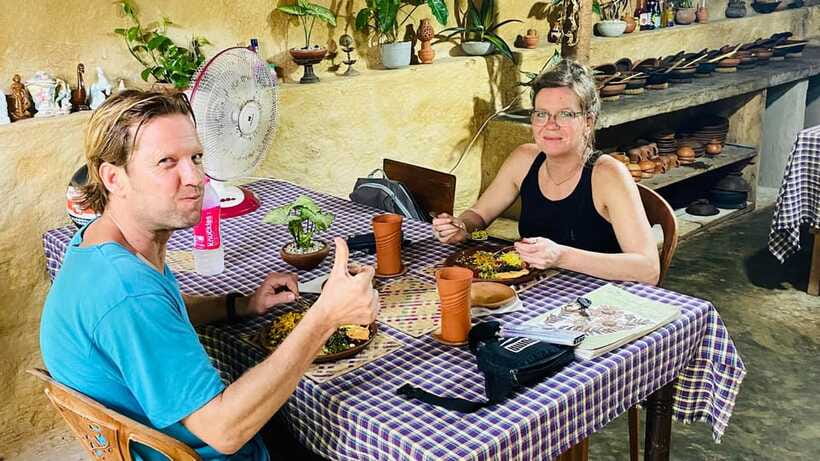
At $40 per person, this isn’t just a “watch someone cook” activity. You’re paying for several included pieces that add up:
- Hotel pickup and drop-off
- Market tour
- Cooking class with a professional chef
- Ingredients and equipment
- Welcome drink, water
- Meals with side dishes
- Photo and video service
- Recipes to take home
When you break it down, the value comes from the combination: ingredient shopping + real home kitchen cooking + full meal + takeaway recipes. Many standalone food tours might give you one or two of these. Here, you get the full loop—buy, cook, eat, and learn.
It also helps that the class is small. A smaller group usually means more hands-on time and better questions answered, which is where cooking classes become memorable.
Who should book this Galle cooking class in Kotapola
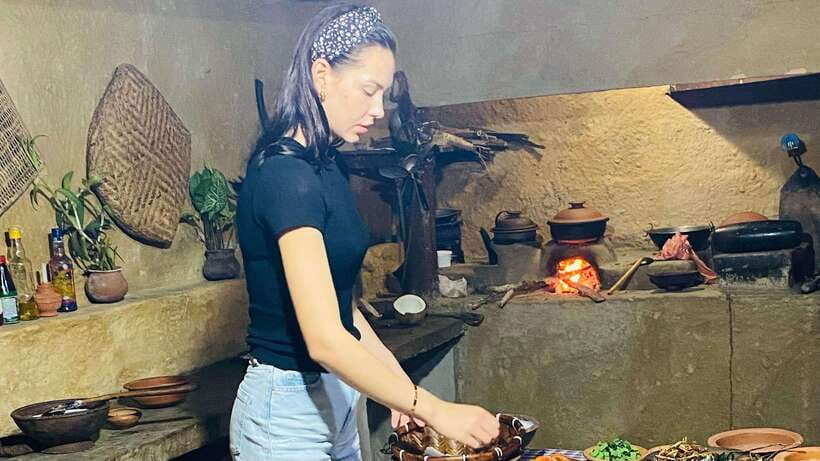
Book it if you want:
- A hands-on way to learn Sri Lankan home cooking, not just taste
- A class that teaches the role of ingredients and spices, with guidance in English
- A group meal experience where you eat what you cooked
You’ll get the most from it if you like practical learning—chopping, mixing, tasting, and asking questions. If you only want a quick food hit with minimal effort, this may feel more work than you expected.
And if you have dietary restrictions, treat this as a “message ahead” kind of booking. The core menu includes fish or chicken curry plus vegetable curry and coconut sambol, and at least one vegetarian participant reported careful consideration—so communication is key.
Should you book it?
Yes, if your goal is real Sri Lankan cooking you can repeat. The market shopping with Madhu’s guidance plus the home-kitchen hands-on teaching makes this more than a one-off meal.
I’d skip it only if you want a passive experience, or if your dietary needs are very specific (low spice, no fish/chicken) and you’re worried the menu might not match. When you can align expectations with the host, it’s the kind of activity that turns into a recipe file you’ll actually use.
FAQ
How long is the cooking class in Galle?
The experience lasts 3 hours.
How much does the activity cost?
It costs $40 per person.
What’s included besides the cooking?
It includes hotel pickup and drop-off, a market tour, a professional chef-guided cooking class, a welcome drink, ingredients and equipment, meals with side dishes, water, photo and video service, and recipes.
Is the class taught in English?
Yes, the instructor is listed as English.
What will we eat during the class?
The class includes a traditional meal that features vegetable curry plus either fish curry or chicken curry, coconut sambol, and dessert, along with side dishes.
Can it work for dietary needs like vegetarian?
The provided details don’t promise a vegetarian menu, but one participant noted vegetarian care during the experience. If you’re vegetarian or need lower spice, message the host ahead so they can plan accordingly.