REVIEW · COLOMBO
Colombo Heritage &Culture City Tour by Tuk Tuk ALL INCLUSIVE
Book on GetYourGuide →Operated by Glory Tour by Tuk Tuk · Bookable on GetYourGuide
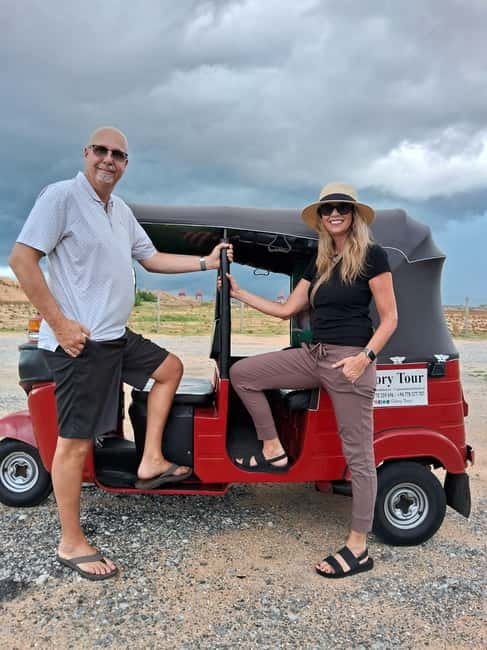
Colombo feels slower and more human in a tuk tuk. This Colombo Heritage & Culture City Tour strings together temples, colonial landmarks, and classic waterfront views in just 4 hours, with stops paced to what you want to see and photograph.
Two things I really like: you get inside access to major religious sites (with time to look around and ask questions), and you also get the skyline moments—Lotus Tower and the old lighthouse area—where the city suddenly makes sense. The tour also throws in small comforts like Wi‑Fi on the go, tissues, and a complimentary king coconut drink.
One possible drawback: the day is tight, so you’ll have a mix of short photo stops and short guided visits. If you prefer long, sit-down museum time, plan to follow up on your favorite spot after the tour.
In This Review
- Key moments that make this Colombo tour worth it
- A 4-hour Colombo loop in a tuk tuk
- Gangaramaya Temple: spiritual art, relics, and a calm courtyard
- Sri Kailawasanathan Swami Temple: Dravidian towers and Hindu ritual life
- Independence Square and colonial-era Colombo: seeing power without the museum ticket
- Jami Ul-Alfar Mosque and Colombo Port Maritime Museum: a quick route through trade-era Colombo
- Colombo Fort lighthouse and Lotus Tower views: where your photos finally look like Colombo
- Tea tasting, Floating Market vibes, and Pettah Market: Colombo by the senses
- Ceylon Tea Supermarket, Laksala arts-and-crafts, and a traditional gem mine
- Galle Face Green at sunset: a calm finish with real city atmosphere
- Price and what you truly get for $20
- Guides that make it feel personal: from Starlin/Stalin to your own pace
- Who should book this tuk tuk heritage tour
- Should you book? My take
- FAQ
- How long is the Colombo Heritage & Culture City Tour by Tuk Tuk?
- How much does the tour cost?
- What is included in the tour price?
- Are meals included?
- Where does hotel pickup happen?
- Where do cruise ship passengers meet the guide?
- What places will you visit during the tour?
- Do you get tea during the tour?
- What languages does the guide speak?
- Is the tour wheelchair accessible?
Key moments that make this Colombo tour worth it
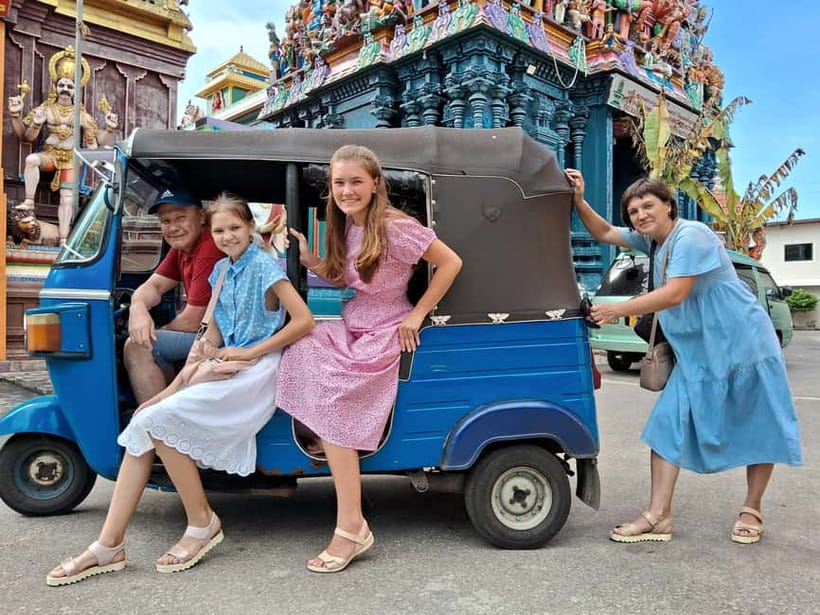
- Tuk-tuk pacing that keeps the day flexible instead of rushed
- Gangaramaya Temple’s mix of Sri Lankan, Indian, Chinese, and Thai influences
- Panoramas from Lotus Tower and the old lighthouse/clock tower area
- Culture stops that include tea tasting and market time
- Short shopping breaks at Laksala, plus a quick look at a gem mine
A 4-hour Colombo loop in a tuk tuk
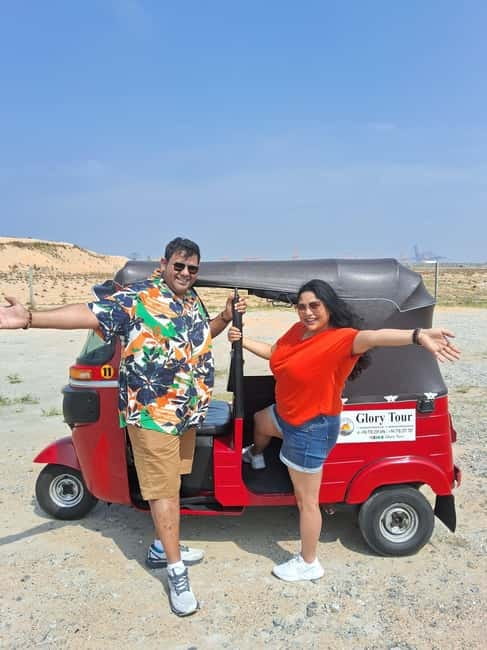
The whole appeal here is simple: you ride around Colombo at city speed, not highway speed. You’ll get hotel pickup and drop-off, plus a guide who moves you from place to place without making the day feel like a checklist.
This is marketed as all inclusive, and in practice that means you’re not constantly paying small extras just to keep going. I especially appreciate the practical add-ons: a bottle of water, Wi‑Fi, tissues, and a complimentary king coconut drink. It’s a small thing, but in Colombo heat it keeps the tour comfortable.
You’ll also notice the “flexible” part in how stops are structured. You’ll have photo time, guided time, and free time mixed together, so you can linger where you care most. One tip: bring your patience for traffic and sun. Short rides between stops are normal, and the tour is designed to keep you moving without exhausting you.
You can also read our reviews of more city tours in Colombo


Gangaramaya Temple: spiritual art, relics, and a calm courtyard
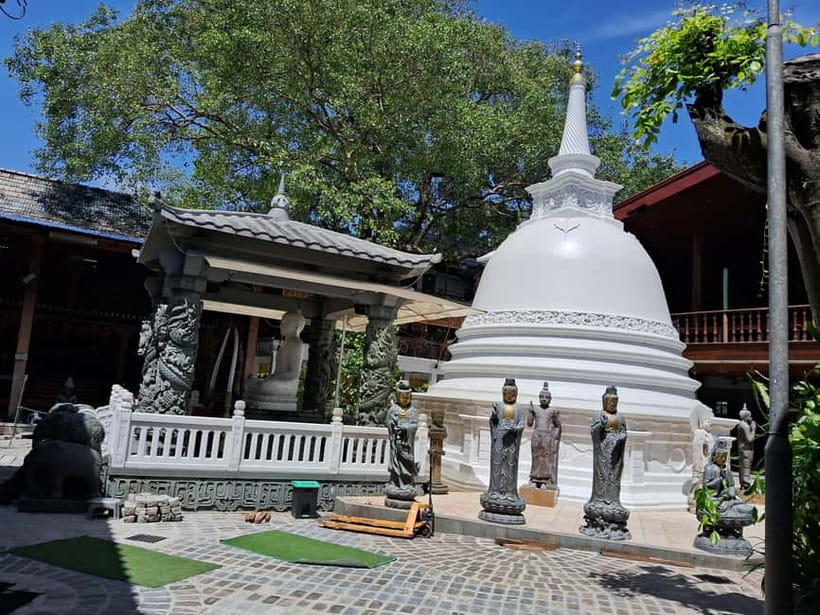
Gangaramaya Temple is one of Colombo’s most recognizable landmarks, and the guide’s approach makes it more than just a photo stop. Expect a guided visit that helps you read what you’re seeing—especially the temple’s unusual blend of architectural styles, described as Sri Lankan, Indian, Chinese, and Thai influences all in the same place.
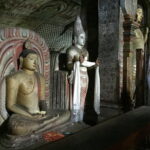
Once inside, you’ll be looking at Buddhist artifacts and statues, plus murals that connect back to Buddhist stories. What really made this stand out for me is the temple museum element: the collection can include all kinds of odd-in-a-good-way historic items, including vintage watches, antique furniture, and even a Rolls-Royce that was gifted by a devotee. If you like culture that shows up in everyday life, this museum angle is a fun bonus.
Then there’s the moment people remember: the courtyard. You’ll have time to sit, slow down, and even meditate in the calm water-garden setting. It’s not long, but it’s long enough to switch gears from Colombo noise to temple quiet.
Consideration: religious sites in Sri Lanka ask for modest dress and respectful behavior. Comfortable shoes matter too, because you’ll walk around and look in multiple areas.
Sri Kailawasanathan Swami Temple: Dravidian towers and Hindu ritual life
After Gangaramaya, the tour pivots to Hindu worship at Sri Kailawasanathan Swami Temple, a site dedicated to Lord Shiva. The most striking first impression is the Dravidian-style architecture, including the carved gopurams (temple towers). Even if you’re not a “temple person,” these carvings give you something to focus on.
Inside, the guide helps you understand what you’re seeing—devotees in ritual actions, chanting, flower offerings, and the incense-filled atmosphere. The point isn’t to make you memorize a religion; it’s to help you recognize why these practices matter to Colombo’s Tamil community.
Why it’s valuable: Colombo is a place where faith isn’t separated into different “zones.” Seeing Buddhist and Hindu spaces close together makes the city feel less like a set of attractions and more like a living community.
Consideration: if you’re sensitive to incense smoke or crowds, try to keep your pace steady and step back when you need breathing room.
Independence Square and colonial-era Colombo: seeing power without the museum ticket
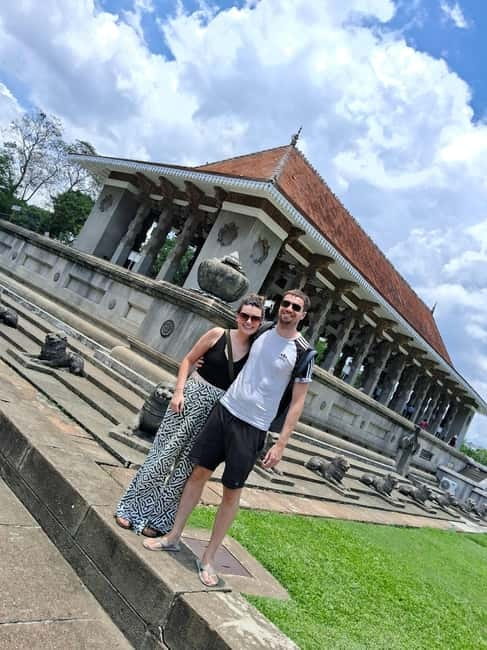
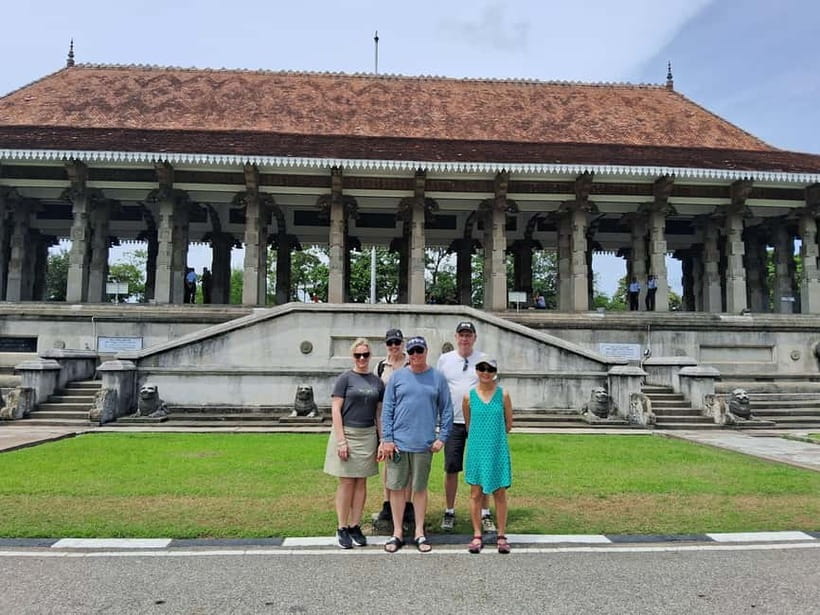
Next you’ll pass through Independence Square, where you get a quick photo stop plus short guided context. It works as a reset between religious sites—less walking, more open space. The guide’s explanations help connect what you’re seeing to Colombo’s shift from colonial presence to independence.
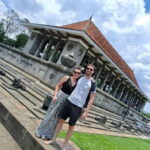
Then comes the Old Parliament Building. The outside is the star: a neoclassical structure built in 1930, with imposing stone columns, grand staircases, and maintained gardens. You won’t be going inside, but it’s still worth it for architecture lovers.
Practical tip: if you’re the type who loves details, take a few extra seconds on the exterior features—columns, symmetry, and the way light hits the façade. The tour description also frames it as especially scenic when illuminated, so aim for good photos rather than rushing.
Jami Ul-Alfar Mosque and Colombo Port Maritime Museum: a quick route through trade-era Colombo
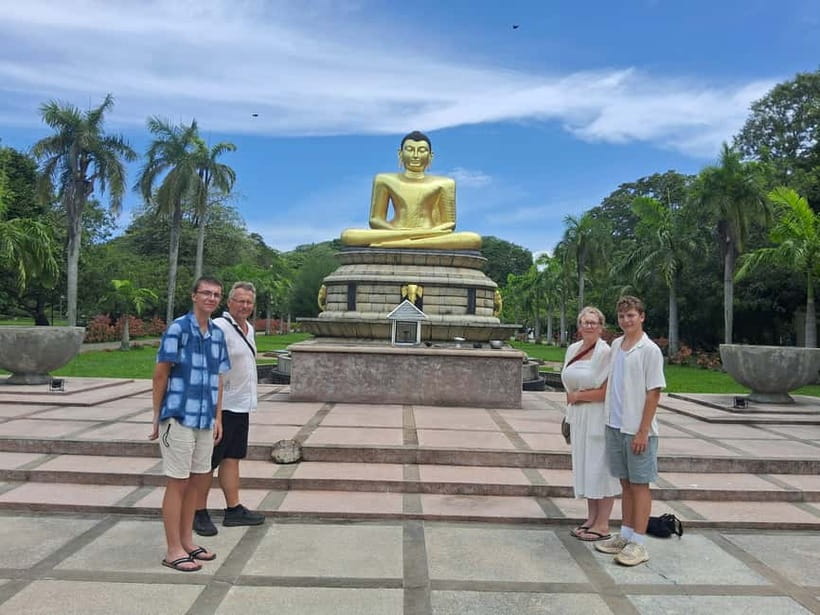
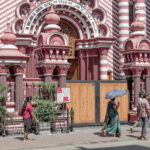
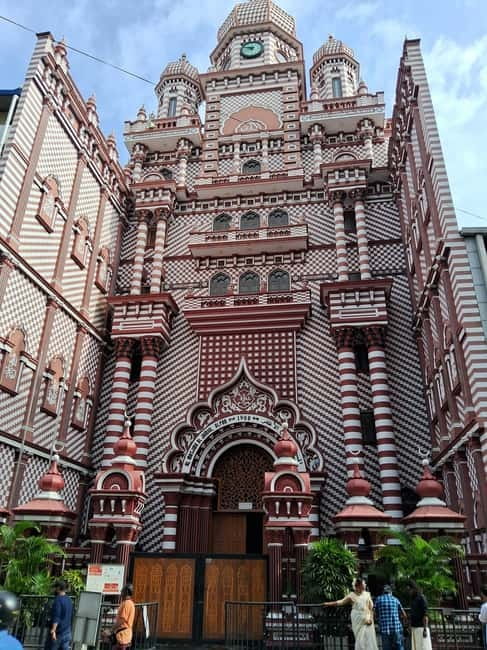
The tour includes Jami Ul-Alfar Mosque, giving you another viewpoint on Colombo’s mixed faith scene. You’ll get photo time and a guided visit, which helps you understand the mosque in its local context rather than just as a background landmark.
Right after, the day shifts toward Colombo’s maritime and port story at the Colombo Port Maritime Museum. Even on a short visit, a port-focused museum slot can be a game-changer because it explains how a coastal city grows wealth, culture, and migration patterns over time.
Why this works on a short tour: Colombo’s best stories are often connected. Faith, politics, and the port economy all overlap here. This stop order gives you a “why” behind the “what.”
Consideration: museum time is limited in a 4-hour format. If you want more depth, treat this stop as an orientation. Choose your favorite museum moment after the tour and go back later.
You can also read our reviews of more historical tours in Colombo

Colombo Fort lighthouse and Lotus Tower views: where your photos finally look like Colombo
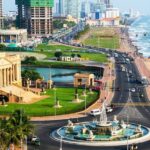
When you reach Colombo Fort and the old lighthouse/clock tower area, you’re chasing views and city geometry. This is where the tour earns its photo-star status. You’re shown what to look for, and you get the kind of sightline that makes a skyline photo feel earned, not accidental.
Then Lotus Tower adds a second skyline perspective. You’ll have photo time and a guided stop, with the kind of panoramic look that helps you connect neighborhoods and main roads. It’s the difference between seeing Colombo as traffic blocks and understanding it as a city with a center, a coast, and layers.
What I like: these view stops break up the day so you’re not only inside temples and shops. The tour gives you visual payoff that you can share right away.
Consideration: bring sun protection. Even if you’re not walking for long, the air around these viewpoints can be bright and hot.
Tea tasting, Floating Market vibes, and Pettah Market: Colombo by the senses
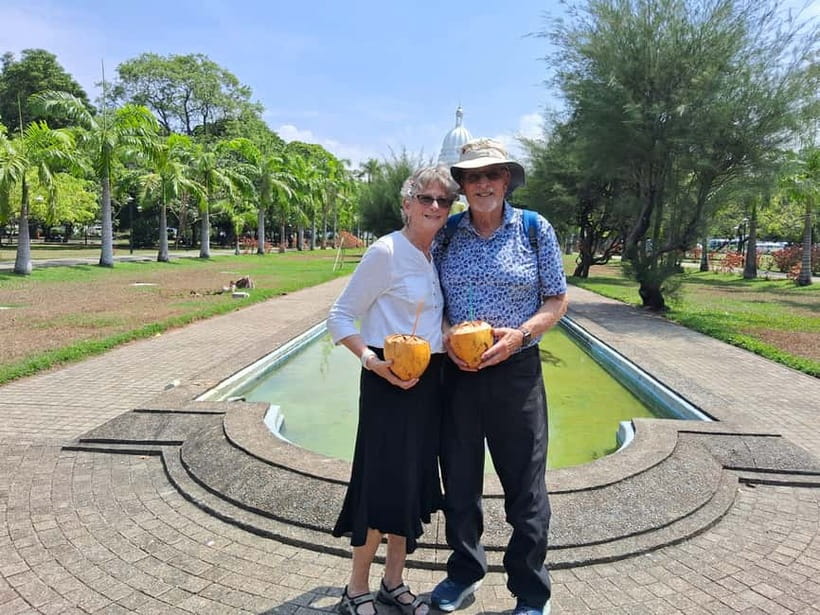
Now you get to the “taste and browse” part of Colombo. The tour highlights Pettah Market and even mentions a Floating Market stop as part of the local culture experience, with time that feels more like wandering than queueing. You’ll also have free tea tasting, which is a smart inclusion for two reasons: it keeps you fueled and it gives you a quick, low-cost way to try local flavors.
Pettah Market itself is where you practice being curious. You’ll get guided time and then free time, which is the best combo for this kind of place—learn the basics, then have room to explore at your own speed. It’s also where your guide’s advice can save you time shopping because they can point out where locals actually go.
Practical tip: come with a budget mindset. Market browsing is half the fun, but small purchases add up fast.
Ceylon Tea Supermarket, Laksala arts-and-crafts, and a traditional gem mine
Between the big landmarks and the markets, you’ll get a few short “shopping breaks” that are part sightseeing, part practical scouting. One stop is Ceylon Tea Supermarket for a break time with tea and shopping. Another is Laksala, described as an arts-and-crafts market with coffee/tea and shopping.
Then there’s a very short Traditional Gem Mine visit and class. It’s only a brief look, so don’t expect a long geology lesson. What you should expect is a quick introduction to the idea of gemstones in Sri Lanka and a chance to see the process in an approachable way.
Why these stops can be worth it: after a day of city walking and temples, you get a “buy smart” moment. If you want tea as a souvenir, or you like handmade crafts, these are convenient, guided chances to compare quality.
Consideration: if you’re not shopping, treat these as breaks. Use them to rest, sip tea, and rehydrate. You’ll get value even if you don’t buy anything.
Galle Face Green at sunset: a calm finish with real city atmosphere
The tour ends with Galle Face Green, with break time, photo time, and free time for a walk. This is a great way to close because it shifts you from indoor sites and busy markets to open-air Colombo.
The stop is timed to support a sunset moment, so you’re more likely to get softer light for photos and a calmer atmosphere to sit and watch the coastline vibe settle. Even if you’ve already gotten skyline views earlier, Galle Face adds something different: street energy plus sea air.
Practical tip: wear breathable clothes and keep a light layer handy if the breeze comes in. You’ll be standing and walking, even during a relatively short final stop.
Price and what you truly get for $20
At about $20 per person for a 4-hour tour, the value hinges on what’s included versus what you’d normally pay in Colombo. Here, you’re covered for entrance tickets to specific sites, plus the basics that usually add up: hotel pickup/drop-off, water bottle, Wi‑Fi, tissues, and a complimentary king coconut drink. Free tea tasting and the short guided market time also help stretch your money because you’re getting local experiences that don’t cost extra once the tour starts.
Meals aren’t included, so you’ll likely want to eat before or after. That’s not a deal-breaker, though. It actually helps you choose a meal based on your tastes after the tour rather than eating a meal you didn’t plan.
My biggest advice on value: treat this tour like a first-map day. In a few hours you cover religious landmarks, colonial-era architecture, viewpoints, and major local shopping areas. If you’re only staying in Colombo a short time, this format gives you a smart overview without spending your whole day commuting.
Guides that make it feel personal: from Starlin/Stalin to your own pace
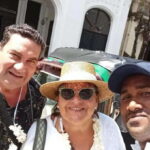
The real difference on tours like this is the guide’s tempo and how they handle questions. In the experiences I’ve seen, guides such as Starlin and also Stalin/St erlin have been praised for adjusting to what the group wants, staying on time, and explaining history and culture in clear terms.
One standout pattern: the guide doesn’t just run from stop to stop. If you ask for a small adjustment at the end, it may happen. For example, one guide dropped a guest at the National Museum when requested, then offered guidance on how to get back to the hotel. That kind of follow-through turns a short tour into a smoother day overall.
Photo help is another practical win. More than once, the experience included guidance on what to photograph and taking great pictures for people who wanted a clean shot without awkward posing.
Who should book this tuk tuk heritage tour
I’d book this if you want:
- A short Colombo orientation that covers temples, colonial sights, viewpoints, and market time
- A guide who can answer questions and adjust to your pace
- A day that’s not only sightseeing, but also includes tea tasting and practical shopping stops
I’d think twice if you want:
- A slow, deep museum day with long indoor time
- A fully unstructured walk with no set stops
- An experience built specifically for accessibility needs (wheelchair accessibility isn’t included)
Should you book? My take
If you’re in Colombo for a limited time and you want a fun, efficient way to see the city’s most important cultural mix, this tour makes strong sense. The tuk-tuk format plus the included drinks and comfort items keep it from feeling like a “cheap bus tour,” and the stop choices give you both spiritual and skyline payoff.
Book it if you like a guided route with enough flexibility to linger where it matters to you. Skip it if your ideal day is long, quiet, and unhurried with deep museum time—because this one is built for a 4-hour rhythm.
FAQ
How long is the Colombo Heritage & Culture City Tour by Tuk Tuk?
It runs for 4 hours.
How much does the tour cost?
The price is $20 per person.
What is included in the tour price?
It includes hotel pickup and drop-off, complimentary king coconut drink, a water bottle, entrance tickets to specific sites, Wi‑Fi, and tissues.
Are meals included?
No. Meals are not included.
Where does hotel pickup happen?
You meet your Driver/Guide at the lobby of your hotel. The tour also says they can pick up travelers anywhere from Colombo.
Where do cruise ship passengers meet the guide?
Cruise ship passengers meet the guide at Lighthouse. The lighthouse is about 350 meters from Port gate No 1 and gate No A1.
What places will you visit during the tour?
You’ll visit or stop for photos and visits at places such as Gangaramaya Temple, Sri Kailawasanathan Swami Hindu Temple, Independence Square, Jami Ul-Alfar Mosque, Colombo Port Maritime Museum, Colombo Fort old lighthouse and clock tower, Lotus Tower, Old Parliament Building, Pettah Market, and Galle Face Green. The tour also includes stops like Ceylon Tea Supermarket, Laksala, and a Traditional Gem Mine.
Do you get tea during the tour?
Yes. The highlights mention free tea tasting, and there is also tea time at Ceylon Tea Supermarket.
What languages does the guide speak?
The live tour guide is available in English, Tamil, Singhalese, and Hindi.
Is the tour wheelchair accessible?
Wheelchair accessibility is listed as excluded.