REVIEW · BENTOTA
From Bentota: Elephant Transit Camp and Udawalawe Safari
Book on GetYourGuide →Operated by Serendipity tours (private) Limited · Bookable on GetYourGuide
Elephants first. Then the Dutch streets of Galle. This packed day links a 3-hour off-road Udawalawe jeep safari with a close-up stop at the elephant transit camp for milk-feeding dozens of baby elephants, plus time to explore Galle Fort’s cobbled lanes. The one real trade-off is the pacing: you’ll be in the car a lot, so bring water and expect a warm, busy day under Sri Lanka’s sun.
I like the way this tour keeps the focus on wildlife and walkable culture: you’re in a small group (up to 10), with a professional guide (English or German) and transfers arranged from Bentota, Kalutara, and also Colombo or Galle. It’s also the kind of itinerary that works best if you’re comfortable doing some walking at each stop, with no wheelchair-friendly access.
In This Review
- Key things to love about this Bentota-to-Udawalawe day trip
- Wildlife First: Why Udawalawe Works So Well in One Day
- Getting From Bentota (or Kalutara) to the Park: The Early Start Reality
- The 4×4 Jeep Safari in Udawalawe: The Elephant Moment You Came For
- Elephant Transit Camp Milk Feeding: Seeing Babies Up Close
- Galle Fort on Foot: Cobblestones, Dutch-Era Structures, and Shop Stops
- Ambalangoda Masks and the Beach: Culture Meets Salt Air
- Price and What You Really Get for $125 Per Person
- Who This Tour Suits Best (and Who Should Skip It)
- Practical Tips for a Smooth, Low-Stress Day
- Should You Book This Bentota-to-Udawalawe Day Trip?
- FAQ
- How long is the tour, and how much time is spent on the safari?
- Where is pickup and drop-off?
- What’s included in the price?
- What animal sightings can I expect?
- Will I have a chance to see baby elephants?
- Is the tour suitable for wheelchair users or people with mobility impairments?
Key things to love about this Bentota-to-Udawalawe day trip
- Off-road Udawalawe safari time: 3 hours in a 4×4 jeep on the hunt for wild elephants and other animals
- Elephant transit camp milk-feeding: dozens of baby elephants gathered for feeding nearby
- Galle Fort on foot: cobblestone lanes, old Dutch-style structures, and plenty of places to browse
- Ambalangoda mask museum stop: learn how Sri Lankan masks connect to traditional dance and festivals
- Beach break with sea breeze: a walk along the coast, plus optional warm-water time at Unawatuna
Wildlife First: Why Udawalawe Works So Well in One Day
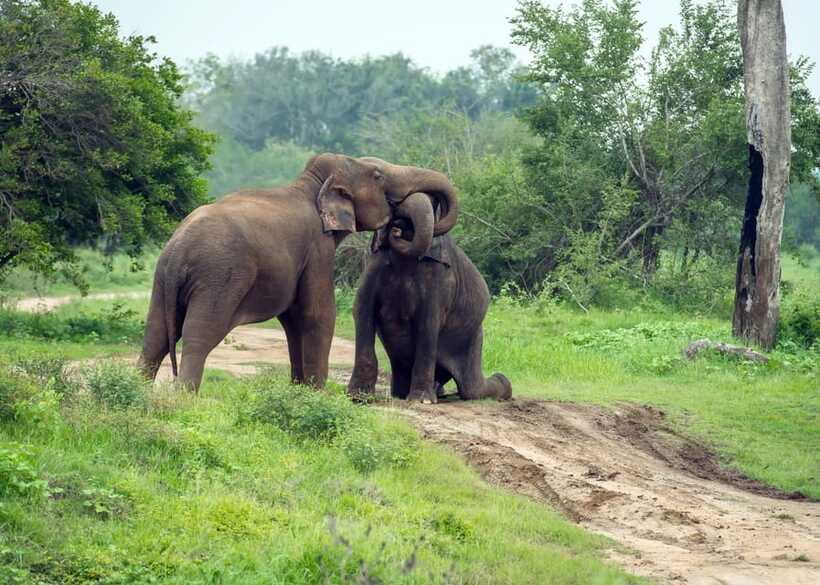
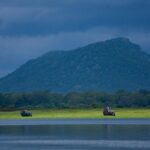
Udawalawe National Park is built for elephant sightings. That’s the big promise, and the way this tour schedules it matters. You start early from the Bentota or Kalutara area and drive roughly 3.5 hours toward the park, which is exactly what you want if your top goal is seeing animals while you still have prime daylight.
What makes Udawalawe different from many “elephant tours” is how close you can get to wild behavior from the jeep. Your safari is designed as an off-road experience, so the jeep can move through the park in a way that gives you more chances at animals staying visible near the road. If you love wildlife photography, this is where you’ll spend your camera batteries.
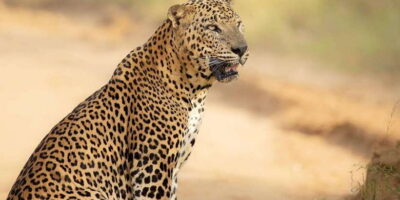
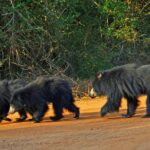
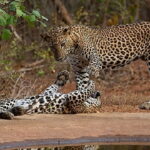
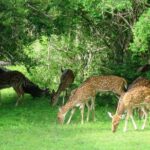
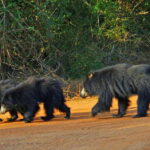
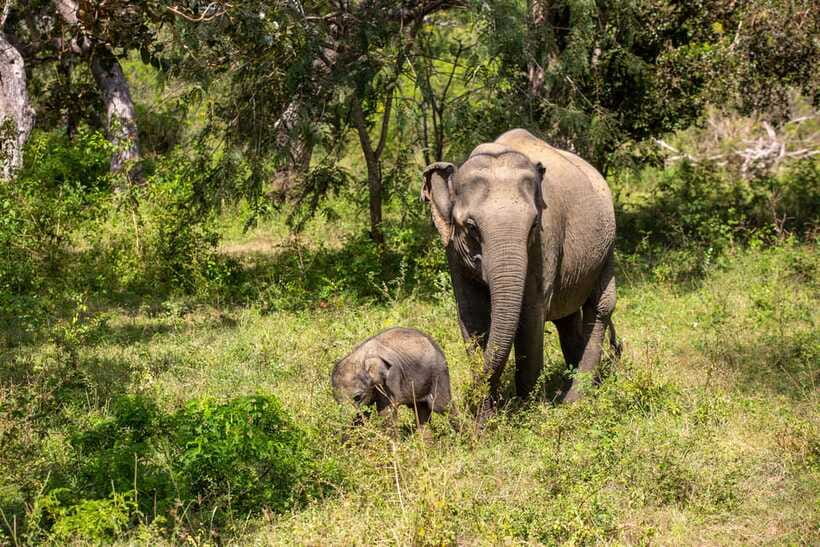
And it’s not only elephants. You can expect sightings that often include crocodiles, jackals, deer, buffalo, monkeys, and even sloth bears. That’s a helpful reminder for you: if elephants are your main reason for booking, great. But the park can surprise you beyond one species, and that makes the day feel more complete.
You can also read our reviews of more tours and experiences in Bentota
Getting From Bentota (or Kalutara) to the Park: The Early Start Reality
This tour is a true full-day plan, not a “half-day with extra stops.” You’re picked up from your hotel in Bentota or Kalutara in the early morning. Transfers are also available from Colombo and Galle, which can be useful if you’re staying farther away and want one organized route.
The drive time is long enough that comfort matters. You’ll be spending hours en route to Udawalawe, and you’ll want to treat this like a day trip that’s partly about transit. I suggest you plan for that mentally: snacks, water, and sunglasses help more than you’d think, especially before you ever reach the first animals.
Also note the tour is run in a small group setting (limited to 10). That usually means less chaos at hotel pickup and fewer issues with getting everyone aligned for the day’s timing. It doesn’t eliminate the day’s length, but it makes it feel more manageable.
The 4×4 Jeep Safari in Udawalawe: The Elephant Moment You Came For
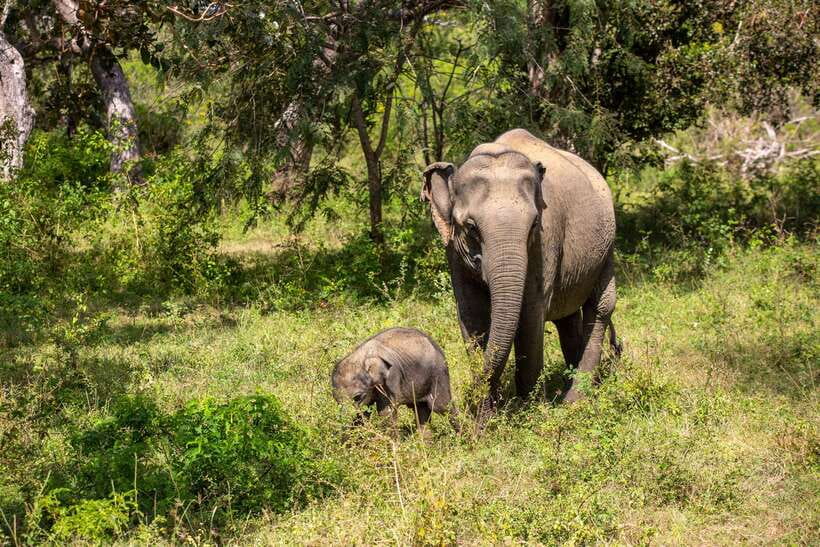
Your centerpiece activity is a 3-hour safari in a 4×4 jeep inside Udawalawe National Park. The off-road approach is important. It’s what gives you a better shot at seeing elephants and other animals in real, close proximity to the jeep without feeling like you’re stuck watching from far away.
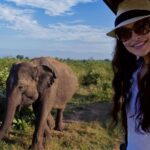
When the elephants come into view, you’ll notice how quickly the scene changes. One minute you’re scanning, the next minute there’s movement, and suddenly the jeep is right where activity is happening. The tour is designed for that kind of wildlife spotting rhythm, so you’re not just riding—you’re actively looking.
What to watch for besides elephants:
- Crocodiles around the water edges (when visibility is good)
- Jackals and other smaller mammals moving along paths
- Deer and buffalo sightings that can happen after the elephants
- Sloth bears, which are harder to predict but are listed as possible sightings
Now the practical part. You’ll be outdoors in the sun. Wear comfortable clothes and shoes, and bring a hat and sunscreen. You’ll be happy you did when the safari is underway and you’re waiting for the next animal to appear.
If you’re the type who gets impatient in vehicles, this is still worth trying—but you’ll want the right expectations. Wildlife viewing is never guaranteed on a tight schedule. That said, Udawalawe is one of the best places in Sri Lanka for elephant watching, and this itinerary is built around maximizing those odds.
Elephant Transit Camp Milk Feeding: Seeing Babies Up Close
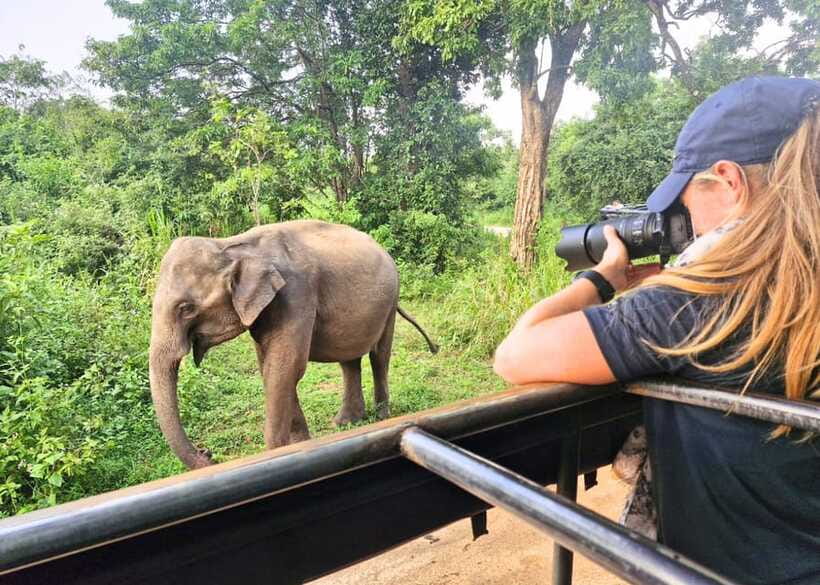
After the safari, you’ll visit the elephant transit camp. This is where your day shifts from watching wild animals to seeing baby elephants gathered for feeding. The scale is part of what makes it special: you’re not just looking at one or two calves. The plan is to see dozens of baby elephants during milk feeding.
There’s a different emotional energy at a transit camp. Instead of the “scan and wait” feeling of a park drive, you get more direct interaction through observation at feeding time. It’s also a chance to understand how elephants are cared for when they’re orphaned or need support.
What I like about including this in the same day as the safari is contrast. You get the wild side first—animals moving through their habitat—and then you see the conservation and care side right after, while your elephant excitement is still high.
One note for your own planning: keep the visit respectful. Don’t expect hands-on contact unless it’s clearly part of the program. Even when the elephants are close, you’re there to watch and learn.
Galle Fort on Foot: Cobblestones, Dutch-Era Structures, and Shop Stops
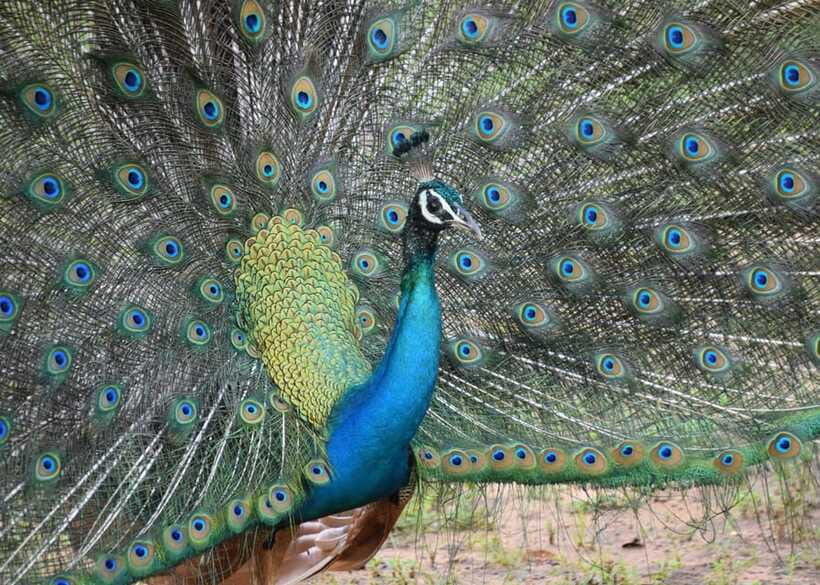
Once you leave Udawalawe behind, you head to Galle Fort, a UNESCO World Heritage site with Dutch fortifications. This is your culture and walking break after hours in a vehicle.
The fort area is known for cobblestone lanes and medieval-period Dutch-styled constructions. It feels like you stepped into a different pace of life. Many of the buildings now function as restaurants, galleries, museums, hotels, and shops, which keeps it lively even during the day.
A guided tour is included, which helps you get your bearings fast. Left on your own, Galle Fort can still be enjoyable, but a guide makes the place click—why the fortifications were built where they were, what you’re looking at as you walk, and what to pay attention to as you move between viewpoints and streets.
A practical tip: build in time to browse local stores. The plan includes time to look for typical Sri Lankan handmade products and souvenirs. This is one of those spots where you can pick up small, giftable items without feeling like you’re being rushed.

Ambalangoda Masks and the Beach: Culture Meets Salt Air
After Galle Fort, the tour shifts toward Ambalangoda, a coastal town famous for its mask-making. You’ll visit a mask museum, where you learn about Sri Lankan masks and how these colorful works connect to traditional dance rituals and festivals.
This part is a nice change of pace. Safari days can be visually intense. Masks bring you back to detail work—pattern, symbolism, and the way art plays a role in performance traditions. If you’re someone who likes cultural context (even on a wildlife day), this stop gives you something real to carry home.
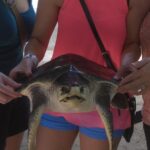
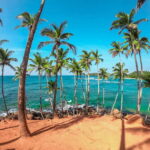
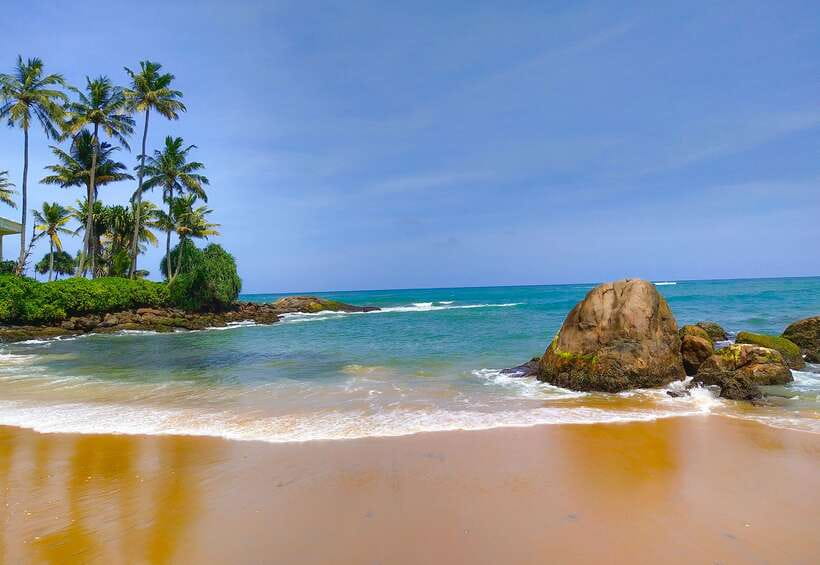
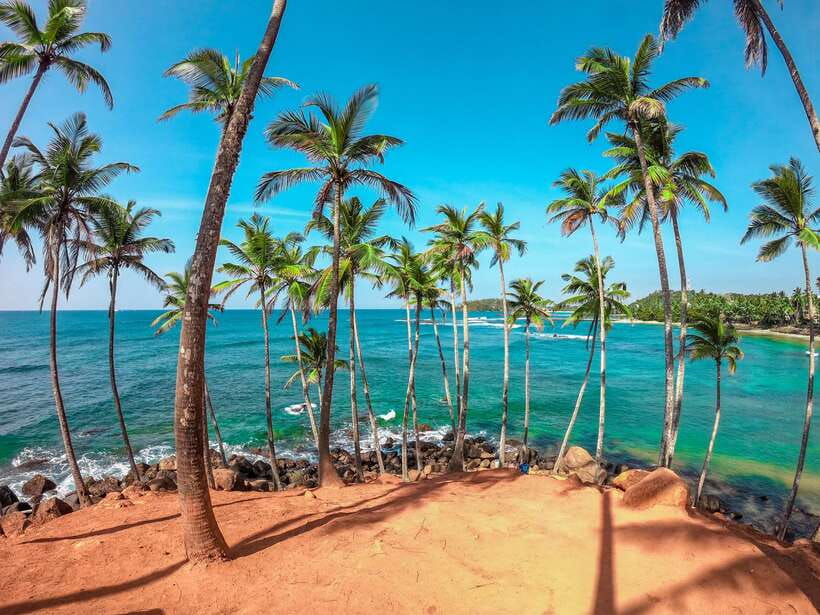
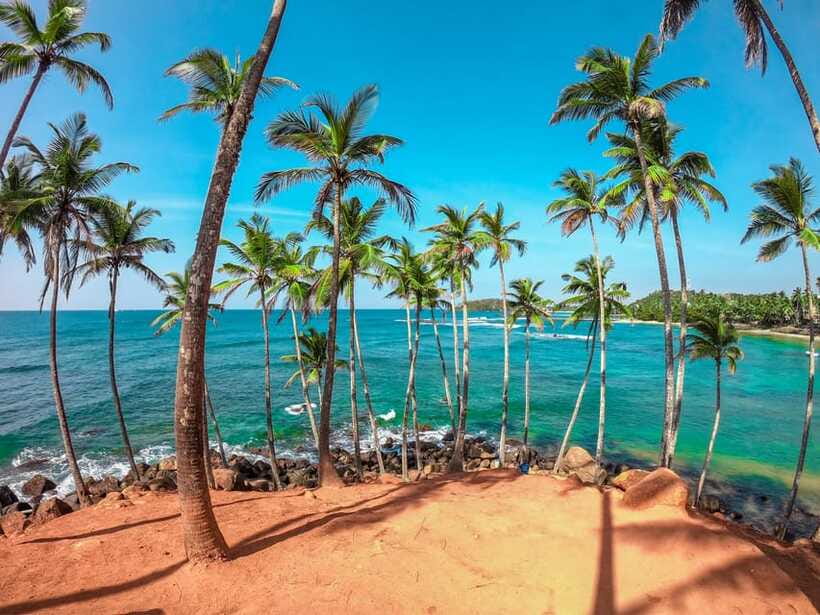
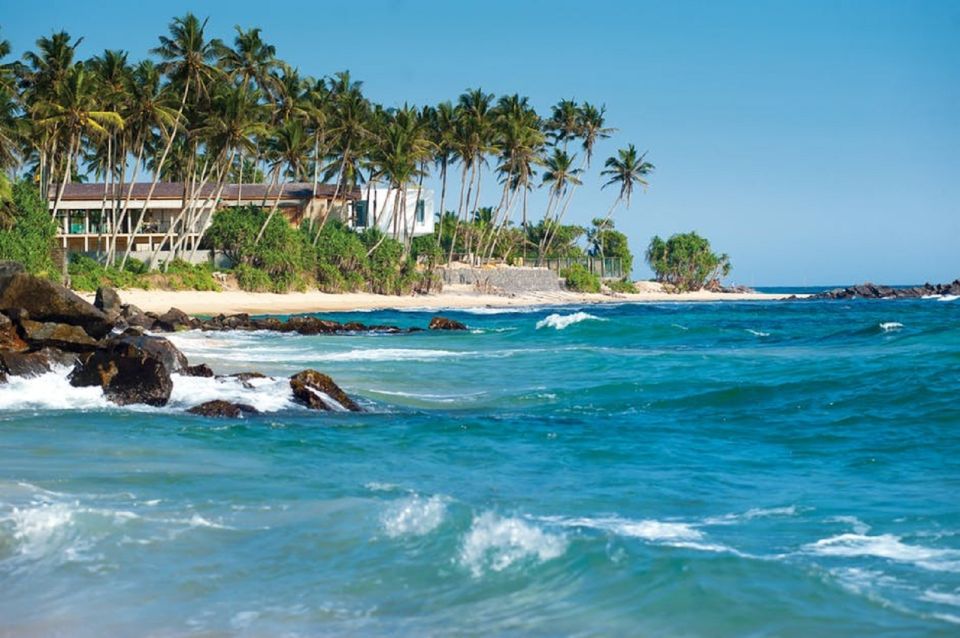
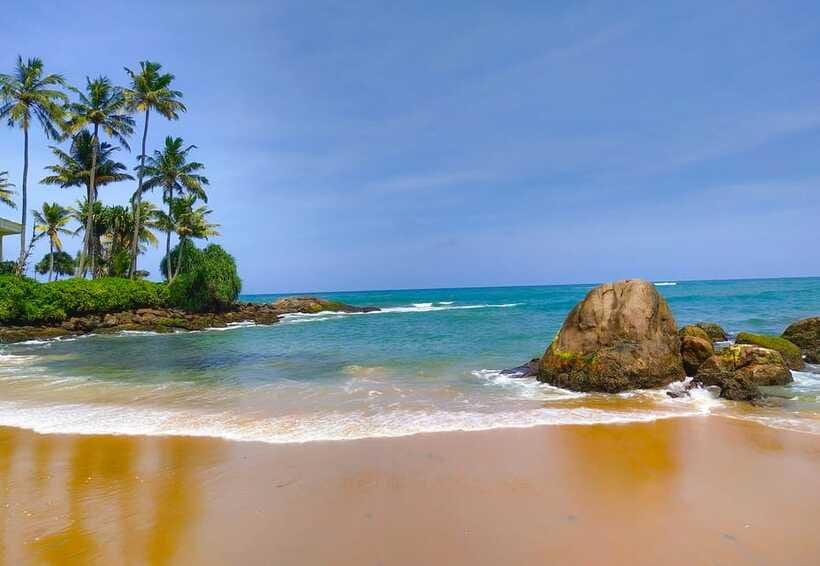
Then the tour moves toward the coast for a beach walk along the west coast beach (and you’ll also have time at Unawatuna Beach). Think sea breeze, warm water, and that “I finally get to breathe” feeling after hours of driving. The itinerary also notes the possibility of spotting endangered sea turtles during the beach time, which depends heavily on conditions.
Here’s what you should pack for the beach stretch:
- Swimwear and a towel (if you want to swim)
- Sunscreen and sunglasses (the sun doesn’t negotiate)
- Snacks and water (especially if you’re hungry after the safari)
Even if you don’t swim, the walk itself is a useful reset. It breaks up the day so you arrive back feeling like you did more than just wildlife-chase.
Price and What You Really Get for $125 Per Person
At $125 per person for a full day, the value comes from how much is bundled into one organized package—especially the long-distance movement and the jeep safari.
Here’s what’s included:
- Udawalawe jeep safari (3 hours)
- Guided Galle Fort tour (UNESCO World Heritage site)
- Beach time for a west coast stroll (plus Unawatuna Beach)
- Professional guide
- Accident insurance
- Round-trip transfers from Bentota, Kalutara, Colombo, and Galle
- Skip the ticket line
What’s not included:
- Entrance fees
- Food and drinks
- Personal expenses
So is it a bargain? It’s not “cheap,” but it’s not just a sightseeing stroll either. The safari component plus transport plus guided stops is what keeps the price in the reasonable zone. If you were to arrange jeep access, driver time, and separate guided tours yourself, the total usually grows fast.
Your main “cost risk” is entrances and meals. If you want to keep spending under control, plan a simple food strategy (pack snacks, then budget for meals once you’re on the road).
Who This Tour Suits Best (and Who Should Skip It)
This works best if:
- You want a serious wildlife focus with a jeep safari and an elephant feeding experience
- You like combining nature with walkable heritage (Galle Fort) and a short culture stop (mask museum)
- You’re okay with a long day and comfortable doing outdoor sightseeing in the sun
It may not be a great fit if you:
- Have mobility impairments or use a wheelchair (the tour is not suitable for wheelchair users)
- Don’t want to spend hours in a vehicle (the drive time to Udawalawe is about 3.5 hours one way)
Also keep in mind that oversize luggage isn’t allowed. If you travel with larger bags, plan to travel lighter so the day stays smooth.
Practical Tips for a Smooth, Low-Stress Day
Bring the basics from the start list and you’ll feel better all day:
- Passport
- Comfortable shoes (you’ll walk at Galle Fort and around the beach area)
- Sunglasses and a sun hat
- Sunscreen
- Water
- Snacks
- Swimwear and a towel (optional, but helpful)
Two “small” tips that make a big difference:
- Go for clothing you can tolerate in heat. You’ll be outdoors during safari time and beach time.
- Keep your day bag simple. You don’t want to hunt for items while animals are being spotted.
If you’re traveling with electronics, protect them from sun and spray. Jeep safari time can mean dust in the air, and beach time means sand and salt. A simple wipe cloth can save you later.
Should You Book This Bentota-to-Udawalawe Day Trip?
Book it if your dream day includes wild elephant viewing from a jeep, followed by a powerful elephant transit camp milk-feeding moment, and then a chance to walk Galle Fort’s cobblestones with a guided context. At $125, the combination of transport, safari access, and guided heritage time is strong value for a one-day format.
Skip it if you crave a relaxed pace, or if walking and outdoor time don’t work for your body. This tour is optimized for those who want to pack in wildlife and culture with practical structure, not for people who want slow, minimal moving.
If you match that style, you’ll leave with two very different elephant experiences in one day—and a solid hit of Sri Lankan heritage in Galle and Ambalangoda to balance it out.
FAQ
How long is the tour, and how much time is spent on the safari?
The experience runs for 1 day, including about 3 hours on a 4×4 jeep safari in Udawalawe National Park.
Where is pickup and drop-off?
You’re picked up from your hotel in Bentota or Kalutara in the early morning. Transfers are also available from Colombo and Galle, and you’ll be dropped off between 5:00 PM and 5:30 PM.
What’s included in the price?
Included are the Udawalawe jeep safari, a guided Galle Fort tour, a stroll along the west coast beach, a professional guide, accident insurance, and round-trip transfers. Entrance fees, food, and drinks are not included.
What animal sightings can I expect?
The safari is designed for spotting elephants and other wildlife. Possible sightings include wild elephants, crocodiles, jackals, deer, buffalo, monkeys, and sloth bears.
Will I have a chance to see baby elephants?
Yes. After the safari, you visit the elephant transit camp where dozens of baby elephants gather for milk feeding.
Is the tour suitable for wheelchair users or people with mobility impairments?
No. The tour is not suitable for people with mobility impairments or wheelchair users.