REVIEW · HIKKADUWA
From Galle/ Mirissa/ Tangalle : Udawalawa Safari & Drop Ella
Book on GetYourGuide →Operated by Tiger Safaris · Bookable on GetYourGuide
If you want wildlife fast, this is your day. I like how the trip strings together a Udawalawe safari and the Elephant Transit Home in one smooth plan, and I also like that you get a naturalist-led drive with a proper 4×4 safari jeep. My only real worry is the “luxury” part: if you get bad weather or a tight group, comfort can feel less premium than promised.
You start from places like Hikkaduwa, Galle, Mirissa, or Tangalle, then spend about 3 hours hunting wildlife in the park, add a short stop for baby-elephant feeding, and finish with the scenic push to Ella. The headline price is $46, but budget extra for the park and the elephant home entry fees.
In This Review
- Key highlights at a glance
- Why Udawalawe Works When You’re Heading to Ella
- Pickup, Ride, and the Reality of Comfort
- Udawalawe Safari in a 4×4 Jeep: What You’ll Look For
- Elephant Transit Home Feeding: Heartwarming, Timed, and Busy
- Udawalawe Reservoir: The Easy Photo Break Before Ella
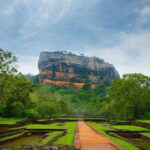
- The Drive to Ella: Green Hills, Tea-Country Roads, and Night Arrivals
- Price and Value: The $46 Base Plus Real Entry Fees
- Weather and Crowds: How to Get the Best Udawalawe Day
- Who This Tour Fits—and Who Should Skip It
- Should You Book Udawalawe Safari and Drop Ella?
- FAQ
- What is the total duration of the tour?
- Where does pickup happen?
- Where can I be dropped off?
- Is the safari in a 4×4 vehicle?
- What wildlife might I see at Udawalawe?
- What is included in the tour price?
- Are the Elephant Transit Home feeding sessions timed?
- Who provides the guide, and what language is used?
- What should I bring?
- Is it okay for everyone?
Key highlights at a glance
- Guided Udawalawe safari (about 3 hours) in a 4×4 jeep with an English-speaking naturalist
- Elephant Transit Home feeding sessions at 10:30, 2:30, or 6:00 (timing matters)
- Udawalawe Reservoir photo break for a calmer pause with good views
- A direct transfer to Ella through green hills and tea-country vibes
- A solid value combo if you want safari + onward transport in one hit
Why Udawalawe Works When You’re Heading to Ella
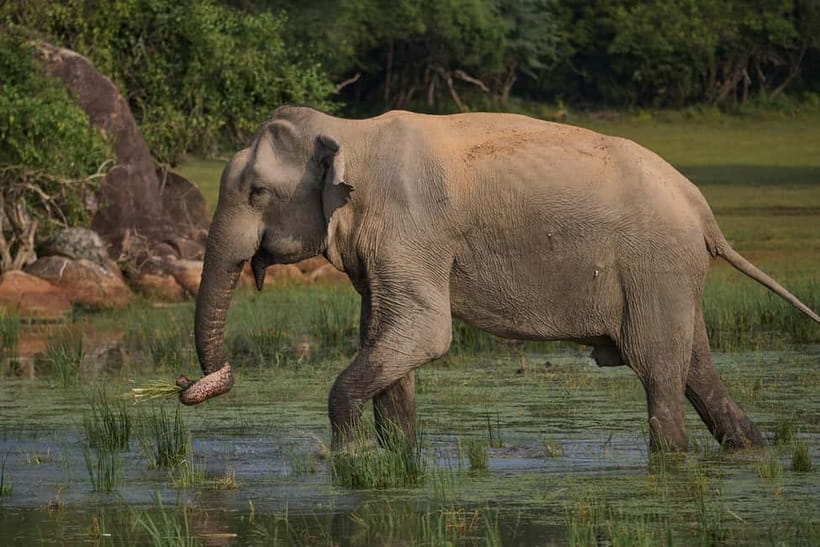
Udawalawe is one of those Sri Lanka stops where the wildlife feels practical, not just theoretical. You’re not signing up for a long trek or a complicated itinerary. You’re getting a straightforward safari setup, then transitioning onward to Ella so you don’t spend another half day on buses and tuk-tuks.
This tour also makes sense if you’re already planning to base yourself in the hill country. Ella is often paired with wildlife in people’s heads, but doing the moves yourself can get messy. Here, you trade some flexibility for a well-paced sequence: safari first, elephant feeding next, then Ella.
It’s a good match for wildlife lovers who like their day structured. If you prefer slow travel and long, empty stretches of time, you’ll want to know this is an all-in-one day (8 hours total).
You can also read our reviews of more tours and experiences in Hikkaduwa
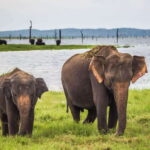
Pickup, Ride, and the Reality of Comfort
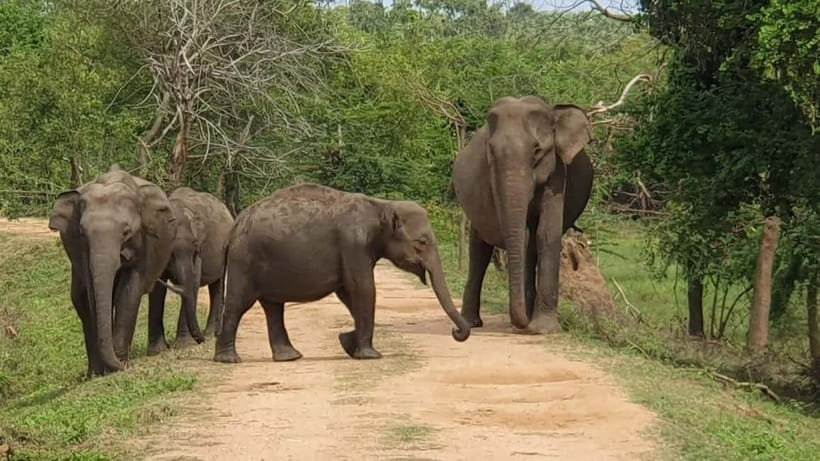
Your day starts with pickup from a long list of options: Matara, Mirissa, Tangalle, Ella, Galle, Udawalawa, or Hikkaduwa. You’ll be asked to wait in the hotel lobby about 10 minutes before pickup. That small detail matters because the schedule is tight—especially when the plan includes both safari time and onward driving.
The ride includes an air-conditioned vehicle and the safari portion uses a customized 4×4 jeep. In principle, that’s a comfort win: you’re not bouncing around in an open van for hours. Still, comfort can vary with weather and how the vehicle is set up for your group. One traveler noted the vehicle didn’t feel as “luxurious” as advertised, and rain can make things uncomfortable if you’re stuck inside a car for a long day.
My practical tip: bring a light rain layer or poncho even if the forecast looks okay. When conditions get wet, you’ll feel it more during a transfer day like this.
Udawalawe Safari in a 4×4 Jeep: What You’ll Look For
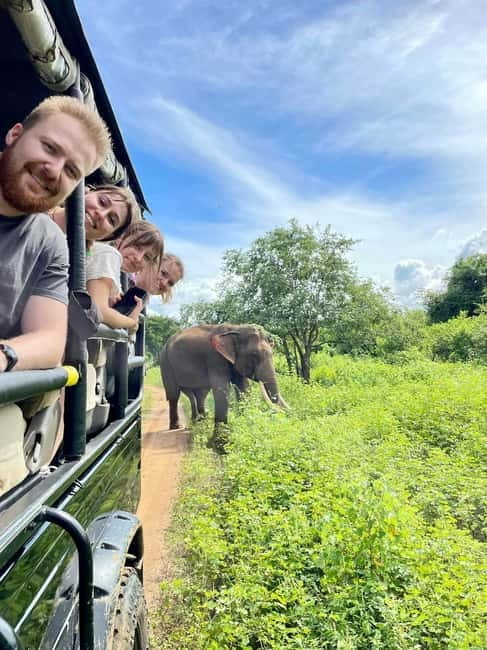
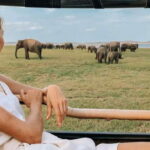
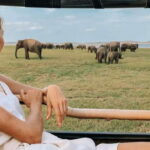
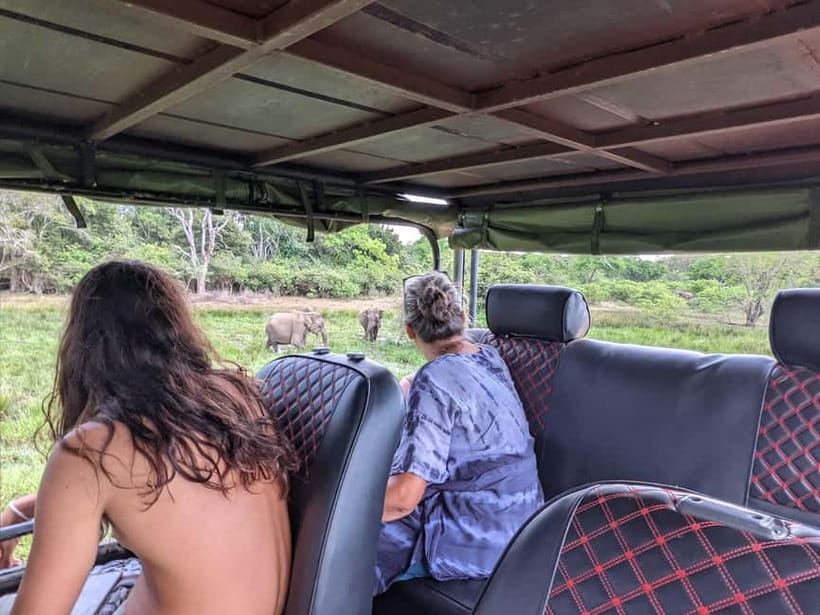
The core of the day is the Udawalawe safari in a customized 4×4 jeep with an experienced naturalist. You’ll have about 3 hours in the park, with time for a photo stop, sightseeing, and a guided safari drive.
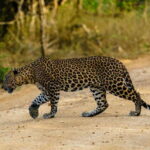
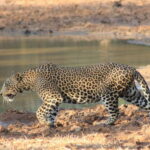
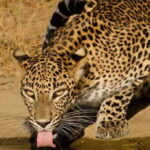
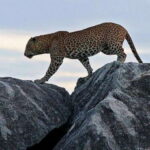
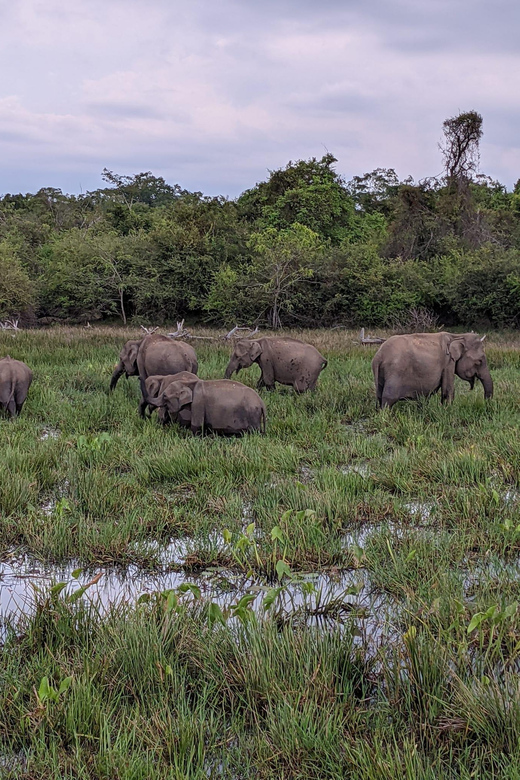
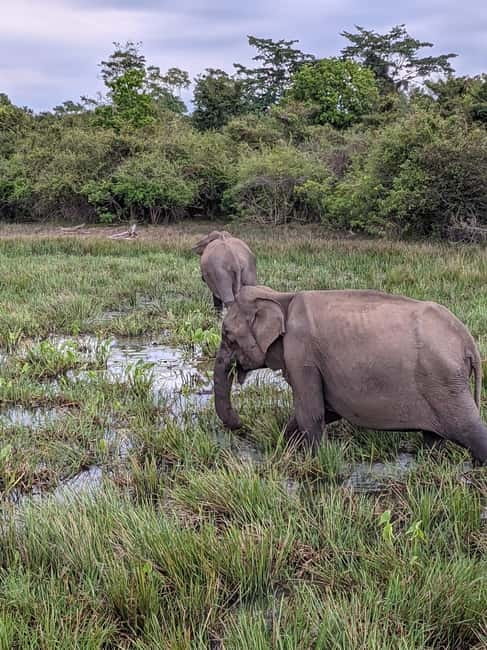
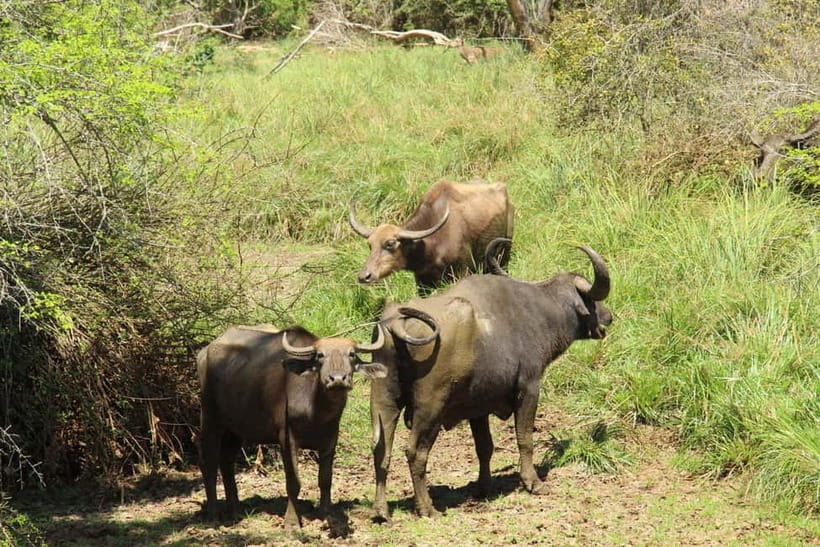
Udawalawe is famous for elephants, but your odds are better when you know what to watch for beyond the obvious. Expect a good chance at elephants, and you may also spot leopards, buffaloes, and a variety of bird species. Even if the big cats don’t show up on your route, birdlife is a real part of Udawalawe’s appeal.
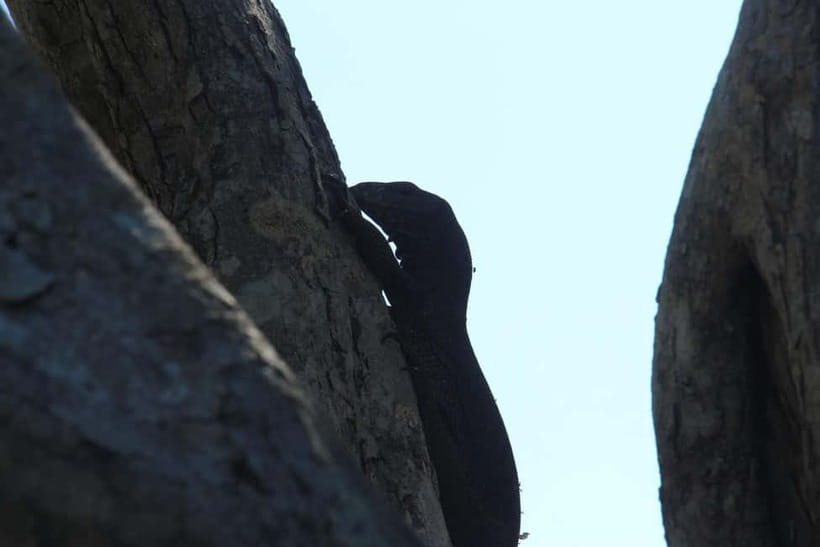
One detail I really like: you’re not just driving and hoping. A good naturalist helps you notice smaller wildlife too. In a standout account, the guide pointed out animals like a chameleon and an eagle perched high up—things you could easily miss if you’re just scanning with your eyes and not getting help interpreting what you’re seeing.
What can affect your experience: crowds and how many jeeps are sharing the same viewpoints. If the park is busy, the vibe can turn from safari to traffic. You’ll still see animals, but it might feel less calm.
Elephant Transit Home Feeding: Heartwarming, Timed, and Busy
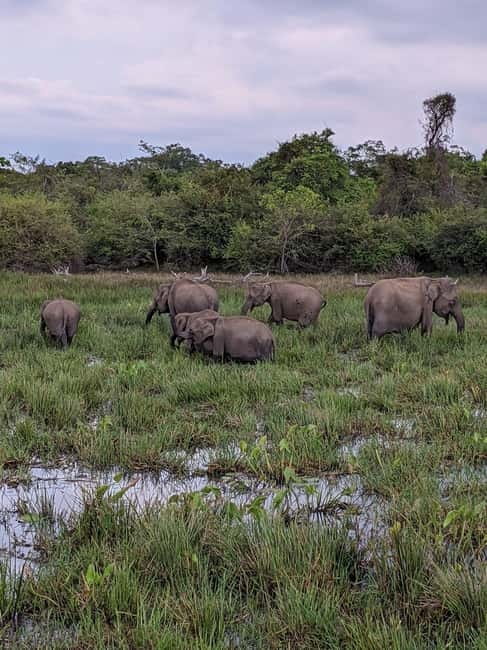
After the safari, you’ll head to the Elephant Transit Home. This stop runs about 40 minutes, with the chance to see baby elephants being fed. The feeding sessions happen at 10:30 AM, 2:30 PM, and 6:00 PM, so your exact arrival time can change what you experience.
This is a meaningful stop because you’re seeing conservation work in action, not just another “tourist photo moment.” The home focuses on protecting and caring for young elephants before they’re ready for the next stage of life. You’ll get a close look at the daily routine and the reason this place exists.
At the same time, it’s also a high-demand moment. One traveler described the area as crowded and felt the elephants seemed a bit pressured during feeding time. That doesn’t mean you should avoid it—it means you should manage your expectations. Think of it as a conservation setting you’re visiting, not a quiet sanctuary.
My tip: be respectful with your camera posture and keep space. If you’re there for elephants, you’ll get better photos by staying steady and letting the scene move around you rather than crowding forward.
Udawalawe Reservoir: The Easy Photo Break Before Ella
Between elephant time and the drive onward, you’ll pause at the Udawalawe Reservoir. This is a calmer stretch in the schedule, built for views and photography.
I like this stop because it gives your eyes a reset. Wildlife safaris can make your brain run hot—scanning, listening, reacting. A reservoir pause helps you breathe and take in the broader setting for a few minutes before the next long stretch of driving.
If you’re the kind of traveler who loves golden-hour light, you might catch something pretty here, though timing depends on the day’s flow.

The Drive to Ella: Green Hills, Tea-Country Roads, and Night Arrivals
After the reservoir, you’ll travel to Ella by car. The route goes through green hills and rolling countryside, and it builds the lead-up feeling many people chase when they reach the tea region.
One real-world note: arrival timing can land you in Ella when it’s dark. A traveler mentioned reaching town at night, so plan your logistics like you would for any late arrival—meal first, then orientation.
Ella itself can be wonderful for walking and viewpoints, but it helps if you’re not trying to figure out where your guesthouse is while you’re hungry. If you can, keep your first dinner simple and close by.
Practical move: confirm your pickup and drop details so you know whether you end up dropped specifically in Ella or whether there’s flexibility with other stops. The tour lists multiple drop locations, so your exact endpoint can vary.
Price and Value: The $46 Base Plus Real Entry Fees
At $46 per person for an 8-hour day, this looks like strong value—mainly because you’re bundling three things: transport, a guided safari experience, and onward transfer to Ella.
But here’s the part you should budget for: the national park entry fee is about $36, and the Elephant Transit Home entrance fee is about $7. Food and drinks aren’t included either.
So a realistic “all-in” day often becomes roughly:
- $46 tour price
- ~$43 in mandatory entry fees
- + food/drinks (your choice)
That doesn’t make it expensive; it just means the listed price isn’t the final number. If you were planning the safari and the elephant home separately, you’d likely pay for transport anyway. Bundling reduces friction—less negotiating, fewer separate bookings, and fewer chances to get stranded by timing.
Weather and Crowds: How to Get the Best Udawalawe Day
Two things can shift the whole feel of the trip: rain and how full the park is.
Rain can turn a safari day into a soggy endurance test. One traveler mentioned weather raining much of the day and that water came in through the roof area of the jeep. You can’t control the weather, but you can control how prepared you are. Bring a small rain cover for your daypack, keep your phone protected, and consider waterproof shoes if you’re sensitive to wet conditions.
Crowds are the other wildcard. Udawalawe can have plenty of jeeps in the same areas, and when that happens, the drive can feel less relaxed. If your top goal is big wildlife sightings, crowds may not matter. If your top goal is animal behavior in a calm setting, you might feel the difference.
My strategy: when you first enter the park, pay attention to your naturalist’s choices. A good guide will shift your focus to where animals are active, not just where everyone is pointing.
Who This Tour Fits—and Who Should Skip It
This is a strong option for:
- Wildlife-first travelers who want elephants and more in one day
- People who like guided help spotting animals (especially birds and smaller creatures)
- Travelers moving from the south coast toward Ella and want the transfer handled
It’s not suitable for:
- Pregnant women
- People with back problems
If you’re sensitive to long drives or rougher terrain, you should think carefully. While the car is air-conditioned and the safari jeep is built for getting around, it’s still a full day with vehicle time.
Should You Book Udawalawe Safari and Drop Ella?
Yes, I think you should book it if your ideal day looks like this: safari time with a naturalist, a timed elephant feeding visit, then a direct path to Ella without spending hours organizing transport. The value is best when you treat the $46 as the start of your day, then budget properly for the entry fees.
Skip or reconsider if:
- you’re hoping for a super quiet, low-crowd safari mood
- you’re highly comfort-sensitive and rain would ruin your experience
- you’re price-shopping for only the safari (because the tour price + entry fees is the real math)
If you do book, go in expecting a “wildlife day with structure,” not a laid-back escape. And bring rain protection—Udawalawe doesn’t always cooperate.
FAQ
What is the total duration of the tour?
The tour lasts about 8 hours.
Where does pickup happen?
Pickup can be arranged from Matara, Mirissa, Tangalle, Ella, Galle, Udawalawa, and Hikkaduwa.
Where can I be dropped off?
Drop-off options include Matara, Hikkaduwa, Galle, Udawalawa, Ella, Mirissa, and Tangalle.
Is the safari in a 4×4 vehicle?
Yes. The safari is done in a customized luxury 4×4 safari jeep.
What wildlife might I see at Udawalawe?
You can look for elephants, leopards, buffaloes, and a variety of bird species. Crocodiles were also seen on one safari.
What is included in the tour price?
The tour includes air-conditioned travel, the safari vehicle and guide/driver, and pickup/drop-off from select locations. Park entry fees, elephant home fees, and food/drinks are not included.
Are the Elephant Transit Home feeding sessions timed?
Yes. Feeding sessions are listed at 10:30 AM, 2:30 PM, and 6:00 PM.
Who provides the guide, and what language is used?
The tour has a live guide in English.
What should I bring?
Bring a passport or ID card.
Is it okay for everyone?
No. It is not suitable for pregnant women or people with back problems. Alcohol and drugs are not allowed.