REVIEW · HIKKADUWA
Hikkaduwa/Galle/Weligama/Mirissa/Tangalle: Udawalawa Safari
Book on GetYourGuide →Operated by Ceylon Nature Tours · Bookable on GetYourGuide
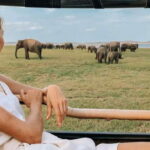
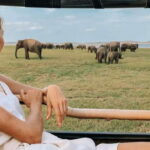
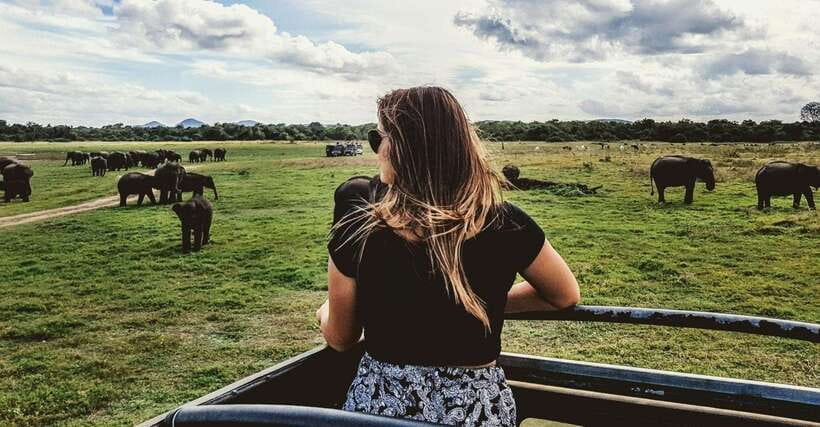
Elephants show up fast in Udawalawe. What makes this outing special is the chance to see the wild Asian elephant herd from a jeep in Udawalawe National Park, then end with a visit to the Elephant Transit Home during feeding time. The one catch: the big entry fees for the park and the transit home are not included in the tour price.
I also like the practical way the day is run. You get comfortable hotel pickup by air-conditioned vehicle, then a customized 4×4 safari jeep with an English-speaking guide/driver who helps you spot wildlife like water buffalo, deer, crocodiles, and a lot of birdlife. The trip is long enough to feel like a real safari day, but short enough (about 3–8 hours) that it still fits nicely between beach plans.
One more thing to know: expect the road ride to be bumpy and long. It is worth it, but if you’re prone to car sickness or you’re very tall, plan for that reality.
In This Review
- Key things to know before you go
- Udawalawe National Park: why this safari feels different
- Pickup from Hikkaduwa, Galle, Weligama, Mirissa, Tangalle: comfort and timing
- Inside the 4×4 safari jeep: what you’ll spot and how to spot it
- Elephant Transit Home feeding time: what you’re actually going to see
- Price and value: what $27 doesn’t cover (and what it does)
- Best time to go: morning vs midday trade-offs
- Guide quality makes or breaks the day
- Who should book this Udawalawe safari?
- Should you book this tour?
- FAQ
- What is the duration of the Udawalawe safari?
- Where is this safari located?
- Which pickup areas are offered?
- What transportation is included?
- Are park entry fees included in the price?
- Is the Elephant Transit Home entry fee included?
- What time are the Elephant Transit Home feeding visits?
- Is food included on this tour?
- Is there an English-speaking guide?
- What is the cancellation policy?
Key things to know before you go
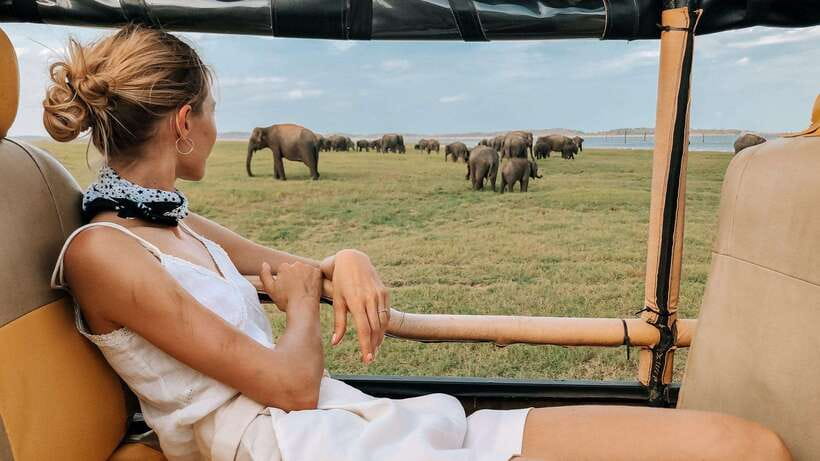
- Wild elephants in their habitat: Udawalawe is a top spot for seeing elephants in the open, not in a fenced display.
- Real conservation stop after the safari: you’ll watch orphaned young elephants being cared for at feeding times (10:30 AM, 2:30 PM, or 6:00 PM).
- 4×4 jeep viewing: higher seating makes spotting animals easier when the park is busy and everyone is searching the same paths.
- More than elephants: buffalo, deer, crocodiles, mongooses, eagles, peacocks, and other bird species show up too.
- English guide/driver: guides like Pathum and Mahesh are known for finding animals and explaining what you’re seeing.
- Budget for entry fees: Udawalawe National Park and the transit home have fees on top of the tour price.
Udawalawe National Park: why this safari feels different
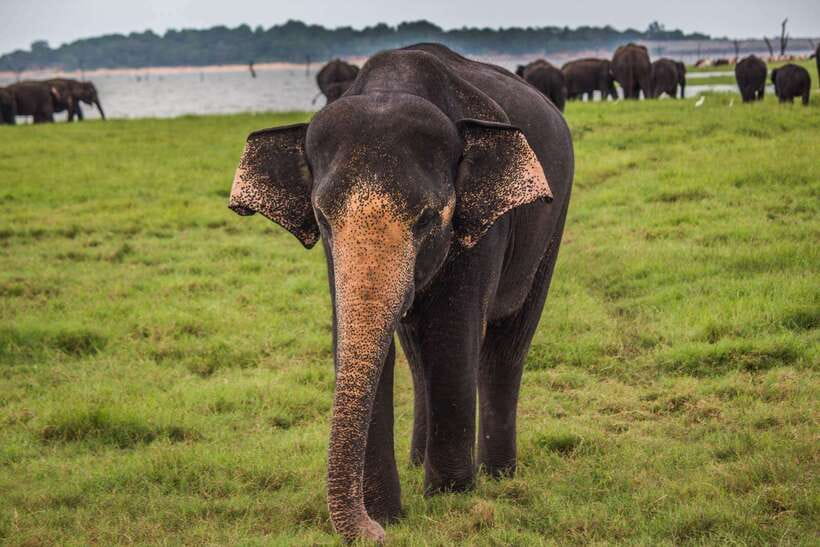
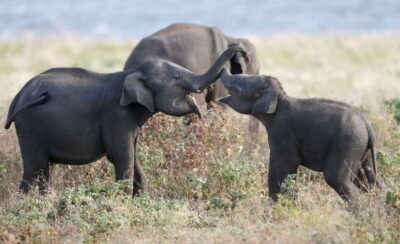
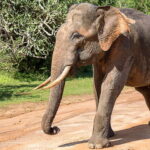
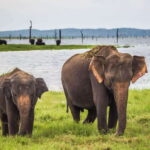
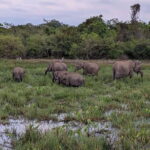
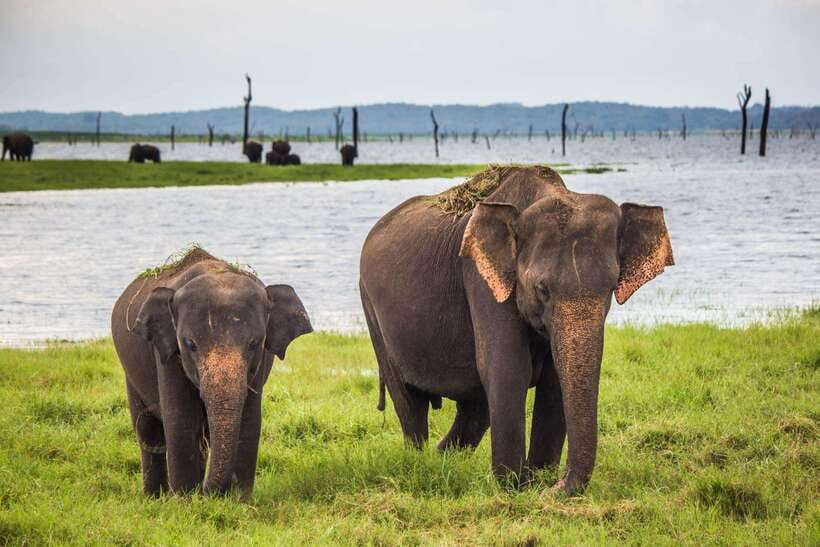
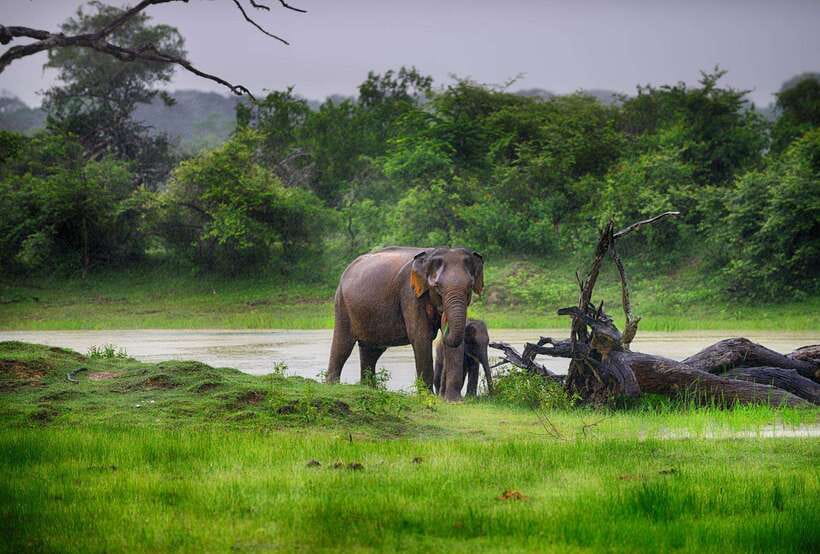
Udawalawe National Park has a simple appeal: the animals look like they’re living their day, not performing yours. The park is known for a steady population of elephants, including a large herd of Asian elephants, so you’re not crossing your fingers for a random sighting.
What I like most is the combination of wild viewing plus a conservation stop. The safari phase is about reading the park: quiet attention, slow turns, and the guide calling out movement before you even spot it. Then, the Elephant Transit Home adds context. You can actually see the care that helps young orphaned elephants recover and eventually return to the wild.
And the best part is that Udawalawe usually gives you variety. In addition to elephants, you may see water buffalo near water, deer moving along edges, crocodiles along the waterways, and birds popping up in fast, bright bursts. Even when elephants are the headline, the rest of the food chain keeps the drive interesting.
You can also read our reviews of more tours and experiences in Hikkaduwa
Pickup from Hikkaduwa, Galle, Weligama, Mirissa, Tangalle: comfort and timing
This tour is designed to work from a long list of southern coast towns, including Hikkaduwa, Galle, Unawatuna, Thalpe, Habaraduwa, Ahangama, Weligama, Mirissa, Matara, Hiriketiya, and Tangalle. Pickup is in an air-conditioned vehicle, and the ride to Udawalawe is part of the day—so comfort matters.
In the real world, your timing depends on the safari slot you book. Many days start very early for better animal activity and cooler conditions. Some people are picked up around 4:15 AM, and others note earlier pre-dawn starts depending on schedule. If your confirmation message lists a specific pickup time, take it seriously—have the phone number saved and your WhatsApp/SMS ready, especially if changes happen.
Also, plan for the drive to be bumpy. Reviews and on-the-ground reality both point to uneven roads in places. If you get car sick easily, pack motion-sickness medication or ginger, and sit where you feel most stable.
The good news: once you reach the park, the safari phase is usually efficient. You’re not stuck waiting around for a long time before heading into the 4×4.
Inside the 4×4 safari jeep: what you’ll spot and how to spot it
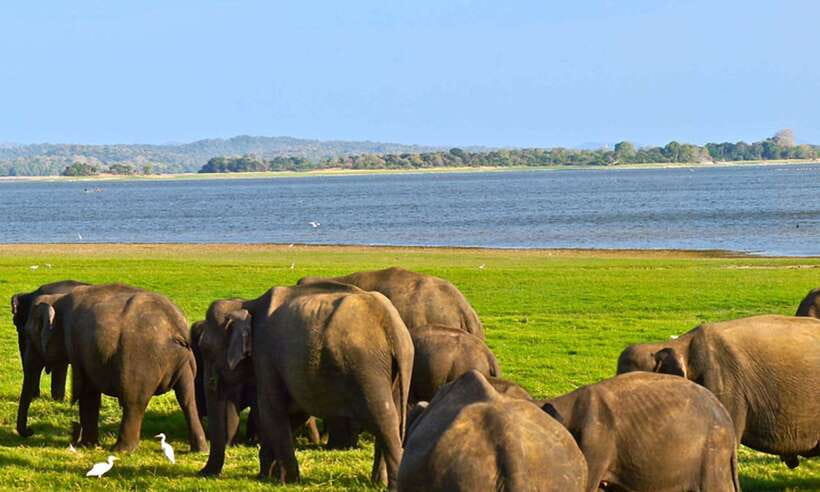
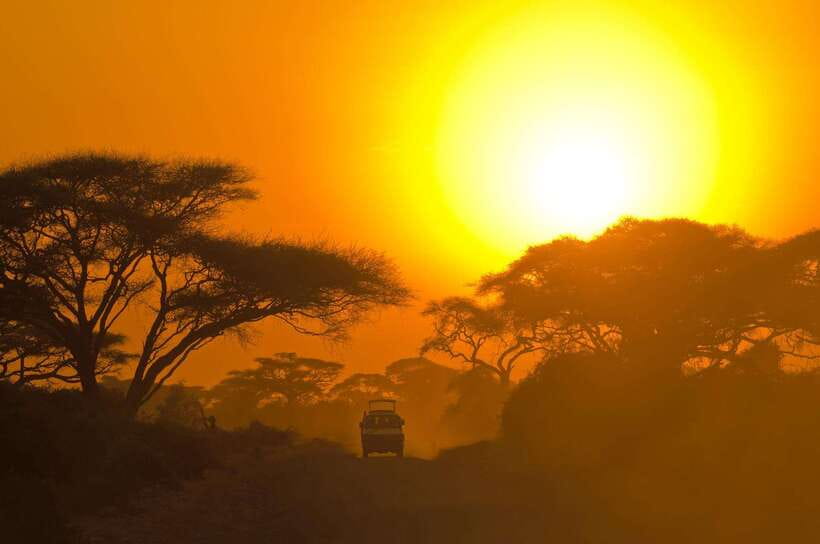
Udawalawe safari is done in a customized 4×4 jeep, typically with seating high enough for better views across the park paths. The guide/driver’s main job is finding animals and positioning your jeep for good sight lines without getting in a constant traffic jam of other vehicles.
So what can you realistically expect?
- Elephants in the wild: often multiple sightings, sometimes very close. People describe moments where the elephants come right up near the car or you’re seeing different groups—females with calves/juveniles and larger bulls—in the same day.
- Water buffalo and deer: these show up especially when you’re near water or open grass edges.
- Crocodiles: they can appear near water channels or areas where the park’s edges bring wildlife together.
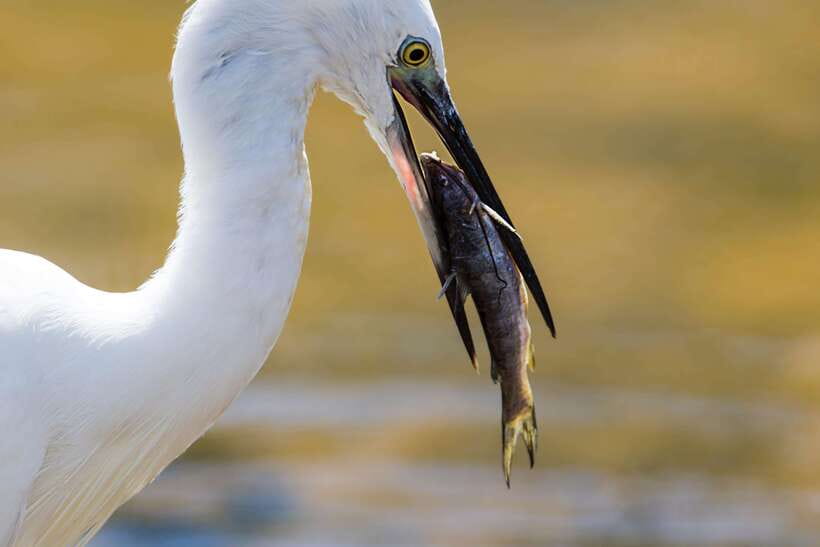
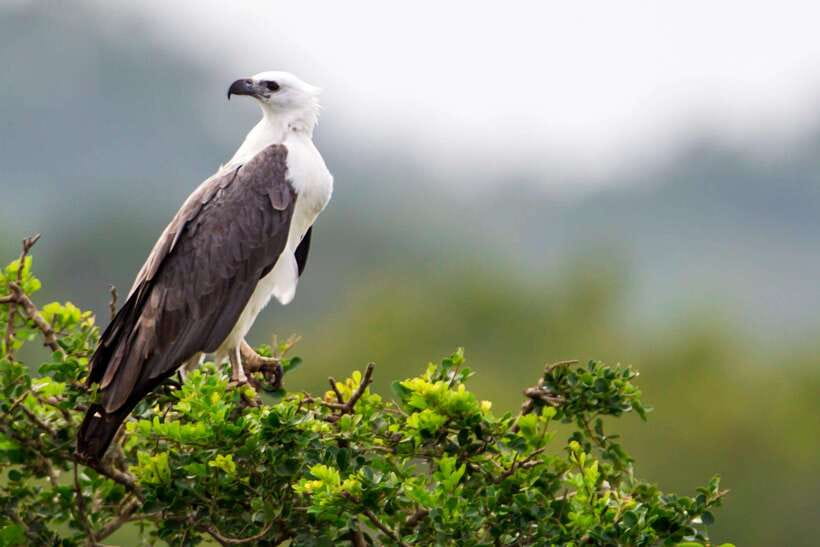
- Birdlife: peacocks, eagles, mongooses, and lots of smaller birds pop up while the jeep is moving slowly between sightings.
A few practical tips help a lot. Keep your phone battery topped up (animal spotting often means lots of video). Wear breathable clothes and a hat, but also expect that mornings can feel cool. If it rains, the safari jeeps can be covered enough to reduce direct wet weather, but you’ll still feel the humidity and the road conditions.
And listen to your guide. Guides like Pathum, Mahesh, and Sheehan are praised for knowing where to go and for explaining what you’re seeing as you go—so you’re not just watching, you’re understanding.
Elephant Transit Home feeding time: what you’re actually going to see
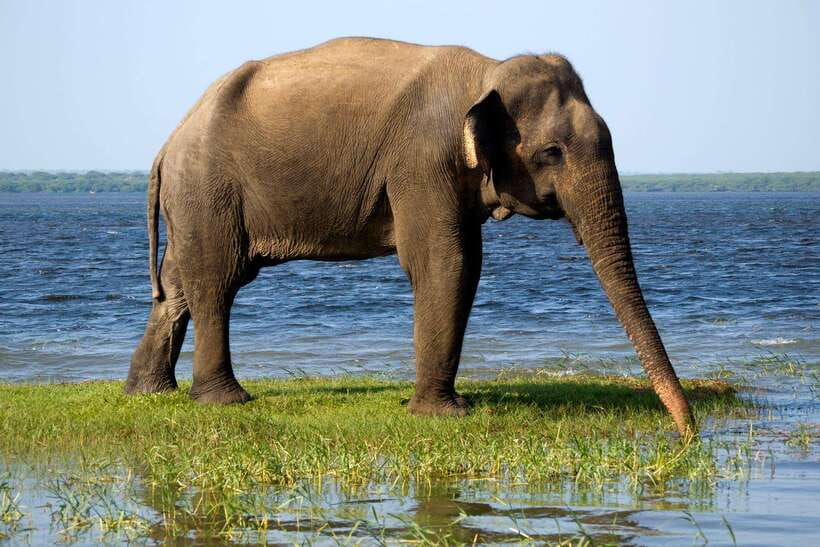
After the safari, the day shifts into something emotionally different. You visit the Elephant Transit Home during one of these feeding times: 10:30 AM, 2:30 PM, or 6:00 PM.
This is where you’ll see young orphaned elephants being cared for. The key point here is purpose: this isn’t just a photo stop. It’s part of the conservation effort that supports elephants that can’t simply be released immediately on their own.
Timing matters. If you’re there for the feeding session, you’ll get a sense of routine—how the elephants behave around handlers and food, how they interact with each other, and how the team prepares them for the next stage of their future.
This stop also helps make the full trip feel complete. Without it, the safari can be pure thrills. With it, you walk away with context on why conservation work matters—and what “returning to the wild” actually involves.
Price and value: what $27 doesn’t cover (and what it does)
Let’s talk money in a clear way, because this is where value can get misunderstood.
The tour price is listed at $27 per person, and it includes:
- hotel pickup and drop-off from your coastal area
- air-conditioned transportation
- the jeep safari in Udawalawe National Park
- driver/guide
- highway toll charges
What’s not included is the real cost of entering the places:
- Udawalawe National Park entry fee (about 36 USD)
- Elephant Transit Home entry fee (about 6 USD)
- food and drinks
So your day’s total spend is basically tour price plus those entry fees, plus whatever you choose to eat. If you’re traveling on a tight budget, bring snacks and water so you’re not stuck trying to find food at odd hours. If you’re doing the early safari and the schedule runs long, that small planning step can make the afternoon feel calmer.
Is it worth it? For most people, yes—because you’re paying for (1) real wildlife time in a jeep and (2) a meaningful conservation visit, not just a long drive.
Best time to go: morning vs midday trade-offs
Udawalawe is busiest at certain times because wildlife viewing is strongest when animals are most active. Going early is often the way you get the coolest temperatures and strong sightings.
That said, there’s a smart alternative mindset. Midday can be hotter, but it can also be quieter in the park, which means you might spend more time finding animals without being boxed in by lots of jeeps. One practical advantage of a good guide is that he or she can steer you away from the most crowded spots when possible.
If you want the most wildlife action and the best comfort, aim for the earlier safari option. If you’re heat-tolerant and want a calmer experience inside the park, the later pickup options can work too.
Either way, pack for sun and occasional rain. Even in dry seasons, conditions can change fast enough that a light layer and a simple rain option are useful.
Guide quality makes or breaks the day
This safari isn’t just about geography; it’s about how your day is read in real time. The guide’s skill shows up in three areas: spotting animals early, steering you to the best angles, and keeping the jeep moving at the right pace.
People often praise guides by name—especially Pathum and Mahesh—for being alert, friendly, and able to explain animal behavior. Others describe how their guides stayed out of crowded areas and helped them get better viewing instead of just following the main traffic.
A small but important note: sometimes you might feel like you’re getting more driver-led interpretation than a dedicated guide in the jeep. Even then, a strong driver who speaks English and knows the park can still deliver a great day. The safest approach is simple: ask your operator what kind of guide coverage you’ll have once you reach Udawalawe.
And yes, photography matters. Good guides help you get positioned without rushing, and they’re also usually aware of how other jeeps cluster around sightings—so you get time to take your own photos and videos without feeling like you’re always being herded.
Who should book this Udawalawe safari?
You’ll probably love this tour if you:
- want an elephant safari that’s about wild viewing, not a zoo-style setup
- like the idea of combining adventure with a conservation stop
- appreciate practical tour structure: pickup, jeep safari, then transit home feeding time, then return
It might not be the best fit if you:
- get motion sick easily on bumpy roads (the safari ride and the approach road can be rough)
- need a very smooth, low-impact day (this is off-road jeep viewing)
- have very limited time and don’t want to deal with extra entry fees on arrival
For families: the tour data lists small group availability, but the park ride still involves early starts and bumpy roads. If you’re traveling with kids, plan around those real-world factors.
Should you book this tour?
If you’re already in the southern coast and you want a high-value wildlife day with elephants, this is an easy “yes, consider it” option—mainly because it pairs Udawalawe National Park with the Elephant Transit Home feeding visit.
Just do two things before you go: budget for the on-arrival entrance fees, and prepare for an early start and a bumpy jeep day. If you match those expectations, you’re set up for a memorable, authentic wildlife outing with meaningful conservation context.
FAQ
What is the duration of the Udawalawe safari?
The tour duration is listed as 3 to 8 hours, depending on your selected starting time.
Where is this safari located?
It takes place at Udawalawe National Park in Sri Lanka, with the Elephant Transit Home stop after the safari.
Which pickup areas are offered?
Pickup and drop-off are available from Hikkaduwa, Galle, Unawatuna, Thalpe, Habaraduwa, Ahangama, Weligama, Mirissa, Matara, Hiriketiya, and Tangalle areas.
What transportation is included?
You get hotel pickup and drop-off by air-conditioned vehicle, and you travel inside Udawalawe National Park by customized 4×4 jeep.
Are park entry fees included in the price?
No. Udawalawe National Park entry fee (about 36 USD) is not included.
Is the Elephant Transit Home entry fee included?
No. Elephant Transit Home entry fee (about 6 USD) is not included.
What time are the Elephant Transit Home feeding visits?
Feeding times are listed as 10:30 AM, 2:30 PM, or 6:00 PM.
Is food included on this tour?
No. Food and drinks are not included.
Is there an English-speaking guide?
Yes. The tour includes a live tour guide in English.
What is the cancellation policy?
Free cancellation is available up to 24 hours in advance for a full refund.