REVIEW · COLOMBO
Vegan Cooking Class Colombo with Market Tour
Book on Viator →Operated by Ceylon Rustic Guide · Bookable on Viator
Your dinner starts at the vegetable stalls. This Colombo market tour plus private cooking class mixes real shopping street time with one-to-one chef instruction, so you learn how Sri Lankans build flavor, not just what to cook. You’ll also cook in clay pots, which changes the way curries taste and feel.
Two things I really love are the private, hands-on coaching and the way the market visit teaches you how to choose vegetables and spices like locals do. One thing to consider: the class is promoted as vegan, but the provided menu/food list includes items like buffalo curd—so if you’re strict about vegan, say it clearly when booking.
In This Review
- Key highlights you’ll feel right away
- A Colombo market-and-cooking plan that actually teaches
- Welcome drink, check-in calm, and a villa near Diyawanna Lake
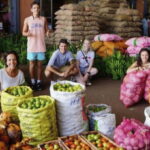
- The market visit: choosing vegetables and spices the Sri Lankan way
- Private instruction in a small kitchen: one-on-one means you actually learn
- Clay pots: why your curry texture and flavor can change
- What you’ll cook: Sri Lankan rice, curries, mallum, and enhancers
- Taste and drinks: water, refreshments, and what’s actually included
- Timing, duration, and meeting point realities
- Value for $80: why this can be worth it (and when it isn’t)
- Who should book this Colombo vegan market-and-cooking class
- Should you book it?
- FAQ
- Is this cooking class private?
- Where does the experience start and end?
- Does the tour include pickup?
- What’s included in the price?
- What can I expect to cook?
- What if weather affects the experience?
Key highlights you’ll feel right away
- A private chef setup so you’re not stuck watching while someone else cooks
- Colombo’s biggest vegetable market-style shopping for better ingredients and better results
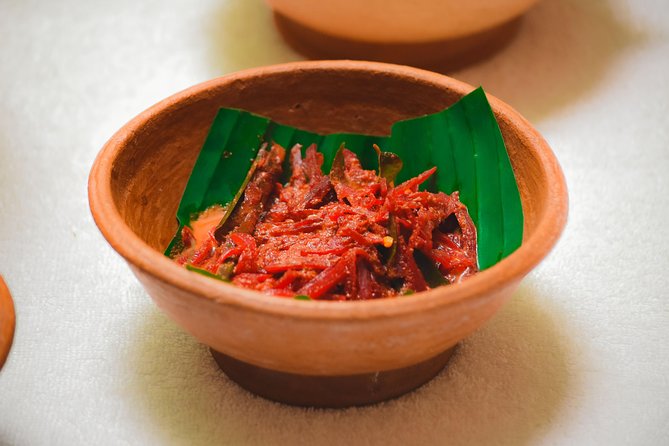
- Clay pot cooking for tender textures and slow-cooked depth
- Choose-your-menu flexibility (rice, curries, leafy mallum, and enhancers)
- Hands-on work so you get practical technique, not just a recipe handout
A Colombo market-and-cooking plan that actually teaches
Colombo can feel like a normal big city until you step into food prep mode. That’s what I like about this experience: it connects the market to the kitchen. You don’t just arrive hungry and get a meal; you learn why certain ingredients taste the way they do when you select them yourself.
This is also a practical class style. You get a private cooking class with one-to-one instruction, so your questions don’t get lost in a crowd. And because there’s a guide to help with the language side, the shopping part doesn’t turn into guesswork.
The pacing is built for people who want real food time without eating their whole day. The class runs about 5 hours, and it includes refreshments and water so you’re not running on fumes.
You can also read our reviews of more tours and experiences in Colombo

Welcome drink, check-in calm, and a villa near Diyawanna Lake
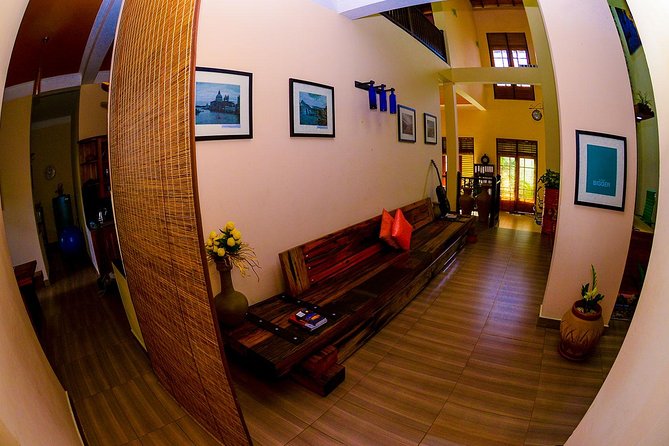
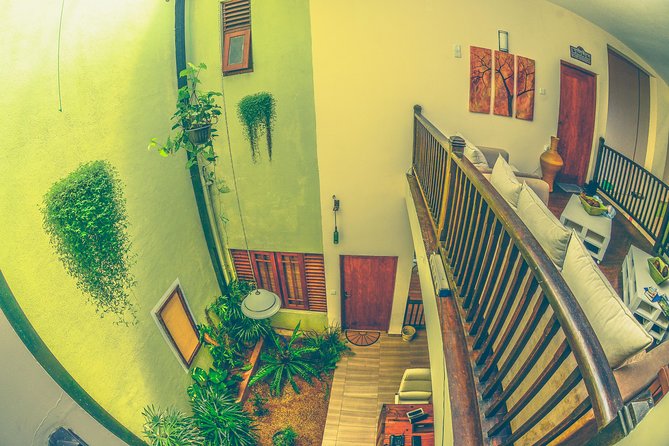
The experience starts with a warm welcome: you’re greeted with freshly made fruit juice or a herbal drink. Then you wander to the villa base, check in, and freshen up before heading out to the market.
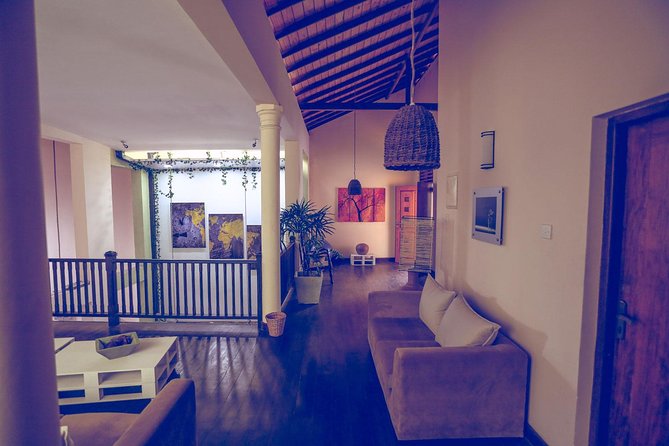
What you’re aiming for here is a reset from the city’s noise. The villa is in Colombo’s green belt area, and it’s described as close to places like the Sri Lankan Democratic Parliament and Immigration Office, plus within walking distance to Diyawanna lake. It’s a good setup for the day’s flow: relax first, then go shop, then cook.
Dress code is smart casual, so you don’t need to plan a whole outfit change. Comfortable clothes help, though—market walking can be a little active and you’ll want freedom of movement.
One note to keep your expectations clean: the description mentions overnight stay and free breakfast at the villa, but the experience itself is listed as ending back at the meeting point and running about 5 hours. If you’re trying to plan hotel timing tightly, ask the provider to confirm whether you’re getting only the cooking session or the added overnight component.
The market visit: choosing vegetables and spices the Sri Lankan way
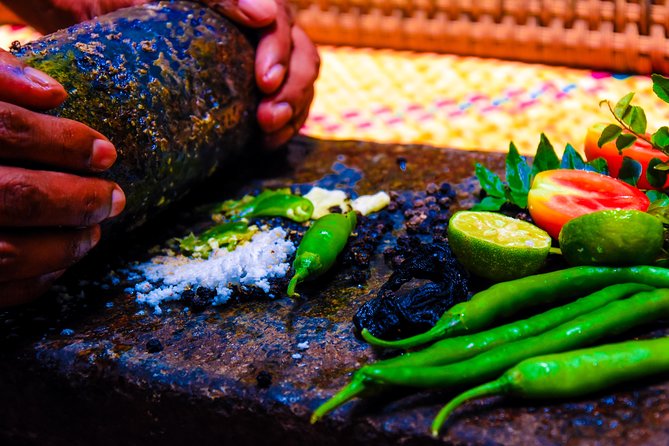
This is the heart of the learning. The market stop is designed to solve a big problem: Sri Lankan cooking often depends on spice mixes and fresh produce choices that aren’t easy to replicate if you only shop online.
Here’s what you’ll do during the market time:
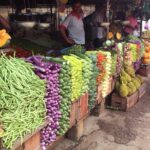
- You explore the local market with your guide (and help with language barriers)
- You learn what to look for when selecting vegetables
- You identify spices and other key ingredients that show up in Sri Lankan cooking
- You get a feel for how grandmas and home cooks pick produce soon after harvest
The market described is compared to a European eco shop in style, but the Sri Lankan reality is very hands-on. You’ll likely notice that picking isn’t only about looks. It’s about smell, freshness, and the way ingredients behave when cooked. That matters later, because curry isn’t just sauce—it’s ingredient chemistry.
Practical tip: go with an open mind and let your guide point out differences. It’s easy to think all onions, tomatoes, or leafy greens are the same. In this kind of class, the differences are exactly what make the finished dish taste right.
Private instruction in a small kitchen: one-on-one means you actually learn
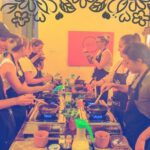
Once you’re back at the kitchen, the “private” part becomes real. This isn’t the style where you stand back while someone else does the work. The class is set up so you get hands-on technique, from prep to cooking.
From the feedback, the small nature of the class is a major reason people loved it—your chef and helper can answer questions, and you can get tips during the exact moment you need them. That also helps if you’re cooking in a different way than what you grew up with. Sri Lankan recipes often use methods that don’t always match Western cooking assumptions.
The teaching style also seems built for confidence. People talk about being able to recreate dishes later, even after returning home. That usually comes from learning the “how,” not only the “what.”
Also, if you’re the kind of cook who likes explaining why you’re doing something, you’ll probably enjoy the conversation. The chef is described as sharing stories and answering questions, and the class includes ingredient and technique context—not just steps.
Clay pots: why your curry texture and flavor can change
One of the standout features is cooking in clay pots. This isn’t a gimmick. Clay pots behave differently from metal or glass, and those differences show up in the food.
Why they matter:
- The porous walls absorb water, which helps food stay tender and not dry out
- The pot supports long, slow cooking, which helps curry flavors develop instead of staying sharp
- The cooking environment keeps food “moist,” and the description notes antibacterial acidic moisture helps preservation
Even if you don’t care about the science, you’ll likely care about the result. Clay pot cooking tends to make curries feel rounder and more unified—especially for dishes that rely on spice depth and gentle simmering.
If you’re the type who cooks at home, this is also a practical knowledge upgrade. You’ll learn how heat and timing behave when you can’t just crank the burner the way you might with a saucepan.
You can also read our reviews of more shopping tours in Colombo

What you’ll cook: Sri Lankan rice, curries, mallum, and enhancers
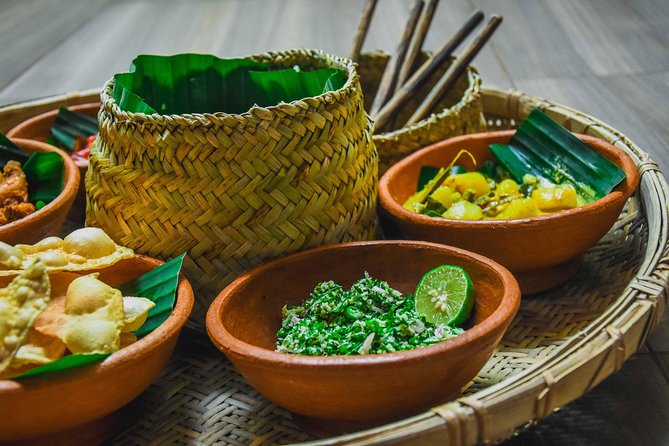
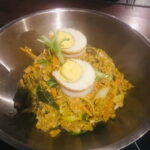
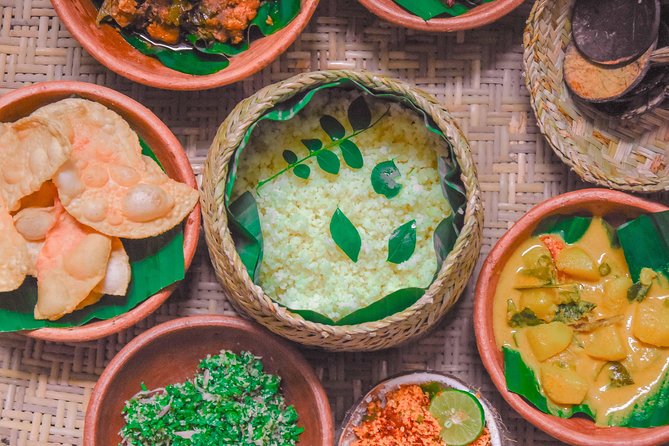
Menu choice is part of the value here. You’re not forced into a single fixed lineup; you select from options, which helps the class match your preferences.
You’ll choose one type of Sri Lankan rice:
- White rice
- Yellow rice
- Brown rice
You’ll also choose among Sri Lankan traditional curry options. The menu list includes:
- Sri Lankan dhal curry
- Sri Lankan coconut sambol
- Sri Lankan potato curry
- Fried mushroom
There’s also a menu item listed as Sri Lankan chicken curry. Since this experience is described as vegan, I’d treat that as something to clarify directly with the provider when booking so your plate matches your dietary needs.
For leafy salad (mallum), you’ll choose one:
- Gotukola
- Mugunuanna
- Gova mallum
- Kankun mallum
- Aguna kola mallum
And you can include an enhancer:
- Papdum
You’ll also get dessert that includes tea or coffee and a food list that notes buffalo curd with honey, plus tropical fruits.
This is the place to be honest with yourself about strictness. If you’re vegan, confirm whether dairy-based items like curd will be used in your session. The class is advertised as vegan, but the provided food list includes ingredients that aren’t vegan by default. A quick message now saves stress later.
Taste and drinks: water, refreshments, and what’s actually included
The experience includes bottled water plus light refreshments and coffee/tea. The included list also states all taxes and fees are covered, which helps you avoid surprise add-ons.
Alcohol is a separate issue. The description says you can taste local beer and mineral water, but the included section says alcoholic drinks (beers) are not included. So if beer is part of your plan, treat it as optional and check what’s offered on the day.
Timing, duration, and meeting point realities
This runs about 5 hours. The operating window shown is Monday through Sunday from 9:30 AM to 3:30 PM, and the booking system confirms you at the time of purchase.
You’ll start at:
Travel Footprint -Srilanka Kollupitiya (listed as VW99+VCV, Sri Jayawardenepura Kotte, Sri Lanka)
The activity ends back at the meeting point.
Pickup is described as offered, but the details also say hotel pickup isn’t included. Translation: don’t assume your hotel door is part of the deal. If you want convenience, message before booking and ask what the pickup option looks like for your exact location.
Dress code is smart casual, and the transfer time depends on traffic.
Value for $80: why this can be worth it (and when it isn’t)
At $80 per person, the big question is what you get beyond a normal cooking class. In my view, the value comes from three things that align well with that price:
1) Private, one-to-one coaching (less time watching, more time cooking)
2) The market component that teaches ingredient selection, which upgrades your future meals
3) Clay pot cooking, which gives you technique you can’t easily simulate from a recipe video
It’s also booked about 30 days in advance on average, which suggests it’s a popular, well-run slot—often a sign the small details are handled well.
When it might not be the right fit: if you want a fully vegan menu with zero dairy and you don’t want to do any ingredient clarification, you might feel uneasy because the provided food list includes items that aren’t vegan. Fixable with communication, but still something to consider.
Who this fits best:
- People who cook at home and want repeatable technique
- Food lovers who want to understand ingredients, not just taste dishes
- Anyone visiting Colombo who wants a local market experience without spending hours figuring it out alone
Who should book this Colombo vegan market-and-cooking class
I’d book it if you like food learning that’s practical: picking vegetables, understanding spices, and cooking in a way that changes texture. The market visit plus the hands-on private setup makes it more than a meal. It’s a skill-building afternoon.
I’d hesitate only if you require strict vegan ingredients and you don’t want any back-and-forth. In that case, ask the provider directly what will be used in your dishes. The class structure is flexible, but dietary certainty should come from confirmation.
Should you book it?
Yes, with one smart move: confirm your dietary requirements clearly at booking, especially if you’re strict vegan and want to avoid items like buffalo curd. If that’s handled, you’re getting a strong mix of local ingredient shopping, private hands-on cooking, and clay pot technique that’s hard to replicate from a basic recipe.
If you’re in Colombo and you want more than a standard cooking class, this one gives you the ingredients, the method, and the context that turns dinner into something you can repeat.
FAQ
Is this cooking class private?
Yes. It’s described as a private tour/activity, meaning only your group participates.
Where does the experience start and end?
It starts at Travel Footprint -Srilanka Kollupitiya in Colombo and ends back at the meeting point.
Does the tour include pickup?
Pickup is described as offered, but hotel pickup is listed as not included. For your exact pickup details, you’ll want to confirm with the provider.
What’s included in the price?
All taxes and fees are included, along with bottled water, light refreshments, coffee and/or tea, and a professional guide.
What can I expect to cook?
You’ll choose from Sri Lankan rice options, Sri Lankan curry and mallum (leafy salad) options, and an enhancer like papdum. Dessert is listed with tea/coffee and tropical fruits, plus buffalo curd with honey.
What if weather affects the experience?
The experience requires good weather. If it’s canceled due to poor weather, you’ll be offered a different date or a full refund. Cancellation is free up to 24 hours in advance for a full refund.