REVIEW · NEGOMBO
Negombo Heritage Walking Tour
Book on GetYourGuide →Operated by Real Lanka Holidays Pvt Ltd · Bookable on GetYourGuide
Negombo’s streets change fast, in the best way. Starting at the Sri Mutthumari Amman Temple on Sea Street, you’ll get a close-up look at the city’s working fish market and dry-fish world, not just tourist sights. One thing to plan for: it’s a real walk in warm weather, and the snack portion can be inconsistent depending on the day.
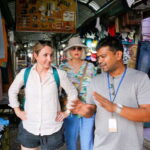
A good English-speaking guide makes the difference here. In particular, I’ve seen reports of guides like Shashi explaining local food, spices, and traditions clearly, with time for questions and a relaxed pace. Meet your guide right in front of the Hindu temple, and expect a route that mixes daily life with layers of colonial history.
In This Review
- Key Highlights You’ll Really Feel on This Walk
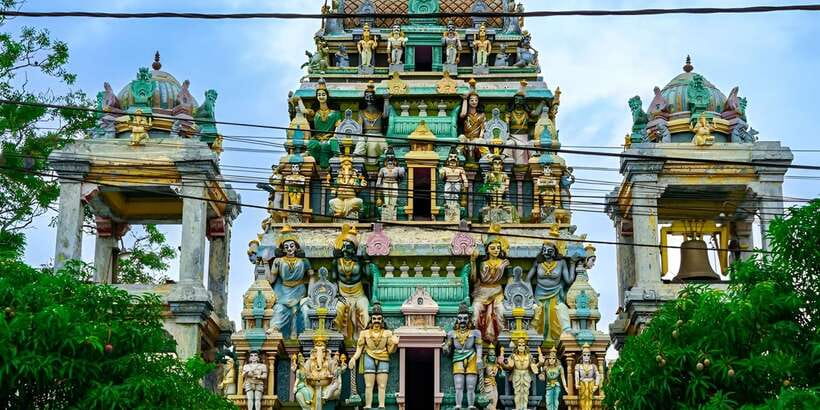
- Entering Negombo Through Sri Mutthumari Amman Temple on Sea Street
- Market Time: What You See at the Vegetable and Fruit Stalls
- King George Drive: The Ocean Side Between Fishing Work and Processing
- Lellama Fish Market and the Photo Moment at Kothlawala Bridge
- Dutch Fort Grounding: Old Negombo Dutch Fort and St. Stephen’s Church
- Negombo Lagoon Pause: Breathing Space Before St. Mary’s Cathedral
- St. Mary’s Church in Negombo: Closing the Loop on Mixed Faiths
- Price and Value: What $14 Buys in 3 Hours
- The Pace, the Heat, and What to Bring (So You Enjoy It)
- Who This Tour Fits Best
- Should You Book the Negombo Heritage Walking Tour?
- FAQ
- Where does the tour start?
- How long is the Negombo Heritage Walking Tour?
- What language is the guide?
- Is it really a walking tour?
- What should I bring?
- What is included in the price?
Key Highlights You’ll Really Feel on This Walk
- Sri Mutthumari Amman Temple first: sea-street energy and an instant sense of Negombo’s mixed faiths
- Local vegetable and fruit market: see what people buy before the day’s work
- King George Drive by the Indian Ocean: parallel streets to the fishing and processing areas
- Dry fish processing smell test (yes, it’s part of it): you’ll understand why the market smells the way it does
- Old Dutch Fort area + St. Stephen’s Church: colonial edges beside working neighborhoods
- Negombo Lagoon + St. Mary’s Cathedral: calmer stops that balance the busy market stretches
Entering Negombo Through Sri Mutthumari Amman Temple on Sea Street
I like tours that start where locals actually start their day, and this one begins at Sri Mutthumari Amman Temple on Sea Street. You’re not easing in with a lecture in a café. You’re watching a sacred space sit right inside a neighborhood flow, with people moving in and out and the soundscape of the coast nearby.
This temple stop matters because Negombo is a multicultural city, and the walk is built to show that layering. In a short time, you’ll see how Hindu worship coexists with Catholic landmarks and the older traces of European presence. Even if you’re not religious, it’s a useful entry point: you learn what’s important to residents, not just what’s old.
Practical note: this is also where you meet the guide. If you arrive early, take a minute to get your bearings before the walk begins.
You can also read our reviews of more tours and experiences in Negombo.

Market Time: What You See at the Vegetable and Fruit Stalls
After the temple, the route moves into a local vegetable and fruits market. This is one of those “small” segments that pays off, because markets are where you understand what a city eats, not just what it sells.
Here’s what tends to stand out when you walk through stalls like this:
- You see the variety in produce that feeds everyday Sri Lankan meals.
- You get a sense of local sourcing and how quickly things move in a working market environment.
- You’ll notice spices and cooking influences show up indirectly through the ingredients people choose.
The best part is that the guide can connect market items to culture and daily routines. If your guide is someone like Shashi (one guide name that comes up in feedback), you’ll likely get extra context about food and traditions rather than a generic “this is a market” stop.
Because this part happens during daylight street life, it’s also a good moment for photos, as long as you stay respectful around vendor areas.
King George Drive: The Ocean Side Between Fishing Work and Processing
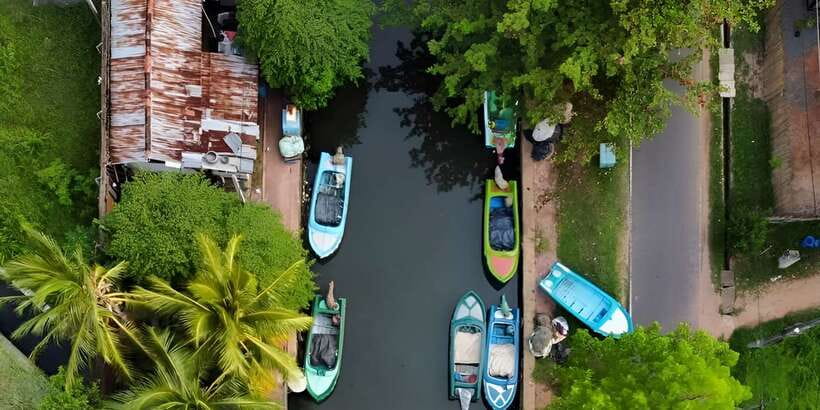
Then comes King George Drive, named after King George’s visit to the city. That detail might sound like trivia, but on the ground it helps you understand that Negombo’s coastline isn’t just scenery. It’s infrastructure. The road runs parallel with the Indian Sea, placing you close to where fishing activity happens and where fish gets processed.
What to expect here is less about monuments and more about atmosphere. The route leads you through the areas associated with dry fish preparation and handling. And yes, there’s a reason this tour mentions the dry fish smell.
That smell is not a problem for the route—it’s the point. It gives you a real sense of scale and labor. You’re witnessing why this side of town has its own rhythms, its own vocabulary, and its own commercial focus. If you’re the kind of person who likes travel that feels practical and lived-in, this segment is exactly that.
Lellama Fish Market and the Photo Moment at Kothlawala Bridge
Once you’ve built up enough awareness (and, depending on the day, enough tolerance) for the dry fish processing area, the walk moves into the fish market itself, referred to as Lellama.
This stop is often the emotional center of the tour. Fish markets are where you see urgency and expertise at the same time. People are working. Prices and freshness matter. The guide’s job here is to explain what you’re seeing without turning it into a distant museum display.
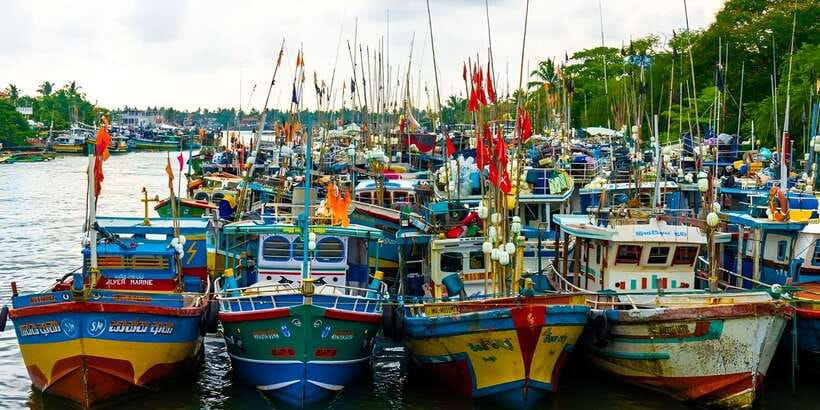
A highlight that helps break up the intensity is the pass near Kothlawala Bridge. You get a chance to take a nice picture of fishing boats from that crossing area. It’s one of those simple moments that makes the whole route feel like a cohesive story: from the processing work along the coast to the boats that make the work possible.
If you care about photography, this is where you’ll want to slow down, aim, and capture the boats. Just be mindful that it’s still an active area.
Dutch Fort Grounding: Old Negombo Dutch Fort and St. Stephen’s Church
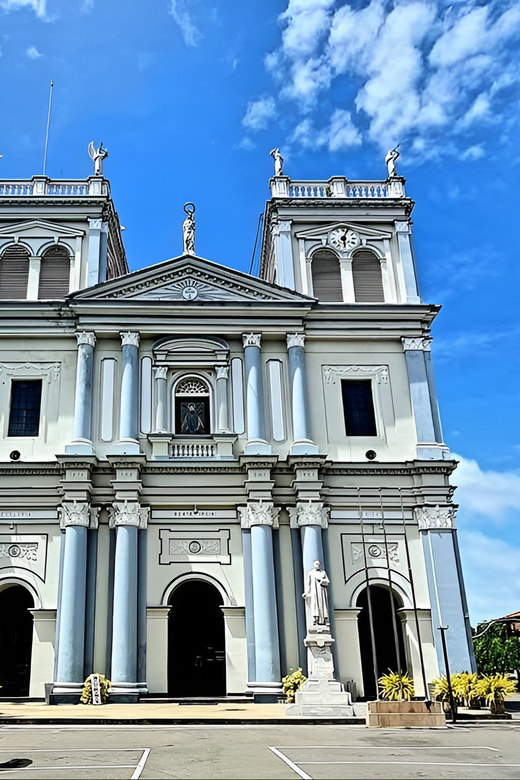
After the fish-market focus, the tour shifts gears into older built heritage around the Old Negombo Dutch Fort area, with St. Stephen’s Church also part of the highlights.
This is where you start seeing how the city’s commercial importance made it attractive to foreign powers. The fort area gives you physical context for the era when Europeans were trading, securing routes, and projecting influence along the coast. Even if you don’t spend time indoors (not every walk is built that way), just being in the space helps.
What makes this segment work on a walking tour is proximity. You’re not traveling across town to learn about history in isolation. You move from working waterfront life into the built remnants of earlier control and administration. That contrast makes the colonial presence feel less abstract.
Also, if you like layered architecture and mixed religious environments, this is a strong stop because it connects place to power. You can see why certain buildings were built where they were.


Negombo Lagoon Pause: Breathing Space Before St. Mary’s Cathedral
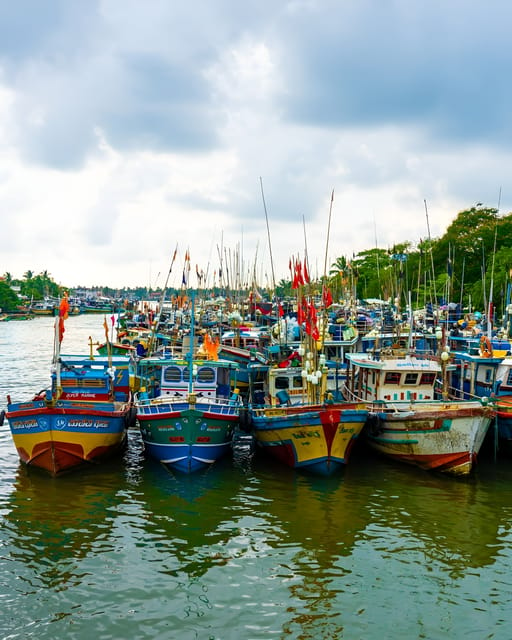
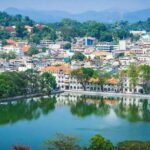
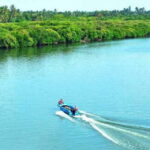
Then you get to Negombo Lagoon. On paper, a lagoon stop sounds like a break from the fish-market intensity, and in practice that’s exactly how it lands.
A lagoon stop gives your eyes a different kind of information:
- It’s a natural counterpoint after dense street activity.
- It changes light and mood, which makes the walking effort feel less repetitive.
- It helps you understand why Negombo’s geography supports fishing and trade in the first place.
This isn’t presented as a long scenic hike. It’s more like a time-out inside the route so you can reset before the final religious landmark.
St. Mary’s Church in Negombo: Closing the Loop on Mixed Faiths
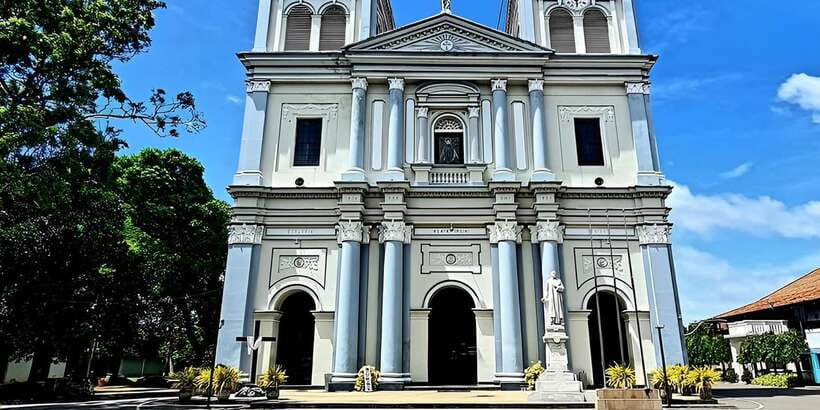
The tour’s last major stop is St. Mary’s Church (also written as St. Mary’s Cathedral in some descriptions). This works as a thoughtful wrap-up because it ties the whole walk back to Negombo’s multicultural identity.
You started with a Hindu temple. You end with a Catholic landmark. Along the way you’ve also passed through Dutch-era heritage and neighborhood markets where everyday life carries on regardless of what empire once did.
This closing stop also tends to feel emotionally different from the earlier market and processing areas. Markets are fast and loud. Church spaces often slow people down—your guide may point out features and explain how these sites fit into the city’s story.
If you’re traveling with someone who likes spiritual landmarks, this ending will likely land well.
Price and Value: What $14 Buys in 3 Hours
At about $14 per person for a 3-hour walking tour, the main value is not just access to sights. It’s the guidance that turns a collection of places into a coherent picture.
What you’re paying for:
- An English-speaking guide (with English and Hindi offered for the live guide)
- A walking route that connects temple, market, fish trade, Dutch heritage, lagoon, and a Catholic church
- Refreshments and a snack tasting menu, included as part of the offering
Now, one careful point. Some feedback indicates that refreshments and local food didn’t match what was described on a particular day. That doesn’t mean the tour is unreliable overall, but it does mean you should treat snack tasting as a bonus that’s part of the concept—not something to count on blindly if you’re very snack-specific.
Still, at this price, you’re getting a lot of street-level context for a short amount of time, especially if you enjoy seeing how people actually live around major local industries.
The Pace, the Heat, and What to Bring (So You Enjoy It)
This is a walk—simple as that. One practical takeaway from guidance tied to the experience: go early. By around 12:00, it can get hot enough that the pace may feel tougher for people who don’t handle heat well.
The tour also lists what to bring:
- Sunglasses
- Sunscreen
Those aren’t dramatic suggestions; they’re exactly the kind of “don’t regret it later” items that help during a 3-hour outdoor route.
Also consider timing around your start. The operator asks you to arrange the convenience start time after booking. If you do that early, you avoid unnecessary stress and you’ll have a smoother beginning at the temple meeting point.
Who This Tour Fits Best
This is a great fit if you:
- Want a short, high-impact walk through Negombo’s mixed cultural identity
- Like seeing the working side of coastal life, especially the fish market world
- Prefer guided context over wandering alone with no explanations
- Enjoy food and spice stories connected to everyday places
It’s less ideal if you:
- Want a mostly indoor, low-odor itinerary (the dry fish area is part of the walk)
- Struggle with warm weather walking without a flexible pace
- Expect a strict schedule with zero delays every time, since there are reports of guide replacement timing on at least one occasion
Should You Book the Negombo Heritage Walking Tour?
My take: book it if you want Negombo as a living city, not a checklist. For the money, you’re getting a guided route that links temples, markets, fish trade areas, Dutch-era heritage, a lagoon pause, and St. Mary’s Church—all in about 3 hours. It’s the kind of tour that teaches you how the pieces connect.
I’d book with two expectations set correctly:
- You’re walking through real neighborhood activity, including the coast’s fish processing reality.
- Ask what snacks are included on your departure day, especially if you care about local food tastings.
If you’re ready for that mix—culture + food + working life—this tour is an easy yes.
FAQ
Where does the tour start?
The meeting point is in front of the Hindu temple, Sri Mutthu Mari Amman Temple.
How long is the Negombo Heritage Walking Tour?
It lasts 3 hours.
What language is the guide?
The tour offers a live guide in English and Hindi.
Is it really a walking tour?
Yes. It’s described as a guided walking experience with multiple stops for sightseeing and short walks between locations.
What should I bring?
The tour lists sunglasses and sunscreen.
What is included in the price?
The tour includes an English-speaking guide and refreshments and a snack tasting menu.