REVIEW · NEGOMBO
From Negombo: Bentota Full-Day Tour
Book on GetYourGuide →Operated by Apple Vacations Sri Lanka · Bookable on GetYourGuide
The Madu River route makes the day feel special fast. You get two standout stops in one sweep: a Madu Ganga boat safari through mangroves and then the quiet, architectural magic of Lunuganga Garden. Add in the island setting of Kothduwa Temple, and you’ve got a day that mixes nature, culture, and design without feeling like a museum run.
My favorite part is how the pacing keeps you moving while still giving you time on the ground—especially on the river boat and at Lunuganga. The main consideration: it’s a long, hot 10 hours and the tour isn’t built for people who need step-free access or who prefer a slow day.
In This Review
- Key points to know before you go
- How the Bentota Day Runs From Negombo (and why timing matters)
- Madu Ganga boat safari: mangroves, caverns, and wildlife-hunting energy
- Kothduwa Raja Maha Viharaya on a Madu Ganga island
- Lunuganga Garden: Geoffrey Bawa’s country home and the feel of a designed place
- Kosgoda Sea Turtle Conservation: a short stop with a different tempo
- Lunch, drinks, and the tipping reality check
- Price and value: $65 for a full-day mix that actually saves effort
- Who this Bentota full-day tour fits best (and who should skip it)
- Should you book? My take for a smart Bentota day
- FAQ
- What time does the tour start, and how long is it?
- Where does pickup happen?
- What’s included in the tour price?
- Is Lunuganga Garden entrance fee included?
- Are meals included?
- Is the tour wheelchair accessible?
Key points to know before you go
- Madu Ganga mangroves: a boat ride through marshes, thick roots, and open water stretches
- Kothduwa Raja Maha Viharaya: a Buddhist temple on an island inside the estuary
- Lunuganga Garden by Geoffrey Bawa: country-home design now managed by the Lunuganga Trust
- Kosgoda sea turtle conservation stop: a quick learning break with time to walk and look around
- Bring dry-day basics: comfortable shoes, sunglasses, and a sun hat matter more than you think
How the Bentota Day Runs From Negombo (and why timing matters)
This is a full-day tour built around pickup and a packed-but-feasible route. You start the action early (the Bentota day is set up to begin at 8:00 AM at the Madu River area in Balapitiya), then you’ll be back at your hotel in the evening window after a solid stretch on the road and on the water. The total time is listed as 10 hours, and real-world traffic can stretch or squeeze parts of the schedule.
You travel in an air-conditioned vehicle with an English-speaking driver, plus you get bottled water. That’s a real comfort in Sri Lanka’s coastal heat. Still, plan your day like it’s an outdoor tour: wear breathable clothes, bring a sun hat, and keep your shoes comfortable. You’ll be walking at more than one stop, and you don’t want to end the day limping.
One more practical thing: there’s no allowance for large luggage or extra bags, and pets aren’t allowed. If you’re traveling light, you’ll feel calmer. If you’re carrying more than you need, you’ll spend the day negotiating space and straps instead of enjoying the sights.
You can also read our reviews of more tours and experiences in Negombo
Madu Ganga boat safari: mangroves, caverns, and wildlife-hunting energy
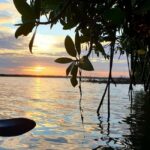
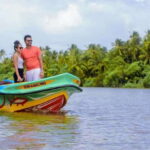
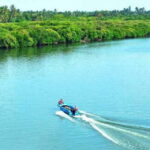
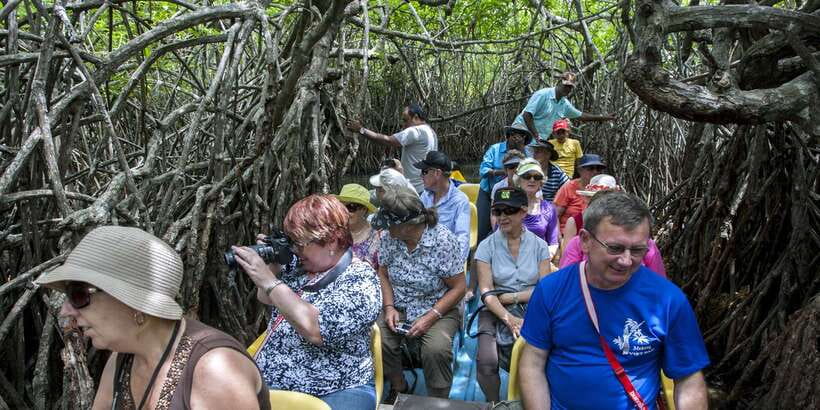
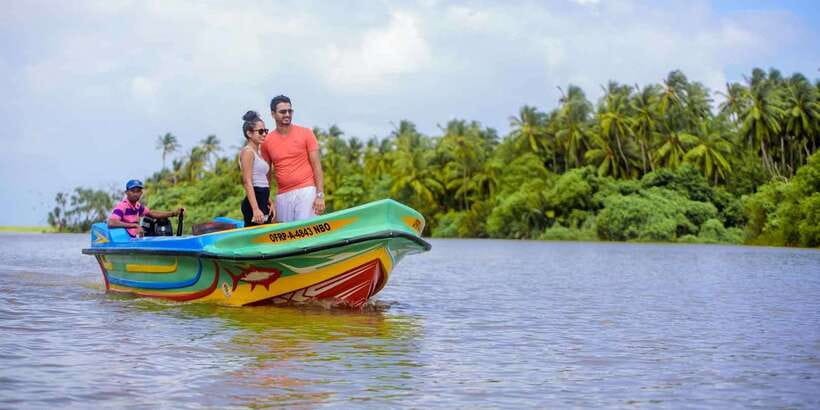
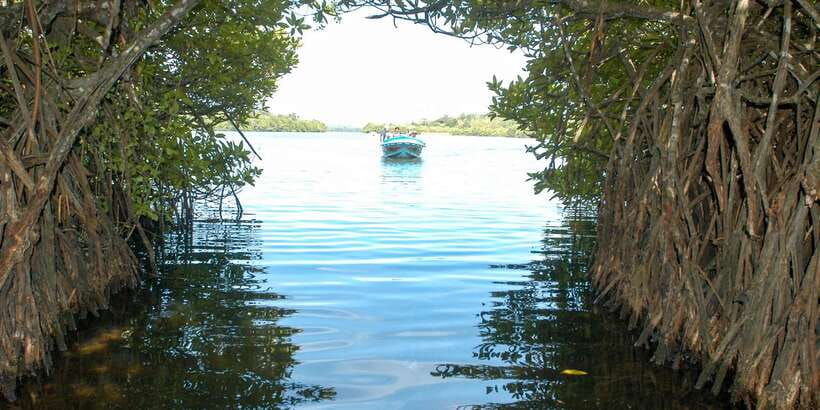
The day’s first “wow” is the boat safari on the Madu Ganga system in the Balapitiya area. Expect a ride through mangrove marshes—described as primitive depths with thick vegetation and narrow channels. The trip moves between darker, covered stretches where the mangroves feel tight and close, and brighter open-water segments where you can finally see more sky and horizon.
One detail that helps you picture it: you’ll go through areas formed by dense mangrove forests, and the route includes passages that are described like caverns. That’s not a “roller coaster” vibe, but it does mean the boat experience can feel like you’re sliding through living walls of roots.
What I’d watch for (and what will make this ride feel worth it):
- When the boat turns, look for sudden changes in water color and light. The mangrove cover shifts fast.
- Keep your phone/camera protected. The route can be humid and you’ll be on boats near water all day.
- Don’t treat it like a quick photo stop. Bring your attention. The best moments are often the quiet ones: birds, floating vegetation, and the sense of a working ecosystem.
This is also the portion where seasickness can matter for some people. The information doesn’t mention any special precautions, so if you’re sensitive, consider motion-sickness planning on your own. The ride is not described as rough, but it is water time, and that’s enough to affect some stomachs.
Kothduwa Raja Maha Viharaya on a Madu Ganga island
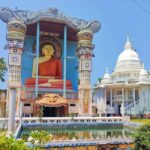
After the river portion, you’ll head to Kothduwa Temple, formally known as Kothduwa Raja Maha Viharaya. This Buddhist temple sits on an island inside the Madu Ganga Estuary—part of a broader archipelago setting that includes multiple islands and lagoon areas.
Here’s the kind of context that makes this stop feel more meaningful than just a scenic temple visit: it’s said that a relic of Lord Buddha was sheltered there around 340 CE. Whether you take that as religious tradition, local belief, or both, it adds weight to the atmosphere when you’re standing in the temple setting.
How to enjoy it best:
- Approach it respectfully and keep your pace unhurried. Island temples tend to reward slow looking.
- Dress sensibly for a place of worship. The tour doesn’t list specific dress rules, but temple etiquette is universal: cover appropriately and keep your behavior calm.
- If you like details, notice the way the estuary environment frames the temple area. The setting is part of the experience here, not just a backdrop.
If you’re the type who gets restless in indoor spaces, this temple can actually be a good balance. You’re moving between water and temple grounds, so the day doesn’t feel one-note.
Lunuganga Garden: Geoffrey Bawa’s country home and the feel of a designed place
Next comes one of the most compelling reasons to book this day: Lunuganga Garden, the country home of Geoffrey Bawa. Even if architecture isn’t your hobby, Bawa’s work tends to translate through experience—light, paths, views, and the way buildings and gardens talk to each other.
The key idea: Lunuganga is described as an enchanting atmosphere with glorious views, and it’s managed by the Lunuganga Trust. It also functions as a country hotel now, and the proceeds support Negombo through the Trust. That’s a practical angle for travelers: your visit (and whatever you pay for during your time there) is tied to preservation and local support, not just a one-off sightseeing stop.
What to do once you’re there:
- Walk the garden areas at a relaxed pace. This is the kind of place where you’ll keep noticing new views as you move.
- Sit when you can. The best moments at Lunuganga aren’t always the loud, photo-ready ones—they’re the quiet in-between pauses.
- Wear shoes you don’t mind getting a little warm or dusty. You’ll have time to walk around, and it’s not the sort of stop where slick sandals feel smart.
Important cost note: the entrance fee to Lunuganga Garden is not included in the tour price. So when you budget, add that extra line item. Food also isn’t included, so plan to cover lunch and any drinks yourself.
Kosgoda Sea Turtle Conservation: a short stop with a different tempo
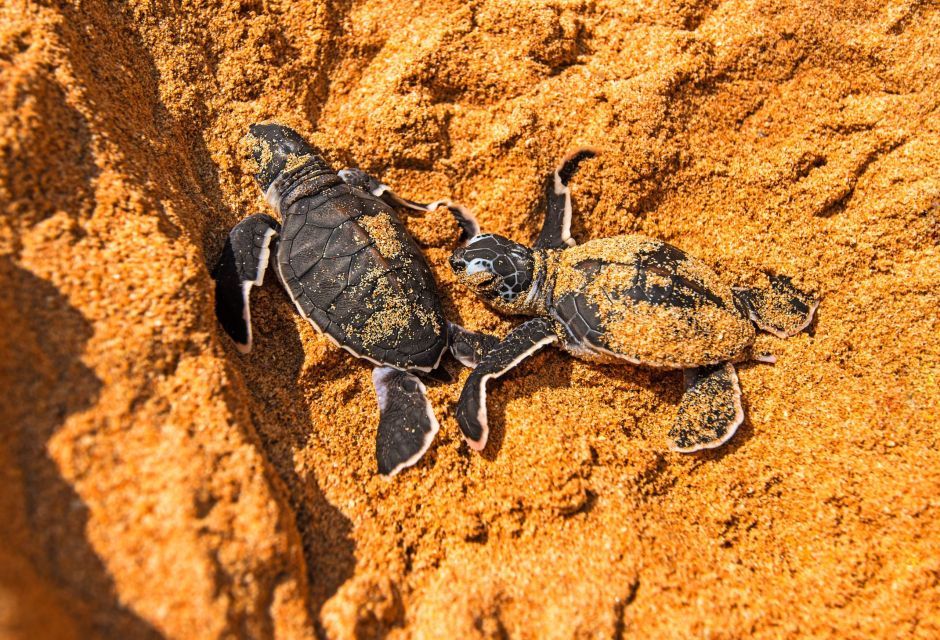
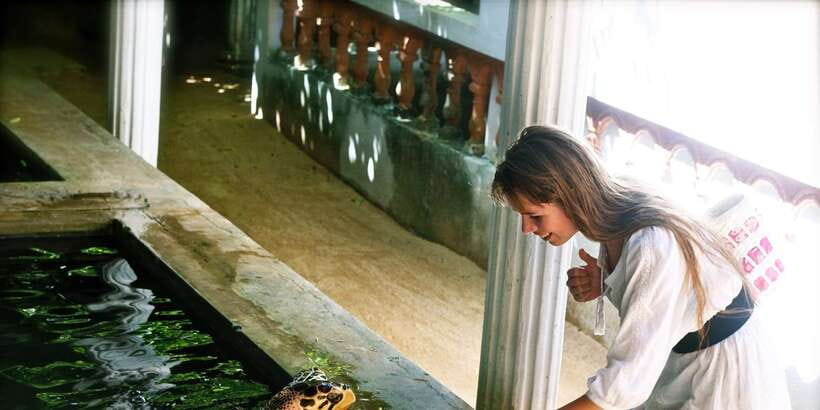
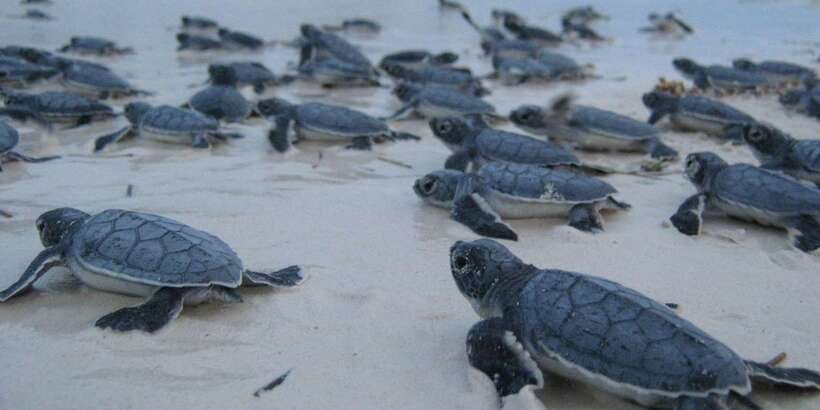
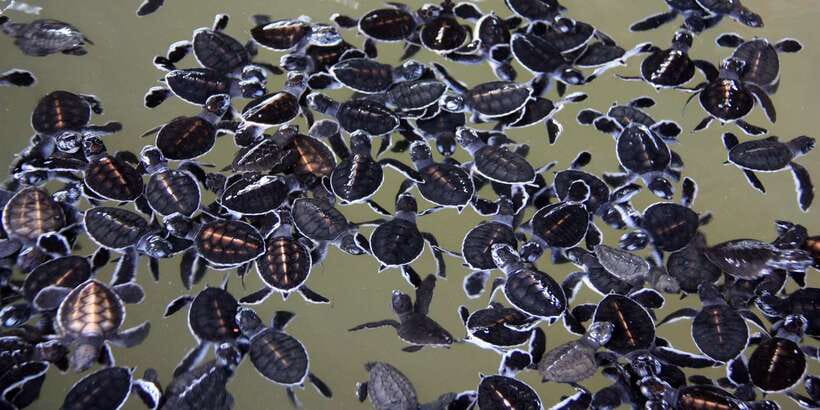
Between pickup and the river/temple segments, there’s a stop at Kosgoda Sea Turtle Conservation. You’ll get time to visit, plus some free time for sightseeing and a walk.
Because the tour description keeps details general, I’d treat this as a knowledge-and-awareness break rather than a long attraction. Think of it as a chance to slow down from transport and outdoor heat, see how conservation work is presented on-site, and then get back into the main nature-and-culture flow of the day.
What makes this stop valuable for many people: it adds a local conservation connection to the day. You’re already on the water in the Madu Ganga system, so seeing conservation efforts closer to the coast helps tie the theme together: protecting living environments, not just looking at them.

Lunch, drinks, and the tipping reality check
The tour has time built in for lunch before you head to Lunuganga. One thing to know upfront: food or drink isn’t included. So you’ll likely be making a purchase during that meal window. If you’re picky about timing or dietary needs, don’t assume a meal will be waiting for you in a set menu. Keep it flexible.
Now the part you might not expect: tipping. One review noted that their guide nudged them about tipping, and it turned into a bigger payment than they planned. Their advice was simple: ask what’s customary before tipping, and don’t feel awkward about clarifying expectations.
My practical take: bring small bills if you plan to tip. You’ll be able to handle it without feeling pressured or scrambling at the last moment. And if you’re not sure, ask once, calmly. Good service is easier to reward when expectations are clear.
Price and value: $65 for a full-day mix that actually saves effort
At $65 per person for a 10-hour experience, this tour is mostly about value in the “effort you don’t have to manage” category. You get air-conditioned pickup and drop-off from Avengard Hotels, an English-speaking driver, and bottled water. Those are real costs if you’d try to piece it together on your own—especially with timing and inter-stop logistics.
Where the math can change for your budget is in the add-ons:
- Lunuganga Garden entrance fee (not included)
- Meals/drinks (not included)
So the best way to judge value is to treat the $65 as covering the big structure: transportation + guided movement through the main sights. Then add a predictable amount for entrance and food. If you’re already planning to see Lunuganga and do a river boat day, this can work out as a time-saver and convenience win.
Who this Bentota full-day tour fits best (and who should skip it)
This works best if you want a day that blends several sides of Sri Lanka in one go: mangrove river life, an island temple, and an architectural garden created by a major designer. If you like your itineraries organized but not overly formal, you’ll probably enjoy the flow.
It’s not suitable for:
- Wheelchair users (explicitly not wheelchair accessible)
- Pregnant women (explicitly not recommended)
So if you fall into those categories, you’ll want a different plan—either a shorter, more accessible route or private options that can adjust to your needs.
You’ll also want to be in good walking comfort. Comfortable shoes aren’t optional here. You’re spending enough time on foot around temple and garden areas that footwear becomes a comfort issue, not a fashion issue.
Should you book? My take for a smart Bentota day
If you want a straightforward day trip with minimal stress—transport handled, driver available, and the schedule built around Madu Ganga, Kothduwa Temple, and Lunuganga Garden—this is a strong pick. It’s the right kind of packed: not just driving past things, but stopping long enough to actually feel each place.
I’d book it if:
- you’re excited about the mangrove boat safari and want it included
- Geoffrey Bawa’s design world sounds like your style (even casually)
- you don’t mind paying a separate entrance fee and covering lunch yourself
I’d think twice if:
- you need step-free access
- you hate long hot days and want more downtime
- you’re on a tight food budget (since meals/drinks aren’t included)
FAQ
What time does the tour start, and how long is it?
The tour is set to begin at 8:00 AM around the Madu River area in Balapitiya, and the total duration is listed as 10 hours.
Where does pickup happen?
Pickup is from Avengard Hotels.
What’s included in the tour price?
The tour includes pickup and drop-off at your accommodation in an air-conditioned vehicle, an English-speaking driver, and bottled water.
Is Lunuganga Garden entrance fee included?
No. The entrance fee to Lunuganga Garden is not included.
Are meals included?
No. Food or drink isn’t included, even though there’s time set aside for lunch during the day.
Is the tour wheelchair accessible?
No. The tour is not wheelchair accessible, and it’s also listed as not suitable for pregnant women.