REVIEW · NEGOMBO
Negombo: Private Half-Day Tuk-Tuk Tour with Hotel Transfers
Book on GetYourGuide →Operated by Traveli Ceylon · Bookable on GetYourGuide
You can cover a lot in 4.5 hours. This private Negombo tuk-tuk tour mixes big-name sights like St. Mary’s Church with working-fishing reality at the dry fish market and lagoon bridges, all with hotel pickup and drop-off. The result is a fast way to understand why Negombo feels different from the rest of Sri Lanka.
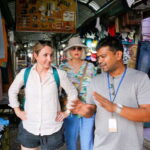
I especially like the hands-on local lens from English-speaking guide Robin, who keeps the story grounded in daily life. I also like the practical flow: you ride, you walk, you take photos at key stops, and you end at Browns Beach instead of rushing you straight back indoors.
One consideration: some parts of the day are close to the coast and markets, so it can get hot and the dry fish area has a strong smell. If you’re heat-sensitive, plan for sunscreen, shade breaks, and a quick mindset shift before the fish stops.
In This Review
- Key highlights at a glance
- Why a private Negombo tuk-tuk hits the sweet spot
- Hotel pickup and the ride setup you’ll actually appreciate
- Angurukaramulla Buddhist Temple and the scenic kick-start beyond town
- Sea Street and the Dutch Canal: Tamil life you can see in motion
- St. Mary’s Church: roof paintings and colonial-era texture
- Dutch Fort walls, a watch tower, and the English-built prison bricks
- From dry fish to street-level seafood work at the public fish market
- Lagoon fishing village views: bridges, rod fishing, and a church stop
- Duwa church stop and the final beach unwind at Browns Beach
- Price and value: what $42 per person actually buys you
- Who should book this Negombo tuk-tuk tour (and who might skip it)
- Should you book?
- FAQ
- How long is the Negombo private tuk-tuk tour?
- Is hotel pickup and drop-off included?
- Is this tour private or shared?
- What transportation is used during the tour?
- What are the main places included in the tour?
- What should I bring?
- Are entry fees included in the price?
- How does the pricing work?
Key highlights at a glance
- Robin the guide: English-speaking, highly engaging, and great at explaining what you’re actually seeing
- No-shopping style: stops are focused on sites, not retail detours
- Sea Street by the Dutch Canal: Roman Catholic churches and Hindu shrines in a Tamil-speaking stretch of town
- St. Mary’s Church: famous for its roof paintings and colonial-era character
- Negombo Dutch Fort: intact wall and a watch tower dating to the 17th century
- Fish market + lagoon fishing views: you see the industry up close, then cross the lagoon area toward the fishing village
Why a private Negombo tuk-tuk hits the sweet spot
Negombo can be a little chaotic if you’re trying to navigate it solo. A private tuk-tuk solves that. You get local routing, shorter stops when you need them, and enough guidance to tell what matters—without turning the day into a checklist.
The best part of this format is the mix of “see it” and “understand it.” You’ll hit major religious sites like St. Mary’s Church, then pivot to the real engine of the town: the seafood work. That pairing is what makes the tour feel more useful than a quick drive-by.
And you’re not stuck for hours in one neighborhood. Within a half day, you rotate through town streets, canal-side community areas, fort walls, and public beaches. For most first-time visitors, it’s a smart way to get your bearings fast.
You can also read our reviews of more private tours in Negombo
Hotel pickup and the ride setup you’ll actually appreciate
Your tour starts with pickup from any hotel in the Negombo area, with a driver in an English-friendly setup. Expect to wait in the lobby, then meet your driver/guide and head out right away.
From there, the pace is very “local day” rather than “museum schedule.” You’ll do an initial scenic run just outside the city—useful because it gives you context before you start threading through busier streets. You’ll also get a bottle of water per person, which helps more than you’d think once you’re walking in sun.
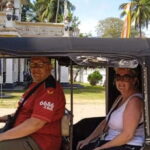
One small but real comfort: you’re not sharing your tuk-tuk with strangers who rush their own agenda. This is a private group, so you can slow down for photos, linger near religious sites, or ask questions as you go.
Angurukaramulla Buddhist Temple and the scenic kick-start beyond town
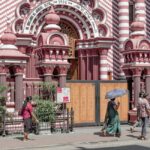
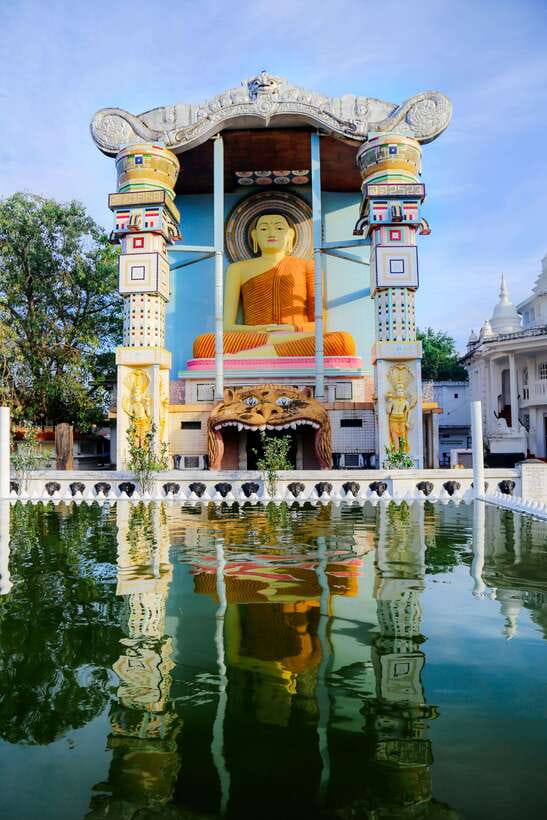
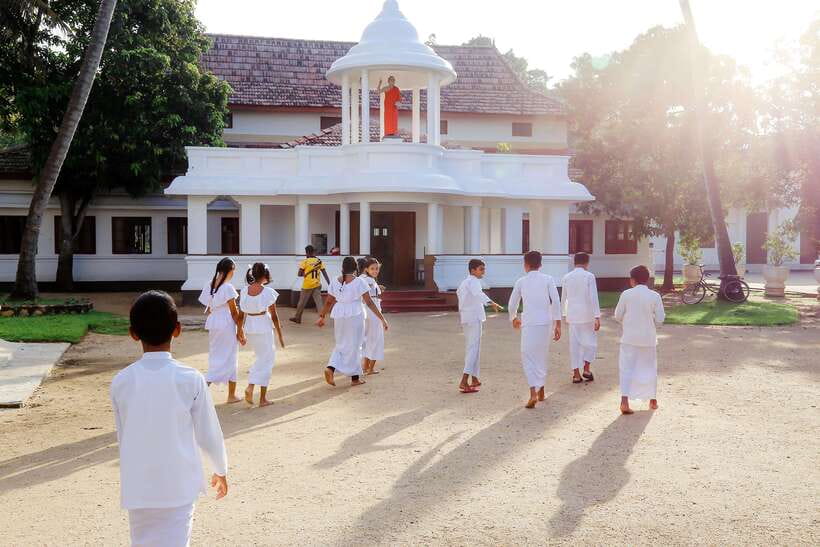
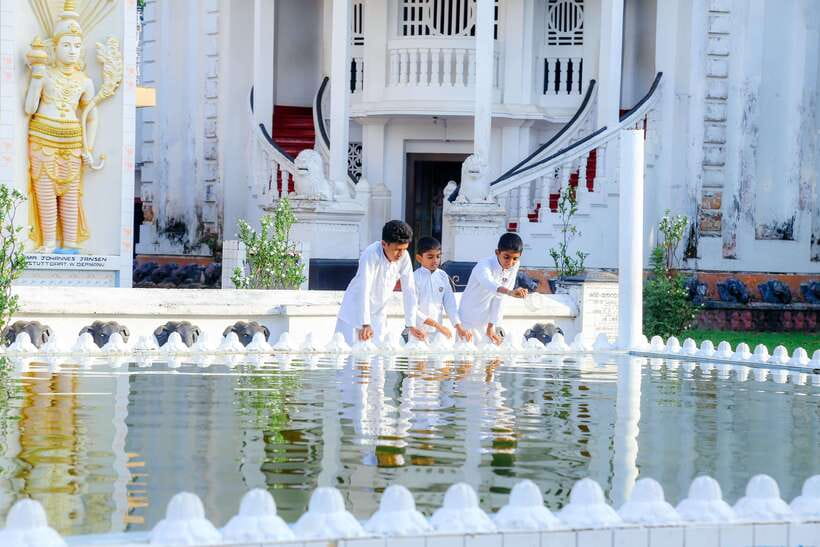
After pickup, you’ll take a roughly 30-minute sightseeing ride just outside Negombo. Along the way, you pass the Negombo Grand Mosque, and that early contrast helps set the tone: this is a multi-faith coastal town, not a single-culture postcard.
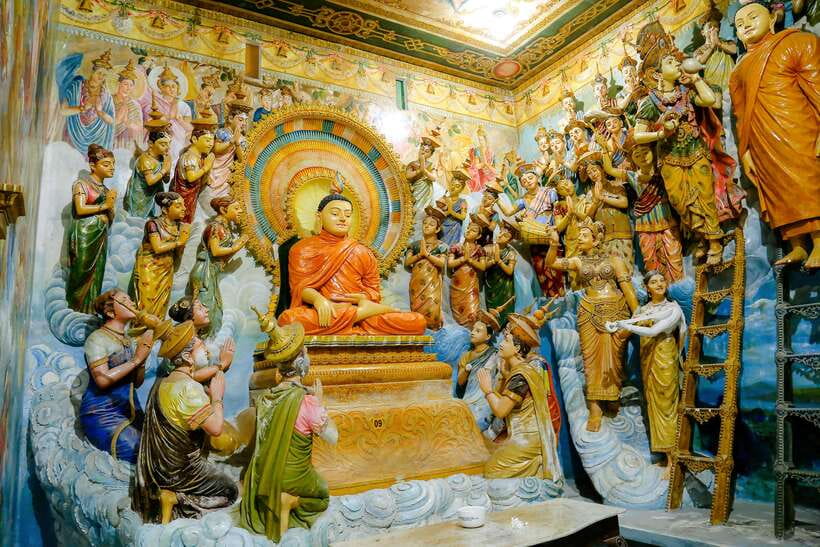
Then you visit Angurukaramulla Buddhist Temple. The value here is timing and framing. Going early in your day means you’re not arriving already worn out. You also get a sense of Sri Lanka’s layered religious life before you head toward the Roman Catholic and Hindu areas later on.
A practical tip: temples are best visited with respectful behavior and steady attention. Even if you’re just there for photos, take a moment to look, not just shoot. The details matter more than you expect.
Sea Street and the Dutch Canal: Tamil life you can see in motion
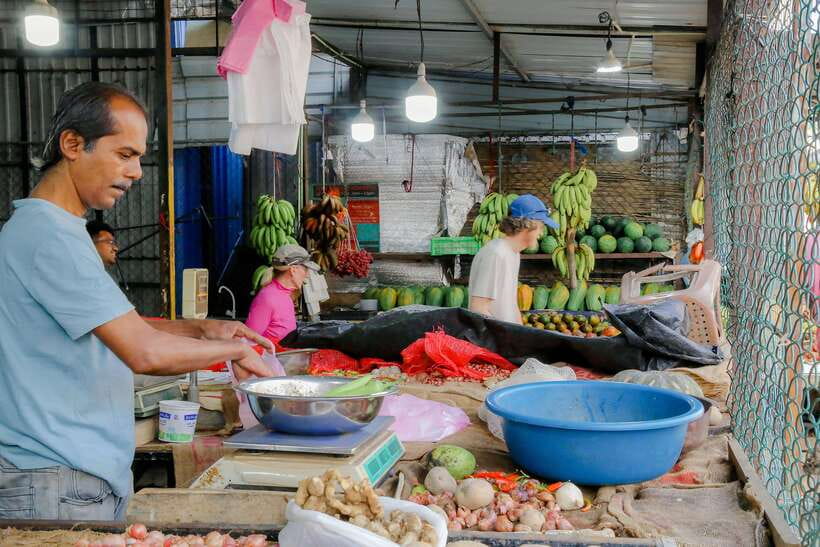
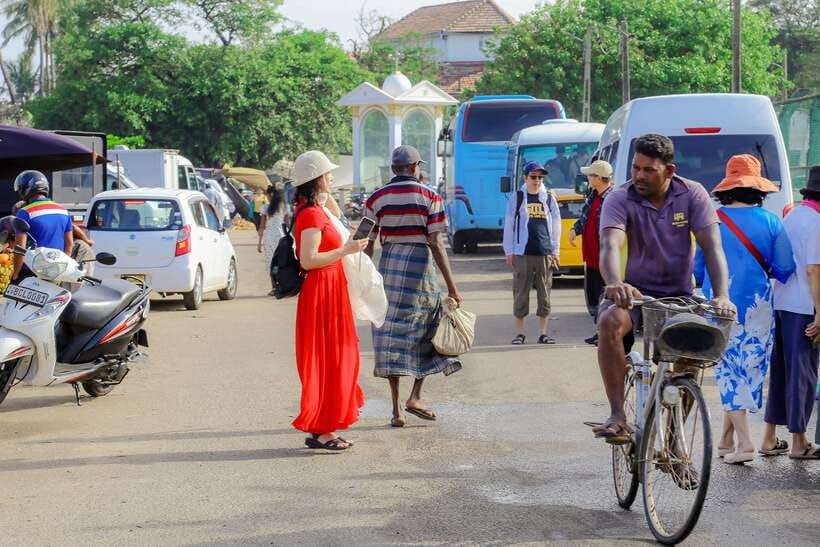
Next comes the town driving—crossing the Colombo Road and entering Negombo’s main areas. You’ll spend time on the main street and walk through street markets, where you’ll feel the rhythm of everyday shopping and street-level services.
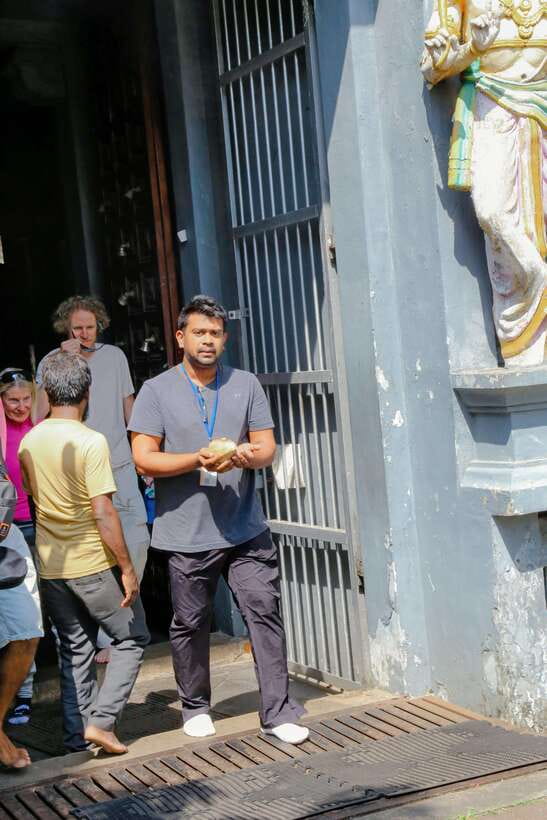
Then you move to Sea Street, entered via the Dutch Canal. This part of the tour is one of the most interesting because it’s not only about one famous building. It’s about a whole community stretch where Roman Catholic churches and Hindu shrines sit near each other, reflecting how the neighborhood actually lives.
You’ll also notice the language around you: this community speaks mostly Tamil. You may even have a chance to visit a Hindu shrine. That’s a meaningful moment if you like understanding the everyday cultural mix instead of treating religion as scenery.
What to look for on Sea Street:
- Temple flower stalls and flower garlands
- Fruit tables set up for devotional use
- Temple coconuts displayed as part of local practice
One drawback to keep in mind: this is a crowded, active street setting. You’ll want comfortable shoes and a willingness to move with the flow. If you get stressed around people and quick traffic changes, you’ll still be fine—but stay flexible.
St. Mary’s Church: roof paintings and colonial-era texture
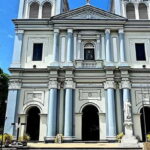
If you only remember one “big name” stop, make it St. Mary’s Church. This is a prominent Roman Catholic institution in Negombo, and it’s especially known for very special roof paintings created by local painters.
Time here is short—about 15 minutes for photos and a visit—so you’ll want to use that window well. I’d suggest doing it in two passes: first, look for the roof artwork and the way the light hits it. Then, step back and take in the wider colonial-era architecture so you can place the details in context.
The reason this stop works in a half-day tour is simple: it’s visually rewarding without requiring a long time commitment. You leave with images and a story you can explain later.

Dutch Fort walls, a watch tower, and the English-built prison bricks
After Sea Street and church areas, you’ll shift into the colonial layer of Negombo at the Dutch Fort. The visit includes walking and scenic driving nearby, with a short stretch for views.
Here’s what matters:
- An intact fort wall still standing today
- A watch tower dating back to the 17th century
- A prison constructed later using bricks taken from the fort by the English
That last detail gives the place an extra bite. It’s not just “old stone.” It’s evidence of how power and construction changed hands over time—visible right where you’re standing.
A consideration: the fort portion is brief and more photo-and-walk than deep excavation. If you’re the kind of traveler who loves long museum-style explanations, you’ll still enjoy it, but you may want to spend extra time elsewhere in town on another day.
From dry fish to street-level seafood work at the public fish market
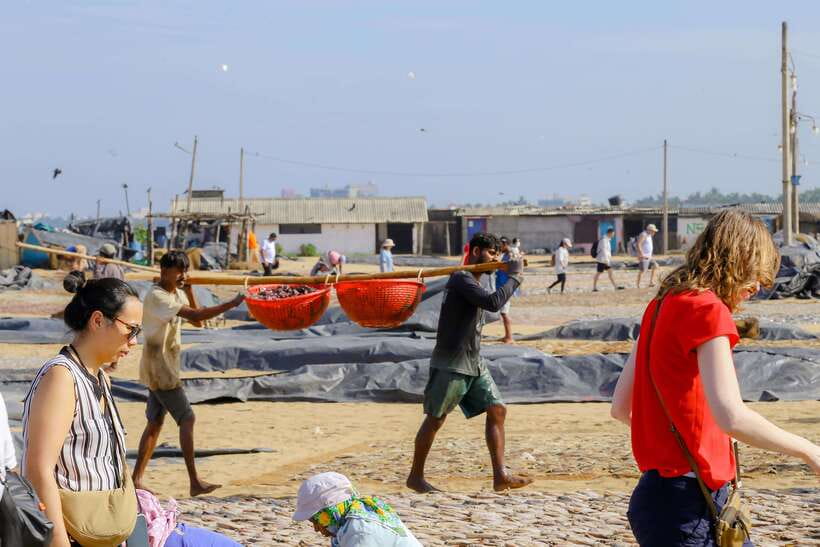
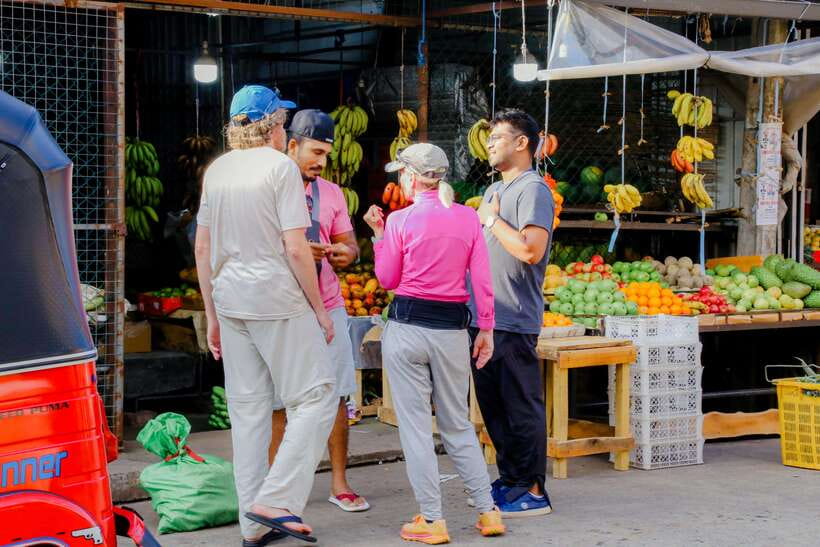
Next, you’ll head toward the Negombo dry fish area and the public fish market. This is one of those stops that can feel intense at first. The scent is strong, and it’s not “tourist market curated for you.” It’s an active processing scene.
That’s exactly why it’s worth including.
You’ll see dried fish and fish-processing activity close up, and you’ll understand how cottage industries keep the town running. You’ll also see how quickly the environment shifts when you’re near work areas: conversations, sorting, smells, and movement all happen in real time.
If you worry about smells, the practical answer is: brace mentally, keep breathing steadily, and limit the time you spend downwind. You don’t need to hover. Get what you came for—photos if appropriate, a quick look at the process—then move on to the calmer lagoon side.
Lagoon fishing village views: bridges, rod fishing, and a church stop
After the market portion, you’ll cross the lagoon bridge to enter the fishing village area. This is where the tour starts blending industry with scenery.
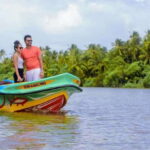
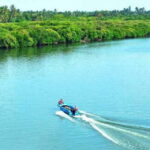
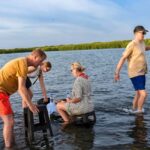
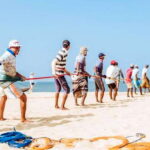
You’ll have the opportunity to witness lagoon fishing activities, including rod fishing at the bridges. It’s a surprisingly watchable scene. Even if you’re not a fisherman, you’ll notice how routine and gear work together. It’s one of those moments where you’re not just looking at a landmark—you’re watching a living system.
Along the way, you’ll pass Lellama, associated with a wholesale fish market, and you’ll stop near the Fishermen’s church. There’s also time for a charming local swimming spot in the area.
I like this segment because it shifts your understanding from “fish exists” to “fish is caught, processed, traded, and connected to community life.” It’s a fuller story than just eating seafood at a restaurant later.
Duwa church stop and the final beach unwind at Browns Beach
Mid-to-late in the tour, you’ll visit Our Lady of Good Voyage Church in Duwa. You’ll have a longer visit here than some other stops, around 40 minutes, so you can slow down and actually take it in. The details aren’t described here in-depth, but the timing matters: it gives you a breather between busier market and beach segments.
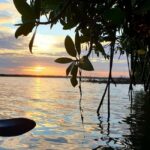
Then you’ll head toward the coast for the beach finish. The tour ends at Browns Beach, a public beach park with beach food carts, positioned near the hotel area for an easy return.
This is a smart ending. After smells, boats, and fort walls, you get open air and space to digest what you saw. If you’re with a camera, this is also your “light relax” time to grab the last set of photos without rushing.
A practical tip: even if the tour ends around the beach, you may still be in sun. Bring a hat and keep sunscreen handy. Your skin will remember later.
Price and value: what $42 per person actually buys you
At $42 per person for a private half-day (about 4.5 hours), the value mainly comes from the bundled pieces:
- Hotel pickup and drop-off (big time saver in Negombo)
- Private tuk-tuk transportation
- Guide (English-speaking driver/guide setup)
- All entry and parking fees
- A bottle of water per person
That list matters because it removes a lot of headaches. Instead of you figuring out transport, entry logistics, and what’s worth your attention, you’re handed a guided route that mixes major landmarks with working-neighborhood stops.
Is it the cheapest option? Probably not. But it’s good value if you care about context and you want to see multiple parts of Negombo in one shot without getting stuck in traffic or missing the key sites.
Who this tour is best for:
- First-timers who want a practical orientation to Negombo
- Solo travelers who want a safe-feeling structure while moving around town
- People who like churches, forts, and street life equally (not just one category)
Who should book this Negombo tuk-tuk tour (and who might skip it)
I’d book this tour if you want a guided, efficient way to understand Negombo beyond the beach. The strongest moments are the combination of St. Mary’s Church, the Dutch Fort, and the working seafood spaces. If you’re curious about how communities actually function—religion, markets, and fishing—this route fits your brain nicely.
I’d hesitate only if:
- You strongly dislike strong smells (dry fish and market areas are part of the plan)
- You need a fully relaxed, quiet day with minimal walking
- You expect long stays at each major site (this is half-day pacing, not slow sightseeing)
Should you book?
Yes, especially if it’s your first day in Negombo and you want a fast education without doing logistics. This tour’s real strength is that it connects the town’s postcard sights to the day-to-day work that shapes it—while keeping the experience comfortable in a private tuk-tuk.
If you book, wear breathable clothes, bring your sun hat and sunscreen, and go in ready for market reality, not just scenery.
FAQ
How long is the Negombo private tuk-tuk tour?
It runs for about 4.5 hours.
Is hotel pickup and drop-off included?
Yes. Pickup is available from any hotel in the Negombo area, and you’ll be dropped back at the end.
Is this tour private or shared?
It’s a private group.
What transportation is used during the tour?
You travel by tuk-tuk, with a driver/guide.
What are the main places included in the tour?
You’ll visit major sites such as Angurukaramulla Buddhist Temple, St. Mary’s Church, Negombo Dutch Fort, the public fish market/dry fish area, Our Lady of Good Voyage Church in Duwa, and finish at Browns Beach.
What should I bring?
Bring a sun hat and sunscreen.
Are entry fees included in the price?
Yes. All entry and parking fees are included.
How does the pricing work?
The price is listed as $42 per person and includes hotel transfers, guide, tuk-tuk transport, water, and entry/parking.