REVIEW · SIGIRIYA
Night Hike to see Elusive & Rare Loris in Sigiriya
Book on GetYourGuide →Operated by Back of Beyond · Bookable on GetYourGuide
Loris hunting works best after dark. A night hike near Sigiriya in Pidurangala turns the jungle into a real-life wildlife documentary—slow, quiet, and full of surprises.
What I like most is the high chance of success, plus the way the walk stays focused on animals and their habitat—not just flashlights and photos. You also get useful gear and an expert naturalist style explanation that makes what you’re seeing make sense.
One thing to consider: luck depends on conditions. If it’s full moon or heavy rain, lorises can hide deeper, so you may see fewer or get less-close sightings.
In This Review
- Key takeaways you should know
- Where Pidurangala Fits Into a Sigiriya Night Adventure
- Meeting at Rocko’s Vegetarian Cafe and Getting Ready for Night Eyes
- The Night Walk Itself: How Guides Spot Lorises in the Trees
- Gear, Clothing, and Jungle Manners That Actually Help
- What You Can Realistically See: Loris Success Rate and Sight Conditions
- Price vs Value: $64 per Group for a Small-Group Conservation Search
- Timing and Weather: When to Go (and What to Plan for)
- Who This Loris Night Hike Suits Best
- Should You Book This Night Hike to See Rare Lorises in Sigiriya?
- FAQ
- Where is the meeting point for the night hike?
- How long is the experience?
- What language is the guide?
- What should I wear?
- Is gear provided?
- How likely am I to see a loris?
- What if we don’t spot a loris?
Key takeaways you should know
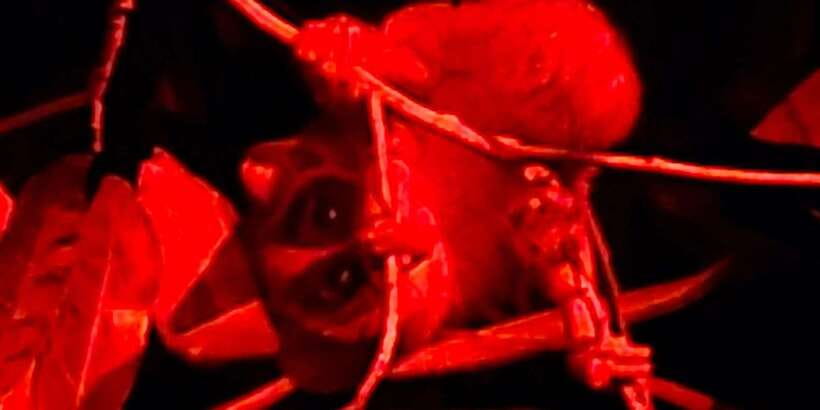
- Over-90% loris spotting rate means you’re not gambling blindly in the dark.
- Naturalist-led search turns the hike into real nocturnal wildlife learning.
- Gear is provided so you can focus on walking and watching instead of packing a flashlight.
- Small group (up to 8) keeps the experience controlled and helps the guides scan effectively.
- Money-back if no loris lowers the risk if the jungle simply doesn’t cooperate.
Where Pidurangala Fits Into a Sigiriya Night Adventure
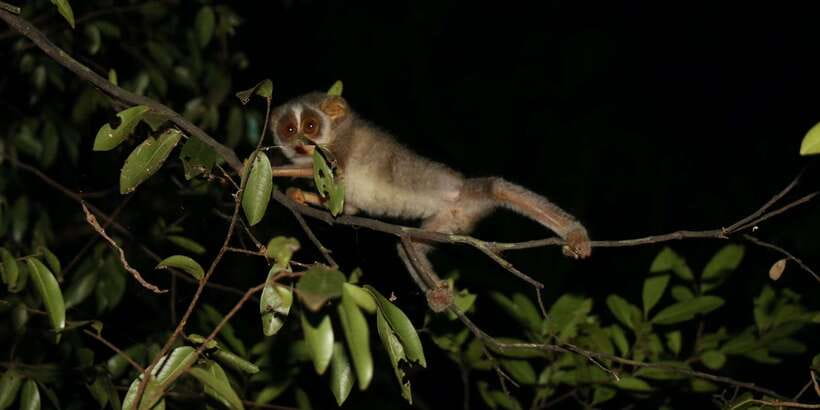
If you’re basing yourself around Sigiriya, you’ll hear a lot about Lion Rock and sunset viewpoints. This is different. This one is about going past the famous sights and stepping into the night world right beside them, in the Pidurangala area.
The practical win here is that you’re not stuck with a long transfer or a big bus tour. You meet at Rocko’s Vegetarian Cafe in Pidurangala, then you’re on foot in the nearby jungle. That matters because at night, every minute counts. The lorises are active and visible in short windows, and the guides’ job is to match your timing to animal behavior—not just “walk until it’s done.”
Also, this hike has a conservation angle built in. The program is run by Back of Beyond, which is more than a casual tour outfit. You can feel the ethic in how the night is handled: slower pace, careful scanning, and attention to habitat rather than chasing animals.
You can also read our reviews of more evening experiences in Sigiriya

Meeting at Rocko’s Vegetarian Cafe and Getting Ready for Night Eyes
Your evening starts at Rocko’s Vegetarian Cafe in Pidurangala. It’s a handy, recognizable starting point, and it keeps things straightforward if you’re staying in the Sigiriya area.
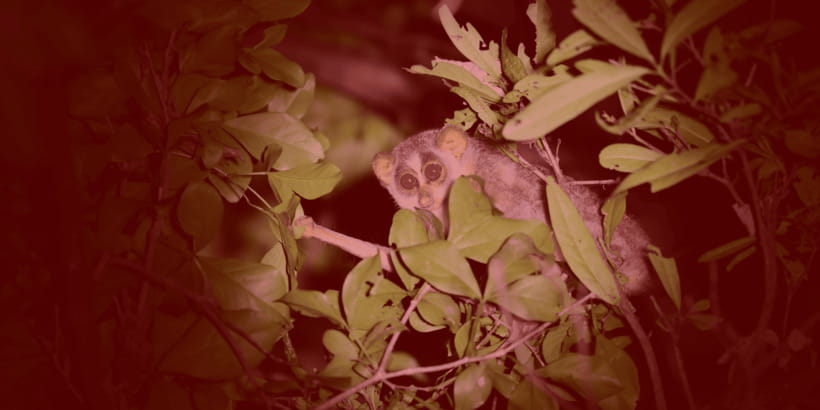
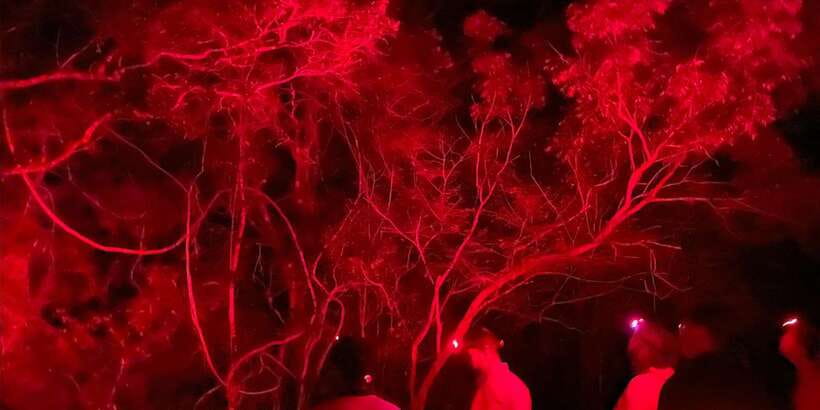
Before you move into the dark, you get a brief introduction. The goal is simple: so you understand what you’re looking for. Loris-watching at night isn’t like spotting birds in daylight—you’ll often notice movement or a reflection first, not a full body view. The pre-walk talk also helps you learn what to expect from nocturnal animals generally, so the whole jungle “soundscape” doesn’t feel random.
Then you get the gear you need. People mention head lamps in particular. That’s important: you want enough light to see the ground safely, but not so much that you blast the animals’ environment. This tour is built around that balance—safe footing, controlled lighting, and a real chance to spot lorises.
Logistically, you’re walking in a small group (limited to 8). That’s a big quality factor. In larger groups, you spend the night stepping around other people’s lights. Here, the guides can keep everyone positioned for spotting, and your night feels less chaotic.
The Night Walk Itself: How Guides Spot Lorises in the Trees
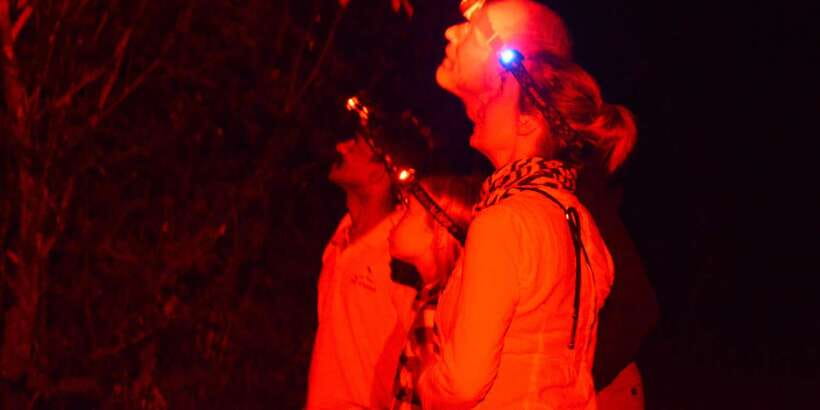
The heart of the experience is the guided search through the jungle. The total activity is listed as about 1.5 hours, and the walking block is described as roughly two hours on the Pidurangala side—so plan on a solid stretch of time outdoors and expect timing to flex based on sightings and how the jungle behaves.
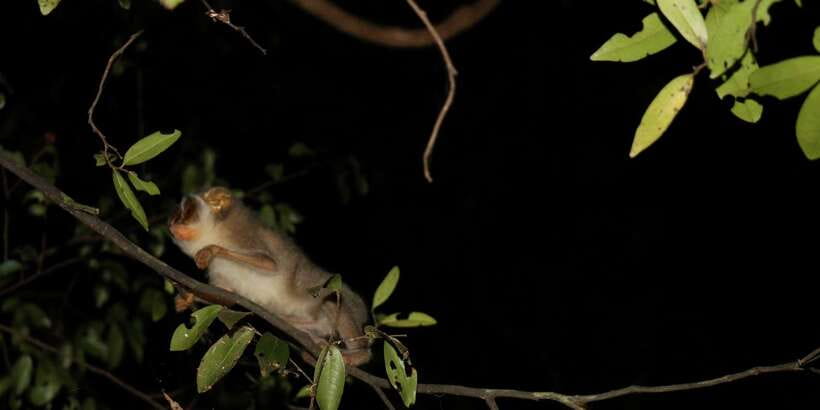
What makes this walk worth it is the method. The guides don’t treat loris spotting like a lottery. They use experience to read small cues: where animals might be moving, how they forage, and how they react to light and sound. And because lorises are nocturnal, you’re looking for behavior that can be subtle—like quiet movement through branches, or a brief pause in the canopy.
Once you start seeing them, it clicks fast. Even when the sighting isn’t a perfect “park ranger photo moment,” it’s still a meaningful win. I like that the guide focuses your attention on the animal’s natural rhythm—swinging through trees, foraging, and staying gentle and still when conditions demand it.
You also get more than one kind of wildlife sometimes. On some nights, people report additional nocturnal finds such as sleepy birds, bioluminescent insects, unique nests, and even reptiles like geckos and a kangaroo lizard. Those moments aren’t guaranteed, but the point is: the night walk is about the whole ecosystem, not just one target.
Gear, Clothing, and Jungle Manners That Actually Help
This isn’t a tour where you can show up in summer sandals and call it a day. You’ll want to follow the clothing guidance closely:
- long pants
- long-sleeved shirt
- closed-toe shoes
Why? Because you’re walking in the jungle at night. Branches, uneven ground, and insects all become real factors after dark. Proper clothing isn’t just for comfort—it also reduces the chance you’ll rush, stumble, or constantly brush off the wrong stuff.
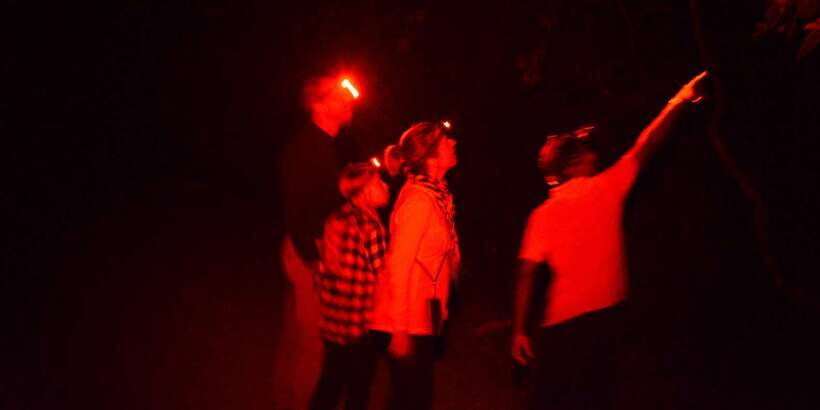
The tour provides necessary gear, and people specifically mention head lamps. Bring the attitude that this is a wildlife watch, not a club. Keep your light controlled. If you’re tempted to shine your lamp high in the canopy to “find them faster,” resist that impulse. The more you treat the jungle like a searchlight stage, the more animals may hide deeper.
This is also where the conservation tone matters. Several people describe the tour as respectful toward animals and habitat. That usually translates into better behavior from the group and better chances of seeing animals without stressing them.
What You Can Realistically See: Loris Success Rate and Sight Conditions
The program claims a 90%+ success rate for spotting lorises. That’s a strong promise because lorises really are elusive. You’re not guaranteed a head-on view every time, and you shouldn’t plan your evening like it’s a wildlife vending machine.
Still, the pattern from successful nights is pretty clear. People report seeing multiple lorises—often around three to five—depending on the night. Some nights include a very close sighting when a loris pauses in a branch you can actually track for a few seconds. And on a few evenings, there are extra surprises: unique nocturnal creatures alongside lorises, which makes the whole night feel richer even if the lorises are spaced out.
Now for the reality check. Conditions matter. Full moon nights can make lorises hide deeper because they’re responding to the extra light. Rain can push animals into shelter, so the first attempt might feel slow—then improve when conditions ease.
The most comforting part is the built-in safety net: there’s a money-back guarantee if you don’t spot a loris. That doesn’t change the wild nature of the experience, but it does tell me the operator is confident in their search process. For a night hike, that’s a big deal.
You can also read our reviews of more hiking tours in Sigiriya

Price vs Value: $64 per Group for a Small-Group Conservation Search
At $64 per group up to 2 people, this is priced more like a focused activity than a cheap add-on. Is it worth it? For many people, yes—because you’re paying for three things at once:
1) expert guiding and scanning
2) provided gear for night safety and viewing
3) a conservation-driven program with a loris-specific goal
The small group cap (up to 8) is part of that value equation. You get enough space to watch, and the guides can keep the group coordinated in the dark. If this were a giant group, you’d likely lose time to crowd movement and tangled head lamps.
Also, the tour is tied to habitat protection. People mention that some of what they pay goes to supporting efforts to maintain loris habitat. That’s not just a feel-good story—it changes how the tour runs. When an operator invests in conservation, they tend to be more careful about how animals are treated and where attention goes.
If you’re deciding between this and other Sigiriya-area wildlife experiences, think of this as the targeted option. You come for lorises and you get a serious attempt at seeing them, not a general sightseeing walk.
Timing and Weather: When to Go (and What to Plan for)
Most evenings are worth it, but there are a few practical tips that can improve your odds.
If you can choose, consider avoiding nights where the moon is very bright. Extra light can affect animal behavior, and lorises may tuck themselves further into the canopy. That doesn’t mean you’ll see nothing—it just means the chances of a close, easy sighting may drop.
Rain is another factor. One night you might get a slow start because the jungle is quieter and animals retreat. If the tour proceeds after rain clears, you may get a second chance. So don’t treat a delayed start as a failure. Night wildlife often follows the weather’s mood swings.
Most importantly: come dressed for the walk even if you think it’ll be “just for an hour.” Closed shoes and long clothing are not optional if you want a comfortable night.
Who This Loris Night Hike Suits Best
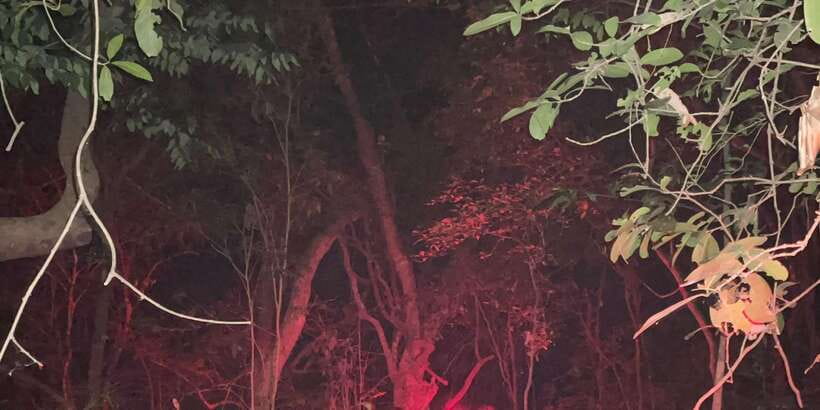
This is a great fit if you:
- want a focused night wildlife experience near Sigiriya
- enjoy learning about animals and ecosystems, not just checking a box
- prefer a small group pace with careful guidance
- feel excited by the challenge of spotting elusive nocturnal species
It’s also a good match if you’re the type who actually listens to what the jungle is doing. People report hearing the nighttime “orchestra” of insects and birds, and that awareness makes the entire hike more rewarding—even while you’re waiting for lorises to show themselves.
If you hate being outside in the dark, or you want loud, fast, action-packed sightseeing, this won’t feel like that. It’s a watch-and-wait style experience. The payoff is real, but it takes patience.
Should You Book This Night Hike to See Rare Lorises in Sigiriya?
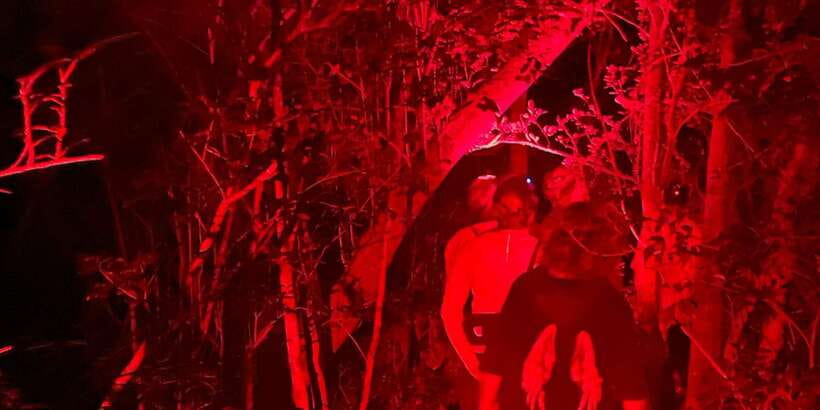
I’d book it if your goal is nocturnal wildlife and you’re okay with the natural uncertainty of seeing elusive animals. The 90%+ success rate, the small-group format, and the money-back guarantee are the big reasons I feel comfortable recommending it.
I’d skip or at least temper expectations if you’re only interested in bright, guaranteed views, or if you’re traveling on a night when full moon brightness or heavy rain makes you anxious. You can still enjoy the walk and learn a lot, but your best odds come from calmer conditions.
In short: if you want an ethical, guided night in the jungle around Pidurangala—with a real chance to see lorises—this is one of the better ways to use your evening time near Sigiriya.
FAQ
Where is the meeting point for the night hike?
You meet at Rocko’s Vegetarian Cafe in Pidurangala.
How long is the experience?
The duration is listed as about 1.5 hours, with the walking portion described as roughly two hours on the Pidurangala side depending on the night.
What language is the guide?
The live tour guide works in English.
What should I wear?
Bring long pants, a long-sleeved shirt, and closed-toe shoes. The walk takes you through the jungle at night.
Is gear provided?
Yes. Necessary gear is provided for the night exploration.
How likely am I to see a loris?
The experience states an over 90% success rate for spotting lorises.
What if we don’t spot a loris?
There is a money-back guarantee if you don’t spot a loris, plus you can cancel for a full refund up to 24 hours in advance.