REVIEW · MIRISSA
Sri Lanka: Cooking Class
Book on GetYourGuide →Operated by Tourlankaholidays · Bookable on GetYourGuide
Spice lessons start before the first chop. In Kotapola, you spend three hands-on hours learning Sri Lankan cooking, with the why behind the flavors: rice, coconut, seafood, and the spice-road influences that shaped the island.
I love the practical, step-by-step coaching and the way your host explains what different spices are doing in the final dish. I also like the tuk tuk hotel pickup and drop-off, which makes it feel easy even if you’re tired from sightseeing.
The main thing to watch is heat. Even when you request less spicy, the class may still run hot for some palates, so you’ll want to be very specific up front.
In This Review
- Key Things To Know Before You Go
- Kotapola Cooking Class: What You’ll Learn in 3 Hours
- Sri Lankan Food Basics: Rice, Coconut, Seafood, and Spices
- Getting Picked Up and Settled by Tuk Tuk
- The Hands-On Cooking Session: How Dishes Actually Get Built
- Menu Choices and the Spice-Level Reality Check
- Eating With Your Hosts: Why the Tasting Part Is More Than a Meal
- Value and Price: Is $50 Worth It?
- Who Should Book This Cooking Class in Kotapola
- Should You Book This Sri Lanka Cooking Class?
- FAQ
- Where is this cooking class in Sri Lanka?
- How long is the experience?
- What does the class cost?
- Is the tour guide available in English?
- Do I get hotel pickup and drop-off?
- What’s included and what’s not included?
- Is the class suitable for wheelchair users?
Key Things To Know Before You Go
- Expect a fast, hands-on menu of roughly 7–8 dishes during the session.
- Spices are taught as a system, not just as a list of ingredients.
- Your preferences matter: you should share diet and spice tolerance before cooking begins.
- You eat with your hosts, so the meal is part of learning, not an afterthought.
- Safety rules are taken seriously, including a note not to come drinking.
- Logistics are simplified with pickup by tuk tuk from nearby hotels/villas.
Kotapola Cooking Class: What You’ll Learn in 3 Hours
This isn’t a sit-and-watch demo. The format is built around you cooking, tasting, and adjusting as you go. In about three hours, you’ll move through enough Sri Lankan dishes that you’ll leave with real confidence—how to prep, how to combine spices, and how Sri Lankan flavors come together on a plate.
If you like food tours that actually change what you can do at home, this one fits. You’re not just learning the names of curries and sides; you’re learning how the island’s pantry patterns work—rice as a base, coconut as a backbone, seafood and vegetables as key players, and spices used with intention. That’s the part I find most useful: you can reuse the method long after the class ends.
It’s also a good size for bonding. You get to talk with your host about daily life in Sri Lanka, not just cooking techniques. The social angle matters because it turns the session into a conversation. You’ll ask questions, and you’ll get answers that feel personal rather than scripted.
You can also read our reviews of more cooking classes in Mirissa

Sri Lankan Food Basics: Rice, Coconut, Seafood, and Spices
Sri Lankan cooking has a few signatures, and the class does a smart job of keeping those signatures in view the whole time. You’ll hear how combinations of herbs and spices show up across different dishes—often alongside fish (fresh or preserved), vegetables, rice, and fruit.
Why that matters: once you understand the “usual cast,” it becomes easier to recognize and recreate Sri Lankan flavors. For example:
- Rice isn’t just a side. It’s the rhythm section for many meals.
- Coconut shows up constantly, adding body and balance.
- Seafood is central, whether it’s cooked fresh or using preserved fish for deeper flavor.
- Spices aren’t random heat. They’re used for aroma, depth, and layering.
There’s also the historical angle. Sri Lanka’s position in historic oceanic trade routes brought ingredients and influences from beyond the island, and local ethnic traditions shaped how those ingredients were adopted. You’ll hear this as part of the story of the food, not as a lecture. It gives you a useful lens: flavors aren’t only “local,” they’re local plus shaped by contact with travelers and traders.
Getting Picked Up and Settled by Tuk Tuk
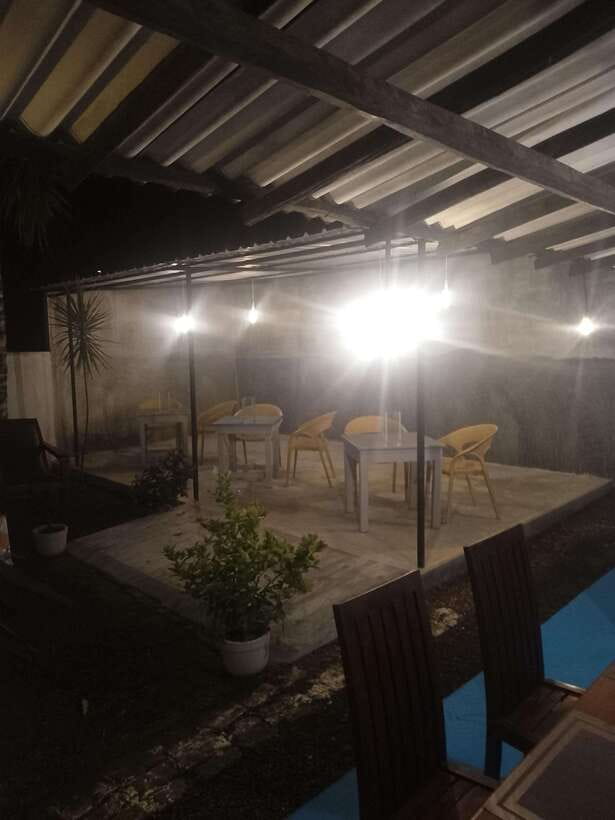
Logistics can make or break a cooking class day. Here, you start with hotel or villa pickup, then you transfer by tuk tuk to the class area (the pickup is described as within about a 30-minute window). That takes a big mental load off your schedule.
Plan to show up ready to work. You’ll likely be in a working kitchen environment, and the guidance is practical: wear simple, workable clothes so you can move around comfortably while cooking vegetables and meat. The class also includes a clear safety message—don’t come drinking. It’s not about being strict; it’s about keeping the cooking area safe for everyone.
One more thing: there’s some inconsistency in accessibility notes. The activity is listed as wheelchair accessible, but it’s also marked as not suitable for wheelchair users or people with mobility impairments. If accessibility matters to you, you’ll want to contact the operator directly before booking so you understand what the setup looks like on the day you go.
The Hands-On Cooking Session: How Dishes Actually Get Built
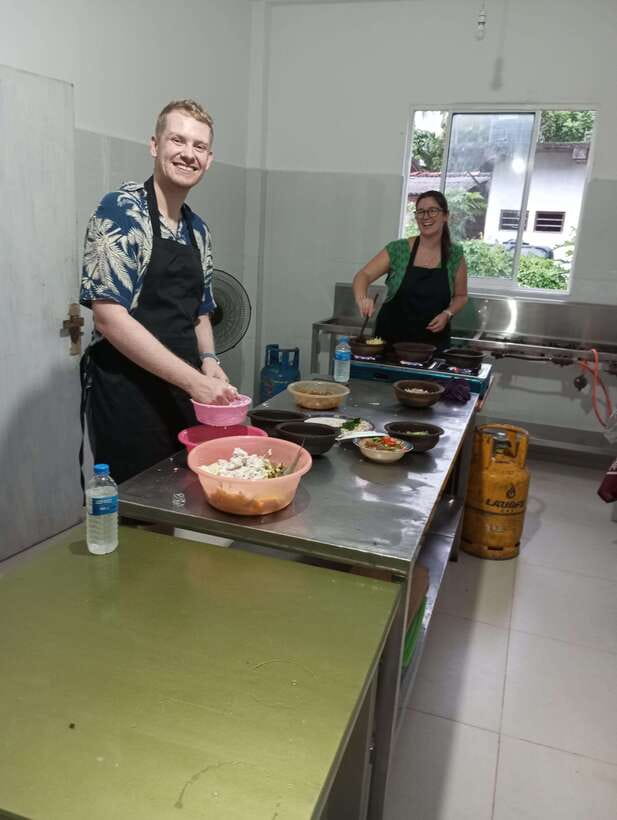
The best cooking classes teach technique, not just recipes. This one aims for exactly that. During your time in the kitchen, you’ll learn how to prepare ingredients and build dishes that are recognizably Sri Lankan, rather than guessing based on what you see.
Based on the class flow people describe, the pacing can be quick: you may end up making about 7 to 8 dishes in a single session. That’s a lot, but it can work well because you’re learning the same “spice logic” across multiple dishes. Even when each dish is different—vegetable-heavy sides, meat preparations, and rice-based components—the core steps feel connected.
What you should look for as you cook:
- Spice timing: when spices go in changes the flavor.
- Balancing coconut with heat and salt: coconut can soften, but it doesn’t erase seasoning.
- Texture awareness: vegetables cook down differently than meat, and Sri Lankan dishes often rely on that contrast.
- Taste checks: you’re encouraged to understand what you’re adjusting, not just adding more.
Also, a highlight is the teaching style. People describe hosts and guides who check on caution, give clear instructions, and explain what you’re doing and why. In one class experience, the host helped tailor the kitchen based on diet and preferences before cooking started. That kind of communication makes a difference when you’re trying to learn instead of simply following along.
Menu Choices and the Spice-Level Reality Check
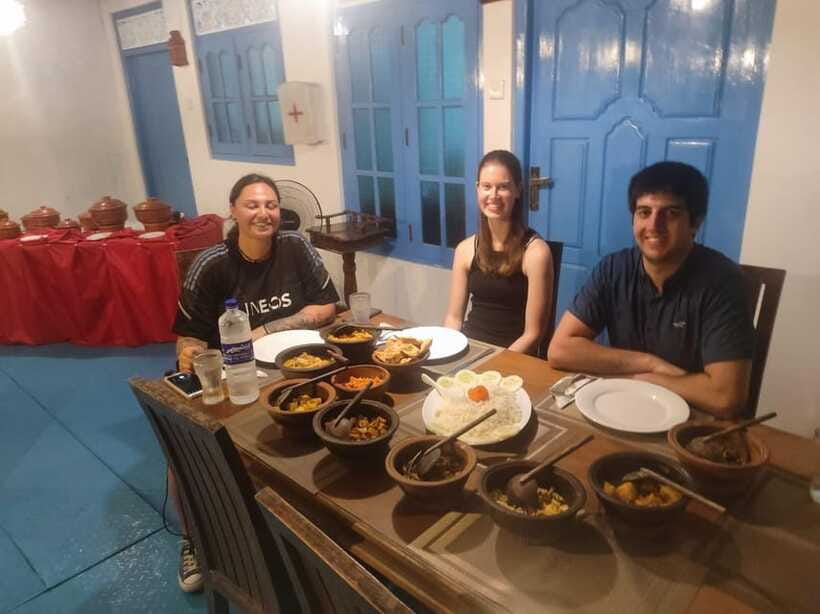
Sri Lankan cooking can be spicy, and the class isn’t pretending otherwise. The upside is that you’ll learn how spices function in real Sri Lankan meals. The downside is that “less spicy” can be interpreted differently across kitchens.
One important consideration: someone in a similar class situation found the food far too spicy even after a less spicy request. Another person had a positive experience with a clear match to their preferences and guidance that emphasized care in the kitchen.
So here’s what you should do if you’re spice-sensitive:
- Tell your host or guide your tolerance clearly before the cooking starts.
- Use concrete language (for example, whether you want mild flavor without heat).
- Ask if they can adjust spice intensity across the dishes, not just one component.
You’ll get the most value if your spice plan is set upfront, because it affects the whole menu. If your goal is to learn the cuisine while still enjoying what you cook, clear communication is your best tool.




Eating With Your Hosts: Why the Tasting Part Is More Than a Meal
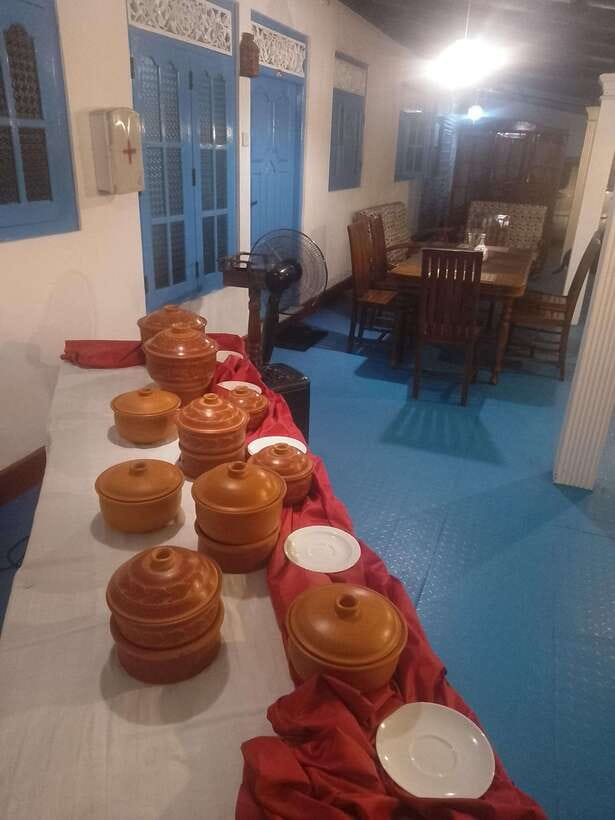
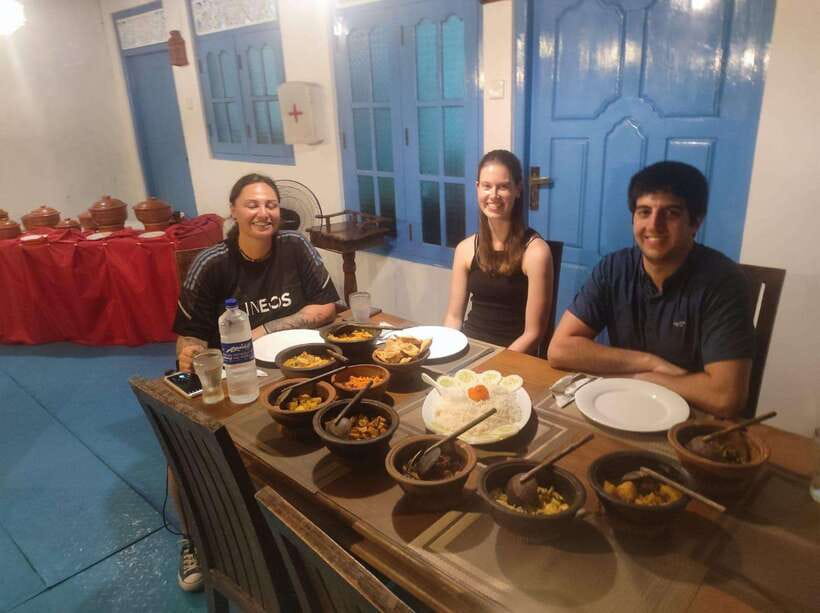
This class includes a sit-down element where you savor what you’ve created with your hosts. That’s the moment that turns cooking into understanding.
When you taste the dishes after making them, you can connect the dots:
- Did the spice blend taste different than you expected?
- Did coconut cool the heat and add richness, or did it change the flavor in a way you didn’t anticipate?
- How does the rice pair with the sides and fish/meat dishes?
That feedback loop is exactly what helps you cook better later at home. If you only watched, you’d remember the names. If you cook and taste, you remember how the flavors behaved.
It also helps socially. Getting to know your hosts and hearing about their daily lives adds a human layer to the food lessons. You’ll likely talk about local rhythms—what’s normal in Sri Lanka beyond the tourist bubble—and that makes the meal feel like an exchange, not a performance.
Value and Price: Is $50 Worth It?
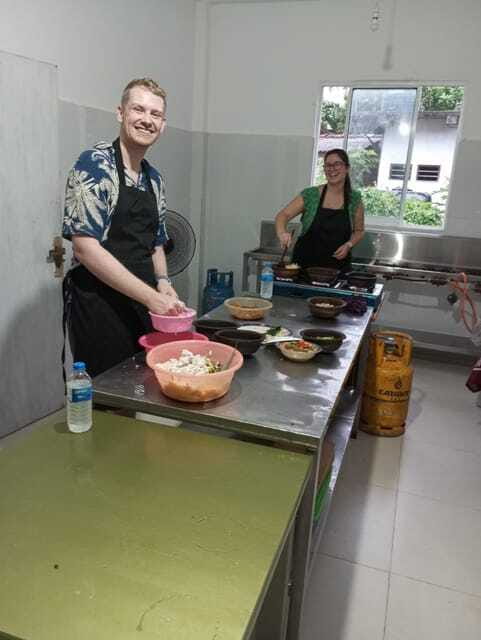
At $50 per person for a 3-hour class, you’re paying for more than recipes on paper. The value comes from the package:
Included:
- Professional English-speaking guide
- Entrance fees to all sites (the program includes some included stops with paid access)
- Bottled water
- Hotel pickup and drop-off
What’s not included:
- Meals and beverages
- Personal expenses
Here’s the practical way to think about value. You’re not just buying time in a kitchen. You’re buying guided instruction, translation support, local access (entrance fees), and transport that saves you from scrambling for directions or a driver.
At the same time, because meals and beverages are listed as not included, you should treat the dining portion as part of the cooking activity, not as an unlimited drink package. If you want soft drinks or other beverages, ask beforehand so you don’t get surprised.
If you enjoy interactive food experiences—where you come away with skills, not just photos—this price sits in a fair range. If you mainly want a quick snack and photos, you might decide it’s more work than you want.
Who Should Book This Cooking Class in Kotapola
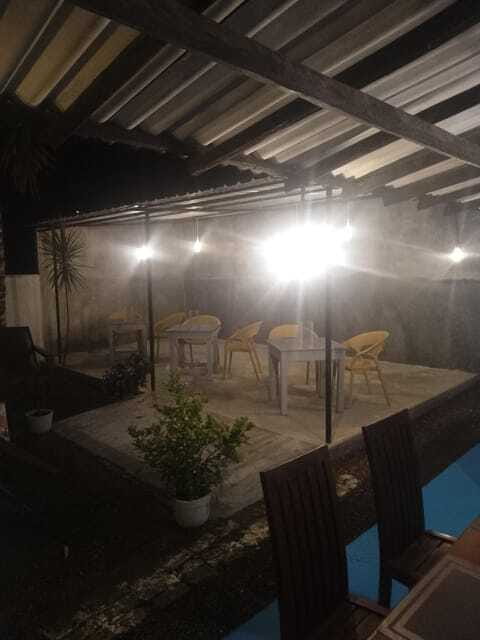
This works best for you if:
- You want hands-on instruction and a chance to cook multiple dishes in one session.
- You like cuisine stories tied to ingredients—rice, coconut, seafood, spices—and not just generic curry talk.
- You enjoy talking with locals and hearing about day-to-day life.
You might want to skip it (or confirm details first) if:
- You have mobility limitations, since there are notes suggesting it isn’t suitable for wheelchair users or people with mobility impairments.
- You’re extremely sensitive to spice and don’t feel comfortable clearly communicating your tolerance.
- You’re not prepared to follow basic safety expectations in the kitchen area.
Also consider timing and energy. Three hours is enough time to cook and learn, but it’s also long enough that you’ll want to show up awake and ready to participate.
Should You Book This Sri Lanka Cooking Class?
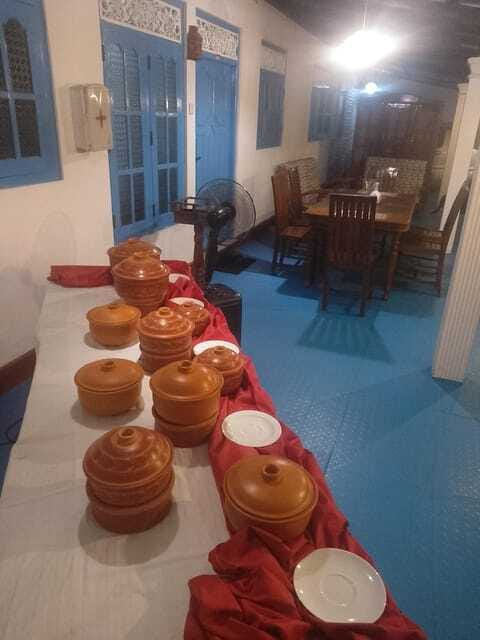
Book it if you want a skill-building day in Sri Lanka, with guided cooking, a spice-focused explanation, and a real meal shared with your hosts. The combination of English-speaking guidance, pickup by tuk tuk, and a menu that can reach around 7–8 dishes makes it a strong value for people who learn by doing.
Before you book, do two simple things:
- Confirm how they handle spice adjustments for your preferences.
- Ask about the setup if accessibility is a concern, since the notes conflict.
If you do those, you’ll walk away with something better than a souvenir: you’ll have a clearer sense of how Sri Lankan cooking balances rice, coconut, seafood, vegetables, and spice—and you’ll be able to recreate pieces of it later.
FAQ
Where is this cooking class in Sri Lanka?
The cooking class is in Kotapola, Sri Lanka.
How long is the experience?
It lasts 3 hours.
What does the class cost?
The price is $50 per person.
Is the tour guide available in English?
Yes. The experience includes a live English-language tour guide.
Do I get hotel pickup and drop-off?
Yes. Pickup and drop-off are included, with pickup described as from your hotel or villa in the area and travel by tuk tuk.
What’s included and what’s not included?
Included items are a professional English-speaking guide, entrance fees to all sites, bottled water, and hotel pickup and drop-off. Meals and beverages, plus personal expenses, are not included.
Is the class suitable for wheelchair users?
The information provided is inconsistent: it lists wheelchair accessible, but it also states it is not suitable for wheelchair users and people with mobility impairments. You should confirm before booking.