REVIEW · COLOMBO
Sri Lanka Nature, culture, history and wildlife in 4 days
Book on GetYourGuide →Operated by Serendipity tours (private) Limited · Bookable on GetYourGuide
Four days, four big Sri Lanka moods. I love the Hill Country Blue Train views and I love that the trip builds in real wildlife time with a Minneriya safari focus. You also get a tight blend of temples, markets, tea country, and outdoor action without feeling rushed.
One thing to plan for: you’ll likely pay several on-site admission and activity add-ons, and train seating can vary since seats aren’t guaranteed.
In This Review
- Key things to know before you go
- Kandy to hill country to adventure: how the trip keeps moving
- Day 1 in Kandy: Peradeniya Botanical Garden and the Tooth Relic Temple
- Day 2: Sigiriya and Dambulla with a Matale spice garden stop
- Minneriya safari: the wildlife payoff and the Jeep cost reality
- The Hill Country Blue Train: stunning views and seat uncertainty
- Tea country in Nawalapitiya and Nuwara Eliya: factory visits that make tea make sense
- Waterfall time, rainforest walk, and Kitulgala rafting: the outdoor streak
- What’s included in the price, and where costs usually appear
- Dress code, tips, and communication: the practical stuff that matters
- Who should book this Sri Lanka nature–culture–wildlife combo
- Should you book Sri Lanka Nature, culture, history and wildlife in 4 days?
- FAQ
- FAQ
- How long is the tour?
- How much does the tour cost?
- What’s included in the price?
- What’s not included?
- Is the hill country train trip included?
- Does the tour include a safari?
- Does the tour include rainforest time?
- What about whitewater rafting?
- Are there dress code rules?
- What should I bring?
Key things to know before you go
- Hill Country Blue Train: included overall, but your seat class can change depending on availability
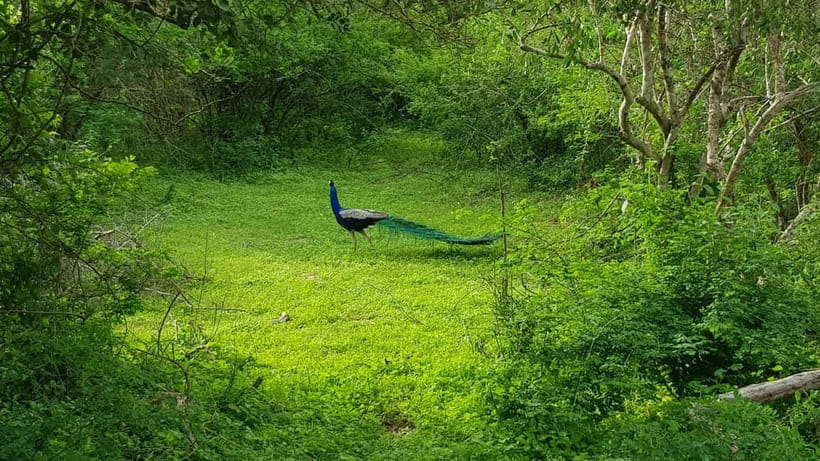
- Minneriya wildlife time: a safari is built into the plan, but the Jeep safari is an extra cost
- Kandy culture hits early: Temple of the Tooth, Kandy Upper Lake, and a Kandyan cultural show
- Matale spice + herbal garden stop: a guided walk that adds context for tea and local plants
- Makandewa rain forest + Kitulgala rafting: both outdoors, both option-based, both weather-dependent
- Small group (max 10): easier to move as a group and ask questions along the way
Kandy to hill country to adventure: how the trip keeps moving
This 4-day Sri Lanka route is designed for momentum: culture in the central hills, then down to wildlife and water, then back toward the coast. The driving is done in an air-conditioned vehicle with a local guide, and you’re in a small group, limited to 10. That combo matters in Sri Lanka, where “getting there” can take time—and where having one trusted guide can make the day smoother.
You also get some nice “travel fatigue reducers” baked in: three breakfasts, daily bottled water (1.5 litres per person), and even a serving of natural King Coconut. That may sound like a small detail, but it helps you stay hydrated and keep energy for stairs, walking, and outdoor stops.
The main tradeoff is that the headline experiences are partly optional. Sacred-site entrances, the rainforest entrance, the Minneriya Jeep safari, and rafting cost extra if you choose them. Since this is priced at $465 per person, you’ll get the most value if you go in knowing what you want to pay for on-site.
You can also read our reviews of more historical tours in Colombo
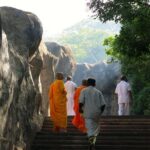
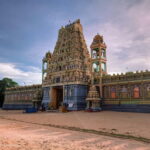
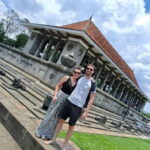
Day 1 in Kandy: Peradeniya Botanical Garden and the Tooth Relic Temple
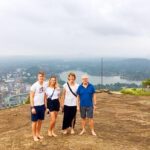
Kandy is a good first “anchor city” because it’s both pretty and practical. Day 1 starts with the Peradeniya Botanical Garden tour. This is a calmer start that helps you adjust to Sri Lanka’s plant life and climate—an easy win on a first day when you might still be feeling travel hangover.
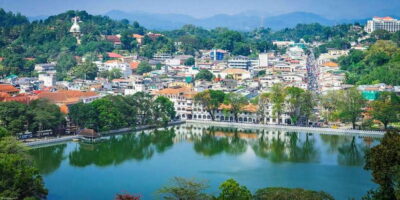
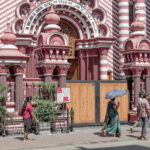
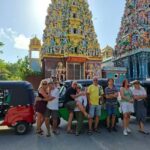
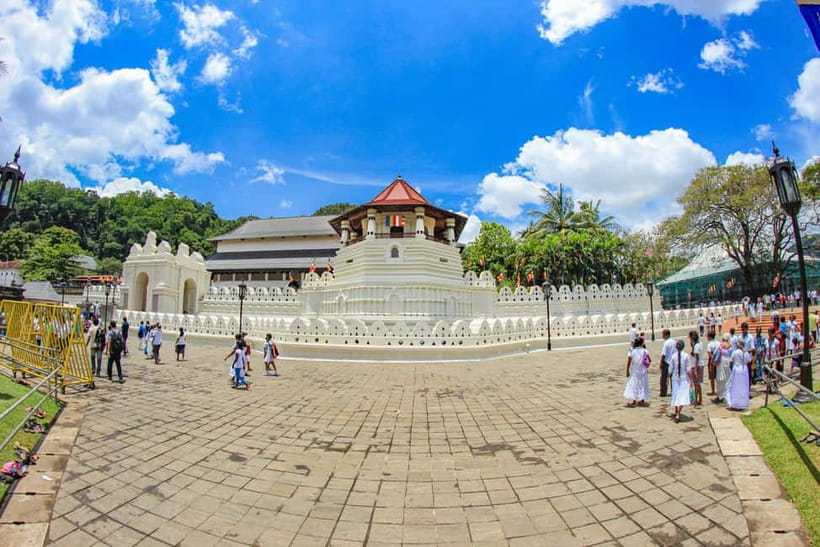
After that, Kandy sightseeing takes over. You visit the Temple of the Tooth (the Tooth Relic Temple), Kandy Upper Lake, and downtown Kandy. You also get a Kandyan cultural show, which is one of those experiences that can either feel touristy or feel meaningful, depending on how much background you get from your guide. With a live guide who’s explaining what you’re looking at, it generally lands better.
Practical note: many parts of this day involve sacred places. You’ll need to follow the dress expectations: shoulders covered and the lower part of your clothing long enough to cover your knees. Also, shorts and short skirts aren’t allowed. If you travel with lightweight layers, plan to pack something you can wear to temples without overheating.
A small review detail I’d treat as a real clue: one guide named Pradeep Fernando was described as funny and caring, and that kind of guide personality can turn “watching a show” into “understanding what you’re seeing.” If you’re serious about culture, I’d lean into that and ask questions while you’re there.
Day 2: Sigiriya and Dambulla with a Matale spice garden stop
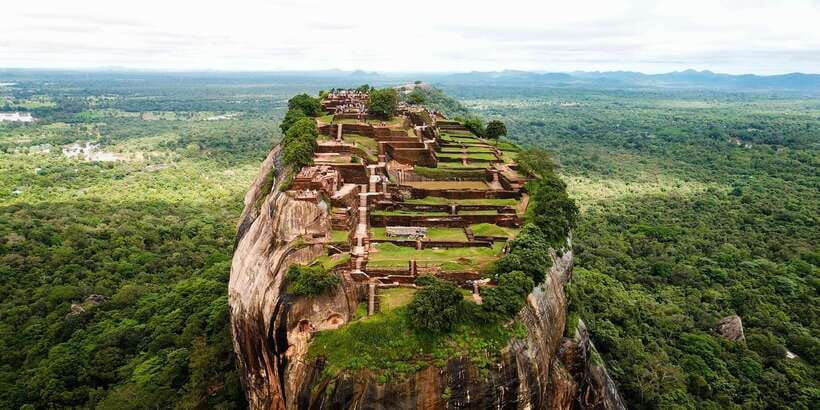
Day 2 is where the cultural triangle energy kicks up. You drive to Sigiriya and Dambulla, with a stop in Matale for a spice and herbal garden. I like this stop because it explains the everyday side of the region—what locals grow, what becomes medicine or seasoning, and why “spice gardens” aren’t just a shop stop.
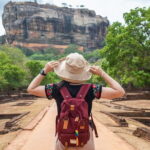
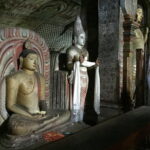
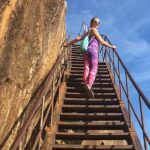
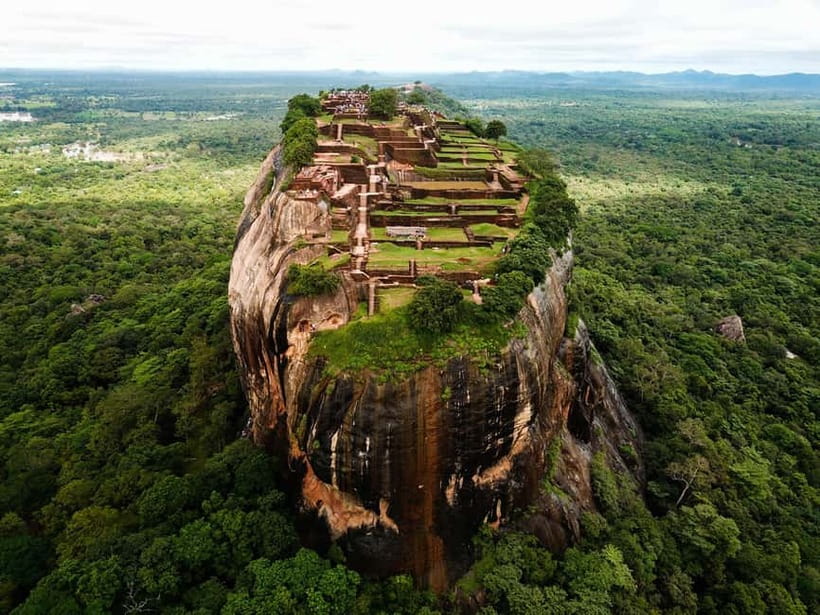
After the Matale walk, you’re set up for the big names: Sigiriya and Dambulla. Dambulla’s Golden Temple area typically involves entrance fees, so budget for the on-site charge if you want to go inside. That’s true for Sigiriya as well: the admission cost is not included, and the tour is clear that you’ll pay on-site if you want those sites.
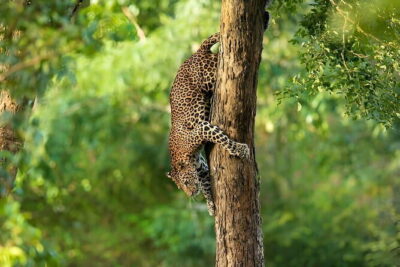
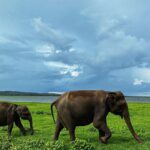
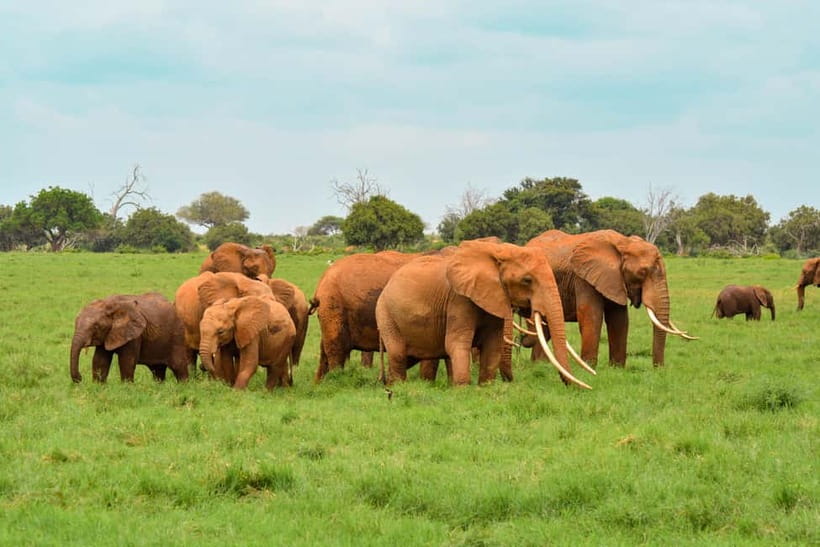
The other big element on Day 2 is wildlife: a Minneriya National Park safari is part of the plan, but the Jeep safari is an extra cost. The park visit itself is described as about 4 hours. If you choose it, you’re trading a quieter evening for a real chance to see elephants and other wildlife in their natural habitat.
What does that mean for your day? You’ll want to treat this as an early-morning, long-haul kind of day mentally. You won’t just “see a few animals.” You’ll be spending real time in the park, and that’s where safari magic happens—plus where weather and timing can affect your sightings.
Minneriya safari: the wildlife payoff and the Jeep cost reality
The most praised parts of this kind of Sri Lanka loop usually come from wildlife moments, and Minneriya is a strong target. This trip builds the day around that experience, but it’s not a fully “all-inclusive safari package” in the base price.
The Jeep portion costs $80 per person (and it’s separate from your base tour price). That’s not unusual for wildlife drives—vehicles, guides, and park operations add up—but it does affect value. If you’re the type who’s going to regret skipping the safari later, you can decide early and avoid decision fatigue on the ground.
Also remember this tour isn’t positioned as a high-altitude experience, but it does include hill country travel and active walking. For people with high blood pressure, the trip notes it’s not suitable—so take that seriously. Outdoor days can mean heat, stairs, and uneven walking.
The Hill Country Blue Train: stunning views and seat uncertainty
If there’s one part that people talk about with a grin, it’s the train. This tour includes the hill country train trip, described as the Hill Country Blue Train. You’ll travel toward the tea country area, and the route is famous for the views—valleys, tea slopes, and dramatic shifts in scenery as the train climbs and curves.
Here’s the honest catch: seats aren’t guaranteed. The operator tries to get you seats, but depending on availability, you could ride first, second, or third class. The tour is upfront about that, and you should be too. If “having a specific seat” is important to you, treat this as a flexible situation rather than a promise.
What to do with that info? Pack like you’re riding through ever-changing conditions. Keep a small layer for cooler rail air, and plan for the fact that the train ride might involve standing or shifting depending on where you end up. The payoff is the scenery—and when your group is small (max 10), it’s usually easier to manage those micro-moments.
You can also read our reviews of more tours and experiences in Colombo

Tea country in Nawalapitiya and Nuwara Eliya: factory visits that make tea make sense
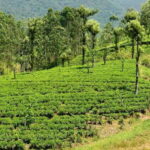
After the train ride, you’ll visit a tea factory and garden as part of your experience. This is one of those stops that can feel like a sales pitch—or it can become educational—based on how your guide frames it and how you move through at your own pace.
You’ll also do Nuwara Eliya sightseeing in the afternoon, then overnight in Nawalapitiya. This pairing works because Nuwara Eliya gives you the classic “tea town” vibe, while Nawalapitiya acts like a practical base for the surrounding region.
One important budget detail: the tour information lists tea plantation tour with factory visit as included, but a reported experience in the group context didn’t fully match that expectation for one solo traveler. I can’t explain why that mismatch happened, but it’s a good reminder to confirm during pickup or early in the day exactly what’s covered and what’s optional.
If you like clear expectations, ask: What’s included in the factory visit? Is there any additional entrance fee? Does the day include water? Having those answers early prevents surprise payments later.
Waterfall time, rainforest walk, and Kitulgala rafting: the outdoor streak
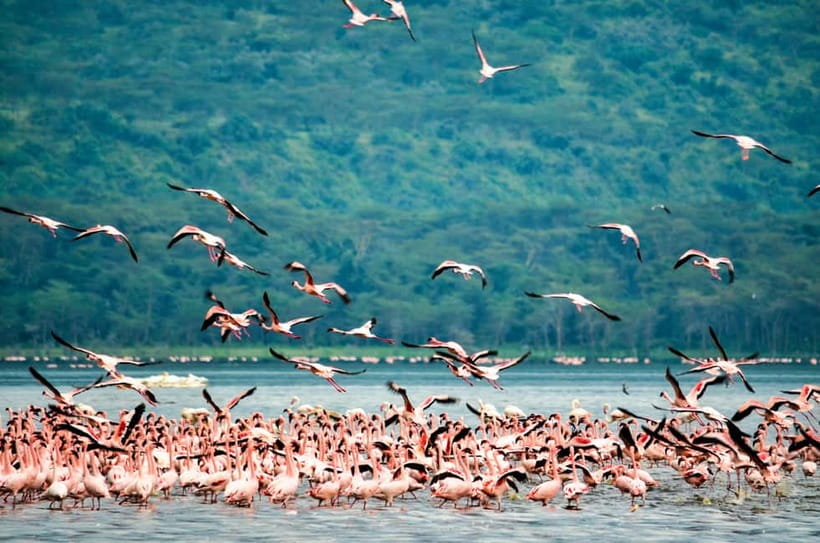
Not every day is “temple and views.” The last stretch is nature and action.
There’s a waterfall visit included—Devon Falls and St. Clairs Falls. Waterfalls are often easiest to enjoy with a guide because you get context on access and viewpoints, and you’re not wasting time guessing which angle is best.
Then Day 4 becomes the adventurous day. You start with a guided tour in the Makandewa rainforest. Entry to the rainforest is not included (listed as an on-site cost of $10 per person if you choose it). Even if you’re not paying attention to plants, a rainforest walk is valuable because it slows you down. You notice birdsong, insects, and the way the air changes under tree cover. It’s not just a hike—it’s Sri Lanka’s “green” mood in one walk.
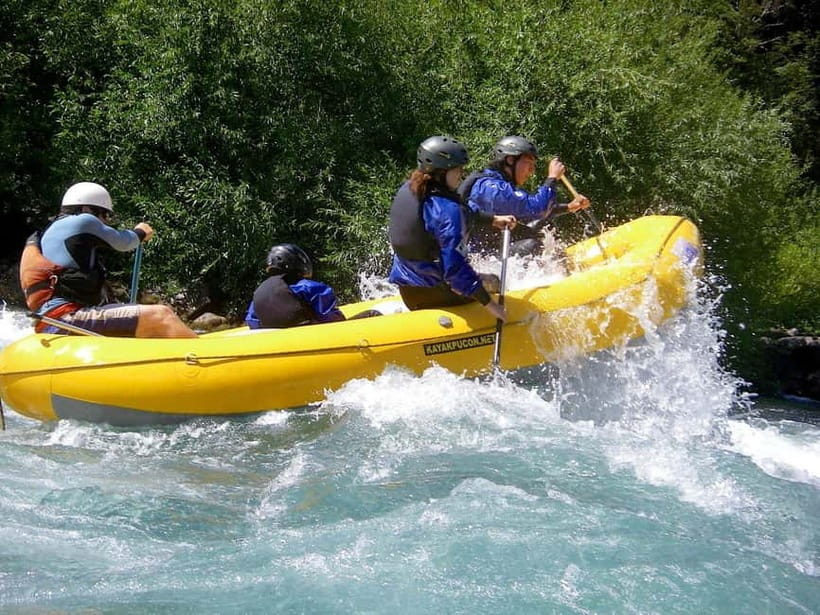
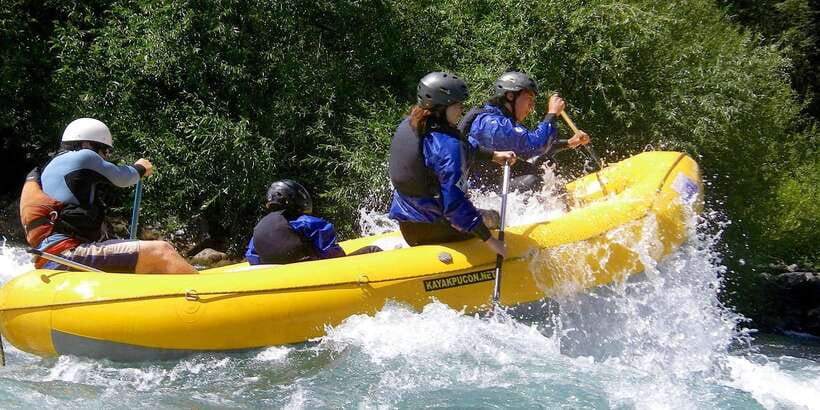
After that, you drive to Kitulgala for whitewater rafting. Rafting is listed as $20 per person, so again, it’s a paid add-on. This is the kind of activity that can be a lot of fun, but it’s also where safety matters. The tour notes you should avoid the experience if you have certain medical conditions (high blood pressure is flagged; altitude sickness is flagged too). If you’re generally healthy, still treat rafting as active and be ready for a wet day.
A practical tip: bring dry items for after rafting. Even if the company provides time to change, you’ll feel better if you have a zip bag for your phone and a towel or spare shirt in your daypack.
What’s included in the price, and where costs usually appear
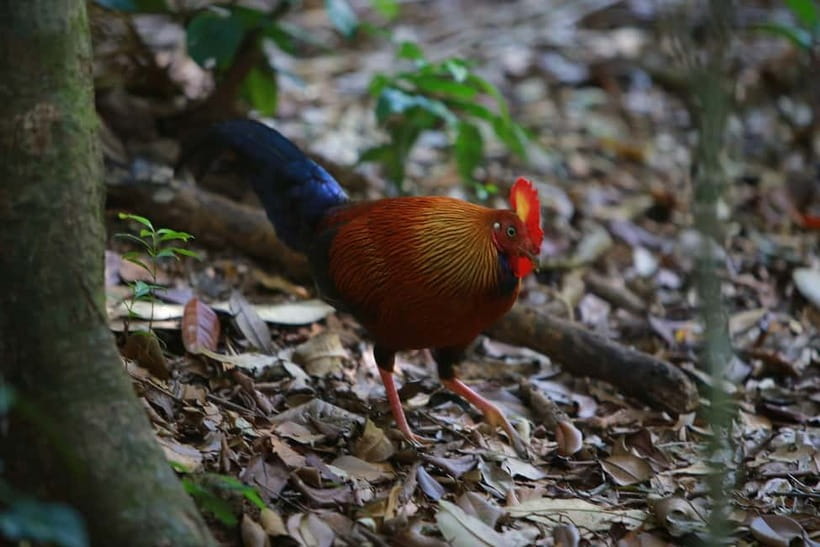
At $465 per person for 4 days / 3 nights in a standard hotel, this tour is a decent deal when you want guided logistics. You get:
- 3 breakfasts
- Air-conditioned ground transportation with a local guide
- Peradeniya Botanical Garden tour
- Kandy sightseeing, including downtown Kandy, the gem museum, and the Kandyan cultural show
- Included waterfall visits (Devon Falls and St. Clairs Falls)
- Hill country train trip
- Tea plantation tour with factory visit
- 1.5 litres of mineral water per person per day
- A serving of natural King Coconut
Then come the most likely extra expenses:
- Entrance fees for Sigiriya, Dambulla Golden Temple, and the Temple of the Tooth
- Rainforest entrance (Makandewa): $10 per person
- Minneriya Jeep safari: $80 per person
- Whitewater rafting: $20 per person
- Drinks
If you’re trying to predict total cost, make a simple plan: decide which paid experiences you truly want (safari and rafting usually define the trip), and then budget admission for the big sacred sites. That approach keeps the tour from turning into a money debate during your trip.
Also note group dynamics. Small group is limited to 10, which is great for conversation, but it also means you’ll likely hear the same questions from everyone about add-ons and tipping. One solo booking noted frequent requests for tips and that they felt uncomfortable refusing at certain gem/spice stops. That doesn’t mean it will happen to you the same way, but it’s a strong signal: bring some small cash for expected gratuities, and have your boundaries clear before anyone starts asking.
Dress code, tips, and communication: the practical stuff that matters
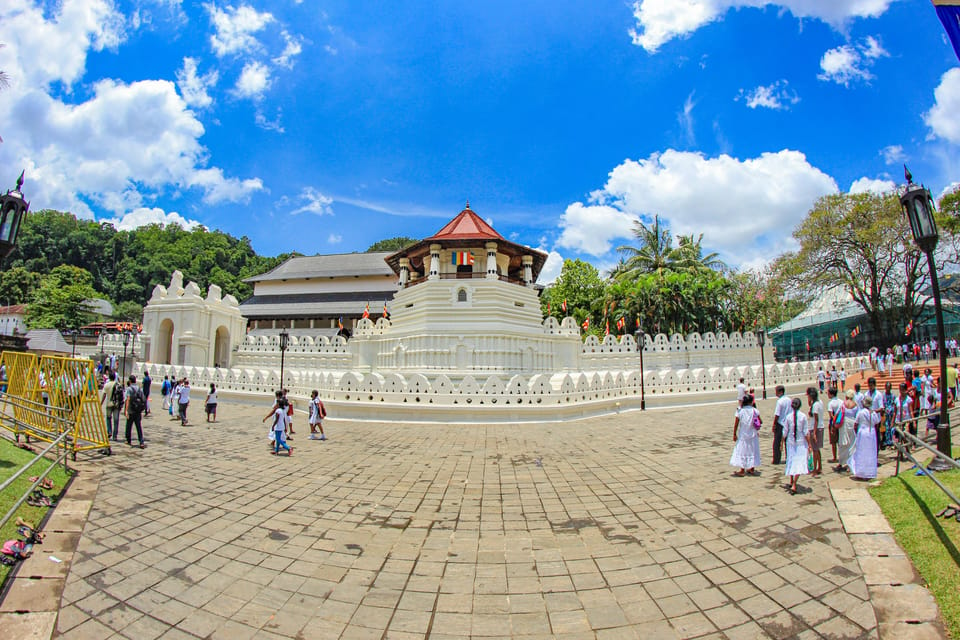
This trip involves sacred sites, and the dress code is specific: cover shoulders and ensure clothing covers knees. Shorts and short skirts aren’t allowed. If you’re sensitive to heat, pick light fabrics that still cover.
On the “communication” side, the experience depends on the guide and driver. In one case, a driver was described as excellent but with limited English, which made communication harder. That’s not something you can control, but you can prepare. If you want lots of cultural nuance, ask your tour guide questions as early as possible so you’re not stuck relying on the driver for explanations.
About tipping: the tour doesn’t spell out a policy in the data you provided, but since one solo traveler reported repeated tip requests, I’d plan for this possibility. Keep calm, decide in advance what you’re comfortable with, and remember you can always politely say no to extra selling pressure.
Who should book this Sri Lanka nature–culture–wildlife combo
This tour suits you if you want:
- A guided mix of culture and nature across central Sri Lanka
- The big-ticket sights like Kandy and Dambulla without building everything from scratch
- A meaningful train ride through the tea hills
- A safari target in Minneriya and outdoor action at Kitulgala
It might be a mismatch if:
- You need guaranteed train seating at a specific class
- You don’t want on-site admission fees and activity add-ons
- You have high blood pressure (the tour says it’s not suitable)
- You’re sensitive to physical activity on multiple days (walking + outdoor time + rafting can add up)
If you’re traveling solo, the small group can be friendly, but it also may come with more social pressure around add-ons and tipping. If that’s not your style, go in with a clear script for saying no.
Should you book Sri Lanka Nature, culture, history and wildlife in 4 days?
Yes, if you value a tight 4-day loop with guided transport, cultural stops, and the big nature hits—especially the Hill Country Blue Train and Minneriya safari. It’s also good value when you compare what’s handled for you: hotels (3 nights), breakfasts, major guiding, and the train and tea-country pieces.
No, if you want everything fully included with no surprises. This trip is honest about add-ons, but the real costs can stack quickly once you add entrances, the safari Jeep, and rafting. If you book, decide early what you’ll pay for on-site and what you’ll skip—so the trip stays fun.
FAQ
FAQ
How long is the tour?
It lasts 4 days and 3 nights.
How much does the tour cost?
The price is $465 per person.
What’s included in the price?
It includes 3 breakfasts, standard hotel for 3 nights, Peradeniya Botanical Garden tour, Kandy sightseeing (downtown Kandy, gem museum, and Kandyan cultural show), waterfall visits (Devon Falls and St. Clairs Falls), air-conditioned transportation with a local guide, the hill country train trip, a tea plantation tour with factory visit, 1.5 litres of mineral water per person per day, and one serving of natural King Coconut.
What’s not included?
Lunch and dinner are not included, along with entrance fees for Sigiriya, Dambulla Golden Temple, the Temple of the Tooth Relic, and the rainforest. The Minneriya Jeep safari and whitewater rafting are also not included, and drinks are not included.
Is the hill country train trip included?
Yes. The tour includes the entire hill country train trip, but seats are not guaranteed and your class may vary.
Does the tour include a safari?
Minneriya is part of the plan, but the Jeep safari itself is listed as an extra cost.
Does the tour include rainforest time?
There is a guided rainforest tour in Makandewa, but rainforest entrance is listed as an extra on-site cost.
What about whitewater rafting?
Whitewater rafting in Kitulgala is included as an activity choice, with a listed extra cost per person.
Are there dress code rules?
Yes. For sacred places, shoulders must be covered and clothing must cover your knees. Shorts and short skirts are not allowed.
What should I bring?
Bring your passport. Also, pack clothing that fits the sacred-site dress expectations.