REVIEW · COLOMBO
Colombo Cooking Class
Book on Viator →Operated by Colombo Cooking Class · Bookable on Viator
You’ll cook your way through Sri Lanka. I love the hands-on pace where you prepare at least 10 dishes, and I love that you learn from a home cook instead of a generic cookbook routine. You pick a lunch or dinner session, ingredients are included, and then you sit down to eat what you made. The main drawback to plan for is simple logistics: the meeting point is in Angoda, so you’ll want an easy way to get there on time.
In a session guided by Piumi, a vegetarian participant learned how to prepare ten different vegetarian curries, and the lunch that followed tasted properly satisfying, not like an afterthought. It’s that kind of practical teaching that makes this more than just watching someone cook. The class runs every day, with lunch starting around 10am and dinner starting around 4pm, with times possibly adjusted based on availability.
Since it’s private (only your group participates), you’re not squeezed into a crowd while trying to chop, stir, and ask questions. You’ll also get a mobile ticket and confirmation at booking, which helps when you’re juggling the rest of your Colombo plans.
In This Review
- Key things that make this Colombo cooking class work
- Why Sri Lankan home cooking in Angoda feels different
- Private, hands-on, and what $60 really buys
- Meeting at Colombo Cooking Class: getting to No 275/1, B231
- The class flow: cooking 10 dishes (and why the structure matters)
- Lunch or dinner at 10am or 4pm: how to pick the best time
- Curries, egg hoppers, and tasting your way through technique
- Desserts: the sweet finale that makes it feel complete
- Eating together: turning practice into a real meal
- Who should book this Colombo cooking class (and who might skip)
- Practical tips to get more out of the 10-dish workshop
- Should you book Colombo Cooking Class?
- FAQ
- How long is the Colombo Cooking Class?
- How much does it cost?
- Do I choose lunch or dinner?
- Is it private?
- What should I expect to cook?
- Where is the meeting point?
- Can I cancel for a full refund?
Key things that make this Colombo cooking class work
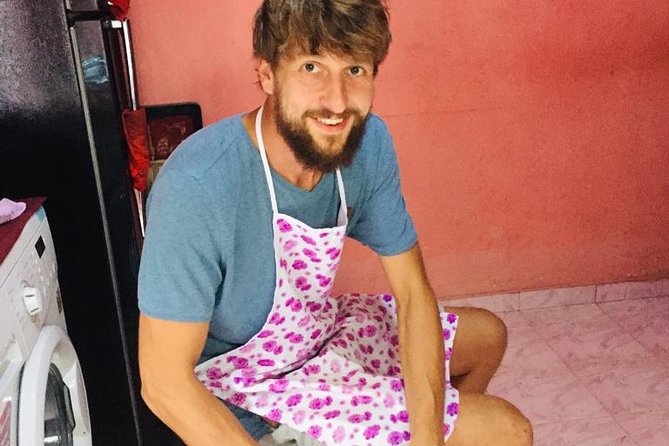
- A private Sri Lankan home-cook experience with only your group in the kitchen
- 10 different dishes plus traditional desserts, so you actually leave with a full meal’s worth of cooking skill
- Lunch or dinner sessions every day, starting around 10am or 4pm
- Hands-on guidance from someone who cooks what people eat at home
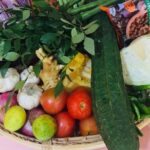
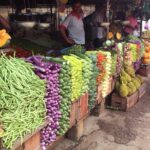
- Ingredients included, so you’re not doing a scavenger hunt for basic produce and spices
- Food that can flex for vegetarians, based on a real example from a teacher named Piumi
Why Sri Lankan home cooking in Angoda feels different
A Colombo cooking class sounds great in theory. This one works because it’s built around the everyday stuff: the kind of meals Sri Lankan families actually make, not just a set of tourist-safe recipes.
The biggest win is the home-cook teaching style. You’re not being coached through “steps” that feel disconnected from real flavor. Instead, you’re working alongside someone who understands how curry should smell before it hits the pot, how balance changes as spices cook, and how the meal should come together on a normal day. That’s what turns cooking from a hobby into a cultural skill.
I also like that you’re aiming for a real output: at least 10 dishes, plus traditional desserts. It’s not a short demo where you stir once and then go home. You’ll be busy, you’ll taste along the way, and you’ll eat as part of the experience. That meal at the end matters because it tells you whether the technique you learned actually delivers.
One thing to keep in mind: you’re heading to Angoda (not the center of Colombo). If you’re staying far away, your trip to the meeting point is worth planning early. In a class that lasts about 3 hours, losing time to transit can cut into your cooking time.
You can also read our reviews of more cooking classes in Colombo
Private, hands-on, and what $60 really buys
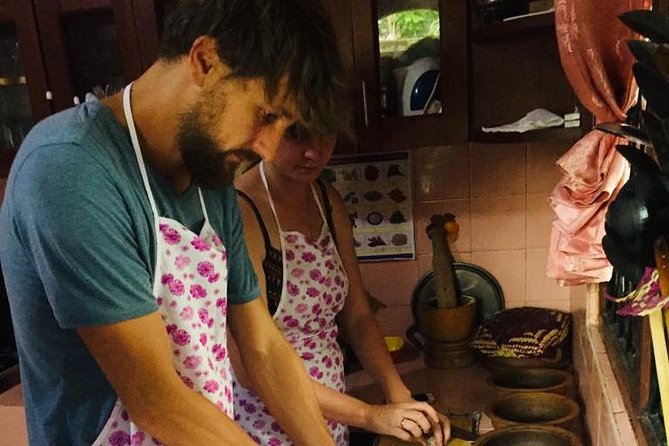
At $60 per person for about 3 hours, the value depends on what you want from a cooking class. If you just want a fun meal, you can do that in many restaurants. If you want skills, this is priced like a small workshop: you’re paying for time, instruction, and the ingredient setup to make a large menu.
Here’s where the value becomes clearer:
- You’re cooking a stack of dishes, not one or two.
- You get ingredients included, which means fewer extra costs and less planning.
- It’s a private format, which usually means your questions get answered directly instead of being lost in a group dynamic.
- You choose lunch or dinner, so the meal you eat is built into the experience.
It also helps that booking appears to be fairly popular (it’s commonly booked about 18 days in advance on average). That tells me you’re not the only one thinking this would be a smart way to spend a travel afternoon.
Meeting at Colombo Cooking Class: getting to No 275/1, B231
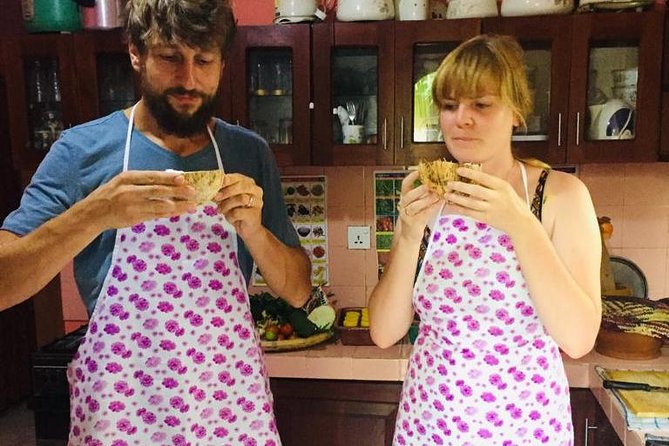
The meeting point is at Colombo Cooking Class, No 275/1, B231, Angoda 10600, Sri Lanka. The good news is that it’s described as near public transportation, so you’re not completely stuck if you don’t have a private car.
Still, treat the address as your first priority. Cooking starts on time for a reason: the schedule works only if you’re in the kitchen when your ingredients and tasks are ready. If you’re using a rideshare or taxi, put the address into your navigation app ahead of time and don’t wait until the last minute to figure out the best pickup spot.
Also note that the class returns you to the meeting point at the end. That’s convenient if you’re planning a same-day move elsewhere in Colombo after lunch or dinner.
The class flow: cooking 10 dishes (and why the structure matters)
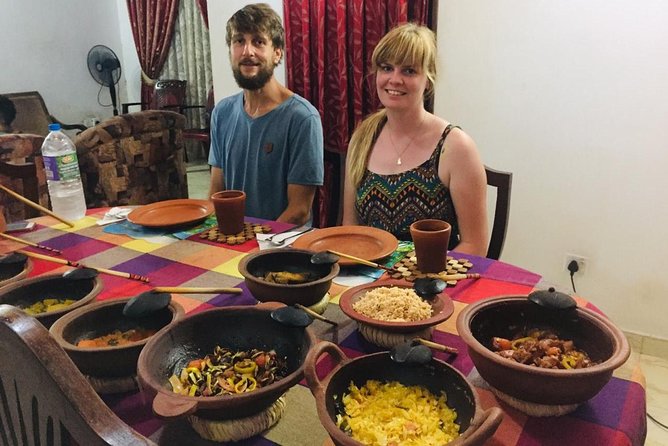
This is a hands-on cooking lesson where you prepare 10 different dishes with guidance, then sit down to eat. That sounds simple, but the structure is exactly what makes it useful.
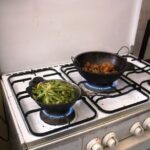
Your cooking time is organized around getting you making things, not just hearing about them. Typically, the lineup includes egg hoppers and curries, plus traditional desserts. You’re working through multiple components of a Sri Lankan meal, so you learn how different flavors behave—from savory spices in curries to the sweetness and texture work of dessert.
Even without a full written “hour by hour” menu, you can expect a teaching rhythm like this:
- You’re shown what you need to prep and why it matters.
- You do the prep yourself—chopping, mixing, shaping, stirring.
- You cook with step-by-step direction so you can correct mistakes early.
- You taste as you go, so the meal makes sense instead of being a blur of steps.
- You finish with desserts, then eat everything you made.
The practical value here is that you’ll start noticing cause and effect. For example, curries in Sri Lanka rely on how spices are handled (heat timing changes taste), and egg hopper style dishes depend on batter consistency and cooking conditions. Learning these in a guided home setting is easier than trying to copy a recipe later from a screen.
Lunch or dinner at 10am or 4pm: how to pick the best time
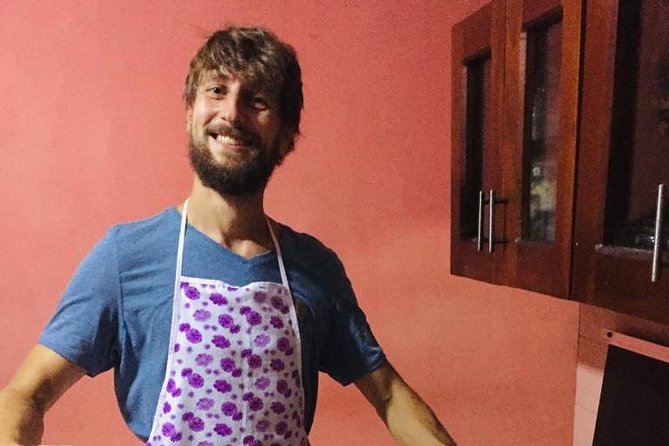
This class runs every day, with lunch sessions starting at 10am and dinner sessions starting at 4pm. Times can change based on availability for both sides, so it’s smart to keep your afternoon plans flexible.
How do you choose?
- Lunch (around 10am) is great if you want your main meal handled for you and you still want energy left for exploring later.
- Dinner (around 4pm) can work better if you’d rather sleep in, then spend the afternoon learning, cooking, and eating.
My rule: pick the session that keeps you from rushing. In a cooking class, the “start time” isn’t just a time on a watch—it’s when your hands get busy. Arrive flustered, and the whole experience feels harder than it needs to be.
You can also read our reviews of more tours and experiences in Colombo
Curries, egg hoppers, and tasting your way through technique
Sri Lankan cooking isn’t one dish. It’s a system: spices, texture, timing, and how everything lands together on one plate.
In this class, curries are a big part of the lesson. If you’re interested in the way Sri Lankan cooks build flavor, that’s where you’ll feel the most growth. Curries aren’t just about dumping spices in; they’re about how the spices bloom, how the sauce thickens, and how you balance heat with savoriness.
Egg hoppers show up too, and that’s a smart pairing with curries. They teach you another side of the meal: how batter consistency and cooking method create the final texture. When you eat later, you get the full picture—starchy, spongy, crisp, and saucy all in one experience.
Also, one example from a class guided by Piumi involved a vegetarian focus, including ten vegetarian curries that became a delicious lunch. That’s a good sign if you’re vegetarian or just trying to avoid meat-heavy dishes. If you want fish or other specific options, you’ll still want to ask directly, since the exact dishes can vary by what’s being prepared.
Desserts: the sweet finale that makes it feel complete
Many cooking classes stop at savory and call it a day. This one adds traditional desserts, and that changes the experience from “learning to cook a meal” into “learning how a Sri Lankan meal ends.”
The desserts are part of the instruction and part of what you eat. That matters because dessert technique often feels like a separate skill set—different texture targets, different sweetness handling, and different timing than curry.
Even if you’re not normally a dessert person, I’d treat this as a bonus skill. Sri Lankan sweet profiles can be surprising if you only know one kind of regional dessert from home. Here, you’ll at least see how locals think about sweetness and finish.
Eating together: turning practice into a real meal
The best moment is when the work becomes food you actually enjoy on the spot. After you cook, you sit down and eat what you made.
That’s not a small detail. It’s the payoff that makes the cooking class feel grounded. You can taste and think: Did the curry taste right? Did the hopper texture work? Was the dessert too sweet, just right, or off?
It also helps with pacing. If you’re learning in a kitchen, waiting can be hard. Eating right after finishing your cooking means the entire experience has a natural flow: prep → cook → eat.
Who should book this Colombo cooking class (and who might skip)
This class fits well if you want hands-on cultural food education without doing a full-day tour. It’s especially good for:
- People who love curries and want to learn the logic behind them
- Foodies who like to cook, not just watch
- Anyone who wants a private setting where questions are easy to ask
- Vegetarians who want to see how vegetarian curries can still form a complete lunch (based on Piumi’s example)
You might consider a different option if:
- You dislike travel to a specific neighborhood (Angoda) and don’t have an easy ride
- You’re short on time and can’t spare about 3 hours
- You want an ultra-flexible schedule with lots of downtime between steps (this is hands-on and active)
Practical tips to get more out of the 10-dish workshop
- Wear something you don’t mind getting splashed during active cooking.
- Plan to arrive a little early. Cooking starts when you start, and you want to avoid that end-of-day stress.
- If you’re vegetarian, tell your host ahead of time and confirm that your menu will stay fully vegetarian where you need it.
- If you have spice sensitivity, ask what to expect. Sri Lankan cuisine often carries warmth that can be adjusted, but you’ll want clarity before you cook.
- Bring curiosity. The most helpful part of cooking classes is learning why techniques work, not just copying the end result.
Should you book Colombo Cooking Class?
I think this is an easy yes if you want a true Sri Lankan home-cooking experience in Colombo that doesn’t waste your time. For $60, you’re getting a private setup, instruction while you make 10 dishes, and a meal that’s part of the learning—not an add-on.
It’s also one of the rare activities that can work for vegetarians, shown by a vegetarian-focused session with a teacher named Piumi where ten vegetarian curries still turned into a full, enjoyable lunch.
Only book it if you’re comfortable with the practical side: the meeting point is in Angoda, and you’ll want reliable transport. If you can handle that, this is the kind of experience that gives you both food memories and repeatable cooking confidence.
FAQ
How long is the Colombo Cooking Class?
The class runs for about 3 hours.
How much does it cost?
It costs $60 per person.
Do I choose lunch or dinner?
Yes. You can choose a lunch or dinner session. Lunch starts around 10am and dinner starts around 4pm, and the time can change based on availability.
Is it private?
Yes. It’s a private tour/activity, and only your group participates.
What should I expect to cook?
You’ll make 10 different dishes and traditional desserts, with hands-on guidance, then sit down to eat what you prepared.
Where is the meeting point?
The meeting point is Colombo Cooking Class, No 275/1, B231, Angoda 10600, Sri Lanka.
Can I cancel for a full refund?
Yes. Free cancellation is available up to 24 hours in advance of the experience start time for a full refund. Changes made less than 24 hours before the start time aren’t accepted.