REVIEW · COLOMBO
Three Ancient Kingdoms Tour | from Colombo
Book on Viator →Operated by Travceylon Leisure · Bookable on Viator
Waking up early pays off here. This 10-hour tour links Dambadeniya, Yapahuwa, and Panduwasnuwara in Sri Lanka’s northwest, with an air-conditioned vehicle and an English-speaking chauffeur guide to keep the day moving. The main drawback is the early 6:00 am start, plus entrance fees are not included for all stops.
I like the way the route tells one big story: the Tooth Relic moving between capitals, while you watch ruined palace complexes, forts, and irrigation work change with each reign. You’ll get a 1-liter water bottle and hotel pickup/drop-off in Colombo, but you should plan for food on your own and treat this as a full morning-to-afternoon adventure, not a slow sightseeing stroll.
In This Review
- Key things to know before you go
- A 10-hour route that connects Dambadeniya, Yapahuwa, and Panduwasnuwara
- Price and what $85 really covers
- Colombo at 6:00 am: the drive rhythm and your best prep move
- Stop 1: Dambadeniya Ancient Kingdom Museum and the Tooth Relic connection
- Stop 2: Yapahuwa Rock Fortress and the climb to the stupa ruins
- Stop 3: Panduwasnuwara Kingdom, Panda Wewa, and the “mix of periods” effect
- Stop 4: The Yapahuwa citadel story in 30 minutes
- What the guide and transport add (and why it matters on ruins days)
- Food, timing, and realistic expectations for a full day
- Who this tour is best for
- Should you book the Three Ancient Kingdoms Tour from Colombo?
- FAQ
- What time does the tour start?
- How long is the tour?
- Do I get hotel pickup and drop-off?
- Is the transport air-conditioned?
- Is there an English-speaking guide?
- Are entrance fees included for all stops?
- Is food included?
- Will I have time to climb at Yapahuwa?
- Is this a private tour?
- What happens if the weather is bad?
Key things to know before you go
- 6:00 am hotel pickup from Colombo means a calm start, but expect an early wake-up.
- Tooth Relic and capital drama across centuries ties Dambadeniya, Yapahuwa, and Panduwasnuwara together.
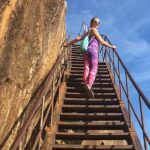
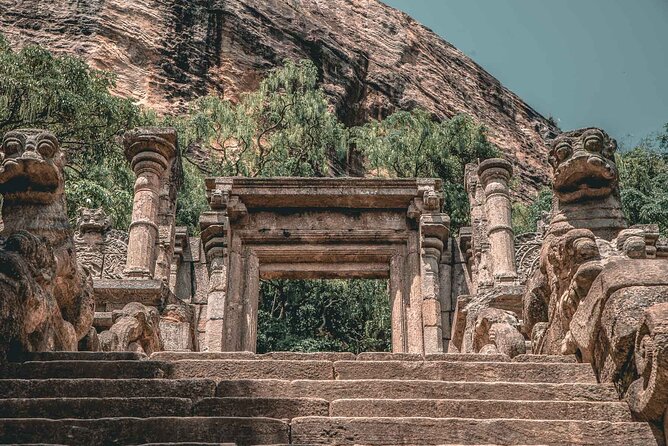
- Yapahuwa’s rock fortress climb is the physical highlight, with wide stairs and carved stone details.
- Not all site entry is included (Dambadeniya museum is free, other stops are not included).
- Packed-breakfast tip is real since your first drive is about two hours straight.
A 10-hour route that connects Dambadeniya, Yapahuwa, and Panduwasnuwara
This tour is built for people who want more than one photo stop. You’re covering three ancient kingdoms in the Northwestern Province, and the day has a clear thread: how Sri Lanka’s capitals shifted and how the Sacred Tooth Relic moved with royal power.
You’ll spend most of the time on the road early, then transition into “walk, climb, look closely.” That balance is part of the value. Colombo sightseeing is easy to come by; these sites take longer to reach, and the guide helps you get past the vague ruins and into what each place was trying to do.
If you’re the type who likes to understand why a site matters, this works well. If you just want relaxed pacing and lots of downtime, the schedule may feel tight.
You can also read our reviews of more tours and experiences in Colombo.
Price and what $85 really covers
The price is listed at $85 per person, and it’s a fair deal for a full-day, hotel-based pickup with a dedicated guide and air-conditioned transport. The key detail is what’s included versus what you pay separately:
- Included: hotel pickup/drop-off (Colombo hotels), transport in an air-conditioned vehicle, an English-speaking chauffeur guide, and one 1-liter water bottle per person.
- Not included: food and drinks, plus entrance fees for the sites where they apply.
Dambadeniya’s first stop includes free admission, which helps early in the day. But Yapahuwa and Panduwasnuwara have site-entry costs not included, so you’ll want to budget a bit extra. In practice, that means the ticket price covers the logistics and guiding, while you cover site entries and your own meals.
One more value point: the tour is private in the sense that it’s only for your group. That matters if you want your timing and questions handled without waiting around for other people’s pace.
Colombo at 6:00 am: the drive rhythm and your best prep move
The day starts at 6:00 am with pickup from your Colombo hotel. The first leg to Dambadeniya takes about two hours, so you start with a long stretch of road before you start exploring.
Here’s the practical tip that can make or break your comfort: bring a packed breakfast. The tour recommends it, and it makes sense. Food isn’t included, and you’ll be at your first site soon enough that you don’t want to be scrambling for breakfast along the way.
Wear shoes you trust. You’re not doing extreme hiking, but you’ll be moving through uneven ground, steps, and ruins, especially at Yapahuwa. A moderate fitness level is the right expectation.
Stop 1: Dambadeniya Ancient Kingdom Museum and the Tooth Relic connection
Your first destination is Dambadeniya Ancient Kingdom Museum, with about an hour on site. Admission is listed as free here, which is a nice start to the day.
What I like about this stop is how it frames Dambadeniya beyond “old stones.” The kingdom of Dambadeniya peaked in the mid-13th century, particularly under King Parakramabahu II. The tour also highlights his role as a peaceful ruler connected to Sinhalese literature, including the poetic works Kavisilumina and Visuddi Marga Sannasa. You get a sense that this capital wasn’t only about warfare and defense; it supported culture and learning too.
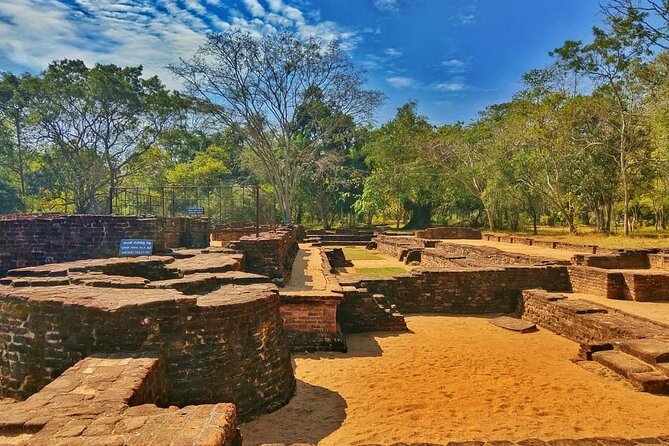
On the ground, you’ll see recently excavated remains connected to the Temple of the Tooth, where the Tooth Relic was housed previously. You’ll also walk among ruins from the royal palace complex, with gardens, walls, and moats still shaping the layout. Even if you’re not an archaeology nerd, you can understand the “why” quickly: walls and moats tell you where control mattered, while the garden and palace structure help you picture daily royal life.
Trade-off: the tour moves on quickly after this hour, so if you’re the type who could spend hours reading every panel, you’ll have less time here than the bigger national sites.
Stop 2: Yapahuwa Rock Fortress and the climb to the stupa ruins
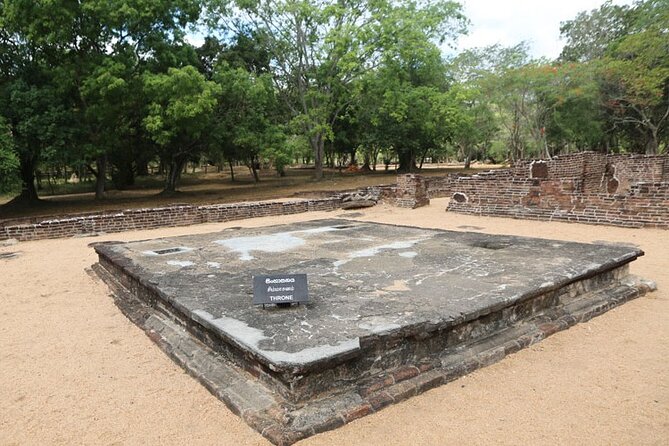
After Dambadeniya, the schedule shifts. You’ll leave for Yapahuwa at 9:00 am and reach around 10:30 am. The Yapahuwa visit is about two hours, and this is the stop that usually makes the day feel like more than a checklist.
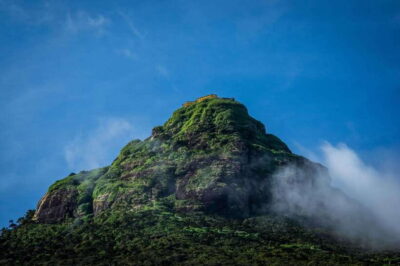
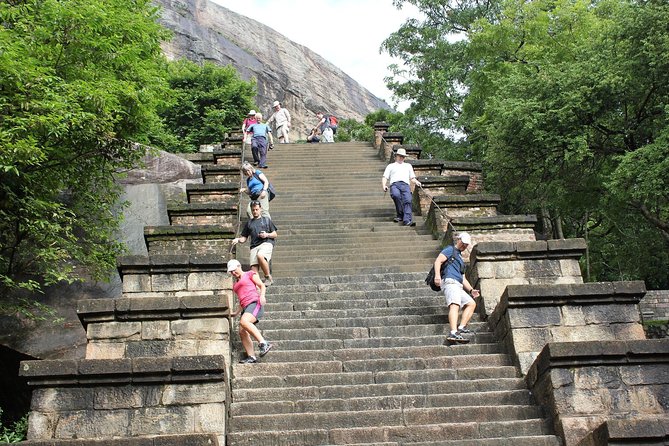
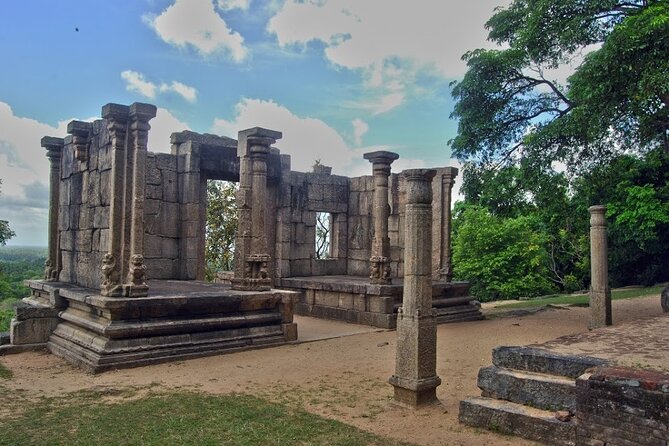
Yapahuwa was a capital right after Dambadeniya when the Dravidians invaded. The fortress is built on a giant rock, and the overall idea will remind you of Sigiriya’s rock-fortress concept. But the architecture is different. Instead of copying the same style, Yapahuwa is known for wide staircases, stone sculptures, and highly detailed carvings on pillars.
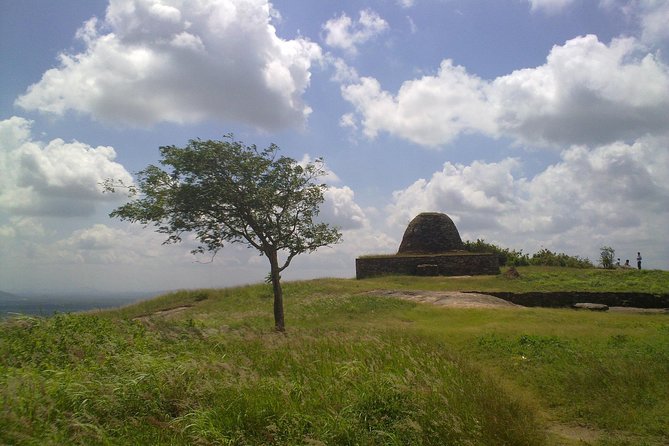
Then you get the Buddhist layer. The fortress was later used as a monastery by Buddhist monks. When you visit, you can climb up to the fortress area and look at the ruins of a stupa on the summit. The stupa has statues and imagery connected to the Kandyan era, which helps link the site to later Sri Lankan art traditions.
This is where your comfort matters most. You should expect steps and a climb. If you have knee issues or you hate heights, this is the part to think through. But if you’re okay with stairs and want views from up high, this stop is the highlight.
Also note: entrance fees here are not included, so factor that into your budget.

Stop 3: Panduwasnuwara Kingdom, Panda Wewa, and the “mix of periods” effect
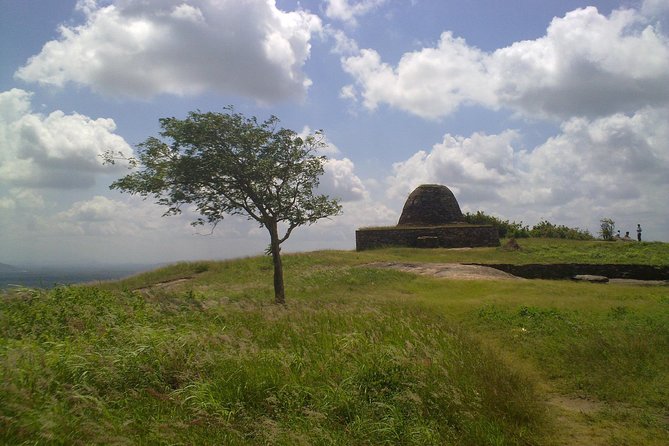
Next comes Panduwasnuwara Kingdom. The drive is up to about an hour and a half, so you’ll likely arrive with that half-tired, half-focused feeling that hits after a long morning.
Panduwasnuwara is described as one of the first kingdoms of Sri Lanka, with the capital role tied to the 5th century BC, and then later reuse in the 12th century. That time spread is why you’ll see a mix of ruins from different periods in one area.
The site spreads across almost 12 hectares, so you’re not dealing with a tiny stop. Yet the tour gives you about one hour here, so you’ll need to be strategic with your attention: focus on the key structures rather than trying to cover every inch.
Some of the standout things you’ll be able to see include:
- A recently restored two-storied former Temple of the Tooth
- Ruins of the royal palace
- Panda Wewa, an artificial reservoir and an early irrigation system
- A museum on the site (the tour includes a Pandu-focused museum visit)
What makes Panda Wewa especially interesting is how it shifts the story from power to planning. Fortresses and palaces show dominance. An irrigation reservoir shows long-term thinking—feeding people, supporting agriculture, and sustaining a kingdom beyond the throne.
Trade-off: since the site is large and your time is limited, you may not get the slow, full exploration you’d want if you were traveling independently.
Entrance fees for this stop are listed as not included, so again, budget for site entry.
Stop 4: The Yapahuwa citadel story in 30 minutes
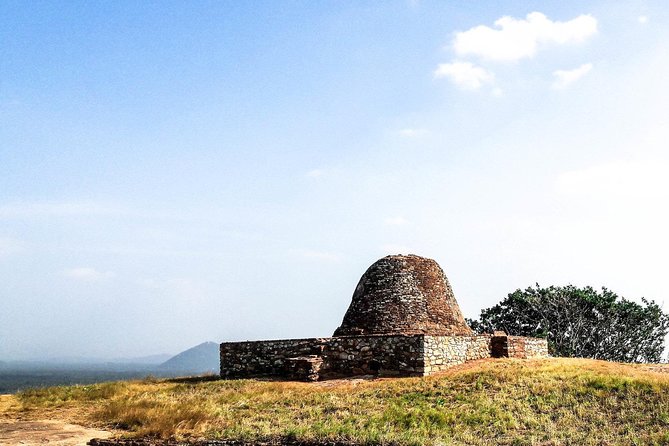
The day doesn’t end with Panduwasnuwara. You also have a shorter final stop: Yapahuwa Ancient Kingdom, lasting about 30 minutes.
This part matters because it tightens the political story. The citadel of Yapahuwa is said to lie midway between Kurunagala and Anuradhapura, built around a huge granite rock rising about 100 meters above the surrounding lowlands.
Then the tour connects this place to the Sacred Tooth Relic in a more direct sequence:
- In 1272, King Bhuvenakabahu transferred the capital from Polonnaruwa to Yapahuwa due to Dravidian invasions from South India, bringing the Sacred Tooth Relic with him.
- After Bhuvenakabahu died in 1284, the Pandyans of South India invaded again and succeeded in capturing the Sacred Tooth Relic.
- After that capture, Yapahuwa was largely abandoned and instead inhabited by Buddhist monks and religious ascetics.
You can feel the point of this stop: it turns the ruins into a timeline. Even in half an hour, you’ll leave understanding why Yapahuwa mattered and why it changed.
Entrance fees are not included for this stop either, so it’s another place where the “included ticket” isn’t the full cost picture.
What the guide and transport add (and why it matters on ruins days)
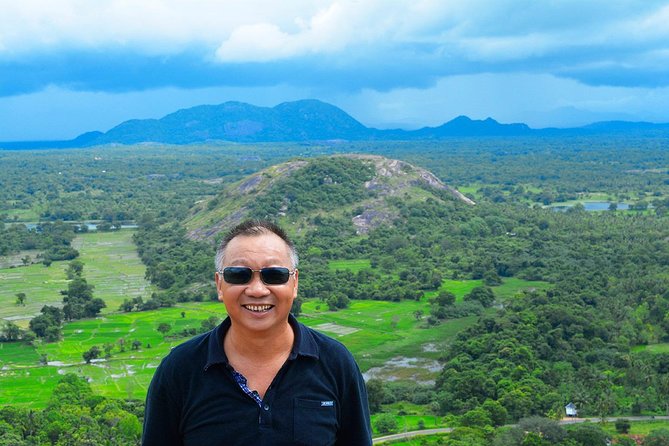
The tour is run with an English-speaking chauffeur guide and uses an air-conditioned vehicle for the drives between sites. That sounds basic, but it matters on a day like this.
Ruins can feel confusing if you don’t have guidance. A good guide helps you “read” the grounds: where the palace complex sat, why the stupa is where it is, what the reservoir meant for daily life. The provided reviews also point to strong care and responsiveness from the guide and operator, so the experience feels organized rather than rushed chaos.
One small included comfort: 1-liter water bottles per person. On a hot day, that’s not fancy, but it’s useful. And because food and drinks aren’t included, your own water plan matters too.
Food, timing, and realistic expectations for a full day
There are two practical realities to accept:
First, this is a tour where you’re mostly moving. You’ll have a long drive from Colombo to Dambadeniya, then additional travel legs between sites, then a climb at Yapahuwa, then a broad area at Panduwasnuwara.
Second, food isn’t included. That means your timing depends on what you bring for breakfast and how you plan meals later. The recommendation to bring a packed breakfast is there for a reason. If you don’t, you’ll likely spend extra energy searching for food at less convenient moments.
If you hate early starts, consider that a dealbreaker. If you love morning light, calm roads, and getting the day’s “big” sites out of the way, this route suits you.
Who this tour is best for
I’d point you toward this tour if you:
- Want to see multiple ancient capitals in one day from Colombo
- Like stories that connect monuments across time (especially the Tooth Relic theme)
- Are okay with a rock-fortress climb and uneven ruin terrain
- Prefer guided structure so you understand what you’re looking at, not just where to stand for photos
It’s less ideal if you want a slow pace, don’t handle stairs well, or prefer tours where all site entries and meals are wrapped into one price.
Should you book the Three Ancient Kingdoms Tour from Colombo?
If you’re excited by archaeology plus a political timeline, I think it’s a smart booking. The value comes from the hotel pickup/drop-off, air-conditioned transport, and guided context that helps you make sense of ruins. The route is also efficient: three major sites without the hassle of arranging drivers and permissions for each stop.
Just be honest about two trade-offs. You need an early morning, and you need to budget for entrance fees at Yapahuwa and Panduwasnuwara since they’re not included. Add your own snacks or plan meals, and you’re set.
If you want, tell me your travel dates and whether you’re traveling with anyone who has mobility limits, and I can help you judge whether the Yapahuwa climb fits your group.
FAQ
What time does the tour start?
The tour starts at 6:00 am with hotel pickup from Colombo.
How long is the tour?
It runs for about 10 hours.
Do I get hotel pickup and drop-off?
Yes. Hotel pickup and drop-off from Colombo hotels are included.
Is the transport air-conditioned?
Yes, you travel by an air-conditioned vehicle.
Is there an English-speaking guide?
Yes. The tour includes an English-speaking chauffeur guide.
Are entrance fees included for all stops?
No. Dambadeniya Ancient Kingdom Museum is listed as free admission, while Yapahuwa Rock Fortress, Panduwasnuwara Kingdom, and Yapahuwa Ancient Kingdom have entrance fees not included.
Is food included?
No. Food and drinks are not included. The tour recommends bringing a packed breakfast for the drive to Dambadeniya.
Will I have time to climb at Yapahuwa?
Yes. At Yapahuwa Rock Fortress, you can climb up to the fortress and view the stupa ruins on the summit.
Is this a private tour?
Yes. Only your group will participate.
What happens if the weather is bad?
This experience requires good weather. If it’s canceled due to poor weather, you’ll be offered a different date or a full refund.