
REVIEW · HAPUTALE
Tuk-Tuk Safari Liptons seat,Tea Fields Hike,TeaFactory Tour
Book on GetYourGuide →Operated by Sri Lanka Trekking Club · Bookable on GetYourGuide
One morning in Sri Lanka’s hill country can feel like a movie set. This tuk-tuk safari + tea trek + Dambatenne Tea Factory day trip is a smart mash-up of movement, views, and how your cup gets made.
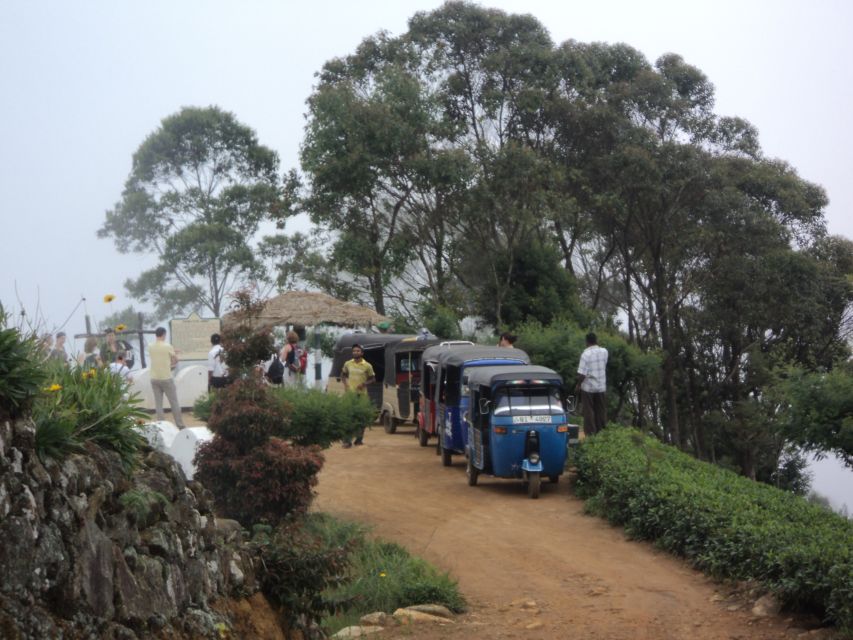
I love that it’s built around real countryside riding (not just sitting in a van), and I especially like the stop at Lipton Seat, where you’re up high enough to grasp the scale of tea-growing districts.
One thing to plan for: weather can turn the tea views moody and change what happens with the lunch break, so pack for rain and expect the schedule to be flexible.
In This Review
- Key points before you go
- Riding a tuk-tuk through Ella’s tea country
- Pickup, tuk-tuk timing, and how to stay comfortable
- Tea fields hike with a real “how it’s grown” perspective
- Lipton Seat: panoramas across 7 districts
- Picnic lunch in the hills: what to expect and how to handle rain
- Dambatenne Tea Factory: seeing black tea production step by step
- Why this combo works: hike first, factory last
- Price and logistics: does $60 feel worth it?
- Who should book (and who should think twice)
- Should you book the Tuk-Tuk safari, tea hike, and Dambatenne Factory day?
- FAQ
- How long is the Tuk-Tuk Safari, Tea Fields Hike, and Tea Factory tour?
- What does the tour price include?
- Where does the tour start and where does it end?
- Is there a guide, and what language do they speak?
- What tea-focused stops are included?
- Do I need to worry about rain ruining the plan?
Key points before you go
- Tuk-tuk safari from Ella with wind-in-your-face countryside roads and hill town passing through Bandarawela or Haputale
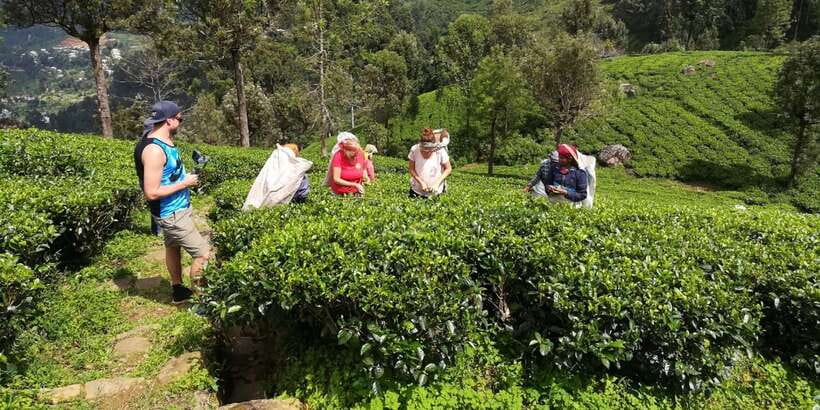
- Guided tea plantation hike on estate paths, paced for a day trip
- Lipton Seat viewpoint for wide panoramas across 7 districts (cloud cover can limit visibility)
- Picnic lunch included in the hills, with indoor backup if it rains
- Dambatenne Tea Factory visit, built in 1890 by Thomas Lipton, plus a step-by-step tea production tour
Riding a tuk-tuk through Ella’s tea country
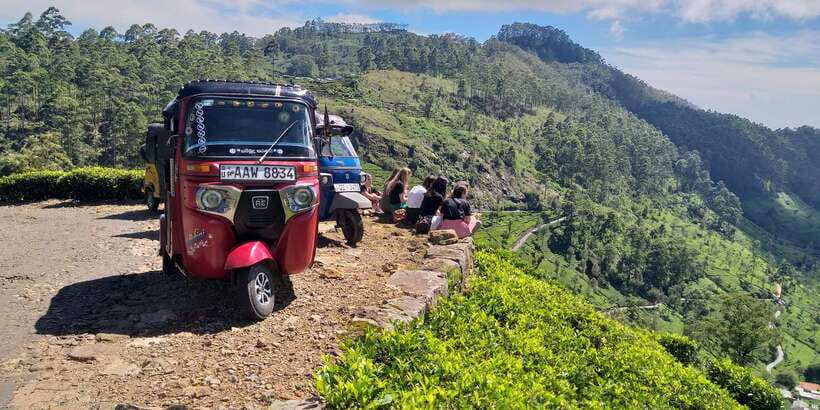
This day trip works because it does two things well: it gets you out of town fast, and it keeps you moving between the places that matter. You start in the Ella area and spend the day in the tea-growing country of Sri Lanka’s hills, with a drive-by feel that regular bus tours rarely manage.
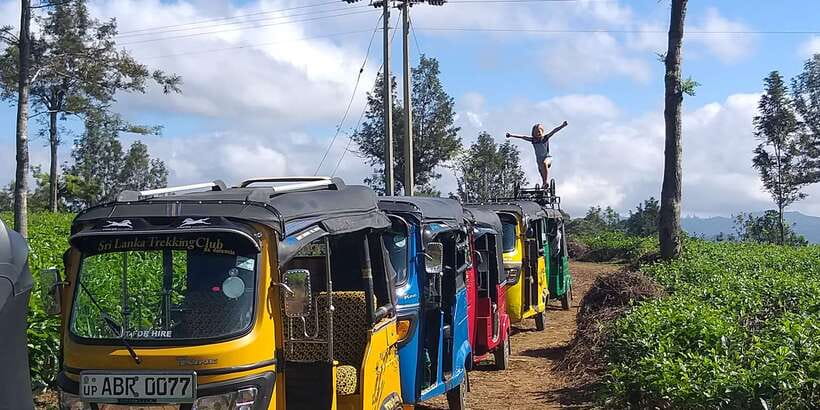
I like the tuk-tuk portion for a simple reason: the pace matches the scenery. You’re not rushing through everything, yet you’re not stuck at one spot waiting for photos. On a route that passes through places like Bandarawela or Haputale, you get a sense of how people live alongside the plantations, not just how the postcards look.
You’ll also appreciate the “all-in-one day” format. In about 7 hours, you cover a ride, a hike, a lunch, and a factory tour—without the hassle of piecing it together yourself. And because the guide is English-speaking, you’re not left guessing at what you’re seeing.
You can also read our reviews of more tours and experiences in Haputale.

Pickup, tuk-tuk timing, and how to stay comfortable
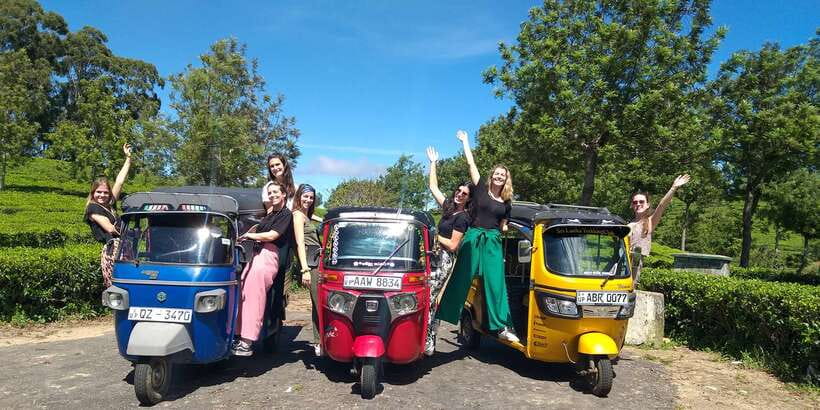
The tour includes hotel pickup, which matters here. Ella is a web of roads and viewpoints, and getting transport sorted is usually the hardest part of making a tea day happen smoothly. With pickup handled, you can focus on the fun part: watching the hills roll by.
The main practical thing to prepare for is the tuk-tuk ride itself. You’ll be out in open-air conditions with the wind moving through the ride—exactly the kind of comfort that’s great when the day is clear, and slightly less fun if you’re chilled by rain clouds. Pack smart for a mix of weather: a light rain layer, sun protection, and something you can wear during the hike without feeling overheated.
Also, keep your expectations realistic for the viewpoint. Lipton Seat is the headline stop, but it’s also the sort of place where visibility changes fast when clouds roll in. If you’re going on a grey day, your photos might not look like the sharpest marketing shots—still, the experience of being up there is worth it.
Tea fields hike with a real “how it’s grown” perspective

After the drive portion, the day shifts into walking mode: a guided hike through tea fields and estate paths. This is one of those activities that sounds simple until you’re actually in it. Tea estates aren’t just “green.” They’re structured like farms—rows, slopes, and managed growth—and seeing it from foot level helps the whole system click.
The hike also sets you up for the next stop. When you walk through tea plantations before heading to higher ground, the viewpoint feels connected rather than random. You’re not just looking at tea; you’re understanding why the terrain matters and how tea areas are shaped across the hills.
How hard the hike will feel isn’t spelled out in the basic info, so plan for a guided walk on estate paths and bring shoes that handle uneven ground. If you’re used to city sidewalks only, start slower at first and let the guide’s pace carry you.
Lipton Seat: panoramas across 7 districts
Next comes the classic hill-country payoff: the Lipton Seat viewpoint. The key detail here is the scale. From this spot, you can admire 7 districts at once, which gives you perspective on how much land goes into tea production in the area.
If the sky is clear, you’ll get big visual rewards—tea estates layered down the slopes, hill towns in the distance, and a strong sense of distance. If it’s cloudier, you might not see the “seven districts” in crisp detail, but you can still feel the geography and the way the tea-growing zones spread out.
This stop is also a good moment to slow down. A viewpoint break helps you reset after the tuk-tuk ride and before lunch, and it’s one more way the day avoids being just a checklist. It has a “pause” built into it.
Picnic lunch in the hills: what to expect and how to handle rain
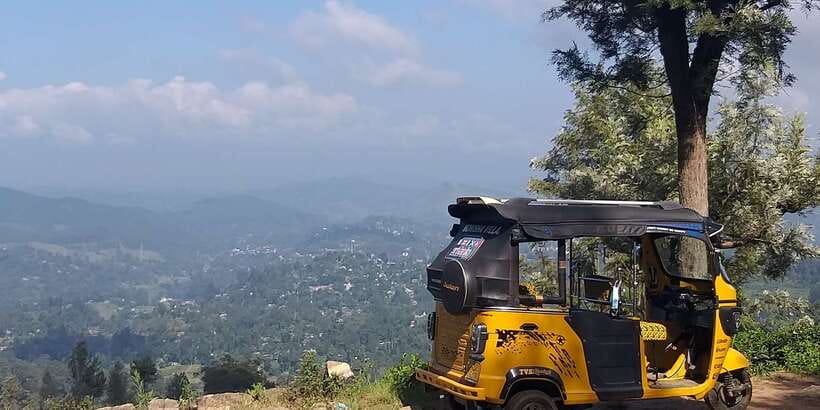
Lunch is included, and it’s not an afterthought. The tour builds in time to sit down and eat outdoors in the countryside when conditions allow.
A realistic tip: in heavy rain, the picnic may need to shift indoors. One group described being moved quickly to a small covered place so they could eat calmly. That’s the kind of practical adjustment you want from a guide—because nobody enjoys eating cold food in soaking weather.
What does the picnic typically look like? One description from a recent ride included a spread like sandwiches, bananas, mango, some cake, and water. The exact mix may vary, but the takeaway is consistent: it’s a simple, portable lunch designed for a day out in the tea hills, not a fancy multi-course meal.
Bring a small towel or tissue if you want to wipe hands before eating, and keep your phone protected if the weather shifts. When you’re walking and riding all day, you’ll use small conveniences more than you expect.
Dambatenne Tea Factory: seeing black tea production step by step
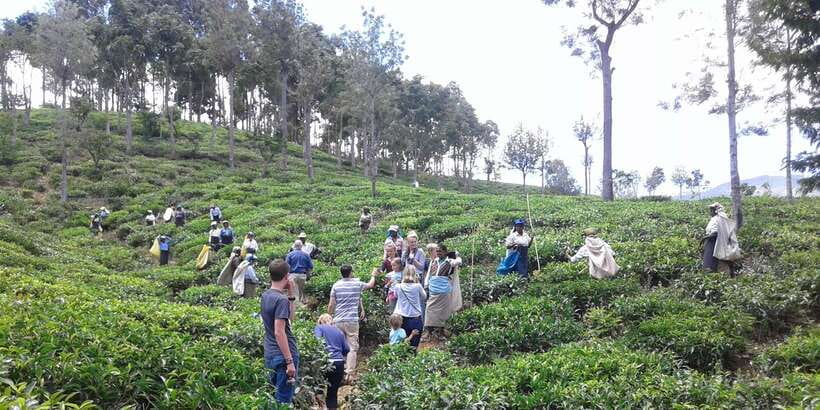
The final main act is the Dambatenne Tea Factory. It’s a big-name stop for a reason: the factory was built in 1890 by Thomas Lipton, and it’s described as the largest tea factory in the country. That’s important because it means you’re not just touring a small workshop—you’re seeing tea production at a scale that affects what ends up in supermarkets worldwide.
You’re also going for a specific reason: to understand how green tea leaves become black tea. The tour walks you through the key production stages, including fermentation, rolling, drying, cutting, grinding, sieving, and grading.
Here’s how I’d think about those steps while you’re there:
- Fermentation and rolling are where tea’s transformation really takes shape. The guide’s explanations usually make it easier to understand why tea tastes like tea, not just like leaves steeped in hot water.
- Drying, cutting, and grinding are about turning processed leaves into the right particle size for brewing.
- Sieving and grading are quality control. You’ll start to see how consistent flavors come from consistent standards, even when the raw leaf depends on harvest conditions.
In practical terms, the best part of a factory tour is seeing that the cup isn’t magic. It’s work—timed, measured, and repeated. If you’ve ever wondered why Ceylon tea has a distinct style, this stop gives you the practical chain of steps behind it.
And yes, this visit is tied to Lipton Ceylonta black tea, so you can make a direct line from the plantation hike you just did to the branded tea you might recognize at home.
Why this combo works: hike first, factory last
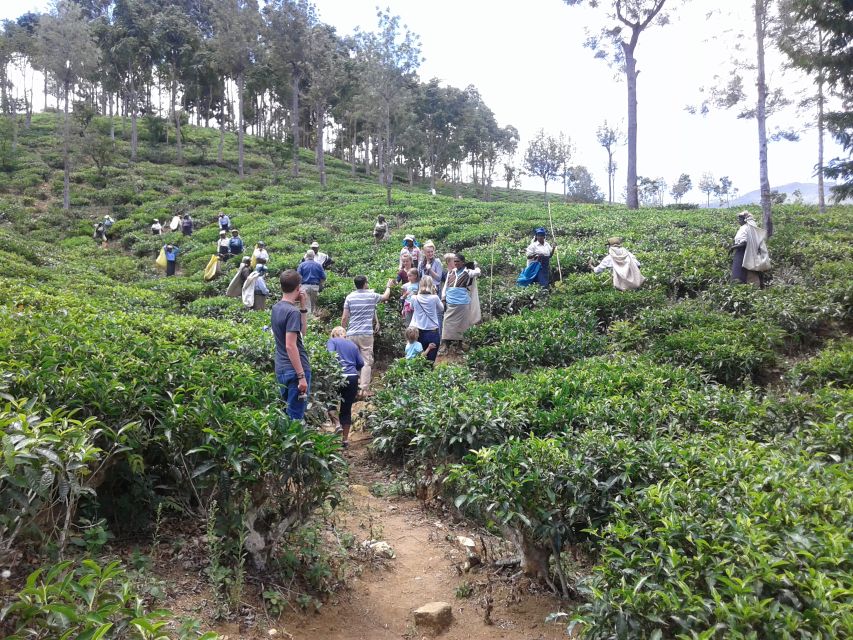
A lot of tea tours do one thing: either they focus on scenery or they focus on manufacturing. This one is better because it pairs both in the right order.
When you hike through the tea estates first, you get the context of where the leaf comes from—terrain, rows, and the way plantations stretch across slopes. Then, when you reach the factory, the production steps don’t feel abstract. They connect to what you just walked past.
The day also balances sensory inputs:
- Tuk-tuk ride gives you speed and viewpoints.
- The hike gives you texture and scale at ground level.
- The picnic gives you a human pause.
- The factory tour gives you the explanation behind the tea.
That rhythm is what turns a “tour package” into a day you actually remember.
Price and logistics: does $60 feel worth it?
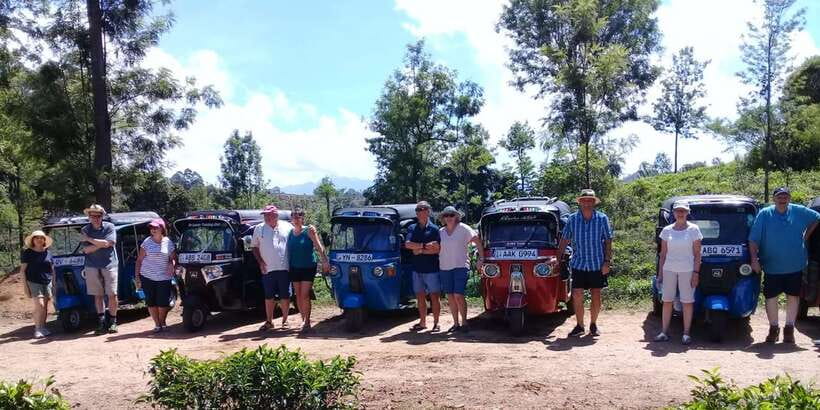
At $60 per person for about 7 hours, the value depends on two things: what’s included and how much effort you’d save doing it alone.
What you’re getting for the price:
- Hotel pickup
- Tuk-tuk safari
- Tea plantation hike
- Picnic lunch
- Tea factory visit
- Entrance fees
That’s a lot of the “hard parts” bundled in. For a tea day that includes transportation, guide interpretation in English, and admission into a factory experience, $60 is not bad—especially in a place where self-planning can quickly turn into multiple hires and lost time.
One logistics detail to note: hotel drop-off isn’t listed as included. Still, the day ends in Haputale, so you’ll need to plan your next step based on where you’re staying. If you want to be extra sure, ask the guide how they handle the end of the day for your exact lodging area.
I’d also budget a little mental flexibility. Day trips that move through rural areas can’t control every cloud or road condition, and this route has enough stops that small changes can matter.
Who should book (and who should think twice)
This is a great match if you want:
- A fun transport style (tuk-tuk) rather than just a car ride
- A day that combines outdoor time with a practical factory tour
- Tea curiosity, not just tea photo ops
It may be less ideal if you hate walking at all or if you’re only interested in “factory indoors.” The itinerary includes an actual hike and multiple outdoor segments, so you’ll want to be comfortable spending time outside.
Should you book the Tuk-Tuk safari, tea hike, and Dambatenne Factory day?
I’d book it if you want a single, well-rounded day that connects the tea plant to the finished product. The Lipton Seat viewpoint plus the Dambatenne Tea Factory tour is a clean pairing, and the included picnic makes it feel like a real day out rather than a rushed stop-and-go.
I’d hesitate only if your priority is a relaxed, fully indoor experience. This day has fresh air, walking on estate paths, and open-air ride time. Pack for rain, bring comfortable shoes, and you’ll be set.
If the weather is questionable, that’s still okay. A good guide adjusts—one group described getting lunch moved to a covered place when it rained hard. Your best move is simple: show up ready for clouds, and you’ll still come away with real tea knowledge and a strong sense of the hills.
FAQ
How long is the Tuk-Tuk Safari, Tea Fields Hike, and Tea Factory tour?
It runs for about 7 hours.
What does the tour price include?
Hotel pickup, tuk-tuk safari, picnic lunch, entrance fees, a tea plantation hike, and the tea factory visit.
Where does the tour start and where does it end?
You’re picked up from your accommodation in Ella, and the tour finishes in Haputale. Hotel drop-off is not included.
Is there a guide, and what language do they speak?
Yes, there is a live tour guide, and the tour is offered in English.
What tea-focused stops are included?
You’ll visit the Lipton Seat viewpoint during the hike portion and tour the Dambatenne Tea Factory, which focuses on producing Lipton Ceylonta black tea.
Do I need to worry about rain ruining the plan?
Rain can affect outdoor plans. The tour info doesn’t guarantee conditions, but it’s wise to pack for rain since the day includes outdoor riding and a hike.

![From Kandy: Nuwara Eliya Tour via Ambuluwawa [Private Tour] - Ambuluwawa Tower and the 360 View Over the Hills](https://tour.ceylontravel.net/wp-content/uploads/from-kandy-nuwara-eliya-tour-via-ambuluwawa-private-tour-400x211.jpg)