REVIEW · ELLA SRI LANKA
Ella: Yala Safari with Drop at Tangalle/ Hiriketiya/ Mirissa
Book on GetYourGuide →Operated by Wanderluxe Ceylon · Bookable on GetYourGuide
Leopards are the star, but the ride matters too. This Ella-to-Yala safari pairs 4×4 jeep wildlife viewing with a relaxed coastal drop-off, so your day goes from national park drama to south-coast breathing room. You also get a guide in English to help you read the park, not just chase animals.
What I like most is the mix of comfort and access. You travel in an air-conditioned car, then switch into a small-group safari jeep (up to 6 passengers), which makes it easier to spot movement without feeling jammed in.
One thing to consider up front: wildlife viewing is luck-based. Even with experienced drivers trying their best, you might see everything except the big cat you hoped for.
In This Review
- Key Things I’d Plan Around
- Ella to Yala: The Long Drive You’ll Actually Enjoy
- Getting Into Yala: Sunrise, Sunset, and Guided Spotting
- Wildlife Targets You Should Expect (and the Ones You’ll Hope For)
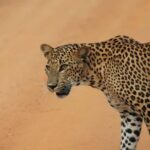
- Leopards: The Main Event
- Elephants: The Reliable Drama
- Sloth Bears and Deer: The Smaller Wins Add Up
- Crocodiles: The Park’s Hidden Motion
- Birds: The Constant Background Show
- Jeep Comfort and Animal Respect: How the Tour Works in the Real World
- The Arrival Rhythm: Photos, Toilet Stops, and Food Reality
- Coastal Drop-Off After Yala: Turning Sightings Into Beach Time
- Price and Entrance Fees: The Budget Math You Should Do
- Who This Safari Suits Best (and Who Should Skip It)
- Should You Book the Ella–Yala–Coast Safari?
- FAQ
- What’s the duration of the Ella to Yala safari with coastal drop?
- Where do pickups happen?
- Where can I get dropped off after the safari?
- What kind of vehicle is used for the safari?
- How many passengers are allowed in each jeep?
- Is the national park entrance ticket included?
- Is food included in the price?
- Is there an English-speaking guide?
- Is this tour suitable for everyone?
Key Things I’d Plan Around
- Small-group 4×4 jeeps (max 6 passengers) make spotting easier and keep the experience calmer
- English-speaking guide helps you understand what you’re actually looking at in Yala
- Leopard country: Yala is known for a high leopard density, so chances are strong
- Elephants, sloth bears, crocodiles, and lots of birds are realistic targets
- Long day rhythm (9–16 hours): plan for driving time, not just safari time
- Entrance ticket is extra: you’ll need to budget for the park fee and bring ID
Ella to Yala: The Long Drive You’ll Actually Enjoy
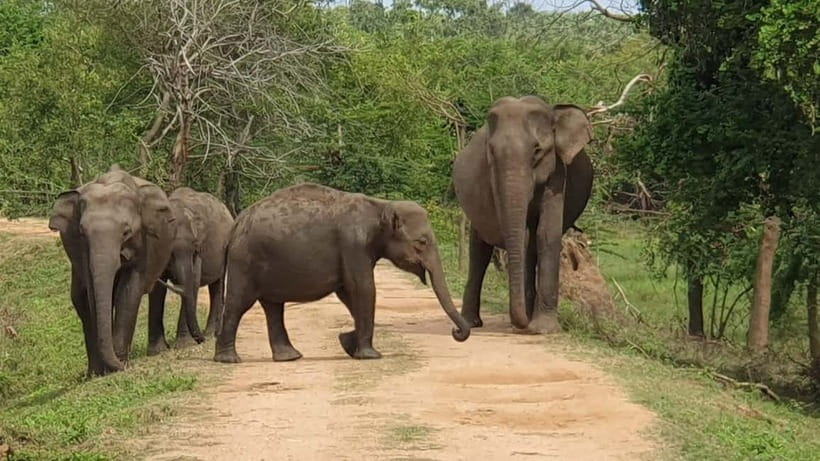
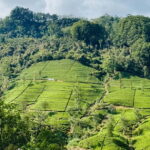
Starting in Ella gives this tour a built-in sense of scenery. Ella sits in green hills with wide views, and the drive south to Yala is part of the day’s payoff. You’ll be picked up from your accommodation in one of the listed towns (including Ella, Weligama, Mirissa, Tangalle, Galle, Hikkaduwa, and more), then head toward Kotapola and Yala National Park.
Travel time matters here. The total duration runs 9 to 16 hours, depending on your pickup and drop-off options and the safari timing you choose. That means you should think of this as a full-day road trip first, and a wildlife outing second. The upside: you’re not stuck in one place all day. You’ll end with a transfer to the coast—Mirissa, Galle, or Hikkaduwa—so the day doesn’t end with you back in the same chair in Ella.
You can also read our reviews of more tours and experiences in Ella Sri Lanka

Getting Into Yala: Sunrise, Sunset, and Guided Spotting
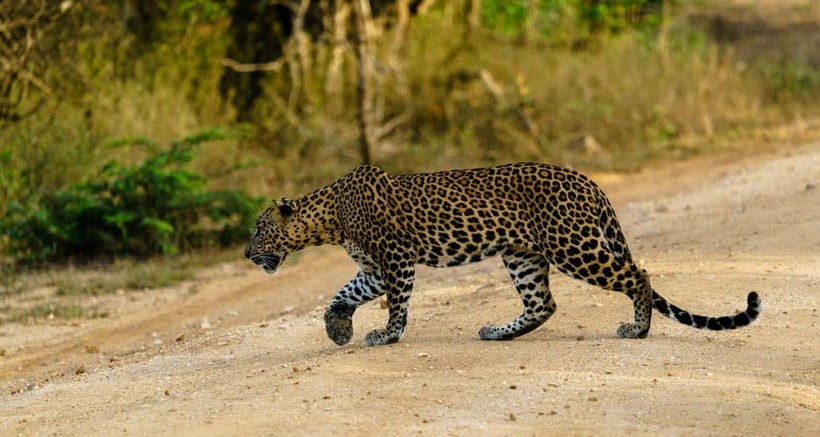
Once you’re in Yala, the safari structure is built for viewing. You get a guided tour plus time for photo stops and some free time/self-guided sightseeing, with sunrise and sunset timing referenced in the day flow. That timing piece is important because animal behavior shifts through the day. Early light can make animals more active and also makes spotting easier in open areas.
The guide is the difference between seeing “a lot of stuff” and actually understanding it. You’re not just driving around hoping for miracles. The guide helps you watch patiently and read the park. That’s especially helpful in Yala, where different habitats—forest patches, scrub, and open grassland—can all produce different sightings.
Also, yes, other jeeps will be out. That’s normal leopard country behavior. When there’s a sighting, the area can get busy fast. The best way to enjoy that moment is to stay calm, keep your eyes up, and let your driver work the area safely.
Wildlife Targets You Should Expect (and the Ones You’ll Hope For)
Yala is famous for predators, but this tour is really designed around multiple target animals, not just one. Here’s what you should expect to look for, based on the tour’s focus and how the day plays out:
Leopards: The Main Event
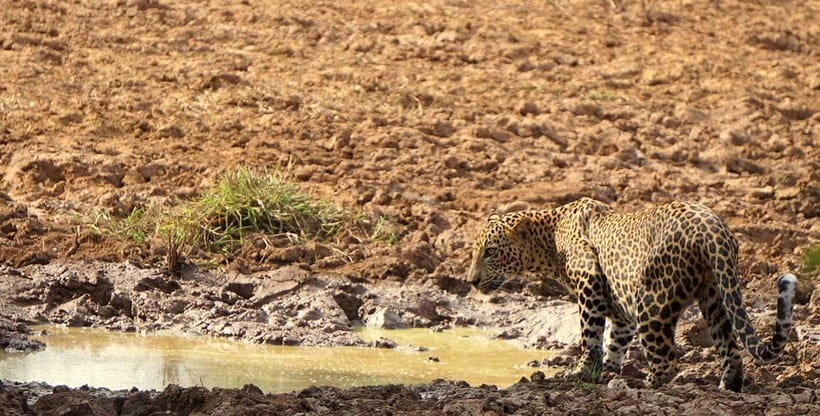
The big question is always leopards. The park’s reputation for a high leopard density is one reason Yala attracts so many safari fans. You’ll spend time looking, and your guides and drivers will try to position you for sightings.
Still, don’t build your day around one species. You can have the perfect jeep, the right driver style, and still not see a leopard. This is wildlife. I’d treat leopard time as a strong chance, not a promise.
Elephants: The Reliable Drama
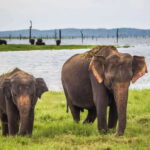
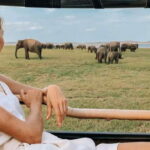
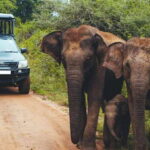
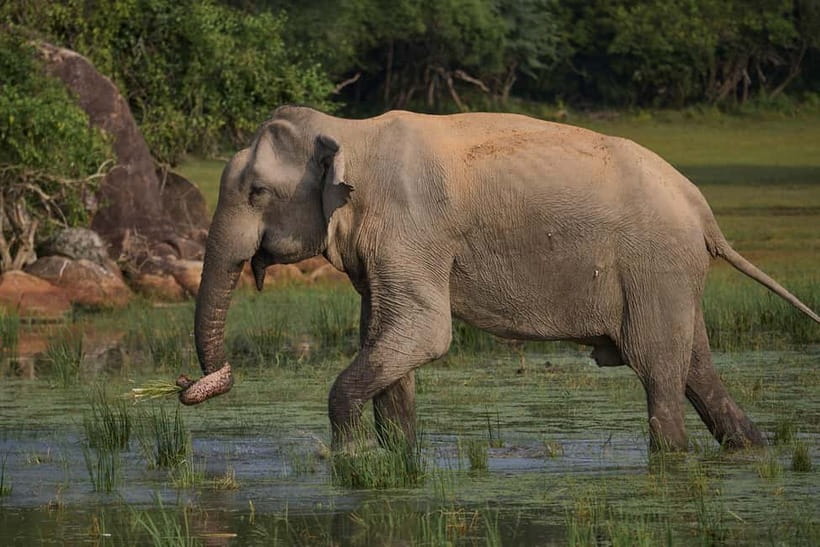
Elephants tend to show up more consistently than cats, and that’s a big part of why people love Yala safaris. You’ll have opportunities to see elephants at close range in many cases, and they also act like moving signposts for where the action is.
I like elephants on safari because they give you scale. When they walk through a scene, everything looks different—birds, crocodiles, and even people watching from far off.
Sloth Bears and Deer: The Smaller Wins Add Up
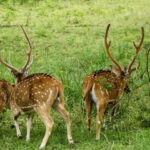
This safari is also aimed at sloth bears and deer. Those sightings can be brief, but they’re often memorable because they feel less predictable than elephants.
When you’re chasing larger animals, you can miss the “quiet” wildlife. Having a guide who keeps an eye on movement makes those smaller moments more likely.
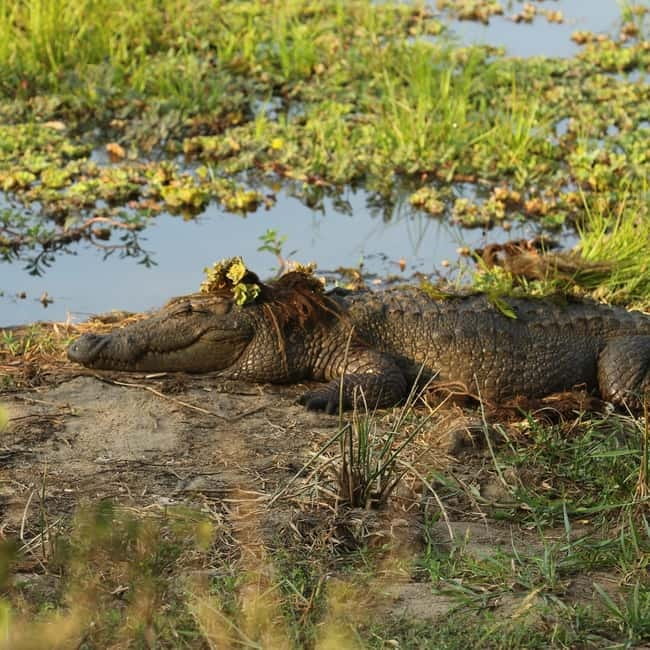
Crocodiles: The Park’s Hidden Motion
Yala has crocodiles, and this is one of those “look down and left” moments. If you see water edges, lagoons, or slow-moving water areas, stay ready. Crocodiles can appear suddenly, and once you spot one, you’ll start noticing others.
Birds: The Constant Background Show
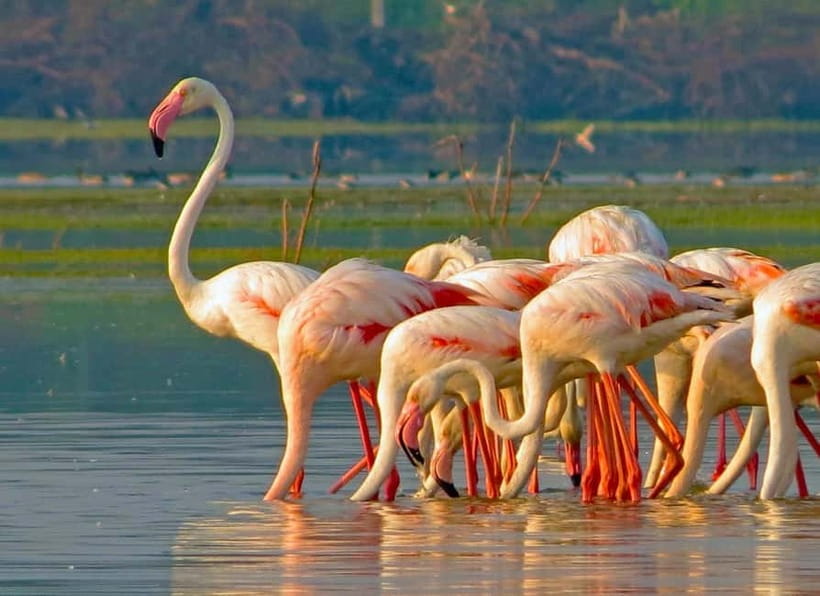
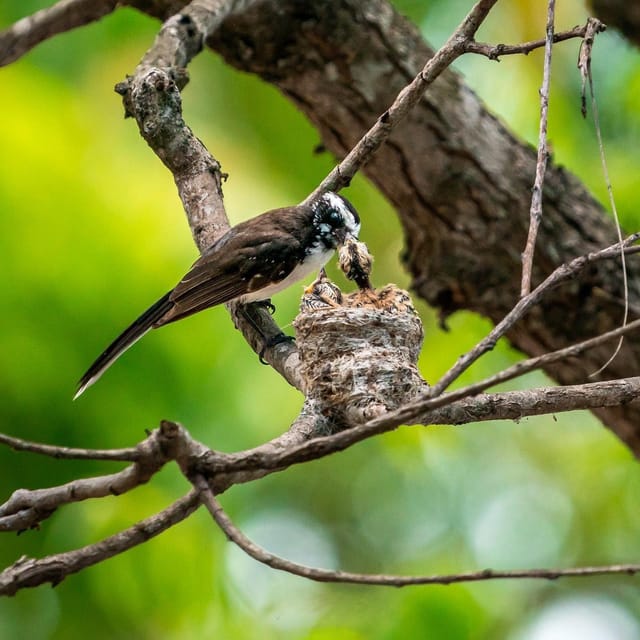
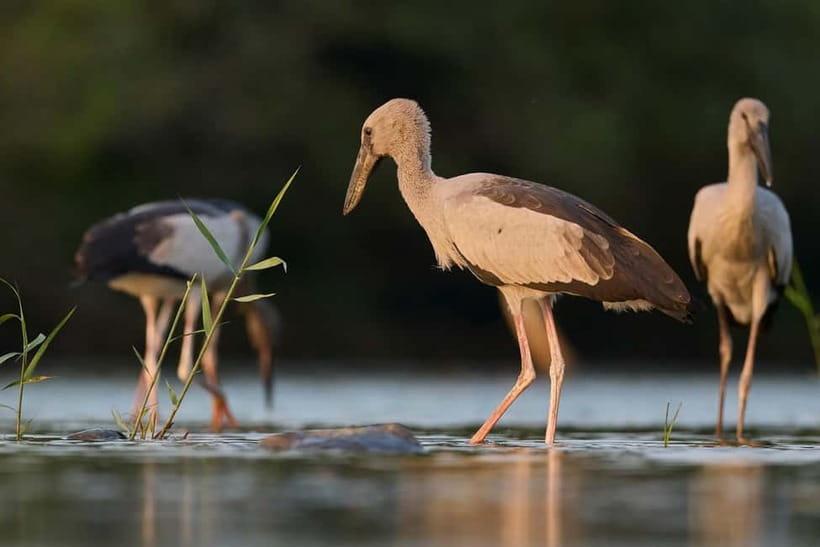
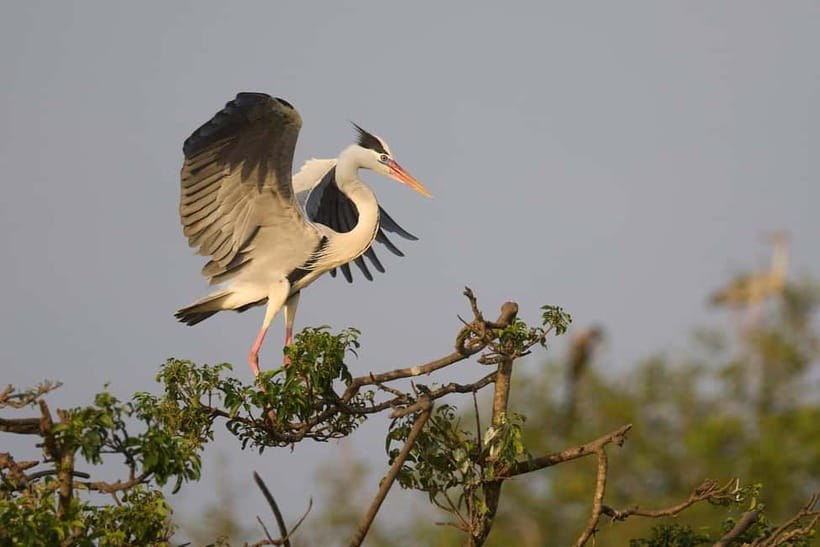
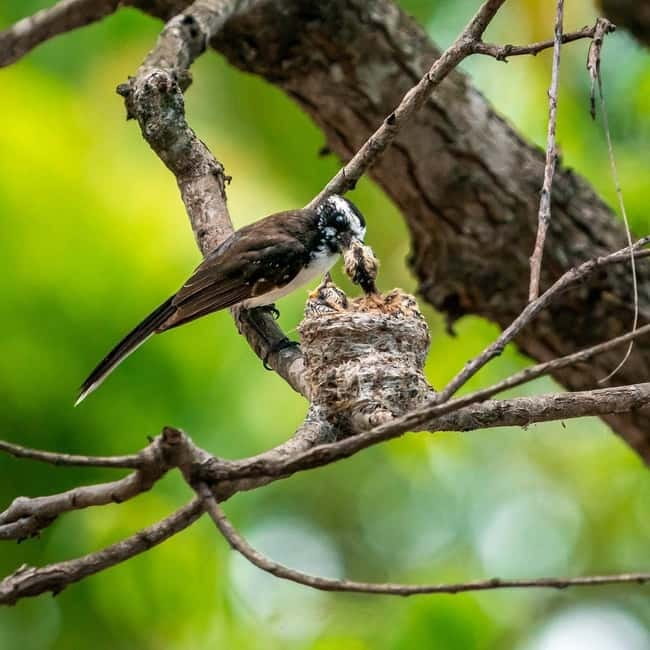
Birds aren’t an afterthought here. Expect plenty of bird activity, especially around open areas and near water. Even when big mammals are quiet, birds keep the safari from feeling slow.
In fact, bird spotting can be the best backup plan for those hours when everyone is waiting for a larger animal to appear.
Jeep Comfort and Animal Respect: How the Tour Works in the Real World
This tour’s quality shows in how it moves you and how it handles sightings. You’ll ride in a spacious 4×4 safari jeep and then in an air-conditioned car for the transfers. The small-group limit—max 6 passengers—matters because it reduces the chaos around you. Less squeezing means better viewing.
You’ll also feel the difference in driver style. In the experiences shared, drivers came across as careful behind the wheel, respectful with wildlife, and focused on getting good angles without crowding animals. When leopard sightings happen, the area can get tense. A calm driver makes the whole thing easier to enjoy.
One practical reality: safari roads can be rough. One account described a jeep getting stuck in mud. That doesn’t mean the tour is unsafe; it’s a reminder that you’re in a national park with challenging terrain. If you’re the kind of person who hates bumps, take that into account.
The Arrival Rhythm: Photos, Toilet Stops, and Food Reality
The day has checkpoints designed for staying comfortable, not just chasing animals. In at least some departures, there’s a short stop for WC and drinks after arriving for the park portion, which is a smart move for a long day.
But food is where you’ll need to be self-sufficient. Food & drink are not included, and your safari day is long enough that you should bring a plan. Even if you don’t bring a full picnic, at least carry snacks and water you can handle during the transfer and waiting time.
Also, you’re asked to bring passport or an ID card, which is simple but easy to forget when you’re packing for “just a safari.”
Coastal Drop-Off After Yala: Turning Sightings Into Beach Time
This is one of the tour’s smartest pieces of value. After the safari, you’re not stuck in the park area all day. You’re transferred onward to a coastal destination, typically Mirissa, Galle, or Hikkaduwa, with other pickup/drop options listed too (including Tangalle and Hiriketiya).
Why this matters: it turns wildlife viewing into a complete day rather than a separate detour. You can do your sightings, then spend the evening with sea air, dinner plans, and a slower pace.
If you’re staying in the south coast, this saves you time and hassle. You’re paying for transport convenience plus the safari experience, which is why the overall value depends on whether you’re already prepared to handle long-distance logistics yourself.
Price and Entrance Fees: The Budget Math You Should Do
On the surface, the listed price can look very low. But here’s the key point: the Yala National Park entrance ticket is not included, and it’s listed as LKR 13,000 per person.
So the real “what you pay” has at least two parts:
- Tour price (transport + safari jeep + guide/driver + toll charges)
- Park entrance ticket (paid separately)
Food & drink are also not included, so you’ll need to budget for snacks.
A practical way to think about value: you’re paying for (1) door-to-door pickup and drop, (2) air-conditioned road comfort, (3) a guided safari inside Yala, and (4) a 4×4 jeep for wildlife terrain. If you were to hire a driver plus a jeep plus guide support on your own, you’d likely end up with higher total costs and more uncertainty about the handoff between Ella and the park.
That said, you should double-check the final total before you book. A cheap tour ticket that becomes a bigger number after entrance fees is still normal in Sri Lanka, but it’s better to be ready than surprised.
Who This Safari Suits Best (and Who Should Skip It)
This tour fits best if you want a guided Yala safari without having to coordinate multiple separate transport pieces.
You’ll probably enjoy it if:
- You want to travel in comfort during the long day
- You’re okay with lots of driving time
- You want a guide to help you spot and interpret wildlife
- You’re continuing to the south coast afterward
It’s specifically noted as not suitable for pregnant women and people with back problems, which makes sense when you consider long transfers and safari jeep rides on rough roads.
If you’re someone who needs a very slow pace, bring patience. Yala is a waiting game as much as it is a hunting game.
Should You Book the Ella–Yala–Coast Safari?
If your goal is a single, well-packaged day that hits wildlife plus a coastal landing, I think this is a strong option. The best reason to book is the combination of safari time in Yala with the practical transport wraparound—pickup from your area and then drop-off where you actually want to relax afterward.
I’d book with two expectations set correctly:
1) You’ll see a lot of wildlife, but leopard sightings can’t be guaranteed.
2) Your final cost depends on the park entrance ticket plus what you eat and drink during a 9–16 hour day.
If you’re chasing the leopard dream, this is still one of the more sensible choices because Yala is built for that. If you’re more flexible about what you spot, you’ll likely have a great day anyway, because elephants, crocodiles, deer, sloth bears, and birds can make the safari feel full even when the big cat stays out of reach.
FAQ
What’s the duration of the Ella to Yala safari with coastal drop?
The tour runs 9 to 16 hours, depending on starting times and your pickup/drop-off locations.
Where do pickups happen?
Pickups are available from Ella, Weligama, Tissamaharama, Thanamalwila, Mirissa, Tangalle, Galle, Udawalawa, Matara, and Hikkaduwa (10 options listed).
Where can I get dropped off after the safari?
Drop-off locations include Tissamaharama, Weligama, Hikkaduwa, Galle, Mirissa, Tangalle, Thanamalwila, Udawalawa, Ella, and Matara (10 options listed).
What kind of vehicle is used for the safari?
You’ll use a 4×4 safari jeep for the Yala portion. For the road transfers, you travel in a luxury air-conditioned car.
How many passengers are allowed in each jeep?
The safari jeep is limited to a maximum of 6 passengers. For bookings of 6 passengers or more, you get a private safari jeep experience (still with a maximum of 6 passengers).
Is the national park entrance ticket included?
No. The Yala National Park entrance ticket is not included and is listed as LKR 13,000 per person.
Is food included in the price?
No. Food & drink are not included.
Is there an English-speaking guide?
Yes. There is a live tour guide in English.
Is this tour suitable for everyone?
It is marked as not suitable for pregnant women and people with back problems. Alcohol and drugs are not allowed.