REVIEW · ANURADHAPURA
All-Inclusive Minneriya National Park Afternoon Safari
Book on GetYourGuide →Operated by Beyond Escapes · Bookable on GetYourGuide
Jeep safari timing matters more than you think. This Minneriya National Park afternoon safari is built around a tight 3-hour game drive where you’re actively scanning for Sri Lankan elephants and endemic monkeys like the Purple-faced Langur. I like how the schedule fits easily into a day in the North Central Province, and I also like that hotel pickup and return removes logistics stress. The main drawback to plan for is simple: wildlife sightings can be hit-or-miss depending on the day’s conditions, and you might even get routed to a different park if that’s where the animals are.
You’ll likely be in a private group with an English-speaking driver, plus water and refreshments during the drive—small comforts that matter when you’re watching for motion. Just know the experience is best if you’re okay with focusing on seeing more than checking off a checklist. If you’re going only for big-cat certainty, this is a chance-based safari, not a guaranteed viewing.
In This Review
- Key highlights worth planning around
- Where Minneriya fits on your Sri Lanka route (and why afternoon works)
- The pickup and return plan: no messing around with timings
- The 3-hour game drive: what you’ll see and how to watch
- Elephant time in Minneriya: your best odds (and your best photos)
- The endemic primates: Purple-faced Langur and Toque Macaque
- Other wildlife chances: leopard, sloth bear, crocodiles, and pythons
- Jeep reality: comfort, driver style, and small surprises
- Price and value: is $95 per person fair?
- What to pack and what to avoid
- Should you book an afternoon Minneriya safari?
- FAQ
- How long is the Minneriya National Park afternoon safari?
- What’s the price per person, and is it private?
- Where are the pickup and drop-off locations?
- What wildlife are you hoping to spot?
- What’s included in the price?
- What should I bring, and what’s not allowed?
Key highlights worth planning around
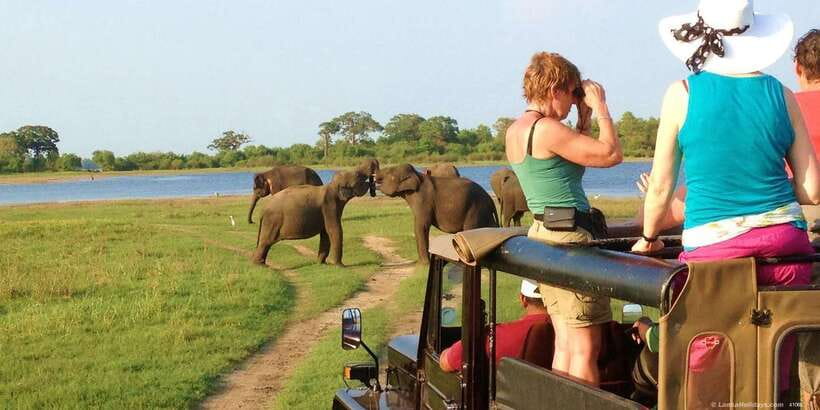
- Sri Lankan elephant herds at close range during an afternoon game drive
- Purple-faced Langur and Toque Macaque sightings (both endemic)
- Three-hour spotlight time inside Minneriya, with scenic riding before/after
- Chances for leopard, sloth bear, crocodiles, and pythons—not guaranteed, but possible
- Pickup and drop-off from Polonnaruwa, Giritale, and nearby towns like Sigiriya and Dambulla
- Water + refreshments included, so you’re not guessing what to pack
Where Minneriya fits on your Sri Lanka route (and why afternoon works)
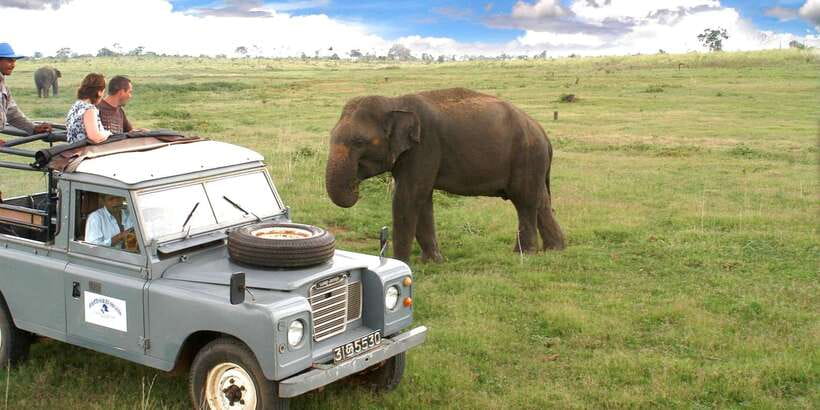
Minneriya National Park is in Sri Lanka’s North Central Province, and it’s known for bringing people to the same reason they come to any good safari: elephants that behave like elephants, not like zoo props. The park covers about 21,000 acres (8,889 hectares). That size matters, because it gives the animals room—and it affects how long you’ll spend searching before something “clicks.”
An afternoon safari has a practical advantage: you’re not rushing your morning plans, and you’re often using the cooler hours when animals may move more. The tour gives you a total of 4 hours from pickup to drop-off, with about 3 hours spent in the park area for the jeep drive. That structure is handy if you’re basing yourself around Polonnaruwa, Giritale, Sigiriya, or Dambulla, where you’ll have other sights to juggle.
Now for the reality check: safari success depends on the day. One booking report described a day when sightings were close to zero because animals shifted away from the park due to higher water levels. Another report noted the driver switched to Kaudulla instead of Minneriya, and the elephant viewing was excellent. Translation: keep expectations flexible, and your chances of being happy go way up.
You can also read our reviews of more tours and experiences in Anuradhapura
The pickup and return plan: no messing around with timings
This is a tour where logistics are actually thoughtful. You’re picked up from centrally located options including Polonnaruwa, Girithale, Sigiriya, Dambulla, and Habarana. That matters because getting to wildlife country can eat your time fast if you’re figuring it out yourself. You confirm pickup when you reserve, and the pickup time shifts depending on which town you’re starting from.
The drop-off mirrors the pickup towns, so after your drive you’re not stranded in the middle of nowhere staring at your phone battery. You return to your accommodation area the same day. That’s especially valuable if you’re doing the usual Cultural Triangle circuit (Sigiriya rock, Polonnaruwa ruins, Dambulla cave temple) and you don’t want your safari to turn into a travel day.
One more practical point: the tour uses an English-speaking driver, and it’s a private group. In real terms, that means you’re not sharing your jeep with strangers who might bring the energy down. You’ll have less pressure to “perform” socially, and you can focus on scanning the bush and open areas.
The 3-hour game drive: what you’ll see and how to watch
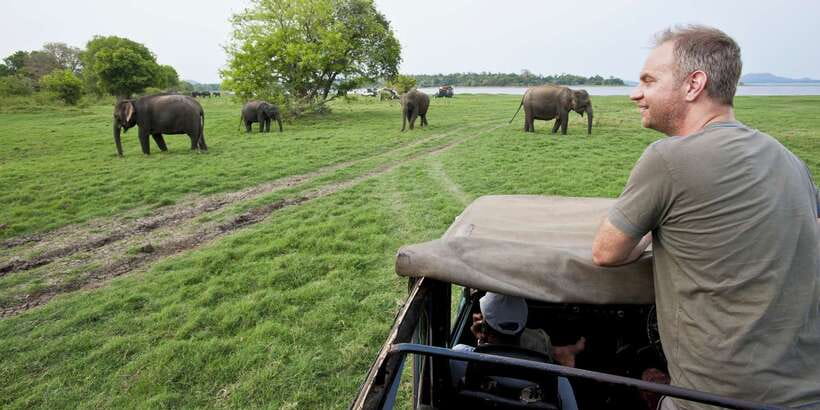
Here’s the core of the experience: you roll into the park, settle into your seat, and spend about 3 hours searching for movement and patterns. The route typically includes sightseeing/scenic views on the way, then the game drive time where the driver looks for animal activity.
What I like about this format is that it gives you enough time to learn the rhythm:
- First, you watch for the quiet tells—tracks, shadows moving behind trees, calls.
- Then you look for the big “visual anchors,” like elephant silhouettes in open grass or along water channels.
- Finally, you try to spot smaller shapes for the endemic primates, which can be easier to miss when you’re laser-focused on elephants.
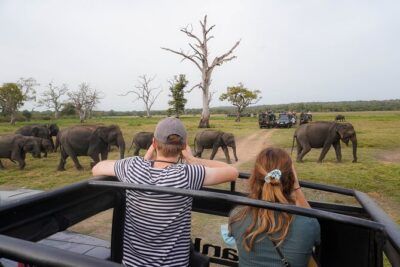
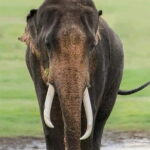
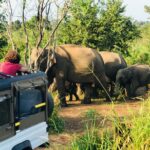
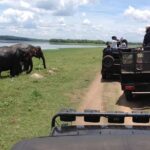
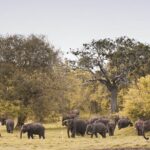
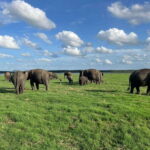
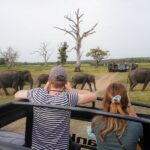
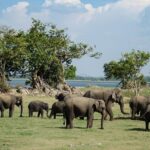
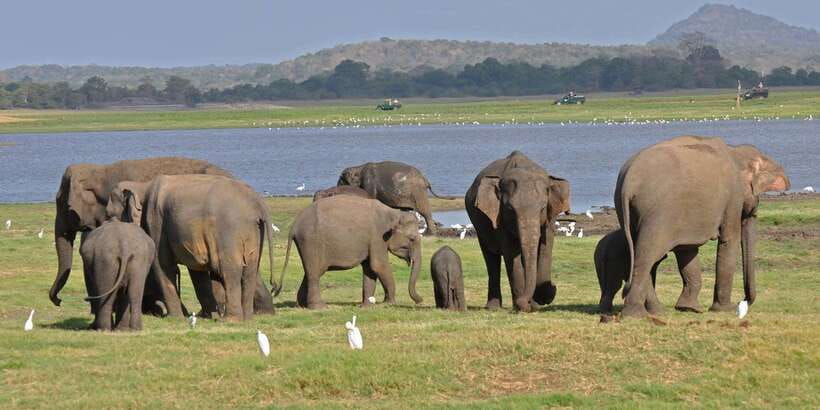
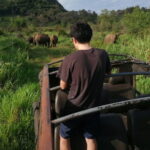
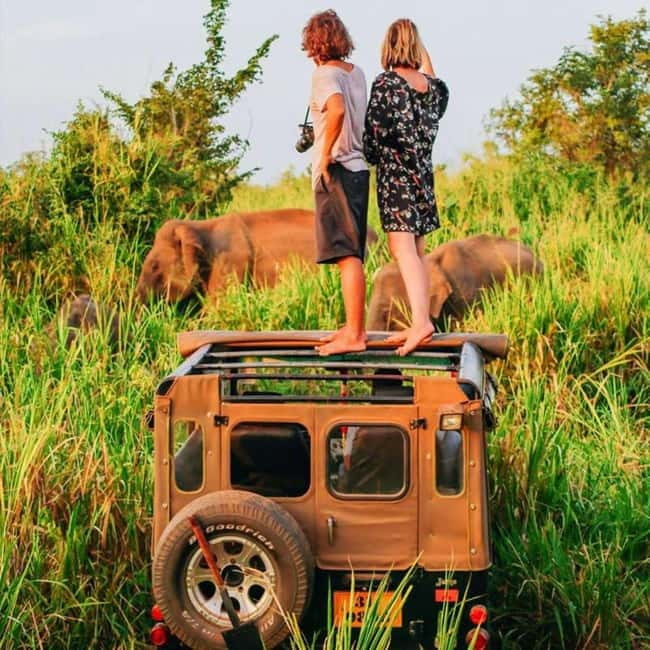
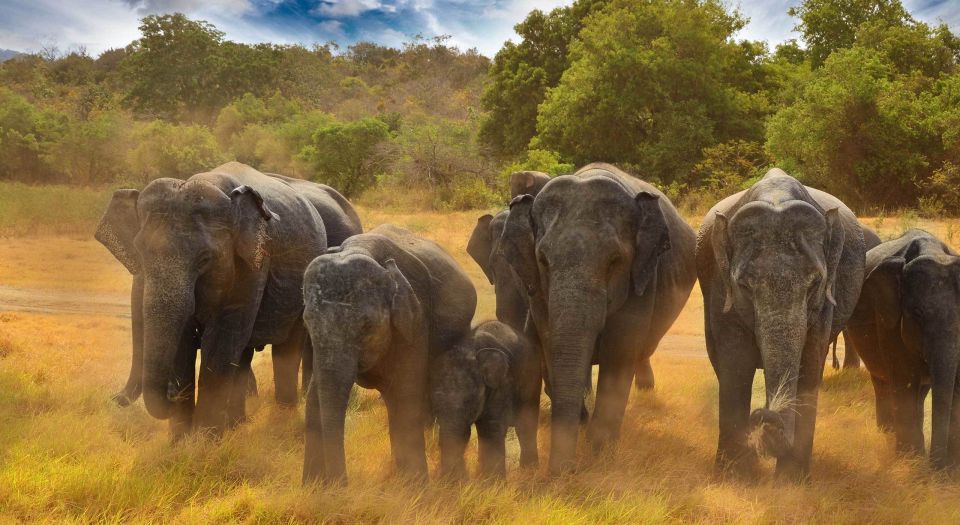
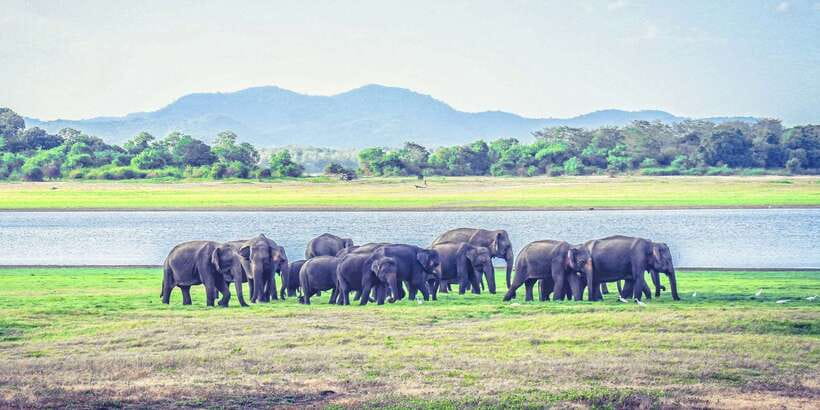
You’re specifically in elephant country, so expect the park to deliver that main storyline: large herds of wild Sri Lankan elephants. Even when the herd size varies, elephants usually give you multiple “events” rather than a single flash. That can mean one group crossing, another feeding, and a few calves doing their own thing.
And while you can’t control sightings, you can control how you prepare to notice. Bring a camera you’re comfortable using one-handed (because your other hand will be doing the constant focus adjustment). Sunglasses and a sun hat are real necessities here, not accessories.
Elephant time in Minneriya: your best odds (and your best photos)
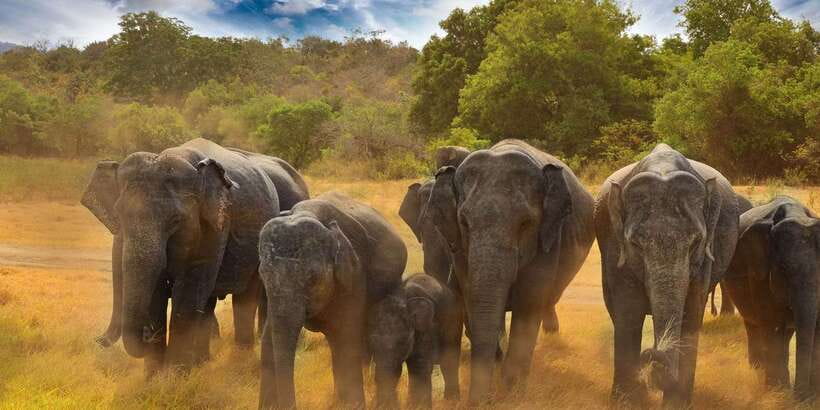
Let’s talk elephants—because in Sri Lanka, they’re the headline act. The highlight is seeing large herds of wild Sri Lankan elephants in their natural habitat. One review described seeing around 150 elephants in a very successful outing (in that case, at Kaudulla). Another point from the same general experience: the viewing can be intense when herds are gathered, and the jeep time feels like it speeds up because you’re constantly reacting.
For photos, here’s how to make your effort pay off:
- Try to shoot through gaps in the trees, not just from behind one big trunk.
- Watch for dust or water movement. When elephants use water or wallow areas, they create easy-to-track action.
- Don’t rely on zoom alone. If your camera focuses slowly, your odds drop when the elephant turns.
One caution comes from an important review: the rider/driver may sometimes get very close to animals and occasionally act like the jeep has the right-of-way on the road. The safe takeaway for you as a guest is to follow the driver’s guidance, but keep your awareness up. If you feel the jeep is crowding too tightly, it’s okay to mentally reset and focus on respectful distance. Good guiding means animals keep behaving like animals, not like traffic.
The endemic primates: Purple-faced Langur and Toque Macaque
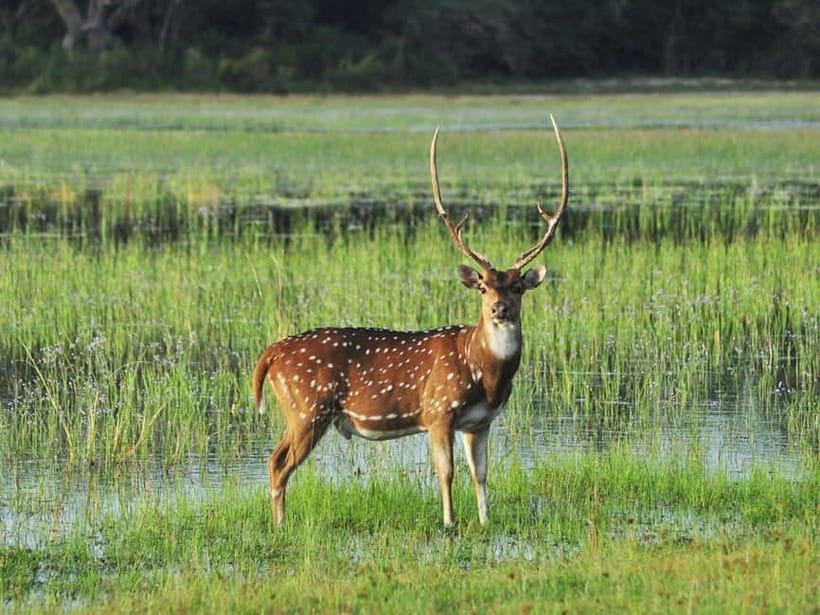
If you only care about elephants, you’ll still have a great time. But if you want the safari to feel distinctly Sri Lankan, you’ll care about the monkeys—because Purple-faced Langur and Toque Macaque are endemic (meaning you won’t casually find them elsewhere).
These species tend to be harder to spot than elephants because they’re often in the trees or moving in ways that don’t scream visibility. The “win” is noticing a shape with the right body posture and then confirming it with a head/face detail. That’s why having time matters: 3 hours is long enough to get more than one “search cycle.”
What makes this part worth it for you is the uniqueness. Elephants are globally famous, but these monkeys are local. They add texture to the trip and help you remember it as something tied to this specific park and this specific island.
Other wildlife chances: leopard, sloth bear, crocodiles, and pythons
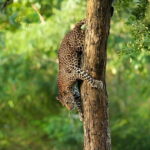
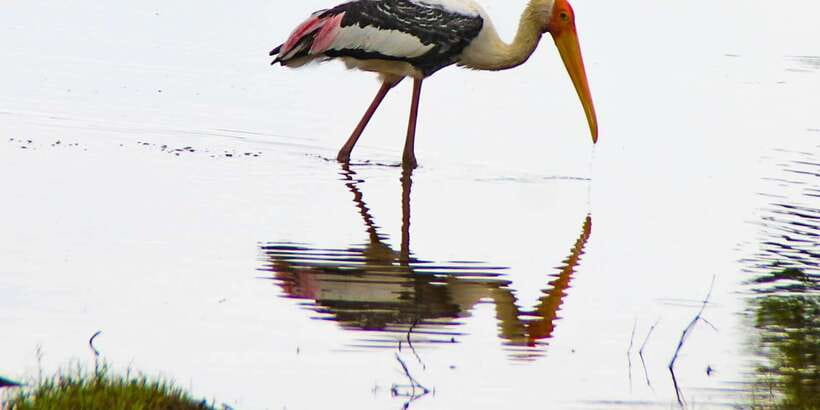
The tour also offers a chance—no promise—to see Sri Lankan leopard, sloth bear, saltwater crocodiles, and Indian pythons. That’s the part that makes safari people grin, because any one of those sightings would change your story immediately.
But I want to keep this fair: the leopard and sloth bear are not the kind of animals you can force onto a schedule. You’re hunting opportunity. One booking report described a time in February when there were as good as no animals seen because the animals moved to another park due to higher water levels. That’s the kind of day where you might feel disappointed even with a friendly driver and a well-run jeep outing.
So how do you protect yourself from disappointment? You set your goal as this: you’re paying for a high-probability elephant safari plus a shot at the special stuff. If you leave the park thinking you saw an incredible elephant moment, you’ll likely feel the value. If you leave with absolutely nothing but heat and grass, it will sting—so keep your expectations calibrated.
Jeep reality: comfort, driver style, and small surprises
You’ll ride in a safari jeep, and the driver speaks English. Reviews show that the jeep experience can vary a bit. One report noted the car was very old, which is a comfort consideration if you’re sensitive to bumps, noise, or less-than-modern suspension. Another report praised how the outing felt intimate—one booking mentioned they were only two people in the jeep, which can make animal spotting easier because you’re not constantly adjusting around extra bodies and cameras.
Then there’s the “small but memorable” detail: one reviewer described a tiny, driver-prepared snack/picnic at the end, placed on the cooler hood of the jeep. That kind of touch isn’t something you should bet on. But it tells you something about the human side of these safaris: a good driver doesn’t only drive; they set the tone.
Safety and ethics matter too. As mentioned earlier, one review criticized drivers getting too close to animals and suggested park management should push for more respectful driving and distance. That’s a useful reminder for you to judge the guiding style while you’re there. Good guiding = animals remain calm and natural, not pressured.
Also note who should be cautious: the activity is marked as not suitable for pregnant women and people with back problems. If your body doesn’t love uneven ground and constant vibration, you’ll want to think twice or ask your operator about the jeep setup before you go.
Price and value: is $95 per person fair?
At $95 per person for a 4-hour outing, you’re paying for more than just a drive. Your price is tied to:
- Hotel pickup and drop-off
- All park entry fees
- Jeep rental
- Government taxes
- Refreshments and water bottles during the safari
That’s what makes this pricing feel more reasonable in practice than a “cheap seat” offer. You’re not hunting down tickets at the gate, and you’re not paying separate fees for the jeep. You’re buying a guided package that includes the hard part: getting into the park responsibly and efficiently.
Is it a bargain? It depends on what you see. If you hit a day with big elephant herds and active movement, the experience feels like great value. If the animals are quiet or the park conditions push wildlife elsewhere, it can feel overpriced. That’s not unique to this safari—it’s safari life. The difference is how well your expectations match the chance-based nature of wildlife viewing.
If you’re trying to decide, I’d weigh it like this: would you still enjoy the drive and the chance to spot endemic primates even if leopard doesn’t show up? If yes, then the price makes sense. If your whole plan hinges on guaranteed leopard photos, you’ll likely feel squeezed.
What to pack and what to avoid
This is an outdoors afternoon—so keep it simple.
Bring:
- Passport or ID card
- Sunglasses
- Sun hat
- Camera
Not allowed:
- Pets
- Smoking
- Non-folding wheelchairs
Wheelchair note: the activity is wheelchair accessible if you have a collapsible wheelchair. If you need special accommodations, confirm details when you reserve so everyone knows what to expect.
And wear comfortable clothing. You’ll be seated for long stretches and exposed to sun, so light layers help.
Should you book an afternoon Minneriya safari?
Book it if you want a high-likelihood elephant experience, plus a real chance at endemic Sri Lankan monkeys like the Purple-faced Langur and Toque Macaque. It’s also a good fit if you’re staying around Polonnaruwa, Giritale, Sigiriya, Dambulla, or Habarana and you want door-to-door convenience.
Skip it or think twice if you’re very sensitive to vehicle comfort (old jeep reports exist), or if you need strict certainty for leopard/sloth bear sightings. Safari days can change fast—water levels and wildlife movement can shift where the action is.
If you do book, go in with the right mindset: this is a search. When it clicks, it’s unforgettable.
FAQ
How long is the Minneriya National Park afternoon safari?
The total duration is 4 hours, including about 3 hours inside the park for the jeep safari and sightseeing time.
What’s the price per person, and is it private?
It costs $95 per person, and it runs as a private group safari with an English-speaking driver.
Where are the pickup and drop-off locations?
Pickup and drop-off options include Polonnaruwa, Girithale, Sigiriya, Dambulla, and Habarana.
What wildlife are you hoping to spot?
You’ll look for large herds of Sri Lankan elephants and you may also spot endemic monkeys such as the Purple-faced Langur and Toque Macaque. There’s also a chance of Sri Lankan leopard, sloth bear, crocodiles, and pythons.
What’s included in the price?
Hotel pickup and drop-off, refreshments and water bottles, all park entry fees, safari jeep rental, and all government taxes are included.
What should I bring, and what’s not allowed?
Bring your passport or ID card, sunglasses, a sun hat, and a camera. Pets are not allowed, smoking is not allowed, and non-folding wheelchairs are not allowed.