REVIEW · ANURADHAPURA
Delve Into Ancient Anuradhapura with Optional Visit to Mihintale
Book on Viator →Operated by Lucky Lanka Expedition · Bookable on Viator
Anuradhapura is best read with a guide. This private, compact route helps you hit the major Buddhist and royal sites without wasting time guessing what matters. I like the private guided format because it moves at your pace and you can ask questions on the spot.
Two other big wins: you get a licensed guide who explains what you’re seeing (not just where it is), and you’re not walking a random loop—your day is planned to connect sites in a way that makes the whole city feel logical. The only real caution is the cost of the UNESCO World Heritage entrance: the tour price is $30, but that $30 UNESCO entry fee isn’t included.
In This Review
- Key things you’ll notice on this Anuradhapura tour
- Why Anuradhapura clicks better with a private guide
- Price and value: what you pay, what you’ll still need
- The morning route: from Vessagiriya monastic ruins to the Star Gate
- Sacred landmarks and royal architecture: Bodhi, Brazen Palace pillars, and Ruwanwelisaya
- Monasteries, meal halls, ponds, and hydraulic genius at Kuttam Pokuna
- Abayagiri refectory details, the Rathna Prasadaya craftsmanship, and step-stone art
- Optional Mihintale: add-on time if you want another layer
- What makes this experience feel worth it
- Who should book this tour
- Should you book it?
- FAQ
- How long is the Anuradhapura tour?
- How much does it cost?
- Is the UNESCO entrance fee included?
- Are there admission fees for each stop?
- Where does the tour start, and what time does it run?
- Is transportation included?
- Is there an optional visit to Mihintale?
- What’s the cancellation policy?
Key things you’ll notice on this Anuradhapura tour
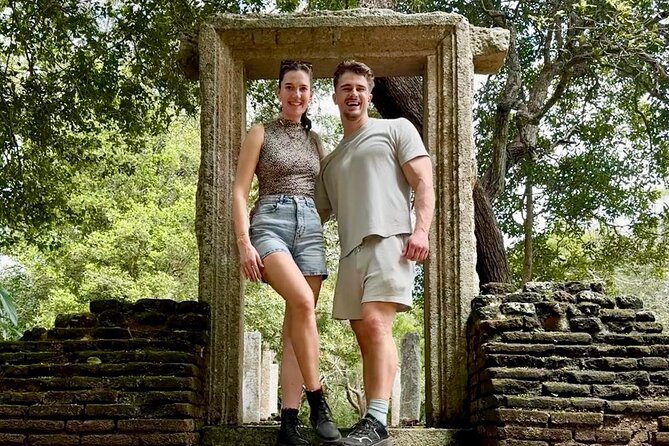
- A licensed, private guide who keeps the story clear as you move from site to site
- Many stops with free admission (so you’re not paying a ticket every few minutes)
- UNESCO World Heritage entrance fee applies and needs planning in advance
- A focused route that avoids aimless wandering, from ancient monasteries to ponds and carved stones
- Good on-site pacing for a ~6-hour morning circuit in Anuradhapura
- Optional Mihintale is listed as an add-on if you want more sacred viewpoints
Why Anuradhapura clicks better with a private guide
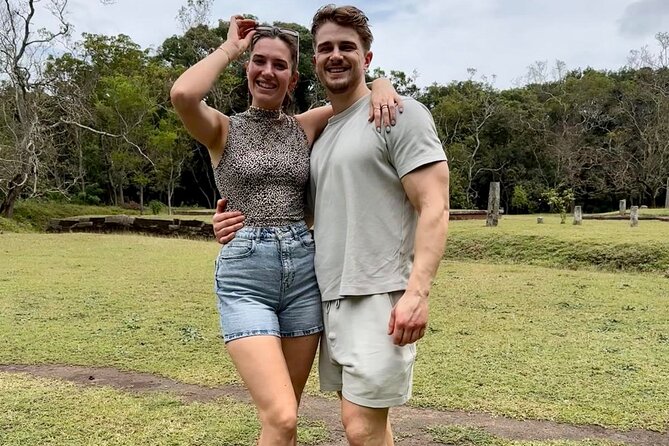
Anuradhapura can feel confusing fast. You’ll see ruins, stupas, ponds, and stone carvings, but without context they can blur together. This tour is built for clarity: you get a guide who connects each stop to the larger Buddhist and royal picture of ancient Sri Lanka.
I also like how the day is structured around “what you’re standing in.” At Vessagiriya, for example, you’re not just looking at old stone—you’re stepping into the setting of one of the island’s oldest living monastic dwellings. Later, at the big religious landmarks, your guide helps you understand why certain spaces were designed the way they were, including the role of sacred trees, monumental pillars, and carefully planned water systems.
And since it’s private, you’re not stuck with a rigid group script. If a detail grabs you—dates, architecture, inscriptions, daily monastic life—you can slow down and ask.
You can also read our reviews of more tours and experiences in Anuradhapura.



Price and value: what you pay, what you’ll still need
The tour costs $30 per person and runs for about 6 hours. You also get bottled water and a drink: soda or King Coconut. Those may sound like small extras, but in the Sri Lankan heat they make a real difference—especially when you’re spending long stretches outdoors.
Most of the itinerary stops list admission as free, which helps keep the total day reasonable. The catch is the UNESCO World Heritage entrance: UNESCO entry is $30 per person and is not included. In other words, you should expect the full “site access” cost to be closer to $60 per person once UNESCO is added.
Transportation is the other common value question. The tour includes a guide and the visits, but private transportation is not included. The good news: the meeting point is near public transport, so it’s easier to reach than if you were deep in the countryside with no easy access.
The morning route: from Vessagiriya monastic ruins to the Star Gate
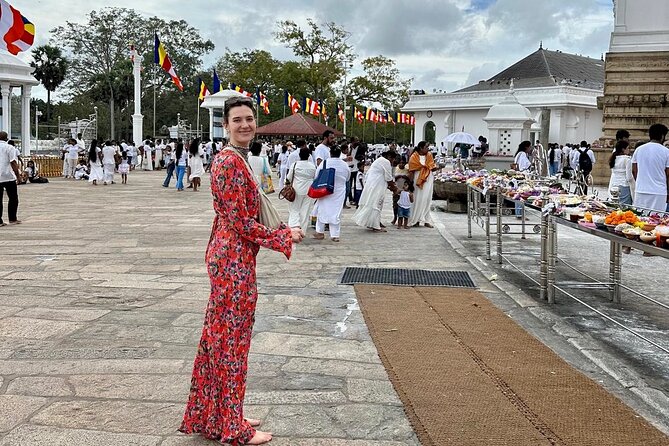
Your day starts at Pothanagama Junction. Once you’re under way, the first big stop is Vessagiriya Ruins—a forest monastery site and one of the island’s oldest Buddhist monk living dwellings. This is where the tour earns its “beyond the guidebooks” promise. The structures here feel human-scale compared to the biggest stupas. You get a sense of how Buddhist monastic life was lived day-to-day, long before Anuradhapura became a headline destination.
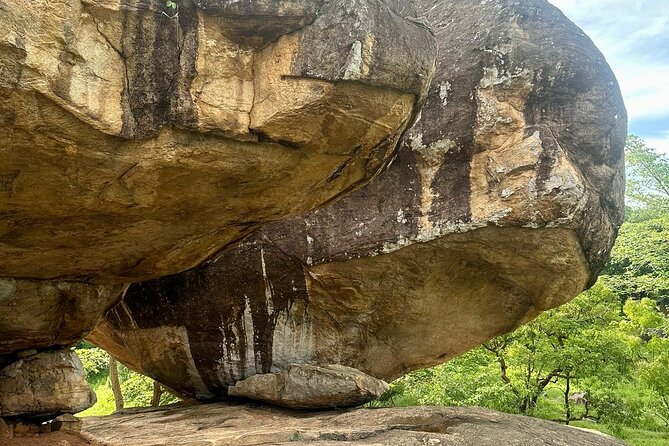
Next comes Sakwala Chakraya (Star Gate), tucked into a boulder face area at Ran Masu Uyana, between Tissa Wewa and the Isurumuniya Rock Temple. This is the kind of stop that’s easy to miss on your own because it’s not the biggest structure. But it’s also exactly the kind of detail a good guide spots and explains. You’ll learn what makes this artifact special and how its setting fits into the nearby sacred landscape.
That “small-and-specific” rhythm continues with Sri Maha Boodhi Temple, home to the Sacred Bodhi Tree. This fig tree—identified as Ficus religiosa—is treated as one of Anuradhapura’s first and most important sacred places. If you’ve ever wondered why one tree can pull people across centuries, this stop helps. You’re not just seeing a living shrine; you’re seeing why sacred continuity matters to Buddhism.
Sacred landmarks and royal architecture: Bodhi, Brazen Palace pillars, and Ruwanwelisaya
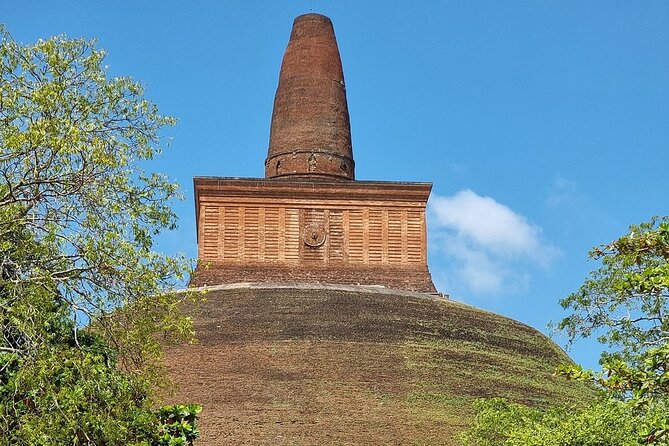
After the Bodhi Tree, you move toward Lovamahapaya (Brazen Palace). Here, the tour leans into “read the ruins.” What you’re looking at is a large collection of standing granite pillars, identified as the remains of an ancient Brazen Palace. It’s one of those places where the guide’s explanation is what turns scattered columns into meaning—what kind of building it was, and why its scale and design were important.
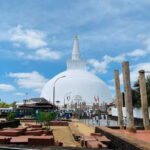
Then you’ll reach Ruwanwelisaya, the big stupa that many people picture when they think of ancient Anuradhapura. It’s also known as Ratnamali or the Mahathupa. Even if you don’t memorize dates, the guide’s story makes the timing feel real: it was constructed under the guidance of King Gamini Abhaya in the second century BC. Standing there, it’s easier to understand why stupas weren’t just religious objects—they were major monuments for a whole city’s identity.
If you’re the type who likes to know what you’re looking at, this section is a strong payoff. You go from sacred living tradition (the Bodhi Tree) to monumental royal religious architecture (pillars and stupa). That connection is the whole point of a compact, guided route.
Monasteries, meal halls, ponds, and hydraulic genius at Kuttam Pokuna
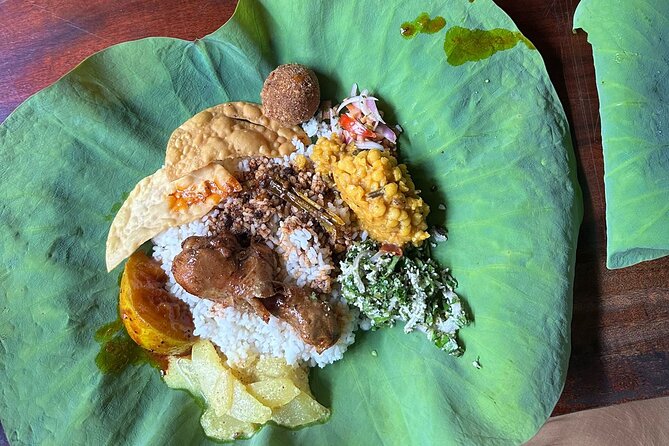
Next up: Gedige Ruins at the premises of Mahapali Alms Hall. The site includes ruins of several buildings, with Mahapali Refectory among the largest. This stop is a favorite for practical reasons: it shifts the story from grand structures to how monasteries fed monks. You’re shown the kinds of spaces built for meals and daily support, which makes Anuradhapura feel less like “old stones” and more like a functioning religious society.
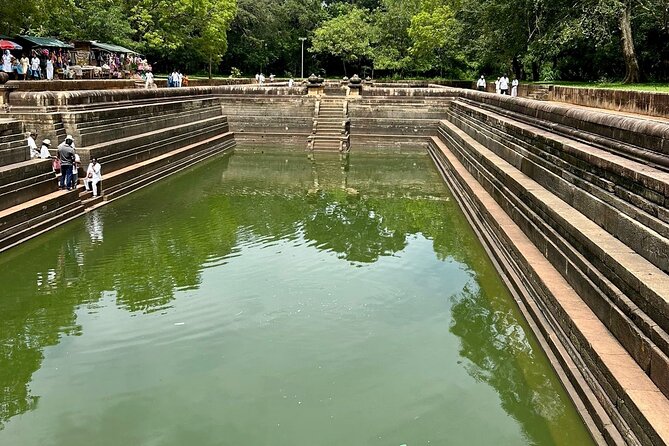
Then the tour heads to water engineering at Twin Baths (Kuttam Pokuna). These are a pair of ponds designed low in the ground, and they’re famous for more than looks. The key detail is the hydraulic system—the engineering needed to shape water flow and support the ponds. Your guide’s explanation helps you appreciate how advanced water management was tied to ritual purity and daily life.
Right after that, the experience gets even more interesting with Janthagara (steam bath) building. You’ll see something like a modern steam bath, but the purpose wasn’t just comfort. This space is described as part of a well-developed Sinhalese medical tradition, using warm steam water for medication practices starting from the 4th century onward. If you enjoy the overlap between technology, culture, and religion, this is a standout.



Abayagiri refectory details, the Rathna Prasadaya craftsmanship, and step-stone art
At Main Refectory of Abayagiri Monastery, you’ll notice a large granite trough shaped like a canoe stand, with an intaglio carved into it. The tour adds historical texture by referencing the Chinese monk Fa-hsien, who is noted for studying in this broader Buddhist context. Even if you can’t picture every traveler in ancient Anuradhapura, your guide’s framing helps you understand why monastic food and study spaces mattered to visiting scholars and to the spread of Buddhist learning.
Then come two “small but unforgettable” sculpture stops.
First is Rathna Prasadaya & Guardstone, dated to about the 8th century. This is presented as one of the finest works of art in Sri Lanka, showcasing the aesthetic sense of ancient craftsmen. Second is Eth Pokuna, popularly known as the Elephant Pond. It’s described as perhaps the largest man-made pond in Asia, built in the 3rd century—another reminder that Anuradhapura wasn’t just temples and statues. It was also planning, engineering, and long-term water storage.
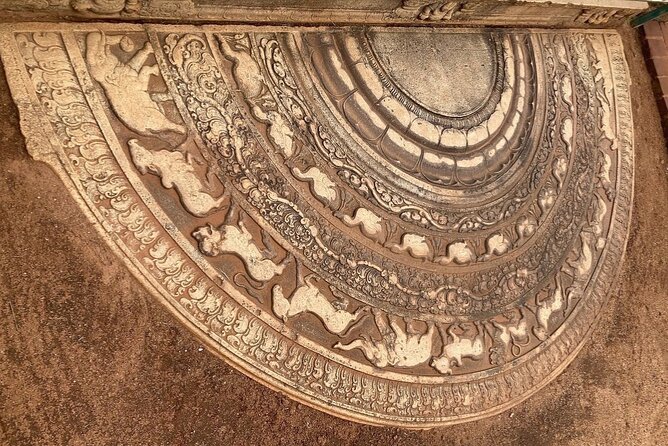
Finally, you’ll end with Moonstone (Sandakada pahana). This is step-stone carving at its best. The moonstone serves as a doormat at the foot of steps to a Buddhist shrine, and the sculptor turns a practical threshold into something ceremonial and beautiful. It’s the kind of detail that makes you slow down and look back at the steps, because suddenly the whole approach to the shrine makes artistic sense.
Optional Mihintale: add-on time if you want another layer
The tour title includes an optional visit to Mihintale. The itinerary you get for your day may or may not include that add-on depending on your booking and timing, so I’d treat it as a “if you want more sacred sites” option rather than something you should assume will happen automatically.
If you do add it, plan for extra travel time and more walking. Mihintale is often chosen for its spiritual importance, and it can stretch your day beyond the core Anuradhapura circuit. If you’re short on time or easily fatigued, you can keep the focus where this tour is strongest: the ancient capital complex itself.
What makes this experience feel worth it
The biggest praise here is consistent: the guide. You’ll get a licensed guide who is described as detailed, thorough, intelligent, and enthusiastic, and who doesn’t just recite facts. The tone is approachable—you can have a real chat, not a one-way lecture. And the tour pattern is built for learning: you visit major sites, then you also get the smaller features that explain why the big sites mean what they mean.
There’s also a practical feel to it. The tour is “compact,” which matters because Anuradhapura isn’t a place you want to wander with no plan. You want enough time at each stop to understand it, but not so much downtime that the day drags.
One more quiet win: the tour includes bottled water and King Coconut soda/pop. Those aren’t the headline, but they help you stay comfortable while you focus on the ruins instead of hunting for drinks.
Who should book this tour
I’d book this if you:
- want a focused overview of Anuradhapura without missing key sites
- like architecture, sacred spaces, and the meaning behind symbols (trees, stupas, carved stones)
- prefer a private format so you can ask follow-up questions
- appreciate “small stops” like Star Gate or Moonstone just as much as big monuments
You might skip it if you’re totally fine self-guiding and you know exactly what you want to see, because the route is curated and you’re paying for that guidance. Also, if paying UNESCO entry on top of the $30 cost is a dealbreaker, budget for it before you go.
Should you book it?
Yes—if your priority is understanding Anuradhapura, not just ticking off ruins. This tour’s value comes from the route design plus a guide who explains details in a way that actually sticks. Just go in with eyes open about the UNESCO entrance fee and the fact that private transportation isn’t included, so you’re not surprised once you’re ready to start moving.
If you want an enjoyable, learning-first morning (and you’re excited by sacred sites, ancient engineering, and stone craftsmanship), this is a strong choice.
FAQ
How long is the Anuradhapura tour?
It runs for about 6 hours (approx.).
How much does it cost?
The tour price is $30.00 per person.
Is the UNESCO entrance fee included?
No. Entry admission to UNESCO World Heritage Sites is listed as $30.00 per person and is not included.
Are there admission fees for each stop?
Many stops list admission as free. Some parts of the itinerary list admission as not included, and the UNESCO fee applies separately—so it’s smart to plan for at least the UNESCO entrance cost.
Where does the tour start, and what time does it run?
The start is at Pothanagama Junction, and the stated opening hours are 7:30 AM to 10:30 AM (Monday through Sunday).
Is transportation included?
Private transportation is not included.
Is there an optional visit to Mihintale?
The experience is advertised with an optional visit to Mihintale, but the specific timing details aren’t provided in the itinerary text here.
What’s the cancellation policy?
Free cancellation is available up to 24 hours in advance for a full refund. If you cancel less than 24 hours before the start time, you don’t receive a refund.