REVIEW · ANURADHAPURA
Private City Day Tour in Anuradhapura
Book on Viator →Operated by Navin Lanka Tours · Bookable on Viator
Stupas, ponds, and Buddha stories in four hours. This private Anuradhapura city tour turns scattered ancient sights into a clear, friendly story of Sri Lanka’s Buddhist roots. I especially like the hotel pickup (less stress in the heat) and how your guide, Navin, keeps explanations clear and easy to ask about. The main drawback: the Old Town entrance fee is not included, and temple rules mean you should expect footwear to be an issue on hot stone.
You also get something that’s hard to do on your own: a plan that hits the big monuments without rushing, with a personal driver and guide for your group only. Expect a smooth half-day loop that mixes world-famous stupas with quieter details—like carved moonstones and old bathing tanks—that you’d likely miss without pointing things out.
In This Review
- Key highlights you’ll feel right away
- Why Anuradhapura feels easier with a private guide
- A small consideration to plan around
- Meet Navin Lanka Tours: the guide factor that makes it memorable
- A half-day route that hits stupas and the details people skip
- Stop by stop: Jaya Sri Maha Bodhi to Isurumuniya
- Jaya Sri Maha Bodhi (Mahamewna Gardens)
- Lowamahapaya / Brazen Palace (89WX+C4H)
- Ruwanwelisaya
- Abayagiriya Stupa
- Twin Baths (Kuttam Pokuna)
- Samadhi Statue (Mahamevnāwa Park)
- Jethawanaramaya
- Moonstone / Sandakada pahana
- Rathna Prasadaya & Guardstone (Pohoy ge and muragala)
- Eth Pokuna (Elephant Pond)
- Dagoba of Thuparama
- Isurumuniya Temple
- Old Town entrance fee, socks, and other practical notes that matter
- Best timing for your morning: cooler starts feel better
- Who should book this private Anuradhapura tour
- Should you book the Private City Day Tour in Anuradhapura?
- FAQ
- How long is the Private City Day Tour in Anuradhapura?
- Is hotel pickup included?
- Is the Old Town entrance fee included in the tour price?
- What’s included in the tour?
- Is this tour private or shared?
- What happens if the weather is poor?
Key highlights you’ll feel right away
- Pickup + private transport so you’re not juggling tuk-tuk negotiations for each stop
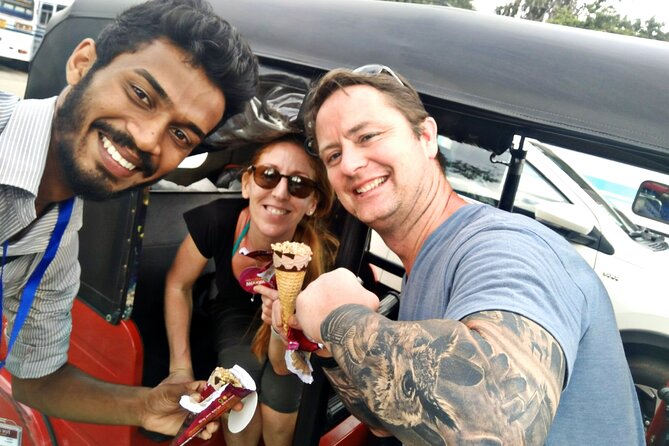
- Navin as your guide: calm answers, good English, and a sense of humor
- A stop-by-stop route that covers the must-see stupas and the standout architectural details
- Go at your own pace with time to linger when something clicks
- Practical temple advice like thick socks for hot paving and shoes restrictions
- Water included, plus the tour stays focused on key sites within 4 to 5 hours
Why Anuradhapura feels easier with a private guide
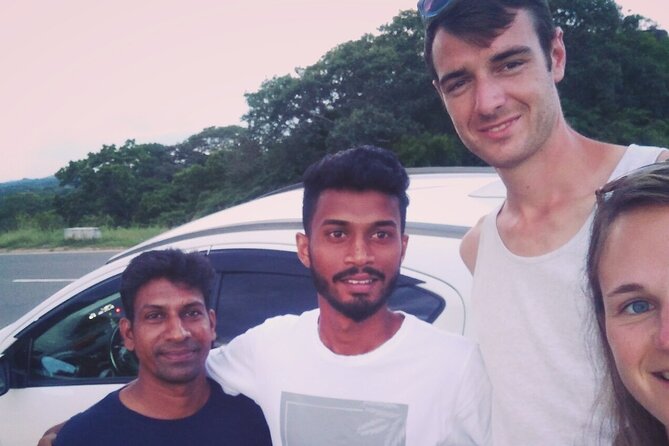
Anuradhapura can look like “just ruins” until someone connects the dots. This tour does that job fast. You’re not wandering between monuments wondering what each one was for—you’re moving along a route that gives each place its place in the bigger story.
I like the pacing because it’s realistic for a half day. Each stop is short enough to keep your energy, but long enough to actually see details: the shape of a stupa, the layout around it, or the meaning behind a carved element. And because it’s private, you’re not trapped listening to someone else’s questions for the next hour.
You can also read our reviews of more city tours in Anuradhapura
A small consideration to plan around
The tour includes bottled water, but not the site entrance fee. You’ll also want to plan for temple footwear rules. One strong tip from experience: bring thick socks (two pairs if you’re sensitive). The paving can get hot, and shoes may not be allowed at some temple areas.
Meet Navin Lanka Tours: the guide factor that makes it memorable
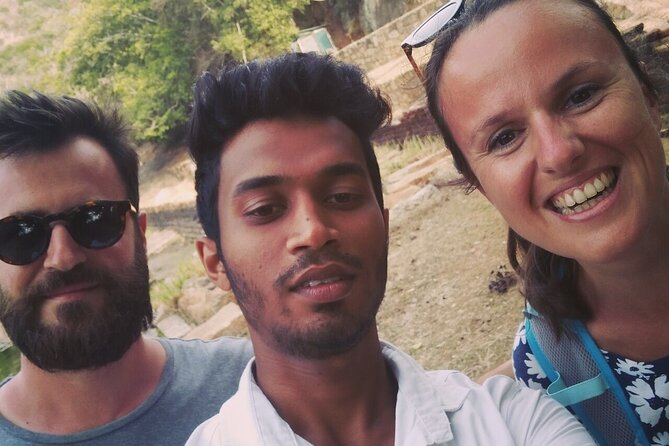
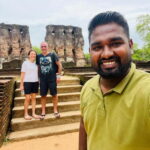
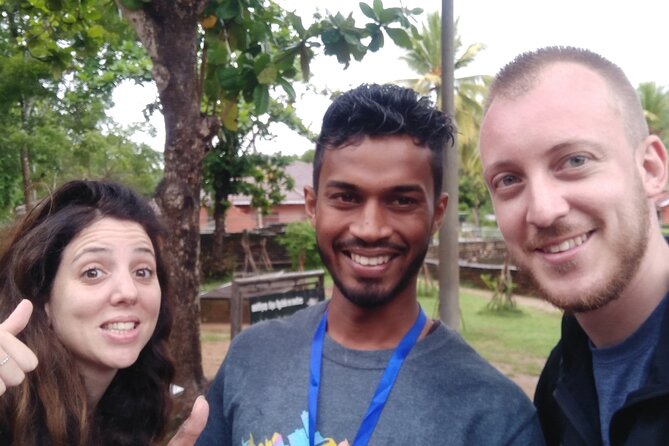
This isn’t just a driver-and-map situation. You’ll have a professional licensed tourist guide with a tone that works—friendly, relaxed, and ready to answer anything you ask. Navin’s English is specifically mentioned as a strong point, and that matters here because Buddhist sites come with a lot of names and symbols.
What I found especially valuable in the way the tour is guided is how you’re taught to read what you’re seeing:
- why a certain stupa matters historically
- what the architecture is telling you
- how the sacred objects connect to Buddhist tradition
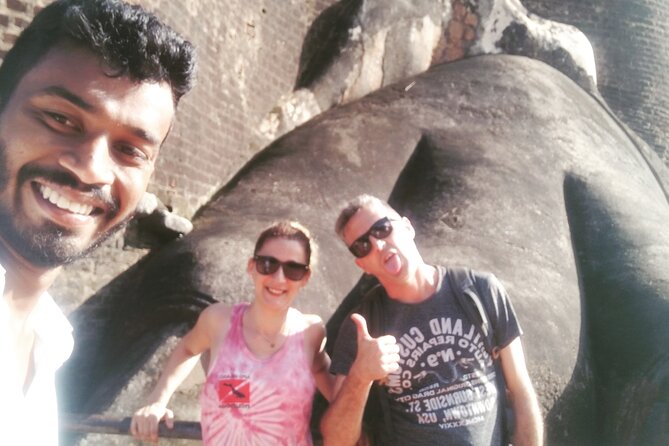
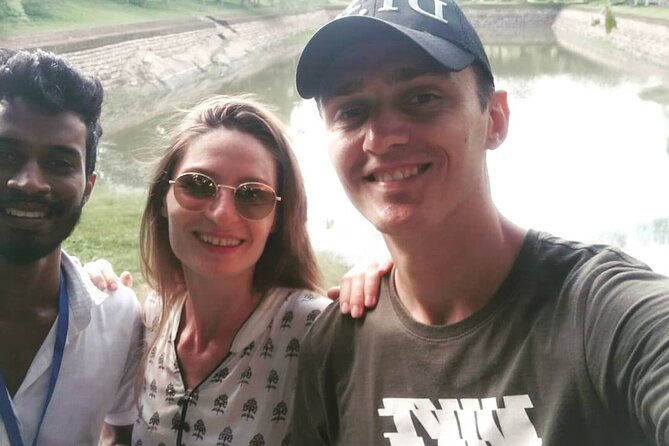
There’s also a human touch. Multiple groups describe joking around with Navin, and one even notes a chance to experience something fun at the end—like getting to drive the tuk-tuk—if the moment fits. Even when you’re just there for facts, that warmth helps you stay present instead of rushing to “check the boxes.”
A half-day route that hits stupas and the details people skip
The structure of this tour makes sense for Anuradhapura. You’re covering major religious monuments, but the route also includes the smaller architectural and cultural features that make the ancient city feel real.
You’ll spend about 4 to 5 hours total, with roughly 25 minutes per stop. That timing is important: it’s enough time to see a place without feeling like you’re sprinting, and it keeps the day from turning into exhaustion. And because your guide can adjust, you’re not stuck under a one-size-fits-all script.
Also: this tour offers hotel pickup and ends back at the meeting point. That reduces the “where do we go next?” friction that can kill a good morning.
Stop by stop: Jaya Sri Maha Bodhi to Isurumuniya
Here’s what each stop adds to your Anuradhapura day, and what to watch for while you’re there.
You can also read our reviews of more private tours in Anuradhapura





Jaya Sri Maha Bodhi (Mahamewna Gardens)
You start with one of the most sacred sights in town: the Jaya Sri Maha Bodhi, a sacred fig tree (Ficus religiosa) in the Mahamewna Gardens. It’s described as a close living link to Gautama Buddha, which is why people treat this tree with real reverence.
What to do here: slow down for a minute and just look around the garden space. Trees like this aren’t only “pretty”—they’re part of living Buddhist devotion. Even if you’re not fluent in the background, your guide can frame what makes this site so important.
Lowamahapaya / Brazen Palace (89WX+C4H)
Next comes the Brazen Palace, also known as Lowamahapaya, connected to an enormous monastic building from the 2nd century BC. It’s tied to King Dutugmunu and described as a nine-story monastic structure with spaces like a refectory and assembly hall.
What to watch for: the scale in your mind. The site helps you understand how organized religious life was in ancient Anuradhapura—not just temples scattered in space.
Ruwanwelisaya
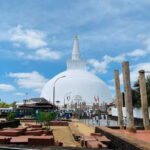
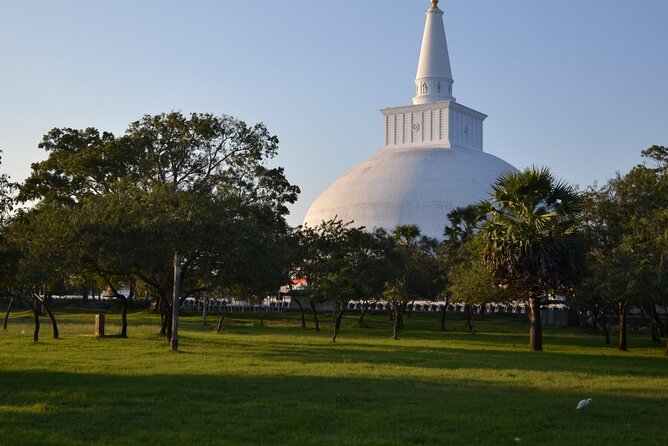
Then you’ll visit the Ruwanwelisaya, built in the ancient capital of Anuradhapura and associated with King Dutugamunu, with completion credited to his younger brother, Ki… (the guided version will fill in the name clearly).
This stop is one of those “grand but not complicated” sights: you see a major stupa complex, then your guide connects it to royal building projects and Buddhist practice. The value here is context; without it, you might only notice the big shape.
Abayagiriya Stupa
The Abayagiriya stop is for architectural scale. It’s noted as 122 meters tall (about 400 feet) and described as the world’s tallest stupa when built, and the third tallest structure in the world at the time.
What I’d focus on: how height changes the experience. When a site was built for massive scale, it shapes how people approach it, pray around it, and place themselves relative to the monument.
Twin Baths (Kuttam Pokuna)
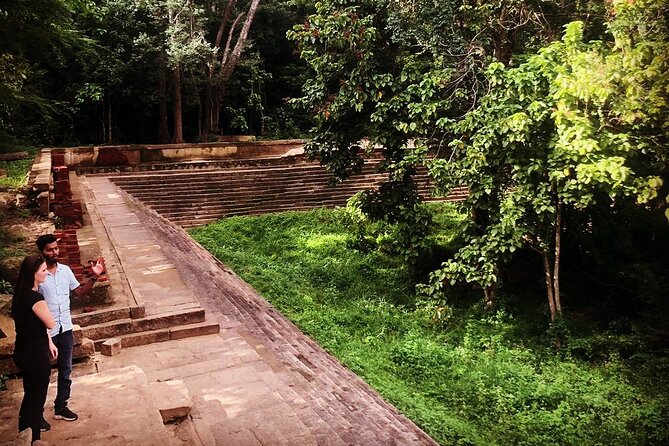
Next shift: everyday devotion and daily ritual spaces. The Kuttam Pokuna (twin ponds or pools) are well-preserved ancient bathing tanks built by the Sinhalese.
This is one of the most interesting “non-stupa” stops. It adds a human layer—people lived, washed, and followed routines inside the sacred city. If you like details, watch how the twin structure sits and how it’s described as part of Abh… (your guide will connect it).
Samadhi Statue (Mahamevnāwa Park)
Then you’ll see the Samadhi Buddha statue, shown in the Dhyana Mudra meditation posture. It’s described as connected to the meditation position associated with the Buddha’s first teaching.
Look for how pose becomes message. This statue helps you understand that Buddhism here isn’t only monuments—it’s also about posture, attention, and practice.
Jethawanaramaya
The Jethawanaramaya Stupa is another major icon. It’s described as one of the most sacred monuments in Anuradhapura, built during King Mahasena’s reign, and once rising over 120 meters.
This stop is big emotionally. Even if you’ve seen photos, being there with a guide makes a difference because you’re learning what makes it sacred and how it fits the city’s ancient timeline.
Moonstone / Sandakada pahana
Now you get the “wow, I didn’t know this had a name” stop: the Sandakada pahana, also called the moonstone. It’s an elaborately carved semi-circular stone slab usually placed at the bottom of staircases and entrances.
This is architecture as storytelling. Your guide can explain what it’s doing there, so you notice the carvings instead of just walking by.
Rathna Prasadaya & Guardstone (Pohoy ge and muragala)
This segment focuses on stonework and durability. The stop highlights how the Anuradhapura kingdom used stone for elements like guard stones, moonstones, and balustrades because stone endured.
What to watch for: the protective and decorative idea. The presence of guard stones tells you this wasn’t only art—it was part of how people moved safely through sacred spaces.
Eth Pokuna (Elephant Pond)
Next is the Elephant Pond, a massive ancient reservoir described as about 159 meters long. It’s a reminder that the ancient city was not only religious—it was functional and engineered for daily needs.
This is the kind of stop that makes Anuradhapura feel like a real place, not just a set of monuments.
Dagoba of Thuparama
The Thuparamaya Stupa is noted as the oldest stupa in Sri Lanka, dating back to the 3rd century BC and built by King Devanampiya Tissa. It’s described as enshrining a sacred collarbone relic.
This is a high-significance stop, but you don’t need to be a scholar to enjoy it. Your guide’s job is to translate the significance into something you can actually carry in your head after you leave.
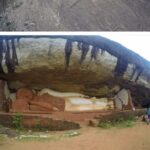
Isurumuniya Temple
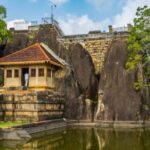
You finish with Isurumuniya Temple, a rock temple known for intricate stone carvings and tied to a 3rd-century BC origin. It’s described as a sanctuary for Buddhist monks.
What to watch for: the carvings. This final stop is where the “ancient stonework” theme lands—so your mind connects the moonstones and guard stones back to this larger artistic tradition.
Old Town entrance fee, socks, and other practical notes that matter
Here’s the practical reality check. The tour price is $30 per person, and it includes:
- private transportation
- bottled water
- a professional licensed tourist guide
But the Old Town entrance fee is not included, payable on-site by cash or card (listed as $30 per person). So your total cost may be higher depending on whether you have just the tour or tour plus entrance fees.
Also plan for footwear. One helpful on-the-ground tip: bring thick socks or two pairs, because paving can run hot and shoes aren’t permitted in some temple contexts. It’s a small thing, but it changes how much you enjoy the walk.
For comfort, wear breathable clothes and keep sun protection in mind. The tour is only half a day, but the sites involve walking and standing—so you’ll feel it.
Best timing for your morning: cooler starts feel better
The duration is about 4 to 5 hours, and the timing can make a noticeable difference. One clear tip from experience: starting earlier can help because the morning is typically not as warm and not as busy.
If you have scheduling flexibility, consider a morning start so you’re walking when it’s more comfortable. Your guide can also keep the route moving efficiently so you don’t waste time in heat.
Who should book this private Anuradhapura tour
This tour is a strong fit if you:
- want a guided half-day that covers the major ancient Buddhist sites without stress
- appreciate history and religion explained in plain language
- prefer the freedom of a private group (just you, your family, or friends)
- like asking questions and getting straight answers from a real guide
It’s also great for couples and families. One write-up highlights that Navin can work well with young children and keep them engaged, which is not something you can count on with every guide.
If you’re the kind of person who only wants photos and don’t care about explanations, you might find the guide time less useful. But if you want to understand what you’re seeing, this is exactly the right format.
Should you book the Private City Day Tour in Anuradhapura?
Yes—if you want your Anuradhapura day to feel organized, meaningful, and comfortable. The value is in the combination: private transport + licensed guide + a tight route that hits both major monuments and the architecture details that make the city feel specific.
Book it if:
- you’re short on time and want the highlights
- you like asking questions and talking through history and Buddhism
- you want a guide to translate stone, symbols, and sacred spaces into something understandable
Skip or consider an alternative if:
- you’re okay paying extra for the Old Town entrance fee on-site
- you want to freestyle without structure
- you’d rather spend longer at fewer sites instead of a wider half-day sweep
If you do book, pack thick socks and plan for the entrance fee. Then let Navin do what he’s clearly good at: turning Anuradhapura from “old places” into a story you can actually follow.
FAQ
How long is the Private City Day Tour in Anuradhapura?
The tour runs about 4 to 5 hours (approximately).
Is hotel pickup included?
Yes. Hotel pickup is provided for ease, and the tour starts in Anuradhapura and ends back at the meeting point.
Is the Old Town entrance fee included in the tour price?
No. The Old Town entrance fee is payable on-site by cash or card, listed as $30.00 per person.
What’s included in the tour?
Included are private transportation, bottled water, and a professional licensed tourist guide.
Is this tour private or shared?
It’s private. Only your group participates.
What happens if the weather is poor?
This experience requires good weather. If it’s canceled due to poor weather, you’ll be offered a different date or a full refund.