REVIEW · HIKKADUWA
Discover Scuba Diving : Hikkaduwa : Scuba Diving
Book on GetYourGuide →Operated by International Diving School · Bookable on GetYourGuide
Trying scuba in Sri Lanka sounds like an adventure movie. The good part is that this program is built for first-timers, with one-on-one instruction and a calm-water warmup before you go out over the reef.
I especially like the focus on comfort and confidence: you practice core skills in shallow, controlled water first, then you move into the guided open-water session off Hikkaduwa. The one drawback to keep in mind is that it is not suitable for a long list of medical and comfort issues, including claustrophobia, respiratory problems, epilepsy, and heart conditions.
In This Review
- Key points to know before you go
- Entering the program: what makes it beginner-safe
- Meeting at the Coral Sands Hotel scuba base and getting your gear
- From safety talk to breathing underwater in calm, shallow water
- The open-water session off Hikkaduwa: coral reefs and guided fish time
- Debrief, refreshments, and the part you’ll want to relive
- What you’re really paying for: the $91 value check
- Rules that matter: what you must not do in and out of the water
- Who should go—and who should skip it
- Timing and what 3 hours feels like day-of
- Should you book this Hikkaduwa scuba intro?
Key points to know before you go
- One-on-one coaching for safe, beginner pace (not a quick throw-you-in routine).
- Confined water practice in calm conditions so breathing and buoyancy feel manageable.
- English-speaking certified instructors who handle the equipment setup and safety briefing.
- Open-water experience off Hikkaduwa, guided to coral reef scenery and fish life.
- Refreshments and a post-session debrief, plus optional photos/videos to remember it.
Entering the program: what makes it beginner-safe
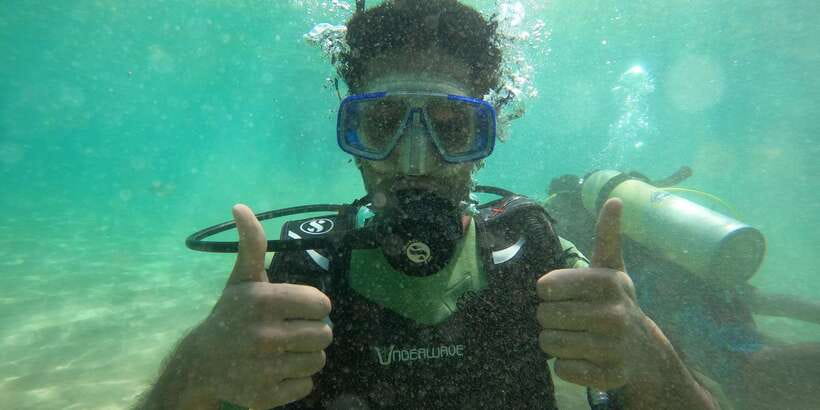
This is a true intro course designed for people who have never used scuba gear before. You start with a welcome and check-in, then the instructors walk you through the basics in plain language: what scuba equipment does, how to stay safe, and what to expect once you’re in the water.
The program’s biggest strength for first-timers is the custom coaching approach. The format includes personalized instruction throughout, so if something feels off—breathing rhythm, how your gear fits, or just basic comfort—you can address it right away instead of hoping for the best.
One more practical bonus: the structure is timed for learning, not performance. With only about 3 hours total, you’re not sitting around all day waiting for your turn. You’re trained, you practice, and you go out, with guidance at each step.
You can also read our reviews of more tours and experiences in Hikkaduwa.



Meeting at the Coral Sands Hotel scuba base and getting your gear
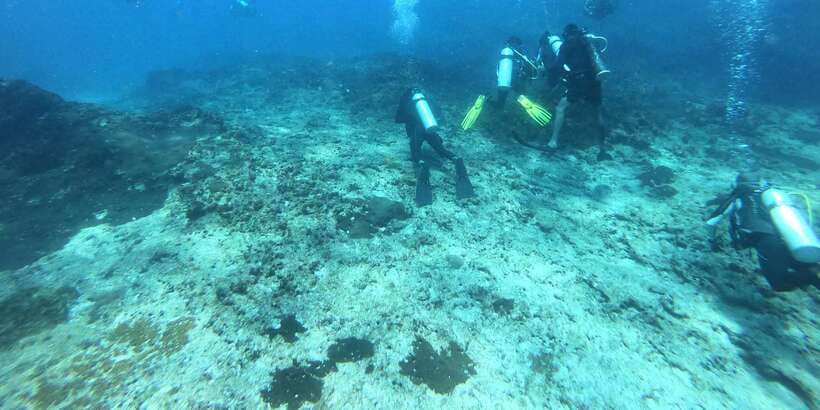
Your starting point is inside Coral Sands Hotel in Hikkaduwa, at the International scuba school base (linked to a PADI 5 Star dive resort). After check-in, you get the safety briefing and the equipment orientation—this matters because scuba gear is personal. If the mask doesn’t seal well or the fins aren’t comfortable, you’ll feel it immediately.
Good news: the course includes scuba equipment rental, including mask, fins, snorkel, wetsuit, and the full scuba setup. That means you can travel lighter and skip buying gear you’ll never use again.
What you should bring:
- Change of clothes
- Beachwear
- Biodegradable sunscreen
- Food and drinks (you’ll get light refreshments after, but it’s smart to have what you prefer)
What to leave out:
- Alcohol and drugs
- Anything that could become a safety hazard in the vehicle or on site
And quick reality check: towels and swimwear are not included. You’ll want to arrive ready to suit up without improvising.
From safety talk to breathing underwater in calm, shallow water
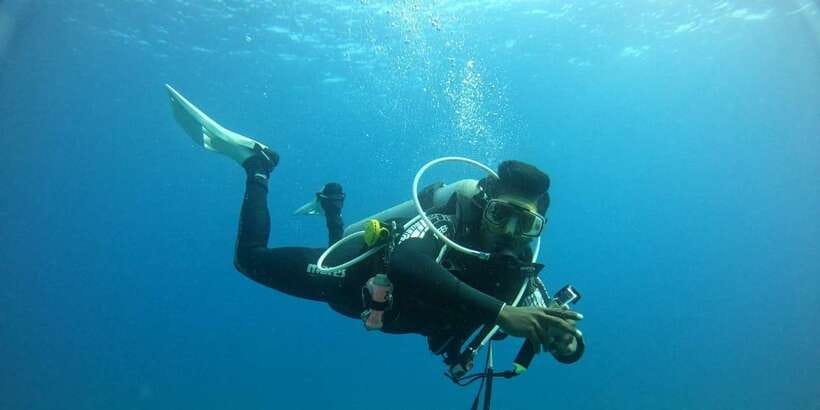
Before you head into open water, you practice in a controlled setting such as a pool or shallow lagoon. This part is where your confidence gets built, and it’s also where you learn the small skills that make scuba feel normal.
You’ll work on essential techniques like:
- Breathing underwater
- Equalizing pressure
- Clearing your mask
That list sounds technical, but the purpose is simple. If you can breathe steadily, manage pressure changes, and handle a mask issue, the rest of the experience becomes much more about seeing the sea instead of fighting equipment.
I also like that this practice time isn’t just theory. You get hands-on coaching from the instructor, with the chance to ask questions while it’s happening. It’s the difference between knowing the steps and actually feeling your body do them.
The open-water session off Hikkaduwa: coral reefs and guided fish time
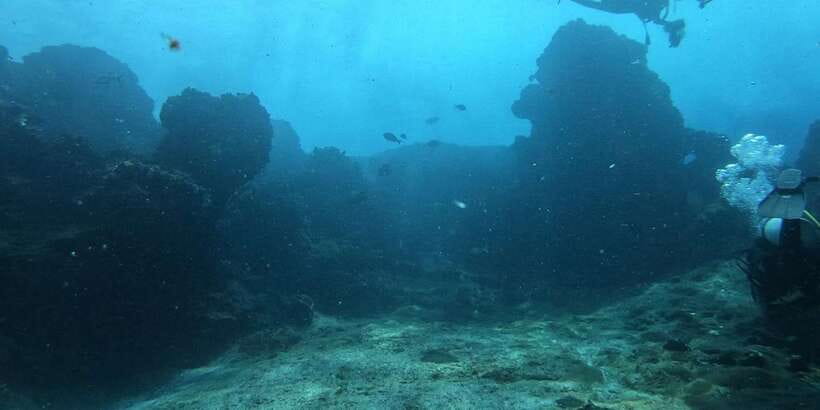
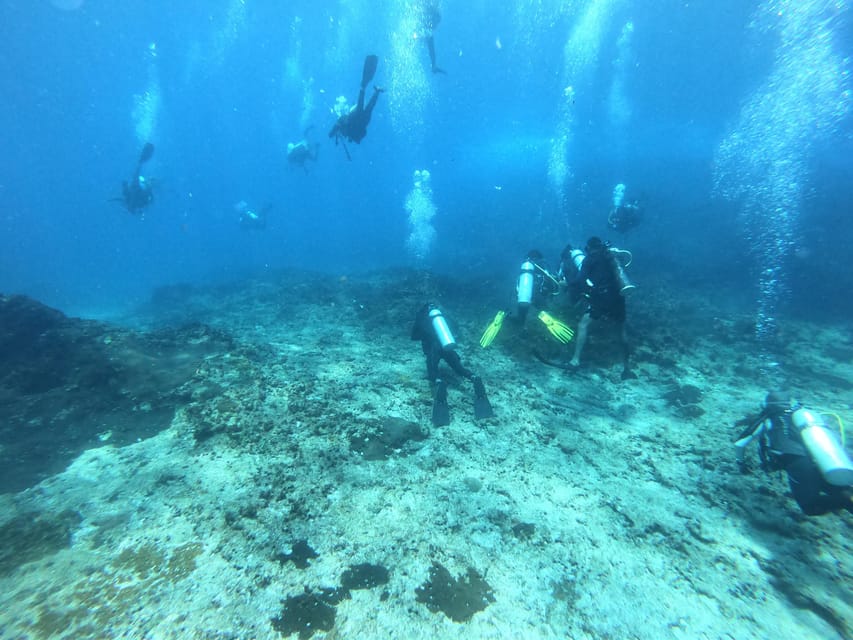
Once the basics feel under control, you move into the guided open-water session off Hikkaduwa. This is the part most people remember: being weightless, hearing nothing but your breathing, and looking out at coral reef life with a slow, floating rhythm.
The experience is described as exploring coral reefs with colorful fish and diverse marine life. Even without a promise of specific species, the reef ecosystem here is the main attraction, and the guided format helps you focus on what matters rather than worrying about where you’re going.
A big safety note: you’re not allowed to touch marine life. That rule isn’t about being polite—it’s about protecting you and the animals. Corals can be sensitive, and hands can accidentally damage reef life or disturb creatures that are better left alone. You’ll have plenty to watch without grabbing.
Also, you should assume you’ll need to follow instructor cues closely during the session. With scuba, tiny adjustments in buoyancy and breathing can change your comfort fast, so staying tuned to your guide is key.
Debrief, refreshments, and the part you’ll want to relive
When your underwater session ends, you return to the center for a post-session debrief. This is where you get to talk through what felt smooth, what was challenging, and anything you want to do differently next time.
You’ll also get complimentary drinks and snacks to help you warm up and reset. It’s a small thing, but it makes a big difference after being in the water and concentrating so hard.
If you want memories without relying on shaky phone footage, there’s an option to purchase souvenir photos or videos of your experience. That’s especially useful for first-timers, because you’re usually too busy learning to capture everything yourself.





What you’re really paying for: the $91 value check
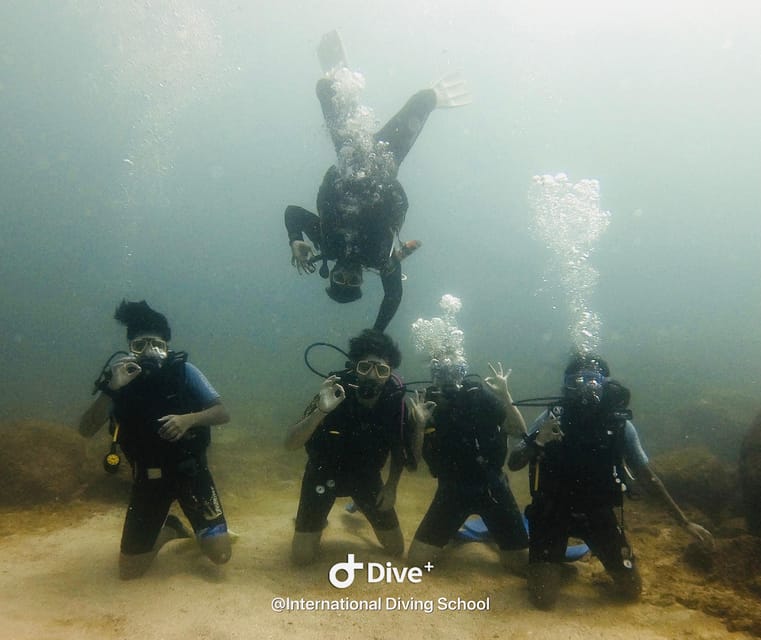
At $91 per person for about 3 hours, this course is priced like a full guided experience rather than a bare-bones rental. Here’s what the base price includes:
- Certified instructor supervision throughout
- Safety briefing and skill training
- Confined water practice
- Open-water guided session
- Equipment rental (mask, fins, snorkel, wetsuit, scuba gear)
- Post-session debrief and Q&A
- Refreshments (light drinks and snacks)
- Basic insurance coverage for peace of mind
- Optional purchase of photos/videos (not included in the base price, but available)
What’s not included:
- Towels, swimwear, sunblock
- Underwater photos/videos (they’re for purchase)
- Meals beyond light refreshments
- Additional dives or advanced courses
- Specialized gear outside the standard set
For value, the key question is whether you want a structured first experience with proper coaching. If your goal is to get the basics right and see the reef safely, this price can feel like a fair trade because the coaching and equipment are bundled in.
If you’re hoping to turn it into multiple underwater outings, you’ll likely pay extra for additional dives. But for a first-time try, this “learn + guided open water” format is often exactly what people want.
Rules that matter: what you must not do in and out of the water
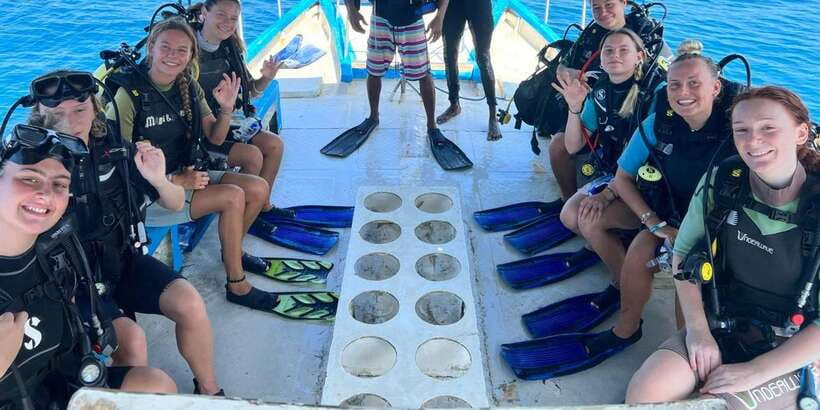
This program includes clear conduct and safety rules, and you should treat them like part of the experience, not fine print.
Not allowed:
- Touching marine life
- Littering
- Explosive substances
- Alcohol and drugs
- Touching animals or plants
Even if you’re the type who wants to point and touch for a photo, plan to keep your hands to yourself. Underwater, it’s surprisingly easy to bump coral or stir up sand without meaning to.
Also, plan for sun and comfort on land. You’ll be in beachwear and you’ll be outside before and after. Bring biodegradable sunscreen so you’re covered without creating a reef problem.
Who should go—and who should skip it
This is where you need to be honest with your own body. The program lists that it’s not suitable for:
- Children under 10
- People with mobility impairments
- People with claustrophobia
- People with heart problems
- People with vertigo
- People with respiratory issues
- People with epilepsy
- People with pre-existing medical conditions
- People with high blood pressure
- People over 70
That’s a strong signal the instructors take safety seriously, and it also means you should not treat this as casual snorkeling-in-gear. If you fall into any of those categories, you’re better off choosing an alternative that doesn’t involve scuba equipment and underwater pressure changes.
If you’re generally healthy but nervous, remember: the training begins in calm water first. That step is there for a reason—your comfort can be built gradually. Still, if you know you react badly to confined spaces or breathing discomfort, don’t gamble.
Timing and what 3 hours feels like day-of
The total duration is listed as 3 hours. In real life, that usually means you’ll spend part of the time on shore for check-in and briefing, then shift into practice and the open-water session, then finish with the debrief.
Because the training includes confined water skills before open water, you shouldn’t expect this to feel rushed. It’s short enough to stay energetic, but structured enough that you’re not just watching someone else handle the gear.
If you’re combining this with other Hikkaduwa plans, I’d keep the rest of your day flexible. You’ll want time to shower, dry off, and not sprint off to another activity right after.
Should you book this Hikkaduwa scuba intro?
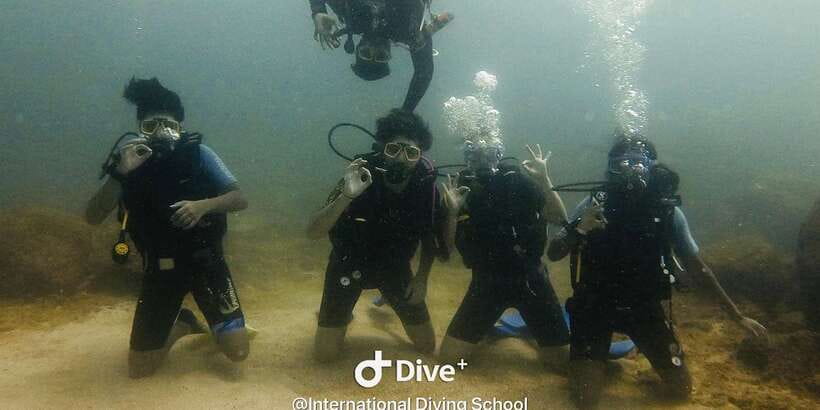
If you want a beginner-first setup where you learn basic skills in calm water and then get guided time over the reef, I think this is a solid booking choice. The inclusion of one-on-one instruction, equipment rental, and a guided open-water session off Hikkaduwa makes it feel like a complete package for first-timers.
Book it if:
- You’ve never done scuba before and want proper coaching
- You like structured learning instead of winging it
- You’re okay with following safety rules like not touching marine life
Skip it if:
- You match any of the listed medical or comfort exclusions
- You strongly dislike the idea of wearing and controlling scuba gear in a controlled environment first
For most people, this course hits a great sweet spot: short, coached, and reef-focused, with enough time for you to feel the thrill without turning it into a stressful guessing game.