REVIEW · HIKKADUWA
Hikkaduwa/Galle/Ahangama: Whale Watching Tour in Mirissa
Book on GetYourGuide →Operated by Api machan tours · Bookable on GetYourGuide
Early mornings at sea change everything fast. This whale-watching trip is built around seeing blue whales and sperm whales in the Indian Ocean, with a smooth transfer from Hikkaduwa, Galle, or Ahangama. It’s also a well-run, small-group format that keeps things calm and focused on wildlife—not chaos.
What I like most is the combo of a comfortable pickup/drop-off and a tour that stays serious about safety and marine life. I also appreciate that you get expert commentary plus refreshments, so you’re not just staring at the horizon with zero context.
The main drawback to consider: it’s not a good fit if you’re prone to seasickness, and it’s not suitable for children under 6.
In This Review
- Key highlights to look for
- Why Mirissa’s early departure matters
- Getting there: pickups from Hikkaduwa, Galle, and Ahangama
- On the boat: crew, safety gear, and real guidance
- What you’re likely to see: blue whales, sperm whales, dolphins
- Respectful wildlife viewing: the rule that matters
- What about seasickness and who should go
- Price and value: is $87 a fair deal?
- What to bring (and how to be photo-ready)
- How the 4–5 hours usually feels on your day
- Who this tour is best for
- Should you book with Api machan tours?
- FAQ
- Where does this whale watching tour operate?
- What’s the duration of the tour?
- What pickup and drop-off locations are included?
- Is the tour guide available in English?
- What’s included in the price?
- Are meals included?
- Who is the tour not suitable for?
Key highlights to look for
- Small group (max 8) keeps the boat experience more personal and easier for crew to manage.
- Transfer from three areas means less hassle getting to Mirissa early in the morning.
- Safety gear + experienced crew gives you confidence before you scan the water for spouts.
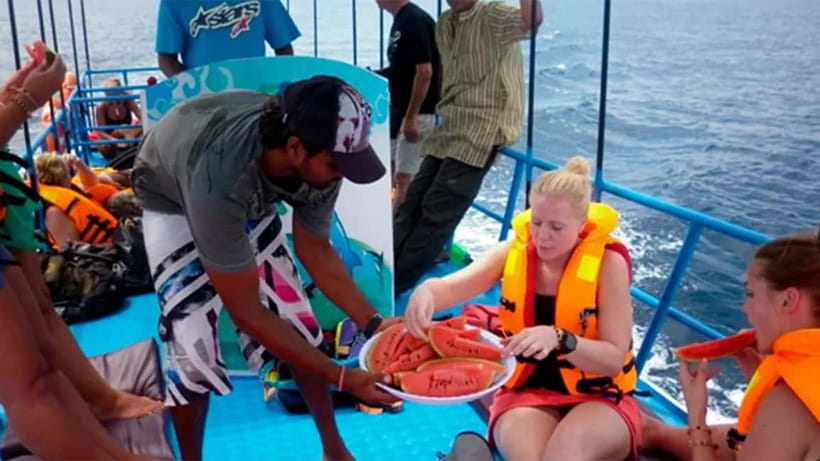
- Expert commentary and refreshments make the time on the water feel more guided.
- Eco-friendly, respectful viewing rules focus on watching, not interfering.
- English live tour guide helps you understand what you’re seeing.
Why Mirissa’s early departure matters
This tour starts early. That timing matters because you’re heading out at first light when the ocean is usually quieter and your chances of spotting whales and dolphins tend to be better. Even if you don’t know the first thing about marine biology, early morning gives you that clear, watchful mood—binoculars up, eyes scanning, and the crew already in “look mode.”
I also like that the whole experience is structured to keep you from burning time. You’re on a schedule that’s built around the viewing window, then you’re back for a straightforward drop-off. In plain terms: less waiting around, more actual time watching the ocean.
You can also read our reviews of more tours and experiences in Hikkaduwa.


Getting there: pickups from Hikkaduwa, Galle, and Ahangama
One big value point here is convenience. You don’t have to figure out transport to Mirissa on your own. You have three pickup locations—Galle, Hikkaduwa, or Ahangama—and after the tour you’re sent back to Ahangama, Hikkaduwa, or Galle.
That matters if you’re doing a fast-moving trip through southern Sri Lanka, where every extra ride can eat up your day. With this format, you keep your morning simple: you get picked up, you go, you return.
One detail to keep in mind: since it’s a transfer, you’ll want to be ready for an early start. If you’re traveling with tight timing or you hate morning alarms, this is where you’ll feel it.
On the boat: crew, safety gear, and real guidance
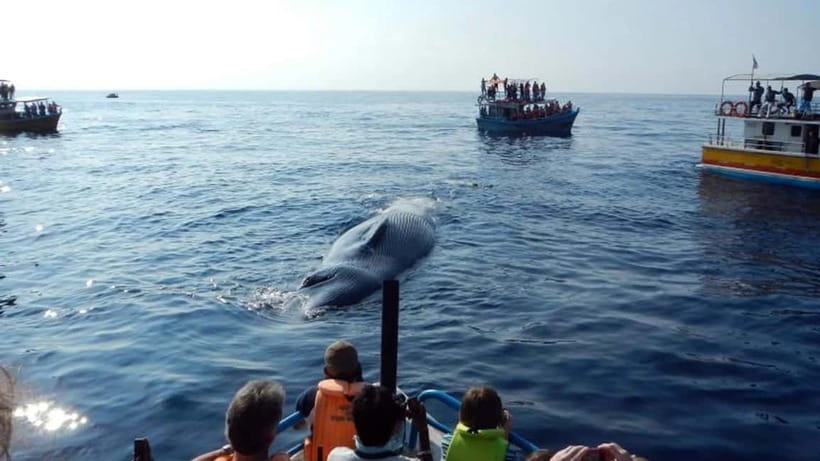
You’ll set sail on a well-equipped boat with an experienced crew. The tour includes safety gear, and the crew’s job is to keep the experience both safe and respectful to the animals you’re there to see.
What makes this more than a casual outing is the added structure: expert commentary and a live tour guide speaking English. That means when you spot something blowing water into the air, you’re not guessing what it is or why it’s happening. You also learn how to look properly—what patterns to watch for, and what behavior matters.
You’ll also get refreshments while you’re out on the water. It’s a small thing, but it helps a lot when you’re leaving early. You’ll stay comfortable enough to keep focusing on sightings instead of getting distracted by hunger or fatigue.
And the group size stays limited to 8 participants, which helps the whole experience feel less crowded. On a boat, crowding can quickly turn from exciting to exhausting. Keeping it small is a quiet quality upgrade.
What you’re likely to see: blue whales, sperm whales, dolphins
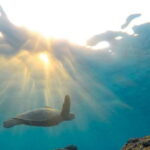
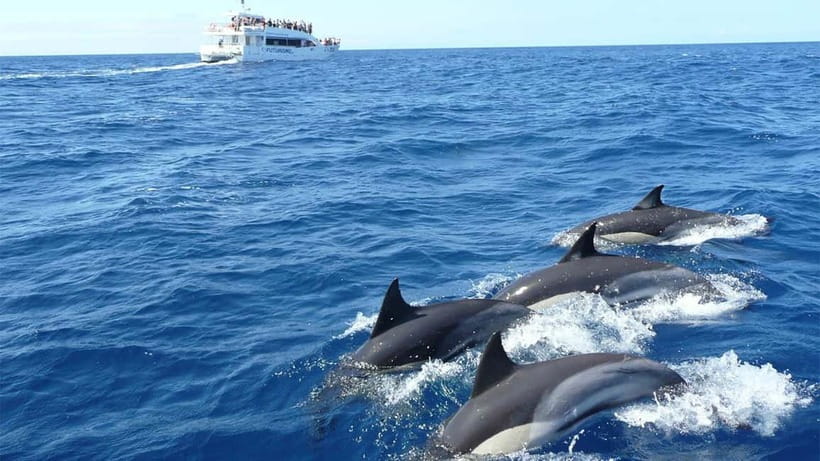
The headline animals are blue whales, sperm whales, and dolphins. That’s a strong set of targets for Mirissa-area waters, and the trip is clearly built around the idea that you’ll spend time scanning for these species.
Here’s what you can realistically expect to be looking for during the tour:
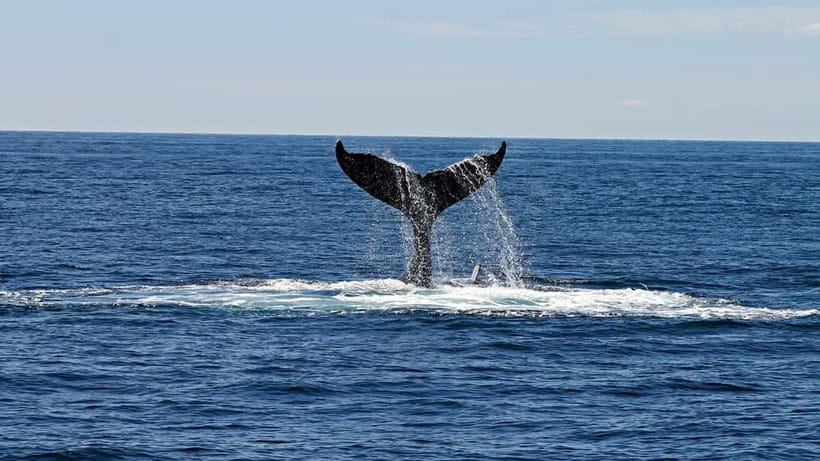
- Powerful whale spouts on the water
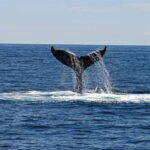
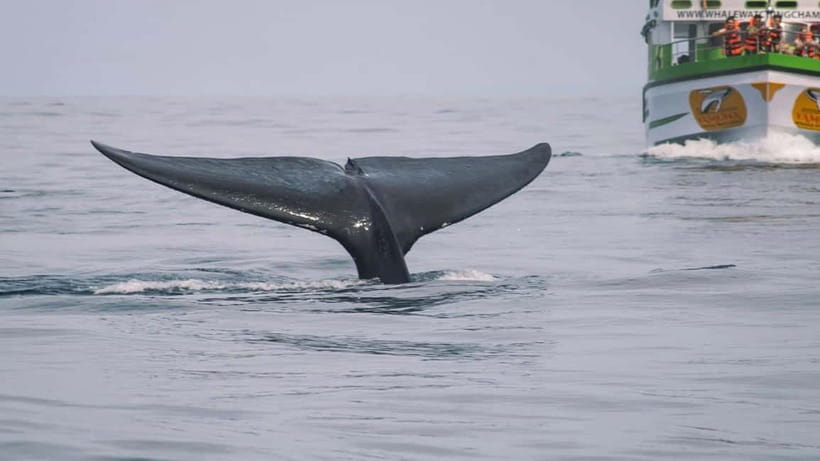
- Graceful tail movements
- Dolphins appearing around the boat at different moments
The crew and guide help you interpret what you’re seeing through commentary, so you’re not just watching shapes in the distance. When the tour is working the way it should, it feels like a live “spotting match,” and everyone gets to use the same shared information instead of each person trying to figure it out alone.
Also, bring your camera and expect you’ll be shooting a lot. Wildlife moments on the sea move fast, so it helps to have your gear ready and protected. If you’ve got binoculars, this is one of the best times to use them—more detail for less strain on your eyes.
Respectful wildlife viewing: the rule that matters
This is an eco-friendly and respectful wildlife-viewing experience, and it comes with a clear boundary: touching marine life is not allowed.
That one rule tells you a lot about the philosophy of the tour. The goal is observation, not interaction. You’ll keep your distance and follow crew directions, which is what protects the animals and keeps the experience responsible.
It also helps you enjoy the tour more. When there’s a clear set of do’s and don’ts, the boat stays calmer. Nobody’s trying to reach out for a photo, and you don’t have to worry about chaotic behavior ruining the atmosphere.
If you’re the type who loves wildlife but respects the fact that you’re a visitor in their home, you’ll fit right into this tour’s vibe.



What about seasickness and who should go
Let’s talk about the one “real world” issue: this tour is not suitable for people prone to seasickness. Since the trip involves time out on the Indian Ocean, motion is part of the deal.
If you’re sensitive, don’t gamble with it. Look for ways to reduce discomfort before you go (and if you know your body doesn’t handle boats, choose a different plan). This is one of those tours where it’s better to be wise than brave.
Age is another factor. It’s not suitable for children under 6, likely because of the boat environment and the early timing. If you’re traveling with kids, this is fine to know up front so you don’t waste energy planning a mismatch.
If you’re comfortable on boats and you’re early-morning steady, you’ll probably enjoy the experience even more because you can focus on the sightings instead of how you’re feeling.
Price and value: is $87 a fair deal?
At $87 per person, you’re paying for more than just a boat ride. Your money covers:
- Pickup and drop-off from your hotel area (Hikkaduwa, Galle, or Ahangama)
- The whale watching tour itself
- An experienced crew
- Safety gear
- Refreshments
- Expert commentary from an English-speaking guide
That added value matters. In many places, “cheap tours” end up costing you later in transport, extra fees, or a less structured experience. Here, the basics are already included, and the small-group cap (8 people) is a meaningful quality signal for a wildlife tour.
One thing not included is meals. You’ll want to plan around that—either grab breakfast before pickup or eat after you return. Since you’re starting early, having a quick pre-planned snack strategy helps.
Overall, this price feels most fair for people who want: convenience + a guided experience + real safety attention, not just a generic tour.
What to bring (and how to be photo-ready)
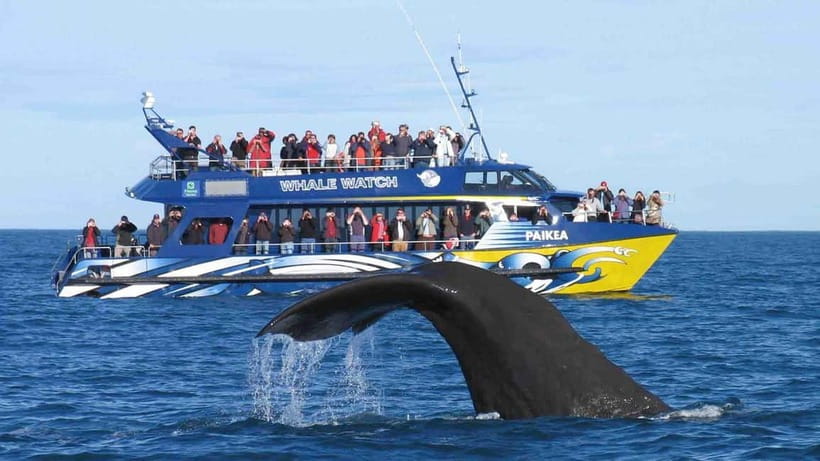
The tour gives you safety gear, but you still need your personal essentials. Bring:
- Hat (early sun can still be sneaky strong)
- Camera (and protect it from spray)
- Sunscreen
- Binoculars if you have them
Also, plan to dress for sea mornings: expect cooler air earlier, then warmer sun as the day rises. Even if it’s warm where you are staying, at sea you can feel temperature shifts.
And don’t overpack. The goal is to keep your hands free when a sighting happens. If you’re fumbling with gear, you’ll miss the moment.
How the 4–5 hours usually feels on your day
The total time on this whale watching experience is 4 to 5 hours. That’s a good length for two reasons:
- Long enough to search actively and wait out the sea’s rhythms.
- Short enough that you don’t lose your entire day in transit and downtime.
You’ll spend the bulk of it out on the water during the early-morning window. Then you’ll head back with the comfort of knowing your return transport is handled.
This is also a tour that works well with other plans in the area afterward. You’re not trapped for the whole day, and you won’t be exhausted by an all-day “bus-and-boat” marathon.
Who this tour is best for
This whale watching option is ideal if you:
- Want a guided wildlife experience with expert commentary
- Prefer a small group (limited to 8)
- Are staying in or near Hikkaduwa, Galle, or Ahangama and want easy transfers
- Enjoy early mornings and can handle boat time without seasickness
It’s not a great fit if you:
- Are prone to seasickness
- Need a kid-friendly option for children under 6
- Want meals included as part of the main package
If you match the right group, this is the kind of activity that turns into a core memory fast—because whale watching isn’t about checking a box. It’s about being there when the ocean gives you a moment.
Should you book with Api machan tours?
If you’re aiming for a respectful, small-group whale watching trip out of the Mirissa area with built-in transfers, I’d say it’s a solid choice. The value is in the full package: pickup/drop-off, safety gear, refreshments, and English commentary, all wrapped into a focused 4–5 hour window.
I’d personally book it if you’re comfortable on boats and you want a guided day that reduces hassle. Skip it if seasickness is an issue for you—because no wildlife sighting is worth feeling sick.
One quick decision rule: if you’re excited by the idea of spotting blue whales, sperm whales, and dolphins and you can handle the early departure, this tour is worth your time.
FAQ
Where does this whale watching tour operate?
The tour is offered around Kotapola, Sri Lanka, with sailing based out of Mirissa and transfers from nearby areas.
What’s the duration of the tour?
The tour lasts about 4 to 5 hours.
What pickup and drop-off locations are included?
Pickup is available from Galle, Hikkaduwa, or Ahangama. Drop-off is available back at Ahangama, Hikkaduwa, or Galle.
Is the tour guide available in English?
Yes. The live tour guide speaks English.
What’s included in the price?
Pickup and drop-off, the whale watching tour, an experienced crew, refreshments, safety gear, and expert commentary are included.
Are meals included?
No. Meals are not included.
Who is the tour not suitable for?
The tour isn’t suitable for children under 6 years old or people prone to seasickness.
If you want, tell me where you’re staying (Hikkaduwa, Galle, or Ahangama) and whether you’ve had seasickness before. I can help you decide if the timing and boat part will feel comfortable for you.