REVIEW · ELLA SRI LANKA
Ella: Traditional Sri Lankan Cooking Class
Book on GetYourGuide →Operated by Ranjani · Bookable on GetYourGuide
Spices teach fast in Ella. This traditional cooking class in Ella has you working step by step with instructor Ranjani, then sitting down to an actual banana-leaf meal. You’ll make classics like hoppers, rice and curry, string hoppers, and honey roti, learning as you go.
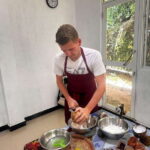
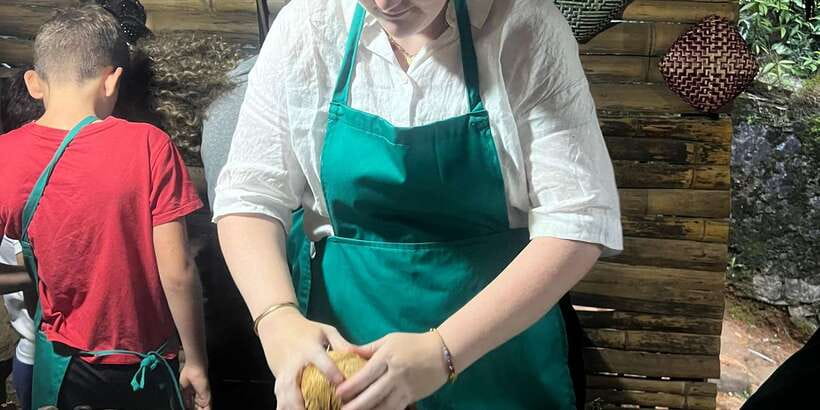
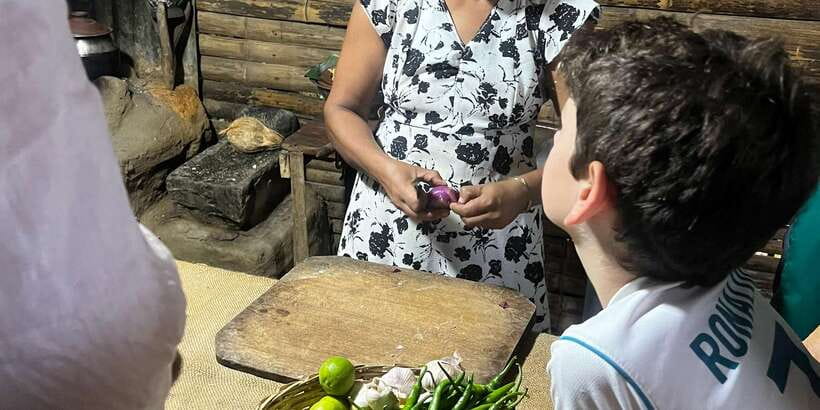
I love how hands-on it is. You’re not stuck watching the whole time. You get to chop and take part in the cooking flow, and Ranjani also shares the spice and ingredient logic, including the health benefits behind common Sri Lankan flavors.
One thing to plan for: it’s set up as a shared kitchen experience, and in practice that can mean a more “group rhythm” around cooking stations. If you want lots of personal space and total control, you may find it a bit crowded at times, and the session can run longer than the stated two hours depending on timing and conditions.
In This Review
- Key takeaways before you cook
- Checking in at Chamathka Cooking Class
- The open-air kitchen: where the class vibe clicks
- What you actually cook in Ella (and what you’ll learn)
- Fresh ingredients first
- Spice technique and core methods
- Dishes you can picture on your own plate
- A quick reality check on menu choice
- Eating banana-leaf Sri Lankan food: the payoff
- Ranjani’s spice and health notes (what you’ll remember after)
- Time, group size, and the shared-kitchen setup
- Price and value: what $19 really buys you
- Bringing Sri Lankan cooking home via WhatsApp recipes
- Who this class is best for
- Should you book this Ella Sri Lankan cooking class?
- FAQ
- Where do I check in for the class?
- How long is the traditional Sri Lankan cooking class in Ella?
- What time does the class usually start?
- How big is the group?
- Who teaches the cooking class?
- What dishes will I cook?
- Do I eat what I cook?
- What’s included in the price?
- Is transportation included?
- Are recipes sent after the class?
- Can I cancel and get a full refund?
- Can the class accommodate dietary needs?
Key takeaways before you cook
- Ranjani’s step-by-step teaching keeps you moving, not just standing around
- Open-air kitchen setup means better ventilation and you can enjoy the greenery while you cook
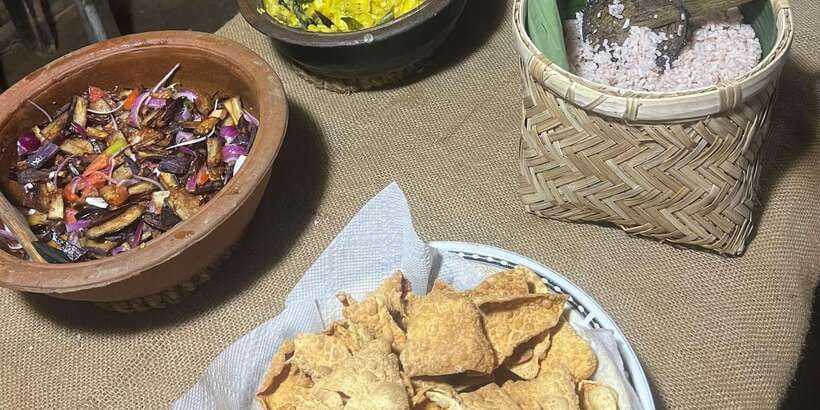
- You eat like locals with dishes served on banana leaves, not on a plain plate
- You learn the why behind spices and ingredients, including health notes
- Value is strong at about $19 since you get the meal and take-home recipes
Checking in at Chamathka Cooking Class
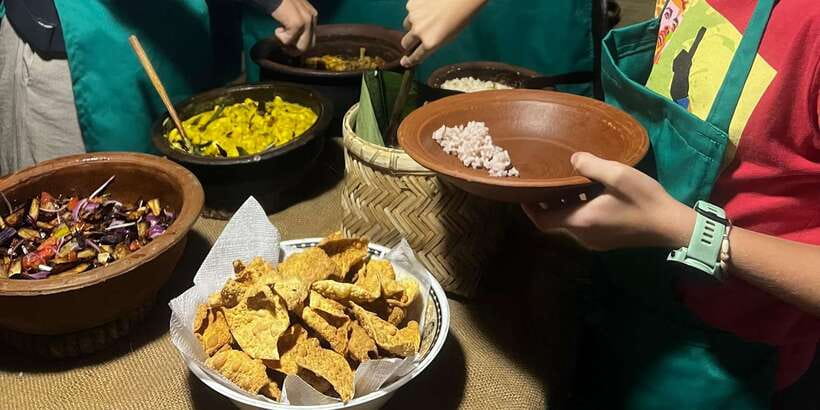
Your experience starts with a straightforward check-in at the Chamathka Cooking Class meeting point. This matters because the class time is short (2 hours), so being on time helps you get the full cooking sequence without rushing the meal.
If you’re timing your day around a specific slot, know that classes typically run at 11:00 AM and 5:00 PM. The provider can be flexible if you contact them in advance, so if your Ella plans are fluid, it’s worth asking early rather than hoping.
Also note that transportation isn’t included. Ella is easy to get around, but you’ll want to plan how you’ll reach the meeting point on time, especially if you’re booking the evening session.
You can also read our reviews of more cooking classes in Ella Sri Lanka
The open-air kitchen: where the class vibe clicks
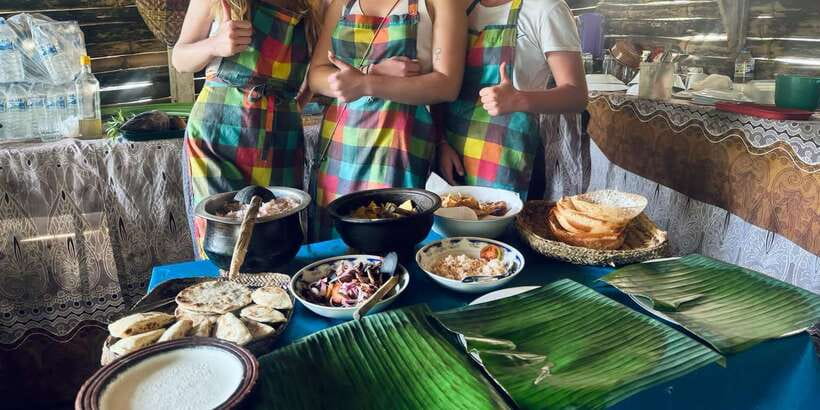
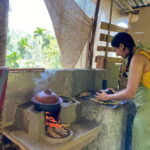
After check-in, you’ll meet your instructor and head into an open-air kitchen. Expect something traditional: cooking happens in a real local-style setup, with enough ventilation that you’re not stuck breathing steam the whole time.
This setting does two smart things for you. First, it keeps the experience comfortable even when the cooking gets active. Second, it gives the class an “in the neighborhood” feel instead of a sealed-off studio, which makes the flavors feel more connected to everyday Sri Lankan cooking.
Most sessions are run as a small group (limited to 8 participants). That’s a sweet size for questions and hands-on participation. Still, since it’s a shared kitchen, you may find yourself working together and taking turns in a communal style rather than being assigned a private station with everything laid out for you.
What you actually cook in Ella (and what you’ll learn)
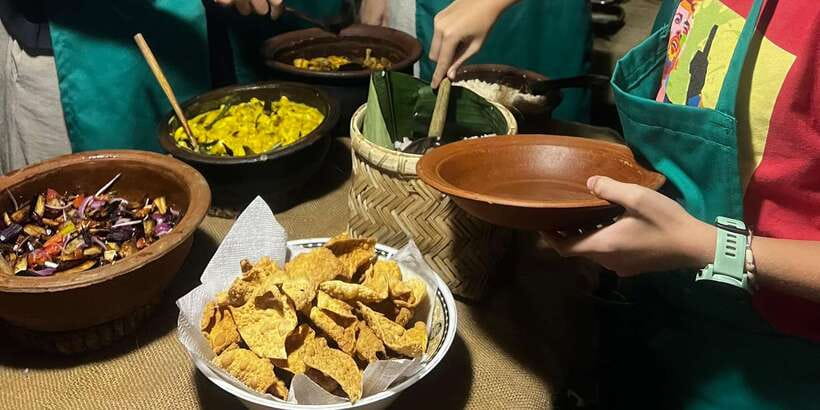
You’ll cook a mix of Sri Lankan favorites that cover both grain/starch and spice-driven curry flavor. The headline dishes listed include hoppers, rice and curry, string hoppers, and honey roti. In real-world practice, many classes also cover key flavor-building steps like making coconut milk, preparing sambola (coconut-based relish/salad), and working with dal (lentil dishes).
Here’s how the learning usually plays out, in practical terms:
Fresh ingredients first
You’ll be introduced to fresh produce and key ingredients at the start. This isn’t just a photo-op. You’ll learn what each ingredient is doing in the dish—why it belongs, and what it changes in taste or texture.
Spice technique and core methods
Ranjani’s teaching style is hands-on and explained clearly. From what people report, you’ll get guidance on techniques like seasoning, cooking rice properly, and building curry flavors so they don’t taste flat. You’ll also hear spice and ingredient health notes along the way, which makes the class feel like more than just learning recipes.
You can also read our reviews of more tours and experiences in Ella Sri Lanka

Dishes you can picture on your own plate
If you’re trying to decide whether you’ll enjoy the menu, these dishes are a good guide:
- Hoppers: bowl-shaped pancakes that show how batter texture and heat control matter
- Rice and curry: the Sri Lankan core idea of balanced curry flavors on top of rice
- String hoppers: steamed rice noodles that teach technique and timing
- Honey roti: a sweet, spice-friendly roti concept that brings a different flavor angle than savory curry
And based on common course add-ons, you might also work on dal/curry, coconut sambol, and papadam. Even if the exact list varies a bit by session, the skills you’re chasing are consistent: cook Sri Lankan staples and understand how the spices and coconut elements work together.
A quick reality check on menu choice
You might not get to choose every dish. The flow is typically set by what the instructor plans for that day. If you’re the kind of person who needs a specific dish guaranteed, message them ahead to confirm what’s on your menu for your chosen time.
Eating banana-leaf Sri Lankan food: the payoff
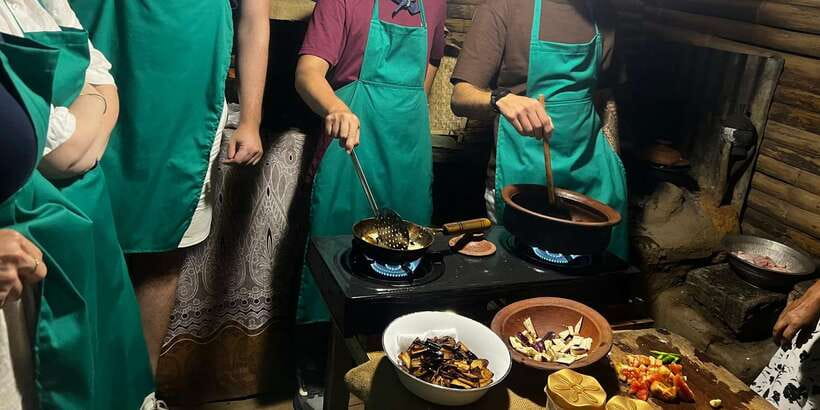
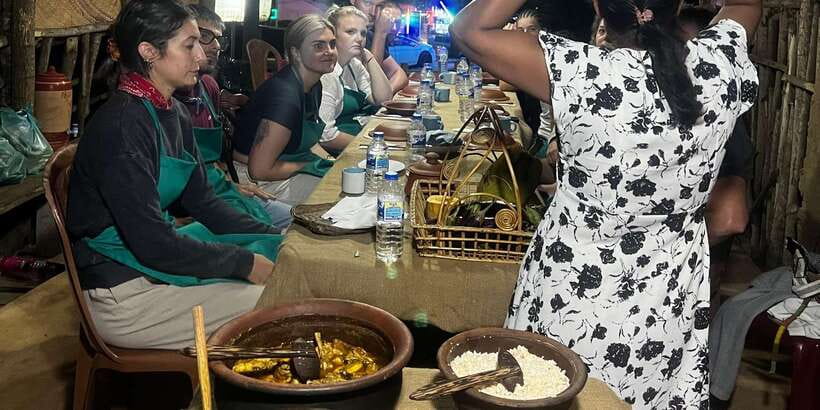
Once your cooking is done, you’ll sit down to eat the meal you helped prepare. The big signature is that you’ll eat off banana leaves, which is both practical and cultural.
Here’s why this matters for you as a food experience:
- Banana leaves help manage mess and add aroma in the eating process.
- It makes the meal feel communal, like you’re joining a local table rather than consuming a plated demo.
People consistently talk about the food being excellent and enough to feel like a real dinner or lunch, not a tiny sampling. At about $19 for a 2-hour class that includes the meal, that size of portion is part of the value equation.
One more practical point: if you’re on a tight schedule, plan a little buffer after class. Eating and taking your time finishing the meal is part of the point.
Ranjani’s spice and health notes (what you’ll remember after)
This is the part that keeps showing up as a standout. Ranjani doesn’t just say mix spice A with curry. She explains what the ingredient is, what it’s for, and why it’s used.
What you’ll likely take away:
- which spices are doing flavor work versus aroma work
- how coconut and lentils create body and balance
- how cooking methods change the final taste, not just the ingredients
Several people mention that the host shares health benefits tied to herbs and spices. I wouldn’t treat this as medical advice, but I would treat it as useful context. It helps you build intuition, so when you cook again at home, you’re not guessing which spice matters most.
You’ll also notice the teaching style encourages participation. Some classes run around a shared workstation with Ranjani demonstrating key steps while everyone helps with tasks as they go. That format can be a plus if you like learning by doing. If you want strict one-on-one instruction, this might feel less focused than you’d like.
Time, group size, and the shared-kitchen setup

The class is listed as 2 hours, but plan for the possibility of extra time. People have reported that sessions can run longer, especially if timing shifts or if weather changes the cooking pace. Ella weather can flip quickly, so if rain hits, it may affect when things start and how long the cooking lasts.
Group size is capped at 8 participants, which is ideal for keeping the class social and interactive. Still, even with a small group, the shared kitchen can feel a little tight. If you’re sensitive to close quarters, consider that you may be standing near others during prep and cooking.
Also think about what you want from the experience:
- If you want a fun group lesson with lots of participation, you’ll probably love it.
- If you want a private kitchen, individual workstation, and a very controlled pace, you might feel the format doesn’t match your expectations.
Price and value: what $19 really buys you
At around $19 per person for roughly 2 hours, this class is strong value. You’re not just paying for instruction. Your ticket includes:
- the instructor and ingredients
- the cooking class itself
- the meal
- bottled water
That means your cost is spread across real food and a real meal at the end, plus take-home instruction via recipes sent after class. When a class includes both learning and feeding you, the economics usually make sense—especially in a tourist town where food tours often cost more and still don’t teach you how to recreate the dishes.
The best value is for people who want to eat well in Ella and also leave with repeatable skills. If your only goal is to eat, there may be cheaper ways. If your goal is to actually cook Sri Lankan food later, the price feels fair quickly.
Bringing Sri Lankan cooking home via WhatsApp recipes
One of the practical perks is that you get recipes sent digitally through WhatsApp. That’s ideal because you don’t have to rely on your memory after your meal gets served and your hands are full.
What to do with those recipes when you get home:
- Save them in a folder so you can find them when you shop for ingredients.
- Use them as a guide for spice balance and method, not just a checklist.
- If you find your first attempt doesn’t match, don’t panic. Curry and batter textures depend on heat and timing, and Sri Lankan cooking pays attention to those details.
If you’ve ever tried a curry at home and ended up with something that tastes close but not right, these recipes can help you fix the method side, which is usually the missing piece.
Who this class is best for
This cooking class works especially well if you:
- want an Ella activity that feels local, not generic
- enjoy step-by-step cooking and learning as you work
- care about spices and want to understand how they build flavor
- like the idea of eating what you cook, banana-leaf style
- want take-home recipes instead of leaving with only photos
It’s also a great option if you’re looking for something indoors-ish but still airy. People even mention it as a good choice on rainy days in Ella, which makes sense given the open-air kitchen structure with a real plan for cooking.
Should you book this Ella Sri Lankan cooking class?
Book it if you want a true hands-on introduction to Sri Lankan home cooking with a warm host and a real meal at the end. The biggest wins here are the teaching style (clear, interactive), the focus on spices and ingredients, and the fact that you eat banana-leaf Sri Lankan dishes you helped make.
Skip it or choose carefully if you need a highly private setup, strict individual workstations, or you’re worried about the class running a bit past the stated time. Otherwise, for about $19, you get a lot: cooking practice, an excellent meal, and WhatsApp recipes you can use later.
If you’re in Ella anyway, this is one of the most practical ways to take the flavors of Sri Lanka home with you.
FAQ
Where do I check in for the class?
You check in with staff at the Chamathka Cooking Class meeting point.
How long is the traditional Sri Lankan cooking class in Ella?
The class is listed at 2 hours.
What time does the class usually start?
Classes normally take place at 11:00 AM and 5:00 PM.
How big is the group?
It’s a small group limited to 8 participants.
Who teaches the cooking class?
The instructor is Ranjani. The class is taught in English and Singhalese.
What dishes will I cook?
You can expect traditional Sri Lankan dishes such as hoppers, rice and curry, string hoppers, and honey roti.
Do I eat what I cook?
Yes. At the end you sit down to enjoy the meal you prepared, and you eat off banana leaves.
What’s included in the price?
Included are the instructor, fresh ingredients, the cooking class, the meal, and bottled water.
Is transportation included?
No. Transportation to the meeting point is not included.
Are recipes sent after the class?
Yes. Recipes are sent digitally through WhatsApp.
Can I cancel and get a full refund?
Yes. You can cancel up to 24 hours in advance for a full refund.
Can the class accommodate dietary needs?
You might find that different diets can be considered during the class. One vegan participant reported being able to eat all but one dish, so it’s a good idea to mention your needs to the provider.