REVIEW · ELLA SRI LANKA
Ella: Sri Lankan Cooking Class with Neranji at Homestay
Book on GetYourGuide →Operated by Cook with Neranji · Bookable on GetYourGuide
One pot. Big flavors. This Sri Lankan class turns Ella into dinner class. You’ll cook in Neranji’s home kitchen, learning the spice logic behind traditional curries and roti while everything stays hands-on and practical.
What I like most is how you get to cook, not just watch. You’ll work with seasonal produce and traditional spices as you prepare dishes like curries, salads/sambol, and roti, then eat the full spread you helped make.
One thing to keep in mind: it’s not suitable for people with food allergies. If you have any serious allergy, this might not be the right fit, since the class is built around shared ingredients and local spice blends.
In This Review
- Key things you’ll remember
- Ella is the right backdrop for a Sri Lankan cooking class
- Meeting Neranji in her homestay kitchen
- Choosing your dishes: curries, sambol, roti, and seasonal produce
- How the choices help you learn (not just eat)
- What it feels like to cook: spices, coconut milk, and real technique
- The meal part: turning class time into dinner
- The special dishes that need 24 hours notice
- Take-home recipes and spice ingredients: the real value
- Price and logistics: why $19 makes sense for a hands-on evening
- Who this cooking class is best for
- Who should skip it
- Should you book Neranji’s Sri Lankan cooking class in Ella?
- FAQ
- How long is the Ella Sri Lankan cooking class with Neranji?
- What dishes can I choose to cook?
- Are special dishes available, and do I need to request them early?
- What’s included in the price?
- Is transportation to and from the class included?
- Is the class suitable for people with food allergies?
Key things you’ll remember
- Cook with Neranji in her home (homestay style), so the lesson feels personal and local
- Hands-on cooking across curries, sambol, and roti, with real technique tips (not just recipes)
- Seasonal ingredients used for freshness, plus an explanation of what each ingredient does
- Take-home support: recipes for everything you cook, plus special spices and ingredients to recreate dishes later
- Small group format (limited to 10), making it easier to ask questions as you cook
Ella is the right backdrop for a Sri Lankan cooking class
Ella already feels like a slow-food kind of place. The village pace fits what this class is trying to do: show you how everyday Sri Lankan meals are built from a few core methods and lots of flavor work.
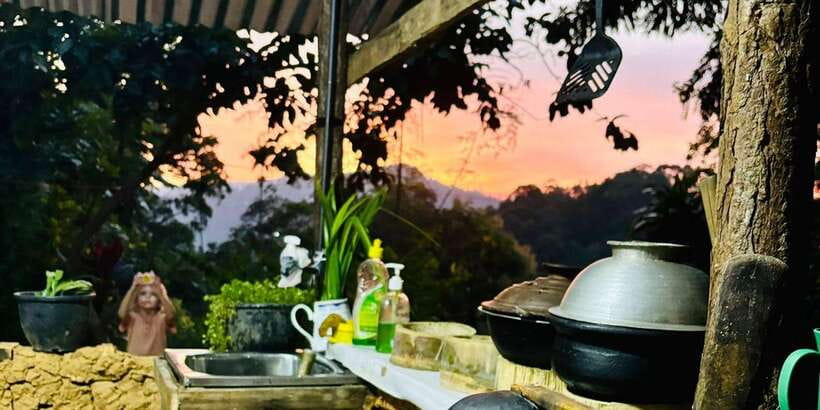
The big advantage here is that you’re learning cuisine in its natural setting. Instead of cooking “tourist Sri Lanka,” you’re working in a local kitchen with local ingredients, guided by a woman who runs the homestay and teaches the food her way.
You can also read our reviews of more cooking classes in Ella Sri Lanka
Meeting Neranji in her homestay kitchen
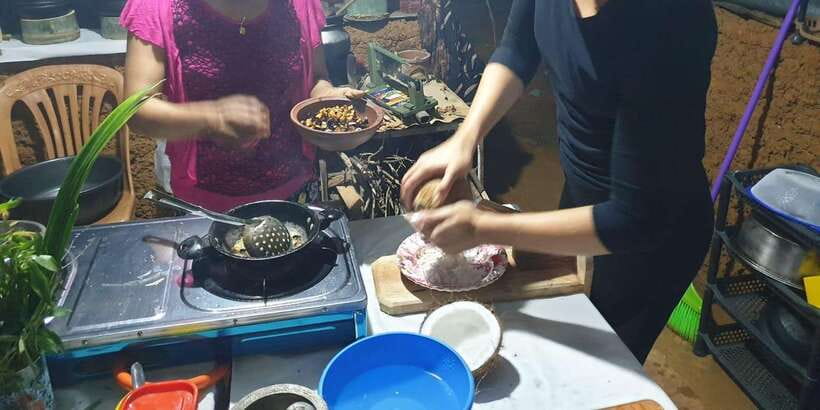
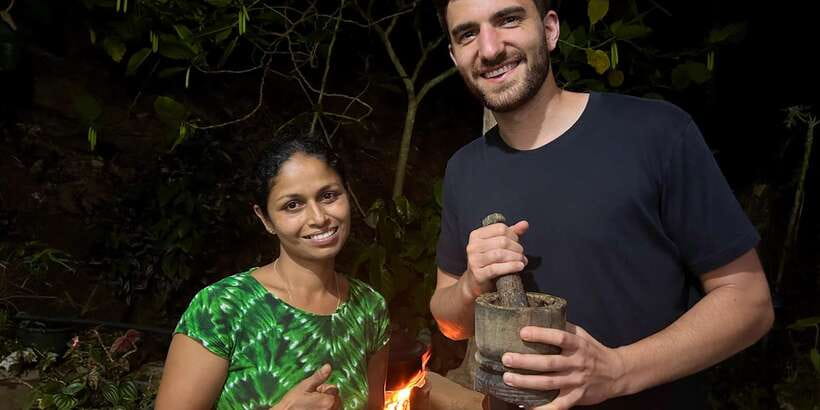
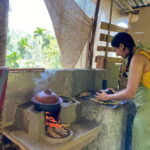
Your start point is Neranji’s kitchen at her home in Ella. The meeting point can vary depending on which option you book, but the experience itself stays the same: you arrive, settle in, and get ready to cook.
The session is taught in English and Singhalese, and the class is run as a small group (limited to 10). That matters because Sri Lankan cooking is partly technique and partly touch. If you can ask follow-up questions while you’re chopping, frying, or mixing, you learn faster and make fewer mistakes later.
And yes, you should expect a warm, family-style feel. The class isn’t framed as a lecture, it’s framed as a shared cooking evening.
Choosing your dishes: curries, sambol, roti, and seasonal produce
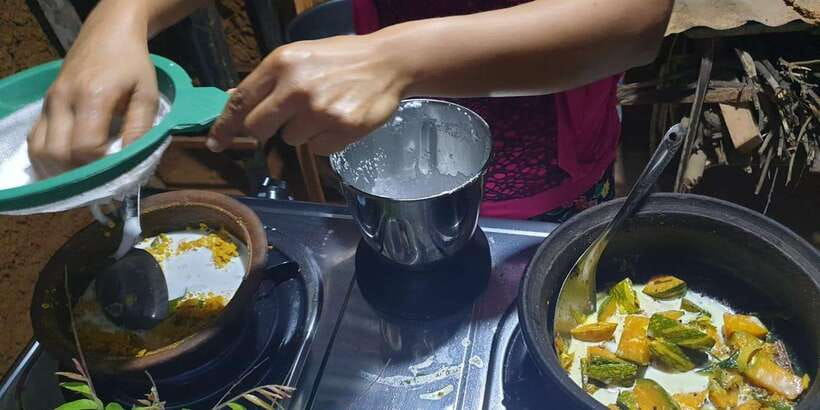
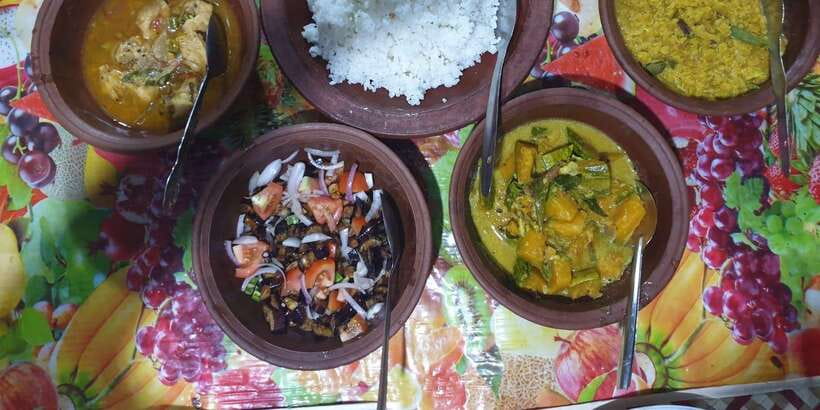
Here’s where you get control. You can pick from a menu of dishes that typically includes curries, salads/sambol, and roti, and the focus is on what’s in season so the flavors stay fresh.
Common curry options can include:
- potato, dhal, pumpkin, beans
- fish or chicken curry
And the sambol-style sides can include things like:
- eggplant salad
- papadom
- carrot sombol and coconut sombol
Then there are the roti options, including coconut roti. If you’ve eaten Sri Lankan food and wondered why it feels so balanced, these are the kinds of dishes that teach you the “why,” not just the “how.”
How the choices help you learn (not just eat)
When you choose dishes yourself, you’re also choosing what you’ll be able to cook again at home. If you love curries, pick two curry styles plus a side. If you’re more into vegetables and crunch, build your plate around sambol and a roti.
I also like that the class explicitly talks about local ingredients. That means you’re not only learning recipes; you’re learning swaps and logic for when ingredients are harder to find back home.
What it feels like to cook: spices, coconut milk, and real technique
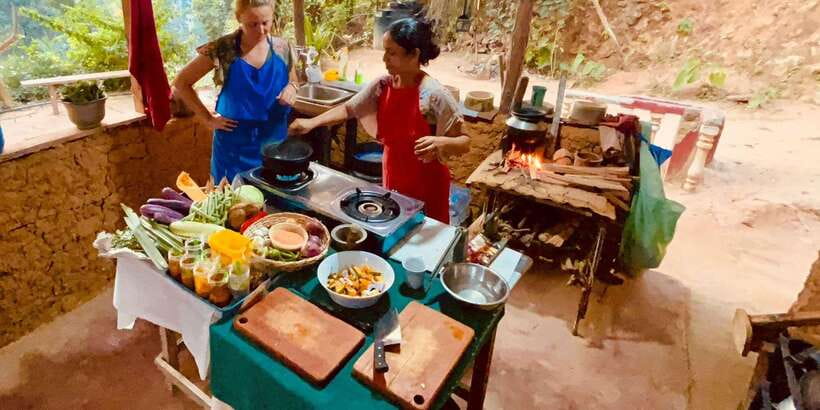
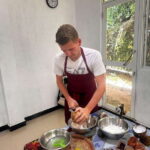
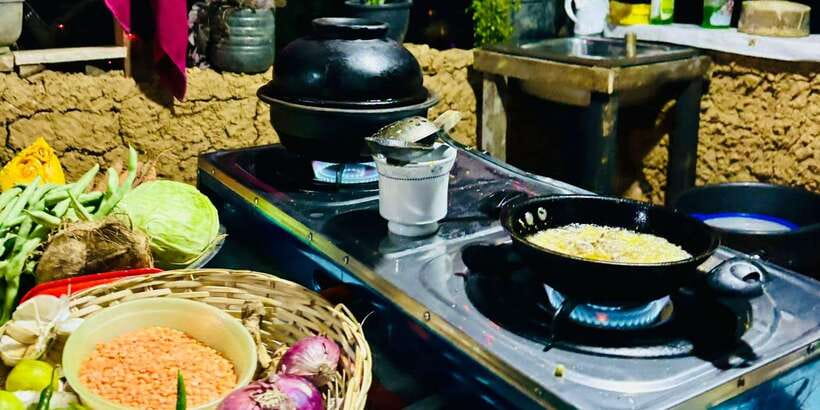
This class is built around active cooking. You’ll prepare multiple dishes, and you’ll be guided through the key steps using traditional spices and methods.
One of the most important things Sri Lankan cooking teaches is that spice isn’t just heat. It’s depth. You’ll learn how ingredients are combined and cooked so flavors layer instead of flatten.
A few technique themes you should expect to work on:
- building curry flavor with spices and aromatics
- getting coconut-based elements right (like coconut milk for curries)
- balancing spice strength to match your preferences
- making roti with the right consistency and cooking approach
Because you’re working in a home kitchen, you’ll also see both practical tools and everyday methods. Some sessions include explaining older approaches and how people adapt them when they cook now.
You can also read our reviews of more tours and experiences in Ella Sri Lanka

The meal part: turning class time into dinner
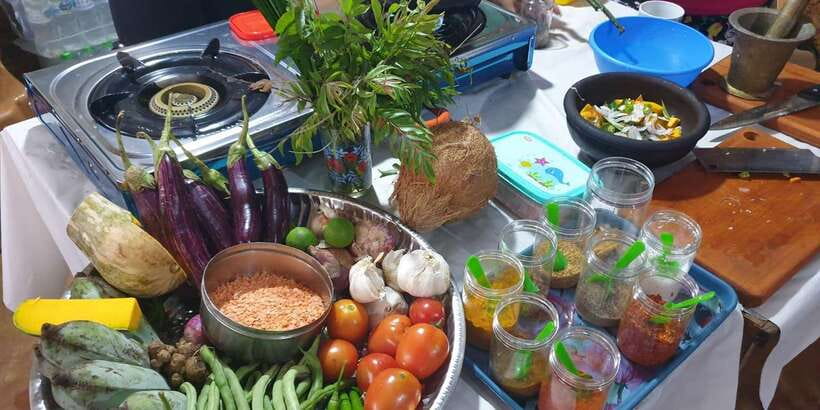
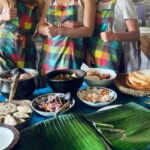
At the end, you eat what you cook. That sounds simple, but it’s one of the best ways to learn because you taste your results immediately while your hands still remember the steps.
You’ll sit down to a meal that becomes your reward for the work, and it’s usually a full spread. In the small-group setting, that shared table also makes it easy to chat with other people about what dish they loved most and what spice they want to replicate later.
I like this format because it keeps the experience grounded. Instead of watching a demonstration, you build a plate and then enjoy it. That also helps you leave with stronger instincts for the next time you cook.
The special dishes that need 24 hours notice
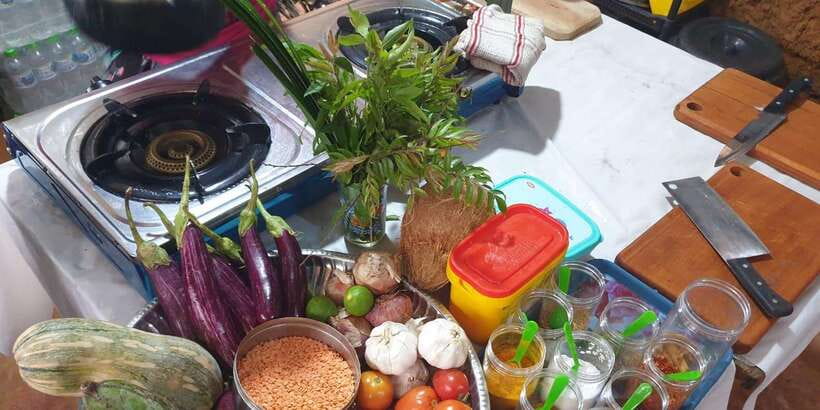
There are also “special” dishes you can request. These are the more distinctive options, and if you want one of them, you need to ask early.
Special dishes that require 24 hours’ notice include:
- banana flower curry
- jackfruit curry
- sweet onion curry
- mango curry
- coconut rotti
If one of these is your must-eat, email in advance or mention it at booking. The key reason is ingredient planning. Sri Lankan cuisine depends on specific fresh components, and getting them right is part of what makes the dish taste like the real thing.
If you don’t request the special items, you’ll still cook plenty of classic Sri Lankan favorites.
Take-home recipes and spice ingredients: the real value
A lot of cooking classes stop at dinner. This one doesn’t. It’s built around leaving you with the tools to cook again.
Included in the experience:
- recipes for all dishes prepared
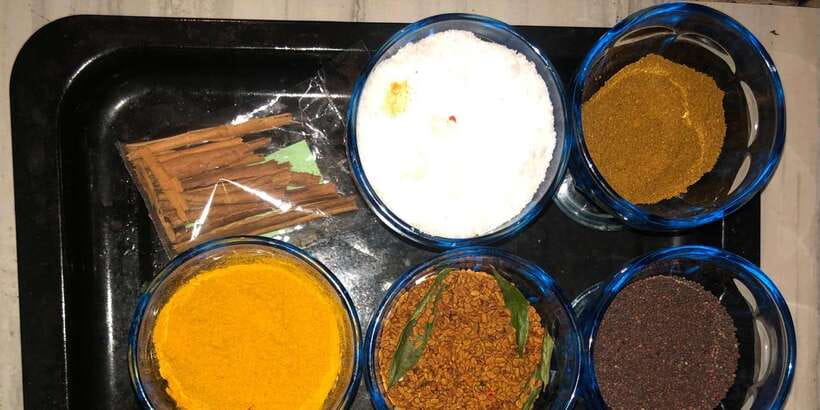
- special spices and ingredients you can take home
This is a big deal for value. Not because you’ll suddenly become a Sri Lankan chef, but because you’ll stop relying on memory. Once you have the spice blend and the recipe notes, it’s much easier to reproduce the dishes and adjust to your pantry.
Also, learning what goes into the dish helps you understand how to translate when ingredients are missing. Sri Lankan cooking often uses spice blends and coconut-based flavors that have a distinct profile, so having the right ingredients makes the difference.
Price and logistics: why $19 makes sense for a hands-on evening
At $19 per person for a 2–3 hour small-group class, this is priced in a way that feels realistic for what you get: cooking time, a meal, and take-home materials.
What you’re really paying for is not just instruction. You’re paying for:
- access to a real home kitchen
- hands-on guidance as you cook
- multiple dishes made during the session
- recipes and spice/ingredient take-homes
Transportation isn’t included, so plan to get to the homestay on your own. Meeting point details can vary depending on the option booked, so when you confirm, double-check where to go and how long it takes from your base in Ella.
Who this cooking class is best for
This is a great fit if you want practical skills and you like flavor experimentation. You’ll learn how to build curries, make sambol-style sides, and work with roti, with enough guidance that you can recreate at home.
It also works well if you’re traveling solo or as a couple, because small groups help you feel involved. And if you’re someone who likes to ask questions while you cook, the format supports that.
One more good reason to choose it: it’s a female-run business connected to a local family that genuinely wants to share their culture. You’re not just buying a ticket to eat; you’re supporting a household through cooking and hospitality.
Who should skip it
The clearest mismatch is allergy needs. Since it’s not suitable for people with food allergies, this is the one decision point that really matters.
If you have mild preferences (like liking less heat), you’ll likely be able to tune it during the session. But if allergies are in play, don’t assume the class can accommodate. It’s safer to choose a different activity where ingredients can be controlled more strictly.
Should you book Neranji’s Sri Lankan cooking class in Ella?
If you want a short, hands-on way to learn Sri Lankan home cooking in Ella, I think this is a strong booking. The main reason is the combination of cook + eat + take-home recipes and spices. For $19, that’s exactly the kind of practical souvenir you can use months later.
Book it if:
- you want to cook multiple dishes, not watch
- you care about spices and ingredients, not just the final taste
- you’d enjoy a homestay-style, warm small-group evening
Skip it if:
- you have food allergies
- you only want a quick taste without cooking
If your priority is learning the real mechanics of curry flavor and leaving with ingredients you can actually recreate, this is an easy yes.
FAQ
How long is the Ella Sri Lankan cooking class with Neranji?
The class lasts about 2 to 3 hours.
What dishes can I choose to cook?
You can choose from curries, salads/sambol, and roti. Options listed include dishes like potato curry, dhal, pumpkin, beans, fish or chicken curry, eggplant salad, papadom, carrot sombol, coconut sombol, and also roti.
Are special dishes available, and do I need to request them early?
Yes. Special dishes like banana flower curry, jackfruit curry, sweet onion curry, mango curry, and coconut rotti require 24 hours’ notice to organize ingredients.
What’s included in the price?
The price includes the traditional Sri Lankan cooking class, preparation of various traditional dishes, special spices and ingredients to take home, and recipes for all dishes prepared during the class.
Is transportation to and from the class included?
No. Transportation to and from the cooking class location is not included.
Is the class suitable for people with food allergies?
No. The class is not suitable for people with food allergies.