REVIEW · SIGIRIYA LION ROCK
Exclusive: Sigiriya Fortress & Polonnaruwa Guided Tour
Book on GetYourGuide →Operated by Beyond Escapes · Bookable on GetYourGuide
One rock, two ancient capitals, one full day. This guided loop hits Polonnaruwa’s 12th-century stone monuments and then climbs Sigiriya’s Lion Rock for palace remains and frescoes. I like that it feels structured but not rushed, so you can actually read what you’re looking at.
I especially like Polonnaruwa’s compact layout. The ruins sit in a garden-like setting, so you don’t spend your day “finding” the next photo spot. You also get a clear sense of how royal power was expressed in stone architecture and tight planning.
The one real consideration is the climb. Lion Rock includes hiking time, and it won’t be comfortable if you have back trouble or if you’re dealing with heat and stairs without the right shoes.
In This Review
- Key takeaways before you go
- A 10-hour cultural loop that actually makes sense
- Polonnaruwa’s 12th-century ruins: stone power in a walkable city
- Lunch at a local restaurant: what 2500 LKR buys you
- Climbing Sigiriya Lion Rock: frescoes, palace remains, and big views
- Price and tickets: what $70 includes, and what adds up
- Pickup, timing, and how to make the day feel smooth
- Temple etiquette and packing for Sri Lanka’s historic sites
- Who should book, and who should skip
- Should you book this Sigiriya and Polonnaruwa day tour?
- FAQ
- FAQ
- What sites does this tour cover?
- How long is the tour?
- Is the tour guided?
- Are the entrance fees included?
- Is lunch included?
- Where is pickup available?
- Where can you be dropped off?
- What should I bring for the tour?
- What rules apply at temples?
- Is the tour suitable for everyone?
Key takeaways before you go
- Polonnaruwa is walkable: a compact, garden-like city layout that makes the ruins easier to follow.
- Sigiriya is a climb, not a stroll: you’ll spend around two hours hiking Lion Rock with a guide.
- Tickets cost extra: Polonnaruwa and Sigiriya entry fees are not included, so budget accordingly.
- Lunch is local and capped: you get a traditional meal with a 2500 LKR per-person limit.
- Private group comfort: pickup and drop-off happen in an air-conditioned vehicle with an English-speaking guide.
A 10-hour cultural loop that actually makes sense
This is a full 10-hour day plan built around two UNESCO-level stops that sit in different moods. You start with Polonnaruwa, where the focus is stone monuments and a readable layout. Then you shift to Sigiriya, where the big drama is height, views, and the palace complex on top of the rock.
The pacing is the key here: Polonnaruwa gets its own guided walk (about two hours), then you take lunch before heading to Sigiriya. That structure helps because both sites are visually intense. If you tried to do them without a plan, you’d likely spend half the day “trying to get oriented.”
Pickup and drop-off are flexible depending on where you’re staying. You can choose among Habarana, Dambulla, Kandy, or Anuradhapura for pickup, and the same four areas for the return. For many people, that means you don’t lose half the day fighting logistics.
You can also read our reviews of more guided tours in Sigiriya Lion Rock
Polonnaruwa’s 12th-century ruins: stone power in a walkable city
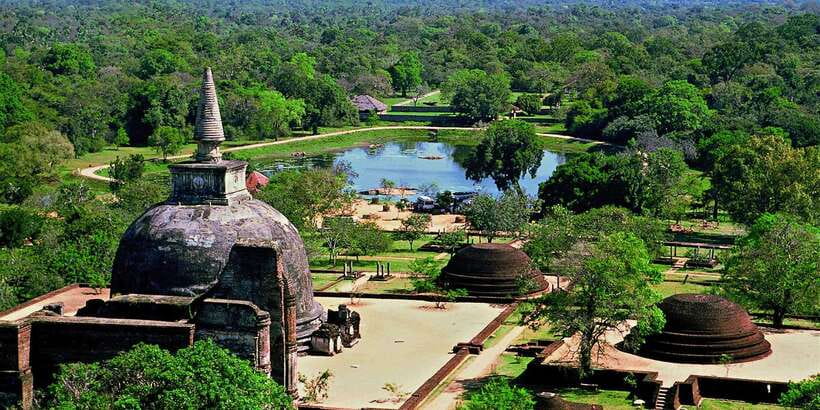
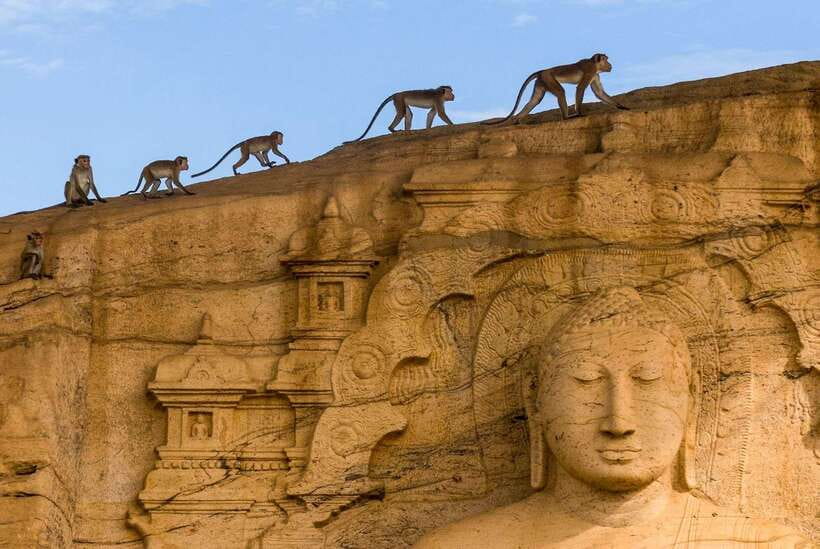
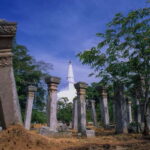
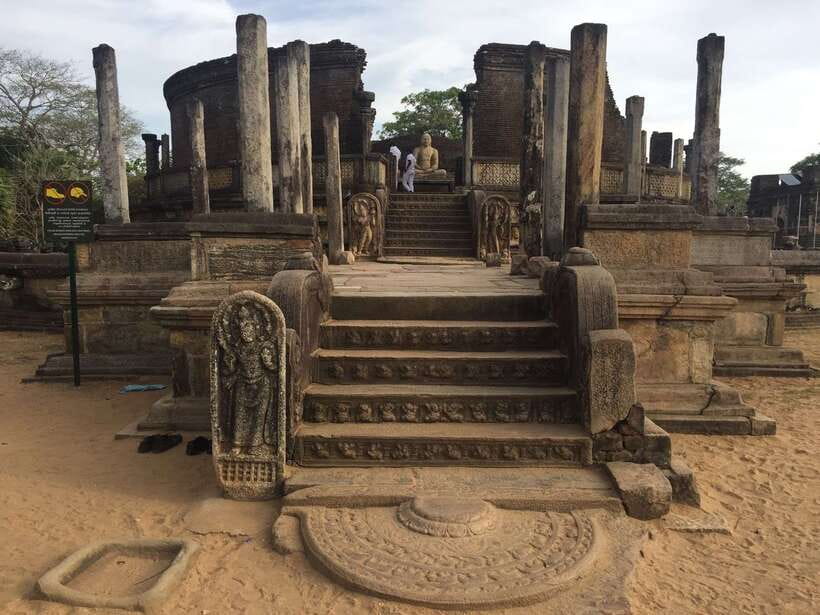
Polonnaruwa was a royal capital, and it shows in the way the ruins are arranged. What I like about this stop is how the monuments feel close together. The site has a compact, garden-like layout, so the walking rhythm is easier to manage and the sights feel connected.
You’ll get a guided tour that focuses on sightseeing through the ancient city. Expect to see well-preserved 12th-century structures and royal monuments that are especially striking because they’re made of stone and built to last. Compared to the older nearby kingdoms many people visit first, Polonnaruwa feels younger—but also remarkably intact, which makes it easier to understand what you’re looking at.
A practical way to experience Polonnaruwa is to slow down on the details your guide points out. Stone architecture can be “just ruins” if you’re scanning randomly. With a guide, you get meaning—how royal spaces were planned, how the city functioned, and why the layout matters.
One more tip: wear shoes you can trust on uneven ground. Polonnaruwa is mostly outdoor walking, and after you’ve spent time in the sun, comfort becomes your best travel upgrade.
Lunch at a local restaurant: what 2500 LKR buys you
After Polonnaruwa, you stop for lunch at a local restaurant. The meal includes a 2500 LKR per person limit, which is helpful to know ahead of time. It signals that lunch is meant to be truly local rather than a “tourist menu.”
In practical terms, this is where you reset for the climb ahead. Sigiriya can be a sweaty, stair-heavy second act, so you’ll want to treat lunch like your fuel stop, not a lingering sit-down. If you’re picky about spice levels or want to avoid certain foods, ask what’s available rather than ordering blindly.
You may also want to use lunch as a hydration moment. The day is sun-heavy, and once you’re on the rock, you won’t want to play catch-up with water.
Climbing Sigiriya Lion Rock: frescoes, palace remains, and big views
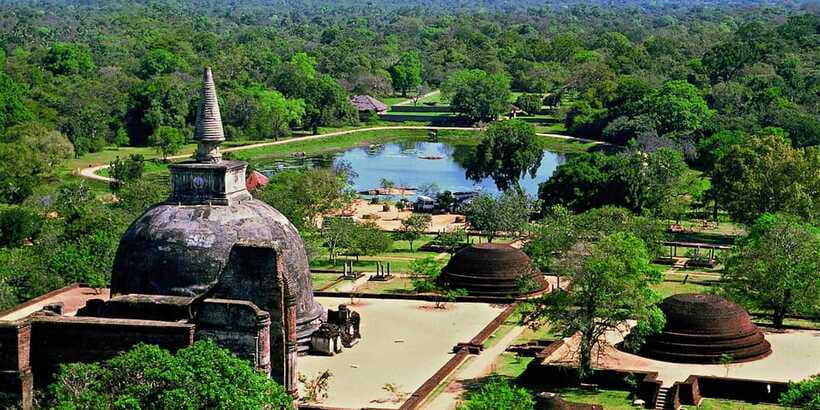
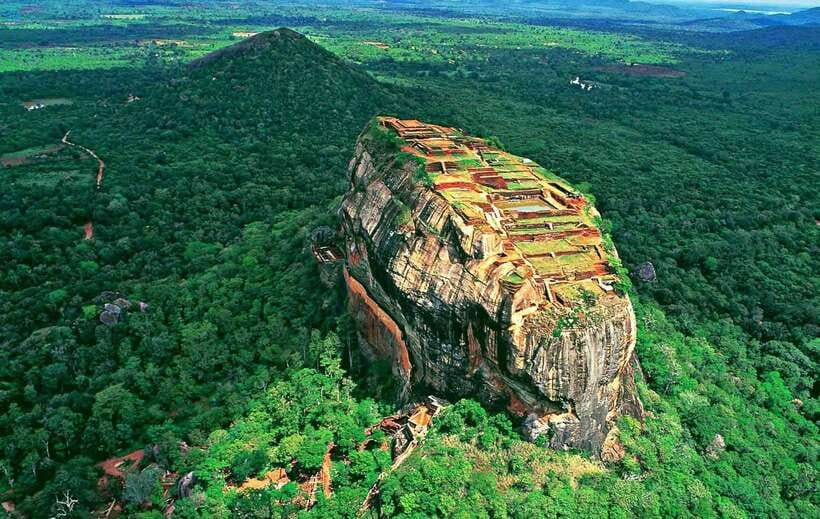
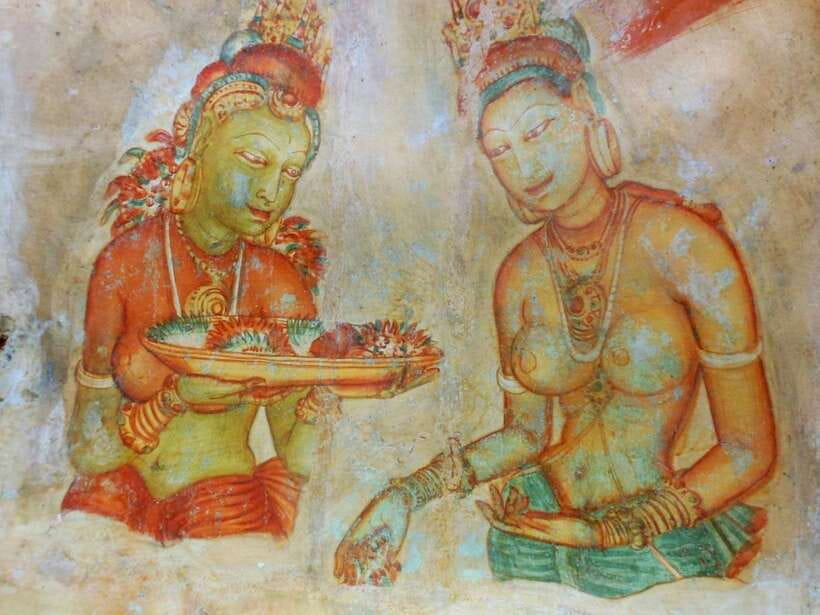
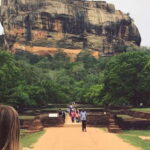
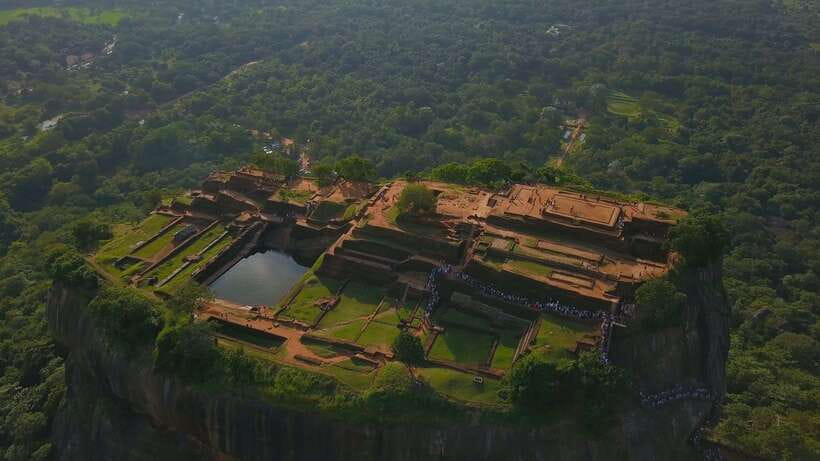
Sigiriya is dramatic in a way photos can’t fully explain. The rock rises sharply from the plains, and you immediately feel like you’re entering a different scale of the world. This is a UNESCO World Heritage Site, and the main reason people come is the combination of the golden granite rock, the frescoes, and the palace remains of King Kashyapa.
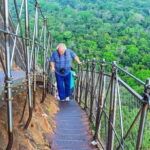
The climb itself is part of the experience. Your guided time at Sigiriya includes sightseeing and hiking for about two hours. That means you’re not just walking a flat path and buying a ticket—you’re moving upward, step by step, with the payoff at the top.
What you’re looking for on the rock:
- The palace ruins, tied to King Kashyapa’s era
- Ancient frescoes that help you picture royal life
- The landscaped water-garden concept around the broader complex
- The views, which are the natural reward for the effort
If you’ve never climbed a historic site before, here’s the simple advice: pace yourself early. Don’t sprint on the first stretch. Save your energy for the moments when you’ll want to stop, look closely, and let the view work on you.
Also, bring sunglasses and something for sun protection. The route up can feel exposed, and shade is not something you should assume.
Price and tickets: what $70 includes, and what adds up
The tour price is $70 per person for about 10 hours of guided touring, pickup and drop-off by air-conditioned vehicle, lunch (with the 2500 LKR cap), and an English-speaking guide during sightseeing. Government taxes are included too, which is one less thing to worry about when you’re planning your day.
Two major things are not included:
- Polonnaruwa Ancient City entry fee: USD 30
- Sigiriya Rock Fortress entry fee: USD 35
So your all-in cost is typically around $135 per person once you add the tickets. That number matters because these two tickets are the core access fees for the day’s big sights.
Is it good value? For most people, yes—if you want a guided plan that strings together both highlights with a real lunch stop and transport. If you were traveling independently, you’d still need entry tickets, you’d still deal with getting between sites, and you’d still need a guide if you want the context behind the ruins and palace remains.
Where the value question gets personal is your comfort level with heat, walking, and climbing. If you can handle the physical side, the price-to-time ratio is solid. If you can’t, you may feel like you’re paying for effort you can’t enjoy.
Pickup, timing, and how to make the day feel smooth
This is set up as a private group experience, and that matters. Private means you can move at a pace that fits your group, not a rigid “everybody stop at once” schedule. It also means the guide can focus more directly on what you’re interested in during the Polonnaruwa walk and the Sigiriya climb.
Pickup is offered from Habarana, Dambulla, Kandy, or Anuradhapura, and you’ll be dropped off in the same set of locations. Because the tour is structured into two sightseeing blocks plus lunch, you’ll want to treat the vehicle ride like part of the day, not time you waste.
Here’s how I’d plan your day around it:
- Keep your morning flexible so you arrive rested for Polonnaruwa.
- Don’t schedule anything important right after the drop-off. Sigiriya is physical enough that you’ll probably want a low-energy evening.
- Bring the basics for sun and comfort (see packing section below).
There’s also a nice “feel” to this specific pairing. Polonnaruwa gives you a grounded sense of how a royal city worked. Then Sigiriya turns that into spectacle—height, frescoes, and palace ruins designed to impress. Together, they read like two chapters of the same story.
Temple etiquette and packing for Sri Lanka’s historic sites
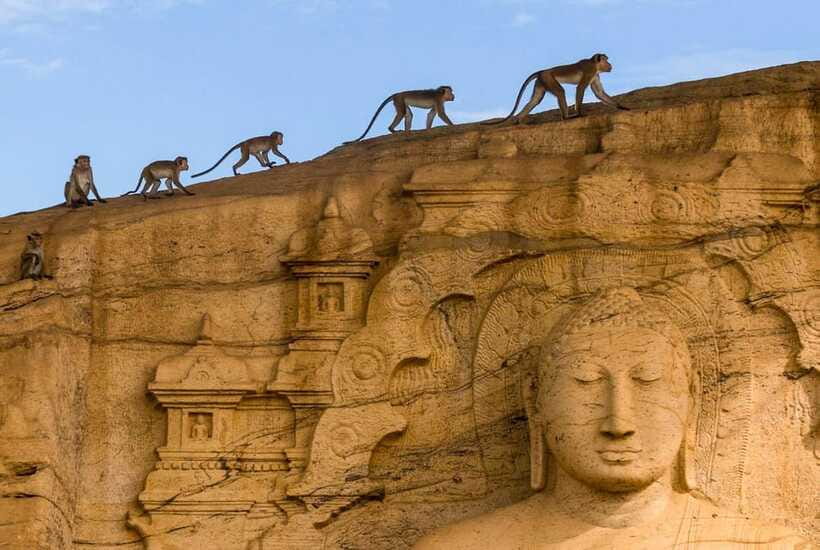
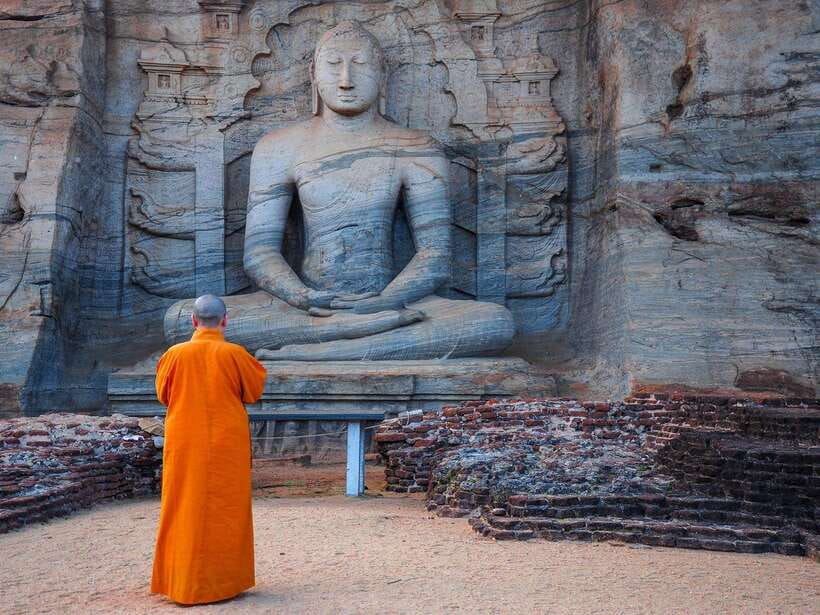
This day takes you through cultural spaces where simple rules matter. You should plan on removing footwear and hats in Buddhist and Hindu temple areas. Shoulders and knees also need to be covered, so pack accordingly.
Here’s what to bring based on the practical requirements:
- Passport or ID card
- Comfortable shoes (you’ll thank yourself on the rock)
- Sunglasses
- Sun hat
And here’s what’s not allowed:
- Pets
- Smoking
If you’re someone who hates last-minute outfit problems, dress in a way that covers shoulders and knees before you start. That way you won’t be borrowing or improvising when you reach temple sections during sightseeing.
Who should book, and who should skip
This tour fits best if you want both of Sri Lanka’s big names in one day without building the route yourself. It’s a good choice if you like guided interpretation—especially at Polonnaruwa, where stone details can become clearer with context.
It’s also a better match if you can comfortably handle a climb. Sigiriya includes hiking time, and the day isn’t built for slow, flat walking only.
Based on the listed limitations, it’s not suitable for pregnant women and for people with back problems. If you’re in that group, consider a different plan that avoids the climb portion.
If you’re generally active, you should do well—just remember you’re stacking sun, walking, and stairs into one long day.
Should you book this Sigiriya and Polonnaruwa day tour?
I’d book it if you want a straightforward, guided “greatest hits” day that balances ruins with a real physical highlight. The big strength is the pairing: Polonnaruwa gives you a readable, compact ancient city, and Sigiriya gives you the famous rock palace story with frescoes and views.
I’d skip or rethink it if the climb will be difficult for you, because Lion Rock is central to the experience. I’d also be clear about your budget: entry fees are extra, so don’t look only at the $70 figure.
One last thought for people staying in the North Central area: building your day around a base in Anuradhapura can feel especially rewarding, and this kind of route lets you make that region part of your overall Sri Lanka rhythm rather than just a starting point.
FAQ
FAQ
What sites does this tour cover?
It covers Polonnaruwa’s ancient city ruins and the Sigiriya Rock Fortress, including Lion Rock.
How long is the tour?
The duration is 10 hours.
Is the tour guided?
Yes. You get an English-speaking guide during the sightseeing portions.
Are the entrance fees included?
No. Polonnaruwa entry is USD 30 and Sigiriya Rock Fortress entry is USD 35, and both are not included.
Is lunch included?
Yes. Lunch at a local restaurant is included with a limit of 2500 LKR per person.
Where is pickup available?
Pickup options include Habarana, Dambulla, Kandy, and Anuradhapura.
Where can you be dropped off?
Drop-off locations match the pickup options: Dambulla, Habarana, Kandy, and Anuradhapura.
What should I bring for the tour?
Bring a passport or ID card, comfortable shoes, sunglasses, and a sun hat.
What rules apply at temples?
At Buddhist and Hindu temple areas, visitors are expected to remove footwear and hats, and shoulders and knees should be covered.
Is the tour suitable for everyone?
It’s not suitable for pregnant women or people with back problems. It also includes hiking at Sigiriya, so comfortable walking is important.